
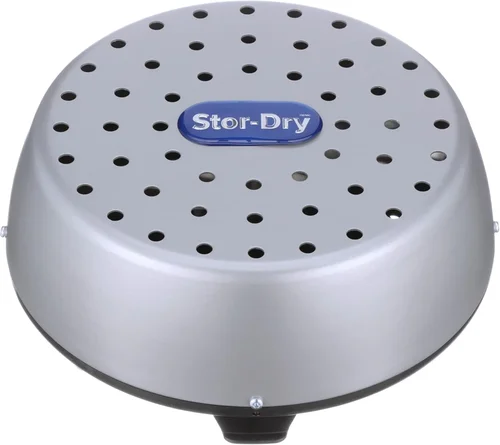
Boats are more than just vessels—they’re floating homes, weekend escapes, and sometimes even full-time residences. But with all that time spent on or near water, moisture becomes an inevitable enemy. Whether you’re docked at a marina, anchored in a secluded cove, or simply storing your boat between trips, humidity can wreak havoc on your investment. Mold, mildew, rust, musty odors, and warped wood are just a few of the problems that arise when excess moisture isn’t controlled. That’s where a high-quality boat dehumidifier comes in—not as a luxury, but as a necessity for preserving your boat’s integrity, comfort, and value.
This comprehensive buying guide is designed to help you navigate the often-overlooked world of marine dehumidification. Whether you own a small sailboat, a luxury yacht, or anything in between, understanding how to choose the right dehumidifier can save you hundreds—if not thousands—of dollars in repairs and maintenance down the line. In this guide, we’ll walk you through everything you need to know: from key performance metrics and build quality to budget considerations and expert tips for getting the best deal. You’ll learn how different types of dehumidifiers work in marine environments, what features truly matter, and how to avoid common pitfalls that leave many boat owners frustrated and underprotected.
The market for boat dehumidifiers has grown significantly in recent years, driven by increased awareness of moisture-related damage and advancements in compact, energy-efficient technology. Today’s options range from simple passive desiccant units to sophisticated refrigerant-based systems with smart controls and remote monitoring. However, not all dehumidifiers are created equal—especially when it comes to the unique challenges of marine use. Salt air, temperature fluctuations, limited power supply, and confined spaces demand specialized solutions. By the end of this guide, you’ll have the knowledge and confidence to select a dehumidifier that fits your boat’s size, your usage patterns, and your budget—ensuring years of dry, comfortable, and damage-free boating.
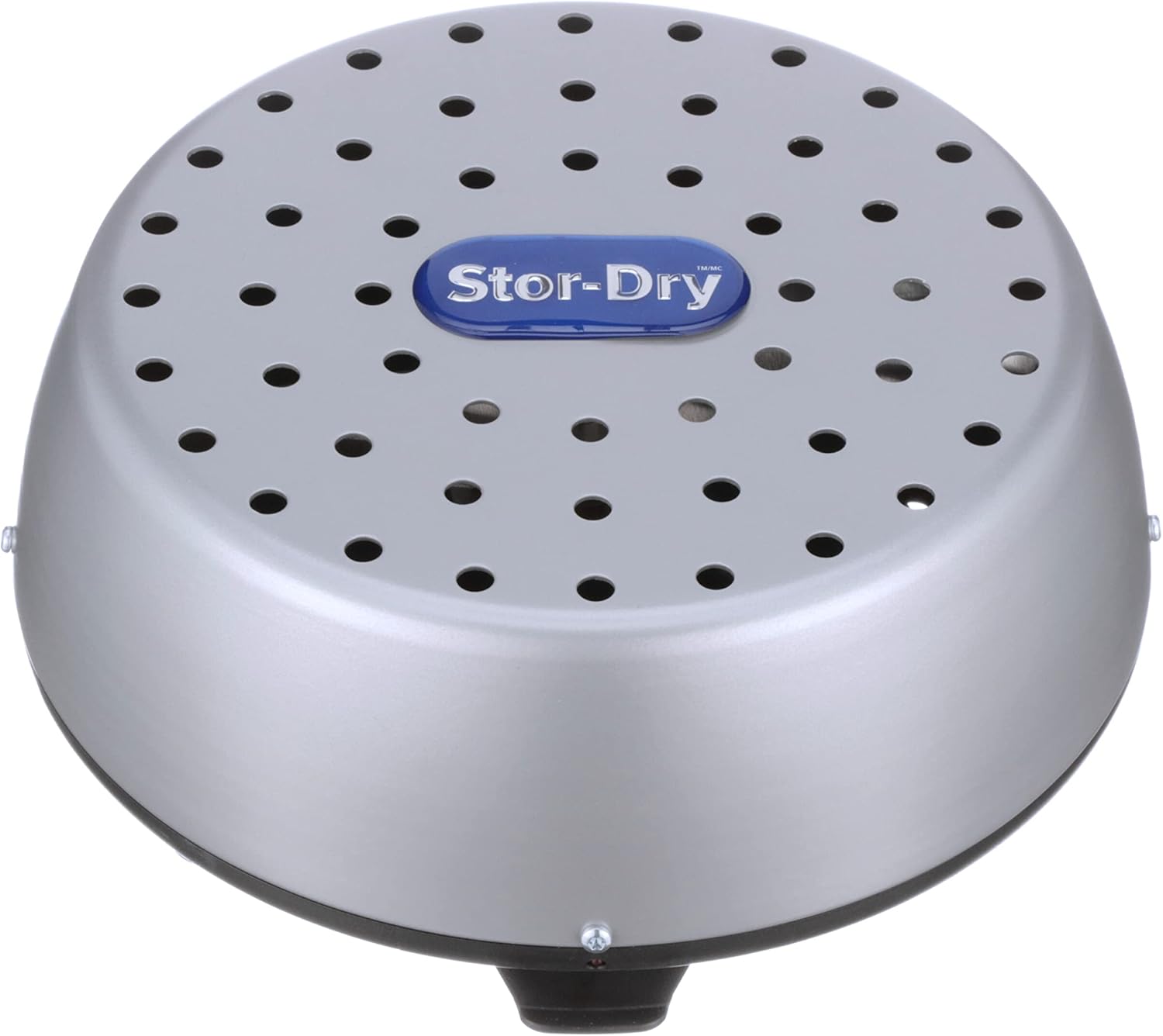
What to Look for When Buying Buying Guide
1. Moisture Removal Capacity (Pints per Day)
The most critical specification when choosing a boat dehumidifier is its moisture removal capacity, typically measured in pints per day (PPD). This tells you how much water the unit can extract from the air over a 24-hour period under standard conditions (usually 80°F and 60% relative humidity). For boats, this number needs to be carefully matched to your vessel’s size and typical humidity levels.
Smaller boats (under 30 feet) may only require a unit rated between 10–20 PPD, especially if they’re used infrequently or stored in dry climates. Mid-sized cruisers (30–45 feet) often benefit from 20–35 PPD models, while larger yachts or liveaboard vessels may need 35+ PPD—or even multiple units strategically placed throughout the cabin, engine room, and storage compartments. Keep in mind that actual performance can vary based on ambient temperature and humidity. Refrigerant dehumidifiers lose efficiency in colder environments (below 65°F), whereas desiccant models maintain consistent output across a wider temperature range—making them better suited for seasonal or cold-weather storage.
2. Power Consumption & Energy Efficiency
Boats typically rely on limited power sources—battery banks, shore power, or generators—so energy efficiency is paramount. Look for units with low wattage ratings and high energy factor (EF) scores, which measure how much moisture is removed per kilowatt-hour of electricity used. A good marine dehumidifier should consume between 200–500 watts under normal operation, depending on capacity.
Refrigerant dehumidifiers tend to be more energy-efficient in warm, humid conditions but draw more power as temperatures drop. Desiccant models, while less efficient overall, offer consistent performance in cold or variable environments and often include auto-restart features after power outages—a crucial feature for unattended boats. Some advanced models now come with inverter technology or variable-speed compressors that adjust output based on real-time humidity levels, further reducing energy use. Always check the manufacturer’s specifications for both running and startup wattage, especially if you plan to run the unit off an inverter or solar-charged battery system.
3. Build Quality & Marine-Grade Durability
Standard household dehumidifiers are not built to withstand the harsh conditions found aboard boats. Salt spray, vibration, humidity, and temperature swings can quickly degrade plastic components, corrode metal parts, and damage electrical systems. That’s why marine-specific dehumidifiers are constructed with corrosion-resistant materials such as powder-coated aluminum, stainless steel hardware, and sealed electronics.
Look for units explicitly labeled as “marine-grade” or “saltwater-resistant.” These models often feature conformal-coated circuit boards, rubber-mounted compressors to reduce vibration, and sealed condensers to prevent salt ingress. Additionally, check for ingress protection (IP) ratings—IPX4 or higher indicates resistance to splashing water, which is essential in engine rooms or near hatches. Avoid cheap plastic housings and unsealed control panels; they may save money upfront but will cost you in repairs or replacements within a season or two.
4. Noise Level & Operational Quietness
On a boat—especially a smaller one—noise matters. A loud dehumidifier can disrupt sleep, interfere with communication, or simply become an annoying distraction during quiet evenings at anchor. Most marine dehumidifiers operate between 40–60 decibels (dB), which is comparable to a quiet conversation or moderate rainfall. However, some budget models or older refrigerant units can exceed 65 dB, sounding more like a small vacuum cleaner.
Desiccant dehumidifiers are generally quieter than compressor-based ones because they lack moving parts like fans and compressors. If you’re sensitive to noise or plan to run the unit overnight in a cabin, prioritize models with noise ratings below 50 dB. Many premium units now include “sleep mode” or low-speed settings that further reduce sound output. Always read user reviews for real-world noise feedback—manufacturer specs can sometimes be misleading.
5. Automatic Features & Smart Controls
Modern boat dehumidifiers offer a range of automation features that make maintenance easier and more effective. The most useful include:
- Humidistat Control: Allows you to set a target humidity level (ideally 45–55% for boats). The unit automatically turns on/off to maintain that level, preventing over-drying or under-drying.
- Auto Defrost: Essential for refrigerant units operating in cooler temperatures. Prevents ice buildup on coils, which reduces efficiency and can damage the compressor.
- Continuous Drain Option: Instead of relying on a small water tank that needs frequent emptying, many units offer a hose connection for direct drainage—perfect for unattended operation or long-term storage.
- Remote Monitoring & Alerts: High-end models may include Wi-Fi connectivity, allowing you to check humidity levels and receive alerts via smartphone apps—ideal for monitoring your boat while ashore.
These features not only improve convenience but also enhance protection. For example, a unit with auto-shutoff when the tank is full prevents overflow and potential water damage. Similarly, programmable timers let you run the dehumidifier only during peak humidity hours (e.g., overnight), saving energy and extending component life.
6. Size, Weight & Installation Flexibility
Space is at a premium on any boat. A bulky dehumidifier can take up valuable storage, block walkways, or interfere with other equipment. Look for compact, lightweight designs that can be mounted under sinks, in lockers, or on bulkheads. Many marine dehumidifiers are designed for permanent installation with mounting brackets, while others are portable for flexible placement.
Consider the unit’s footprint and height—especially in low-clearance areas like cabins or heads. Weight is also important; heavier units may require additional structural support. Some models are specifically engineered for vertical or horizontal mounting, giving you more placement options. If you’re installing in an engine room or lazarette, ensure there’s adequate ventilation around the unit to prevent overheating.
7. Brand Reputation & Marine Specialization
Not all dehumidifier brands understand the unique demands of marine environments. While some household appliance companies offer “boat-friendly” versions of their products, true marine specialists—like Eva-Dry, Dri-Eaz, and Thermastor—design their units from the ground up for saltwater exposure, vibration, and limited power.
Research brands with a proven track record in the boating community. Read forums like SailNet, CruisersForum, or YachtWorld reviews to see what real users say about reliability, customer service, and long-term performance. A reputable brand will also provide detailed technical support, clear installation guides, and responsive warranty service—often with local dealers or service centers near major marinas.
8. Warranty & Customer Support
A solid warranty is a strong indicator of a manufacturer’s confidence in their product. For marine dehumidifiers, look for at least a 2-year warranty, with some premium models offering 3–5 years. Pay attention to what’s covered: compressor failure, corrosion damage, electrical components, and labor costs. Some warranties are voided if the unit is used in saltwater environments unless explicitly rated for it—so read the fine print.
Equally important is customer support. Can you easily reach a technician? Are replacement parts readily available? Do they offer troubleshooting guides or video tutorials? A responsive support team can mean the difference between a quick fix and weeks of downtime. Check online reviews for mentions of warranty claims and service experiences before making your purchase.
Different Types of Buying Guide

Common Buying Mistakes to Avoid
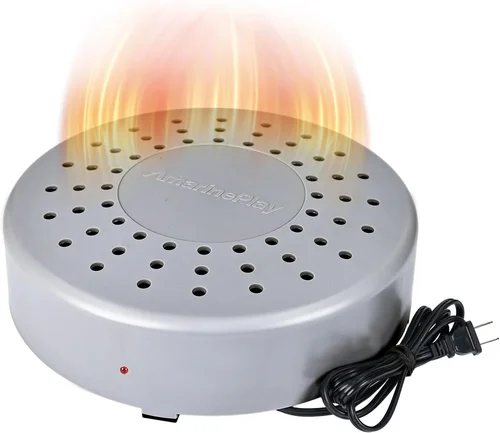
❌ Mistake: Choosing a Household Dehumidifier for Marine Use
Why it’s bad: Standard dehumidifiers aren’t built to handle salt air, vibration, or temperature extremes. Their internal components corrode quickly, seals degrade, and electronics fail prematurely—often within months. You’ll end up replacing the unit frequently and risking moisture damage in the meantime.
What to do instead: Always select a model specifically designed for marine environments. Look for corrosion-resistant materials, sealed electronics, and IP ratings. Even if it costs more upfront, it will last significantly longer and perform reliably.
❌ Mistake: Undersizing the Unit
Why it’s bad: A dehumidifier that’s too small for your boat will run nonstop, overheat, and fail to lower humidity to safe levels. This leads to mold growth, musty smells, and accelerated wear on the unit itself.
What to do instead: Calculate your boat’s cubic footage and consider climate, usage frequency, and insulation quality. When in doubt, choose a unit with 20–30% higher capacity than your minimum requirement. For larger boats, consider using multiple smaller units in key areas rather than one oversized central unit.
❌ Mistake: Ignoring Drainage Options
Why it’s bad: Relying solely on a manual water tank means you must check and empty it daily—especially problematic if you’re away from your boat for days or weeks. Overflow can cause water damage or short-circuit the unit.
What to do instead: Opt for a model with a continuous drain hose connection. Route the hose to a sink, bilge pump, or overboard discharge. This enables unattended operation and is essential for seasonal storage or liveaboard setups.
❌ Mistake: Overlooking Power Source Compatibility
Why it’s bad: Running a high-wattage dehumidifier off a small battery bank or weak inverter can drain your system overnight, leaving you without power for lights, refrigeration, or navigation equipment.
What to do instead: Match the unit’s power requirements to your boat’s electrical system. Calculate total daily energy consumption (watts × hours) and ensure your batteries or solar setup can handle it. Consider low-wattage desiccant models or units with energy-saving modes for off-grid use.
❌ Mistake: Skipping the Humidistat
Why it’s bad: Without humidity control, the unit may over-dry the air (causing wood to crack) or under-dry it (allowing mold to thrive). Constant on/off cycling without feedback is inefficient and stressful on components.
What to do instead: Always choose a dehumidifier with a built-in humidistat or one that’s compatible with an external hygrometer. Set your target between 45–55% RH for optimal comfort and protection.
❌ Mistake: Neglecting Maintenance Requirements
Why it’s bad: Filters clog, coils frost over, and desiccant wheels degrade—all of which reduce efficiency and can lead to failure. Many owners assume dehumidifiers are “set it and forget it,” but they require periodic cleaning and inspection.
What to do instead: Read the manual and establish a maintenance schedule. Clean filters monthly, inspect coils for ice or debris, and replace desiccant cartridges as recommended. Keep spare parts on hand for quick fixes.
❌ Mistake: Buying Based Solely on Price
Why it’s bad: The cheapest option often lacks durability, efficiency, or essential features. You may save $100 now but spend $300 on replacements and repairs within two years.
What to do instead: Focus on total cost of ownership—not just purchase price. Consider energy efficiency, warranty length, build quality, and expected lifespan. A mid-range marine-grade unit often offers the best long-term value.
Budget Guidelines: How Much Should You Spend?
Boat dehumidifiers span a wide price range, and your budget should align with your boat’s size, usage pattern, and environmental conditions. Here’s a realistic breakdown of what to expect at each tier:
Entry-Level ($50–$150): This range includes passive desiccant units (like Eva-Dry E-333 or similar) and basic mini dehumidifiers. They’re ideal for small spaces—lockers, cabins under 20 feet, or as supplemental moisture control. These units require no power (for passive types) or very little (under 100 watts), but they remove minimal moisture (1–3 pints per day). Great for seasonal storage or as a backup, but insufficient for full-boat humidity control in humid climates.
Mid-Range ($150–$400): This is the sweet spot for most recreational boaters. You’ll find reliable desiccant and compact refrigerant models with 10–30 PPD capacity, humidistats, auto-shutoff, and continuous drain options. Brands like Eva-Dry, Dri-Eaz, and ProBreeze offer durable, marine-friendly designs in this range. These units balance performance, efficiency, and affordability—perfect for weekend cruisers, fishing boats, and small yachts used regularly.
Premium ($400–$800): For larger boats, liveaboards, or those in tropical or high-humidity regions, premium models deliver superior performance and smart features. Expect 30–50+ PPD, Wi-Fi connectivity, advanced filtration, low-noise operation, and robust marine-grade construction. Units like the Thermastor Santa Fe or Dri-Eaz F413 are built for heavy-duty use and often include remote monitoring, programmable schedules, and extended warranties. These are worth the investment if you rely on your boat daily or store it in challenging conditions.
Luxury ($800+): At this level, you’re looking at whole-boat integrated systems or high-end portable units with industrial-grade components. These are common on luxury yachts, catamarans, and commercial vessels. Features may include multi-zone control, compatibility with onboard HVAC, solar integration, and professional installation support. While overkill for most owners, they offer unmatched reliability and automation for those who demand perfection.
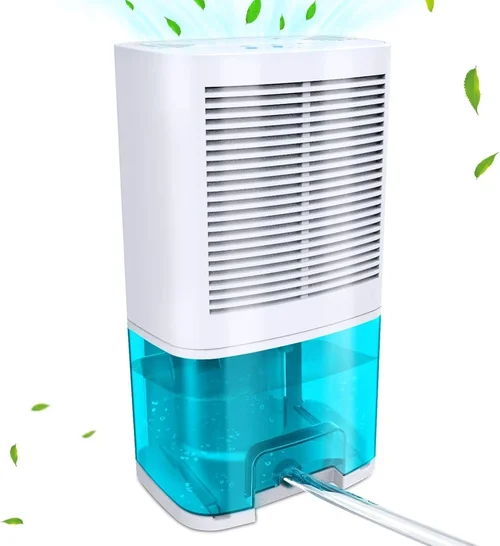
Expert Tips for Getting the Best Deal
- Buy During Off-Season: The best time to purchase a boat dehumidifier is in late fall or winter—after the boating season ends. Retailers and marine suppliers often discount inventory to clear space, and you’ll have your system ready for spring commissioning.
- Shop Marine-Specific Retailers: While big-box stores sell dehumidifiers, marine chandleries (like West Marine, Defender, or Fisheries Supply) offer expert advice, better warranties, and products tested by boaters. They also stock replacement parts and accessories.
- Compare Online vs. In-Store: Online prices are often lower, but in-store purchases let you inspect build quality and ask technical questions. Some retailers price-match, so you can get the best of both worlds.
- Look for Bundled Deals: Some manufacturers offer packages that include dehumidifiers, hygrometers, drain kits, or spare filters at a discounted rate. These can save 10–20% compared to buying items separately.
- Check Manufacturer Rebates: Occasionally, brands run promotions or rebates—especially during boat shows or holidays. Sign up for newsletters from your preferred brands to stay informed.
- Read Real User Reviews: Skip the marketing fluff and focus on reviews from verified boat owners. Look for comments about long-term reliability, customer service, and performance in real marine conditions.
- Test Before Committing: If possible, run the dehumidifier for a few days before permanent installation. Monitor humidity levels, noise, and power draw to ensure it meets your expectations.
- Negotiate Extended Warranties: Some dealers offer free warranty extensions or discounted service plans. It never hurts to ask—especially for higher-end models.

Frequently Asked Questions
Q: Can I use a regular home dehumidifier on my boat?
A: Technically yes, but it’s not recommended. Household units aren’t built for salt air, vibration, or temperature swings. They’ll corrode quickly, void warranties, and may pose safety risks. Always choose a marine-specific model for durability and reliability.
Q: How many dehumidifiers do I need for my boat?
A: It depends on size and layout. As a rule of thumb, one unit per 300–500 square feet is sufficient for well-ventilated boats. For larger or multi-level vessels, place units in high-moisture zones: cabin, head, galley, and engine room. Use hygrometers to monitor each area.
Q: Should I run the dehumidifier all the time?
A: Not necessarily. Use a humidistat to maintain 45–55% RH. Run it continuously during humid seasons or when the boat is closed up, but you can reduce usage when ventilated or in dry climates. Continuous drain setups make unattended operation safe.
Q: Do dehumidifiers prevent mold?
A: Yes—when properly sized and maintained. By keeping relative humidity below 60%, you create an environment where mold and mildew cannot thrive. Combine with good ventilation and occasional cleaning for best results.
Q: Can I run a dehumidifier off solar power?
A: Absolutely. Many modern units are compatible with solar-charged battery systems. Choose low-wattage desiccant models or inverter-ready refrigerant units. Ensure your solar array and battery bank can handle the daily energy load (typically 2–6 kWh per day).
Q: How often should I empty the water tank?
A: It depends on humidity and capacity. In high-humidity conditions, a 1-liter tank may fill in 8–12 hours. Use a continuous drain hose to avoid manual emptying. If using a tank, check it daily during peak season.
Q: Are desiccant dehumidifiers better than compressor types?
A: Each has strengths. Desiccants excel in cold or variable temperatures and are quieter, while compressors are more efficient in warm, humid climates. Choose based on your typical operating environment.
Q: Will a dehumidifier damage my boat’s wood or electronics?
A: No—if used correctly. Proper humidity control (45–55% RH) protects wood from warping and electronics from corrosion. Avoid over-drying, which can cause wood to crack; a humidistat prevents this.
Q: How do I install a dehumidifier on my boat?
A: Most units mount under sinks, in lockers, or on bulkheads using included brackets. Ensure adequate airflow (6+ inches around vents), secure the unit to prevent shifting, and route drain hoses safely. Consult the manual and consider professional installation for complex setups.
Q: What’s the lifespan of a marine dehumidifier?
A: With proper maintenance, a quality marine dehumidifier should last 5–10 years. Desiccant units often outlast compressors due to fewer moving parts. Regular cleaning and avoiding saltwater exposure extend service life.
Our Final Recommendations
Best for Budget-Conscious Buyers: Eva-Dry E-500 Renewable Mini Dehumidifier – At under $100, this passive desiccant unit requires no power, is silent, and effectively controls moisture in small spaces. Perfect for lockers, cabins under 25 feet, or as a supplement to larger systems.
Best Overall Value: Dri-Eaz F413 Compact Dehumidifier – With 20 PPD capacity, marine-grade construction, humidistat, and continuous drain, this mid-range workhorse offers exceptional performance for boats 30–40 feet. Reliable, efficient, and backed by strong customer support.
Best Premium Option: Thermastor Santa Fe Compact 50 – Designed for demanding marine environments, this 50 PPD refrigerant unit features auto-defrost, Wi-Fi monitoring, and ultra-quiet operation. Ideal for larger yachts, liveaboards, or tropical climates.
Best for Beginners: ProBreeze 12-Pint Mini Dehumidifier – Simple plug-and-play operation, compact size, and affordable price make this a great entry point. Includes basic humidistat and auto-shutoff—perfect for first-time boat owners learning moisture management.
Best for Advanced Users: Integrated Marine HVAC Dehumidification System (e.g., Dometic or Webasto) – For those seeking seamless, whole-boat climate control, these systems integrate with existing HVAC and offer centralized monitoring, zone control, and professional-grade reliability. Best for luxury vessels or full-time liveaboards.
Conclusion: Making the Right Choice
Choosing the right boat dehumidifier isn’t just about buying an appliance—it’s about protecting your investment, enhancing comfort, and ensuring peace of mind while on the water. From understanding moisture removal capacity and energy efficiency to recognizing the importance of marine-grade durability and smart controls, this guide has equipped you with the knowledge to make an informed decision. Remember, the best dehumidifier is the one that matches your boat’s specific needs, your usage habits, and your environmental conditions.
Don’t let moisture silently damage your vessel. Whether you’re a weekend sailor or a full-time cruiser, investing in a quality dehumidifier is one of the smartest maintenance decisions you can make. Prioritize your requirements, avoid common pitfalls, and consider total cost of ownership over upfront price. With the right system in place, you’ll enjoy a drier, healthier, and more enjoyable boating experience for years to come.
Ready to take control of your boat’s humidity? Start by assessing your space, climate, and power setup—then choose a dehumidifier that delivers reliable performance where it matters most: aboard your vessel.