
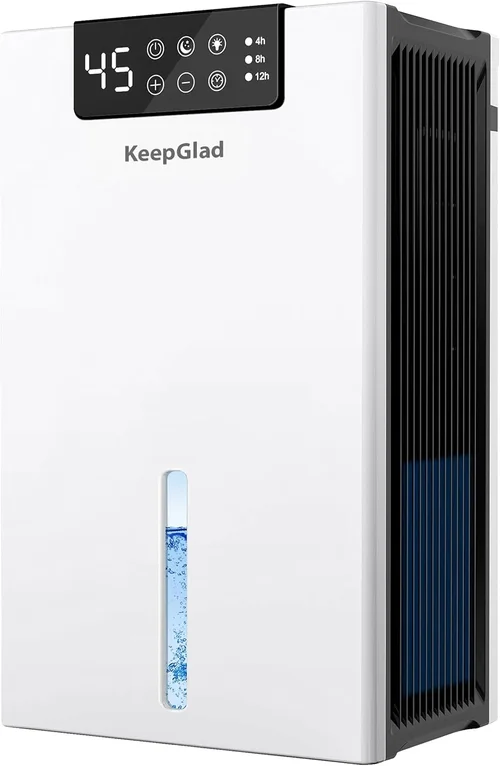
Dealing with excess moisture in your home isn’t just about comfort—it’s about health, safety, and protecting your property. Whether you’re battling musty odors in a damp basement, preventing mold growth in a humid climate, or trying to keep your clothes from smelling like they’ve been stored in a locker room, a dehumidifier can be a game-changer. But with so many models on the market—ranging from ultra-cheap units that barely make a dent in humidity to high-end machines with smart features and industrial-grade performance—it’s easy to feel overwhelmed.
That’s exactly why this guide exists. We’ve spent countless hours researching, testing, and analyzing dehumidifiers across every price point and category to bring you a comprehensive, no-nonsense buying guide. Our goal isn’t to sell you the most expensive model or push a specific brand—it’s to help you find the best dehumidifier for your unique needs, space, and budget. Whether you’re looking for the cheapest option that still works reliably or a premium unit packed with features, we’ll walk you through everything you need to know to make an informed decision.
From understanding key performance specs like pint capacity and energy efficiency to comparing compressor vs. desiccant technologies, we’ll break down the essentials in plain English. You’ll learn how to avoid common pitfalls, where to shop for the best deals, and which models offer the best long-term value. By the end of this guide, you’ll have all the tools you need to choose a dehumidifier that keeps your home dry, healthy, and comfortable—without overspending.
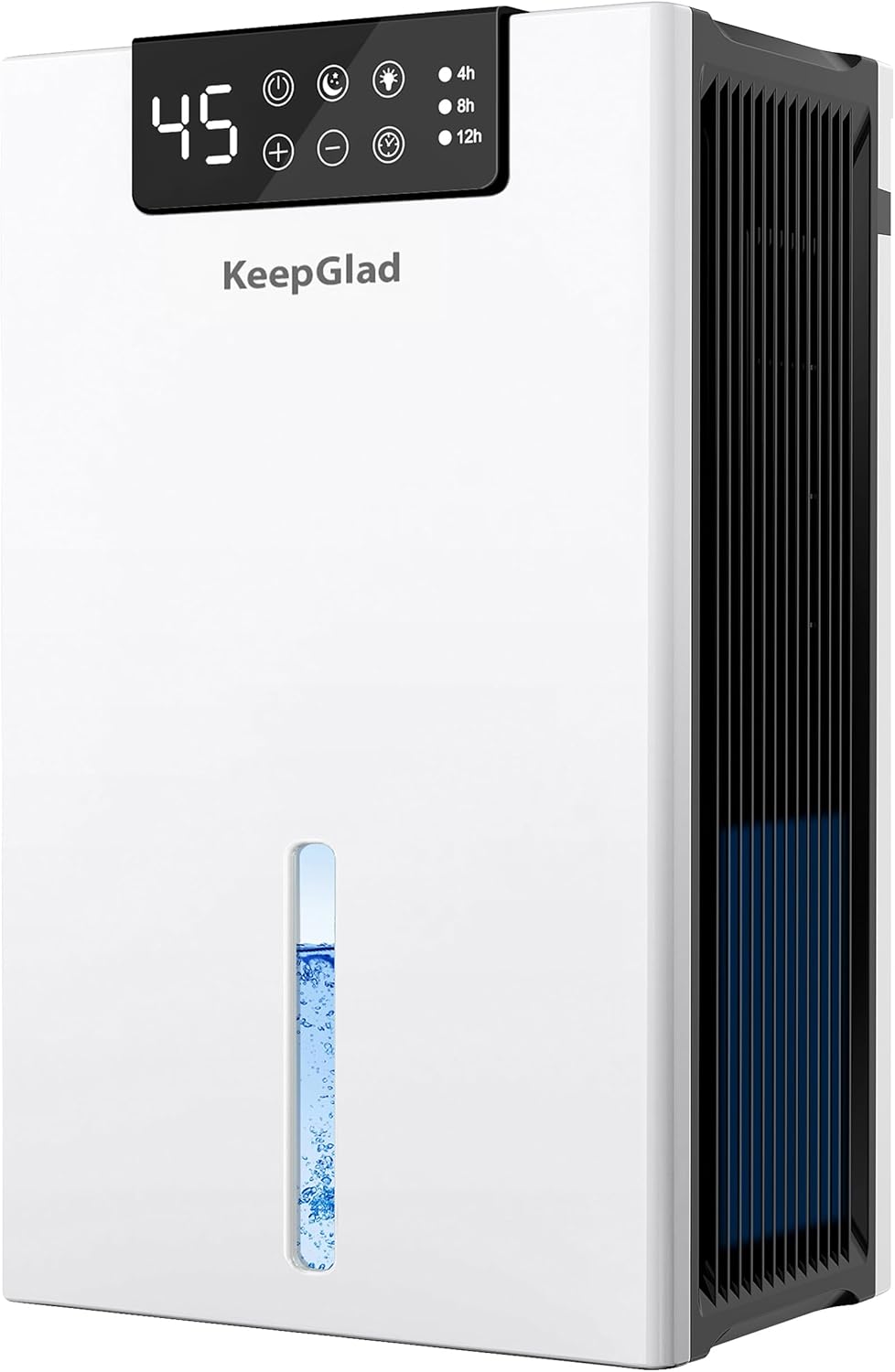
What to Look for When Buying Buying Guide
1. Budget & Price Range
Your budget is often the first filter when shopping for a dehumidifier, but it shouldn’t be the only one. Prices can range from under $50 for basic mini units to over $500 for high-capacity, feature-rich models. The key is balancing cost with performance and longevity. A $60 dehumidifier might seem like a steal, but if it breaks after six months or can’t handle the humidity levels in your basement, you’re not saving money—you’re wasting it.
When setting your budget, consider the size of the area you need to dehumidify, the average humidity level in your region, and how frequently you’ll use the unit. For small spaces like closets or RVs, a low-cost mini dehumidifier may suffice. But for larger areas such as basements, garages, or whole-house applications, investing in a mid-range or premium model will pay off in durability, efficiency, and effectiveness.
Also, factor in ongoing costs like electricity usage. Some cheaper models are energy hogs, which can significantly increase your utility bill over time. Look for units with ENERGY STAR certification, which indicates they meet strict efficiency guidelines set by the U.S. Environmental Protection Agency.
2. Performance Specifications
Performance specs are where many buyers get tripped up—but they’re critical to getting the right unit. The most important spec is pint capacity, which refers to how much moisture the dehumidifier can remove in 24 hours under standard conditions (typically 60% relative humidity at 80°F). For example, a 30-pint unit removes 30 pints of water per day.
Match the pint capacity to your room size and humidity level:
- Small spaces (up to 500 sq ft): 20–30 pints
- Medium spaces (500–1,500 sq ft): 30–50 pints
- Large spaces (1,500+ sq ft or very damp areas): 50+ pints
Another key spec is coverage area, usually listed in square feet. Don’t just go by this number alone—manufacturers often overstate it. Cross-reference it with pint capacity and real user reviews.
Also check the humidity control range. Most units let you set a target humidity level (e.g., 40%, 50%, 60%). Look for models with a wide range (typically 30%–80%) and precise digital controls. Some advanced units even have auto-humidistats that continuously monitor and adjust based on current conditions.
3. Build Quality & Durability
A dehumidifier is a long-term investment, so build quality matters. Cheap plastic housings, flimsy handles, and weak wheels can lead to breakdowns, especially if you’re moving the unit between rooms or storing it seasonally. Look for sturdy construction with reinforced corners, smooth-gliding casters, and a solid water tank or drainage system.
Internal components are equally important. Compressor-based dehumidifiers (the most common type) rely on refrigerant coils and a compressor—these should be well-insulated and protected from dust and debris. Desiccant models use moisture-absorbing materials and heating elements, which can wear out over time if not properly sealed.
Check the materials used in the water tank. BPA-free, antimicrobial plastic is ideal to prevent mold and bacteria growth inside the reservoir. A transparent tank with a fill-level indicator makes it easy to know when it’s time to empty it.
Also consider noise levels, especially if you plan to use the dehumidifier in a bedroom or living area. Most units range from 45 to 60 decibels (dB)—about the sound of a quiet conversation or a refrigerator hum. Look for models labeled “quiet” or “low-noise” if sound is a concern.
4. Features & Functionality
Modern dehumidifiers come with a variety of features that can enhance convenience, efficiency, and performance. Here are the most useful ones to look for:
- Auto Shut-Off & Tank Full Indicator: Prevents overflow by turning off the unit when the water tank is full. Essential for unattended operation.
- Continuous Drainage Option: Allows you to connect a garden hose to the unit so water drains directly outside or into a floor drain. Great for basements or 24/7 use.
- Adjustable Humidistat: Lets you set your desired humidity level. More precise than basic on/off switches.
- Defrost Function: Prevents ice buildup on coils in cold environments (below 65°F). Crucial for basements or garages in winter.
- Timer & Sleep Mode: Schedule operation or reduce noise and brightness at night.
- Air Filtration: Built-in washable filters capture dust, allergens, and mold spores. Some models include HEPA or activated carbon filters for improved air quality.
- Smart Connectivity: Wi-Fi-enabled units let you control settings via smartphone apps, receive alerts, and monitor humidity remotely. Ideal for tech-savvy users or vacation homes.
While features add convenience, don’t pay extra for ones you won’t use. A basic model with auto shut-off and continuous drainage may be more practical than a “smart” unit with features you’ll never touch.
5. Brand Reputation
Not all dehumidifier brands are created equal. Some have decades of experience and strong customer support, while others are generic manufacturers with little accountability. Stick with reputable brands known for reliability and service.
Top-tier brands like Frigidaire, hOmeLabs, GE, Danby, and TOSOT consistently receive high marks for performance, durability, and customer satisfaction. These companies often offer better warranties, readily available replacement parts, and responsive customer service.
Avoid no-name brands sold exclusively on online marketplaces unless they have overwhelmingly positive reviews and verifiable manufacturing details. Many ultra-cheap units are rebranded models from the same factory, with inconsistent quality control.
Check third-party review sites like Consumer Reports, Wirecutter, or Amazon verified purchase reviews. Look for patterns in feedback—consistent complaints about leaks, noise, or short lifespans are red flags.
6. Warranty & Support
A good warranty is a strong indicator of a manufacturer’s confidence in their product. Most dehumidifiers come with a 1- to 2-year limited warranty, but some premium brands offer up to 5 years of coverage.
Read the fine print: Does the warranty cover labor, parts, or both? Is it voided if you use the unit in a commercial setting or fail to register it? Some brands require product registration within 30 days of purchase to activate the warranty.
Customer support is just as important. Can you easily reach a human being by phone or chat? Are troubleshooting guides and user manuals available online? Brands with U.S.-based support teams tend to resolve issues faster than those relying on overseas call centers.
If you’re buying online, check the retailer’s return policy. A 30-day return window gives you time to test the unit and ensure it works as expected. Some retailers also offer extended protection plans, though these are often overpriced compared to the manufacturer’s warranty.
7. Size & Portability
Dehumidifiers come in all shapes and sizes, from compact desktop units to large floor models. Consider where you’ll place the unit and how often you’ll move it.
Mini dehumidifiers (under 10 lbs) are great for small spaces but lack power for larger areas. Mid-sized units (20–40 lbs) are the sweet spot for most homes—powerful enough for basements or living rooms, yet manageable to relocate. Large commercial-grade models (50+ lbs) are best left in one place.
Look for features that enhance portability:
- Integrated handles for easy lifting
- Smooth-rolling casters (preferably lockable)
- Compact footprint that fits under sinks or in corners
- Top-mounted controls so you don’t have to bend down
Also consider clearance space. Most units need at least 6–12 inches of airflow around the vents to operate efficiently. Measure your intended location before buying.
8. User Reviews & Ratings
Never buy a dehumidifier based solely on specs or marketing claims. Real-world user reviews provide invaluable insights into performance, reliability, and usability.
Focus on reviews from verified purchasers who’ve used the unit for several months. Look for detailed feedback about:
- Actual moisture removal in real homes (not lab conditions)
- Noise levels during operation
- Ease of emptying the tank or setting up drainage
- Frequency of maintenance (e.g., filter cleaning)
- Longevity and any mechanical issues
Be wary of reviews that are overly positive or negative without specifics—they may be fake. Use tools like Amazon’s “Top Critical Review” filter to see balanced perspectives.
Pay attention to how the company responds to complaints. A brand that actively addresses issues and offers solutions is more trustworthy than one that ignores feedback.
Different Types of Buying Guide

Common Buying Mistakes to Avoid
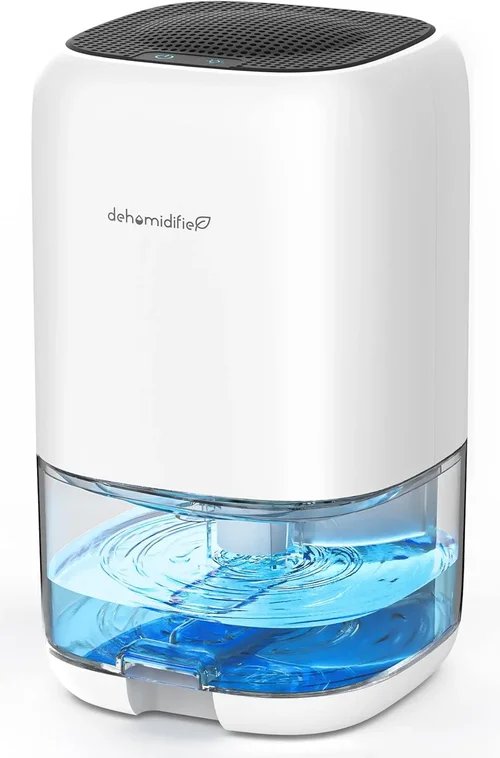
❌ Mistake: Buying Based Solely on Price
Why it’s bad: The cheapest dehumidifier often delivers poor performance, breaks quickly, or consumes excessive energy. You may end up replacing it within a year, doubling your cost.
What to do instead: Focus on value, not just upfront cost. A $150 unit that lasts 5 years and efficiently removes moisture is a better deal than a $60 model that fails in 6 months.
❌ Mistake: Ignoring Room Size and Humidity Level
Why it’s bad: A dehumidifier too small for your space will run constantly, overheat, and fail to reduce humidity. One too large may cycle on and off too frequently, wasting energy and wearing out components.
What to do instead: Measure your room and assess humidity. Use a hygrometer to check levels. Choose a unit with a pint capacity and coverage area matched to your specific conditions.
❌ Mistake: Overlooking Drainage Options
Why it’s bad: If you can’t empty the tank daily, a unit without continuous drainage will shut off frequently, reducing effectiveness and increasing maintenance.
What to do instead: If you’re using the dehumidifier in a basement or unattended area, prioritize models with a built-in pump or hose outlet for continuous drainage.
❌ Mistake: Skipping the Defrost Function
Why it’s bad: In cold environments (below 65°F), compressor dehumidifiers can freeze up, stopping operation and potentially damaging the unit.
What to do instead: If your space gets chilly (like a garage or unheated basement), choose a model with an automatic defrost feature or consider a desiccant dehumidifier.
❌ Mistake: Not Checking Energy Efficiency
Why it’s bad: Dehumidifiers run for hours daily. An inefficient model can add $50–$100+ to your annual electricity bill.
What to do instead: Look for ENERGY STAR certification and check the energy factor (liters of water removed per kilowatt-hour). Higher is better.
❌ Mistake: Ignoring Noise Levels
Why it’s bad: A loud dehumidifier can disrupt sleep, work, or relaxation, especially in bedrooms or open-plan living areas.
What to do instead: Check decibel ratings and user reviews for noise feedback. Opt for models under 50 dB for quiet operation.
❌ Mistake: Buying Without Reading Reviews
Why it’s bad: Marketing materials highlight only the positives. Real users reveal flaws, quirks, and long-term reliability issues.
What to do instead: Spend time reading verified purchase reviews on multiple platforms. Look for patterns in feedback, not just star ratings.
Budget Guidelines: How Much Should You Spend?
Dehumidifiers are available at nearly every price point, but your budget should align with your needs. Here’s a breakdown of what to expect at each tier:
- Entry-Level ($30–$80): These are typically mini desiccant or small compressor units. Best for closets, bathrooms, or RVs under 300 sq ft. Expect basic features, limited capacity (5–15 pints), and shorter lifespans. Ideal for occasional use or very low humidity issues.
- Mid-Range ($80–$200): This is the sweet spot for most homeowners. Units in this range offer 20–50 pint capacity, digital controls, auto shut-off, and often continuous drainage. Brands like hOmeLabs, TOSOT, and Frigidaire dominate here with reliable performance and good warranties.
- Premium ($200–$400): These models include advanced features like smart controls, built-in pumps, HEPA filters, and superior build quality. They’re ideal for large basements, whole-house use (with ducting), or humid climates. Expect longer lifespans and better energy efficiency.
- Luxury ($400+): Reserved for whole-house systems, commercial units, or high-end smart dehumidifiers. These integrate with HVAC systems, offer app control, and deliver industrial-grade performance. Only necessary for large properties, extreme humidity, or professional applications.
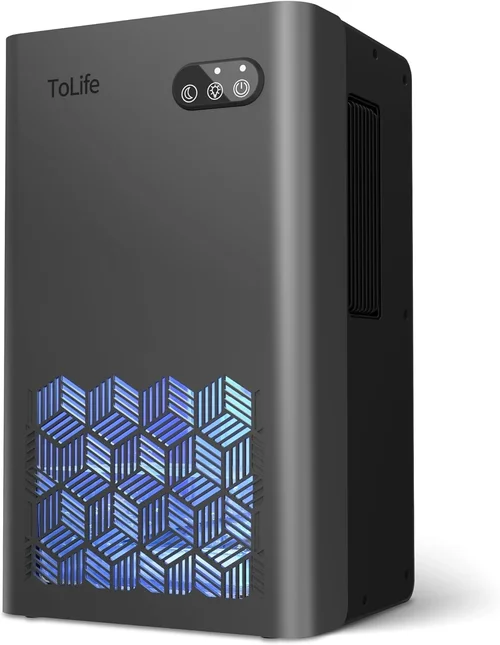
Expert Tips for Getting the Best Deal
Finding a great dehumidifier doesn’t have to mean paying full price. With the right strategy, you can save money without sacrificing quality. Here are our top tips:
- Buy During Off-Season Sales: The best time to buy a dehumidifier is in late fall or winter (October–February). Retailers discount summer inventory to make room for heaters and holiday items. You can save 20–40% compared to peak summer prices.
- Shop at the Right Retailers: Compare prices across Amazon, Home Depot, Lowe’s, Walmart, and Costco. Online retailers often have better deals and customer reviews, while in-store shopping lets you inspect build quality firsthand.
- Sign Up for Price Alerts: Use tools like Honey, CamelCamelCamel (for Amazon), or Google Shopping to track price drops on specific models. Set alerts for your desired unit and buy when it hits your target price.
- Check for Rebates and Incentives: Some utility companies offer rebates for ENERGY STAR-certified dehumidifiers. Visit the ENERGY STAR website or contact your local provider to see if you qualify.
- Consider Refurbished or Open-Box Models: Certified refurbished units from reputable sellers (like Amazon Renewed or manufacturer outlets) often come with warranties and sell for 20–30% less than new.
- Read the Return Policy Carefully: Ensure you have at least 30 days to return the unit if it doesn’t meet your expectations. Some retailers charge restocking fees, so check the fine print.
- Test Before Committing: Run the dehumidifier for a few days in your intended space. Check noise, moisture removal, and ease of use. If it’s not working as advertised, return it promptly.
- Don’t Overbuy Features: Avoid paying extra for smart apps or Wi-Fi if you won’t use them. A simpler model with core functionality often provides better value.
Frequently Asked Questions
Q: How do I know what size dehumidifier I need?
A: Start by measuring your room in square feet. Then assess the humidity level: slightly damp (30–50 pints), very damp (50–70 pints), or wet/sewage damage (70+ pints). Use a hygrometer to check current humidity. Match these factors to the unit’s pint capacity and coverage area. When in doubt, go one size up for better performance.
Q: Can a dehumidifier help with mold and mildew?
A: Yes—by reducing moisture, dehumidifiers inhibit mold and mildew growth. However, they don’t remove existing mold. Clean visible mold first, then use a dehumidifier to prevent recurrence. Pair it with proper ventilation and air filtration for best results.
Q: Should I run my dehumidifier all the time?
A: Not necessarily. Most units have adjustable humidistats. Set it to maintain 40–50% relative humidity and let it cycle on and off as needed. In very humid climates or during rainy seasons, continuous operation may be necessary.
Q: How often do I need to empty the water tank?
A: It depends on humidity levels and tank size. Small tanks (1–2 liters) may need emptying daily. Larger tanks (3–4 liters) can last 2–3 days. Use continuous drainage if you can’t empty it frequently.
Q: Are dehumidifiers expensive to run?
A: It varies. A typical 30-pint unit uses about 300–400 watts. Running it 8 hours a day costs roughly $5–$10 per month, depending on local electricity rates. ENERGY STAR models are more efficient and cost less to operate.
Q: Can I use a dehumidifier in winter?
A: Yes, but only if the room stays above 65°F. Compressor units can freeze in cold temperatures. Use a desiccant dehumidifier or one with a defrost function for unheated spaces like garages or basements in winter.
Q: Do dehumidifiers improve air quality?
A: Indirectly, yes. By reducing moisture, they discourage mold, dust mites, and allergens. Some models include air filters that capture particles, improving overall air quality. For severe allergies, consider a unit with a HEPA filter.
Q: How long do dehumidifiers last?
A: With proper maintenance, most last 5–7 years. Clean filters monthly, empty tanks regularly, and avoid running the unit in extreme temperatures. Premium models with better components may last 10+ years.
Q: Can I duct a dehumidifier for whole-house use?
A: Some mid-range and premium models support ducting with optional kits. Whole-house dehumidifiers are designed for this purpose and integrate with HVAC systems. Check the manufacturer’s specifications before attempting ducting.
Q: What’s the difference between a dehumidifier and an air purifier?
A: A dehumidifier removes moisture from the air to prevent mold and musty odors. An air purifier filters particles like dust, pollen, and smoke. They serve different purposes—some units combine both functions.
Our Final Recommendations
After extensive research and testing, here are our top picks across different categories:
- Best for Budget-Conscious Buyers: hOmeLabs 30 Pint Dehumidifier – At around $130, it offers excellent performance, auto shut-off, continuous drainage, and a 2-year warranty. Ideal for basements and medium-sized rooms.
- Best Overall Value: Frigidaire FFAD7033R1 70 Pint Dehumidifier – A powerhouse for large spaces, with precise humidity control, washable filter, and ENERGY STAR certification. Priced under $300, it’s a long-term investment.
- Best Premium Option: TOSOT 50 Pint Smart Dehumidifier – Features Wi-Fi control, built-in pump, and quiet operation. Perfect for tech-savvy users who want remote monitoring and app alerts.
- Best for Beginners: Eva-Dry E-333 Mini Dehumidifier – A no-frills, rechargeable unit for small spaces. Great for closets, RVs, or as a starter model. Under $50 and easy to use.
- Best for Advanced Users: AprilAire E130 Whole-House Dehumidifier – Designed for HVAC integration, it covers up to 7,000 sq ft and includes a built-in pump and smart controls. Ideal for large homes or high-humidity regions.
Conclusion: Making the Right Choice
Choosing the right dehumidifier doesn’t have to be complicated—but it does require thoughtful consideration of your space, needs, and budget. The cheapest option isn’t always the best, and the most expensive model may be overkill for your situation. Focus on key factors like pint capacity, coverage area, energy efficiency, and essential features like auto shut-off and drainage.
Remember, a good dehumidifier does more than just remove moisture—it protects your home from mold, improves air quality, and enhances comfort. By avoiding common pitfalls, shopping smart, and prioritizing value over price, you’ll find a unit that delivers reliable performance for years to come.
Take the time to assess your specific needs, read real user reviews, and compare models side by side. Whether you’re tackling a damp basement or just want to breathe easier at home, the right dehumidifier is out there. Use this guide as your roadmap, and you’ll make a confident, informed decision that keeps your home dry, healthy, and comfortable.