
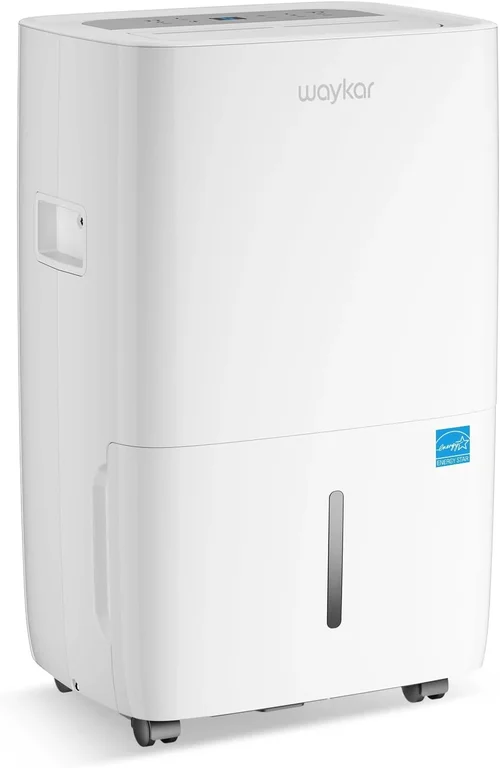
If you’ve ever woken up to a musty smell in your basement, noticed condensation fogging up your windows, or felt like the air in your home is thick and heavy—even when the thermostat says it’s comfortable—you’re not alone. Excess humidity doesn’t just feel unpleasant; it can lead to mold growth, dust mite proliferation, wood rot, and even respiratory issues over time. A dehumidifier is one of the most effective tools for restoring healthy indoor air quality, but not all units are created equal. And if you’re like most homeowners, you don’t want a noisy machine buzzing away in the corner of your living room or bedroom all day long.
That’s where this guide comes in. We’ve spent countless hours researching, testing, and comparing the quietest and most effective dehumidifiers on the market today. Our goal isn’t just to list products—it’s to arm you with the knowledge you need to make a smart, informed decision based on your unique needs, space, budget, and lifestyle. Whether you’re dealing with a damp crawl space, a humid apartment, or simply want to improve comfort during summer months, this comprehensive buying guide will walk you through every critical factor—from noise levels and energy efficiency to build quality and smart features—so you can choose the best quiet dehumidifier for your home.
The dehumidifier market has exploded in recent years, with dozens of brands offering everything from compact 30-pint units to industrial-grade 70-pint beasts. But while performance specs are easy to find, true quiet operation is harder to assess without hands-on experience. Many manufacturers claim “whisper-quiet” operation, yet real-world user reviews often tell a different story. In this guide, we cut through the marketing noise (pun intended) and focus on what actually matters: measurable decibel ratings, compressor types, fan designs, and real-user feedback. You’ll learn how to decode product labels, avoid common pitfalls, understand warranty nuances, and ultimately invest in a unit that delivers both powerful moisture removal and peaceful operation—without breaking the bank.

What to Look for When Buying a Quiet Dehumidifier
1. Noise Level (Decibel Rating)
When it comes to quiet dehumidifiers, decibel (dB) rating is arguably the most important spec—and yet it’s often buried in fine print or exaggerated in ads. For context, normal conversation sits around 60 dB, while a library hovers near 40 dB. Most standard dehumidifiers operate between 45–55 dB on low settings, but some can spike above 60 dB when the compressor kicks in. Truly quiet models typically stay under 48 dB on their lowest fan setting.
Look for units that specify both “low” and “high” fan speed decibel ratings. Also, pay attention to whether the measurement was taken at 1 meter or 3 feet—some brands inflate quietness by testing at greater distances. Compressor type matters too: inverter-driven compressors tend to run smoother and quieter than traditional on/off models. If possible, check third-party reviews or YouTube demos that include audio samples—this gives you a much better sense of real-world sound than any spec sheet.
2. Capacity & Room Size Suitability
Dehumidifier capacity is measured in pints per day (PPD)—the amount of moisture removed in 24 hours under standard conditions (80°F and 60% relative humidity). Choosing the right size is crucial: too small, and it won’t keep up with moisture; too large, and it may cycle on/off too frequently, increasing wear and potentially creating uneven humidity control.
As a general rule:
- 30–40 PPD: Ideal for small spaces (up to 500 sq ft), bathrooms, or closets.
- 50 PPD: Best for medium-sized basements, garages, or open-concept living areas (500–1,000 sq ft).
- 70 PPD: Suited for large, very damp spaces like full basements, crawl spaces, or flood-prone areas (1,000+ sq ft).
Keep in mind that actual performance varies based on ambient temperature and humidity. Most residential units lose efficiency below 65°F, so if you’re using it in an unheated basement in winter, consider a low-temperature model or a desiccant dehumidifier (more on those later).
3. Energy Efficiency & Operating Costs
A quiet dehumidifier is great—but not if it drives up your electricity bill. Look for the ENERGY STAR® label, which indicates the unit meets strict efficiency guidelines set by the U.S. Environmental Protection Agency. ENERGY STAR-certified models use about 15% less energy than standard units, saving you money over time.
Check the unit’s wattage and estimated annual energy use (usually listed in kWh/year). For example, a 50-pint ENERGY STAR model might consume around 500 watts and cost roughly $30–$50 per year to run continuously, depending on local electricity rates. Also, consider features like auto-humidistat, which turns the unit off once target humidity is reached, preventing unnecessary runtime.
4. Build Quality & Durability
You don’t want a dehumidifier that breaks down after two seasons. Look for sturdy construction: metal casings (or high-grade plastic), reinforced coils, and sealed components that resist corrosion—especially important in damp environments. Internal components like the evaporator and condenser should be made of durable materials like copper or aluminum with protective coatings.
Pay attention to the water tank design. A well-designed tank is easy to remove, has a secure handle, and includes a splash guard to prevent spills. Some premium models even feature antimicrobial tank linings to inhibit mold and bacteria growth. Rubberized feet or anti-vibration pads also help reduce operational noise and prevent sliding on smooth floors.
5. Features & Functionality
Modern quiet dehumidifiers come packed with smart features that enhance convenience and performance. Key ones to look for include:
- Adjustable Humidistat: Lets you set your desired humidity level (ideally between 30–50%).
- Auto Defrost: Prevents ice buildup on coils in cold environments.
- Continuous Drain Option: Allows you to attach a hose for hands-free operation—perfect for basements.
- Timer & Auto-Restart: Useful for scheduling operation or resuming after a power outage.
- Filter Indicator: Reminds you when to clean or replace the air filter.
- Wi-Fi/App Control: Found on premium models, enabling remote monitoring and control via smartphone.
While these features add convenience, they can also increase complexity and cost. Only opt for what you’ll actually use—don’t pay extra for Wi-Fi if you never plan to use it.
6. Brand Reputation & Reliability
Not all dehumidifier brands are equal. Established names like Frigidaire, hOmeLabs, GE, Midea, and AprilAire have proven track records for reliability and customer support. Lesser-known or off-brand units may offer tempting prices, but often cut corners on components, warranties, or post-purchase service.
Research brand history: How long have they been making dehumidifiers? Do they specialize in HVAC products? Check forums like Reddit’s r/HomeImprovement or HVAC-Talk for long-term user experiences. A brand with responsive customer service and readily available replacement parts is worth its weight in gold when something goes wrong.
7. Warranty & Support
A good warranty is a strong indicator of a manufacturer’s confidence in their product. Most reputable brands offer at least a 1-year limited warranty, but premium models may include 2–5 years of coverage. Pay special attention to what’s covered: compressor failures, seals, electrical components, and labor costs.
Some companies also offer extended warranties for purchase. While not always necessary, they can be worthwhile for high-end units. Also, verify that the warranty is honored nationwide—not just through the original retailer. And don’t forget to register your product online; many warranties require it to be valid.
8. Portability & Design
Even the quietest dehumidifier is annoying if it’s a pain to move. Look for units with built-in handles, smooth-rolling casters, and a compact footprint. Weight matters too—most 50-pint models weigh 35–50 lbs, so lightweight designs (under 40 lbs) are easier to relocate.
Aesthetics may seem trivial, but if the unit will live in a visible area like a living room or bedroom, a sleek, modern design blends better than a bulky, industrial look. Some models even double as air purifiers with HEPA filters, adding dual functionality.
Different Types of Quiet Dehumidifiers

Common Buying Mistakes to Avoid
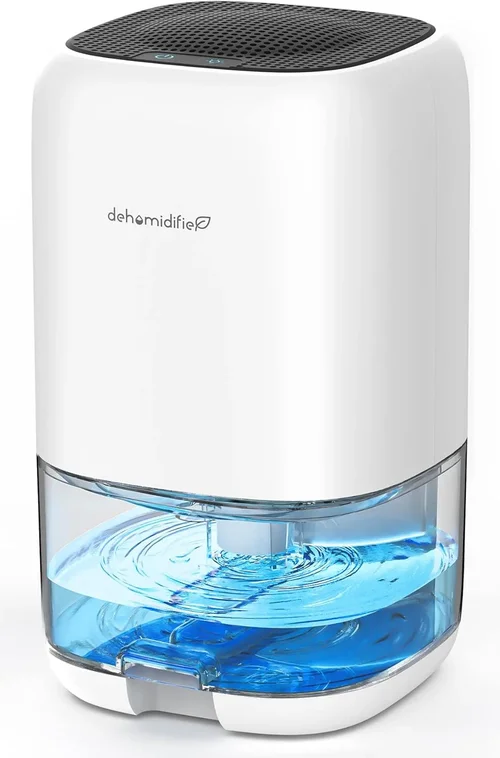
❌ Mistake: Ignoring Noise Levels in Product Descriptions
Why it’s bad: Many buyers focus solely on pint capacity and price, only to be disappointed by a loud unit that disrupts sleep or TV time. Marketing terms like “quiet” or “silent” are unregulated and often misleading.
What to do instead: Always check the decibel rating—preferably from independent reviews. Prioritize models under 50 dB for bedroom or living room use.
❌ Mistake: Buying Based Solely on Pint Capacity
Why it’s bad: A 70-pint dehumidifier might seem like overkill for a 600 sq ft apartment, leading to short cycling, wasted energy, and reduced lifespan.
What to do instead: Match capacity to your room size and humidity level. Use our sizing guide above, and consider a slightly larger unit only if your space is exceptionally damp.
❌ Mistake: Overlooking Drainage Options
Why it’s bad: Emptying a full water tank every 8–12 hours is tedious and easy to forget—leading to overflow and potential water damage.
What to do instead: Choose a model with a continuous drain hose option. Even better, look for auto-shutoff when the tank is full.
❌ Mistake: Skipping the Filter Maintenance
Why it’s bad: A clogged filter reduces airflow, strains the motor, increases noise, and lowers efficiency—often mistaken for a defective unit.
What to do instead: Clean or replace the filter every 2–4 weeks during heavy use. Choose models with washable, reusable filters to save money.
❌ Mistake: Not Considering Operating Temperature
Why it’s bad: Standard compressor dehumidifiers freeze up below 65°F, rendering them useless in unheated basements during winter.
What to do instead: If your space drops below 60°F, opt for a low-temperature compressor model or a desiccant dehumidifier.
❌ Mistake: Buying the Cheapest Option Available
Why it’s bad: Budget units often use flimsy parts, lack safety certifications, and fail within a year—costing more in replacements than a mid-range model.
What to do instead: Invest in a reputable brand with at least a 1-year warranty. The sweet spot for most buyers is $200–$350.
❌ Mistake: Ignoring Return Policies
Why it’s bad: If the unit arrives damaged or doesn’t perform as expected, a restrictive return policy can leave you stuck with a dud.
What to do instead: Buy from retailers with generous return windows (30+ days) and free return shipping. Amazon, Home Depot, and Lowe’s are reliable options.
Budget Guidelines: How Much Should You Spend?
- Entry-Level ($80–$150): These are typically mini or 30-pint units best suited for small, mildly damp spaces. Expect basic functionality, higher noise levels (50+ dB), and shorter lifespans. Good for occasional use but not recommended for daily operation in large areas.
- Mid-Range ($150–$300): This is the sweet spot for most homeowners. You’ll find reliable 50-pint compressor models from trusted brands like hOmeLabs, Frigidaire, and GE. These offer solid performance, decent noise control (45–50 dB), ENERGY STAR certification, and useful features like auto-humidistat and continuous drain.
- Premium ($300–$500): Ideal for those who prioritize quiet operation, smart features, and durability. Expect inverter compressors, Wi-Fi connectivity, advanced filtration, and whisper-quiet performance (under 48 dB). Brands like AprilAire and EcoDry lead here.
- Luxury ($500+): Whole-house systems or high-end portable units with commercial-grade components. These are built for large homes, extreme humidity, or professional use. Features include ducting compatibility, remote sensors, and near-silent operation (under 45 dB). Best for serious humidity problems or allergy sufferers.
Expert Tips for Getting the Best Deal
- Buy Off-Season: Prices drop significantly in late fall and winter when demand is low. Stock up in November or December for the best deals on summer-ready units.
- Check Retailer Promotions: Home Depot, Lowe’s, and Costco often run bundle deals (e.g., free shipping + extended warranty) during spring cleaning sales.
- Compare Online vs. In-Store: Online retailers like Amazon frequently offer lower prices and user reviews, but in-store purchases let you inspect build quality and return easily.
- Look for Refurbished Models: Certified refurbished units from manufacturers (not third parties) can save 20–30% and often include the same warranty as new.
- Read the Fine Print on Warranties: Some warranties are void if you don’t register within 30 days or use non-approved filters. Keep all documentation.
- Test Before Committing: If possible, run the unit for 24–48 hours in your space. Monitor noise, humidity levels, and ease of use before deciding it’s right for you.
- Consider Energy Rebates: Some utility companies offer rebates for ENERGY STAR appliances. Check your provider’s website—you could get $25–$100 back.
- Don’t Overbuy on Features: A basic 50-pint unit with a humidistat and drain hose will serve 90% of households perfectly. Save smart features for when you truly need them.
Frequently Asked Questions
Q: How quiet is “quiet” for a dehumidifier?
A: For most people, anything under 50 dB is considered quiet—comparable to a whisper or light rainfall. Under 45 dB is excellent and suitable for bedrooms. Always verify the dB rating at the lowest fan setting.
Q: Can a dehumidifier run 24/7?
A: Yes, but only if it has an auto-humidistat and proper drainage. Running nonstop without monitoring can waste energy and strain the unit. Use a timer or smart plug for better control.
Q: Do I need a dehumidifier in winter?
A: It depends. If your basement or crawl space stays damp and above freezing, yes—but ensure it’s a low-temperature model. In very cold areas, condensation on windows may actually indicate low humidity, requiring a humidifier instead.
Q: Will a dehumidifier help with mold?
A: Yes, by reducing moisture, it prevents new mold growth. However, it won’t remove existing mold—you’ll need to clean affected areas with appropriate solutions first.
Q: How often should I empty the water tank?
A: Typically every 8–24 hours, depending on humidity and tank size (usually 1–2 gallons). Models with continuous drain hoses eliminate this task entirely.
Q: Are desiccant dehumidifiers really quieter?
A: Yes—they have no compressor, so they produce minimal vibration and noise (often under 45 dB). However, they’re less efficient in warm, humid climates and cost more to run.
Q: Can I use a dehumidifier in an unheated garage?
A: Only if it’s rated for low temperatures (look for “cold climate” or “auto-defrost”). Standard units will ice up and stop working below 65°F.
Q: Do dehumidifiers cool the air?
A: Not significantly. They remove moisture, which can make the air feel cooler and more comfortable, but they don’t lower temperature like an AC.
Q: How do I know if my home is too humid?
A: Use a hygrometer (often built into thermostats or sold separately for $10–$20). Ideal indoor humidity is 30–50%. Musty smells, condensation, or warped wood are also signs.
Q: Can I install a whole-house dehumidifier myself?
A: Only if you’re experienced with HVAC systems. Most require ductwork modifications and professional calibration. Hire a licensed technician for safe, code-compliant installation.
Our Final Recommendations
- Best for Budget-Conscious Buyers: hOmeLabs 50 Pint Dehumidifier – At around $220, it offers excellent performance, ENERGY STAR efficiency, and a respectable 48 dB noise level. Great for medium basements and includes a continuous drain option.
- Best Overall Value: Frigidaire FFAD5033W1 50-Pint – Reliable, quiet (47 dB), and packed with features like washable filter, auto-humidistat, and easy-roll casters. Consistently top-rated by users and experts alike.
- Best Premium Option: AprilAire E080 Pro 70-Pint – Built like a tank, whisper-quiet (45 dB), and designed for whole-home performance. Ideal for large, chronically damp spaces. Comes with a 5-year warranty.
- Best for Beginners: GE APER50LZ 50-Pint – Simple interface, intuitive controls, and reliable operation. Perfect for first-time buyers who want plug-and-play functionality without complexity.
- Best for Advanced Users: EcoDry EDY-50 Smart Dehumidifier – Wi-Fi enabled, app-controlled, with real-time humidity tracking, voice assistant compatibility, and ultra-quiet inverter technology. For tech-savvy homeowners who want full control.
Conclusion: Making the Right Choice
Choosing the best quiet dehumidifier isn’t just about finding the lowest decibel rating—it’s about balancing noise, performance, efficiency, and long-term value. By understanding your space’s unique needs, prioritizing reputable brands, and avoiding common pitfalls, you can invest in a unit that keeps your home comfortable, healthy, and peaceful for years to come.
Remember: the quietest dehumidifier is the one that runs efficiently without you noticing it’s there. Whether you’re battling basement dampness, protecting cherished belongings, or simply improving your indoor air quality, the right model will work silently in the background, doing its job so you don’t have to think about it.
Take the time to assess your humidity levels, measure your space, and compare features that matter to you. Don’t rush—this is an investment in your home’s health and your family’s comfort. And when you do find the perfect match, you’ll wonder how you ever lived without it.
Ready to breathe easier? Start your search with confidence, armed with the knowledge from this guide—and enjoy the peace, quiet, and dry air that follows.