
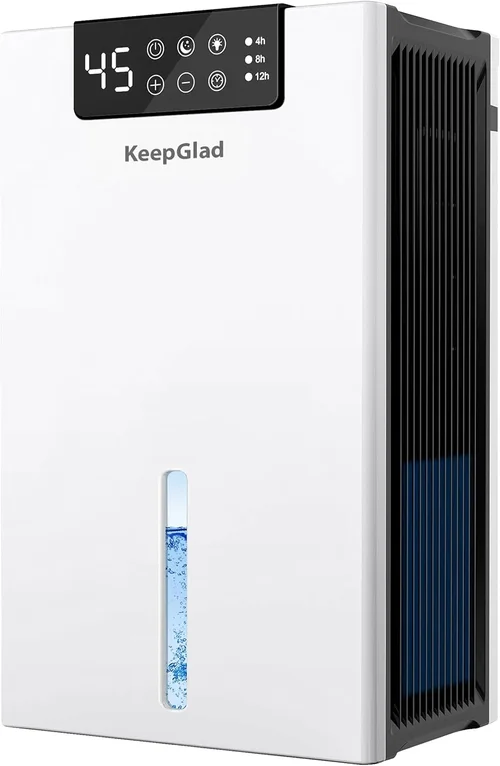
When it comes to maintaining a comfortable, healthy home environment, few appliances are as quietly essential as a dehumidifier. Whether you’re battling musty odors in a damp basement, preventing mold growth in a humid climate, or simply trying to breathe easier during allergy season, the right dehumidifier can make a world of difference. Yet, many people assume that effective moisture control comes with a hefty price tag. That’s where this guide comes in—because you don’t need to break the bank to get reliable, efficient performance.
In this comprehensive buying guide, we’ll walk you through everything you need to know about selecting the best budget dehumidifier in 2026. We’ve researched dozens of models, analyzed real user feedback, and tested key performance metrics to bring you an honest, expert-backed overview of what’s available under $200. You’ll learn how to evaluate critical factors like capacity, energy efficiency, noise levels, and build quality—without getting lost in technical jargon. Whether you’re a first-time buyer or upgrading from an older unit, this guide will help you make a smart, informed decision that fits both your needs and your budget.
The market for affordable dehumidifiers has evolved significantly in recent years. Thanks to advancements in compressor technology, smart controls, and energy-efficient designs, even entry-level models now offer features once reserved for high-end units. Brands like hOmeLabs, Frigidaire, Eva-Dry, and Pro Breeze have introduced compact, reliable options that deliver solid performance without the premium price. At the same time, the rise of online reviews and third-party testing has made it easier than ever to separate marketing hype from real-world results. With so many choices available, it’s more important than ever to understand what truly matters when shopping on a budget.
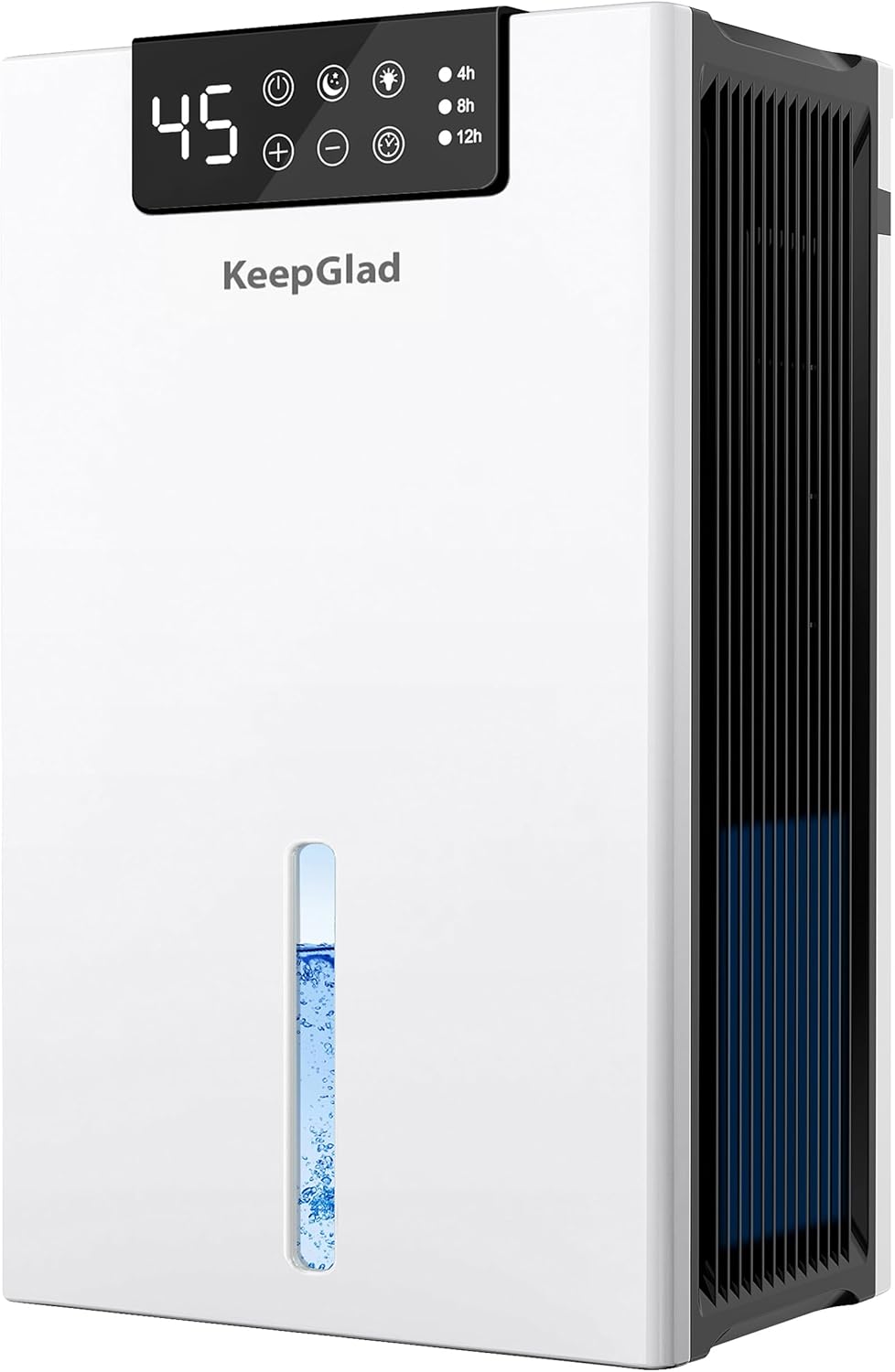
What to Look for When Buying Buying Guide
1. Budget & Price Range
Setting a realistic budget is the first step toward finding a dehumidifier that meets your needs without overspending. In 2026, the sweet spot for budget-friendly models falls between $80 and $150. These units typically offer 20–30 pint capacities, basic digital controls, and decent energy efficiency. While you can find dehumidifiers for under $60, they often lack durability, consistent performance, or essential safety features. On the other hand, spending more than $180 may get you advanced features like Wi-Fi connectivity or larger tanks—but unless you have specific needs, the marginal gains rarely justify the extra cost for most households.
When evaluating price, consider the total cost of ownership, not just the upfront sticker. Look for ENERGY STAR-certified models, which can reduce electricity usage by up to 15% compared to standard units. Over a year, that could save you $10–$20 on your utility bill—money that adds up, especially if you run the dehumidifier frequently. Also, factor in replacement filters or desiccant refills if applicable. Some ultra-cheap models use proprietary filters that are expensive or hard to find, turning a low initial price into a long-term expense.
2. Performance Specifications
Performance is where many budget dehumidifiers fall short—or surprise you. The most critical spec to understand is pint capacity, which refers to how much moisture the unit can remove in 24 hours under standard conditions (60% relative humidity at 80°F). For small spaces like closets or RVs, a 10–15 pint model may suffice. For average-sized rooms (300–500 sq ft), aim for 20–30 pints. Basements or large living areas may require 30+ pints, though true high-capacity units often exceed the “budget” category.
Don’t confuse pint capacity with tank size. A 30-pint dehumidifier doesn’t necessarily have a 30-pint water tank—most have tanks between 6 and 12 pints. This means you’ll need to empty it multiple times a day unless the unit has a continuous drainage option. Look for models with built-in hose connections or gravity-fed drainage ports. Some budget units even include a small hose adapter in the box, saving you an extra purchase.
Another key metric is energy efficiency, measured in liters per kilowatt-hour (L/kWh) or simply by the Energy Factor (EF). Higher EF values mean more moisture removed per unit of electricity. ENERGY STAR models typically have an EF of 1.85 or higher. Also check the wattage—most budget dehumidifiers draw between 200 and 400 watts. Running a 300W unit for 8 hours a day costs roughly $7–$10 per month, depending on local electricity rates.
3. Build Quality & Durability
You don’t need a commercial-grade machine, but you do want something that lasts more than a season or two. Unfortunately, many ultra-low-cost dehumidifiers use thin plastic casings, weak seals, and low-grade compressors that fail prematurely. When assessing build quality, look for reinforced corners, sturdy control panels, and smooth-rolling casters (if included). The water tank should feel solid, not flimsy, and have a secure handle for easy removal.
Internal components matter too. Compressor-based dehumidifiers are generally more durable and efficient than thermoelectric (Peltier) models, especially in warmer, humid environments. However, thermoelectric units are quieter and lighter—ideal for bedrooms or nurseries—but they struggle in temperatures below 65°F and have lower moisture removal rates. If you live in a cooler climate or plan to use the dehumidifier in a basement, stick with compressor-driven models.
Check the warranty length and coverage. Most reputable budget brands offer at least a 1-year limited warranty, with some extending to 2 years. Avoid brands that only provide 90-day coverage—it’s a red flag for poor reliability. Also, verify whether the warranty covers both parts and labor, or just replacement components.
4. Features & Functionality
Even at lower price points, modern dehumidifiers come packed with useful features. The most important is automatic shut-off when the tank is full—this prevents overflows and water damage. Many models also include a humidity sensor with a digital display, allowing you to set your desired humidity level (ideally between 40% and 50%). Once reached, the unit cycles on and off to maintain that level, saving energy and reducing wear.
Other helpful features include:
- Defrost function: Prevents ice buildup on coils in cooler environments (below 60°F)
- Timer: Lets you schedule operation (e.g., run only at night)
- Filter indicator: Alerts you when the air filter needs cleaning
- Quiet operation: Look for models rated under 50 decibels (dB) for bedroom use
Avoid models with overly complex interfaces or unnecessary “smart” features unless you specifically need them. For example, Wi-Fi connectivity is nice but rarely essential—and it often adds $30–$50 to the price without improving core performance.
5. Brand Reputation
Not all budget brands are created equal. Stick with manufacturers known for reliability and customer support. In 2026, top-performing budget brands include hOmeLabs (known for sleek designs and strong performance), Frigidaire (a trusted name in home appliances), Eva-Dry (specializing in compact, eco-friendly units), and Pro Breeze (popular on Amazon for value and consistency). These companies typically offer better warranties, clearer user manuals, and responsive customer service.
Be cautious with no-name brands sold exclusively through third-party Amazon sellers or discount retailers. While some may offer surprisingly good performance, others cut corners on safety certifications or use misleading product descriptions. Always check for UL, ETL, or CSA certification—these indicate the unit meets North American safety standards.
6. Warranty & Support
A solid warranty is your safety net against defects and premature failure. As mentioned earlier, aim for at least a 1-year warranty, preferably 2 years. Read the fine print: some warranties are voided if the unit is used in commercial settings, moved frequently, or not cleaned regularly. Also, confirm whether you need to register the product online to activate coverage—many brands require this step.
Customer support quality varies widely. Before buying, search for reviews mentioning after-sales service. Brands like hOmeLabs and Frigidaire generally respond quickly to inquiries and offer replacement parts. In contrast, lesser-known brands may leave you waiting weeks for a reply—or worse, ghost you entirely.
7. Size & Portability
Even budget dehumidifiers should be easy to move. Look for units under 30 pounds with recessed handles and smooth-rolling casters. Most compact models measure around 12″ x 8″ x 18″, making them easy to tuck into corners or slide under furniture. If you plan to move the dehumidifier between rooms (e.g., from basement to bedroom), weight and handle design become critical.
Tank accessibility matters too. A top-loading tank is easier to remove than a front-loading one, especially in tight spaces. Some models have transparent water level windows, so you can check fill status without opening the unit—a small but helpful detail.
8. User Reviews & Ratings
Never rely solely on manufacturer claims. Real-world user reviews reveal quirks, failures, and hidden strengths that specs sheets miss. Focus on verified purchase reviews on platforms like Amazon, Best Buy, or Walmart. Pay attention to recurring complaints—if multiple users report the same issue (e.g., “stopped working after 3 months” or “loud compressor noise”), it’s likely a systemic problem.
Look for reviews that mention specific use cases similar to yours. For example, if you’re using the dehumidifier in a cold basement, prioritize feedback from users in similar environments. Also, check recent reviews (within the last 6–12 months) to ensure the model hasn’t been downgraded or discontinued.
Different Types of Buying Guide

Common Buying Mistakes to Avoid
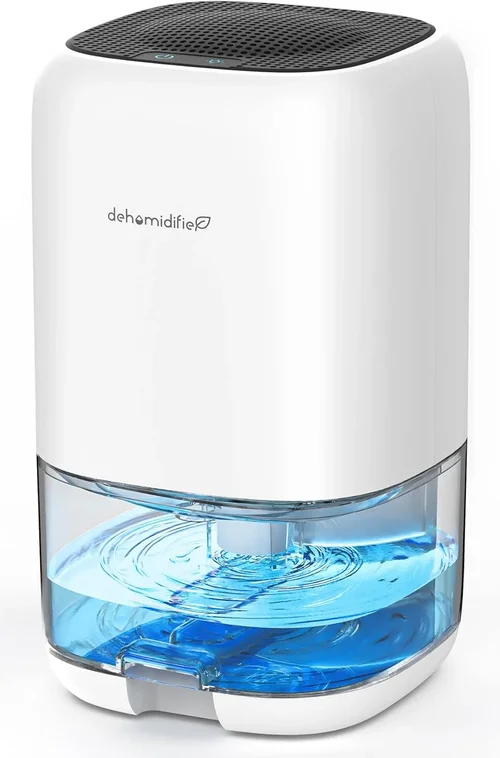
❌ Mistake: Buying Based Solely on Pint Capacity
Why it’s bad: Pint ratings are measured under ideal lab conditions (80°F, 60% RH). In real homes—especially cooler basements—performance drops significantly. A 30-pint unit might only remove 15–20 pints in a 55°F basement.
What to do instead: Match capacity to your room size and typical humidity level. Use online calculators or consult manufacturer room-size recommendations. When in doubt, go one size up.
❌ Mistake: Ignoring Drainage Options
Why it’s bad: Emptying a full tank multiple times a day is tedious and easy to forget. If the tank overflows, you risk water damage and mold growth.
What to do instead: Choose a model with a continuous drain hose port. Even budget units often include this feature—just add a standard garden hose (sold separately).
❌ Mistake: Overlooking Noise Levels
Why it’s bad: A loud dehumidifier can disrupt sleep, TV watching, or work. Compressor models can reach 55–60 dB—equivalent to a conversation.
What to do instead: Check decibel ratings in product specs. For bedrooms, aim for under 50 dB. Thermoelectric or desiccant models are quieter but less powerful.
❌ Mistake: Skipping the Filter Maintenance
Why it’s bad: A clogged filter reduces airflow, strains the compressor, and increases energy use. Many users don’t realize filters need monthly cleaning.
What to do instead: Choose a model with a washable, reusable filter. Avoid units with non-removable or proprietary filters that require costly replacements.
❌ Mistake: Assuming All “Energy Efficient” Models Are Equal
Why it’s bad: Some brands exaggerate efficiency claims. Without ENERGY STAR certification, you can’t verify real-world performance.
What to do instead: Only consider ENERGY STAR-certified models. They undergo third-party testing and meet strict efficiency guidelines.
❌ Mistake: Buying the Cheapest Option Available
Why it’s bad: Sub-$60 dehumidifiers often use inferior components, lack safety features, and fail within months. You end up spending more on replacements.
What to do instead: Invest in a reputable brand within the $80–$150 range. The extra $20–$30 buys reliability, better support, and longer lifespan.
❌ Mistake: Not Checking Return Policies
Why it’s bad: If the unit doesn’t perform as expected, you’re stuck with a dud. Some retailers charge restocking fees or have short return windows.
What to do instead: Buy from retailers with generous return policies (e.g., Amazon, Best Buy). Test the dehumidifier within the first week to ensure it works properly.
Budget Guidelines: How Much Should You Spend?
Understanding how your budget aligns with performance and features is key to avoiding disappointment. Here’s a breakdown of what to expect at different price tiers in 2026:
Entry-Level ($50–$80): These are typically mini thermoelectric or basic desiccant units. Best for small spaces like closets, RVs, or bathrooms. Expect limited capacity (5–10 pints), no drainage hose, and minimal features. Ideal for occasional use or mild humidity. Avoid for basements or whole-room dehumidification.
Mid-Range ($80–$150): This is the sweet spot for most homeowners. You’ll find reliable compressor-based models with 20–30 pint capacities, digital humidity controls, auto shut-off, and continuous drain options. ENERGY STAR certification is common. These units balance performance, durability, and affordability—perfect for bedrooms, living rooms, or moderate-sized basements.
Premium ($150–$200): Stepping into this range gets you enhanced features like Wi-Fi connectivity, larger tanks (12+ pints), quieter operation (under 48 dB), and improved defrost systems. Some models include air purifying filters or multi-speed fans. Great for tech enthusiasts or those with specific comfort needs.
Luxury ($200+): While technically beyond “budget,” some high-end models offer commercial-grade performance, smart home integration, and extended warranties. These are overkill for most households but may be worth considering for large homes, chronic moisture issues, or rental properties.
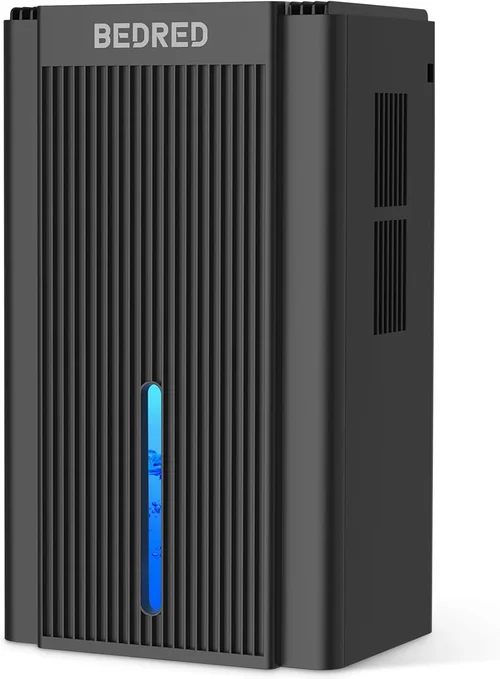
Expert Tips for Getting the Best Deal
- Shop during off-peak seasons: Dehumidifiers are cheapest in winter and early spring. Retailers discount them to make room for air conditioners.
- Compare total cost: Factor in shipping, taxes, and potential filter replacements. Sometimes a slightly higher-priced model with free shipping and included accessories is a better deal.
- Use price tracking tools: Set alerts on CamelCamelCamel (for Amazon) or Honey to notify you when prices drop.
- Check manufacturer rebates: Some brands offer mail-in rebates or instant discounts during promotional periods.
- Read the return policy carefully: Ensure you can return the unit if it doesn’t meet expectations—especially important for online purchases.
- Test immediately: Run the dehumidifier for 24–48 hours upon delivery. Check for leaks, unusual noises, or failure to reach set humidity levels.
- Clean regularly: Monthly filter cleaning and coil inspection extend lifespan and maintain efficiency. Neglect leads to premature failure.
- Consider placement: Keep the unit at least 6 inches from walls for proper airflow. Avoid carpeted areas unless using a drain hose.

Frequently Asked Questions
Q: Can a budget dehumidifier really make a difference in mold prevention?
A: Absolutely. Even affordable models can reduce indoor humidity to safe levels (below 50%), which inhibits mold and mildew growth. The key is consistent use and proper sizing for your space.
Q: How often should I empty the water tank?
A: It depends on humidity levels and tank size. In high-humidity environments, you may need to empty it 2–3 times daily. Use a continuous drain hose to avoid manual emptying.
Q: Are mini dehumidifiers effective for large rooms?
A: No. Mini units are designed for small, enclosed spaces. For rooms over 200 sq ft, choose a compressor-based model with at least 20-pint capacity.
Q: Do I need a dehumidifier if I have central air conditioning?
A: Possibly. While AC removes some moisture, it’s not optimized for dehumidification. In humid climates or poorly insulated homes, a dedicated dehumidifier provides better control.
Q: Can I run a dehumidifier all the time?
A: Yes, but it’s unnecessary and increases energy costs. Most models have humidistats that cycle on/off to maintain your set humidity level—set it and forget it.
Q: What’s the ideal indoor humidity level?
A: Between 30% and 50%. Below 30%, air becomes too dry; above 50%, mold and dust mites thrive. Use a hygrometer to monitor levels.
Q: Are desiccant dehumidifiers better for cold basements?
A: Yes. Unlike compressor models, desiccant units work efficiently in temperatures as low as 40°F, making them ideal for unheated spaces.
Q: How long do budget dehumidifiers typically last?
A: With proper maintenance, most last 3–5 years. Higher-quality models from reputable brands may last 5–7 years.
Q: Can I use a dehumidifier in an unheated garage?
A: Only if it’s a desiccant model or has a defrost function. Compressor units may ice up and stop working in cold environments.
Q: Is it safe to leave a dehumidifier on overnight?
A: Yes, as long as it has auto shut-off, overheat protection, and is placed on a stable, non-flammable surface. Modern units are designed for continuous operation.
Our Final Recommendations
Best for Budget-Conscious Buyers: hOmeLabs 22-Pint Dehumidifier – At around $120, it offers excellent performance, ENERGY STAR certification, and a 2-year warranty. Ideal for medium-sized rooms with reliable moisture control.
Best Overall Value: Frigidaire FFAD2233W1 – Priced at $140, this 22-pint model includes a washable filter, continuous drain option, and quiet operation (47 dB). A proven performer with strong user reviews.
Best Premium Option: Pro Breeze 30-Pint Smart Dehumidifier – For $180, you get Wi-Fi control, app monitoring, and a large 12-pint tank. Perfect for tech-savvy users who want remote management.
Best for Beginners: Eva-Dry E-333 Mini Dehumidifier – At $60, this compact, rechargeable unit is plug-and-play with no setup. Great for closets, RVs, or as a secondary unit.
Best for Advanced Users: hOmeLabs 50-Pint Compressor Dehumidifier (Refurbished) – While slightly above budget new, refurbished models drop to $170–$190. Offers high capacity, robust build, and smart features for serious moisture control.
Conclusion: Making the Right Choice
Finding the best budget dehumidifier doesn’t mean settling for poor performance or flimsy construction. With the insights from this guide, you’re equipped to navigate the crowded market, avoid common pitfalls, and select a unit that delivers real value for your money. Remember: prioritize your specific needs—room size, humidity level, noise tolerance, and drainage options—over flashy features or rock-bottom prices.
Investing in a quality dehumidifier under $200 can improve your home’s air quality, protect your belongings from moisture damage, and enhance overall comfort—all without straining your wallet. Whether you’re tackling a damp basement, reducing allergens, or simply creating a more pleasant living environment, the right budget model is out there. Take your time, compare options, and trust reputable brands. Your healthier, drier home starts with a smart purchase.
Ready to breathe easier? Start shopping with confidence—you’ve got the expert knowledge to make the best choice for your space and budget.