

When it comes to maintaining a healthy, comfortable indoor environment, humidity control is often overlooked—until it’s too late. Excess moisture in the air can lead to musty odors, mold growth, warped wood, and even respiratory issues. For many homeowners and renters, especially those in small spaces like apartments, basements, or RVs, a full-sized dehumidifier is simply impractical. That’s where compact dehumidifiers come in. These space-saving devices are engineered to deliver powerful moisture removal in a footprint small enough to fit under a sink, on a closet shelf, or tucked beside a bed.
But not all compact dehumidifiers are created equal. The market is flooded with options ranging from ultra-cheap models that barely make a dent in humidity levels to high-performance units packed with smart features. Choosing the right one requires more than just picking the smallest or cheapest option. You need to consider performance, energy efficiency, noise levels, maintenance needs, and how well the unit integrates into your lifestyle. That’s exactly why this guide exists—to cut through the noise and help you make an informed, confident decision.
In this comprehensive buying guide, we’ll walk you through every critical factor you should evaluate before purchasing a compact dehumidifier. From understanding key performance metrics like pint capacity and energy efficiency to comparing different types of technology (refrigerant vs. desiccant), we’ll leave no stone unturned. You’ll also learn how to avoid common pitfalls, maximize your budget, and identify the best models for your specific needs—whether you’re dealing with a damp basement, a humid bathroom, or simply want fresher air in your bedroom. By the end, you’ll have all the tools to choose a compact dehumidifier that works as hard as you do.
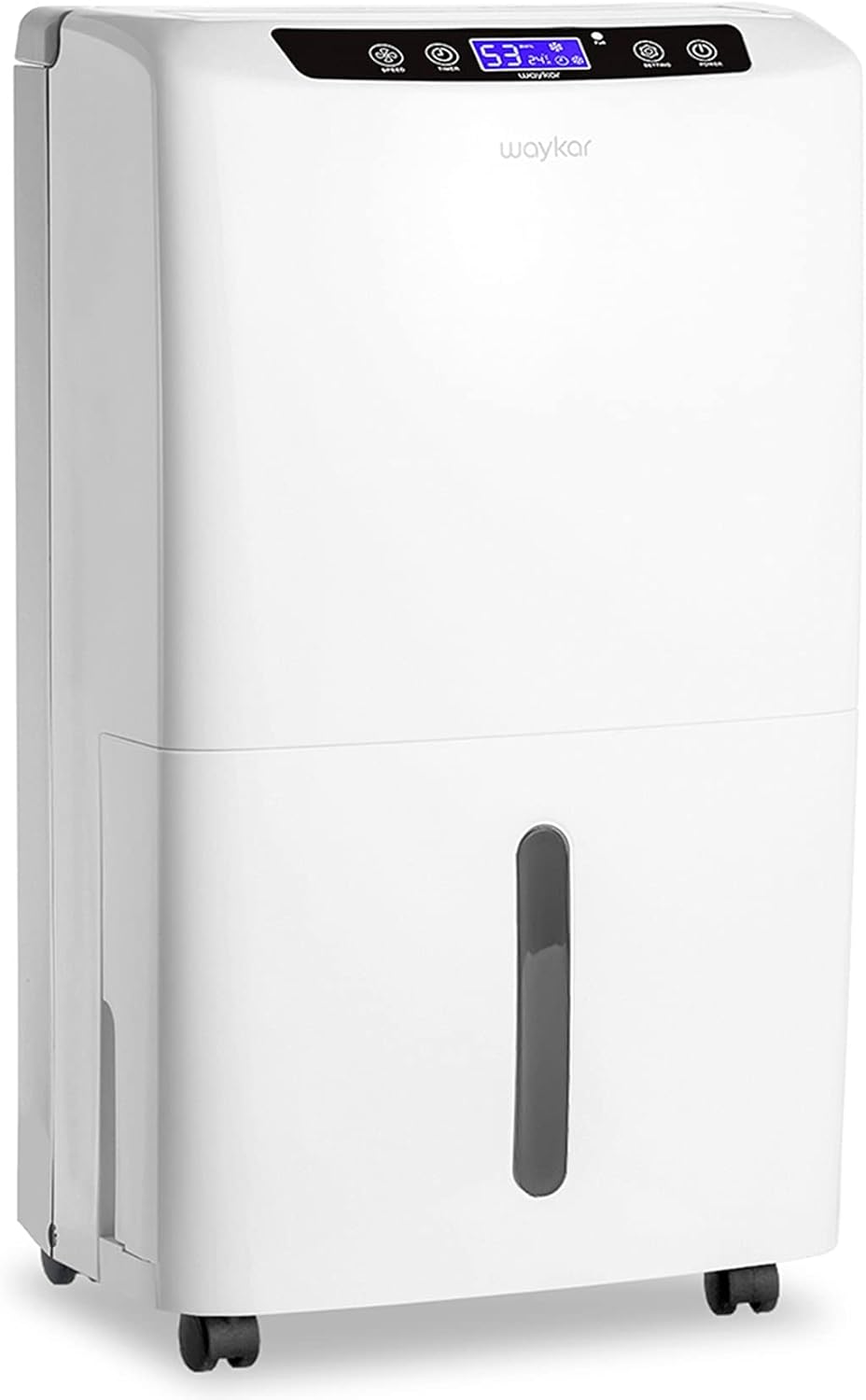
What to Look for When Buying Buying Guide
1. Pint Capacity and Room Size Compatibility
Pint capacity refers to how much moisture a dehumidifier can remove from the air in 24 hours under standard conditions (typically 60% relative humidity at 80°F). This number is crucial because it directly impacts whether the unit can handle your space effectively. Compact dehumidifiers typically range from 12 to 30 pints per day (PPD), with most falling between 16 and 22 PPD.
To match capacity to room size, use this general rule: a 16–20 PPD unit works well for spaces up to 500 square feet, while 20–30 PPD models are better suited for larger areas or high-moisture zones like basements or laundry rooms. However, don’t rely solely on square footage—consider humidity levels too. A small bathroom with constant steam from showers may need a higher-capacity unit than a larger but drier bedroom.
2. Energy Efficiency and Operating Costs
Since dehumidifiers often run continuously—especially in humid climates—energy consumption can significantly impact your utility bill. Look for units with the ENERGY STAR® certification, which indicates they meet strict efficiency guidelines set by the U.S. Environmental Protection Agency. ENERGY STAR models use up to 15% less energy than standard units, saving you money over time.
Pay attention to the Energy Factor (EF), measured in liters of water removed per kilowatt-hour (L/kWh). Higher EF values mean better efficiency. For compact models, an EF of 1.2 or above is considered excellent. Also, consider features like auto-shutoff when the water tank is full or built-in humidistats that cycle the unit on and off based on actual humidity levels—these prevent unnecessary runtime and reduce wear.
3. Noise Level and Placement Flexibility
Compact dehumidifiers are often placed in living areas, bedrooms, or home offices, so noise output matters. Most units operate between 40 and 55 decibels (dB)—comparable to a quiet conversation or library whisper. Anything above 50 dB may become noticeable in a silent room, especially at night.
Check manufacturer specs for “noise level” or “sound output.” Some brands offer “quiet mode” settings that reduce fan speed for nighttime use. If you plan to place the unit near your bed or desk, aim for a model under 48 dB. Additionally, consider placement flexibility: does it have a top-mounted control panel? Can it be positioned vertically or horizontally? These details affect usability in tight spaces.
4. Water Tank Size and Drainage Options
The water collection tank is one of the most frequently overlooked yet essential components. Compact dehumidifiers usually have tanks ranging from 0.5 to 1.5 gallons. Smaller tanks require more frequent emptying—sometimes daily in humid conditions—which can be inconvenient if you’re away from home or forgetful.
Look for models with larger tanks (1 gallon or more) if you want less maintenance. Better yet, choose units with continuous drainage options. Many compact dehumidifiers include a hose connection port so you can attach a standard garden hose and direct water straight to a floor drain, sink, or sump pump. This eliminates the need to empty the tank altogether and is ideal for basements or unattended spaces.
5. Smart Features and Automation
Modern compact dehumidifiers are increasingly equipped with smart capabilities that enhance convenience and control. Key features include built-in humidistats (so the unit turns on/off automatically), programmable timers, filter change indicators, and Wi-Fi connectivity for remote monitoring via smartphone apps.
For example, some premium models sync with smart home systems like Alexa or Google Home, allowing voice commands or integration with other devices (e.g., turning on when your smart thermostat detects high humidity). While these features add cost, they can significantly improve user experience—especially for tech-savvy buyers or those managing humidity in multiple rooms.
6. Build Quality and Durability
Since compact dehumidifiers are often moved between rooms or stored when not in use, durability is paramount. Look for sturdy construction with reinforced plastic housing, rust-resistant coils, and secure handles. Avoid flimsy designs with thin panels or weak hinges—they’re prone to cracking or breaking during transport.
Internally, check for protective features like thermal overload protection (prevents motor burnout) and anti-frost sensors (important in cooler environments like garages or crawl spaces). High-quality compressors and sealed refrigerant systems also contribute to longer lifespan. Reading long-term user reviews can reveal whether a model holds up after months or years of use.
7. Brand Reputation and Customer Support
Not all brands prioritize reliability and customer service equally. Stick with established names known for HVAC or home appliance expertise—such as hOmeLabs, Eva-Dry, Pro Breeze, or Ivation. These companies typically offer better warranties, responsive support teams, and readily available replacement parts.
Research customer service experiences before buying. Check forums, Reddit threads, or review sites for reports of slow response times, denied warranty claims, or discontinued models. A reputable brand will stand behind its product and provide clear troubleshooting guides or video tutorials.
8. Warranty and Return Policy
A solid warranty reflects manufacturer confidence in their product. Most compact dehumidifiers come with a 1- to 2-year limited warranty, but some premium brands offer up to 3 or even 5 years. Pay attention to what’s covered: does it include parts, labor, and shipping? Are there exclusions for commercial use or improper installation?
Also, review the retailer’s return policy. Many online sellers offer 30-day returns, but some charge restocking fees or require you to cover return shipping. If possible, buy from retailers with hassle-free returns (like Amazon or Best Buy) so you can test the unit in your actual environment and return it if it doesn’t perform as expected.
Different Types of Buying Guide

Common Buying Mistakes to Avoid

❌ Mistake: Buying Based Solely on Price
Why it’s bad: The cheapest compact dehumidifiers often use low-grade components, lack essential features like auto-shutoff, and may fail within months. You end up spending more in replacements or higher energy bills.
What to do instead: Focus on value, not just upfront cost. Consider total cost of ownership—including energy use, maintenance, and expected lifespan. A $120 model that lasts 5 years is better than a $60 one that breaks in 6 months.
❌ Mistake: Ignoring Room Conditions
Why it’s bad: A unit rated for 500 sq ft won’t perform well in a damp basement with poor ventilation, even if the space is small. Humidity source matters as much as size.
What to do instead: Assess your environment honestly. Is there visible mold? Does the air feel sticky? Use a hygrometer to measure actual humidity levels. Choose a model with capacity and features suited to your specific conditions.
❌ Mistake: Overlooking Drainage Needs
Why it’s bad: If you forget to empty a small tank daily, the unit stops working—and you might not notice until mold returns.
What to do instead: Opt for continuous drainage if possible. Even if you don’t install it immediately, having the option gives flexibility. Alternatively, choose a model with a large tank and audible alarm when full.
❌ Mistake: Assuming All “Compact” Units Are Equal
Why it’s bad: Some “compact” models are just mini versions of large units—bulky, loud, and inefficient at small scale.
What to do instead: Look for units specifically designed for compact performance—optimized airflow, quiet fans, and space-efficient layouts. Read reviews mentioning real-world size and usability.
❌ Mistake: Neglecting Filter Maintenance
Why it’s bad: Clogged filters reduce airflow, strain the motor, and increase energy use. Many users don’t realize filters need regular cleaning.
What to do instead: Choose models with washable, reusable filters (not disposable ones). Check how easy it is to access and clean the filter—some require tools or disassembly.
❌ Mistake: Buying Without Testing Return Policy
Why it’s bad: Performance can vary greatly between lab tests and your home environment. If you can’t return it, you’re stuck with a dud.
What to do instead: Always verify the return window and conditions before purchasing. Test the unit in your intended location within the first week.
Budget Guidelines: How Much Should You Spend?
- Entry-Level ($30–$80): These are typically thermo-electric or basic desiccant models. Best for tiny spaces like gun safes, wardrobes, or under-sink cabinets. Expect limited capacity (under 10 PPD), small tanks, and minimal features. Ideal for occasional use but not for whole-room humidity control.
- Mid-Range ($80–$180): This is the sweet spot for most buyers. You’ll find reliable refrigerant or desiccant units with 16–25 PPD capacity, larger tanks (1+ gallons), auto-shutoff, and decent energy efficiency. Many include basic smart features like timers or humidistats. Perfect for bedrooms, bathrooms, or small basements.
- Premium ($180–$300): Designed for enthusiasts and those with persistent moisture issues. These offer high EF ratings, hybrid technology, Wi-Fi connectivity, large continuous drainage options, and robust build quality. Great for year-round use in variable climates or multi-room setups.
- Luxury ($300+): Top-tier models with advanced sensors, app integration, multi-stage filtration, and commercial-grade components. Often used in RVs, boats, or as part of whole-home systems. Only necessary for extreme conditions or professional applications.

Expert Tips for Getting the Best Deal
- Shop During Off-Seasons: Dehumidifier sales peak in spring and summer. Buy in late fall or winter (November–February) for discounts of 20–40%. Retailers clear inventory before the humid season returns.
- Compare Online vs. In-Store: Online retailers (Amazon, Walmart, Home Depot) often have better prices and wider selections. But check in-store pickup options to avoid shipping fees—and inspect build quality before taking it home.
- Use Price Tracking Tools: Set alerts on CamelCamelCamel (for Amazon) or Honey to notify you when prices drop. Many compact dehumidifiers fluctuate by $20–$50 throughout the year.
- Check for Bundled Deals: Some brands offer free accessories (hoses, filters, hygrometers) with purchase. These can add $30–$50 in value at no extra cost.
- Verify Warranty Registration: Some manufacturers require online registration within 30 days to activate the full warranty. Don’t skip this step—it could save you hundreds in repair costs.
- Test Before Committing: Run the unit for 48 hours in your target location. Monitor noise, tank filling rate, and humidity reduction. If it’s not cutting it, return it while you still can.
- Consider Refurbished Models: Certified refurbished units from reputable sellers (like Amazon Renewed or manufacturer outlets) often come with full warranties and sell for 25–40% less than new.

Frequently Asked Questions
Q: Can a compact dehumidifier replace a full-sized unit?
A: Not usually. Full-sized dehumidifiers (50+ PPD) are designed for large basements or whole-house use. Compact models excel in targeted areas but lack the capacity for extensive moisture problems. Use them as supplements or for specific rooms.
Q: Do compact dehumidifiers use a lot of electricity?
A: It depends. ENERGY STAR models typically use 300–500 watts. At average U.S. electricity rates, running one 12 hours/day costs about $15–$25/month. Look for high EF ratings to minimize costs.
Q: How often should I clean the filter?
A: Every 2–4 weeks during heavy use, or monthly otherwise. A clogged filter reduces efficiency by up to 30%. Most models have indicator lights—but don’t rely solely on them.
Q: Will a compact dehumidifier help with allergies?
A: Yes—if humidity is the trigger. By keeping relative humidity between 30–50%, you inhibit mold, dust mites, and mildew growth, which are common allergens. Pair it with an air purifier for best results.
Q: Can I run a compact dehumidifier continuously?
A: Most modern units are designed for 24/7 operation, especially those with auto-defrost and thermal protection. Just ensure proper ventilation around the unit and empty or drain the tank regularly.
Q: Are desiccant dehumidifiers better for cold rooms?
A: Absolutely. Unlike refrigerant models, desiccant units don’t rely on cooling coils, so they work efficiently down to 40°F. Ideal for garages, crawl spaces, or unheated cabins.
Q: Do I need a humidistat?
A: Highly recommended. A built-in humidistat prevents over-drying (which wastes energy) and under-drying (which leaves moisture issues). Manual units require constant monitoring.
Q: Can I place a compact dehumidifier in a closet?
A: Only if it’s a thermo-electric or desiccant model with very low heat output. Refrigerant units generate significant heat and need airflow—never seal them in enclosed spaces without ventilation.
Q: What’s the difference between “pints per day” and actual performance?
A: PPD is measured under standardized lab conditions (80°F, 60% RH). Real-world performance varies with temperature and humidity. A unit may remove fewer pints in a cool basement than in a warm bathroom.
Q: Should I buy a used dehumidifier?
A: Generally not advised. Refrigerant systems can leak over time, and internal components degrade. Without a warranty, you risk costly repairs. Stick to new or certified refurbished.
Our Final Recommendations
- Best for Budget-Conscious Buyers: Eva-Dry E-333 Renewable Mini Dehumidifier – At under $50, this desiccant unit is perfect for closets, safes, or small bathrooms. No electricity needed after initial charge, and it’s silent. Limited capacity but unbeatable for micro-spaces.
- Best Overall Value: hOmeLabs 1,500 Sq. Ft Energy Star Dehumidifier – Despite its compact design, it delivers 22 PPD, a 1.8-gallon tank, continuous drainage, and a washable filter. Priced around $150, it outperforms many larger units.
- Best Premium Option: Ivation 1,500 Sq. Ft Smart Dehumidifier with Wi-Fi – Features app control, Alexa compatibility, auto-humidistat, and a sleek design. Ideal for tech lovers who want hands-off humidity management.
- Best for Beginners: Pro Breeze 50 Pint Compact Dehumidifier – Simple controls, clear tank window, and reliable performance. Great for first-time buyers who want plug-and-play simplicity.
- Best for Advanced Users: AprilAire E080 Pro Compact Dehumidifier – Built for pros and serious DIYers, this hybrid model offers industrial-grade durability, precise humidity control, and seamless integration with HVAC systems.
Conclusion: Making the Right Choice
Choosing the right compact dehumidifier isn’t just about finding the smallest or cheapest option—it’s about matching the right technology, capacity, and features to your unique environment and lifestyle. Whether you’re battling basement dampness, protecting cherished belongings in a closet, or simply breathing easier in your bedroom, the right unit can make a world of difference.
Remember to prioritize performance over price, consider real-world conditions (not just square footage), and never underestimate the value of smart features like auto-drainage and humidity sensing. Take advantage of seasonal sales, read verified user reviews, and always test your purchase within the return window.
Ultimately, the best compact dehumidifier is the one that disappears into your routine—working quietly, efficiently, and reliably without constant attention. With the insights from this guide, you’re now equipped to find exactly that. Don’t let excess moisture compromise your comfort or health any longer. Invest wisely, and enjoy fresher, cleaner, drier air year-round.