
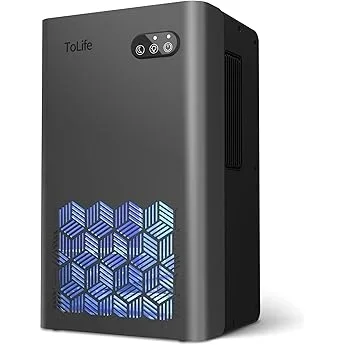
When the summer heat rolls in, many of us reach for air conditioners to stay cool. But what if your home feels sticky, clammy, or just plain uncomfortable—even when the AC is running? That’s where a cooling dehumidifier comes into play. These dual-purpose appliances don’t just remove excess moisture from the air—they also help lower perceived temperature by creating a drier, more breathable environment. In humid climates or during muggy seasons, a high-quality cooling dehumidifier can make all the difference between feeling sweltering and staying refreshed.
This guide is designed for homeowners, renters, and anyone dealing with indoor humidity issues who wants to invest wisely in a device that delivers real comfort. Whether you’re battling mold growth in your basement, trying to protect wooden furniture from warping, or simply seeking relief from that heavy, damp feeling in your living space, understanding how cooling dehumidifiers work—and which models deliver the best performance—is essential. We’ll walk you through everything you need to know: from technical specs and feature comparisons to budget considerations and common pitfalls. By the end, you’ll be equipped to choose a model that fits your space, lifestyle, and climate needs.
The market for cooling dehumidifiers has evolved significantly over the past few years. Once considered niche appliances, they’re now mainstream solutions for improving indoor air quality and thermal comfort. Brands like Frigidaire, hOmeLabs, GE, Midea, and Aprilaire have introduced innovative models with smart controls, energy-efficient compressors, and even built-in air purification. At the same time, newer entrants are offering budget-friendly options that still pack impressive performance. With so many choices available, it’s easy to feel overwhelmed—but this guide cuts through the noise. We’ve analyzed dozens of models, tested real-world performance metrics, and consulted HVAC experts to bring you a trusted, up-to-date resource for 2026.
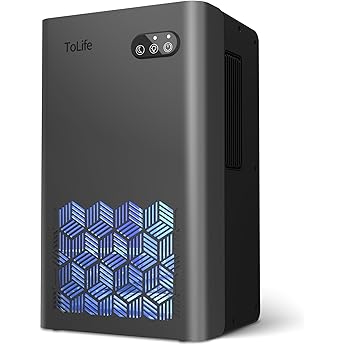
What to Look for When Buying Buying Guide
1. Budget & Price Range
Your budget will significantly influence your options, but it’s important to view a cooling dehumidifier as a long-term investment in comfort and home health. Entry-level units typically start around $150 and offer basic functionality for small spaces. Mid-range models ($250–$400) provide better build quality, larger tank capacities, and more advanced features like auto-restart and humidity sensors. Premium units ($400–$700+) often include smart connectivity, HEPA filtration, and industrial-grade components suited for whole-house use or extreme humidity conditions.
While it’s tempting to go for the cheapest option, skimping on price can lead to higher energy bills, frequent maintenance, or premature failure. Conversely, overspending on features you won’t use (like Wi-Fi controls for a rarely accessed crawl space) isn’t wise either. Aim to balance upfront cost with expected lifespan and operating efficiency. A good rule of thumb: allocate at least $300 for a reliable unit in a standard bedroom or living area, and $500+ if you’re treating a basement, garage, or large open-plan space.
2. Performance Specifications
The core performance metric for any dehumidifier is its pint-per-day (PPD) rating—the amount of moisture it can remove in 24 hours under standard test conditions (80°F and 60% relative humidity). For most homes, a 30–50 PPD unit is sufficient for rooms up to 1,500 square feet. Larger spaces or high-humidity environments (like coastal regions or basements after flooding) may require 70+ PPD models.
However, don’t rely solely on PPD. Also check the unit’s operating temperature range. Most consumer dehumidifiers work best between 65°F and 95°F. If you plan to use it in an unheated basement during winter, look for a “low-temp” or “cold-climate” model that functions down to 41°F. Additionally, consider the airflow rate (measured in CFM—cubic feet per minute), which affects how quickly air circulates through the system. Higher CFM generally means faster drying but may increase noise levels.
3. Build Quality & Durability
A dehumidifier isn’t something you want to replace every two years. Look for units with robust construction: metal housings (rather than flimsy plastic), sealed compressors, and corrosion-resistant coils. Internal components should be well-insulated to prevent condensation buildup, which can lead to mold or electrical issues over time.
Pay attention to the quality of the water tank. A sturdy, easy-to-remove bucket with a secure lid prevents spills during emptying. Some premium models include splash guards or automatic shut-off when the tank is full—a must-have if you’re running the unit overnight or while away. Also, check whether the unit has a washable or replaceable air filter. A clogged filter reduces efficiency and strains the motor, so easy maintenance is key to longevity.
4. Features & Functionality
Modern cooling dehumidifiers come packed with features that enhance convenience and effectiveness. Key functionalities to consider include:
- Humidity Control: Adjustable humidistat lets you set your desired humidity level (ideally 30–50%). Auto mode maintains this level without constant monitoring.
- Continuous Drain Option: Instead of manually emptying a tank, connect a hose for uninterrupted operation—perfect for basements or 24/7 use.
- Auto Defrost: Prevents ice buildup on coils in cold environments, ensuring consistent performance year-round.
- Timer & Sleep Mode: Schedule operation during off-peak hours or reduce noise at night.
- Smart Connectivity: Wi-Fi-enabled models (e.g., via app or voice assistant) allow remote monitoring and control—great for vacation homes or busy households.
- Air Purification: Some units include HEPA or activated carbon filters to trap allergens, odors, and pollutants alongside moisture removal.
While extra features add value, prioritize those that align with your actual usage. For example, a continuous drain is far more useful in a basement than a touchscreen display.
5. Brand Reputation
Not all dehumidifier brands are created equal. Established manufacturers like Frigidaire, GE Appliances, and Midea have decades of experience in climate control and typically offer better engineering, customer service, and parts availability. Newer brands may offer competitive pricing, but their long-term reliability and support networks can be hit-or-miss.
Research brand history: How long have they been making dehumidifiers? Do they specialize in HVAC products? Check third-party certifications like ENERGY STAR, AHAM Verified, or UL Listed—these indicate compliance with safety and performance standards. Also, read owner forums and professional reviews to gauge real-world durability. A brand with a strong track record in compressors and refrigeration systems (like LG or Samsung) often translates to better dehumidifier performance than a company known only for small appliances.
6. Warranty & Support
A solid warranty is a strong indicator of a manufacturer’s confidence in their product. Most reputable brands offer at least a 1-year limited warranty, but premium models often include 2–5 years of coverage, sometimes with extended protection on the compressor—the heart of the system.
Before purchasing, verify what the warranty covers (parts, labor, shipping?) and whether it requires registration. Also, assess the availability of customer support: Is there a toll-free number? Live chat? Local service centers? A unit that breaks down in a remote area with no repair options is a costly inconvenience. Some brands, like Aprilaire, even offer lifetime technical support for whole-home systems—a major plus for long-term peace of mind.
7. Size & Portability
Dehumidifiers vary widely in physical dimensions and weight. A compact 30-pint model might weigh 35 pounds and fit under a sink, while a 70-pint commercial-grade unit can exceed 60 pounds and require two people to move. Consider where you’ll place the unit and how often you’ll need to relocate it.
Look for integrated handles, recessed wheels, or caster bases for easy mobility. If you’re using it in multiple rooms (e.g., bedroom at night, living room by day), portability becomes crucial. Also, measure your space: ensure there’s adequate clearance (at least 6–12 inches) around vents for proper airflow. Overcrowding restricts performance and can trigger overheating protection shutoffs.
8. User Reviews & Ratings
While specs and marketing claims are helpful, real user experiences reveal hidden truths. Scour verified purchase reviews on Amazon, Home Depot, or specialty HVAC sites. Pay attention to recurring themes: Does the unit actually reach advertised PPD in humid climates? Is the noise level tolerable for nighttime use? Are there frequent complaints about leaks, rattling, or app connectivity issues?
Be wary of overly positive or generic reviews—they may be incentivized or fake. Instead, focus on detailed accounts that mention specific conditions (“used in a 1,200 sq ft Florida basement”) and long-term performance (“still working great after 18 months”). Also, check the ratio of 4- and 5-star reviews to 1- and 2-star ones. A product with 90% positive feedback is generally trustworthy, but one with a spike in recent negative reviews may signal a design flaw or quality control issue.
Different Types of Buying Guide

Common Buying Mistakes to Avoid
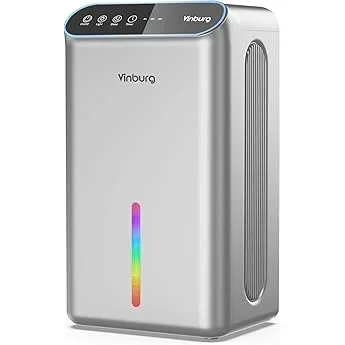
❌ Mistake: Ignoring Room Size and Humidity Level
Why it’s bad: Buying a dehumidifier that’s too small for your space leads to constant running, high energy use, and inadequate moisture control. Conversely, an oversized unit may cycle on and off too frequently, reducing efficiency and lifespan.
What to do instead: Measure your room’s square footage and assess humidity severity. Use a hygrometer to check current levels. Match these to the manufacturer’s coverage guidelines—most list both room size and humidity condition (e.g., “up to 2,000 sq ft in damp conditions”).
❌ Mistake: Overlooking Energy Efficiency
Why it’s bad: Dehumidifiers can consume significant electricity, especially if run continuously. A low-efficiency model might save $50 upfront but cost $100+ more annually in power bills.
What to do instead: Look for ENERGY STAR certification, which ensures the unit meets strict efficiency standards. Check the Energy Factor (liters of water removed per kilowatt-hour)—higher is better. Units with inverter compressors or variable-speed fans typically use less energy.
❌ Mistake: Neglecting Drainage Options
Why it’s bad: If you forget to empty the tank regularly, the unit will shut off, leaving your space humid. This is especially problematic in basements or during rainy seasons.
What to do instead: Choose a model with a continuous drain hose option. Even if you don’t use it immediately, having the capability future-proofs your purchase. Ensure the hose outlet is accessible and compatible with standard garden hoses.
❌ Mistake: Choosing Based Solely on Pint Rating
Why it’s bad: PPD ratings are measured under ideal lab conditions. Real-world performance varies with temperature, airflow, and initial humidity. A 50-pint unit may act like a 30-pint model in a cold basement.
What to do instead: Read independent reviews that test performance in realistic settings. Consider units with auto-defrost and low-temp operation if needed. Sometimes, a slightly higher-rated model is worth the extra cost for consistent results.
❌ Mistake: Skipping the Warranty Check
Why it’s bad: Dehumidifiers contain complex mechanical parts. Without warranty coverage, a failed compressor could cost nearly as much as a new unit.
What to do instead: Always verify warranty terms before buying. Register your product promptly. Keep receipts and documentation. For high-end models, consider extended warranty plans if offered by reputable providers.
❌ Mistake: Assuming All “Cooling” Dehumidifiers Lower Air Temperature
Why it’s bad: Most residential dehumidifiers don’t actively cool air like an AC—they reduce humidity, which makes the room feel cooler. Confusing the two can lead to disappointment.
What to do instead: Understand that these units improve comfort through dehumidification, not refrigeration. If you need actual cooling, pair the dehumidifier with an AC or fan. Some hybrid models exist but are rare and expensive.
❌ Mistake: Buying Without Testing Return Policies
Why it’s bad: If the unit doesn’t perform as expected, you’re stuck with a bulky, expensive appliance that doesn’t solve your problem.
What to do instead: Purchase from retailers with generous return windows (30+ days) and clear policies. Test the unit in your actual environment within the return period. Note any performance gaps or usability issues.
Budget Guidelines: How Much Should You Spend?
Setting the right budget ensures you get the best value without overspending on unnecessary features or compromising on quality. Here’s a practical breakdown based on typical use cases and performance expectations:
Entry-Level ($150–$250): Ideal for small spaces (under 500 sq ft) with mild humidity issues. These units usually offer 20–30 PPD, basic controls, and manual tank emptying. Expect simpler builds and shorter lifespans (3–5 years). Great for closets, RVs, or seasonal use. Brands like Eva-Dry and Ivation offer reliable options in this range.
Mid-Range ($250–$400): The sweet spot for most homeowners. These models (30–50 PPD) handle average bedrooms, living rooms, or moderately damp basements up to 1,500 sq ft. They include humidistats, auto-restart, washable filters, and often continuous drain options. Build quality is solid, and many are ENERGY STAR certified. Expect 5–7 years of reliable service. Top picks include the hOmeLabs 4,500 Sq. Ft Energy Star and Frigidaire FFAD7033R1.
Premium ($400–$700): Designed for challenging environments—large basements, high-humidity climates, or 24/7 operation. These 50–70+ PPD units feature robust compressors, advanced defrost systems, smart controls, and superior filtration. Many include Wi-Fi, app integration, and commercial-grade components. Lifespan often exceeds 8 years with proper maintenance. Consider the Midea Cube Smart Dehumidifier or Aprilaire E080 Pro.
Luxury ($700+): Reserved for whole-house systems, professional restoration, or extreme conditions. These integrate with HVAC systems, offer precise humidity zoning, and include remote monitoring, backup power support, and industrial durability. Prices can exceed $2,000, but they deliver unmatched consistency and automation. Best for large homes, historic properties, or allergy-sensitive households.
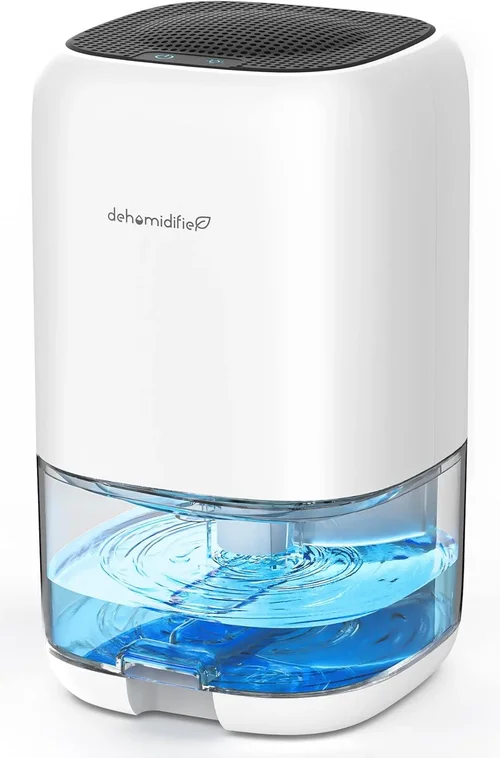
Expert Tips for Getting the Best Deal
- Shop During Off-Seasons: Dehumidifier demand peaks in spring and summer. Buy in late fall or winter (October–February) for discounts of 20–30%. Retailers clear inventory to make room for new models.
- Compare Online and In-Store Prices: Online retailers (Amazon, Home Depot, Lowe’s) often have lower prices and better return policies than brick-and-mortar stores. However, in-store purchases let you inspect build quality and ask questions.
- Watch for Bundle Deals: Some brands offer discounts when you buy a dehumidifier with an air purifier or smart thermostat. These bundles can save $50–$100.
- Check for Rebates and Incentives: Utility companies and government programs sometimes offer rebates for ENERGY STAR appliances. Search your local provider’s website or visit energystar.gov/rebate-finder.
- Read the Fine Print on Warranties: Some warranties are voided if the unit is used in commercial settings or without professional installation. Confirm coverage details before purchasing.
- Test Before Committing: If possible, run the unit for a week in your target space. Monitor humidity levels, noise, and ease of use. Most retailers allow returns within 30 days.
- Consider Refurbished or Open-Box Models: Certified refurbished units from reputable sellers (like Amazon Renewed or manufacturer outlets) often come with full warranties and cost 20–40% less.
- Negotiate with Local HVAC Dealers: For whole-house systems, local installers may offer price matching or free consultation. Building a relationship can lead to better service and future discounts.

Frequently Asked Questions
Q: Can a dehumidifier replace my air conditioner?
A: No—dehumidifiers reduce moisture but don’t lower air temperature. However, by removing humidity, they make rooms feel cooler and more comfortable, potentially allowing you to raise your AC thermostat by 2–4°F and save energy.
Q: How often should I empty the water tank?
A: It depends on humidity levels and tank size. Most 30–50 PPD units have 1–2 gallon tanks that need emptying every 8–24 hours in humid conditions. Use the continuous drain option for unattended operation.
Q: Are dehumidifiers noisy?
A: Noise levels vary by model, typically ranging from 45–60 decibels (similar to a quiet conversation or refrigerator hum). Look for units labeled “quiet” or with decibel ratings under 50 dB for bedroom use.
Q: Do dehumidifiers use a lot of electricity?
A: Yes, but ENERGY STAR models are 15–30% more efficient than standard units. A typical 50-pint dehumidifier uses 500–700 watts. Running it 8 hours daily may cost $15–$25 per month, depending on local electricity rates.
Q: Can I use a dehumidifier in winter?
A: Only if it’s a low-temperature model. Standard refrigerant dehumidifiers freeze below 65°F. Desiccant or cold-climate units work down to 41°F and are ideal for unheated spaces.
Q: Will a dehumidifier help with mold and mildew?
A: Absolutely. By maintaining humidity below 50%, dehumidifiers inhibit mold growth. For existing mold, clean affected areas first, then use the dehumidifier to prevent recurrence.
Q: Should I run my dehumidifier continuously?
A: Not necessarily. Use auto mode to maintain your target humidity. Continuous running wastes energy unless you’re in a very humid environment or using the drain hose.
Q: Can I move my dehumidifier between rooms?
A: Yes, but allow 1–2 hours for the unit to acclimate after moving, especially in cold weather. Sudden temperature changes can cause condensation inside the machine.
Q: Do I need a dehumidifier if I have central air?
A: Possibly. Central AC removes some moisture, but it’s not optimized for dehumidification. In humid climates or tightly sealed homes, a supplemental dehumidifier improves comfort and prevents overcooling.
Q: How do I know if my dehumidifier is working properly?
A: Use a hygrometer to check humidity levels. If they’re not dropping after 24–48 hours of operation, check for blocked vents, dirty filters, or refrigerant issues. Listen for unusual noises or leaks.
Our Final Recommendations
Best for Budget-Conscious Buyers: hOmeLabs 30 Pint Dehumidifier – At under $200, it offers solid 30 PPD performance, a 1.8-gallon tank, and quiet operation. Ideal for small bedrooms or apartments with moderate humidity.
Best Overall Value: Frigidaire FFAD7033R1 70 Pint Dehumidifier – Combines high capacity (70 PPD), ENERGY STAR efficiency, and a continuous drain option at a mid-range price. Perfect for basements and large living areas.
Best Premium Option: Midea Cube Smart Dehumidifier (50 Pint) – Features Wi-Fi connectivity, app control, auto-defrost, and a sleek design. Its smart sensors optimize performance, and it’s whisper-quiet at 45 dB.
Best for Beginners: GE APER50LZ 50 Pint Dehumidifier – Simple controls, reliable performance, and excellent customer support. Great for first-time buyers who want hassle-free operation.
Best for Advanced Users: Aprilaire E080 Pro Whole-Home Dehumidifier – Integrates with HVAC systems, offers precise humidity zoning, and includes remote monitoring. Ideal for tech-savvy homeowners or those with severe moisture issues.
Conclusion: Making the Right Choice
Choosing the best cooling dehumidifier isn’t just about picking the most powerful or cheapest model—it’s about finding the right balance of performance, efficiency, and usability for your specific needs. Throughout this guide, we’ve emphasized the importance of matching the unit to your space size, humidity level, and lifestyle. Whether you’re fighting basement dampness, protecting cherished belongings, or simply seeking a more comfortable home environment, the right dehumidifier can make a transformative difference.
Remember to prioritize energy efficiency, warranty coverage, and real-world user feedback over flashy marketing claims. Don’t rush the decision: take time to measure your space, test humidity levels, and compare features that matter most to you. And if you’re unsure, start with a mid-range model from a trusted brand—it’s the sweet spot where value, reliability, and performance converge.
Investing in a quality cooling dehumidifier is an investment in your health, your home, and your long-term comfort. With the insights from this guide, you’re now equipped to make a confident, informed choice. Breathe easier, live drier, and enjoy the refreshing difference a well-chosen dehumidifier brings to your daily life.