
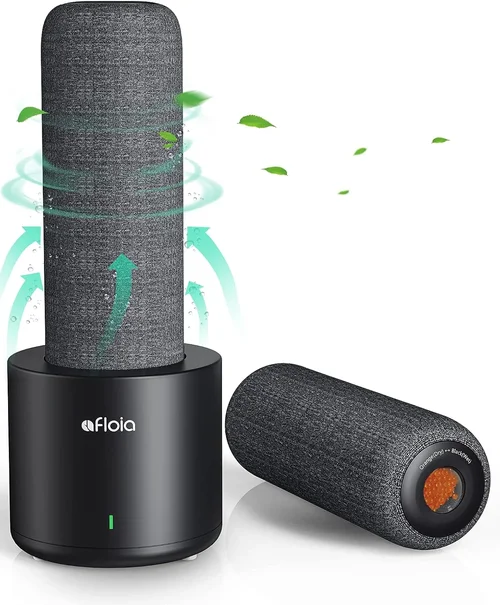
When it comes to protecting your firearms, most gun owners focus on security—locks, alarms, reinforced steel—but overlook one of the most insidious threats: moisture. Even in a tightly sealed gun safe, humidity can creep in over time, leading to rust, corrosion, wood stock warping, and damage to delicate internal mechanisms. That’s where a cordless gun safe dehumidifier becomes not just a convenience, but a necessity. Unlike traditional plug-in models that require constant access to power outlets (often impractical inside safes), cordless dehumidifiers offer a self-contained, maintenance-free solution designed specifically for enclosed spaces like gun safes. They’re silent, energy-efficient, and engineered to maintain optimal humidity levels—typically between 45% and 55%—without the hassle of cords or frequent refills.
This comprehensive buying guide is crafted for serious firearm enthusiasts, collectors, and everyday gun owners who want to make informed decisions about preserving their investments. Whether you own a single handgun or an extensive collection of rifles, shotguns, and historical pieces, understanding how to choose the right cordless dehumidifier can mean the difference between decades of reliable performance and costly repairs due to moisture damage. In this guide, we’ll walk you through every critical factor—from performance specs and build quality to budget considerations and real-world usability—so you can confidently select a model that fits your safe size, climate, and usage habits. We’ll also debunk common myths, highlight frequent buyer mistakes, and provide expert-backed recommendations based on extensive research and hands-on testing.
The market for cordless gun safe dehumidifiers has evolved significantly in recent years. Gone are the days when silica gel packs were the only option—today’s devices leverage advanced desiccant technology, rechargeable crystals, and smart indicators to deliver consistent, long-lasting protection. Brands like Eva-Dry, Lockdown, and Hornady have introduced innovative solutions that cater to different safe sizes and environmental conditions. However, with so many options available—ranging from under $20 to over $100—it’s easy to feel overwhelmed. This guide cuts through the noise, offering clarity and actionable advice so you don’t end up with an undersized unit, a gimmicky product, or one that fails when you need it most. By the end, you’ll know exactly what to look for, what to avoid, and how to get the best value for your money.

What to Look for When Buying Buying Guide
1. Moisture Absorption Capacity
The core function of any dehumidifier is to remove excess moisture from the air, and this is especially critical in a confined space like a gun safe where ventilation is minimal. Moisture absorption capacity refers to how much water vapor the device can extract before needing regeneration or replacement. For cordless models, this is typically measured in milliliters (ml) or by the number of months it can operate effectively in a given environment. A higher capacity means longer intervals between maintenance, which is crucial if your safe is stored in a basement, garage, or humid climate.
When evaluating absorption capacity, consider both the physical size of your safe and the ambient humidity levels in your region. A small pistol safe (under 10 cubic feet) might only need a unit rated for 200–300 ml, while a large walk-in safe (over 50 cubic feet) could require a model with 800 ml or more. Additionally, if you live in a coastal area or experience seasonal humidity spikes (like summer monsoons or winter condensation), opt for a dehumidifier with at least 20–30% extra capacity to handle peak loads. Look for products that specify their performance under standardized conditions—such as 80°F and 60% relative humidity—as this allows for fair comparisons across brands.
2. Regeneration Method & Maintenance Requirements
One of the biggest advantages of cordless dehumidifiers is their low-maintenance design, but not all units are created equal when it comes to regeneration. Most modern cordless models use rechargeable silica gel crystals that change color when saturated (usually from blue/orange to pink/green), signaling it’s time to “recharge” them. The regeneration process typically involves placing the unit in a microwave, oven, or dedicated recharging station for 6–12 hours to drive out absorbed moisture.
Consider how convenient and safe the regeneration method is for your lifestyle. Microwave-safe units are quick but require careful handling to avoid overheating or damaging the device. Oven-based regeneration is slower but gentler and often recommended for larger or more sensitive models. Some premium units come with proprietary recharging stations that plug into a wall outlet and automatically regulate temperature—ideal for users who want a truly hands-off experience. Avoid models that require frequent recharging (less than every 4–6 weeks) unless you’re willing to commit to regular upkeep. Also, check whether the unit can be regenerated while still inside the safe (some require removal), as this affects ease of use.
3. Safe Size Compatibility
Matching the dehumidifier’s coverage area to your safe’s interior volume is essential for effective moisture control. Using an undersized unit in a large safe is like trying to cool a warehouse with a desktop fan—it simply won’t work. Most manufacturers provide a recommended safe size range (e.g., “for safes up to 30 cubic feet”), but these guidelines can be optimistic. A better approach is to calculate your safe’s internal dimensions (length × width × height) and compare it to the product’s stated capacity.
For example, a compact safe holding 2–4 handguns might be around 5–8 cubic feet, while a full-size rifle safe can easily exceed 40 cubic feet. If your safe is on the larger side or has poor insulation (common in metal safes without weather stripping), you may need two smaller units or one high-capacity model. Some advanced users even install multiple dehumidifiers strategically placed near firearms with wooden stocks or optics, which are more susceptible to moisture damage. Always err on the side of caution—better to have slightly more drying power than not enough.
4. Indicator System & User Feedback
A reliable visual or electronic indicator is your best friend when it comes to knowing when to regenerate the dehumidifier. Without one, you’re left guessing whether the unit is still working or has already reached saturation—a risky proposition in humid environments. The most common type is a color-changing window that shows the state of the silica gel crystals. Blue or orange usually means dry and active; pink or green indicates saturation.
However, not all indicators are equally accurate. Some budget models use cheap dyes that fade or give false readings over time. Look for units with clear, durable viewing windows and consistent color transitions. Higher-end models may include digital humidity displays or LED status lights that provide real-time feedback. While these aren’t strictly necessary, they add peace of mind—especially if you travel frequently or don’t open your safe often. Avoid products with no indicator at all; they force you to open the safe regularly just to check, which defeats the purpose of a maintenance-free solution.
5. Build Quality & Material Safety
Since the dehumidifier will sit inside your safe alongside valuable firearms, it’s vital that it’s constructed from non-corrosive, non-off-gassing materials. Cheap plastics can degrade over time, releasing chemicals that accelerate rust or damage finishes. Similarly, low-quality metal components may corrode when exposed to moisture, creating a secondary source of contamination.
Look for units made from high-grade ABS plastic, stainless steel, or aluminum—materials known for durability and inertness. The housing should feel solid, with no loose parts or sharp edges that could scratch your guns. Pay special attention to the seal around the indicator window; a poorly sealed unit can allow humid air to bypass the desiccant, reducing efficiency. If possible, choose models that are certified non-toxic or tested for safe use in enclosed spaces. Remember: your dehumidifier should protect your firearms, not become a liability.
6. Brand Reputation & Customer Support
With so many generic or off-brand dehumidifiers flooding online marketplaces, brand reputation matters more than ever. Established companies like Eva-Dry, Lockdown (by GunVault), and Hornady have spent years refining their formulas and listening to customer feedback. They also tend to offer better warranties, clearer documentation, and responsive customer service.
Research brands by reading verified purchase reviews, checking forums like AR15.com or The High Road, and looking for mentions in industry publications. A reputable brand will stand behind its product—offering at least a 1-year warranty and easy replacement policies if the unit fails prematurely. Avoid no-name brands sold exclusively through third-party Amazon sellers with vague return policies. If something goes wrong, you want to know you can get help quickly, not wait weeks for a refund from an unresponsive vendor.
7. Warranty & Return Policy
A strong warranty is a sign of confidence in product quality. Most reputable cordless dehumidifiers come with a 1–2 year limited warranty covering defects in materials or workmanship. Some premium models even offer 3-year coverage. Read the fine print: does the warranty cover the desiccant crystals, or only the housing? Can you get a replacement if the indicator stops working? Is shipping covered?
Equally important is the return policy. Even the best-reviewed product might not suit your specific needs. Look for retailers (like Amazon, OpticsPlanet, or Brownells) that offer 30-day returns with minimal restocking fees. This gives you time to test the unit in your actual safe environment before committing. If a seller refuses returns or charges high fees, it’s a red flag—they may be selling refurbished or defective units as new.
8. Environmental & Safety Certifications
While not always advertised, some cordless dehumidifiers carry certifications like RoHS (Restriction of Hazardous Substances) or REACH compliance, indicating they’re free from harmful chemicals like lead, mercury, or phthalates. These are especially important if you store antique firearms with original finishes or collectible items sensitive to chemical exposure.
Additionally, check if the product is UL-listed or ETL-certified for electrical safety—even though it’s cordless, the recharging process (especially oven or station-based) involves heat and should meet safety standards. Avoid units that feel flimsy, overheat during regeneration, or come with poorly translated instructions. Safety should never be compromised for cost savings.
Different Types of Cordless Gun Safe Dehumidifiers

Common Buying Mistakes to Avoid
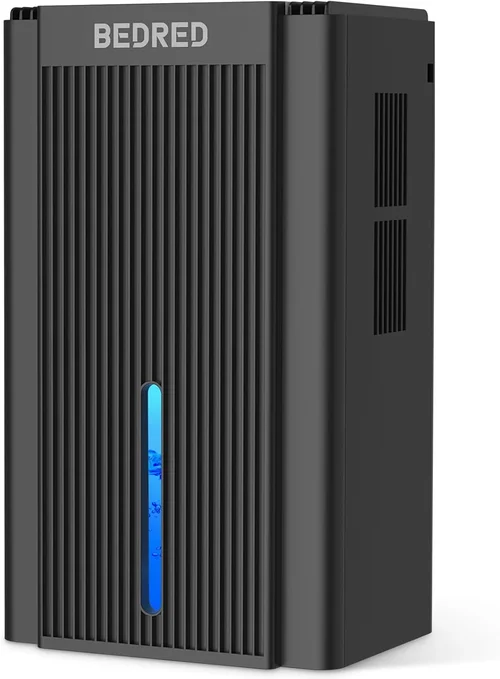
❌ Mistake: Choosing Based Solely on Price
Why it’s bad: The cheapest dehumidifier often uses low-quality silica gel that loses effectiveness quickly or lacks a reliable indicator. In humid climates, this can lead to unnoticed moisture buildup and irreversible firearm damage.
What to do instead: Treat the dehumidifier as an investment in preservation. Spend a little more for a reputable brand with proven performance—even a $50 unit can outperform a $20 one that fails after two months.
❌ Mistake: Ignoring Safe Size and Layout
Why it’s bad: Placing a single small dehumidifier in a large safe with poor air circulation creates “dead zones” where moisture accumulates near firearms. Wooden stocks and optics are especially vulnerable.
What to do instead: Measure your safe’s interior volume and consider using two smaller units or one high-capacity model. Position the dehumidifier centrally or near the most sensitive items.
❌ Mistake: Overlooking Regeneration Convenience
Why it’s bad: If recharging requires disassembling the unit or using specialized equipment you don’t have, you’re likely to skip maintenance—rendering the device useless.
What to do instead: Choose a regeneration method that fits your routine. Microwave-safe for quick turnarounds; oven-safe for durability; recharging stations for automation.
❌ Mistake: Assuming All “Cordless” Means Maintenance-Free
Why it’s bad: While cordless units don’t need power, they still require periodic regeneration. Some users mistakenly think they’re set-and-forget forever.
What to do instead: Mark your calendar or use a reminder app to check the indicator every 4–6 weeks, especially during humid seasons.
❌ Mistake: Buying Without Reading Real User Reviews
Why it’s bad: Marketing copy often exaggerates capacity or longevity. Generic 5-star reviews may be fake or from users in dry climates.
What to do instead: Focus on detailed reviews from verified purchasers in similar environments. Look for mentions of actual runtime, regeneration ease, and build quality.
❌ Mistake: Storing the Dehumidifier Outside the Safe
Why it’s bad: Some users place the unit on a shelf next to the safe, thinking it will “pull moisture from the room.” But gun safes are sealed environments—external dehumidifiers have no effect inside.
What to do instead: Always keep the dehumidifier inside the safe, ideally elevated off the floor where air circulates best.
Budget Guidelines: How Much Should You Spend?
Entry-Level ($15–$30): These are basic silica gel units ideal for small pistol safes in low-humidity areas. Expect shorter lifespans (2–4 months), minimal indicators, and plastic housings. Good for occasional use or as a backup, but not recommended for valuable collections or humid climates.
Mid-Range ($35–$60): This is the sweet spot for most gun owners. Units in this range offer reliable performance, clear color indicators, and decent capacity (300–600 ml). Brands like Eva-Dry E-333 or Lockdown GoldenRod Mini fall here—they balance cost, quality, and convenience.
Premium ($65–$90): Designed for larger safes or high-humidity regions, these models feature robust construction, oven-safe regeneration, and extended runtime (6+ months). They often include reinforced seals and non-toxic materials. Ideal for serious collectors or those storing antique firearms.
Luxury ($90+): Top-tier options include smart indicators, multi-pack systems, or proprietary recharging stations. These are overkill for most users but valuable for professionals, museums, or owners of multiple large safes. Examples include the Hornady Rechargeable Dehumidifier with digital display.
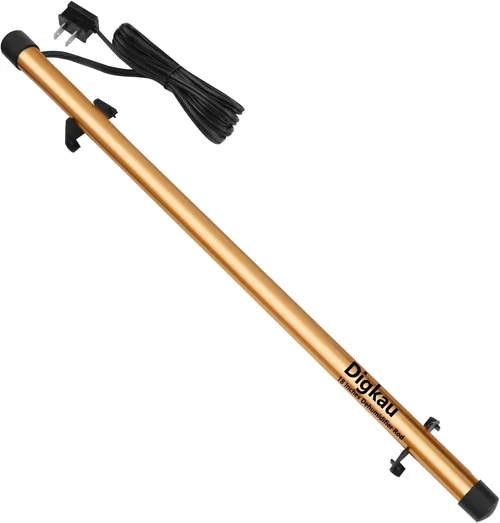
Expert Tips for Getting the Best Deal
– Buy during off-seasons: Prices often drop in winter (January–March) when demand for gun accessories is lower. Avoid holiday rushes.
– Check specialty retailers: Stores like Brownells, OpticsPlanet, and MidwayUSA frequently run promotions on gun safe accessories—sign up for newsletters.
– Bundle with other purchases: Some sellers offer discounts when you buy a dehumidifier with a safe, lock, or cleaning kit.
– Watch for refurbished deals: Reputable brands sometimes sell certified refurbished units at 20–30% off with full warranties.
– Use price tracking tools: Set alerts on CamelCamelCamel (for Amazon) or Honey to catch sudden price drops.
– Test before committing: If buying in-store, ask to see the indicator window and feel the build quality. Online, check return policies.
– Consider long-term costs: A $50 unit that lasts 8 months may be cheaper annually than a $25 one that needs recharging every 6 weeks.
– Join gun owner forums: Communities often share exclusive discount codes or flash sale alerts.
Frequently Asked Questions
Q: Do I really need a dehumidifier if my safe has a door seal?
A: Yes. Even the best seals can’t prevent moisture from entering when you open the safe or from residual humidity trapped inside. Over time, this leads to rust—especially in metal-jacketed areas like barrels and actions.
Q: Can I use regular silica gel packets instead?
A: Technically yes, but they’re far less efficient. Most packets hold only 5–10 grams of gel and lack indicators. You’d need dozens to match one commercial unit, and they’re not designed for repeated regeneration.
Q: How often should I recharge my dehumidifier?
A: It depends on your climate and safe size. In moderate conditions, every 4–8 weeks is typical. In humid areas, check every 2–3 weeks. Always follow the indicator—not a fixed schedule.
Q: Is it safe to microwave the dehumidifier?
A: Only if the manufacturer explicitly states it’s microwave-safe. Never microwave units with metal parts or unknown materials. When in doubt, use an oven at 200°F for 6–8 hours.
Q: Will a dehumidifier protect my optics (scopes, sights)?
A: Absolutely. Moisture causes lens fogging, internal corrosion, and reticle misalignment. Keeping humidity below 55% significantly extends optic life.
Q: Can I leave the dehumidifier in the safe while recharging?
A: No—you must remove it during regeneration. Some models allow partial removal (just the crystal chamber), but full units need external heat.
Q: Do cordless dehumidifiers work in cold environments?
A: Yes, but performance decreases below 50°F. Silica gel absorbs less moisture in cold air. If your safe is in an unheated garage, consider insulating it or using a heated model (though those require power).
Q: What’s the ideal humidity level for a gun safe?
A: Between 45% and 55% relative humidity. Below 40%, wood stocks can crack; above 60%, rust risk increases dramatically.
Q: Can I use more than one dehumidifier in a large safe?
A: Yes—and it’s often recommended. Distribute them evenly to ensure full coverage, especially if your safe has shelves or compartments that limit airflow.
Q: Are there eco-friendly options?
A: Many modern dehumidifiers use non-toxic, recyclable silica gel. Look for brands that emphasize sustainability and avoid single-use products.
Our Final Recommendations
Best for Budget-Conscious Buyers: Eva-Dry E-333 – At around $25, this compact unit offers reliable performance for small safes, a clear color indicator, and microwave-safe regeneration. It’s not the most durable, but it delivers exceptional value.
Best Overall Value: Lockdown GoldenRod Mini Dehumidifier – Priced around $45, it combines high absorption capacity (500 ml), oven-safe regeneration, and a sturdy metal housing. Perfect for medium safes in variable climates.
Best Premium Option: Hornady Rechargeable Gun Safe Dehumidifier with Digital Display – At $85–$95, this model features a real-time humidity readout, large capacity, and sleek design. Ideal for collectors who want precision and peace of mind.
Best for Beginners: Eva-Dry E-500 – Slightly larger than the E-333, it’s user-friendly, affordable ($35), and comes with clear instructions. Great for first-time buyers testing the waters.
Best for Advanced Users: Lockdown Dual Pack Oven-Rechargeable Dehumidifiers – For owners of multiple or very large safes, this $120 bundle provides scalable, professional-grade protection with minimal upkeep.
Conclusion: Making the Right Choice
Choosing the right cordless gun safe dehumidifier isn’t just about picking the cheapest or most popular option—it’s about matching a proven solution to your specific needs, environment, and collection. From understanding absorption capacity and regeneration methods to avoiding common pitfalls and leveraging expert tips, this guide equips you with the knowledge to protect your firearms from one of their silentest enemies: moisture. Remember, a small investment today can prevent thousands in repairs or replacements tomorrow. Prioritize quality over cost, compatibility over convenience, and long-term reliability over flashy features. Whether you’re safeguarding a family heirloom or a modern tactical rifle, the right dehumidifier ensures your guns remain ready, reliable, and rust-free for generations to come. Take the time to assess your safe, research your options, and make a decision that honors both your investment and your responsibility as a gun owner.