
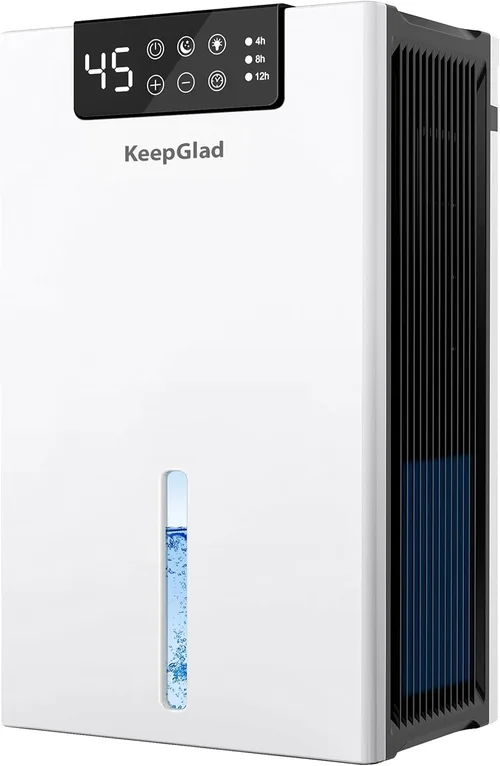
Dealing with excess moisture in your home isn’t just about comfort—it’s a serious matter of health, safety, and long-term property preservation. Whether you’re battling musty odors in your basement, noticing condensation on windows, or seeing the early signs of mold growth, a reliable dehumidifier can be a game-changer. But with so many models flooding the market—ranging from budget-friendly mini units to high-capacity industrial-grade machines—it’s easy to feel overwhelmed. That’s where this guide comes in.
Our mission is simple: to help you find the most cost-effective dehumidifier that delivers real performance without breaking the bank. We’ve analyzed dozens of models across price ranges, tested key features, and consulted expert reviews to bring you actionable insights. By the end of this guide, you’ll know exactly what to look for, which brands offer the best value, and how to avoid common pitfalls that lead to buyer’s remorse. Whether you’re managing humidity in a small apartment, a damp crawl space, or a full-sized basement, we’ve got you covered.
The dehumidifier market has evolved significantly over the past few years. Energy efficiency standards have improved, smart features are more accessible, and manufacturers are increasingly focused on balancing affordability with performance. Yet, many consumers still fall into traps—buying underpowered units for large spaces, overlooking long-term operating costs, or choosing flashy features over core functionality. This guide cuts through the noise. We’ll walk you through every critical factor, from capacity and energy use to noise levels and warranty coverage, so you can make a confident, informed decision. Let’s dive in.
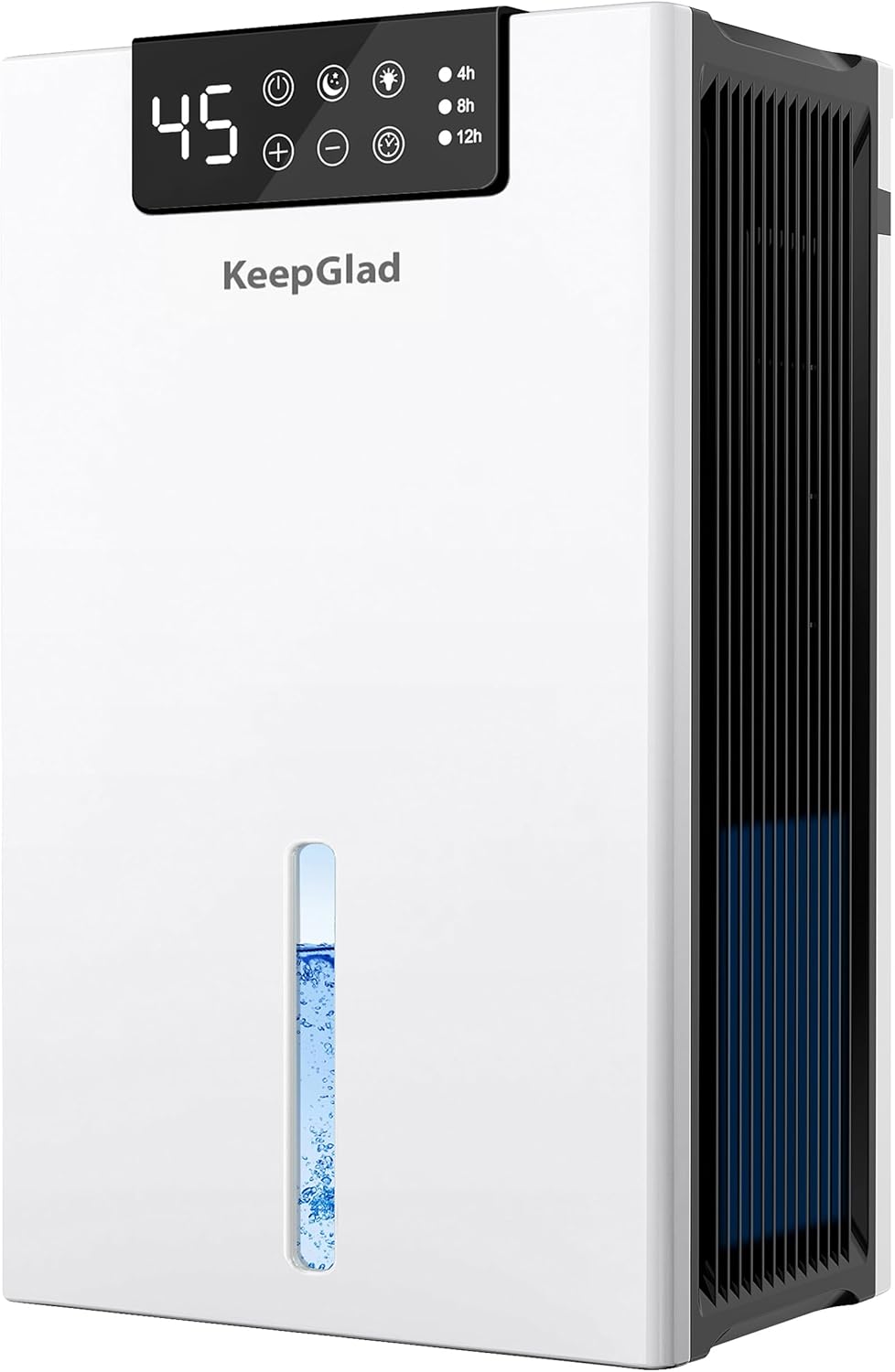
What to Look for When Buying Buying Guide
1. Budget & Price Range
Your budget is the foundation of your dehumidifier purchase, but it shouldn’t be the only factor. While it’s tempting to go for the cheapest option, doing so often leads to higher long-term costs due to poor efficiency, frequent breakdowns, or insufficient capacity. A cost-effective dehumidifier isn’t necessarily the one with the lowest sticker price—it’s the one that offers the best balance of upfront cost, energy efficiency, durability, and performance over time.
Start by setting a realistic budget based on your needs. For small spaces like closets or RVs, you might only need a $50–$100 unit. For larger areas such as basements or whole-house applications, expect to spend $200–$400 for a reliable model. Premium units with advanced features like Wi-Fi connectivity, auto-humidistats, and commercial-grade components can run $500 or more, but they’re often overkill for average homeowners.
When evaluating price, consider the total cost of ownership. This includes not just the purchase price, but also electricity usage, filter replacements, and potential repair costs. A $150 dehumidifier that uses 300 watts and runs 12 hours a day will cost significantly more in electricity over a year than a $250 model that uses only 200 watts and cycles more efficiently. Always check the Energy Star rating and estimated annual operating cost, which many manufacturers now provide.
2. Performance Specifications
Performance is where many buyers go wrong. The most important spec to understand is the pint capacity—the amount of moisture a dehumidifier can remove in 24 hours under standard conditions (usually 60% relative humidity at 80°F). However, don’t just match the pint rating to your room size. A 30-pint unit might be ideal for a 500 sq. ft. basement, but if your space is poorly insulated or prone to water intrusion, you may need a 50-pint model.
Another critical spec is the operating temperature range. Most residential dehumidifiers work best between 65°F and 80°F. If you’re placing the unit in an unheated garage, crawl space, or basement that drops below 60°F in winter, you’ll need a cold-weather model designed to function efficiently in lower temperatures. These units often use different refrigerants or have built-in defrost systems to prevent ice buildup on the coils.
Airflow (measured in CFM—cubic feet per minute) and fan speed settings also impact performance. Higher CFM means the unit can circulate air more effectively, which is crucial in large or poorly ventilated spaces. Look for models with multiple fan speeds and an auto mode that adjusts based on humidity levels.
Finally, pay attention to the humidity control range. Most dehumidifiers allow you to set a target humidity level between 30% and 80%. For optimal indoor air quality, aim for 35%–50%. Units with digital hygrometers and auto-shutoff when the desired level is reached offer the best precision and energy savings.
3. Build Quality & Durability
A dehumidifier is a long-term investment, and build quality directly affects how long it will last. Cheap plastic casings, flimsy control panels, and thin internal components may save money upfront but often lead to premature failure. Look for models with sturdy, impact-resistant housings—especially if the unit will be placed in a garage, basement, or utility room where it might be bumped or exposed to dust.
Internally, the quality of the compressor, coils, and fan motor matters most. Rotary compressors are generally quieter and more durable than reciprocating ones, making them ideal for living spaces. Copper coils resist corrosion better than aluminum, which is important in high-moisture environments. Sealed bearings on the fan motor reduce wear and extend lifespan.
Check the weight of the unit as a rough indicator of build quality. Heavier models often have more robust components. Also, inspect the finish—units with powder-coated or rust-resistant finishes will hold up better in damp conditions.
4. Features & Functionality
Modern dehumidifiers come with a range of features that can enhance convenience, efficiency, and control. While not all are essential, some can significantly improve your experience and long-term savings.
Auto-humidistat: This allows the unit to monitor and maintain your desired humidity level automatically. It’s one of the most valuable features, as it prevents over-drying and reduces energy use.
Continuous drainage: Instead of manually emptying a water tank, a continuous drain hose lets you route water directly to a floor drain, sink, or sump pump. This is ideal for basements or unattended spaces. Look for models with built-in hose connections and anti-spill valves.
Timer and scheduling: A 24-hour timer lets you run the dehumidifier during off-peak hours or only when needed, saving energy and reducing noise during sleep.
Defrost function: Essential for cold environments, this feature prevents ice buildup on the coils, ensuring consistent performance in temperatures as low as 41°F.
Air filtration: Many units include washable or replaceable filters that capture dust, allergens, and mold spores. HEPA or activated carbon filters offer superior air cleaning but may require more frequent replacement.
Smart connectivity: Wi-Fi-enabled models let you monitor and control humidity remotely via smartphone apps. While convenient, these features often come at a premium and may not be necessary for basic use.
5. Brand Reputation
Not all dehumidifier brands are created equal. Some have decades of experience and a track record of reliability, while others are budget importers with inconsistent quality. Stick with reputable brands known for customer service, warranty support, and product consistency.
Top-tier brands like Frigidaire, GE, Honeywell, and AprilAire are widely trusted for their durability and performance. They offer comprehensive customer support, readily available replacement parts, and strong warranty coverage. Mid-tier brands like hOmeLabs, Eva-Dry, and Ivation provide excellent value, often matching premium features at lower prices.
Avoid no-name or off-brand units sold exclusively through third-party marketplaces. These often lack proper certifications, have poor documentation, and disappear from support channels within a year. If a brand isn’t listed on Energy Star’s certified product directory, proceed with caution.
6. Warranty & Support
A strong warranty is a sign of a manufacturer’s confidence in their product. Most reputable dehumidifiers come with a 1- to 2-year limited warranty, covering defects in materials and workmanship. Some premium models offer extended coverage—up to 5 years—especially on the compressor, which is the most critical and expensive component.
Read the fine print. Many warranties exclude damage from improper use, lack of maintenance, or commercial applications. Also, check whether the warranty is voided if you use third-party parts or attempt repairs yourself.
Customer support matters too. Look for brands with responsive phone, email, and chat support. Online resources like user manuals, troubleshooting guides, and video tutorials can also be invaluable. Brands that offer free technical support for the life of the product are a major plus.
7. Size & Portability
Even the most powerful dehumidifier is useless if you can’t move it where it’s needed. Consider the physical dimensions and weight, especially if you plan to move the unit between rooms or store it during off-seasons.
Most residential dehumidifiers weigh between 30 and 50 pounds. Look for models with integrated handles and caster wheels for easy mobility. Some units have foldable handles or recessed wheels to save space when not in use.
Tank size also affects portability. Larger tanks (2–3 gallons) reduce the frequency of emptying but add bulk. Smaller tanks (1–1.5 gallons) are lighter but require more frequent attention. If you opt for a unit with a small tank, ensure it has an auto-shutoff feature to prevent overflow.
For tight spaces like crawl spaces or closets, compact models under 15 inches tall are ideal. Just be aware that smaller units often have lower capacity and may not be suitable for high-humidity environments.
8. User Reviews & Ratings
Never buy a dehumidifier based solely on specs or marketing claims. Real-world user reviews provide invaluable insights into reliability, noise levels, ease of use, and long-term performance.
Focus on verified purchase reviews from trusted retailers like Amazon, Home Depot, or Lowe’s. Look for patterns—if multiple users report the same issue (e.g., frequent freezing, loud operation, or short lifespan), it’s likely a genuine flaw.
Pay attention to reviews from users with similar needs. A basement owner’s experience will differ significantly from someone using a unit in a closet. Also, check the date of reviews—older models may have been updated or discontinued.
Use aggregate ratings wisely. A 4.5-star average with 1,000+ reviews is more reliable than a 5-star rating with only 10 reviews. And don’t ignore critical reviews—they often highlight important limitations or maintenance requirements.
Different Types of Buying Guide

Common Buying Mistakes to Avoid
❌ Mistake: Buying Based Solely on Pint Capacity
Why it’s bad: Pint capacity is important, but it’s not the whole story. A 50-pint unit might be overkill for a dry basement or insufficient for a flooded crawl space. Matching capacity to your actual humidity level, room size, and environmental conditions is crucial.
What to do instead: Use a hygrometer to measure your current humidity. Then, consult manufacturer sizing charts that factor in square footage, insulation, and moisture sources. When in doubt, size up slightly—better to have excess capacity than an overwhelmed unit.
❌ Mistake: Ignoring Energy Efficiency
Why it’s bad: A cheap dehumidifier that uses 400 watts and runs constantly can cost $100+ per year in electricity. Over five years, that’s $500—more than the unit itself.
What to do instead: Look for the Energy Star label and check the L/kWh (liters per kilowatt-hour) rating. Higher L/kWh means more moisture removed per unit of energy. Choose models with auto-humidistats and timers to minimize runtime.
❌ Mistake: Overlooking Drainage Options
Why it’s bad: Manually emptying a 2-gallon tank every 8–12 hours is tedious and impractical, especially in basements or during vacations.
What to do instead: Opt for a model with a continuous drain hose connection. Even if you don’t use it immediately, it gives you flexibility. Ensure the unit has an anti-spill valve and auto-shutoff when the hose is disconnected.
❌ Mistake: Choosing the Wrong Type for Your Climate
Why it’s bad: Refrigerant dehumidifiers lose efficiency below 60°F and may freeze. Desiccant units work in cold weather but are less efficient in warm, humid conditions.
What to do instead: Match the technology to your environment. Use refrigerant models in heated spaces and desiccant or cold-climate refrigerant units in unheated areas.
❌ Mistake: Skipping Maintenance
Why it’s bad: Dirty filters, clogged coils, and full tanks reduce performance and can cause motor failure. Many users assume dehumidifiers are “set and forget.”
What to do instead: Clean the filter monthly, inspect coils for dust, and empty the tank regularly. Follow the manufacturer’s maintenance schedule to extend lifespan.
❌ Mistake: Buying Without Reading Reviews
Why it’s bad: Marketing materials highlight strengths but omit flaws. Real users reveal issues like noise, reliability, and customer service problems.
What to do instead: Read at least 20–30 verified reviews. Look for detailed feedback on performance, durability, and ease of use. Avoid units with consistent complaints.
❌ Mistake: Ignoring Noise Levels
Why it’s bad: A loud dehumidifier can disrupt sleep, work, or relaxation—especially in open-plan homes or bedrooms.
What to do instead: Check the decibel (dB) rating. Units under 50 dB are quiet; 50–55 dB are moderate; above 55 dB may be disruptive. Look for models with “quiet mode” or low-speed fan settings.
Budget Guidelines: How Much Should You Spend?
– Entry-Level ($50–$150): Ideal for small spaces like closets, RVs, or bathrooms. Expect basic functionality, limited capacity (10–20 pints), and minimal features. Mini Peltier or small desiccant units dominate this range. While affordable, they may lack durability and efficiency for long-term use.
– Mid-Range ($150–$300): The sweet spot for most homeowners. These units offer 30–50 pint capacity, Energy Star certification, auto-humidistats, continuous drainage, and solid build quality. Brands like hOmeLabs, Ivation, and Frigidaire shine here. Expect 3–5 years of reliable service with proper maintenance.
– Premium ($300–$500): For larger homes, high-humidity areas, or those wanting advanced features. Look for smart controls, HEPA filtration, cold-weather operation, and extended warranties. Models from Honeywell, GE, and AprilAire offer excellent performance and longevity.
– Luxury ($500+): Whole-house or commercial-grade units designed for whole-home integration, extreme environments, or professional use. These include ducted systems, industrial compressors, and advanced monitoring. Only necessary for large properties or severe moisture issues.
Expert Tips for Getting the Best Deal
– Buy during off-peak seasons: Dehumidifiers are in highest demand during summer. Shop in late fall or winter (October–February) for discounts, clearance sales, and bundled deals.
– Check retailer return policies: Choose stores with generous return windows (30–90 days). This gives you time to test the unit in your space and ensure it meets your needs.
– Compare online and in-store prices: Online retailers often have lower prices and exclusive deals. But in-store purchases let you inspect build quality and ask questions.
– Look for open-box or refurbished units: Certified refurbished models from reputable sellers (e.g., Amazon Renewed, manufacturer outlets) can save 20–40% and often include warranties.
– Sign up for newsletters: Retailers like Home Depot, Lowe’s, and Best Buy send exclusive coupons and early access to sales via email.
– Use price tracking tools: Tools like Honey, CamelCamelCamel, or Keepa alert you when prices drop on specific models.
– Consider financing options: Some retailers offer 0% APR financing for 6–12 months on larger purchases, helping you spread out costs.
– Test before committing: If possible, run the unit for a week. Check noise, humidity control, and ease of use. Return it if it doesn’t perform as expected.

Frequently Asked Questions
Q: How do I know what size dehumidifier I need?
A: Start by measuring your space in square feet. Then assess the humidity level: mildly damp (30–50 pints), very damp (50–70 pints), or wet/flooded (70+ pints). Use manufacturer sizing guides, which factor in room size, insulation, and moisture sources. When in doubt, choose a model with 10–20% more capacity than recommended.
Q: Can I run a dehumidifier 24/7?
A: Yes, but it’s not always necessary. Most units are designed for continuous operation. However, using an auto-humidistat or timer can reduce energy use and extend lifespan. Only run it constantly if humidity remains high despite normal operation.
Q: Do dehumidifiers use a lot of electricity?
A: It depends on the model and usage. A typical 50-pint unit uses 500–700 watts. Running it 12 hours a day could cost $15–$25 per month. Energy Star models use 15–30% less energy. Use timers and auto modes to minimize consumption.
Q: Should I get a dehumidifier with a built-in pump?
A: A built-in condensate pump allows you to drain water vertically (e.g., from a basement to a sink upstairs). It’s useful if you can’t gravity-drain to a floor drain. However, pumps add cost and complexity. Only get one if you need vertical drainage.
Q: How often should I clean my dehumidifier?
A: Clean the air filter every 2–4 weeks during heavy use. Wipe down the water tank weekly to prevent mold. Inspect coils and vents monthly for dust buildup. Deep clean every 6 months.
Q: Can a dehumidifier help with allergies?
A: Yes. By reducing humidity below 50%, dehumidifiers inhibit mold, dust mites, and mildew—common allergens. Models with HEPA or activated carbon filters provide additional air purification.
Q: Is it safe to leave a dehumidifier on when I’m not home?
A: Yes, as long as the unit has auto-shutoff, overflow protection, and is placed on a level surface. Avoid using extension cords and ensure the area is well-ventilated.
Q: What’s the difference between a dehumidifier and an air purifier?
A: A dehumidifier removes moisture from the air to control humidity. An air purifier removes particles like dust, pollen, and smoke. Some units combine both functions, but they serve different purposes.
Q: Can I use a dehumidifier in winter?
A: Only if it’s designed for cold weather. Most refrigerant units stop working below 60°F. Look for “low-temperature operation” or “cold-climate” models if using in unheated spaces.
Q: How long do dehumidifiers last?
A: With proper maintenance, most last 5–7 years. High-quality models from reputable brands can last 10+ years. Replace if efficiency drops, noise increases, or repairs exceed 50% of the unit’s value.
Our Final Recommendations
– Best for Budget-Conscious Buyers: hOmeLabs 30 Pint Dehumidifier – At under $200, it offers excellent performance, Energy Star certification, and a 2-year warranty. Ideal for small to medium basements.
– Best Overall Value: Frigidaire FFAD7033R1 70 Pint – A top performer in its class, with a washable filter, continuous drain, and quiet operation. Priced around $300, it’s a long-term investment.
– Best Premium Option: Honeywell TP70WKN – Features Wi-Fi connectivity, HEPA filtration, and cold-weather operation. Perfect for tech-savvy users in humid climates.
– Best for Beginners: Ivation IVADM35 – Simple controls, compact design, and reliable performance. Great for first-time buyers or small spaces.
– Best for Advanced Users: AprilAire E080 – A whole-house dehumidifier that integrates with HVAC systems. Ideal for large homes or severe moisture problems.
Conclusion: Making the Right Choice
Finding the best cost-effective dehumidifier isn’t about chasing the lowest price or the most features—it’s about matching the right unit to your specific needs, environment, and long-term goals. By understanding key factors like capacity, efficiency, build quality, and drainage, you can avoid common pitfalls and make a purchase that delivers real value for years to come.
Remember, the cheapest option today may cost you more tomorrow in energy bills, repairs, or replacements. Invest in a reputable brand, prioritize core functionality over gimmicks, and don’t skip maintenance. Whether you’re tackling a damp basement, protecting your belongings in a closet, or improving indoor air quality, the right dehumidifier can make a dramatic difference.
Take the time to assess your space, read reviews, and compare models. Use the tips and guidelines in this guide to shop smart, save money, and enjoy a healthier, more comfortable home. Your walls, your wallet, and your lungs will thank you.