
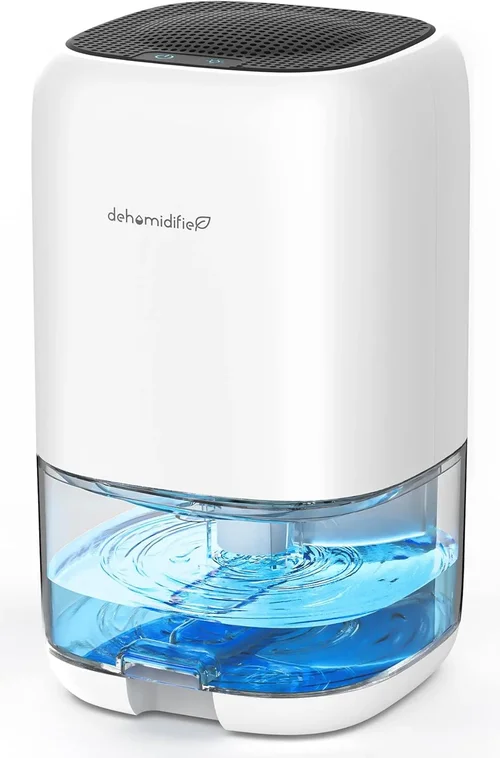
If you’ve ever walked into a room and felt that sticky, heavy air clinging to your skin—or noticed condensation forming on windows, musty odors in closets, or mold creeping along baseboards—you already know the silent but persistent problem of excess humidity. While whole-house dehumidifiers and HVAC-integrated systems tackle large-scale moisture issues, many homeowners and renters face localized dampness in smaller spaces: bathrooms, kitchens, laundry rooms, basements, or even bedrooms. This is where countertop dehumidifiers come in—compact, efficient, and surprisingly powerful devices designed to pull moisture from the air in confined areas without requiring complex installation or ductwork.
But not all countertop dehumidifiers are created equal. The market is flooded with options ranging from ultra-cheap mini units that barely make a dent in humidity levels to high-performance models with smart sensors, auto-shutoff, and whisper-quiet operation. Choosing the right one can feel overwhelming, especially when technical specs like pints per day (PPD), coverage area, and energy efficiency aren’t always clearly explained. That’s why this comprehensive buying guide exists: to cut through the noise, clarify what truly matters, and help you invest in a countertop dehumidifier that delivers real results—not just marketing hype.
In this guide, we’ll walk you through every critical factor to consider before making your purchase, from performance metrics and build quality to hidden costs and user experience. You’ll learn how to match your specific needs—whether you’re battling seasonal dampness in a coastal apartment or protecting sensitive electronics in a home office—with the right type of unit. We’ll also spotlight common pitfalls buyers fall into, break down budget expectations across price tiers, and share expert-backed tips for getting the best value. By the end, you’ll have the confidence and knowledge to choose a countertop dehumidifier that works as hard as you do—without breaking the bank or cluttering your countertop.

What to Look for When Buying Buying Guide
1. Performance Specifications
When evaluating a countertop dehumidifier, performance isn’t just about how much water it pulls from the air—it’s about doing so efficiently, consistently, and within the right environmental conditions. The most important spec here is pints per day (PPD), which indicates how many pints of moisture the unit can remove in 24 hours under standardized testing conditions (usually 60% relative humidity at 80°F). For small spaces like bathrooms or closets (under 300 sq. ft.), a unit rated for 10–20 PPD is typically sufficient. However, if you’re dealing with persistent dampness—say, in a poorly ventilated basement corner or a humid climate—you may need something closer to 25–30 PPD.
But don’t stop at PPD. Also check the operating temperature range. Most refrigerant-based dehumidifiers struggle below 65°F, becoming inefficient or even freezing up in cooler environments. If your space dips into the 50s or lower (like an unheated garage or winter basement), look for a desiccant-based model, which performs better in cold temps—though they tend to be louder and consume more energy. Another key metric is coverage area, often listed in square feet. While helpful, treat this as a rough estimate; actual performance depends on ambient humidity, airflow, and insulation.
Finally, consider energy efficiency, measured in liters per kilowatt-hour (L/kWh) or simply watts consumed. A lower wattage doesn’t always mean less effective—some newer models use advanced compressors or inverter tech to maximize output while minimizing power draw. Look for ENERGY STAR certification if long-term operating cost matters to you.
2. Tank Capacity & Drainage Options
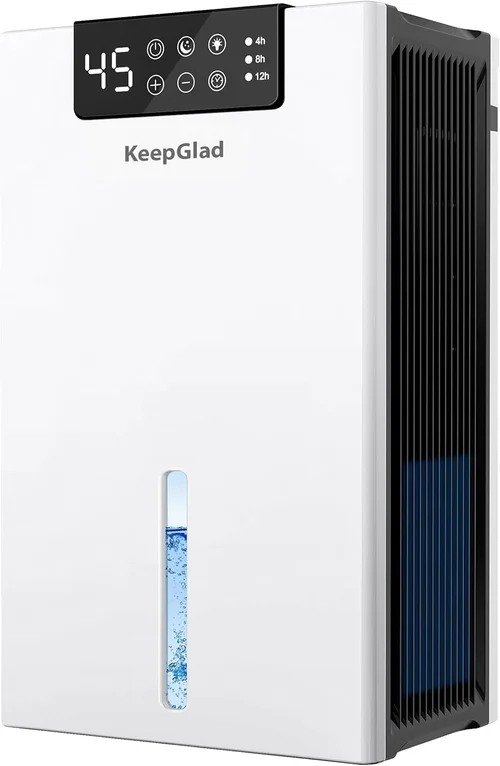
One of the biggest frustrations with countertop dehumidifiers is frequent emptying. That’s why tank capacity matters—but so does how you manage that water. Most units feature removable water tanks ranging from 0.5 to 1.5 gallons. For light daily use in a bedroom or closet, a 0.8–1.0-gallon tank may suffice. But in high-humidity zones like a laundry room or bathroom after showers, you could be emptying it multiple times a day.
To avoid this hassle, prioritize models with continuous drainage options. Many units include a built-in port for attaching a standard garden hose, allowing gravity-fed drainage into a floor drain, sink, or even outdoors. This is a game-changer for set-it-and-forget-it convenience. Some premium models even offer pump-assisted drainage, which actively pumps water upward—ideal for spaces without floor-level drains.
Also consider auto-shutoff functionality: when the tank fills, the unit should automatically stop running to prevent overflow. This isn’t just convenient—it’s essential for safety, especially if you plan to run the dehumidifier overnight or while away from home.
3. Noise Level & Operating Sound
Countertop dehumidifiers often sit near living areas, bedrooms, or home offices—so noise can be a dealbreaker. Refrigerant models typically produce a low hum from the compressor and fan, while desiccant units tend to be louder due to their internal heating elements and airflow systems. Look for decibel (dB) ratings in the product specs: anything under 50 dB is considered quiet (similar to a whisper or quiet library), while 55–60 dB is moderate (like a normal conversation). Avoid units above 60 dB unless you’re placing them in isolated areas.
That said, “quiet” is subjective. Some users don’t mind a gentle background hum, especially if it helps them sleep by reducing stuffiness. Others need near-silence for focus or relaxation. If noise is a top concern, read verified customer reviews—manufacturer specs can be optimistic, but real-world feedback reveals how loud a unit truly is during operation.
4. Size, Weight & Portability
Since these are countertop dehumidifiers, physical dimensions matter—not just for fitting on your shelf or vanity, but for ease of movement. A bulky, heavy unit might work fine in one spot but become impractical if you want to move it between rooms. Ideal dimensions are generally under 14″ wide, 10″ deep, and 12″ tall, with a weight under 15 lbs for easy lifting.
Look for integrated handles or ergonomic grips—small details that make a big difference when relocating the unit. Cord length is another often-overlooked factor: a short power cord (under 5 feet) can limit placement options, especially in rooms with few outlets. Some models include cord wraps or storage compartments, which help keep things tidy.
Portability also ties into placement flexibility. Can it sit safely on a bathroom counter without tipping? Will it fit under a sink cabinet? Does it have non-slip feet? These practical considerations ensure your dehumidifier stays put and functions reliably wherever you need it.
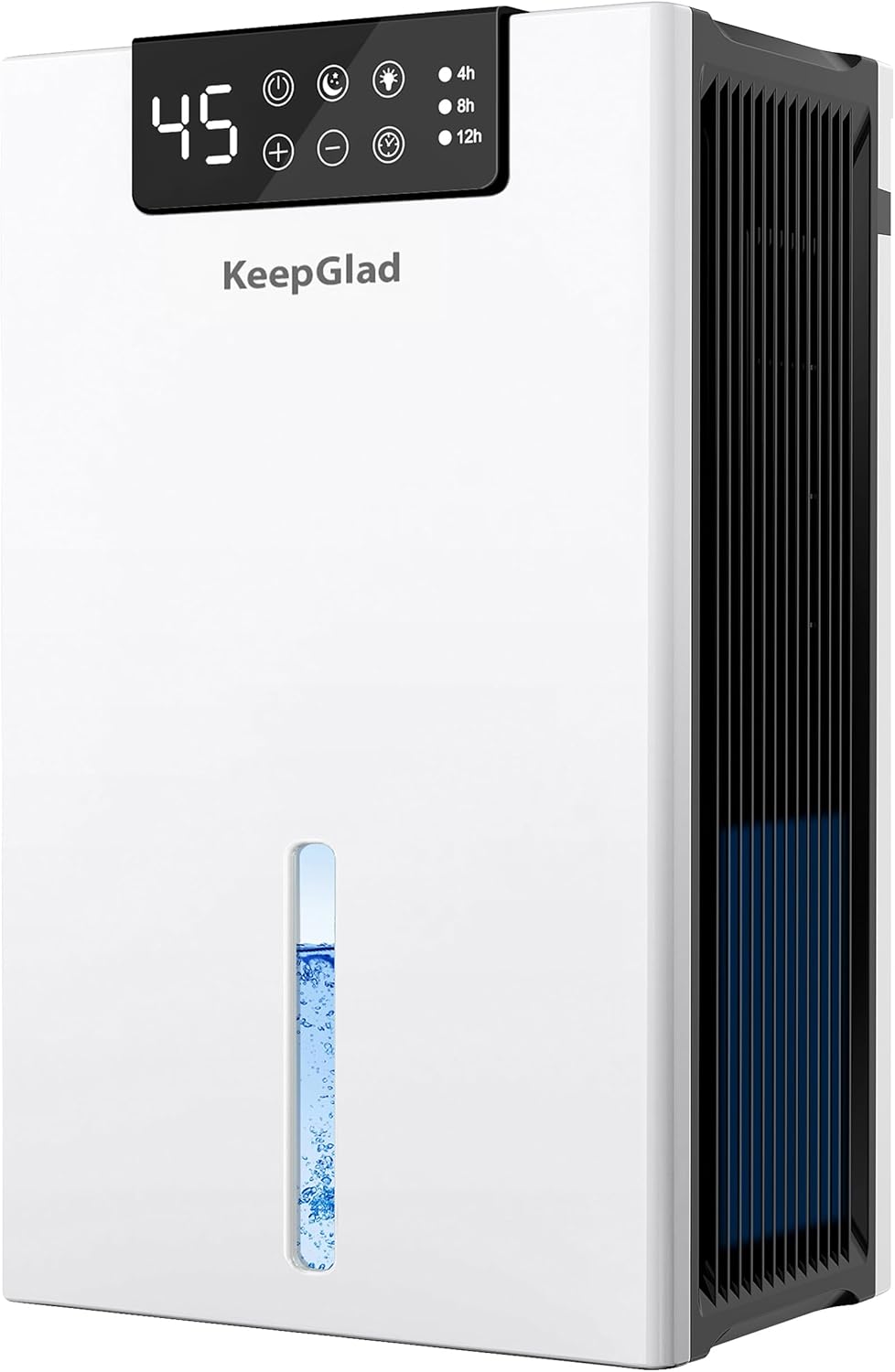
5. Features & Functionality
Modern countertop dehumidifiers come packed with features that go beyond basic moisture removal. The most useful include:
– Humidity sensor & auto mode: The unit monitors ambient humidity and adjusts operation to maintain your target level (e.g., 45% or 50%). This prevents over-drying and saves energy.
– Timer function: Set it to run for 2, 4, or 8 hours—perfect for post-shower bathroom drying or overnight bedroom use.
– Defrost mode: Automatically activates in cold conditions to prevent ice buildup on coils (critical for refrigerant models in chilly spaces).
– Filter indicator: Alerts you when the air filter needs cleaning, ensuring optimal airflow and efficiency.
– Child lock: Prevents accidental setting changes—great for households with kids or pets.
Smart features are emerging too: Wi-Fi connectivity, app control, and voice assistant compatibility (Alexa/Google Assistant) are now available in select premium models. While not essential, they add convenience for tech-savvy users who want remote monitoring or scheduling.
Avoid “feature bloat”—sometimes simpler is better. Focus on functionalities that align with your routine. For example, if you always run it after showers, a timer matters more than app control.
6. Build Quality & Durability
A dehumidifier is an investment—you want it to last years, not months. Start with the housing material: high-grade ABS plastic resists yellowing, cracking, and warping better than cheaper polymers. Check seams and joints; poorly molded units may leak or rattle over time.
Internally, look for corrosion-resistant components, especially the condenser coils and water tank. Stainless steel or coated aluminum parts withstand moisture exposure far better than untreated metals. The compressor (in refrigerant models) should be from a reputable manufacturer—brands like LG, Panasonic, or Embraco are signs of reliability.
Also consider sealed electronics: internal circuits should be protected from humidity ingress, which can cause premature failure. IP ratings aren’t common for indoor appliances, but some manufacturers mention “moisture-resistant circuitry” in descriptions—a good sign.
Finally, inspect the air filter: washable, reusable filters are preferable to disposable ones. They’re eco-friendly, cost-effective, and easier to maintain. A clogged filter reduces efficiency and strains the motor, so easy access for cleaning is a plus.
7. Brand Reputation & Customer Support
Not all brands are equal when it comes to reliability and post-purchase service. Established names like Eva-Dry, hOmeLabs, Pro Breeze, Ivation, and ALROCK have built reputations for consistent quality and responsive customer support. They often provide detailed user manuals, online troubleshooting guides, and accessible warranty claims.
Avoid unknown or generic brands sold exclusively through third-party marketplaces—especially those with sparse reviews or vague origin info. These units may cut corners on safety certifications (like UL or ETL listing) or use subpar components that fail quickly.
Check if the brand offers multilingual support, extended warranty options, or replacement part availability. A company that stands behind its product will make ownership stress-free, even years down the line.
8. Warranty & Return Policy
A solid warranty is your safety net against defects or early failures. Most reputable countertop dehumidifiers come with a 1- to 2-year limited warranty, covering parts and labor. Some premium brands offer up to 3 years. Pay attention to what’s included: does it cover the compressor? The control board? Shipping costs for repairs?
Also review the return policy of the retailer. Amazon, Best Buy, and Home Depot typically allow 30-day returns, but some smaller online stores may have restocking fees or short windows. If possible, buy from a seller with a generous return window—this gives you time to test the unit in your actual environment and confirm it meets your expectations.
Never skip the fine print. Some warranties become void if the unit is used in commercial settings, moved frequently, or cleaned improperly. Register your product online to activate coverage and receive service updates.
Different Types of Buying Guide
Common Buying Mistakes to Avoid
❌ Mistake: Choosing Based Solely on Price
Why it’s bad: The cheapest countertop dehumidifiers often use low-quality compressors, thin plastic housings, and minimal safety features. They may remove little moisture, break within months, or even pose fire risks due to inadequate thermal protection. In the long run, you’ll spend more replacing failed units than investing in a reliable mid-range model.
What to do instead: Treat price as one factor among many. Aim for the best balance of performance, durability, and warranty within your budget. A $120 unit with a 2-year warranty and strong reviews is usually smarter than a $40 “bargain” with no support.
❌ Mistake: Ignoring Coverage Area vs. Actual Conditions
Why it’s bad: A dehumidifier rated for “500 sq. ft.” assumes ideal conditions—but your bathroom might have poor ventilation, frequent steam from showers, and high ambient humidity. Oversizing or undersizing leads to inefficiency: too small, and it can’t keep up; too large, and it cycles on/off too frequently, wearing out components.
What to do instead: Measure your space and assess humidity sources. Use manufacturer guidelines as a starting point, then adjust based on real-world factors. When in doubt, opt for a slightly higher PPD rating than recommended.
❌ Mistake: Overlooking Drainage Needs
Why it’s bad: If you forget to empty the tank daily, your dehumidifier becomes useless—or worse, causes water damage. Many buyers assume they’ll remember, but life gets busy. Overflowing tanks can ruin floors, furniture, or electronics.
What to do instead: If you can’t commit to regular emptying, choose a model with continuous drainage or auto-shutoff. Even better: install a simple hose setup to a nearby drain. It takes minutes to configure and saves hours of maintenance.
❌ Mistake: Buying Without Checking Noise Levels
Why it’s bad: A noisy unit disrupts sleep, concentration, or relaxation—especially in bedrooms or home offices. Some desiccant models sound like small vacuum cleaners, making them unsuitable for quiet environments.
What to do instead: Prioritize dB ratings under 55 if noise-sensitive. Read user reviews mentioning sound levels. If possible, test the unit in-store or during a return window.
❌ Mistake: Skipping the Warranty Fine Print
Why it’s bad: A “2-year warranty” might exclude the compressor, control board, or labor costs. Some brands require professional installation (impossible for plug-in units) or void coverage if used in rental properties.
What to do instead: Read the full warranty document before buying. Contact customer service with questions. Register your product immediately after purchase.
❌ Mistake: Assuming All “Mini” Units Are Equal
Why it’s bad: Pocket dehumidifiers vary wildly—some use silica gel packets that need recharging in ovens, others have tiny tanks that fill in hours. Many lack auto-shutoff or humidity sensors, making them impractical for unattended use.
What to do instead: Match the mini unit to your use case. For a gun safe, a rechargeable silica gel model works. For a closet, look for one with a larger tank and timer.
❌ Mistake: Neglecting Filter Maintenance
Why it’s bad: A dirty filter restricts airflow, reduces efficiency by up to 30%, and forces the motor to work harder—shortening lifespan. Many users don’t realize filters need monthly cleaning.
What to do instead: Choose models with easy-access, washable filters. Set calendar reminders to clean them. Keep spare filters if disposable.
Budget Guidelines: How Much Should You Spend?
– Entry-Level ($30–$80): Best for very small spaces (closets, safes) or occasional use. Expect basic functionality, small tanks (0.5–0.8 gal), limited PPD (5–10), and minimal features. Noise may be higher, and build quality varies. Ideal for temporary solutions or low-humidity areas.
– Mid-Range ($80–$150): The sweet spot for most buyers. These units offer 10–20 PPD, 1.0–1.5-gallon tanks, auto-shutoff, timers, and decent noise control. Refrigerant models dominate here, with reliable brands like hOmeLabs and Ivation. Great for bathrooms, laundry rooms, and bedrooms.
– Premium ($150–$250): For persistent dampness or tech enthusiasts. Expect 20–30 PPD, smart features (Wi-Fi, app control), pump drainage, defrost modes, and superior build quality. Desiccant options excel in cold climates. Brands like ALROCK and Pro Breeze lead here.
– Luxury ($250+): Top-tier performance with commercial-grade components, ultra-quiet operation (<45 dB), large-capacity tanks (2+ gallons), and advanced automation. Often used in studios, server rooms, or high-end homes. May include HEPA filtration or UV sterilization.
Expert Tips for Getting the Best Deal
– Buy off-season: Humidity peaks in summer, so retailers discount dehumidifiers in fall and winter. Look for Black Friday, Cyber Monday, or January sales for 20–30% off.
– Check refurbished models: Certified refurbished units from manufacturers (not third parties) often come with full warranties and sell for 30–50% less.
– Compare total cost of ownership: Include electricity, filter replacements, and potential repairs—not just the sticker price.
– Use price-tracking tools: Set alerts on CamelCamelCamel (for Amazon) or Honey to catch drops.
– Read recent reviews: Product quality can change year-to-year. Focus on reviews from the last 6–12 months.
– Test before committing: Use the return window to run the unit in your actual space. Check noise, tank frequency, and humidity reduction with a hygrometer.
– Bundle with accessories: Some retailers offer free hoses, filters, or extension cords with purchase—ask before buying.
– Verify certifications: Ensure the unit is UL-listed or ETL-certified for safety. Avoid uncertified imports.

Frequently Asked Questions
Q: Can a countertop dehumidifier replace my HVAC system’s dehumidifier?
A: No—it’s designed for spot treatment, not whole-home humidity control. Use it to supplement your HVAC in problem areas like basements or bathrooms, but don’t expect it to regulate indoor climate broadly.
Q: How often should I clean the filter?
A: Every 2–4 weeks, depending on usage and dust levels. Rinse with warm water, let dry completely, and reinstall. A clogged filter reduces efficiency and can cause overheating.
Q: Will it help with mold or mildew?
A: Yes—by reducing humidity below 50%, it inhibits mold growth. However, it won’t remove existing mold. Clean affected areas first, then use the dehumidifier to prevent recurrence.
Q: Can I leave it running 24/7?
A: Most modern units are safe for continuous operation, especially those with auto-shutoff and thermal protection. Just ensure proper ventilation around the unit and empty or drain the tank regularly.
Q: Do I need a hygrometer?
A: Highly recommended. Built-in humidity displays aren’t always accurate. An external digital hygrometer ($10–$20) lets you verify performance and set optimal targets (40–50% RH).
Q: Are desiccant dehumidifiers better for cold rooms?
A: Yes. Unlike refrigerant models, desiccants don’t rely on cooling coils, so they work efficiently down to 40°F. Ideal for garages, cabins, or unheated basements.
Q: Can I use it in an RV or boat?
A: Absolutely—many compact models are designed for mobile use. Look for low-wattage units (under 200W) to avoid draining your battery, and consider rechargeable or solar options.
Q: Why is my dehumidifier freezing up?
A: Usually caused by low ambient temperatures (<65°F) or dirty coils. Switch to defrost mode if available, clean the unit, or move it to a warmer location. Desiccant models don’t freeze.
Q: How do I know if it’s working?
A: Check the water tank—it should collect moisture daily in humid conditions. Also monitor humidity with a hygrometer. If levels stay above 60% despite 24-hour runtime, the unit may be undersized or faulty.
Q: Are there eco-friendly options?
A: Yes. Look for ENERGY STAR-certified models, rechargeable silica gel units, or solar-powered dehumidifiers. Avoid models with R-22 refrigerant (phased out due to ozone concerns); most now use R-410A or R-32.
Our Final Recommendations
– Best for Budget-Conscious Buyers: Eva-Dry E-333 Mini Dehumidifier – Affordable, rechargeable, and perfect for closets or safes. No electricity needed after initial charge.
– Best Overall Value: hOmeLabs 1,500 Sq. Ft Dehumidifier – Despite the name, it’s compact enough for countertops, delivers 22 PPD, includes pump drainage, and runs quietly at 50 dB.
– Best Premium Option: ALROCK 30 Pint Smart Dehumidifier – Wi-Fi enabled, app-controlled, with auto-humidity adjustment, defrost mode, and a sleek design. Ideal for tech lovers and high-humidity zones.
– Best for Beginners: Pro Breeze 1200 Cubic Ft Mini Dehumidifier – Simple controls, auto-shutoff, and a clear water tank. Great for first-time users in small bathrooms or bedrooms.
– Best for Advanced Users: Ivation 20 Pint Desiccant Dehumidifier – Cold-climate champion with ultra-quiet operation, continuous drainage, and precise humidity control. Perfect for workshops or winter basements.
Conclusion: Making the Right Choice
Choosing the best countertop dehumidifier isn’t about finding the most powerful or feature-packed model—it’s about matching the right tool to your specific environment, habits, and humidity challenges. Whether you’re fighting musty odors in a coastal condo, protecting vintage books in a study, or ensuring your home gym stays dry and comfortable, the right unit can make a dramatic difference in air quality, comfort, and even health.
Remember: prioritize performance specs that align with your space, don’t skimp on drainage and safety features, and always consider long-term costs—not just upfront price. Read real user reviews, test during the return window, and invest in a brand that stands behind its product. With the insights from this guide, you’re now equipped to cut through the marketing clutter and select a countertop dehumidifier that delivers quiet, reliable, and effective moisture control for years to come.
Your home deserves fresh, comfortable air—don’t let excess humidity go unchecked. Take action today, and breathe easier tomorrow.