
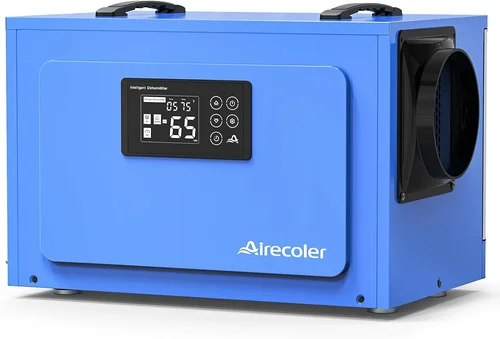
If you’ve ever noticed a musty smell in your basement, warped floorboards, or condensation on your crawlspace vents, you’re likely dealing with excess moisture—and that’s a red flag for long-term structural damage. Crawlspaces are notoriously prone to high humidity due to poor ventilation, ground evaporation, and temperature fluctuations. Left unchecked, this damp environment becomes a breeding ground for mold, mildew, wood rot, and even pest infestations. That’s where a crawlspace dehumidifier comes in: a specialized appliance designed to maintain optimal humidity levels (typically between 30% and 50%) in these tight, often neglected spaces.
This comprehensive buying guide is here to help you navigate the often-confusing world of crawlspace dehumidifiers. Whether you’re a first-time homeowner trying to protect your investment or a seasoned DIYer tackling moisture issues head-on, we’ll walk you through everything you need to know before making a purchase. You’ll learn how to evaluate performance specs, understand different types of units, avoid common pitfalls, and ultimately choose the best model for your specific needs—without overspending or buying something that won’t last. The market offers a wide range of options, from compact portable units to heavy-duty whole-home systems, so knowing what matters most can save you time, money, and future headaches.

What to Look for When Buying Buying Guide
1. Budget & Price Range
Your budget is one of the first—and most important—factors to consider. Crawlspace dehumidifiers range widely in price, from under $200 for basic models to over $1,500 for high-capacity, commercial-grade units. While it’s tempting to go for the cheapest option, remember that crawlspaces are harsh environments: constant dampness, dust, and temperature swings can quickly wear down low-quality components. A budget unit might seem like a bargain upfront, but if it fails within a year or two, you’ll end up spending more in replacements and potential repairs to your home.
Instead, think of your dehumidifier as a long-term investment in your home’s health. Mid-range models ($400–$800) often offer the best balance of durability, efficiency, and features for most homeowners. They typically include better compressors, corrosion-resistant coils, and smart controls that justify the slightly higher cost. If you live in a particularly humid climate or have a large crawlspace (over 2,000 square feet), investing in a premium unit may be worthwhile to ensure consistent performance and longevity.
2. Performance Specifications
Performance specs tell you how effectively a dehumidifier can remove moisture from the air. The two most critical metrics are pints per day (PPD) and coverage area. Pints per day refers to how much water the unit can extract in 24 hours under standard conditions (usually 80°F and 60% relative humidity). For crawlspaces, look for units rated between 30 and 70 PPD—anything less may struggle in damp conditions, while anything more is likely overkill unless you have an exceptionally large or wet space.
Coverage area is equally important. Most manufacturers specify the maximum square footage a unit can handle. However, don’t rely solely on this number—crawlspaces often have higher moisture loads than finished basements due to direct ground contact. A good rule of thumb is to choose a unit rated for at least 1.5 times your actual crawlspace size. Also pay attention to the operating temperature range; many residential dehumidifiers stop working below 65°F, which can be a problem in cooler climates or during winter months. Look for models with low-temperature operation (down to 41°F or lower) if you expect cold conditions.
3. Build Quality & Durability
Crawlspaces are unforgiving environments. Dust, dirt, standing water, and constant humidity can wreak havoc on poorly built appliances. That’s why build quality should never be an afterthought. Start by examining the materials used: galvanized steel cabinets resist rust better than plastic, and epoxy-coated coils protect against corrosion from moisture and soil gases. Check for sealed electrical components and robust fan motors—these details make a big difference in longevity.
Another key indicator of durability is the type of refrigerant system. Most crawlspace dehumidifiers use either refrigerant-based (compressor) or desiccant technology. Refrigerant models are more common and energy-efficient in warm, humid conditions, but they can struggle in cold temperatures. Desiccant units work well in cooler environments but tend to consume more energy. Whichever type you choose, ensure it’s built to industrial or semi-commercial standards if you plan to run it continuously for years.
4. Features & Functionality
Modern crawlspace dehumidifiers come packed with features that enhance convenience, efficiency, and reliability. One of the most valuable is an automatic defrost function, which prevents ice buildup on the coils during cold weather—a common cause of failure in winter. Similarly, a built-in condensate pump allows the unit to drain water vertically (up to 15 feet) without needing a nearby floor drain, which is especially useful in homes with elevated crawlspaces or limited access.
Look for models with digital humidity controls that let you set and maintain your desired RH level automatically. Some advanced units even include Wi-Fi connectivity or remote monitoring via smartphone apps, so you can check performance from anywhere. Other helpful features include washable air filters (to reduce maintenance), quiet operation (under 55 decibels), and easy-access service panels for cleaning or repairs. Avoid units with overly complex interfaces—simplicity often translates to better long-term usability.
5. Brand Reputation
Not all dehumidifier brands are created equal. Some specialize in whole-home or commercial HVAC systems and bring that expertise to their crawlspace products, while others focus on budget appliances with shorter lifespans. Researching brand reputation can save you from buying a lemon. Established names like AprilAire, Santa Fe, Dri-Eaz, and Therma-Stor have decades of experience in moisture control and are known for building reliable, high-performance units.
Check customer reviews not just on retail sites but also on forums like Reddit, HVAC-Talk, or Home Depot’s community pages. Pay attention to comments about customer service, ease of repair, and real-world performance in similar conditions to yours. A brand with a strong track record of standing behind its products—even years after purchase—is worth the slight premium.
6. Warranty & Support
A solid warranty is a strong indicator of a manufacturer’s confidence in their product. For crawlspace dehumidifiers, look for at least a 2-year comprehensive warranty, with some premium brands offering 5 years or more. Pay close attention to what’s covered: does it include the compressor, coils, and electrical components? Is labor included, or are you responsible for shipping the unit back for repairs?
Equally important is post-purchase support. Can you easily reach a human being if something goes wrong? Are replacement parts readily available? Some companies provide detailed troubleshooting guides or video tutorials, which can be lifesavers if you’re handling minor repairs yourself. Avoid brands with vague warranty terms or those that require you to register within 30 days—or else the warranty becomes void.
7. Size & Portability
While most crawlspace dehumidifiers are designed to be permanently installed, size and weight still matter—especially during initial setup. Measure your access point (usually a crawlspace hatch or exterior vent) to ensure the unit will fit through. Most standard models are about 18–24 inches wide and weigh 50–80 pounds, but larger units can exceed 100 pounds and require two people to maneuver.
Portability features like integrated handles or wheels can make installation much easier, though they’re less critical once the unit is in place. If you anticipate needing to move the dehumidifier for cleaning or maintenance, consider a model with a modular design or detachable components. Keep in mind that permanently installed units often perform better because they’re sealed tightly to prevent air leaks, which can reduce efficiency.
8. User Reviews & Ratings
Nothing beats real-world feedback. Before finalizing your decision, read through dozens of user reviews—both positive and negative. Look for patterns: Are multiple users reporting the same issue, like frequent freezing or pump failures? Do people in your climate zone report good results? Reviews often reveal quirks or limitations that aren’t obvious from spec sheets.
Be cautious of overly glowing reviews that sound scripted or lack detail. Genuine feedback usually includes specifics about installation, noise level, energy use, and how the unit handled extreme conditions. Sites like Consumer Reports, Wirecutter, and specialized HVAC forums provide curated, unbiased insights that can guide your choice more reliably than marketing claims.
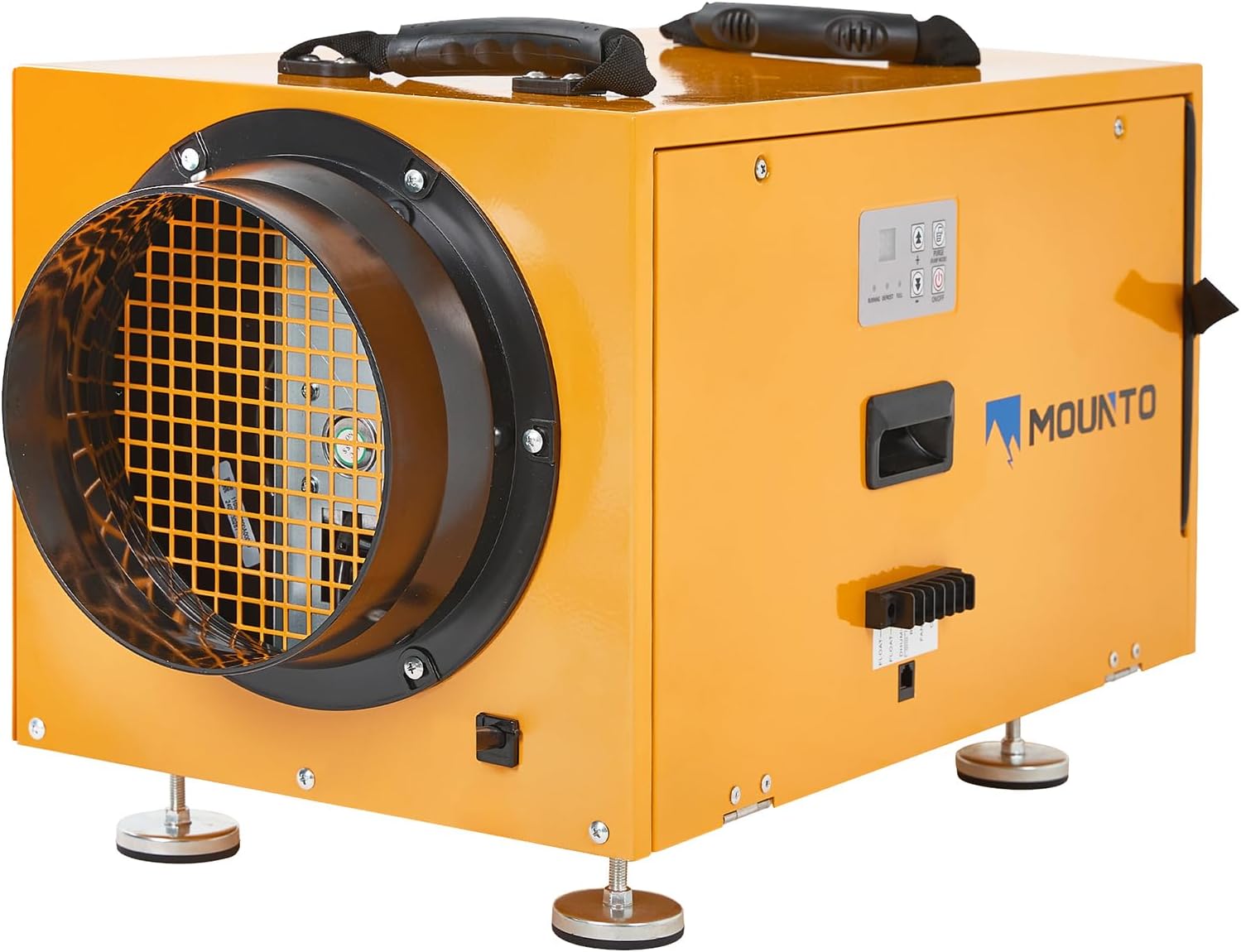
Different Types of Buying Guide
Common Buying Mistakes to Avoid
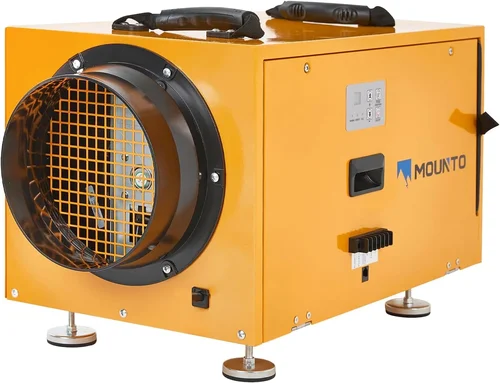
❌ Mistake: Choosing Based Solely on Price
Why it’s bad: The cheapest dehumidifier often uses inferior components that fail quickly in the demanding crawlspace environment. You may end up replacing it every 1–2 years, costing more in the long run and leaving your home vulnerable to moisture damage during downtime.
What to do instead: Focus on total cost of ownership—not just the sticker price. Factor in energy efficiency, expected lifespan, and warranty coverage. A $600 unit that lasts 8 years is a better deal than a $250 unit that fails after 18 months.
❌ Mistake: Ignoring Operating Temperature Range
Why it’s bad: Many standard dehumidifiers shut down or lose efficiency below 65°F. If your crawlspace gets cold in winter (common in northern states), the unit won’t work when you need it most—leading to seasonal spikes in humidity and mold growth.
What to do instead: Always check the manufacturer’s specified operating range. For cold climates, choose a desiccant model or a refrigerant unit with auto-defrost and low-temp capability (down to 41°F or lower).
❌ Mistake: Overlooking Drainage Options
Why it’s bad: Without proper drainage, your dehumidifier will shut off when the internal bucket fills—leaving your crawlspace unprotected. Gravity drainage requires a nearby floor drain, which many crawlspaces lack.
What to do instead: Opt for a model with a built-in condensate pump or ensure it has a continuous drain hose option. A pump lets you route water to a sump pit, laundry sink, or exterior discharge point, even if it’s several feet above the unit.
❌ Mistake: Buying the Wrong Capacity
Why it’s bad: An undersized unit will run constantly, wear out faster, and still fail to control humidity. An oversized unit cycles on and off too frequently, reducing efficiency and potentially causing short-cycling damage.
What to do instead: Calculate your crawlspace’s square footage and assess moisture severity (e.g., standing water, damp insulation). Use the 1.5x rule: select a unit rated for 1.5 times your actual area. Consult sizing charts from reputable brands for guidance.
❌ Mistake: Skipping Professional Installation
Why it’s bad: Improper installation—like leaving gaps around the unit or using incorrect ducting—can drastically reduce performance and create air leakage paths that undermine dehumidification efforts.
What to do instead: Even if you’re handy, consider hiring an HVAC professional for complex setups, especially if integrating with ductwork or installing a pump. Many manufacturers void warranties if installation isn’t performed correctly.
❌ Mistake: Neglecting Maintenance Requirements
Why it’s bad: Dust-clogged filters, frozen coils, and pump failures are common causes of premature breakdowns. Many homeowners assume these units are “set it and forget it,” but they do require periodic upkeep.
What to do instead: Choose a model with easy-access filters and clear maintenance instructions. Schedule bi-annual checks to clean coils, inspect hoses, and test the pump. Keep a log to track performance over time.
❌ Mistake: Assuming All Dehumidifiers Are Created Equal
Why it’s bad: General-purpose basement dehumidifiers aren’t always suitable for crawlspaces due to size constraints, lack of pumps, or inadequate build quality for confined, dirty environments.
What to do instead: Look specifically for models labeled “crawlspace dehumidifiers” or “whole-home dehumidifiers.” These are engineered for the unique challenges of under-floor spaces.
Budget Guidelines: How Much Should You Spend?
- Entry-Level ($150–$350): These are typically portable residential units adapted for crawlspace use. They’re fine for very small, dry crawlspaces (<500 sq ft) or as temporary fixes. Expect basic controls, no pump, and limited durability. Best for renters or those on a tight budget—but don’t expect long-term reliability.
- Mid-Range ($400–$800): This is the sweet spot for most homeowners. Units in this range offer robust construction, auto-defrost, condensate pumps, and digital humidity control. Brands like AprilAire and Santa Fe dominate here with proven track records. Ideal for crawlspaces up to 2,000 sq ft in moderate climates.
- Premium ($800–$1,500): Designed for large or high-moisture crawlspaces, these models feature commercial-grade components, extended warranties (3–5 years), and advanced features like Wi-Fi monitoring or dual pumps. Excellent for humid southern climates or properties with chronic moisture issues.
- Luxury ($1,500+): Top-tier systems often integrate with whole-house HVAC or include desiccant technology for extreme conditions. These are overkill for most residential needs but may be justified for luxury homes, historic properties, or commercial applications where failure isn’t an option.
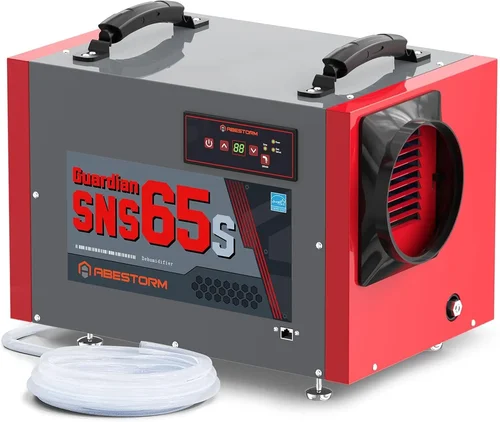
Expert Tips for Getting the Best Deal
- Buy in Spring or Early Summer: Demand peaks in humid months, so retailers often discount older models in March–May to clear inventory. You’ll find the best selection and prices before the rainy season hits.
- Shop Direct from Manufacturers: Brands like AprilAire and Santa Fe frequently offer exclusive rebates, free shipping, or extended warranties when you buy directly—sometimes saving you 10–15% compared to third-party sellers.
- Check for Utility Rebates: Some energy companies offer rebates for ENERGY STAR-certified dehumidifiers, especially whole-home models. Visit your utility provider’s website or search the Database of State Incentives for Renewables & Efficiency (DSIRE).
- Read the Fine Print on Returns: Ensure the retailer or manufacturer allows returns within 30–60 days—even if the unit has been used. Some companies charge restocking fees or refuse returns on opened appliances.
- Test Before Committing: If possible, rent a unit for a week to see how it performs in your specific crawlspace. This is especially useful if you’re unsure about moisture levels or unit size.
- Bundle with Other Upgrades: If you’re also installing a vapor barrier, sump pump, or insulation, ask contractors if they offer package discounts. Some HVAC companies provide bundled pricing for moisture control systems.
- Join Loyalty Programs: Sign up for newsletters from trusted retailers (e.g., Home Depot, Lowe’s, Sylvane). They often send early access to sales or member-only promo codes.
- Consider Refurbished Units: Reputable sellers like Sylvane or manufacturer-certified refurbished programs offer high-quality units at 20–40% off, with full warranties. Just verify the refurbishment process includes coil cleaning and component testing.

Frequently Asked Questions
Q: How do I know if my crawlspace needs a dehumidifier?
A: Signs include musty odors, visible mold or mildew, condensation on pipes or insulation, warped wood, or a consistently high humidity reading (above 60%) on a hygrometer. If you see standing water or damp soil, a dehumidifier alone may not be enough—you might also need a vapor barrier or drainage solution.
Q: Can I use a regular basement dehumidifier in my crawlspace?
A: Technically yes, but it’s not ideal. Basement units often lack condensate pumps, have weaker builds, and aren’t designed for tight, dirty spaces. Over time, they’re more likely to fail. Crawlspace-specific models are engineered for these conditions and will last significantly longer.
Q: How much electricity does a crawlspace dehumidifier use?
A: Most mid-range units consume between 300–600 watts. At an average electricity rate of $0.13/kWh, that’s roughly $15–$30 per month if running 12 hours daily. ENERGY STAR models are more efficient and can cut costs by 15–20%.
Q: Should I seal my crawlspace before installing a dehumidifier?
A: Absolutely. A proper vapor barrier (6-mil polyethylene sheeting) covering the entire earth floor is essential. Without it, ground moisture will overwhelm even the best dehumidifier. Sealing vents and gaps also improves efficiency by preventing humid outside air from entering.
Q: How often should I clean my crawlspace dehumidifier?
A: Clean the air filter every 1–2 months during peak usage. Inspect coils and drain lines every 6 months. If you notice reduced airflow or unusual noises, check for blockages or ice buildup immediately.
Q: Will a dehumidifier prevent termites or pests?
A: Indirectly, yes. Many pests—including termites, carpenter ants, and silverfish—thrive in moist environments. By maintaining low humidity, you make your crawlspace far less attractive to them. However, a dehumidifier is not a substitute for pest control measures.
Q: Can I install a crawlspace dehumidifier myself?
A: Many homeowners can handle basic installation, especially if the unit sits on the floor and drains via gravity. However, if you need to install a pump, run electrical wiring, or integrate with ductwork, hire a licensed professional to ensure safety and compliance with local codes.
Q: What’s the ideal humidity level for a crawlspace?
A: Aim for 30–50% relative humidity. Levels above 60% encourage mold growth, while below 30% can dry out and crack wood structures. Use a digital hygrometer to monitor levels regularly.
Q: Do I need a permit to install a crawlspace dehumidifier?
A: Usually not, unless you’re modifying electrical systems or structural components. However, check with your local building department—some jurisdictions require permits for permanent HVAC-related installations.
Q: How long do crawlspace dehumidifiers typically last?
A: With proper maintenance, a quality unit should last 7–10 years. Cheaper models may fail in 2–3 years. Look for units with corrosion-resistant coatings and sealed components to maximize lifespan.
Our Final Recommendations
- Best for Budget-Conscious Buyers: Frigidaire FAD704DWD – At around $350, this 70-pint unit offers solid performance for small to mid-sized crawlspaces. It includes a washable filter and continuous drain option, though it lacks a pump and struggles in cold temps.
- Best Overall Value: AprilAire E070 – Priced around $650, this 70-pint crawlspace-specific model features a built-in pump, auto-defrost, and a 5-year warranty. It’s quiet, efficient, and built to last—making it our top pick for most homeowners.
- Best Premium Option: Santa Fe Compact 70 – At $1,200+, this desiccant-powered unit excels in cold or tightly sealed crawlspaces. It’s extremely durable, energy-efficient for its class, and comes with a 6-year warranty—ideal for harsh climates or high-end homes.
- Best for Beginners: Dri-Eaz F413 – With intuitive controls, a clear water tank indicator, and simple setup, this $500 unit is perfect for first-time buyers. It’s reliable, well-reviewed, and includes a basic pump for hassle-free drainage.
- Best for Advanced Users: Therma-Stor Santa Fe Rx – This smart-enabled, whole-home compatible system ($1,400+) offers Wi-Fi monitoring, variable speed fans, and integration with home automation. Ideal for tech-savvy homeowners who want granular control and data tracking.
Conclusion: Making the Right Choice
Choosing the right crawlspace dehumidifier isn’t just about picking the shiniest model or the lowest price—it’s about matching a proven solution to your home’s unique needs. From understanding performance specs and build quality to avoiding common pitfalls and leveraging expert tips, this guide has equipped you with the knowledge to make a confident, informed decision. Remember, the goal isn’t just to remove moisture—it’s to protect your home’s structural integrity, improve indoor air quality, and create a healthier living environment for years to come.
Don’t rush the process. Take time to measure your space, assess moisture levels, and compare models based on durability and features—not just cost. And when in doubt, consult a professional. A well-chosen dehumidifier is one of the smartest investments you can make in your home’s long-term health. So breathe easy—your crawlspace (and your peace of mind) will thank you.