
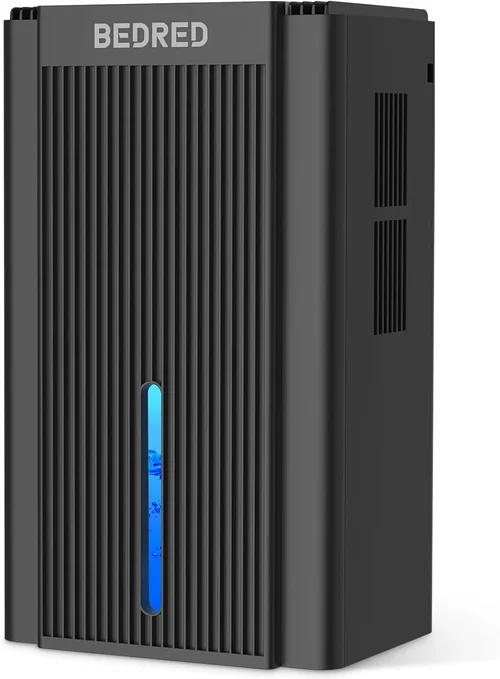
If you’ve ever walked into a basement that smells like old socks, noticed mold creeping along bathroom corners, or felt that sticky, heavy air that makes every breath feel like a workout—then you already know why a dehumidifier matters. Excess moisture in your home isn’t just uncomfortable; it’s a silent threat to your health, your belongings, and even the structural integrity of your house. From triggering asthma and allergies to warping wood furniture and ruining electronics, high humidity levels can cause real damage over time. That’s where a quality dehumidifier comes in—not as a luxury, but as a necessity for maintaining a healthy, comfortable living environment.
This guide is designed to cut through the noise and help you make an informed decision when shopping for the best dehumidifier on Amazon. With hundreds of models flooding the market—ranging from $50 mini units to $500+ industrial-grade machines—it’s easy to feel overwhelmed. Some promise “whisper-quiet operation,” others boast “energy-efficient performance,” and many claim to be “perfect for large basements.” But how do you separate marketing fluff from real value? Whether you’re dealing with a damp crawl space, a musty closet, or a full-sized living area, this comprehensive buyer’s guide will walk you through everything you need to know: from key performance specs and build quality to hidden costs, common pitfalls, and expert-backed recommendations. By the end, you’ll have the confidence to choose a dehumidifier that fits your space, your budget, and your lifestyle—without falling for overhyped features or underperforming gadgets.
The dehumidifier market has exploded in recent years, driven by growing awareness of indoor air quality and the rise of smart home technology. Today’s models aren’t just basic moisture extractors—they come packed with digital displays, auto-defrost functions, programmable timers, Wi-Fi connectivity, and even compatibility with voice assistants like Alexa and Google Assistant. Brands like Frigidaire, hOmeLabs, GE, Midea, and Tosot dominate Amazon’s bestseller lists, each offering a range of options tailored to different needs. Yet despite the variety, many buyers still end up disappointed—either because their unit is too small for the space, too loud for nightly use, or simply stops working after a few months. That’s why understanding what truly matters in a dehumidifier isn’t optional—it’s essential. This guide will equip you with the knowledge to avoid buyer’s remorse and invest in a device that delivers lasting performance, energy efficiency, and peace of mind.

What to Look for When Buying Buying Guide
1. Capacity & Coverage Area
One of the most critical—and often misunderstood—factors when choosing a dehumidifier is its capacity, typically measured in pints per day (PPD). This number tells you how much moisture the unit can remove from the air in a 24-hour period under standard testing conditions (usually 60% relative humidity at 80°F). However, don’t just grab the highest PPD number you see. A 70-pint model might be overkill for a small bedroom but insufficient for a sprawling basement. Instead, match the capacity to your room size and humidity level.
For reference: a 30-pint dehumidifier is ideal for spaces up to 1,500 square feet with moderate dampness; a 50-pint unit suits areas up to 3,000 square feet with high humidity; and a 70-pint model is best for large, extremely wet spaces like unfinished basements or garages. Always check the manufacturer’s coverage guidelines—and remember that “coverage” assumes average insulation and ventilation. If your space is poorly sealed or frequently exposed to outdoor moisture (e.g., near a lake or in a flood-prone area), opt for a higher-capacity model.
2. Energy Efficiency & Operating Cost
A dehumidifier can run for hours each day, especially during humid summer months or in perpetually damp environments. That means energy consumption directly impacts your utility bill. The best models carry the ENERGY STAR label, which indicates they meet strict efficiency guidelines set by the U.S. Environmental Protection Agency. ENERGY STAR-certified dehumidifiers use about 15% less energy than standard models, saving you money over time—and reducing your carbon footprint.
To estimate operating cost, check the unit’s wattage (usually listed in the specs) and multiply it by your local electricity rate. For example, a 500-watt dehumidifier running 10 hours a day at $0.12/kWh costs roughly $18 per month. While upfront price matters, long-term savings from an efficient model often outweigh initial savings on a cheaper, power-hungry unit. Also, look for features like auto-humidistat control, which turns the unit off once the desired humidity level is reached, preventing unnecessary cycling.
3. Noise Level & Sound Output
Nobody wants a dehumidifier that sounds like a jet engine—especially if it’s running in a bedroom, home office, or living room. Noise is measured in decibels (dB), and most residential dehumidifiers range from 45 dB to 60 dB. For context, 45 dB is comparable to a quiet library, while 60 dB resembles normal conversation. If you’re sensitive to sound or plan to run the unit overnight, aim for models under 50 dB.
Compressor-based dehumidifiers (the most common type) tend to be louder than desiccant models, especially during startup. However, many newer units feature “quiet mode” or insulated compressor chambers to reduce noise. Read user reviews carefully—manufacturer claims about “whisper-quiet operation” don’t always match real-world experience. Some top performers in the quiet category include the hOmeLabs HME020031N and the Tosot Energy Star Portable Dehumidifier, both praised for low noise output without sacrificing performance.
4. Drainage Options & Maintenance
Dehumidifiers collect water in an internal bucket, which needs to be emptied regularly—unless you choose a model with continuous drainage. Most units include a built-in pump or gravity drain hose option, allowing you to route water directly into a floor drain, sink, or sump pump. This is a game-changer for unattended operation, especially in basements or vacation homes.
If you go with a manual bucket, consider its size and ease of removal. A 1.5–2-gallon bucket is typical for mid-sized units and usually needs emptying every 8–12 hours in high-humidity conditions. Look for models with splash guards, ergonomic handles, and full-bucket alerts (either audible or via LED indicator). Also, check how easy it is to clean the bucket and filter—mold and bacteria can grow in stagnant water, so regular maintenance is crucial. Washable, reusable filters are preferable to disposable ones for both cost and environmental reasons.
5. Smart Features & Controls
Modern dehumidifiers offer increasingly sophisticated controls that enhance convenience and precision. Basic models may only have a simple humidistat dial and on/off switch, while premium units include digital displays, programmable timers, humidity presets (e.g., 30%, 40%, 50%), and even Wi-Fi connectivity. Smart dehumidifiers can be controlled via smartphone apps, integrated with home automation systems, and send alerts when the bucket is full or maintenance is due.
While smart features aren’t essential, they add significant value for tech-savvy users or those managing humidity remotely. For example, the Midea U-Shaped Inverter Dehumidifier offers app control, voice assistant compatibility, and real-time humidity monitoring. However, these features often come at a premium—and not all apps are well-designed. Before buying, check app store reviews to ensure the companion software is reliable and user-friendly.
6. Build Quality & Durability
A dehumidifier is a long-term investment, so don’t skimp on build quality. Look for sturdy casings (preferably high-impact plastic or metal), well-sealed seams, and robust internal components. Cheaper models often use thin plastic that cracks under stress or poorly insulated coils that corrode quickly in humid environments. Check customer reviews for reports of leaks, compressor failures, or premature wear.
Pay attention to the compressor type: rotary compressors are generally more durable and quieter than reciprocating ones. Also, inspect the coil material—copper coils resist corrosion better than aluminum, though they’re more expensive. Finally, consider portability: if you’ll move the unit between rooms, ensure it has sturdy caster wheels and a comfortable handle. A well-built dehumidifier should last 5–7 years with proper care.
7. Brand Reputation & Customer Support
Not all dehumidifier brands are created equal. Established names like Frigidaire, GE, and hOmeLabs have proven track records for reliability and customer service. Lesser-known brands may offer tempting prices, but they often lack responsive support, limited warranty coverage, or inconsistent quality control. Before purchasing, research the brand’s reputation on forums like Reddit, Consumer Reports, or Amazon review sections.
Customer support matters when things go wrong. Does the company offer live chat, phone support, or detailed troubleshooting guides? Are replacement parts readily available? Brands with strong U.S.-based support teams (like Frigidaire and Midea) tend to resolve issues faster than overseas manufacturers. Also, check if the brand honors warranties promptly—some require you to ship the unit back at your own expense, which can be costly and time-consuming.
8. Warranty & Return Policy
A solid warranty is a strong indicator of a manufacturer’s confidence in their product. Most reputable dehumidifiers come with a 1- to 2-year limited warranty covering parts and labor. Premium models may offer extended coverage (up to 5 years) or include compressor-specific warranties, since compressors are the most expensive component to replace.
Always read the fine print: some warranties exclude damage from improper use, lack of maintenance, or commercial applications. Also, verify the return window—Amazon typically allows 30 days for returns, but some third-party sellers have shorter policies. If you’re unsure about sizing or features, buy from a seller with a generous return window so you can test the unit in your actual environment.
Different Types of Buying Guide

Common Buying Mistakes to Avoid
❌ Mistake: Buying Based Solely on Price
Why it’s bad: The cheapest dehumidifier often costs more in the long run due to higher energy bills, frequent repairs, or premature failure. Low-cost models may lack essential features like auto-shutoff, proper drainage, or durable components, leading to frustration and wasted money.
What to do instead: Focus on total cost of ownership—not just upfront price. Invest in an ENERGY STAR-certified model with good reviews and a solid warranty. A $250 unit that lasts 6 years is better value than a $100 unit that breaks after 18 months.
❌ Mistake: Ignoring Room Size and Humidity Level
Why it’s bad: A dehumidifier too small for your space will run constantly, overheat, and fail to reduce humidity effectively. Conversely, an oversized unit may cycle on and off too frequently, wasting energy and failing to control moisture properly.
What to do instead: Measure your room’s square footage and assess humidity severity (use a hygrometer if unsure). Match these to the manufacturer’s recommended capacity. When in doubt, go one size up—especially in basements or coastal areas.
❌ Mistake: Overlooking Drainage Needs
Why it’s bad: If you forget to empty the bucket daily, the unit will shut off when full—leaving your space damp and potentially causing water damage if it overflows. This is especially risky in unattended areas like basements.
What to do instead: Choose a model with continuous drainage (hose outlet) or a built-in pump. Even if you plan to manually empty it now, future-proof your purchase—you may not always be available to monitor it.
❌ Mistake: Disregarding Noise Levels
Why it’s bad: A noisy dehumidifier can disrupt sleep, concentration, or relaxation—turning a helpful appliance into a household annoyance. Many buyers regret not checking decibel ratings before purchasing.
What to do instead: Prioritize units under 50 dB for bedrooms or living areas. Read verified customer reviews mentioning noise—they’re more reliable than manufacturer specs.
❌ Mistake: Skipping the Warranty Check
Why it’s bad: Dehumidifiers contain complex mechanical parts that can fail. Without a good warranty, you’re stuck paying for expensive repairs or replacements out of pocket.
What to do instead: Always verify warranty length and coverage details. Prefer brands offering at least 1 year of full coverage and compressor protection. Register your product immediately after purchase.
❌ Mistake: Assuming All “Energy Efficient” Labels Are Equal
Why it’s bad: Some brands use vague terms like “eco-friendly” or “low energy” without certification. These claims aren’t regulated and may not reflect actual performance.
What to do instead: Look specifically for the ENERGY STAR logo or AHAM verification. These indicate third-party testing and measurable efficiency standards.
❌ Mistake: Not Reading Real User Reviews
Why it’s bad: Product descriptions highlight only the positives. User reviews reveal real-world issues like leaks, poor app functionality, or misleading capacity claims.
What to do instead: Spend time reading 3- and 4-star reviews—they often contain the most honest, balanced feedback. Look for patterns (e.g., multiple reports of compressor failure) rather than isolated complaints.
Budget Guidelines: How Much Should You Spend?
Dehumidifiers span a wide price spectrum, and your ideal budget depends on your specific needs, space size, and how much you value convenience and longevity. Below is a practical breakdown to help you allocate your spending wisely.
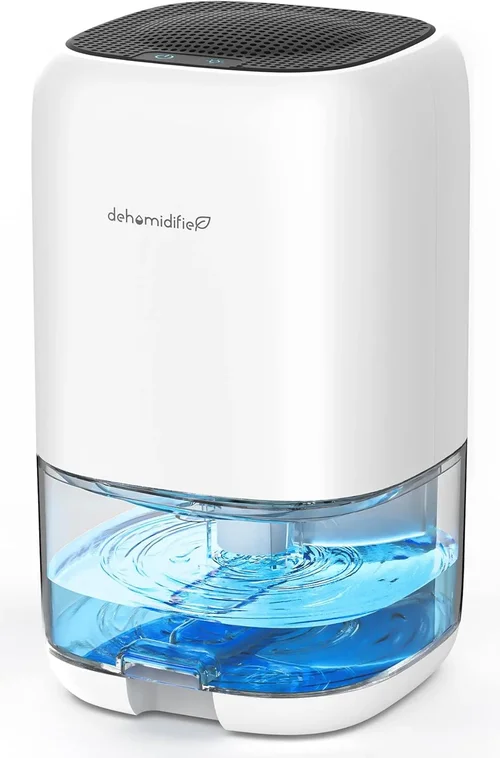
Entry-Level ($50–$150): These are typically mini desiccant units or small compressor models suited for closets, RVs, or bathrooms under 500 sq ft. Expect basic controls, small water tanks (requiring frequent emptying), and limited durability. While affordable, they’re not built for daily, heavy-duty use. Best for occasional moisture control or very small spaces.
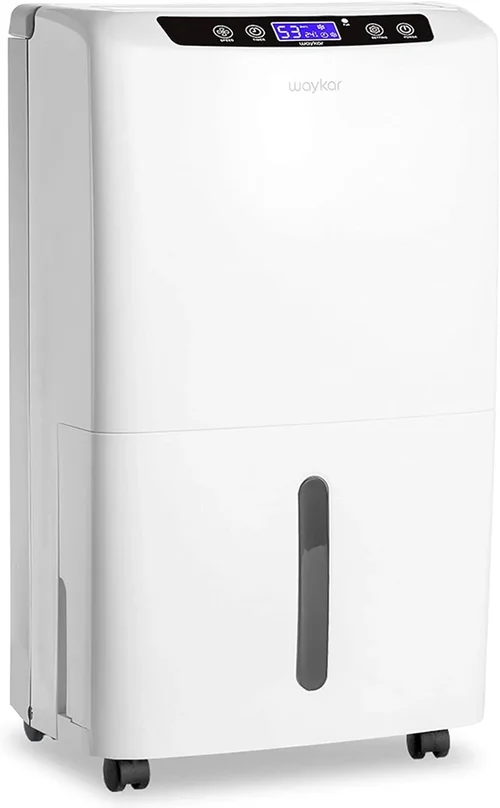
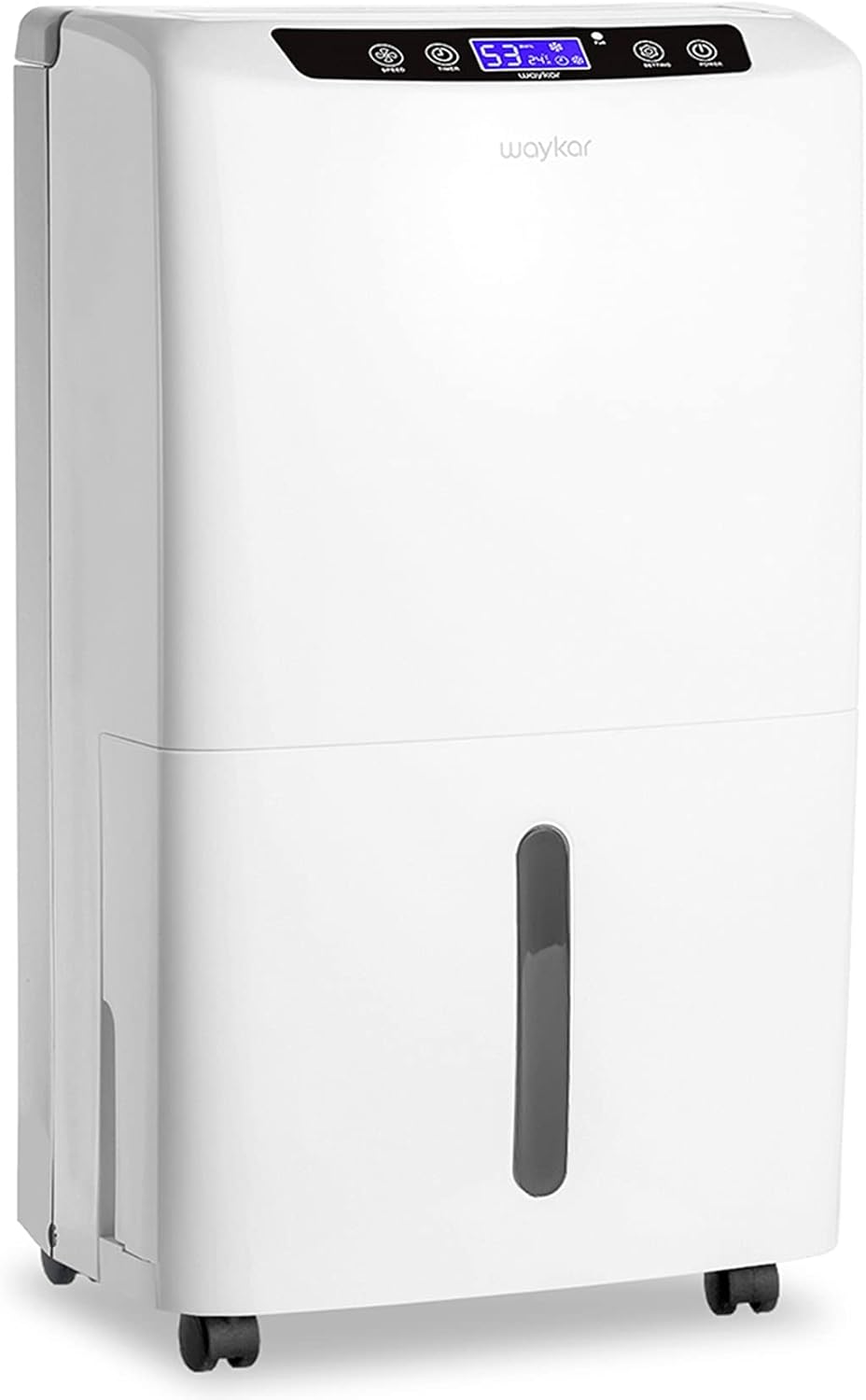
Mid-Range ($150–$300): This is the sweet spot for most homeowners. You’ll find reliable 30- to 50-pint compressor dehumidifiers from trusted brands like hOmeLabs, Tosot, and Frigidaire. These offer digital humidistats, auto-restart after power outages, continuous drainage options, and decent noise levels. Many are ENERGY STAR certified and come with 1- to 2-year warranties. Ideal for bedrooms, living rooms, or moderately damp basements.
Premium ($300–$500): Designed for larger spaces or users who want advanced features, these models often include Wi-Fi connectivity, built-in pumps, larger tanks, and superior build quality. Examples include the Midea U-Shaped Inverter and GE Smart Dehumidifiers. They’re quieter, more efficient, and built to last. Perfect for tech enthusiasts, large homes, or areas with persistent high humidity.
Luxury ($500+): At this tier, you’re looking at whole-house systems or commercial-grade portable units. These integrate with HVAC systems, offer industrial-level moisture removal (70+ pints), and include comprehensive smart controls. They’re overkill for most residential needs but justified for large estates, rental properties, or extreme climates. Expect professional installation and higher maintenance costs.
Expert Tips for Getting the Best Deal
- Shop During Off-Peak Seasons: Dehumidifiers are in highest demand during summer and hurricane season. Prices drop significantly in late fall and winter—often by 20–30%. Stock up during Black Friday, Cyber Monday, or January sales for the best deals.
- Compare Amazon vs. Manufacturer Sites: Sometimes, buying directly from the brand (e.g., Frigidaire.com) includes exclusive bundles, extended warranties, or free shipping. However, Amazon often has competitive pricing, easy returns, and fast delivery—especially with Prime.
- Use Price Tracking Tools: Install browser extensions like Honey or CamelCamelCamel to monitor price history and get alerts when your desired model drops. Many dehumidifiers fluctuate by $50 or more throughout the year.
- Check for Open-Box or Refurbished Units: Amazon Renewed or manufacturer-refurbished dehumidifiers can save you 20–40% and often come with the same warranty as new models. Just ensure they’re certified and include all original accessories.
- Verify Return Policies Before Buying: Some third-party sellers on Amazon have restrictive return windows or restocking fees. Always purchase from “Amazon.com” or highly rated sellers with clear return terms.
- Test in Your Actual Environment: If possible, run the dehumidifier in the intended room for a few days. Humidity levels, insulation, and airflow vary greatly—what works in a showroom may not suit your home.
- Register for Warranty Immediately: Don’t wait! Most warranties start from the purchase date, and delays can void coverage. Keep your receipt and serial number handy.
- Consider Bundled Purchases: Some retailers offer discounts when you buy a dehumidifier with an air purifier, hygrometer, or replacement filters. These bundles can add value if you need the extras.
Frequently Asked Questions
Q: How do I know if I need a dehumidifier?
A: Signs include persistent musty odors, visible mold or mildew, condensation on windows, warped wood, or a sticky feeling in the air. Use a hygrometer to measure indoor humidity—ideal levels are between 30% and 50%. If it consistently exceeds 60%, a dehumidifier is recommended.
Q: Can a dehumidifier help with allergies?
A: Yes! By reducing moisture, dehumidifiers inhibit the growth of dust mites, mold, and mildew—common allergens. Many allergy sufferers report fewer symptoms and improved breathing after using a dehumidifier regularly.
Q: Should I run my dehumidifier all the time?
A: Not necessarily. Most models have a humidistat that automatically turns the unit on and off to maintain your set humidity level. Running it continuously is only needed in extremely damp conditions or if you lack auto-humidistat functionality.
Q: Where should I place my dehumidifier?
A: Place it in the most humid area (e.g., basement, laundry room) with at least 6–8 inches of clearance on all sides for proper airflow. Avoid corners or enclosed spaces. For whole-home effectiveness, position it centrally or near the HVAC return vent.
Q: Do dehumidifiers use a lot of electricity?
A: It depends on the model and usage. ENERGY STAR-certified units are designed to minimize energy use. On average, a 50-pint dehumidifier uses about 500–700 watts. Running it 8 hours a day costs roughly $10–$15 per month, depending on your electricity rate.
Q: Can I use a dehumidifier in winter?
A: Most compressor dehumidifiers struggle below 65°F and may frost over. Desiccant models work better in cold temperatures. If your basement stays cool in winter, choose a cold-climate or desiccant dehumidifier.
Q: How often should I clean my dehumidifier?
A: Clean the water bucket weekly and the air filter monthly. Wipe down the exterior and coils every 3–6 months. Regular maintenance prevents mold growth, maintains efficiency, and extends the unit’s lifespan.
Q: What’s the difference between a dehumidifier and an air purifier?
A: A dehumidifier removes moisture from the air to prevent mold and mildew. An air purifier filters particles like dust, pollen, and smoke. They serve different purposes—but using both together creates optimal indoor air quality.
Q: Can a dehumidifier damage my home?
A: Only if misused. Over-dehumidifying (below 30%) can cause dry skin, static electricity, or wood shrinkage. Always set the humidistat between 30% and 50%. Also, ensure proper drainage to avoid water leaks.
Q: Are portable dehumidifiers effective?
A: Yes, for their intended size. Portable units are ideal for single rooms or temporary use. Just ensure the capacity matches your space—and remember they require periodic emptying unless equipped with a drain hose.
Our Final Recommendations
Best for Budget-Conscious Buyers: Tosot 30 Pint Energy Star Dehumidifier – At under $200, this model delivers reliable performance, low noise (48 dB), and efficient operation for medium-sized rooms. It includes a 2-gallon bucket, continuous drain option, and a 2-year warranty—making it an outstanding value.
Best Overall Value: hOmeLabs 50 Pint Dehumidifier (HME020031N) – Consistently top-rated on Amazon, this unit balances power, quiet operation (45 dB), and smart features like auto-restart and full-bucket alerts. Perfect for basements up to 3,000 sq ft, it’s ENERGY STAR certified and built to last.
Best Premium Option: Midea U-Shaped Inverter Dehumidifier (MAD50C1ZWS) – With Wi-Fi connectivity, app control, and ultra-quiet inverter technology, this model sets the standard for smart dehumidification. Its U-shaped design improves airflow and efficiency, ideal for large, open-plan spaces.
Best for Beginners: Frigidaire FFAD7033R1 70 Pint Dehumidifier – Simple controls, clear digital display, and reliable performance make this a great first dehumidifier. It’s powerful enough for large basements and includes a washable filter and easy-roll wheels.
Best for Advanced Users: GE Smart Dehumidifier (APER50LZ) – Packed with features like Alexa/Google Assistant integration, remote sensors, and precise humidity control, this model is perfect for tech enthusiasts who want granular control over their indoor environment.
Conclusion: Making the Right Choice
Choosing the right dehumidifier isn’t just about picking the biggest or cheapest model—it’s about matching the right tool to your unique environment, needs, and lifestyle. Throughout this guide, we’ve covered the essentials: from understanding capacity and energy efficiency to avoiding common pitfalls and leveraging expert tips for the best deals. Remember, a dehumidifier is more than an appliance; it’s an investment in your health, your home’s longevity, and your daily comfort.
As you shop on Amazon, keep your priorities front and center. Are you battling mold in a basement? Seeking relief from summer humidity in a bedroom? Or managing moisture in a vacation cabin? Let your specific use case guide your decision—not flashy ads or inflated specs. Prioritize verified reviews, reputable brands, and features that solve your actual problems (like continuous drainage or quiet operation). And don’t rush: take advantage of seasonal sales, compare warranties, and test the unit in your space if possible.
Ultimately, the best dehumidifier is the one that works reliably, efficiently, and quietly in your home—without breaking the bank or becoming a maintenance headache. With the knowledge from this guide, you’re now equipped to cut through the clutter, avoid costly mistakes, and select a model that delivers lasting value. So go ahead: reclaim your indoor air, protect your belongings, and breathe easier knowing you’ve made a smart, informed choice. Your home—and your health—will thank you.