
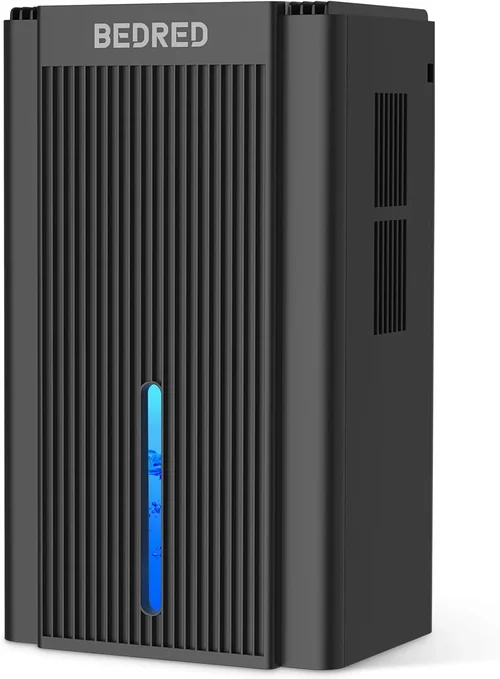
Choosing the right dehumidifier for your bedroom isn’t just about comfort—it’s about health, sleep quality, and protecting your home. Excess moisture in the air can lead to mold growth, dust mite proliferation, musty odors, and even respiratory issues like allergies or asthma flare-ups. Whether you live in a humid coastal region, have poor ventilation, or simply notice condensation on your windows, a bedroom dehumidifier can make a noticeable difference in your nightly environment. But with dozens of models on the market—ranging from compact, whisper-quiet units to high-capacity industrial-style machines—it’s easy to feel overwhelmed.
This guide is designed to cut through the noise and help you make an informed, confident decision. You’ll learn exactly what to look for in a bedroom-specific dehumidifier, how to avoid common pitfalls, and which features truly matter for restful nights and healthier air. We’ll cover everything from performance specs and noise levels to energy efficiency, smart controls, and long-term durability. By the end, you’ll know not only what to buy but why it’s the best fit for your unique needs.
The market today offers a wide spectrum of options, from budget-friendly under-$100 units ideal for small spaces to premium models with Wi-Fi connectivity, auto-humidistats, and advanced filtration systems. Some are built for silent operation so you won’t be disturbed while sleeping, while others prioritize rapid moisture removal for damp basements or humid climates. Understanding your priorities—whether it’s whisper-quiet performance, compact size, or smart home integration—is key to finding the perfect match.

What to Look for When Buying Buying Guide
1. Room Size & Moisture Level
The first and most critical factor is matching the dehumidifier’s capacity to your bedroom’s square footage and humidity level. Most manufacturers rate their units by “pints per day” (PPD)—the amount of moisture they can remove in 24 hours under standard conditions (60% relative humidity at 80°F). For a typical bedroom (100–300 sq ft), a 20–30 PPD unit is usually sufficient. However, if your room is consistently damp, has water stains, or feels clammy even with AC running, you may need a higher-capacity model (30–50 PPD).
Don’t forget to consider ceiling height and airflow. A small bedroom with high ceilings or poor circulation may require a more powerful unit than a larger but well-ventilated space. Always check the manufacturer’s recommended coverage area—not just the pint rating—as this gives a more realistic estimate of real-world performance.
2. Noise Level (Decibel Rating)
Since bedrooms are meant for rest, noise is arguably the most important consideration. Look for models rated at 50 decibels (dB) or lower—this is roughly equivalent to a quiet conversation or light rainfall. Anything above 55 dB can become distracting, especially if you’re a light sleeper. Many premium bedroom dehumidifiers now feature “sleep mode” or “night mode” that reduces fan speed and compressor activity to minimize sound.
Pay attention to how the noise is described: some units produce a low hum, while others have a noticeable compressor click or fan whir. If possible, read user reviews that mention nighttime use. Brands like hOmeLabs, Frigidaire, and Tosot are known for quieter operation in the bedroom category.
3. Energy Efficiency & Operating Cost
Dehumidifiers run for hours each day, so energy consumption directly impacts your utility bill. Look for the ENERGY STAR® certification, which indicates the unit uses at least 15% less energy than standard models. Check the wattage (typically listed on the product label or spec sheet)—lower wattage generally means lower operating costs.
Also consider the unit’s efficiency ratio: how many pints it removes per kilowatt-hour (kWh). A higher ratio means better performance per unit of electricity. For example, a model that removes 30 pints using 300 watts is more efficient than one using 450 watts for the same output. Over a summer month, this difference could save you $10–$20 on electricity.
4. Tank Size & Drainage Options
All dehumidifiers collect water in an internal tank, which must be emptied manually when full. Tank size ranges from 0.5 gallons (about 4 pints) to over 1 gallon (8+ pints). For a bedroom, a 0.8–1 gallon tank is ideal—it balances convenience with compact design. Smaller tanks mean more frequent emptying, which can be annoying if you forget.
More importantly, check for continuous drainage options. Most units include a hose connection (usually 5/16″ or 3/8″ threaded outlet) so you can attach a garden hose and drain directly into a floor drain, sink, or sump pump. This eliminates the need to empty the tank altogether—a huge convenience for nightly use. If your bedroom lacks nearby drainage, ensure the auto-shutoff feature works reliably to prevent overflow.
5. Humidity Control & Sensors
A built-in humidistat allows the dehumidifier to monitor and maintain your desired humidity level automatically. Look for models with digital displays showing current relative humidity (RH) and adjustable setpoints (typically 30%–80% RH). The ideal bedroom humidity range is 40%–50%—high enough to avoid dryness but low enough to inhibit mold and dust mites.
Cheaper models may only have basic on/off switches or preset modes (“Dry,” “Normal,” “Turbo”), which don’t offer precise control. Advanced units use capacitive or resistive sensors for accurate readings and will cycle on/off as needed, saving energy and preventing over-drying. Some even include humidity trend indicators or alerts when levels rise unexpectedly.
6. Portability & Design
Bedrooms often have limited floor space, so size and maneuverability matter. Look for compact units (under 20 lbs) with integrated handles and smooth-rolling casters. A slim profile helps it fit beside a dresser or under a window without blocking walkways.
Design also affects usability. Top-mounted controls are easier to access than side panels. Cord storage compartments keep things tidy. And a sleek, neutral color (white, gray, beige) blends better with bedroom decor than bulky industrial designs. Some models even double as air purifiers with HEPA or activated carbon filters—useful if you suffer from allergies.
7. Additional Features
Modern dehumidifiers offer a range of smart and convenience features worth considering:
- Auto-restart: Resumes operation after a power outage—essential if you rely on consistent humidity control.
- Timer function: Lets you schedule start/stop times (e.g., run only during sleeping hours).
- Filter indicator: Alerts you when the air filter needs cleaning—most require monthly maintenance.
- Wi-Fi/App control: Allows remote monitoring and adjustment via smartphone (available on select premium models).
- Defrost function: Prevents ice buildup in cooler environments (below 65°F), extending unit life.
While not essential, these features enhance usability and peace of mind, especially for busy households.
8. Brand Reputation & Customer Support
Stick with established brands known for reliability and responsive customer service. Frigidaire, GE, hOmeLabs, Tosot, and Eva-Dry are consistently rated highly for bedroom dehumidifiers. Avoid obscure or no-name brands that may use inferior components or lack spare parts.
Check warranty length (typically 1–2 years) and what it covers. A longer warranty often reflects confidence in build quality. Also research return policies—some retailers offer extended trial periods (30–90 days), which is valuable if the unit doesn’t perform as expected in your specific environment.
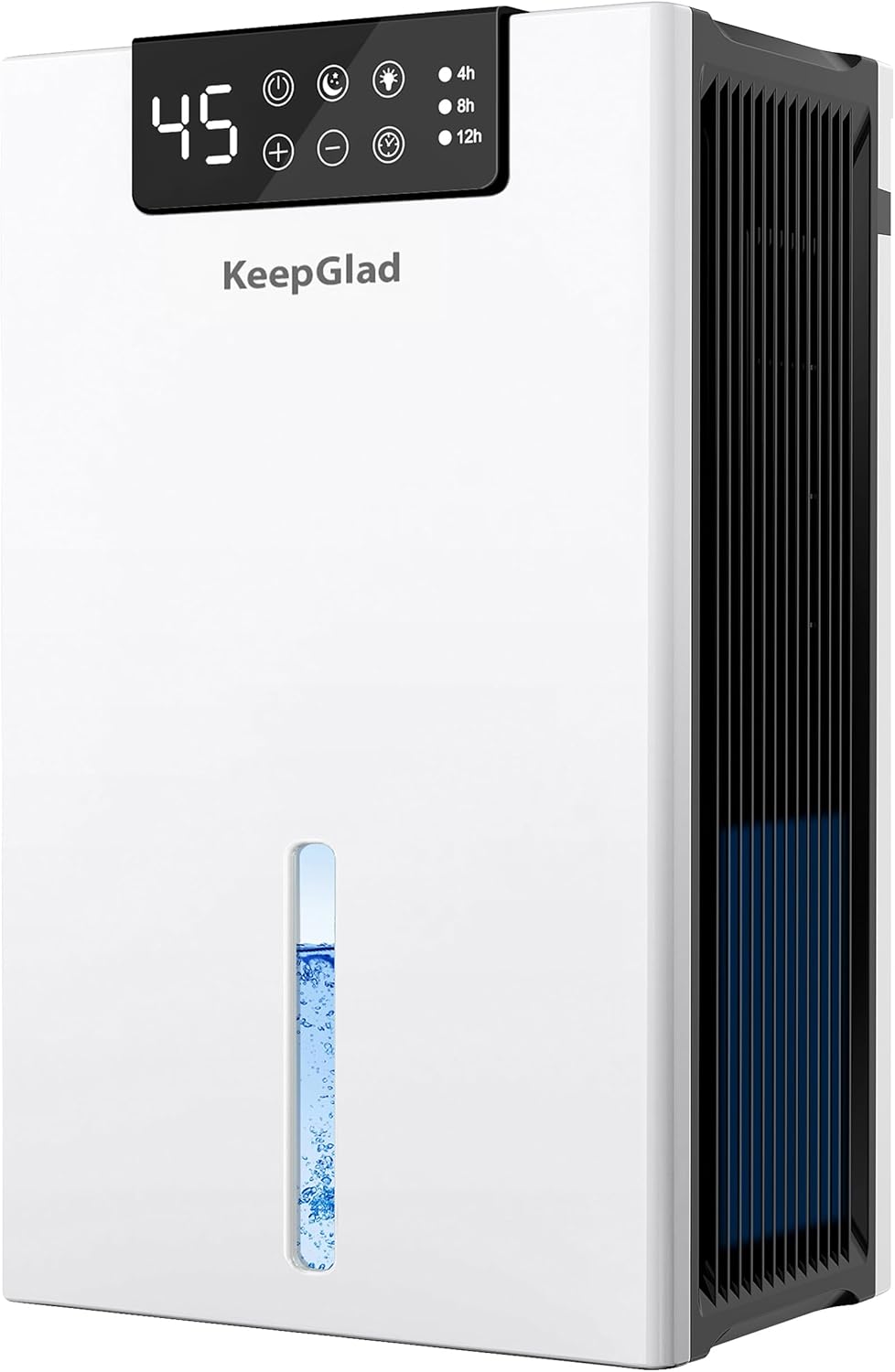
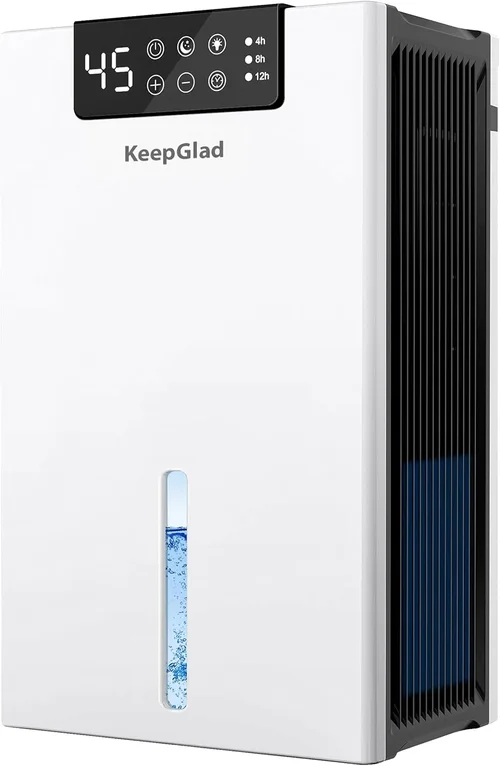
Different Types of Buying Guide
Common Buying Mistakes to Avoid
❌ Mistake: Buying Based Solely on Pint Rating
Why it’s bad: A 50-pint dehumidifier might seem like overkill for a 200 sq ft bedroom—and it is. Oversized units cycle on and off too quickly, failing to run long enough to dehumidify effectively. They also cost more upfront and use more energy.
What to do instead: Match capacity to your room size and actual humidity level. Use the manufacturer’s coverage chart, not just the pint number. When in doubt, go slightly larger—but never double the recommended size.
❌ Mistake: Ignoring Noise Levels
Why it’s bad: A loud dehumidifier can disrupt sleep, cause stress, or even lead to insomnia over time. Many buyers regret choosing a powerful but noisy unit for nighttime use.
What to do instead: Prioritize decibel ratings under 50 dB. Read verified customer reviews that mention “quiet,” “sleep,” or “night use.” Consider desiccant models if silence is non-negotiable.
❌ Mistake: Overlooking Drainage Needs
Why it’s bad: Constantly emptying a small tank every 6–8 hours is tedious and easy to forget. Overflow can damage flooring or create mold risks.
What to do instead: Choose a unit with a continuous drain hose option. Even if you don’t use it immediately, having the capability adds flexibility. Ensure the auto-shutoff works reliably.
❌ Mistake: Skipping the Humidistat
Why it’s bad: Without precise humidity control, you risk over-drying (causing dry skin, irritated sinuses) or under-drying (allowing mold to thrive). Manual units waste energy and require constant monitoring.
What to do instead: Always select a model with a digital humidistat and adjustable setpoints. Aim for 40%–50% RH for optimal comfort and health.
❌ Mistake: Choosing the Cheapest Option
Why it’s bad: Ultra-budget models often use flimsy plastic, weak compressors, and inaccurate sensors. They may fail within a year and cost more in repairs or replacements.
What to do instead: Invest in a mid-range model ($150–$250) from a reputable brand. The longevity, efficiency, and performance justify the modest price increase.
❌ Mistake: Not Checking Filter Maintenance
Why it’s bad: Clogged filters reduce airflow, strain the motor, and increase energy use. Many users don’t realize filters need monthly cleaning.
What to do instead: Look for washable, reusable filters with indicator lights. Avoid units with hard-to-reach or proprietary filters that require frequent replacement.
❌ Mistake: Assuming All “Bedroom” Models Are Equal
Why it’s bad: Some manufacturers label any small dehumidifier as “bedroom-friendly,” but it may still be too loud, inefficient, or underpowered for actual use.
What to do instead: Verify specs independently. Check noise, tank size, drainage, and humidity control—not just marketing claims.
Budget Guidelines: How Much Should You Spend?
Entry-Level ($50–$120): These are typically mini Peltier units or basic compressor models. Best for very small spaces (under 150 sq ft) with mild humidity. Expect limited capacity (5–15 PPD), small tanks, no humidistat, and higher noise levels. Ideal as a temporary fix or for closets, but not recommended for nightly bedroom use.
Mid-Range ($120–$250): This is the sweet spot for most bedroom buyers. You’ll find reliable compressor or desiccant units with 20–35 PPD capacity, digital humidistats, 0.8–1 gallon tanks, quiet operation (under 52 dB), and useful features like timers and auto-restart. Brands like hOmeLabs and Tosot dominate this category with excellent value.
Premium ($250–$400): Designed for demanding environments or tech-savvy users. These offer higher efficiency (ENERGY STAR certified), larger tanks (1+ gallons), whisper-quiet desiccant technology, Wi-Fi/app control, advanced filtration (HEPA/carbon), and robust build quality. Perfect for humid climates, allergy sufferers, or smart home integration.
Luxury ($400+): Reserved for whole-home systems or commercial-grade units. While overkill for a single bedroom, they’re worth considering if you have severe moisture issues, multiple affected rooms, or plan to integrate with HVAC. Expect professional installation, ultra-quiet operation, and comprehensive humidity management.
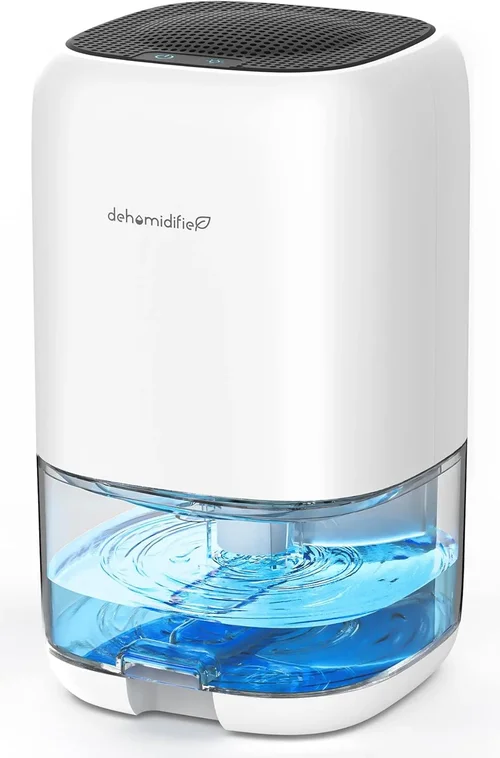
Expert Tips for Getting the Best Deal
- Buy off-season: Dehumidifiers are cheapest in winter (December–February) when demand drops. Retailers often discount summer inventory to clear space. You can save 20–30% compared to spring/summer prices.
- Check warehouse clubs: Costco, Sam’s Club, and BJ’s frequently offer exclusive bundles or extended warranties on dehumidifiers—sometimes with free shipping or in-store pickup.
- Use price-tracking tools: Set alerts on Amazon, Google Shopping, or CamelCamelCamel to catch flash sales or price drops on your target model.
- Read return policies carefully: Some retailers charge restocking fees (10–15%) for opened appliances. Look for stores with 30–90 day return windows and free return shipping.
- Test before committing: If buying in-store, ask to see a demo unit. Listen to the noise level and check control layout. Online? Watch unboxing/review videos on YouTube to hear real-world sound.
- Bundle with other purchases: Some HVAC or appliance retailers offer discounts when you buy a dehumidifier with an air purifier, humidifier, or smart thermostat.
- Consider refurbished models: Certified refurbished units from manufacturers (e.g., Frigidaire Factory Certified) often come with full warranties and cost 20–40% less than new.
- Register your warranty: Do this immediately after purchase. Some brands require registration within 30 days to activate coverage.

Frequently Asked Questions
Q: Can a dehumidifier help with allergies?
A: Absolutely. By reducing humidity below 50%, dehumidifiers inhibit the growth of dust mites, mold, and mildew—common allergens. Pair it with a HEPA air purifier for maximum relief.
Q: Will a dehumidifier cool my bedroom?
A: Not directly. Dehumidifiers remove moisture, not heat. However, drier air feels cooler and more comfortable, so you may be able to raise your thermostat slightly and save on AC costs.
Q: How often should I clean the filter?
A: Every 4–6 weeks during heavy use, or monthly in humid seasons. Rinse the filter under warm water and let it dry completely before reinstalling.
Q: Can I run a dehumidifier 24/7?
A: Yes, especially if your bedroom stays humid. Most modern units are designed for continuous operation. Just ensure proper drainage and filter maintenance.
Q: Is it safe to leave a dehumidifier on overnight?
A: Yes, as long as it has auto-shutoff, overheat protection, and is placed on a stable, flat surface away from curtains or bedding. Choose a model with safety certifications (UL, ETL).
Q: Do I need a dehumidifier if I have central AC?
A: Possibly. Central AC removes some moisture, but not always enough—especially in humid climates or poorly insulated homes. If you still see condensation or smell mustiness, a supplemental dehumidifier helps.
Q: What’s the difference between compressor and desiccant dehumidifiers?
A: Compressor models use refrigerant to cool coils and condense moisture—they’re powerful but slightly noisier and less effective below 65°F. Desiccant units use a moisture-absorbing material and are quieter, lighter, and work well in cooler temps, but may use more energy.
Q: Can I use a dehumidifier in winter?
A: Only if your bedroom is consistently above 60°F and humid (e.g., from showers or poor insulation). Most compressor units shut off automatically in cold temperatures to prevent frost. Desiccant models are better for winter use.
Q: How do I know if my bedroom is too humid?
A: Use a hygrometer (often built into dehumidifiers or sold separately for $10–$20). Readings above 60% indicate a problem. Other signs: foggy windows, peeling paint, musty smells, or warped wood.
Q: Should I buy a dehumidifier with a built-in pump?
A: Only if you need to drain uphill or into a high sink. Built-in pumps add cost ($50–$100) but allow flexible hose routing. For most bedrooms with floor drains, a standard hose suffices.
Our Final Recommendations
Best for Budget-Conscious Buyers: hOmeLabs 22-Pint Dehumidifier – At around $150, it offers excellent value with a digital humidistat, 0.8-gallon tank, continuous drain option, and quiet 50 dB operation. Perfect for small to mid-sized bedrooms.
Best Overall Value: Frigidaire FFAD7033R1 70-Pint – Don’t let the high pint rating fool you; this ENERGY STAR certified unit is surprisingly quiet (51 dB) and includes a washable filter, timer, and large 1.7-gallon tank. Ideal for larger bedrooms or high-humidity areas.
Best Premium Option: Tosot 50 Pint Desiccant Dehumidifier – Ultra-quiet (45 dB), compact, and effective in cool temperatures. Features a digital display, auto-restart, and sleek design. Great for light sleepers or cooler climates.
Best for Beginners: Eva-Dry E-333 Mini Dehumidifier – No electricity needed! Uses renewable silica gel crystals to absorb moisture. Perfect for closets or as a secondary unit. Simple, safe, and portable.
Best for Advanced Users: AprilAire E080 Pro 80-Pint Whole-Home Dehumidifier – While pricey, this professionally installed system integrates with your HVAC to maintain perfect humidity throughout your home—including your bedroom—automatically. Ideal for severe moisture issues or smart home enthusiasts.
Conclusion: Making the Right Choice
Finding the best bedroom dehumidifier comes down to balancing your specific needs: room size, humidity level, noise tolerance, and budget. Don’t sacrifice quiet operation for power, or convenience for cost. A well-chosen unit will run reliably for years, improve your sleep, protect your health, and preserve your home’s integrity.
Remember, the goal isn’t to eliminate all moisture—it’s to maintain a healthy, comfortable balance. Use this guide to narrow your options, avoid common traps, and invest wisely. Whether you’re battling summer humidity, winter condensation, or year-round dampness, the right dehumidifier can transform your bedroom into a truly restful sanctuary.
Take action today: measure your room, check your humidity, and choose a model that aligns with your lifestyle. Your lungs—and your sleep—will thank you.