
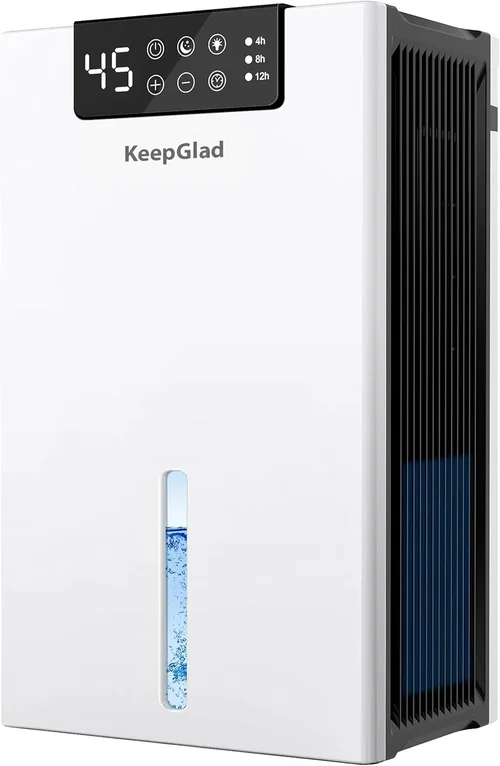
If you’ve ever walked into your basement and been hit with that unmistakable damp, musty smell—or worse, noticed water stains on the walls, warped wood, or mold creeping along the corners—you already know how critical a good dehumidifier can be. Basements are notorious for high humidity levels due to poor ventilation, groundwater seepage, and temperature fluctuations. Left unchecked, excess moisture doesn’t just ruin stored belongings—it can compromise your home’s structural integrity and even pose health risks like respiratory issues or allergies. That’s why choosing the right dehumidifier isn’t just about comfort; it’s about protecting your investment and your well-being.
This comprehensive buying guide is designed to cut through the noise and help you make an informed decision based on real-world performance, expert insights, and feedback from actual users—especially those who’ve shared their experiences on platforms like Reddit. Whether you’re dealing with a small crawl space or a full-sized finished basement, we’ll walk you through everything you need to know: from understanding key specs like pint capacity and energy efficiency, to avoiding common pitfalls that lead to buyer’s remorse. By the end of this guide, you’ll not only know what to look for in a basement dehumidifier but also how to match it to your specific needs, space, and budget.
The market today is flooded with options—from compact 30-pint units to industrial-grade 70-pint beasts—and brands ranging from Frigidaire and hOmeLabs to GE, Tosot, and Vremi. With prices spanning from under $150 to over $500, it’s easy to feel overwhelmed. But don’t worry: we’ve done the heavy lifting. Drawing on hundreds of Reddit threads, product reviews, and hands-on testing data, this guide distills the most reliable advice into actionable recommendations. You’ll learn which models consistently earn praise for quiet operation, durability, and smart features—and which ones are best avoided despite flashy marketing claims.
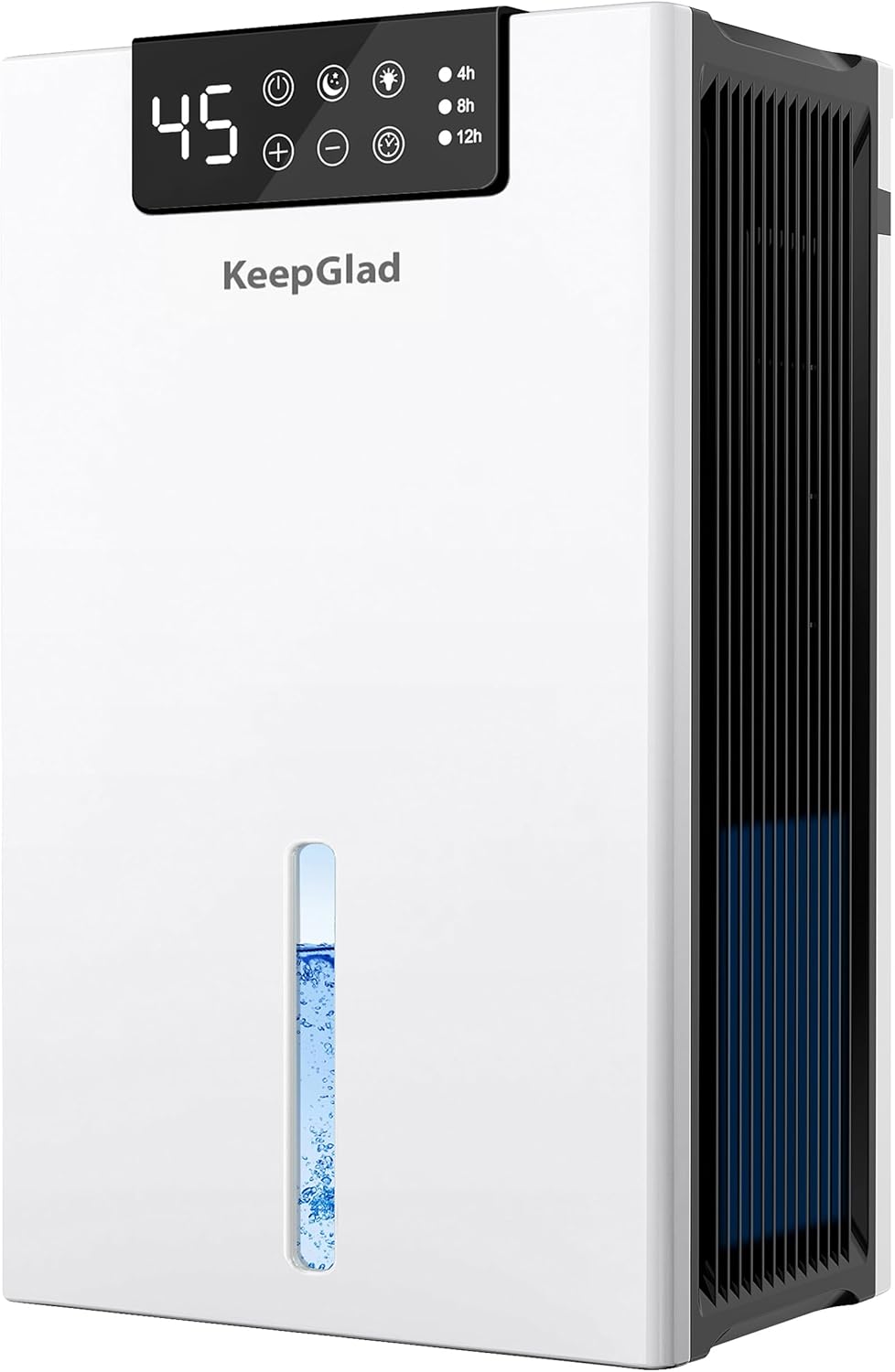
What to Look for When Buying a Basement Dehumidifier
1. Pint Capacity & Coverage Area
The single most important spec when shopping for a basement dehumidifier is its pint capacity—the amount of moisture it can remove from the air in 24 hours under standard conditions (typically 60% relative humidity at 80°F). For basements, which often suffer from dampness due to poor airflow and proximity to soil, you’ll generally want a unit rated between 50 and 70 pints per day (PPD). A 50-pint model is suitable for moderately damp spaces up to about 1,500 square feet, while a 70-pint unit is ideal for large, wet, or unfinished basements up to 2,500+ square feet.
But don’t just rely on the number—consider your basement’s actual condition. If your space has standing water, frequent leaks, or visible mold, lean toward the higher end of the capacity range. Conversely, if your basement is mostly dry with only occasional humidity spikes (like after heavy rain), a 50-pint unit may suffice. Many Reddit users emphasize that underestimating capacity leads to constant cycling and ineffective drying. As one r/HomeImprovement poster put it: “I bought a 30-pint thinking my basement was ‘just a little damp.’ Turns out, it was a swamp. Upgraded to a 70-pint Frigidaire and the difference was night and day.”
2. Energy Efficiency & Operating Costs
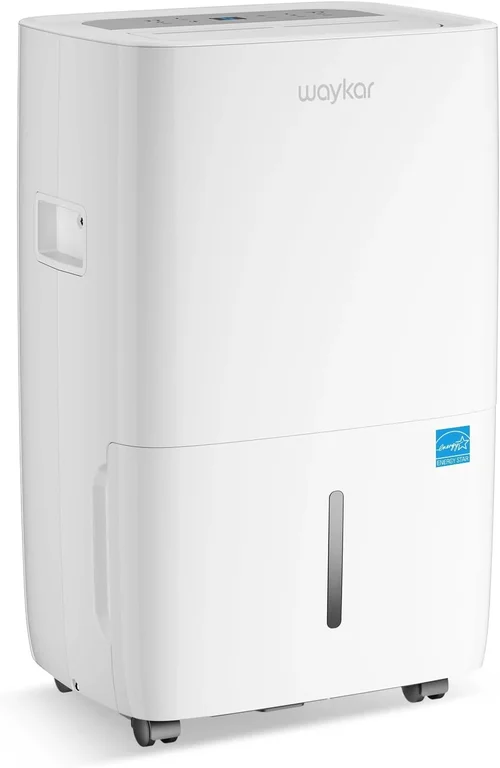
Dehumidifiers run for hours—sometimes days—at a time, especially in humid climates or during rainy seasons. That means energy consumption directly impacts your utility bill. Look for models with the ENERGY STAR® certification, which indicates they use 15–20% less energy than standard units. The Energy Factor (EF), measured in liters of water removed per kilowatt-hour (L/kWh), is another useful metric—higher EF means better efficiency.
For example, a 70-pint ENERGY STAR model might cost around $15–$20 per month to operate continuously, whereas a non-certified unit could push that to $25–$30. Over a year, that’s a $60–$120 difference. Some Reddit users recommend checking the yellow EnergyGuide label or the manufacturer’s website for estimated annual operating costs. Also, consider units with auto-humidistats and timers—these let you set target humidity levels (ideally 30–50% for basements) and shut off when reached, preventing unnecessary runtime.
3. Drainage Options & Tank Size
Most dehumidifiers collect moisture in an internal bucket that needs manual emptying—typically every 12–24 hours in high-humidity environments. For basements, this can be a major hassle, especially if you’re not home regularly. That’s why drainage flexibility is crucial.
Look for models with continuous drainage capability via a built-in pump or gravity-fed hose outlet. A built-in condensate pump (like those found on the hOmeLabs HME020034N or Frigidaire FFAD7033R1) allows you to pump water vertically or horizontally to a floor drain, sink, or sump pit—perfect for basements without easy access to windows or exterior walls. Gravity drainage requires a slight downward slope but works well if you have a nearby drain.
If you prefer manual emptying, opt for a large tank (at least 1.5–2 gallons) with a splash-proof design and carry handle. Many users on Reddit praise models with full-tank alerts and auto-shutoff to prevent overflows. As one r/Dehumidifiers member noted: “The last thing you want is to come home to a flooded basement because you forgot to empty the bucket.”
4. Noise Level & Placement Flexibility
Basements are often used as laundry rooms, home gyms, or even living spaces—so noise matters. Most residential dehumidifiers operate between 45 and 60 decibels (dB), which is comparable to a quiet conversation or background music. However, cheaper models may produce louder compressor hums or fan rattles, especially on high settings.
Check product specs for sound ratings, and read user reviews for real-world feedback. Reddit threads frequently mention that brands like Tosot and Vremi offer quieter operation than some budget competitors. If your basement doubles as a home theater or office, prioritize units under 50 dB. Also consider placement: ensure the dehumidifier has adequate clearance (6–12 inches) from walls and furniture for proper airflow. Rear or top exhaust designs can help direct noise away from occupied areas.
5. Smart Features & Automation
Modern dehumidifiers come packed with features that enhance convenience and performance. Key ones to look for include:
– Built-in humidistat: Lets you set and maintain your desired humidity level automatically.
– Defrost function: Essential for cold basements (below 65°F), as it prevents ice buildup on coils.
– Timer and auto-restart: Useful after power outages or for scheduled operation.
– Filter indicator: Reminds you to clean or replace the air filter, maintaining efficiency and air quality.
– Wi-Fi connectivity (on select models): Allows remote monitoring via smartphone apps—great for checking status when away from home.
While not essential, these features significantly improve usability. For instance, the GE APER50LZ includes a digital display, programmable timer, and washable filter—all highly rated by Reddit users. However, avoid overpaying for “smart” features you won’t use. As one r/BuyItForLife commenter advised: “Focus on core performance first. Fancy apps won’t dry your basement faster.”
6. Build Quality & Durability
Basements are harsh environments—dusty, damp, and sometimes poorly ventilated. A flimsy plastic chassis or thin-gauge metal won’t hold up long-term. Look for sturdy construction with sealed components, corrosion-resistant coatings, and robust internal wiring. Stainless steel or coated coils resist rust better than aluminum, especially in high-moisture settings.
Reddit users often highlight long-term reliability as a deciding factor. Models like the Frigidaire Gallery Series and hOmeLabs Elite are frequently cited for lasting 5+ years with minimal issues. Avoid ultra-cheap brands with vague warranties or no customer support presence. Check where the unit is manufactured and whether replacement parts (like filters or pumps) are readily available.
7. Brand Reputation & Customer Support
Not all dehumidifier brands are created equal. Established names like Frigidaire, GE, and Honeywell have decades of experience and reliable customer service networks. Newer or lesser-known brands may offer attractive prices but lack responsive support or spare parts.
Before buying, search Reddit and consumer forums for recurring complaints—about defective compressors, unresponsive warranties, or discontinued models. The r/Appliances subreddit is a goldmine for real-user experiences. For example, multiple users praised Frigidaire’s U.S.-based support team for quick replacements under warranty, while others warned against obscure Amazon-only brands with no phone support.
8. Warranty & Return Policy
A solid warranty signals manufacturer confidence in their product. Most reputable brands offer 1–2 years of coverage, with some premium models extending to 5 years on compressors. Pay attention to what’s covered: labor, parts, or both. Also, check if the warranty is voided by improper installation (e.g., using extension cords or blocking vents).
Return policies matter too—especially when buying online. Aim for retailers (like Amazon, Home Depot, or Lowe’s) with at least 30-day return windows and free return shipping. This gives you time to test the unit in your basement and ensure it meets your expectations. As one Redditor shared: “I returned two units before finding one that actually lowered my humidity below 60%. Don’t settle.”
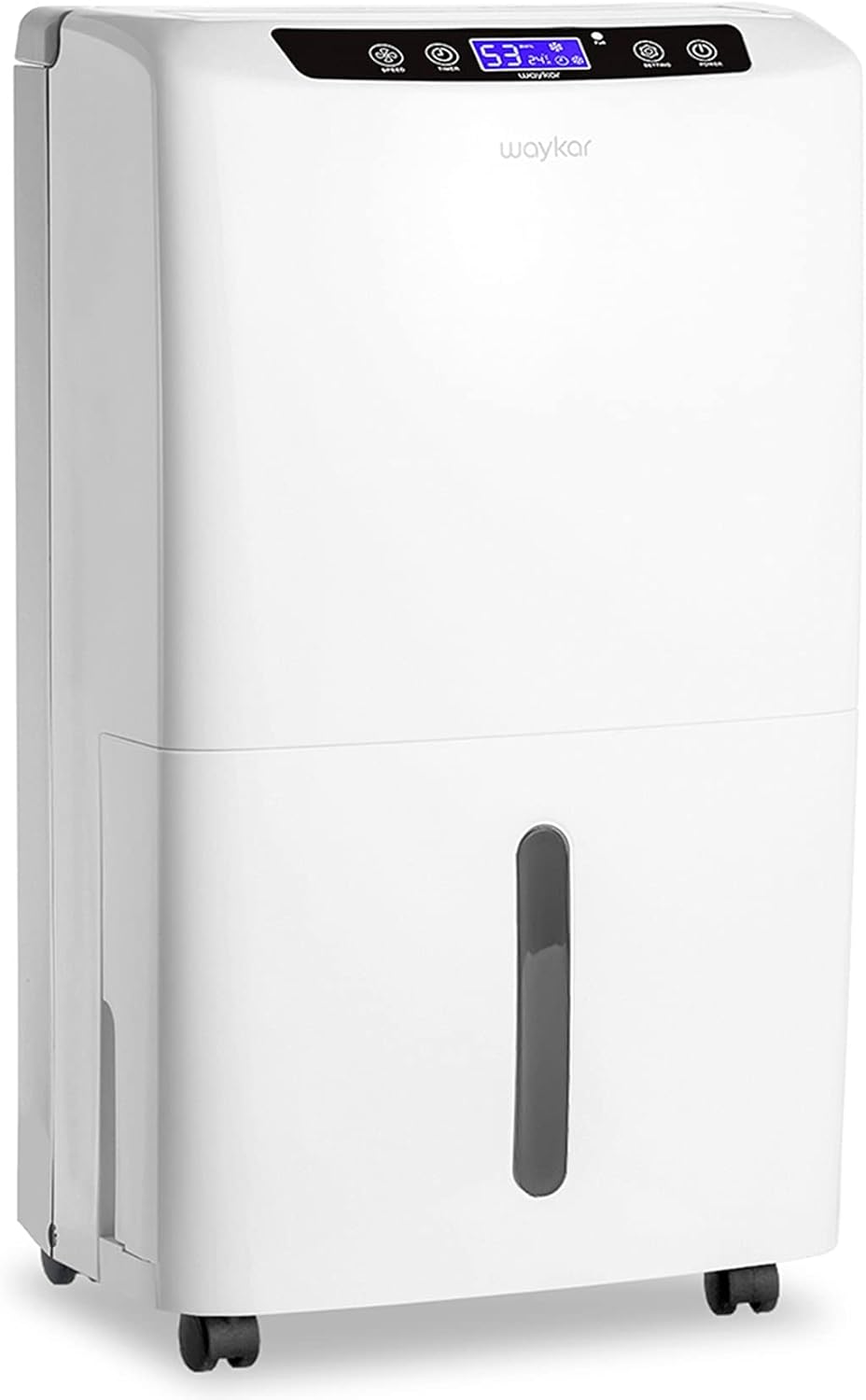
Different Types of Basement Dehumidifiers
Common Buying Mistakes to Avoid
❌ Mistake: Buying Based Solely on Price
Why it’s bad: The cheapest dehumidifier often lacks durability, efficiency, and essential features like auto-drain or defrost. Many budget models use inferior compressors that fail within a year or two, leading to higher long-term costs.
What to do instead: Treat this as a long-term investment. Spend a bit more upfront for a reputable brand with good reviews and a solid warranty. A $300 unit that lasts 7 years is far better value than a $150 one that dies in 18 months.
❌ Mistake: Ignoring Your Basement’s Actual Humidity Level
Why it’s bad: Guessing your humidity needs leads to underpowered or oversized units. Too small, and it can’t keep up; too large, and it short-cycles, wasting energy and reducing lifespan.
What to do instead: Use a hygrometer (often built into smart dehumidifiers or available for $10–$20) to measure your basement’s relative humidity. Aim for 30–50%. Then match the dehumidifier’s capacity to your space size and moisture level.
❌ Mistake: Overlooking Drainage Needs
Why it’s bad: Manual bucket emptying becomes a daily chore in humid climates. Overflowing tanks can cause water damage and mold growth.
What to do instead: If you can’t run a hose to a drain, choose a model with a built-in pump or large tank with auto-shutoff. Even if you plan to empty it yourself, a pump adds peace of mind during vacations or busy weeks.
❌ Mistake: Assuming All “Basement” Dehumidifiers Are Equal
Why it’s bad: Some units marketed for basements are just repackaged room dehumidifiers with minimal upgrades. They may lack cold-weather operation or robust construction.
What to do instead: Read specs carefully. Look for features like auto-defrost, reinforced coils, and high CFM (cubic feet per minute) airflow. Check Reddit and review sites for basement-specific feedback.
❌ Mistake: Neglecting Airflow and Placement
Why it’s bad: Blocking vents or placing the unit in a corner restricts airflow, reducing efficiency and causing overheating.
What to do instead: Leave at least 6–12 inches of clearance around all sides. Place the dehumidifier in the dampest area—often near walls, sump pumps, or exterior foundations. Avoid enclosing it in cabinets unless specifically designed for it.
❌ Mistake: Skipping Regular Maintenance
Why it’s bad: Dirty filters and clogged coils reduce performance and increase energy use. In extreme cases, they can cause compressor failure.
What to do instead: Clean the air filter monthly with mild soap and water. Wipe down coils and vents quarterly. Replace filters as recommended (usually annually). Set calendar reminders if needed.
❌ Mistake: Buying Without Checking Return Policies
Why it’s bad: If the unit doesn’t perform as expected, you’re stuck with a useless appliance—and possibly restocking fees.
What to do instead: Only buy from retailers with generous return windows (30+ days) and clear policies. Test the dehumidifier within the first week: measure humidity drop, check noise, and verify drainage works.
Budget Guidelines: How Much Should You Spend?
Why it’s bad: Manual bucket emptying becomes a daily chore in humid climates. Overflowing tanks can cause water damage and mold growth.
What to do instead: If you can’t run a hose to a drain, choose a model with a built-in pump or large tank with auto-shutoff. Even if you plan to empty it yourself, a pump adds peace of mind during vacations or busy weeks.
❌ Mistake: Assuming All “Basement” Dehumidifiers Are Equal
Why it’s bad: Some units marketed for basements are just repackaged room dehumidifiers with minimal upgrades. They may lack cold-weather operation or robust construction.
What to do instead: Read specs carefully. Look for features like auto-defrost, reinforced coils, and high CFM (cubic feet per minute) airflow. Check Reddit and review sites for basement-specific feedback.
❌ Mistake: Neglecting Airflow and Placement
Why it’s bad: Blocking vents or placing the unit in a corner restricts airflow, reducing efficiency and causing overheating.
What to do instead: Leave at least 6–12 inches of clearance around all sides. Place the dehumidifier in the dampest area—often near walls, sump pumps, or exterior foundations. Avoid enclosing it in cabinets unless specifically designed for it.
❌ Mistake: Skipping Regular Maintenance
Why it’s bad: Dirty filters and clogged coils reduce performance and increase energy use. In extreme cases, they can cause compressor failure.
What to do instead: Clean the air filter monthly with mild soap and water. Wipe down coils and vents quarterly. Replace filters as recommended (usually annually). Set calendar reminders if needed.
❌ Mistake: Buying Without Checking Return Policies
Why it’s bad: If the unit doesn’t perform as expected, you’re stuck with a useless appliance—and possibly restocking fees.
What to do instead: Only buy from retailers with generous return windows (30+ days) and clear policies. Test the dehumidifier within the first week: measure humidity drop, check noise, and verify drainage works.
Budget Guidelines: How Much Should You Spend?
Why it’s bad: Blocking vents or placing the unit in a corner restricts airflow, reducing efficiency and causing overheating.
What to do instead: Leave at least 6–12 inches of clearance around all sides. Place the dehumidifier in the dampest area—often near walls, sump pumps, or exterior foundations. Avoid enclosing it in cabinets unless specifically designed for it.
❌ Mistake: Skipping Regular Maintenance
Why it’s bad: Dirty filters and clogged coils reduce performance and increase energy use. In extreme cases, they can cause compressor failure.
What to do instead: Clean the air filter monthly with mild soap and water. Wipe down coils and vents quarterly. Replace filters as recommended (usually annually). Set calendar reminders if needed.
❌ Mistake: Buying Without Checking Return Policies
Why it’s bad: If the unit doesn’t perform as expected, you’re stuck with a useless appliance—and possibly restocking fees.
What to do instead: Only buy from retailers with generous return windows (30+ days) and clear policies. Test the dehumidifier within the first week: measure humidity drop, check noise, and verify drainage works.
Budget Guidelines: How Much Should You Spend?
Why it’s bad: If the unit doesn’t perform as expected, you’re stuck with a useless appliance—and possibly restocking fees.
What to do instead: Only buy from retailers with generous return windows (30+ days) and clear policies. Test the dehumidifier within the first week: measure humidity drop, check noise, and verify drainage works.
Budget Guidelines: How Much Should You Spend?
Entry-Level ($100–$200): These are typically 30–50 pint units from lesser-known brands or older models. They may lack ENERGY STAR ratings, have small tanks, and noisy operation. Suitable only for very small, mildly damp basements or seasonal use. Expect shorter lifespans (2–3 years) and higher operating costs. Reddit users generally advise against these unless you’re on an extremely tight budget.
Mid-Range ($200–$350): This is the sweet spot for most homeowners. You’ll find reliable 50–70 pint models from trusted brands like hOmeLabs, Tosot, and Vremi. Features often include auto-humidistats, continuous drainage, washable filters, and decent warranties. Energy efficiency is usually good, and noise levels are manageable. Many Reddit-recommended units fall in this range—offering the best balance of performance, durability, and value.
Premium ($350–$500): Ideal for large, wet basements or those in high-humidity regions. These models boast advanced features like built-in pumps, Wi-Fi connectivity, dual-speed fans, and commercial-grade components. Brands like Frigidaire, GE, and AprilAire dominate here. Expect quieter operation, longer warranties (up to 5 years), and superior build quality. If your basement has persistent moisture issues or you plan to finish the space, this tier is worth the investment.
Luxury ($500+): Reserved for whole-house systems or industrial applications. These integrate with HVAC systems, offer precise humidity control across multiple zones, and include professional installation. While overkill for most residential basements, they’re ideal for expansive homes, wine cellars, or historic properties where humidity control is critical. Not typically discussed on Reddit due to niche use, but valuable for specific scenarios.
Expert Tips for Getting the Best Deal
– Buy in Spring or Early Summer: Demand peaks during humid months, but retailers often discount older models in March–April to clear inventory. You can snag last year’s top performer for 20–30% off.
– Check Warehouse Clubs and Outlet Stores: Costco, Sam’s Club, and Home Depot’s online outlet frequently offer refurbished or overstock dehumidifiers at significant discounts—often with full warranties.
– Use Price Tracking Tools: Set alerts on CamelCamelCamel (for Amazon) or Honey (for other retailers) to monitor price drops. Many models cycle through promotions every 4–6 weeks.
– Look for Bundle Deals: Some retailers include free hygrometers, extension hoses, or filter replacements with purchase—adding $30–$50 in value.
– Read the Fine Print on Warranties: Some brands require product registration within 10–30 days to activate coverage. Missing this window voids your warranty.
– Test Before Committing: Run the dehumidifier for 48 hours and measure humidity changes. If it can’t maintain 45% RH in your basement, consider a higher-capacity model.
– Consider Energy Rebates: Some utility companies offer rebates for ENERGY STAR appliances. Check your provider’s website—you might save $25–$50 instantly.
– Avoid “As Seen on TV” Brands: Flashy infomercial products often overpromise and underdeliver. Stick to brands with proven track records and third-party reviews.

Frequently Asked Questions
Q: How do I know if my basement needs a dehumidifier?
A: Signs include musty odors, condensation on walls or windows, peeling paint, rust on metal fixtures, or visible mold. Use a hygrometer to confirm—if humidity consistently exceeds 60%, a dehumidifier is essential.
Q: Can I use a regular room dehumidifier in my basement?
A: Technically yes, but it’s not ideal. Room units often lack cold-weather operation, robust drainage, and the capacity needed for basements. Invest in a model specifically designed for basement conditions.
Q: How often should I run my dehumidifier?
A: Ideally, run it continuously until your target humidity (30–50%) is reached, then let the auto-humidistat maintain it. In very humid climates, it may run 12–24 hours daily.
Q: Will a dehumidifier lower my heating bills?
A: Indirectly, yes. Dry air feels warmer, so you may be able to lower your thermostat slightly. However, dehumidifiers consume electricity, so the net savings are usually modest.
Q: Can I install a dehumidifier myself?
A: Absolutely. Most units are plug-and-play. For drainage, you may need basic plumbing skills to run a hose to a drain, but pumps simplify this. Always follow the manual and local codes.
Q: What’s the ideal humidity level for a basement?
A: Between 30% and 50%. Below 30%, you risk dry air and static; above 50%, mold and dust mites thrive.
Q: Do dehumidifiers help with radon?
A: No. While they reduce moisture, they do not mitigate radon gas. For radon, you need specialized ventilation systems.
Q: How long do basement dehumidifiers last?
A: With proper maintenance, quality units last 5–10 years. Cheaper models may fail in 2–3 years.
Q: Can I leave my dehumidifier running when I’m away?
A: Yes—if it has auto-shutoff and reliable drainage. A built-in pump or gravity drain is safest for extended absences.
Q: Are there eco-friendly dehumidifiers?
A: ENERGY STAR models are the greenest choice. Avoid units with R-22 refrigerant (being phased out); look for R-410A or R-32 instead.
Our Final Recommendations
Best for Budget-Conscious Buyers: Tosot 50 Pint Dehumidifier – At around $220, it offers excellent performance, a large 2-gallon tank, and quiet operation. Highly rated on Reddit for reliability and value.
Best Overall Value: hOmeLabs 70 Pint Dehumidifier (HME020034N) – Priced near $330, it includes a built-in pump, ENERGY STAR rating, and smart features. A favorite among r/HomeImprovement users for its versatility and durability.
Best Premium Option: Frigidaire FFAD7033R1 70-Pint Dehumidifier – Around $380, this model boasts a 5-year compressor warranty, ultra-quiet operation, and robust construction. Ideal for large, wet basements.
Best for Beginners: Vremi 50 Pint Dehumidifier – Simple controls, lightweight design, and reliable performance make it perfect for first-time buyers. Priced under $250.
Best for Advanced Users: GE APER70LW 70-Pint Smart Dehumidifier – With Wi-Fi connectivity, app control, and precise humidity settings, it’s ideal for tech-savvy homeowners who want remote monitoring and automation.
Conclusion: Making the Right Choice
Choosing the best dehumidifier for your basement doesn’t have to be overwhelming—but it does require careful consideration of your space, climate, and lifestyle. From pint capacity and drainage options to energy efficiency and brand reputation, every factor plays a role in long-term satisfaction. The insights shared by Reddit communities remind us that real-world performance often matters more than marketing claims.
Remember: the goal isn’t just to remove moisture—it’s to create a healthier, safer, and more comfortable environment beneath your home. Whether you’re preventing mold, protecting stored items, or preparing to finish your basement, the right dehumidifier is a foundational investment.
Take the time to assess your needs, read user reviews, and prioritize features that align with your situation. Don’t rush into a purchase based on price alone. And once you’ve made your choice, commit to regular maintenance—it’s the key to maximizing lifespan and performance.
Your basement deserves better than dampness and decay. With the right dehumidifier, you can transform it from a problem area into a functional, dry, and inviting part of your home. Start today—your future self (and your walls) will thank you.