
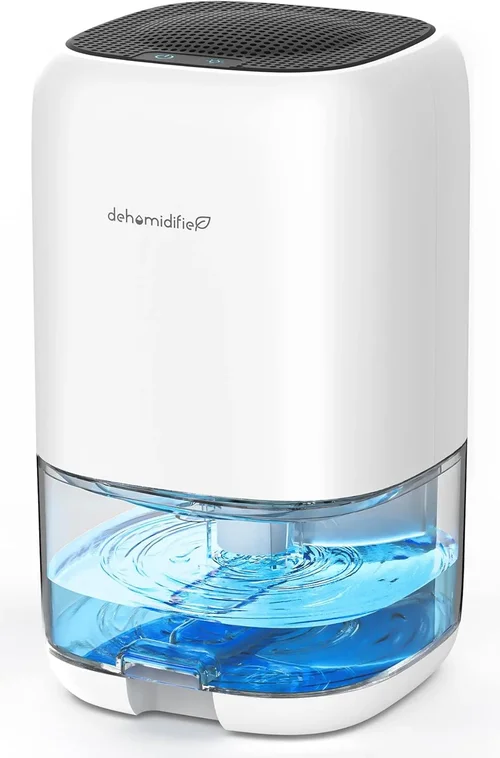
Dealing with excess moisture inside a camper isn’t just an inconvenience—it’s a serious threat to your health, comfort, and the long-term integrity of your recreational vehicle. Whether you’re a weekend warrior escaping to the mountains or a full-time RVer exploring coastlines and deserts, humidity can silently wreak havoc. Condensation builds up on windows, musty odors creep into your bedding, and mold begins to take root in hidden corners. Over time, this can damage cabinetry, electronics, insulation, and even structural components like wood framing and metal supports. That’s why investing in a reliable dehumidifier for your camper isn’t a luxury—it’s a necessity.
This comprehensive guide is designed to cut through the noise and help you make a smart, informed decision. We’ll walk you through every critical factor you need to consider, from performance specs and energy efficiency to size constraints and real-world usability. You’ll learn how to match the right dehumidifier to your specific camping style, whether you’re boondocking off-grid or hooked up at a full-service RV park. We’ll also compare different types of units, highlight common pitfalls to avoid, and share expert-backed tips to get the best value for your money. By the end, you’ll have everything you need to choose a dehumidifier that keeps your camper dry, comfortable, and protected—no matter where your adventures take you.
The market for camper-friendly dehumidifiers has grown significantly in recent years, driven by increased awareness of indoor air quality and the rise of remote work and full-time RV living. Today’s options range from compact, battery-powered units ideal for small trailers to high-capacity refrigerant models capable of handling large fifth wheels. However, not all dehumidifiers are created equal—especially when it comes to the unique demands of RV life. Power consumption, noise levels, portability, and durability under varying temperatures all play a role. This guide will help you navigate that complexity with confidence, so you can focus less on shopping and more on enjoying your time on the road.

What to Look for When Buying a Camper Dehumidifier
1. Moisture Removal Capacity (Pints per Day)
The most fundamental spec to consider is how much moisture a dehumidifier can remove in a 24-hour period, measured in pints. This number tells you the unit’s raw dehumidifying power and should be matched to your camper’s size and typical humidity levels. For small travel trailers (under 20 feet), a unit rated for 15–25 pints per day is usually sufficient. Mid-sized RVs (20–30 feet) often benefit from 25–35 pint models, while larger fifth wheels or Class A motorhomes may require 35+ pint capacity—especially in humid climates like the Southeast U.S. or tropical destinations.
However, don’t automatically go for the highest number. Oversized units can cycle on and off too frequently, leading to inefficient operation and premature wear. Conversely, an undersized model will run constantly, struggle to keep up, and may overheat. A good rule of thumb: aim for a dehumidifier that can handle about 1 pint per 10–15 square feet of living space in moderate humidity. In high-humidity environments (like Florida summers or Pacific Northwest winters), lean toward the higher end of that range.
Also, note that manufacturers often test capacity under ideal lab conditions (80°F and 60% relative humidity). Real-world performance in a cooler or more humid camper may differ. Look for units with adjustable humidity settings (typically 30–60% RH) so you can fine-tune output based on conditions.
2. Power Consumption & Energy Efficiency
In an RV, every watt counts—especially if you’re boondocking or relying on solar power. Dehumidifiers are among the most energy-intensive appliances you can run, so understanding their power draw is crucial. Most residential-style refrigerant dehumidifiers consume between 200 and 750 watts, depending on size and efficiency. That’s enough to drain a 100Ah battery in just a few hours if running continuously off-grid.
Check the unit’s wattage or amperage rating (usually listed on the label or spec sheet). For example, a 30-pint dehumidifier drawing 400 watts uses about 3.3 amps at 120V. Multiply that by runtime to estimate daily energy use. Many modern units now feature Energy Star certification or inverter compressors that reduce power consumption by up to 30% compared to older models.
If you’re off-grid, consider desiccant dehumidifiers—they typically use less power (100–300 watts) and work well in cooler temperatures, though they remove less moisture overall. Some campers pair a small desiccant unit with improved ventilation (like roof vents with fans) to manage humidity without heavy electrical loads. Always calculate your total energy budget before choosing a model, and consider adding extra solar panels or a generator if needed.
3. Size, Weight & Portability
Space is at a premium in any camper, so a bulky, heavy dehumidifier can quickly become a nuisance. Measure your available storage—under a dinette, in a closet, or on a countertop—and compare it to the unit’s dimensions. Most portable dehumidifiers for RVs range from 12″ x 8″ x 18″ (small desiccant models) to 15″ x 11″ x 24″ (larger refrigerant units). Weight typically falls between 10 and 30 pounds.
Look for features that enhance portability: built-in handles, cord wraps, and stackable designs make a big difference when stowing or moving the unit. Some models even come with optional caster wheels for easier rolling. Avoid units with protruding water tanks or awkward shapes that won’t fit neatly in tight spaces.
Also consider where you’ll place it during operation. It should sit on a stable, level surface away from curtains or bedding (to prevent vibration damage) and have at least 6 inches of clearance on all sides for proper airflow. If you plan to run it overnight, ensure it won’t block pathways or interfere with sleeping areas.
💡 Pro Tip:
4. Water Tank Capacity & Drainage Options
All dehumidifiers collect moisture in a built-in tank, but how often you need to empty it depends on tank size and humidity levels. Tanks typically hold between 0.5 and 1.5 gallons (roughly 4–12 pints). In high-humidity conditions, a small tank may need emptying multiple times per day—a hassle if you’re hiking or exploring.
Larger tanks (1+ gallons) reduce maintenance but add bulk. Some models offer continuous drainage via a hose connection, which is ideal for long-term use or high-moisture scenarios. Just ensure your camper has a nearby drain point or you can route the hose outside through a window or vent. Gravity-fed drains work best when the outlet is lower than the unit.
Auto-shutoff is a must-have feature: it stops the dehumidifier when the tank is full, preventing spills and water damage. Audible alarms or LED indicators add convenience. For off-grid users, consider units with pump-assisted drainage (like the Eva-Dry EDV-1100), which can push water uphill through a hose—useful if your drain point is above the unit.
5. Noise Level & Operational Quietness
Nobody wants a noisy appliance humming all night in their tiny home on wheels. Dehumidifier noise is measured in decibels (dB), with most portable units ranging from 45 dB (quiet library) to 60 dB (normal conversation). Desiccant models tend to be quieter (45–50 dB) because they lack compressors, while refrigerant units can hit 55–60 dB—especially during compressor cycles.
If you’re a light sleeper or plan to run the dehumidifier overnight, prioritize low-noise models. Look for units labeled “whisper-quiet” or with noise ratings under 52 dB. Some brands, like hOmeLabs and Ivation, design their RV-specific models with insulated cabinets and variable-speed fans to minimize sound.
Placement also affects perceived noise. Putting the unit on a soft surface (like a towel or rubber mat) can dampen vibrations. Avoid placing it directly against walls or cabinets, which can amplify sound. If noise remains an issue, consider running it only during the day and using passive moisture absorbers (like DampRid) at night.
6. Build Quality & Durability
Your dehumidifier will face bumps, temperature swings, and occasional spills—so it needs to be built to last. Look for sturdy housing made from high-impact plastic or metal, not flimsy composites. Sealed electronics and corrosion-resistant coils are essential, especially if you camp near saltwater or in humid coastal areas.
Check user reviews for reports of leaks, cracked tanks, or compressor failures after a few months. Reputable brands often use better components and rigorous testing. Avoid ultra-cheap models from unknown sellers—they may save you $20 upfront but cost more in replacements or repairs down the line.
Also consider how the unit handles temperature extremes. Most refrigerant dehumidifiers stop working below 41–45°F, which can be a problem in winter camping. Desiccant models work down to 32°F (or even below), making them better for cold-weather use. If you camp year-round in varied climates, choose a unit rated for your lowest expected temperatures.
7. Smart Features & Automation
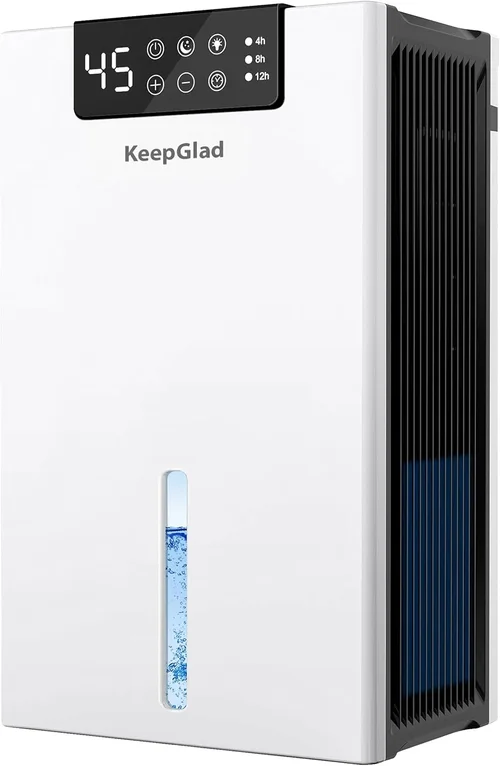
Modern dehumidifiers offer features that make life easier—especially when you’re away from your camper. Programmable timers let you set run times (e.g., 2 hours in the morning, 4 hours in the evening), reducing energy use and wear. Humidity sensors with digital displays allow precise control, so you can maintain 45–50% RH—the sweet spot for comfort and mold prevention.
Some high-end models include Wi-Fi connectivity, letting you monitor and adjust settings via smartphone apps. While not essential, this is useful for full-timers who want to check conditions remotely or receive alerts if the tank fills up. Auto-defrost is another valuable feature: it prevents ice buildup on coils in cold weather, ensuring consistent performance.
Other conveniences include washable air filters (to trap dust and allergens), child locks, and memory functions that restore settings after a power outage. While these won’t make or break your decision, they add polish and usability—particularly if you’re investing in a premium unit.
8. Brand Reputation & Customer Support
Not all dehumidifier brands are created equal. Stick with established names known for reliability and responsive customer service: Frigidaire, hOmeLabs, Ivation, Eva-Dry, and Pro Breeze are solid choices in the RV space. Read verified buyer reviews on Amazon, RV forums, and specialty retailers like Camping World.
Pay attention to how companies handle warranty claims and technical support. A 1–2 year warranty is standard; longer coverage (3+ years) signals confidence in the product. Check if replacement parts (like filters or tanks) are readily available. Avoid brands with no U.S. support or unclear return policies—you don’t want to be stuck with a broken unit in the middle of nowhere.
Also, look for brands that understand RV needs. Some manufacturers design units specifically for mobile use, with reinforced casings, low-power modes, and compact footprints. These are often worth the slight premium over generic home dehumidifiers.
Different Types of Camper Dehumidifiers

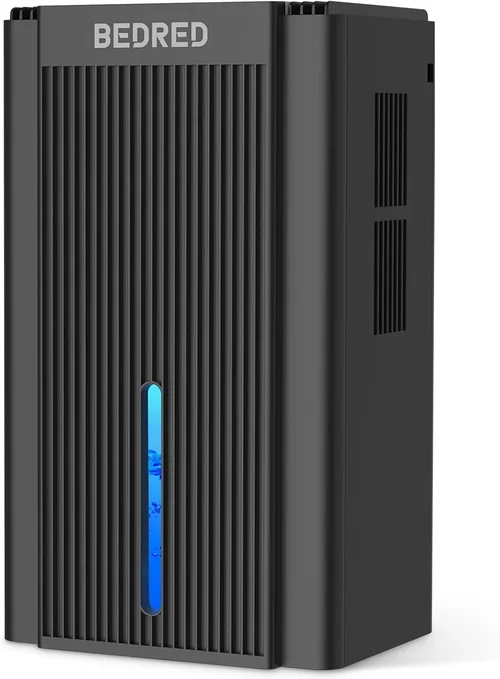
Each type serves a distinct purpose. Refrigerant models dominate for heavy-duty dehumidification but demand more power. Desiccant units shine in cold or off-grid scenarios but remove less moisture. Mini thermoelectric units are perfect for spot treatment (like under sinks or in wardrobes), while passive options like silica gel packs offer zero-energy solutions for storage or mild dampness. Whole-RV systems are overkill for most but ideal for high-end rigs with integrated HVAC.
Common Buying Mistakes to Avoid
❌ Mistake: Choosing Based Solely on Price
Why it’s bad: The cheapest dehumidifier often lacks durability, efficiency, or essential features like auto-shutoff. You may end up replacing it within a year—costing more long-term.
What to do instead: Focus on total cost of ownership. A $200 unit that lasts 5 years and uses minimal power is better value than a $80 model that fails in 6 months.
❌ Mistake: Ignoring Power Requirements
Why it’s bad: Running a 500-watt dehumidifier off a small inverter or limited solar setup can drain your batteries overnight, leaving you without power for lights or refrigeration.
What to do instead: Calculate your daily watt-hour budget and choose a unit that fits within it. Consider pairing with energy-saving habits (e.g., using vent fans, minimizing cooking indoors).
❌ Mistake: Overlooking Noise Levels
Why it’s bad: A loud dehumidifier can disrupt sleep, especially in small spaces where sound carries. Constant humming becomes irritating over time.
What to do instead: Check decibel ratings and read user reviews about noise. Test the unit in your camper before committing to long-term use.
❌ Mistake: Buying a Home Dehumidifier Without RV Considerations
Why it’s bad: Standard home units aren’t designed for vibration, uneven surfaces, or temperature swings common in RVs. They may leak, overheat, or fail prematurely.
What to do instead: Choose models marketed for RVs or portable use. Look for reinforced tanks, stable bases, and wide operating temperature ranges.
❌ Mistake: Neglecting Drainage Logistics
Why it’s bad: If you can’t easily empty the tank or route a drain hose, you’ll be stuck manually dumping water multiple times a day—defeating the purpose of automation.
What to do instead: Plan your drainage setup before buying. Ensure you have access to a sink, outdoor vent, or pump-compatible outlet.
❌ Mistake: Assuming Bigger Is Always Better
Why it’s bad: An oversized dehumidifier cycles frequently, wastes energy, and may not run long enough to effectively remove moisture from the air.
What to do instead: Match capacity to your camper size and typical humidity. Use the 1 pint per 10–15 sq ft guideline as a starting point.
❌ Mistake: Skipping the Warranty Check
Why it’s bad: Dehumidifiers have mechanical parts that can fail. Without warranty coverage, repairs or replacements become expensive out-of-pocket expenses.
What to do instead: Always verify warranty length and terms. Register your product promptly and keep receipts.
Budget Guidelines: How Much Should You Spend?
– Entry-Level ($50–$120): This tier includes mini thermoelectric units and basic desiccant models. They’re great for closets, small trailers, or occasional use but lack power for whole-RV dehumidification. Expect limited tank capacity, no smart features, and shorter lifespans. Ideal for weekend campers or as supplemental units.
– Mid-Range ($120–$250): The sweet spot for most RV owners. These units offer 20–35 pint capacity, decent energy efficiency, auto-shutoff, and quiet operation. Brands like Ivation and hOmeLabs dominate here with reliable, RV-friendly designs. You’ll get good performance without breaking the bank.
– Premium ($250–$400): For full-timers or those in high-humidity regions. These feature larger tanks, continuous drainage, Wi-Fi controls, and advanced filtration. Models like the Frigidaire FFAD7033R1 offer robust build quality and precise humidity management. Worth the investment if you rely on your camper daily.
– Luxury ($400+): Includes ducted whole-RV systems or commercial-grade portable units. These integrate with existing HVAC, offer app-based monitoring, and handle extreme conditions. Only necessary for large motorhomes or permanent off-grid setups.
Expert Tips for Getting the Best Deal
– Buy off-season: Dehumidifiers are cheapest in winter (December–February) when demand drops. Stock up before spring humidity hits.
– Check RV specialty retailers: Camping World, RV Parts Country, and Escapees often have exclusive deals or bundles.
– Look for refurbished units: Certified refurbished models from reputable sellers (like Amazon Renewed) can save 20–30% with full warranties.
– Bundle with other purchases: Some retailers offer discounts when you buy a dehumidifier with an air purifier or vent fan.
– Read return policies carefully: Ensure you can return the unit if it doesn’t fit or perform as expected—especially important for online purchases.
– Test before long trips: Run the dehumidifier for a week at home to check noise, fit, and effectiveness before relying on it in remote locations.
– Consider used options: Check Facebook Marketplace or RV forums for lightly used units. Many owners upgrade and sell barely-used models.
– Register for price alerts: Use tools like Honey or CamelCamelCamel to track price drops on your desired model.
Frequently Asked Questions
Q: Can I run a dehumidifier off my RV’s battery?
A: It depends on the unit’s power draw and your battery capacity. Most refrigerant dehumidifiers require 120V AC and draw too much power for standard 12V systems. You’ll need an inverter (300W minimum) and sufficient battery/solar support. Desiccant models are more battery-friendly but less powerful.
Q: Will a dehumidifier prevent mold in my camper?
A: Yes—if used correctly. Maintaining indoor humidity below 50% significantly reduces mold risk. Pair the dehumidifier with good ventilation (roof vents, windows) and regular cleaning for best results.
Q: How often should I run my dehumidifier?
A: In high-humidity areas, run it daily—especially after showers, cooking, or rainy weather. In dry climates, use it only when needed. Many campers run it 4–8 hours per day as a preventive measure.
Q: Can I leave my dehumidifier running when I’m away?
A: Only if it has auto-shutoff and a reliable drainage solution (like a hose to the outside). Never leave a unit with a full tank unattended—it could overflow and cause water damage.
Q: Do I need a dehumidifier if I have air conditioning?
A: Yes. While AC removes some moisture, it’s not designed for dehumidification. In humid climates, your AC may cool the air but leave it clammy. A dedicated dehumidifier provides better moisture control.
Q: Are desiccant dehumidifiers better for cold weather?
A: Absolutely. Unlike refrigerant units, desiccant models work efficiently down to 32°F (0°C) and don’t freeze up. They’re ideal for winter camping or snowbird destinations.
Q: How do I clean my dehumidifier?
A: Unplug the unit and wipe the exterior with a damp cloth. Remove and wash the air filter monthly with mild soap. Empty and rinse the water tank weekly to prevent mold and odors.
Q: Can I use a dehumidifier in a pop-up camper?
A: Yes, but choose a compact, low-wattage model. Pop-ups have less insulation and smaller volumes, so even a 15-pint unit may be overkill. Mini desiccant or thermoelectric models work well.
Q: What’s the ideal humidity level for an RV?
A: Aim for 40–50% relative humidity. This range prevents mold, reduces dust mites, and feels comfortable without over-drying the air.
Q: Do dehumidifiers use a lot of electricity?
A: Compared to LED lights, yes—but less than air conditioners or microwaves. A typical 30-pint unit uses about 1–2 kWh per day, costing roughly $0.15–$0.30 in electricity if plugged into shore power.
Our Final Recommendations
– Best for Budget-Conscious Buyers: Eva-Dry EDV-1100 – A compact desiccant dehumidifier under $100. Perfect for small campers, uses only 22 watts, and includes a pump for continuous drainage. Great for cold weather and off-grid use.
– Best Overall Value: Ivation IVADM35 – A 35-pint refrigerant model with auto-humidistat, continuous drain, and quiet operation (52 dB). Priced around $200, it balances power, efficiency, and reliability for most RVs.
– Best Premium Option: Frigidaire FFAD7033R1 – A 70-pint powerhouse with Wi-Fi control, washable filter, and Energy Star rating. Ideal for large motorhomes or full-time living in humid climates. Around $350.
– Best for Beginners: hOmeLabs 22-Pint – Simple controls, lightweight (19 lbs), and effective for small to mid-sized campers. Easy to set up and maintain, with a 1.8-gallon tank.
– Best for Advanced Users: Pro Breeze PB-20-PRO – Features dual drainage (pump + gravity), digital display, and ultra-quiet 45 dB operation. Designed specifically for RVs with reinforced construction and wide temp range.
Conclusion: Making the Right Choice
Choosing the best dehumidifier for your camper isn’t just about picking the most powerful or cheapest option—it’s about finding the right balance of performance, efficiency, and usability for your unique lifestyle. Whether you’re a seasonal camper seeking occasional moisture control or a full-time RVer battling year-round humidity, the right unit can transform your comfort and protect your investment.
Remember to prioritize your specific needs: size matters, but so do power constraints, noise tolerance, and ease of maintenance. Don’t overlook smaller factors like tank capacity or drainage flexibility—they make a big difference in daily use. And always buy from reputable brands with solid warranties and customer support.
Ultimately, a good dehumidifier is an investment in your health, your camper’s longevity, and your peace of mind on the road. Take the time to assess your situation, compare your options, and choose wisely. With the insights from this guide, you’re now equipped to make a confident, informed decision—so you can spend less time worrying about dampness and more time enjoying the open road.