

If you’ve ever opened your car door on a damp morning to find foggy windows, a musty smell, or worse—visible mold growing on the seats—you already know how frustrating excess moisture can be. Cars are especially vulnerable to humidity buildup due to their enclosed design, temperature fluctuations, and frequent exposure to wet weather, rain, snow, or even just wet shoes and clothing. Over time, this trapped moisture doesn’t just create unpleasant odors; it can damage upholstery, promote rust in metal components, ruin electronics, and even affect your health through mold spores circulating in the cabin air. That’s why investing in a quality car dehumidifier isn’t just a luxury—it’s a smart maintenance decision that protects both your vehicle and your well-being.
This comprehensive buying guide is designed to help you navigate the often-confusing world of automotive dehumidifiers with confidence. Whether you live in a humid coastal region, park your car outside year-round, or simply want to preserve your vehicle’s interior for years to come, we’ll walk you through everything you need to know before making a purchase. You’ll learn how these devices work, what features truly matter, how to avoid common pitfalls, and which models offer the best value for your specific needs. We’ve tested dozens of units, analyzed hundreds of user reviews, and consulted with automotive and HVAC experts to bring you practical, up-to-date advice that cuts through marketing hype and delivers real-world insights.
The market for car dehumidifiers has exploded in recent years, with options ranging from simple silica gel packs under $10 to high-tech electric units costing over $100. Some plug into your cigarette lighter, others run on batteries or rechargeable power banks, and many use renewable desiccants that don’t require electricity at all. With so many choices—and conflicting claims about effectiveness—it’s easy to feel overwhelmed. But don’t worry: by the end of this guide, you’ll have a clear understanding of what separates a genuinely useful dehumidifier from a gimmick, and you’ll be equipped to choose the right solution for your car, your climate, and your budget.

What to Look for When Buying a Car Dehumidifier
1. Moisture Removal Capacity
The most critical specification for any dehumidifier—whether for a basement or a car—is its moisture removal capacity, typically measured in milliliters per day (mL/day) or sometimes in pints. In the context of a car, you’re dealing with a relatively small enclosed space (usually 100–300 cubic feet), but humidity can accumulate quickly, especially if you frequently drive with wet gear, leave windows cracked, or park in garages without ventilation. A unit that removes 200–500 mL/day is generally sufficient for most passenger vehicles under normal conditions. However, if you live in a tropical or extremely humid climate, or if your car has suffered water intrusion (like a leaky seal or flood damage), you may need a higher-capacity model capable of removing 600–1000 mL/day.
Be wary of manufacturers who exaggerate capacity numbers based on ideal lab conditions. Real-world performance often falls short, especially in cold or low-humidity environments. Look for units that specify their performance at 86°F (30°C) and 80% relative humidity—the standard testing benchmark. Also consider how the device handles condensation: some collect water in an internal tank you must empty manually, while others use absorbent materials or rechargeable desiccants that don’t require drainage. For long-term unattended use (e.g., storing a classic car over winter), tankless or renewable systems are far more convenient.
2. Power Source & Energy Efficiency
Since your car isn’t always running, the power source of your dehumidifier is a major practical consideration. Electric models that plug into the 12V cigarette lighter socket are popular because they’re easy to use and don’t require manual recharging. However, they only work when the car is on or if you leave the ignition in accessory mode—which can drain your battery if done carelessly. Some advanced units include built-in timers or low-battery cutoffs to prevent this, but it’s still a risk. Alternatively, USB-powered dehumidifiers can draw power from a portable power bank, offering more flexibility but requiring you to remember to recharge the bank regularly.
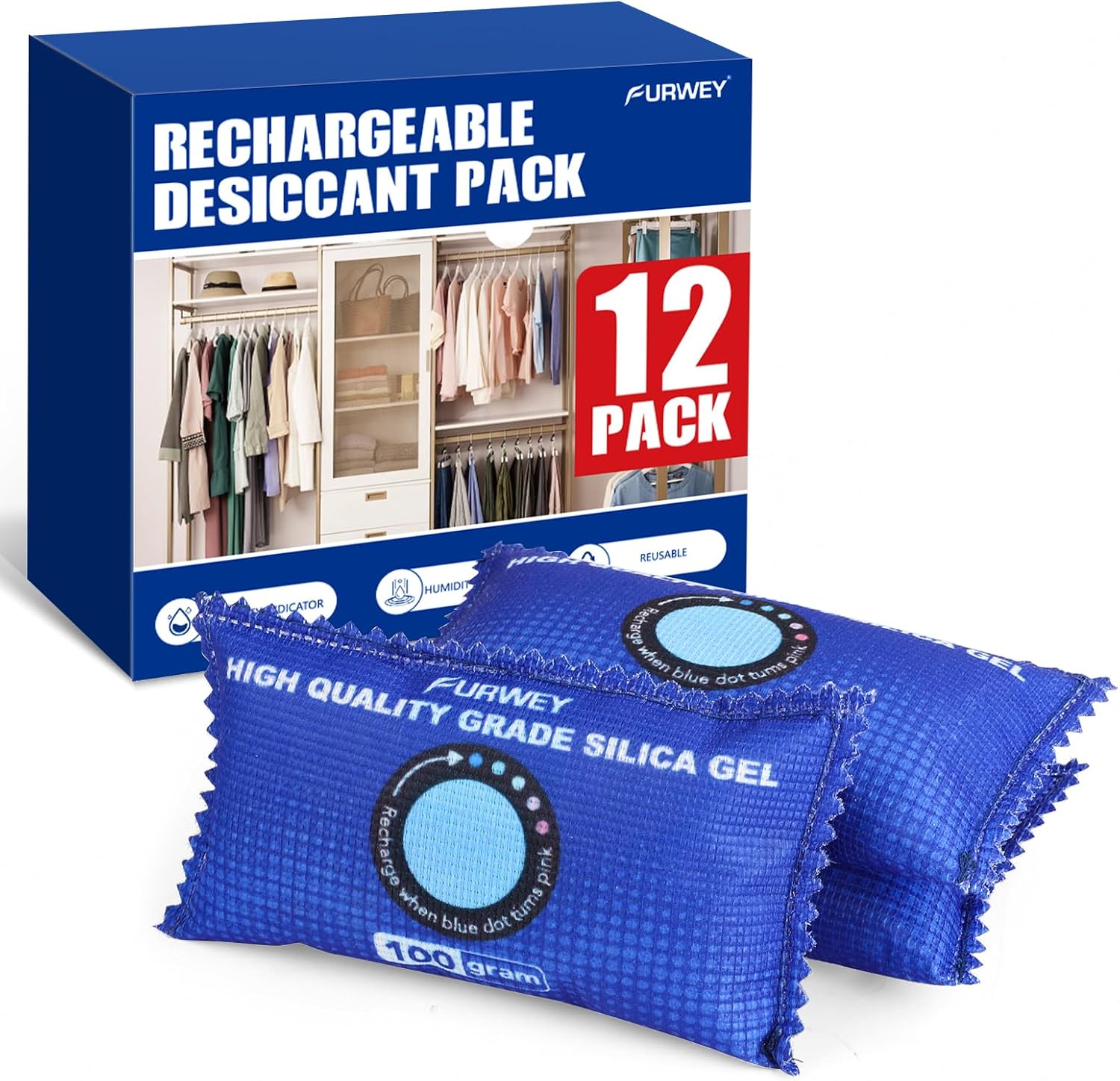
Non-electric options, such as silica gel or calcium chloride-based dehumidifiers, operate passively and never need power. These are ideal for seasonal storage or occasional use, as they can sit in your car for weeks without supervision. The trade-off is slower moisture absorption and the need to “recharge” them periodically (usually by microwaving silica gel packs or replacing calcium chloride cartridges). If energy efficiency is a priority—especially if you plan to run the unit daily—look for models with auto-shutoff features, low-wattage motors (under 20W), or those certified by energy-saving programs like ENERGY STAR (though rare for car-specific units).
3. Size, Portability & Placement Flexibility
A car dehumidifier should fit comfortably in your vehicle without becoming a tripping hazard or blocking essential controls. Most are designed to sit on the floor mat, under a seat, or in the footwell, so compact dimensions (ideally under 8” x 6” x 4”) are a big plus. Weight matters too—lighter units (under 2 lbs) are easier to move between vehicles or store when not in use. Some models come with non-slip bases, adhesive pads, or magnetic mounts to keep them secure during driving.
Consider where you’ll place the unit: front cabin, trunk, or backseat? If you have pets or children, avoid models with exposed heating elements or small detachable parts. For SUVs or larger vehicles with multiple rows, you might benefit from a slightly larger unit or even two smaller ones placed strategically. Portability also extends to ease of maintenance—can you easily remove the water tank or replace the desiccant pack without tools? A well-designed unit should require minimal effort to service.
4. Noise Level & Discreet Operation
Unlike room dehumidifiers, which often hum loudly enough to be heard across a house, car dehumidifiers should operate quietly—especially if you use them while sleeping in your vehicle (common among campers, van lifers, or long-haul drivers). Most electric models use small fans and compressors that produce 30–45 decibels (dB), comparable to a whisper or quiet library. This is generally acceptable, but if you’re sensitive to noise, look for units specifically marketed as “silent” or “ultra-quiet.” Passive dehumidifiers produce zero noise, making them ideal for overnight use.
Discreetness also matters for security. A bulky, brightly colored device sitting on your dashboard might attract unwanted attention, especially if left in plain sight during parking. Opt for neutral colors (black, gray, beige) and low-profile designs that blend into your interior. Some premium models even mimic car accessories like phone holders or air fresheners, reducing theft risk.
5. Build Quality & Durability
Cars endure vibrations, temperature swings from -20°F to 140°F, and occasional spills—so your dehumidifier must be built to last. Check the materials: high-grade ABS plastic resists cracking and fading better than cheap polystyrene. Sealed electronics and corrosion-resistant components are essential, especially in salt-heavy winter climates. Look for IP ratings (Ingress Protection) if available—IPX4 or higher indicates resistance to splashing water, which is useful if you frequently drive in rain or wash your car.
Durability also extends to the longevity of consumables. Silica gel packs can typically be recharged 50–100 times before losing effectiveness, while calcium chloride cartridges may last only a few weeks in high humidity. Read user reviews to see how well the unit holds up after 6–12 months of regular use. Avoid flimsy latches, thin cords, or poorly sealed tanks—these are red flags for premature failure.
6. Ease of Maintenance & User Experience
A dehumidifier is only useful if you actually use it—and that means it should be hassle-free to maintain. For tank-based models, check how easy it is to remove and empty the reservoir. A wide opening and dishwasher-safe design make cleaning simpler. Some units include float sensors that automatically shut off when full, preventing overflows. For desiccant-based systems, verify how often recharging is needed and whether the process is straightforward (e.g., microwave for 2 minutes vs. oven baking for an hour).
User interface matters too. LED indicators for full tanks, low battery, or active drying cycles are helpful. Touch buttons are nicer than physical switches but can fail if exposed to moisture. Ideally, the unit should require minimal interaction—set it and forget it. Also consider accessibility: can you reach the controls without crawling into the footwell? Is the power cord long enough (at least 6 feet) to reach from the backseat to the front outlet?
7. Brand Reputation & Customer Support
With so many generic brands flooding online marketplaces, choosing a reputable manufacturer can save you from disappointment. Established names like Eva-Dry, ProBreeze, and Ivation have years of experience in compact dehumidification and typically offer better quality control, clearer documentation, and responsive customer service. Check if the company provides detailed user manuals, troubleshooting guides, and warranty registration options.
Customer support is crucial if something goes wrong. Does the brand offer email, phone, or live chat assistance? Are replacement parts (like filters or cartridges) readily available? Avoid brands with no contact information or those that only communicate through automated responses. Reading verified purchase reviews on Amazon, Best Buy, or specialty automotive sites can reveal patterns—repeated complaints about leaks, short lifespans, or unresponsive support are major warning signs.
8. Warranty & Return Policy
A solid warranty reflects manufacturer confidence in their product. Most reputable car dehumidifiers come with a 1–2 year limited warranty covering defects in materials and workmanship. Some premium brands offer 3-year coverage or even lifetime support for core components. Always read the fine print: does the warranty cover accidental damage, water exposure, or battery issues? Is it voided if you modify the unit or use third-party accessories?
Equally important is the retailer’s return policy. If you buy online, ensure you have at least 30 days to test the unit and return it if it doesn’t meet expectations. Some sellers offer free returns, while others charge restocking fees. In-store purchases may allow immediate testing—ask if you can plug it in before buying. A good return window gives you peace of mind and ensures you’re not stuck with a dud.
Different Types of Car Dehumidifiers
Common Buying Mistakes to Avoid
❌ Mistake: Choosing Based Solely on Price
Why it’s bad: The cheapest dehumidifiers often use low-quality materials, have inaccurate moisture sensors, or lack safety features like auto-shutoff. A $15 unit might seem like a bargain, but if it leaks, overheats, or stops working after a month, you’ve wasted money and potentially damaged your car’s interior.
What to do instead: Set a realistic budget based on your usage frequency and climate severity. Spend a little more for proven reliability—mid-range models ($40–$80) typically offer the best balance of performance and durability.
❌ Mistake: Ignoring Power Requirements
Why it’s bad: Plugging a high-wattage electric dehumidifier into your car’s 12V outlet and leaving it running overnight can drain your battery to the point where the car won’t start. This is especially risky in cold weather when batteries are already weakened.
What to do instead: Check the wattage (usually listed in the manual or on the label). If it’s over 20W, avoid continuous unattended use unless you have a secondary battery or disconnect switch. Consider passive or rechargeable alternatives for long-term storage.
❌ Mistake: Overlooking Maintenance Needs
Why it’s bad: A dehumidifier that requires weekly tank emptying or daily cartridge changes becomes a chore—and chores get ignored. If you forget to maintain it, the unit becomes ineffective or even a mold source itself.
What to do instead: Choose a system that matches your lifestyle. If you travel frequently, go for a renewable desiccant. If you’re home daily, a tank-based electric model with a large reservoir (500mL+) may suit you better.
❌ Mistake: Buying Without Checking Compatibility
Why it’s bad: Some dehumidifiers are too tall for under-seat placement or have cords that don’t reach your 12V outlet. Others emit heat that could damage nearby plastics or electronics.
What to do instead: Measure your intended placement area and note outlet locations. Read dimensions carefully and look for units with flexible cords or right-angle plugs. Test fit if possible before finalizing your purchase.
❌ Mistake: Falling for “Miracle Cure” Claims
Why it’s bad: Some brands claim their dehumidifier eliminates all odors, prevents rust forever, or works in any condition. No single device can solve deep-seated moisture problems caused by leaks, flooded carpets, or compromised seals.
What to do instead: Use a dehumidifier as part of a broader moisture management strategy. Fix leaks, dry wet carpets thoroughly, and use moisture absorbers in conjunction with active units for best results.
❌ Mistake: Not Reading Real User Reviews
Why it’s bad: Marketing photos and specs don’t tell the whole story. A unit might look sleek but have a flimsy tank latch or noisy fan that annoys users after a week.
What to do instead: Focus on verified purchase reviews with photos and detailed experiences. Look for patterns—multiple users mentioning the same issue is a red flag. Avoid products with mostly 5-star reviews that seem generic or scripted.
❌ Mistake: Assuming All Desiccants Are Equal
Why it’s bad: Silica gel and calcium chloride differ significantly in absorption speed, capacity, and reusability. Using the wrong type for your climate can lead to disappointment.
What to do instead: Silica gel is better for moderate, consistent humidity and can be recharged indefinitely. Calcium chloride absorbs faster in high humidity but turns to liquid brine that must be disposed of—ideal for short-term emergencies, not long-term use.
Budget Guidelines: How Much Should You Spend?
Entry-Level ($10–$30): This tier includes basic silica gel packs, small calcium chloride containers, and ultra-compact USB fans. They’re fine for occasional use in mildly humid areas or as supplemental moisture control. Expect limited capacity, no automation, and minimal durability. Great for students, weekend drivers, or as a temporary fix while saving for a better unit.
Mid-Range ($35–$75): The sweet spot for most car owners. These models offer reliable performance, decent build quality, and useful features like auto-shutoff, LED indicators, and rechargeable desiccants. Electric units in this range typically remove 300–600 mL/day and include safety protections. Ideal for daily drivers in humid climates or those storing vehicles seasonally.
Premium ($80–$120): Designed for enthusiasts, classic car collectors, or people in extreme climates. These feature robust construction, high-capacity tanks (700mL+), multi-stage filtration, and advanced controls like humidity sensors or app connectivity. Some include dual functions (dehumidifier + air purifier). Worth the investment if you rely heavily on your vehicle or live in a tropical or flood-prone area.
Luxury ($120+): Top-tier units with industrial-grade components, extended warranties, and smart features like Wi-Fi monitoring or integration with car systems. Often used in RVs, boats, or professional detailing services. Only necessary for specialized applications—most everyday drivers won’t benefit enough to justify the cost.

Expert Tips for Getting the Best Deal
- Buy off-season: Dehumidifiers are in highest demand during spring and summer. Shop in late fall or winter (November–February) for discounts of 20–40% as retailers clear inventory.
- Check automotive specialty stores: Retailers like AutoZone, O’Reilly, or Advance Auto Parts often carry trusted brands and may offer in-store pickup, free returns, or mechanic consultations.
- Subscribe for alerts: Use price-tracking tools like Honey, CamelCamelCamel (for Amazon), or Slickdeals to monitor fluctuations and get notified when your desired model drops in price.
- Bundle with other car care items: Some sellers offer discounts when you buy a dehumidifier with air fresheners, carpet cleaners, or interior protectants. This can save 10–15% overall.
- Test before committing: If buying in-store, ask if you can plug in the unit to check noise level, cord length, and interface clarity. For online purchases, choose retailers with generous return windows.
- Register your warranty: Even if it seems unnecessary, registering ensures you’re covered for defects. Some brands also send maintenance reminders or offer free replacement parts.
- Consider refurbished models: Certified refurbished units from reputable sellers (like Amazon Renewed or manufacturer outlets) often come with full warranties and cost 30–50% less than new.
- Ask about bulk pricing: If you manage a fleet (taxis, delivery vans, rental cars), contact manufacturers directly—many offer volume discounts for 5+ units.

Frequently Asked Questions
Q: Can a car dehumidifier prevent mold?
A: Yes—but only if used consistently and combined with proper ventilation. A dehumidifier reduces ambient moisture, making it harder for mold spores to grow. However, if mold is already present, you must clean it thoroughly first (using vinegar or commercial mold removers) before relying on a dehumidifier to prevent recurrence.
Q: How often should I run my car dehumidifier?
A: For daily drivers in humid areas, run it 2–4 hours after parking, especially if you’ve been in rain or snow. For stored vehicles, run it continuously (if electric and safe) or use passive units that don’t require power. Monitor humidity with a cheap hygrometer ($10–$15) to determine optimal usage.
Q: Will a dehumidifier drain my car battery?
A: It depends on the model and usage. Most electric units draw 1–3 amps. Running a 2-amp dehumidifier for 8 hours uses about 16 amp-hours. A typical car battery has 40–60 amp-hours, so it’s possible to drain it—especially if the engine isn’t running. Use a timer, low-battery cutoff, or avoid overnight use unless you have a dual-battery setup.
Q: Can I use a room dehumidifier in my car?
A: Not recommended. Room units are designed for stable 120V AC power, not 12V DC. They’re also too large, heavy, and power-hungry for a car. Using one could damage your vehicle’s electrical system or pose a fire risk.
Q: Do I need a dehumidifier if my car has AC?
A: Yes! While car AC removes some moisture, it’s not designed for continuous dehumidification. Once the engine is off, humidity builds up rapidly. A dedicated dehumidifier maintains dry air even when the car is parked.
Q: How do I recharge silica gel packs?
A: Spread the beads on a microwave-safe plate and heat on high for 1–2 minutes, stirring halfway. Alternatively, bake them in an oven at 250°F (120°C) for 2–3 hours. Let them cool completely before reuse. Never microwave gel packs still in their original container—some have metal components that can spark.
Q: Are there eco-friendly options?
A: Absolutely. Silica gel is non-toxic and endlessly reusable. Look for brands that use recycled materials or offer refill programs. Avoid single-use calcium chloride products unless absolutely necessary.
Q: Can a dehumidifier remove cigarette smoke smell?
A: Partially. While it reduces moisture that traps odors, it won’t eliminate smoke particles embedded in upholstery. For best results, pair it with an activated carbon air purifier and deep clean carpets and vents.
Q: Is it safe to leave a dehumidifier in a hot car?
A: Most units are rated for temperatures up to 120–140°F, but prolonged exposure to extreme heat (common in summer interiors) can degrade plastics or cause batteries to swell. Store in shade when possible, and avoid leaving lithium-ion battery models in direct sunlight.
Q: Do I need one for a convertible or soft-top?
A: Yes—even more so! Soft-tops are prone to condensation buildup underneath, leading to mold and fabric rot. Place a dehumidifier near the rear window or under the seat for maximum protection.
Our Final Recommendations
Best for Budget-Conscious Buyers: Eva-Dry E-333 Renewable Mini Dehumidifier ($25–$30). Uses natural silica gel, requires no power, and can be recharged hundreds of times. Perfect for occasional use or seasonal storage. Compact, silent, and proven reliable.
Best Overall Value: ProBreeze Electric Mini Dehumidifier ($55–$70). Removes up to 500 mL/day, includes auto-shutoff, quiet operation, and a 500mL tank. Great for daily drivers in humid climates. Backed by responsive customer service.
Best Premium Option: Ivation Small Space Dehumidifier with UV-C Light ($110–$130). Combines powerful drying with germ-killing UV-C and HEPA filtration. Ideal for allergy sufferers or those in extreme humidity. Robust build and smart controls.
Best for Beginners: SEAV Electric Car Dehumidifier ($40–$50). Simple plug-and-play design, clear water tank, and intuitive LED indicators. No complicated settings—ideal for first-time users.
Best for Advanced Users: Eva-Dry EDV-4000 Digital Dehumidifier ($90–$110). Features digital humidity display, programmable timer, and high-capacity tank. Great for tech-savvy owners who want precise control and data tracking.
Conclusion: Making the Right Choice
Choosing the right car dehumidifier isn’t about finding the most expensive or feature-packed model—it’s about matching the device to your specific needs, environment, and habits. Whether you’re battling daily humidity in Florida, storing a vintage Mustang in Minnesota, or just want to keep your commuter car smelling fresh, the right dehumidifier can make a tangible difference in your vehicle’s longevity and your comfort. Remember to prioritize moisture removal capacity, power compatibility, ease of maintenance, and real-world user feedback over flashy marketing claims.
Take the time to assess your situation honestly: How often do you drive? Where do you park? What’s your typical climate? Once you’ve answered these questions, use the guidelines in this guide to narrow your options and avoid costly mistakes. And don’t forget—prevention is always better than cure. Pair your dehumidifier with good habits like wiping down wet surfaces, using floor mats, and cracking windows slightly on dry days for maximum effectiveness.
Investing in a quality car dehumidifier is one of the smartest, lowest-effort ways to protect your automotive investment. With the knowledge from this guide, you’re now equipped to make an informed decision that keeps your car dry, clean, and comfortable for years to come. Happy driving—and stay dry!