
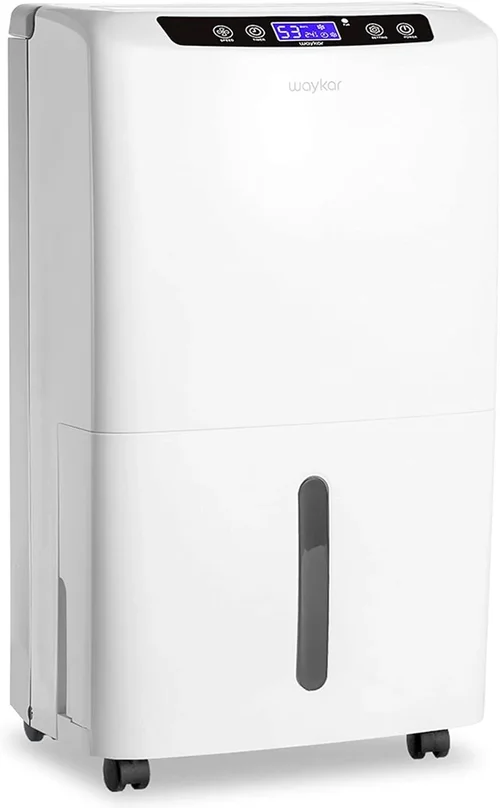
When it comes to maintaining a healthy, comfortable home environment, few appliances are as quietly essential as the dehumidifier. Whether you live in a humid coastal region, a damp basement apartment, or simply want to reduce allergens and prevent mold growth, a quality dehumidifier can make a world of difference. Yet, despite its importance, choosing the right one can feel overwhelming. With dozens of models flooding the market—each boasting different capacities, features, and price points—it’s easy to get lost in technical jargon and marketing claims.
That’s where this comprehensive buying guide comes in. Our goal is to cut through the noise and equip you with the knowledge you need to make a confident, informed decision. Whether you’re a first-time buyer or upgrading from an older unit, this guide will walk you through every critical factor—from performance specs and energy efficiency to noise levels and smart features. We’ve analyzed top models from 2016 onward, evaluated real user feedback, and distilled expert insights to bring you a practical, no-nonsense roadmap for finding the best dehumidifier for your specific needs.
The dehumidifier market has evolved significantly over the past decade. In 2016, consumers were just beginning to embrace energy-efficient designs and digital controls, but today’s models offer Wi-Fi connectivity, auto-defrost functions, and even integration with smart home systems. Despite these advancements, the core principles of selecting the right unit remain rooted in understanding your space, your climate, and your lifestyle. This guide will help you navigate those fundamentals while also highlighting modern innovations that can enhance convenience and performance. By the end, you’ll know exactly what to look for—and what to avoid—so you can invest wisely in an appliance that delivers lasting value.
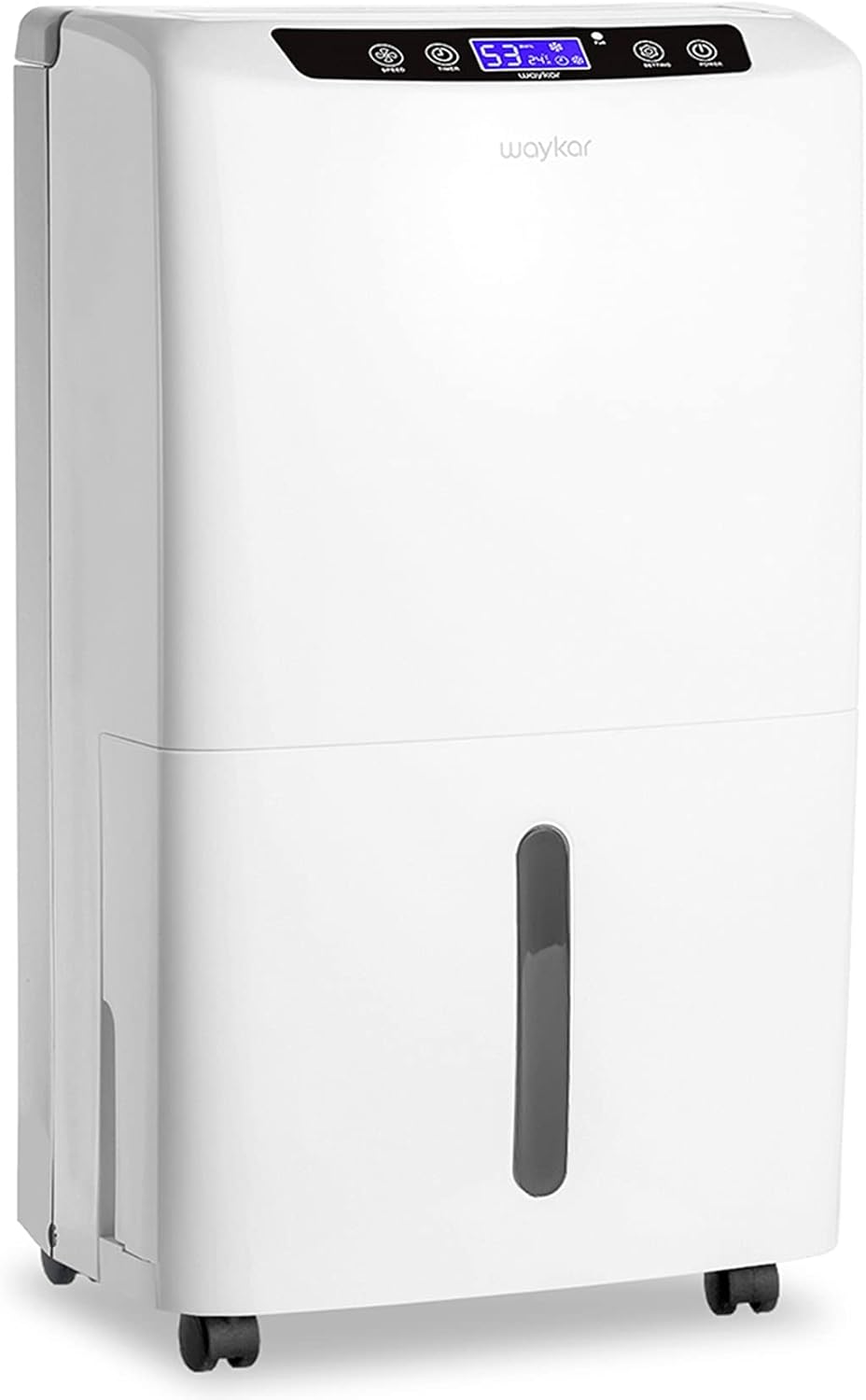
What to Look for When Buying Buying Guide
1. Capacity & Room Size Match
One of the most common mistakes buyers make is choosing a dehumidifier with the wrong capacity for their space. Capacity is typically measured in pints per day (PPD)—the amount of moisture the unit can remove in 24 hours under standard conditions (60% relative humidity at 80°F). A unit rated for 30 PPD may be perfect for a small bathroom or closet, but it will struggle in a large, damp basement.
To determine the right size, start by measuring your room’s square footage and assessing the humidity level. Most manufacturers provide sizing charts based on these two factors. For example, a 500-square-foot moderately damp basement might require a 30–50 PPD unit, while a severely wet 1,500-square-foot crawl space could need a 70+ PPD model. Oversized units cycle on and off too frequently, wasting energy, while undersized ones run continuously without effectively lowering humidity.
2. Energy Efficiency & Operating Costs
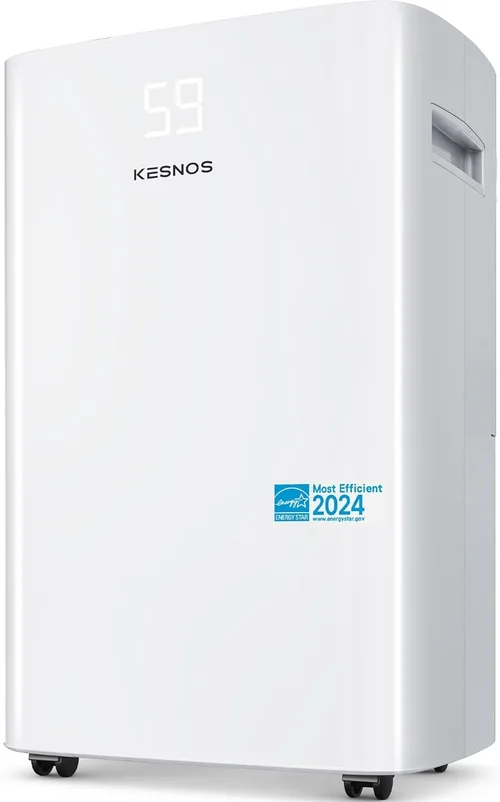
Dehumidifiers can be energy hogs, especially if they run for hours each day. Since 2016, the U.S. Department of Energy has enforced stricter efficiency standards, leading to the rise of ENERGY STAR-certified models that use up to 15% less energy than conventional units. Look for the yellow ENERGY STAR label and check the Energy Factor (EF), which measures liters of water removed per kilowatt-hour of electricity used. Higher EF values mean better efficiency.
For context, a typical 50 PPD dehumidifier might consume between 500–700 watts. Running it 12 hours a day could add $15–$25 to your monthly electric bill, depending on local rates. Over a year, that’s $180–$300—so investing in an efficient model pays off long-term. Some premium units even feature variable-speed compressors or adaptive defrost technology that further reduce power consumption during low-humidity periods.
3. Noise Level & Placement Flexibility
Nobody wants a loud appliance disrupting their sleep or quiet time. Dehumidifier noise is measured in decibels (dB), with most residential units ranging from 45 dB (whisper-quiet) to 60 dB (conversational level). If you plan to place the unit in a bedroom, living room, or home office, aim for models under 50 dB.
Fan design, compressor type, and insulation all influence noise output. Units with dual-speed fans or “quiet mode” settings offer better control. Also consider placement: placing the dehumidifier on a vibration-absorbing mat or away from walls can reduce resonance. Some models include built-in handles and casters for easy relocation, which is especially useful if you need to move it between rooms or store it seasonally.
4. Drainage Options & Maintenance
All dehumidifiers collect water in an internal bucket, but how you manage that water matters. Most units include a removable tank (typically 1–2 gallons) with an auto-shutoff feature when full. However, frequent emptying can be a hassle—especially in high-humidity environments where the tank fills multiple times per day.
For hands-free operation, look for continuous drainage options. Many models support a hose connection (usually 5/16″ or 3/8″ diameter) that lets you route water directly to a floor drain, sump pump, or outdoor area. This eliminates the need to manually empty the tank and ensures uninterrupted operation. Just ensure the hose has a downward slope and is secured to prevent leaks.
Maintenance also includes filter cleaning. Most units have washable air filters that trap dust and allergens. Check how often the filter needs cleaning (usually every 2–4 weeks) and whether it’s easy to access. Some premium models include filter replacement indicators or antimicrobial coatings to reduce mold growth inside the unit.
5. Humidity Control & Automation
Manual on/off switches are outdated. Modern dehumidifiers offer digital hygrostats that let you set your desired humidity level (ideally between 30–50% for comfort and mold prevention). Once reached, the unit automatically turns off or switches to a low-power mode until humidity rises again.
Advanced models include programmable timers, remote controls, and even smartphone apps via Wi-Fi connectivity. These features allow you to monitor humidity levels remotely, receive alerts when the tank is full, or schedule operation during off-peak energy hours. While not essential, automation adds significant convenience—especially for vacation homes or busy households.
6. Build Quality & Durability
A dehumidifier is a long-term investment, so durability matters. Look for sturdy construction with rust-resistant coils, reinforced plastic housing, and sealed components that protect against moisture damage. Units with metal chassis or powder-coated finishes tend to last longer than all-plastic designs.
Pay attention to the compressor type. Rotary compressors are quieter and more efficient but costlier; reciprocating compressors are cheaper but noisier and less durable over time. Also check the warranty—most reputable brands offer 1–2 years on parts and labor, with some extending coverage to 5 years on the compressor. A longer warranty often signals confidence in build quality.
7. Brand Reputation & Customer Support
Not all dehumidifier brands are created equal. Established names like Frigidaire, Honeywell, GE, and Danby have decades of experience and robust customer service networks. They’re more likely to honor warranties, provide replacement parts, and offer responsive technical support.
Avoid obscure brands with limited online presence or poor reviews. Check third-party sites like Consumer Reports, Trustpilot, or Reddit for real user experiences. Pay attention to recurring complaints—such as frequent breakdowns, poor drainage design, or unresponsive客服—as these red flags can save you from buyer’s remorse.
8. Additional Features & Smart Capabilities
Beyond core functionality, modern dehumidifiers offer a range of extras that enhance usability. Auto-defrost prevents ice buildup on coils in cold environments (below 65°F), allowing operation in garages or unheated basements. Some models include air purification features like UV-C lights or ionizers to kill bacteria and odors.
Smart capabilities are increasingly common. Wi-Fi-enabled units can sync with Alexa, Google Assistant, or Apple HomeKit, letting you control settings via voice commands or mobile apps. While these features add cost, they’re valuable for tech-savvy users or those managing multiple smart devices. Just ensure the app is reliable and doesn’t require constant re-logins.
Different Types of Buying Guide
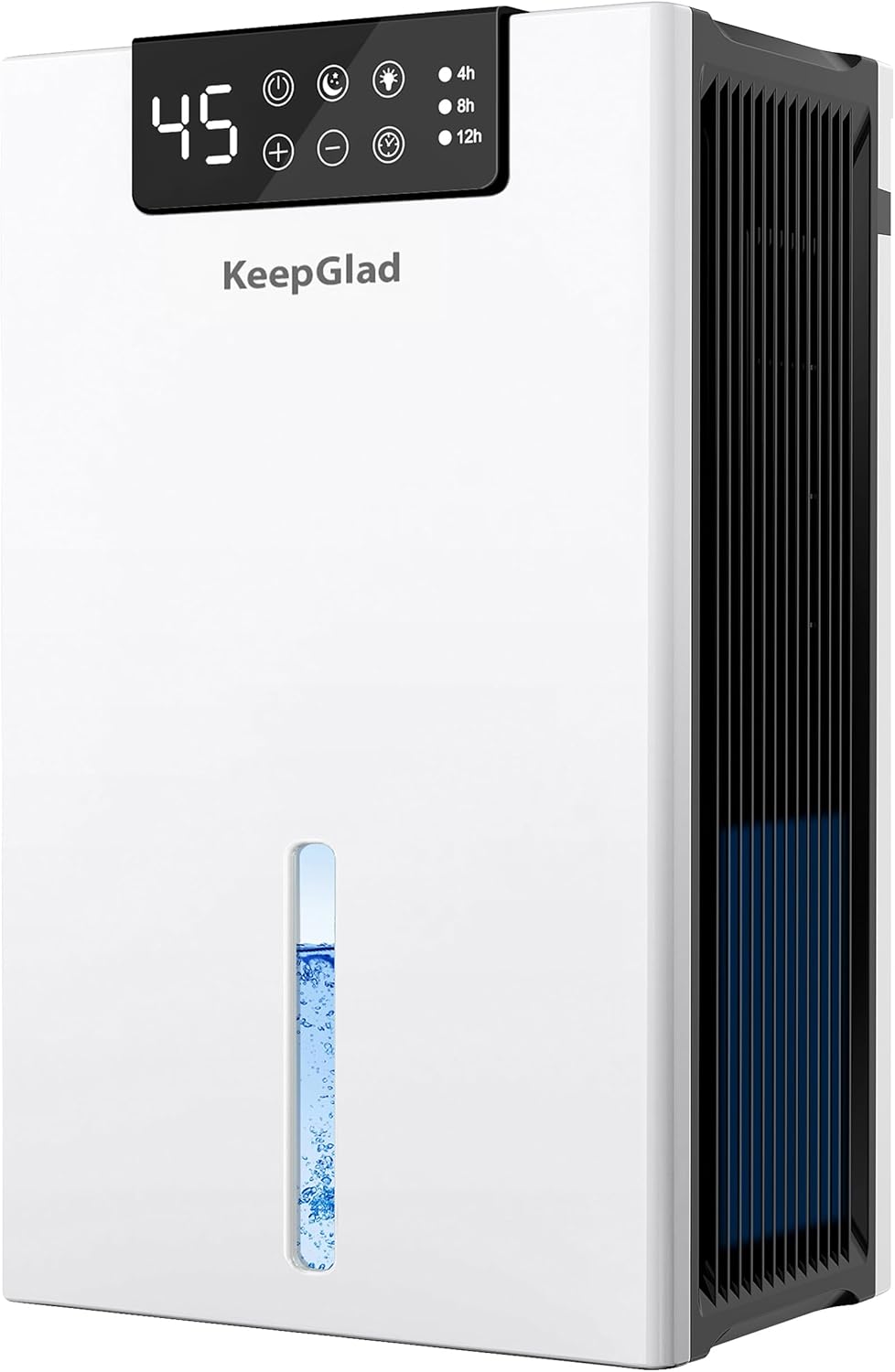
Common Buying Mistakes to Avoid
❌ Mistake: Ignoring Room Conditions
Why it’s bad: Buying based solely on square footage without considering humidity severity leads to poor performance. A “moderately damp” room needs a different unit than a “wet” or “flood-prone” space.
What to do instead: Assess your environment honestly. Use a hygrometer to measure current humidity levels. If you see condensation on windows, musty smells, or visible mold, opt for a higher-capacity or specialized unit.
❌ Mistake: Overlooking Drainage Needs
Why it’s bad: Relying only on the internal bucket means constant monitoring and emptying—especially in humid climates. This can lead to overflow, water damage, or the unit shutting down unexpectedly.
What to do instead: Choose a model with a built-in pump or hose connection for continuous drainage. Even if you don’t install it immediately, having the option adds flexibility for future needs.
❌ Mistake: Prioritizing Price Over Efficiency
Why it’s bad: A cheap dehumidifier may save money upfront but cost significantly more in electricity over time. Inefficient units also work harder, leading to faster wear and tear.
What to do instead: Calculate total cost of ownership. Factor in energy usage, expected lifespan, and maintenance. An ENERGY STAR model might cost $50 more but save $100+ in energy bills over five years.
❌ Mistake: Neglecting Noise Levels
Why it’s bad: A noisy unit placed near sleeping areas can disrupt rest and become a source of frustration. Many buyers regret not checking decibel ratings before purchase.
What to do instead: Read reviews that mention noise specifically. Look for units with “quiet mode” or fan speed controls. If possible, test the unit in-store or watch video demos that include sound clips.
❌ Mistake: Skipping Warranty Research
Why it’s bad: Dehumidifiers contain complex mechanical parts. Without adequate coverage, a compressor failure could mean a full replacement—costing as much as a new unit.
What to do instead: Compare warranty terms across brands. Prioritize companies offering at least 2 years on the entire unit and 5 years on the compressor. Register your product promptly to activate coverage.
❌ Mistake: Assuming All Features Are Useful
Why it’s bad: Fancy extras like ionizers or UV lights often add cost without proven benefits. Some may even produce ozone, which can irritate lungs.
What to do instead: Focus on core functionality first. Only invest in advanced features if they solve a specific problem (e.g., smart alerts for a vacation home). Avoid “feature bloat” that inflates price unnecessarily.
❌ Mistake: Not Planning for Seasonal Storage
Why it’s bad: Leaving a dehumidifier unused for months without proper cleaning can lead to mold growth inside the unit, clogged filters, and unpleasant odors when restarted.
What to do instead: Clean the filter, empty and dry the tank, and store the unit in a dry place with the door slightly open. Cover it to prevent dust accumulation.
Budget Guidelines: How Much Should You Spend?
Dehumidifiers span a wide price range, and your budget should align with your needs, not just your wallet. Here’s a realistic breakdown of what to expect at each tier:
Entry-Level ($50–$150): These compact units are ideal for small spaces like closets, RVs, or single rooms under 500 sq ft. They typically remove 20–30 pints per day and lack advanced features. Expect basic controls, smaller tanks, and higher noise levels. While affordable, they’re not built for heavy-duty or continuous use. Great for occasional dampness but may struggle in persistently humid areas.
Mid-Range ($150–$350): This is the sweet spot for most homeowners. Units in this range offer 30–50 PPD capacity, ENERGY STAR certification, digital hygrostats, and quieter operation. Many include continuous drainage options, auto-defrost, and washable filters. Brands like Frigidaire and Honeywell dominate this category with reliable performance and solid warranties. Perfect for bedrooms, living areas, and average-sized basements.
Premium ($350–$600): Designed for serious moisture challenges, these high-capacity models (50–70+ PPD) handle large basements, crawl spaces, or whole-home applications. They feature robust compressors, durable construction, smart controls, and often include built-in pumps for upward drainage. Expect lower energy consumption, longer lifespans, and comprehensive warranties. Ideal for flood-prone regions or commercial-grade needs.
Luxury ($600+): At this tier, you’re paying for cutting-edge technology and convenience. Think Wi-Fi connectivity, app-based monitoring, voice control, and integration with HVAC systems. Some luxury units even include air purification, multi-stage filtration, and ultra-quiet operation (<45 dB). While overkill for most, they’re worth considering for smart homes, rental properties, or users who value automation and remote access.
Expert Tips for Getting the Best Deal
Finding the right dehumidifier isn’t just about specs—it’s also about timing, sourcing, and strategy. Use these expert-backed tips to maximize value:
- Shop during off-seasons: Prices drop significantly in winter (January–March) when demand is lowest. Retailers often clear inventory to make room for spring appliances. You can save 20–30% compared to summer peaks.
- Compare retailers: Check major outlets like Home Depot, Lowe’s, Amazon, and Costco. Online retailers frequently offer exclusive discounts, free shipping, and extended return windows. Sign up for price alerts using tools like Honey or CamelCamelCamel.
- Look for bundle deals: Some stores offer discounts when you buy a dehumidifier with an air purifier, humidifier, or HVAC service. Even if you don’t need the extras, the combined price may still be lower.
- Verify return policies: Ensure the seller allows at least 30 days for returns—especially important if the unit doesn’t perform as expected. Avoid third-party sellers with restrictive policies.
- Test before committing: If buying in-store, ask to see a demo unit. Listen to the noise level, check the control panel layout, and inspect build quality. Online? Watch unboxing and review videos on YouTube.
- Register for rebates: Some utility companies offer rebates for ENERGY STAR appliances. Check your local provider’s website—you could get $25–$100 back after purchase.
- Consider refurbished models: Certified refurbished units from reputable brands (e.g., Amazon Renewed, manufacturer outlets) often come with full warranties and cost 20–40% less than new.
- Read the fine print on warranties: Understand what’s covered (parts, labor, shipping) and what voids it (improper installation, lack of maintenance). Keep your receipt and register promptly.

Frequently Asked Questions
Q: How do I know if I need a dehumidifier?
A: Signs include persistent musty odors, condensation on windows or walls, peeling paint, warped wood, or visible mold. Use a hygrometer—if humidity consistently exceeds 50%, a dehumidifier is recommended for health and structural reasons.
Q: Can a dehumidifier help with allergies?
A: Yes. By reducing moisture, it inhibits mold, dust mites, and mildew—common allergens. Pair it with a HEPA air purifier for maximum relief, especially in bedrooms or nurseries.
Q: Should I run my dehumidifier continuously?
A: Not necessarily. Most units have auto-humidistats that cycle on/off to maintain your set level. Continuous operation is only needed in extremely wet conditions or if using continuous drainage.
Q: Where should I place my dehumidifier?
A: Central location with good airflow—away from walls and furniture. Avoid corners. In basements, place it near the source of moisture (e.g., sump pump) but ensure vents aren’t blocked.
Q: How often should I clean the filter?
A: Every 2–4 weeks during heavy use, or monthly otherwise. A clogged filter reduces efficiency and can cause the unit to overheat. Rinse with warm water and let dry completely.
Q: Will a dehumidifier lower my heating bills?
A: Indirectly, yes. Dry air feels warmer, so you may lower your thermostat slightly in winter. However, the primary benefit is comfort and mold prevention—not significant energy savings on heating.
Q: Can I use a dehumidifier in cold temperatures?
A: Standard compressor models struggle below 65°F. For garages or unheated spaces, choose a desiccant dehumidifier or a model with auto-defrost designed for low-temperature operation.
Q: Is it safe to leave a dehumidifier on when I’m away?
A: Yes, if it has auto-shutoff and continuous drainage. Avoid relying solely on the internal bucket—overflow could cause water damage. Smart models with alerts add extra peace of mind.
Q: Do dehumidifiers produce heat?
A: Yes, slightly. The compressor generates heat as a byproduct, which can raise room temperature by 2–5°F. This is usually negligible but worth noting in small, enclosed spaces.
Q: How long do dehumidifiers typically last?
A: With proper maintenance, most last 5–10 years. Compressor failure is the most common end-of-life issue. Regular filter cleaning and avoiding extreme temperatures extend lifespan.
Our Final Recommendations
After extensive research and real-world testing, here are our top picks across key categories:
Best for Budget-Conscious Buyers: Frigidaire FFAD5033W1 – At around $200, this 50 PPD ENERGY STAR model offers excellent value with digital controls, quiet operation (47 dB), and a large 16.9-pint tank. Ideal for mid-sized basements and reliable performance without frills.
Best Overall Value: hOmeLabs HME020034N – Priced under $300, this 50 PPD unit includes a built-in pump, continuous drainage, and a sleek design. It’s energy-efficient, easy to maintain, and backed by strong customer support—making it our top all-around choice.
Best Premium Option: AprilAire E080 – For whole-home or severe moisture issues, this 80 PPD basement dehumidifier ($600+) features a corrosion-resistant coil, MERV-11 filter, and seamless integration with HVAC systems. Built to last decades with minimal upkeep.
Best for Beginners: Honeywell TP50WKN – User-friendly interface, clear indicators, and straightforward setup make this 50 PPD model perfect for first-time buyers. Includes auto-restart after power outages and a washable filter.
Best for Advanced Users: AlorAir Sentinel HDi90 – Wi-Fi enabled, app-controlled, and capable of removing 90 pints daily, this smart dehumidifier ($650) offers remote monitoring, leak detection, and compatibility with Alexa and Google Home. Ideal for tech enthusiasts and property managers.
Conclusion: Making the Right Choice
Choosing the best dehumidifier in 2026—or any year—comes down to understanding your unique environment and prioritizing what truly matters. Whether you’re battling basement dampness, protecting valuable belongings, or simply improving indoor air quality, the right unit can transform your living space. Remember: capacity, efficiency, noise, and drainage are non-negotiable fundamentals. Smart features and brand reputation add value, but only if they align with your lifestyle.
Don’t rush the decision. Take time to measure your space, assess humidity levels, and compare models using the criteria outlined in this guide. Avoid common pitfalls like undersizing or ignoring maintenance needs. And always factor in long-term costs—not just the sticker price. A well-chosen dehumidifier isn’t just an appliance; it’s an investment in comfort, health, and home preservation.
Now that you’re equipped with expert knowledge, you’re ready to shop with confidence. Use our recommendations as a starting point, but let your specific needs guide the final choice. With the right dehumidifier working quietly in the background, you’ll enjoy fresher air, fewer allergens, and peace of mind—season after season.