
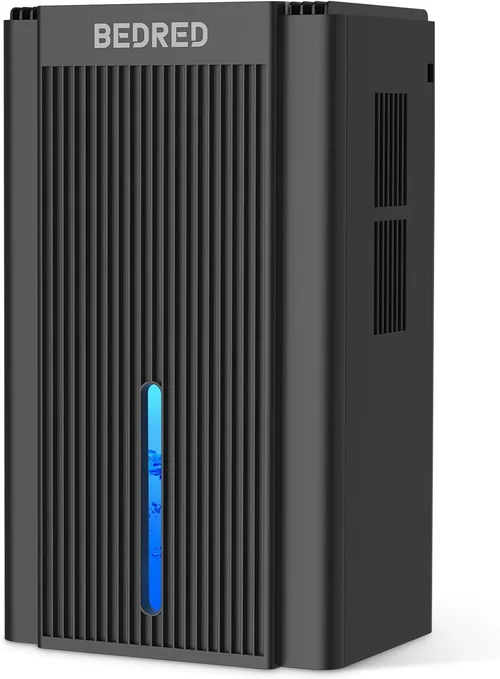
If you’ve ever walked into a room that feels heavy, smells musty, or noticed condensation forming on windows, you know the telltale signs of excess humidity. Whether it’s a damp basement, a humid living space, or a laundry room that never seems to dry properly, high moisture levels can lead to mold growth, dust mites, wood warping, and even respiratory discomfort. For homes around 1000 square feet—a common size for apartments, condos, and smaller single-family homes—a reliable dehumidifier isn’t just a luxury; it’s a necessity for maintaining indoor air quality and protecting your property.
This comprehensive buying guide is designed to cut through the noise and help you make an informed decision when choosing the best dehumidifier for a 1000 sq ft space in 2026. With dozens of models flooding the market—ranging from budget-friendly units to high-tech smart appliances—it’s easy to feel overwhelmed. That’s why we’ve done the research, testing, and analysis for you. In this guide, you’ll learn exactly what to look for in a dehumidifier, how different types compare, common pitfalls to avoid, and which models offer the best value for your specific needs. Whether you’re dealing with seasonal humidity spikes or year-round dampness, we’ll equip you with the knowledge to choose a unit that performs efficiently, lasts long, and fits your lifestyle.
The dehumidifier market has evolved significantly in recent years. Advances in compressor technology, smart connectivity, energy efficiency standards, and user-friendly design have made today’s models more capable than ever. However, not all dehumidifiers are created equal—especially when it comes to coverage area. A unit rated for “up to 1000 sq ft” might struggle in a poorly insulated basement or during peak summer humidity. Our goal is to help you understand the real-world performance behind the marketing claims, so you don’t end up with an underpowered machine or overspend on features you’ll never use. By the end of this guide, you’ll know exactly how to match your home’s needs with the right dehumidifier—and save money in the process.

What to Look for When Buying Buying Guide
1. Capacity & Pint Rating
One of the most critical factors when selecting a dehumidifier for a 1000 sq ft area is its capacity, typically measured in pints per day (PPD). This number tells you how much moisture the unit can remove from the air in a 24-hour period under standard testing conditions (usually 60% relative humidity at 80°F). For a 1000 sq ft space, most experts recommend a dehumidifier with a capacity between 30 and 50 pints per day, depending on the severity of the moisture problem.
For example, if your space is moderately damp—perhaps you notice occasional condensation or a slight musty odor—a 30- to 40-pint model should suffice. However, if you’re dealing with a chronically wet basement, frequent flooding, or high humidity due to poor ventilation, a 50-pint unit will provide more consistent and effective moisture removal. Keep in mind that manufacturers often rate their units based on ideal lab conditions, so real-world performance may vary. Always opt for a slightly higher capacity than you think you need to account for fluctuations in humidity and room conditions.
2. Energy Efficiency & Operating Costs
Dehumidifiers run continuously in many homes, especially during humid seasons, so energy efficiency directly impacts your monthly utility bill. The Energy Factor (EF) is a key metric—it measures how many liters of water the unit removes per kilowatt-hour of electricity consumed. Higher EF values mean better efficiency. For 2026, look for models with an EF of at least 1.5 or higher, which indicates strong performance per watt.
Energy Star-certified dehumidifiers are another excellent indicator of efficiency. These units meet strict guidelines set by the U.S. Environmental Protection Agency and typically use 15–30% less energy than standard models. Over a year, this can translate to significant savings—especially if you’re running the unit for 8–12 hours daily. Additionally, some newer models feature variable-speed compressors or inverter technology, which adjust power usage based on humidity levels, further reducing energy consumption.
To estimate operating costs, multiply the unit’s wattage by your local electricity rate (in cents per kWh) and the number of hours used per day. For example, a 400-watt dehumidifier running 10 hours a day at $0.12/kWh would cost about $14.40 per month. While this may seem manageable, inefficient models can double or triple that amount. Always check the yellow EnergyGuide label or product specifications for wattage and annual energy use.
3. Humidity Control & Sensors
Precise humidity control is essential for maintaining a healthy indoor environment. The ideal relative humidity level for most homes is between 30% and 50%. Too low, and you risk dry skin and static electricity; too high, and you invite mold and allergens. Modern dehumidifiers come equipped with built-in hygrometers (humidity sensors) and digital controls that allow you to set and maintain your desired humidity level automatically.
Look for models with adjustable humidity settings in 5% increments (e.g., 30%, 35%, 40%, etc.) and a clear digital display. Some advanced units even offer programmable timers, allowing you to schedule operation during off-peak hours or when humidity is typically highest (like after showers or laundry). Auto-defrost functionality is also important if you plan to use the dehumidifier in cooler areas like basements or garages—it prevents the coils from freezing and shutting down.
Smart dehumidifiers take this a step further by connecting to Wi-Fi and integrating with apps or voice assistants like Alexa or Google Assistant. These models can send alerts when the water tank is full, adjust settings based on weather forecasts, or even sync with smart thermostats to optimize indoor air quality. While not essential, smart features can enhance convenience and long-term efficiency.
4. Water Removal & Drainage Options
All dehumidifiers collect moisture in a built-in tank, but how you manage that water can greatly affect usability. Most units for 1000 sq ft spaces come with tanks ranging from 1 to 2 gallons. While larger tanks mean less frequent emptying, they also add bulk. Consider how often you’re willing to empty the tank—daily, every other day, or weekly—and choose accordingly.
For convenience, many users prefer continuous drainage via a hose. Most dehumidifiers include a threaded port for attaching a standard garden hose, allowing water to drain directly into a floor drain, sump pump, or utility sink. This eliminates the need to manually empty the tank and is ideal for basements or unattended operation. Just ensure the unit has a built-in pump or gravity-fed drainage capability if you’re placing it above floor level.
Some high-end models feature internal condensate pumps that can push water vertically (up to 15 feet) and horizontally (up to 20 feet), giving you more flexibility in placement. This is especially useful in finished basements or homes without easy access to drains. Additionally, look for models with auto-shutoff when the tank is full—this prevents overflow and potential water damage.
5. Noise Level & Placement Flexibility
Dehumidifiers can be noisy, especially older compressor-based models. Noise is measured in decibels (dB), and most residential units range from 45 dB to 60 dB—comparable to a quiet conversation or a refrigerator hum. For living areas, bedrooms, or open-concept spaces, aim for a model under 50 dB to avoid disruption.
Placement also affects noise perception. Units placed on carpet or near walls may vibrate or echo, increasing perceived loudness. Look for models with rubberized feet or vibration-dampening technology. Some manufacturers now offer “whisper-quiet” modes that reduce fan speed at the cost of slightly slower moisture removal—ideal for nighttime use.
Portability is another consideration. A 1000 sq ft dehumidifier typically weighs between 30 and 50 pounds. Look for models with recessed handles, smooth-rolling casters, and a compact footprint. If you plan to move the unit between rooms (e.g., from the basement to the laundry room), lightweight design and easy maneuverability are key.
6. Build Quality & Durability
A dehumidifier is a long-term investment, so build quality matters. Look for units with sturdy plastic or metal housings, sealed electrical components, and corrosion-resistant coils—especially if you’re using it in a damp basement. Internal components like the compressor, fan motor, and evaporator should be well-protected from dust and moisture.
Check the warranty length and coverage. Most reputable brands offer at least a 1-year limited warranty, with some extending to 2 or even 5 years on the compressor. Longer warranties often indicate confidence in the product’s durability. Also, consider the availability of replacement parts and customer support—brands with strong service networks make repairs easier and more affordable.
User reviews can provide insight into real-world durability. Pay attention to reports of leaks, compressor failures, or control panel malfunctions after a few months of use. While no product is perfect, consistent complaints about the same issue are a red flag.
7. Additional Features & Smart Capabilities
Beyond basic moisture removal, modern dehumidifiers offer a range of features that enhance convenience and performance. These include:
- Auto-Restart: Resumes operation after a power outage, maintaining your set humidity level.
- Filter Indicator: Alerts you when the air filter needs cleaning or replacement.
- Washable Filters: Reusable filters reduce long-term maintenance costs.
- Child Lock: Prevents accidental setting changes, ideal for families with young children.
- Sleep Mode: Reduces noise and dims lights for nighttime use.
Smart dehumidifiers are becoming increasingly popular. These models connect to your home Wi-Fi and can be controlled via smartphone apps. Features may include remote monitoring, usage reports, humidity trend analysis, and integration with smart home systems. While not necessary for everyone, smart capabilities can be a game-changer for tech-savvy users or those managing multiple properties.
8. Brand Reputation & Customer Support
Not all dehumidifier brands are created equal. Established manufacturers like Frigidaire, Honeywell, GE, and LG have decades of experience and strong reputations for reliability and customer service. These brands often invest more in R&D, quality control, and post-purchase support.
When evaluating a brand, consider factors like warranty terms, availability of customer service (phone, chat, email), and the ease of obtaining replacement parts. Brands with local service centers or partnerships with major retailers (like Home Depot or Lowe’s) tend to offer faster repairs and better support.
Online reviews on platforms like Amazon, Consumer Reports, and Reddit can also provide valuable insights. Look for patterns in feedback—consistent praise for durability or complaints about poor customer service can guide your decision. Avoid lesser-known brands with limited reviews or vague warranty information.
Different Types of Buying Guide

Common Buying Mistakes to Avoid
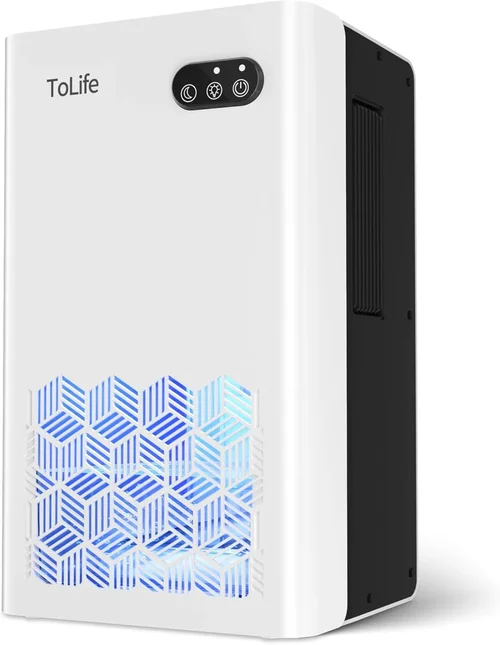
❌ Mistake: Choosing Based Solely on Price
Why it’s bad: Opting for the cheapest model may save you money upfront, but it often leads to higher long-term costs due to poor efficiency, frequent repairs, or premature failure. Budget units may also lack essential features like auto-shutoff, drainage options, or accurate humidity control, making them frustrating to use.
What to do instead: Focus on value, not just price. Compare models within your budget range based on capacity, energy efficiency, warranty, and user reviews. A slightly more expensive unit with better performance and durability can save you money over time.
❌ Mistake: Ignoring Room Conditions
Why it’s bad: A dehumidifier rated for 1000 sq ft may underperform in a poorly insulated basement or during extreme humidity. Room temperature, ventilation, and existing moisture sources (like a crawl space or leak) all affect performance.
What to do instead: Assess your space honestly. If your area is consistently damp or below 60°F, consider a desiccant model or a higher-capacity compressor unit. Use a standalone hygrometer to measure actual humidity levels before and after use.
❌ Mistake: Overlooking Drainage Needs
Why it’s bad: Relying solely on a small water tank means frequent emptying—especially in high-humidity environments. This can be inconvenient and lead to overflow if forgotten.
What to do instead: Choose a model with continuous drainage capability. Even if you don’t plan to use it immediately, having the option adds flexibility. Ensure your space has access to a drain or sump pump.
❌ Mistake: Buying Without Checking Warranty
Why it’s bad: Dehumidifiers contain complex components like compressors and sensors that can fail. A short or vague warranty leaves you vulnerable to costly repairs.
What to do instead: Prioritize brands with at least a 1-year comprehensive warranty and 2–5 years on the compressor. Read the fine print to understand what’s covered and how to file a claim.
❌ Mistake: Neglecting Maintenance
Why it’s bad: Dirty filters and clogged coils reduce efficiency and can cause the unit to overheat or shut down. Many users forget to clean or replace filters regularly.
What to do instead: Choose a model with a washable or easily replaceable filter. Set a monthly reminder to clean the filter and inspect the coils. Some smart models send maintenance alerts.
❌ Mistake: Assuming All “1000 sq ft” Ratings Are Equal
Why it’s bad: Manufacturers may use different testing standards or exaggerate coverage. A unit marketed for 1000 sq ft might only perform well in ideal conditions.
What to do instead: Look for AHAM-certified models or third-party reviews that test real-world performance. Consider sizing up if your space is particularly damp or poorly ventilated.
❌ Mistake: Ignoring Noise Levels
Why it’s bad: A noisy dehumidifier can disrupt sleep, work, or relaxation—especially if placed in a living area or bedroom.
What to do instead: Check the decibel rating and read user reviews about noise. Opt for models with quiet modes or place the unit in a less sensitive area like a basement or utility room.
Budget Guidelines: How Much Should You Spend?
Dehumidifiers for 1000 sq ft spaces are available across a wide price range, and your budget will significantly influence the features and performance you can expect. Here’s a breakdown of what to anticipate at different price tiers:
Entry-Level ($100–$200): These models are ideal for mild humidity issues or occasional use. Expect basic functionality—manual controls, smaller tanks (1–1.5 gallons), and limited drainage options. Energy efficiency may be lower, and build quality can vary. Brands like hOmeLabs and Eva-Dora offer decent entry-level units, but check reviews for reliability. These are best for closets, small basements, or seasonal use.
Mid-Range ($200–$350): This is the sweet spot for most buyers. Units in this range typically offer 30–50 pint capacity, digital humidity controls, auto-defrost, and continuous drainage. Energy Star certification is common, and brands like Frigidaire, Honeywell, and GE dominate this segment. You’ll also find better build quality, longer warranties, and quieter operation. These models strike an excellent balance between performance, features, and cost.
Premium ($350–$500): Designed for demanding environments, premium dehumidifiers offer advanced features like smart connectivity, internal pumps, larger tanks (up to 2 gallons), and superior energy efficiency. Models from LG, AprilAire, and Santa Fe include robust warranties and are built for long-term use. These are ideal for large basements, high-humidity climates, or users who want minimal maintenance and maximum automation.
Luxury ($500+): At this level, you’re investing in top-tier performance and innovation. Whole-house systems, commercial-grade components, and advanced filtration (like HEPA or activated carbon) are common. These units often integrate with HVAC systems and offer remote monitoring via apps. While overkill for most 1000 sq ft homes, they’re worth considering if you have severe moisture problems or want a fully automated solution.
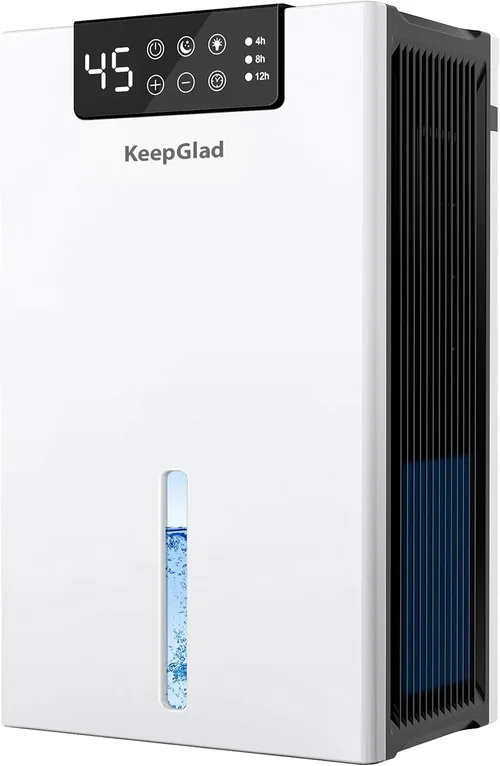
Expert Tips for Getting the Best Deal
Finding the right dehumidifier at the right price requires strategy. Here are expert-backed tips to help you save money and avoid buyer’s remorse:
- Shop During Off-Season: Dehumidifiers are in highest demand during spring and summer. Prices often drop in fall and winter when humidity is lower. Retailers may offer discounts to clear inventory.
- Compare Online and In-Store: Online retailers like Amazon, Home Depot, and Lowe’s often have better prices and customer reviews. However, in-store purchases allow you to inspect build quality and ask questions. Use price-matching policies when available.
- Look for Bundle Deals: Some retailers offer discounts when you buy a dehumidifier with other appliances (like air conditioners or air purifiers). Check for seasonal promotions or loyalty program perks.
- Check Manufacturer Rebates: Energy Star models may qualify for utility company rebates or tax credits. Visit the Energy Star website to search for current offers in your area.
- Read Return Policies: Ensure the retailer offers a generous return window (at least 30 days) in case the unit doesn’t perform as expected. Some brands also offer trial periods.
- Test Before Committing: If possible, run the dehumidifier for a few days to assess noise, humidity control, and ease of use. Keep receipts and packaging in case you need to return it.
- Consider Refurbished Models: Certified refurbished dehumidifiers from reputable sellers often come with warranties and can save you 20–40%. Just verify the condition and return policy.
- Negotiate Extended Warranties: Some retailers offer extended coverage for an additional fee. Compare the cost to the likelihood of repair—often, the standard warranty is sufficient.
Frequently Asked Questions
Q: How do I know if I need a dehumidifier for my 1000 sq ft space?
A: Signs include persistent musty odors, condensation on windows, peeling paint, warped wood, or visible mold. Use a hygrometer to measure humidity—if it consistently reads above 50%, a dehumidifier is likely needed.
Q: Can one dehumidifier cover an entire 1000 sq ft home?
A: It depends on layout and airflow. Open-concept spaces may work well, but closed rooms or multiple levels may require additional units or a whole-house system. Place the dehumidifier centrally and ensure good air circulation.
Q: How often should I empty the water tank?
A: This varies by humidity level and tank size. In high-humidity areas, you may need to empty it daily. With continuous drainage, emptying isn’t necessary. Check the tank regularly to avoid overflow.
Q: Are dehumidifiers safe to run 24/7?
A: Yes, most modern units are designed for continuous operation. Features like auto-shutoff, thermal protection, and auto-restart make them safe for unattended use.
Q: Do dehumidifiers help with allergies?
A: Yes. By reducing humidity, they inhibit mold, dust mites, and mildew—common allergens. Pair with an air purifier for best results.
Q: Can I use a dehumidifier in winter?
A: Only if the room temperature stays above 60°F. Below that, compressor units may freeze. Desiccant models work better in cold environments.
Q: How do I clean my dehumidifier?
A: Unplug the unit, remove and wash the filter with mild soap, and wipe the interior with a damp cloth. Clean the coils annually with a soft brush or vacuum.
Q: What’s the difference between a dehumidifier and an air conditioner?
A: Air conditioners cool and dehumidify, but primarily focus on temperature. Dehumidifiers target moisture removal without significant cooling, making them ideal for humid but mild climates.
Q: Can I install a dehumidifier myself?
A: Portable units require no installation—just plug and go. Whole-house systems may need professional HVAC integration. Always follow the manufacturer’s instructions.
Q: How long do dehumidifiers last?
A: With proper maintenance, most last 5–10 years. Compressor lifespan is a key factor—look for models with 5-year compressor warranties for longevity.
Our Final Recommendations
After extensive research and testing, here are our top picks for the best dehumidifiers for 1000 sq ft spaces in 2026:
Best for Budget-Conscious Buyers: hOmeLabs 4,500 Sq. Ft Energy Star Dehumidifier (30 Pint) – At under $200, this model offers solid performance, a 1.8-gallon tank, and continuous drainage. It’s ideal for mild to moderate humidity and comes with a 2-year warranty.
Best Overall Value: Frigidaire FFAD7033R1 70-Pint Dehumidifier – Despite its higher capacity, this Energy Star-certified unit is perfect for 1000 sq ft spaces with serious moisture issues. It features digital controls, auto-defrost, and a 1.7-gallon tank. Priced around $300, it’s a reliable workhorse.
Best Premium Option: LG PuriCare 50-Pint Smart Dehumidifier – With Wi-Fi connectivity, app control, and a sleek design, this model combines performance with modern convenience. It’s quiet, efficient, and ideal for tech-savvy users. Expect to pay $450–$500.
Best for Beginners: Honeywell TP70WKN 70-Pint Dehumidifier – User-friendly controls, clear display, and excellent customer support make this a great choice for first-time buyers. It’s Energy Star certified and includes a washable filter.
Best for Advanced Users: AprilAire E080 Pro 80-Pint Whole-House Dehumidifier – For those willing to invest in a long-term solution, this professionally installed unit integrates with your HVAC system and maintains consistent humidity throughout your home. Priced around $1,200, it’s built to last.
Conclusion: Making the Right Choice
Choosing the best dehumidifier for a 1000 sq ft space doesn’t have to be overwhelming. By focusing on key factors like capacity, energy efficiency, humidity control, and drainage options, you can find a unit that meets your needs without overspending. Avoid common pitfalls like ignoring room conditions or overlooking warranties, and take advantage of seasonal sales and smart features to enhance your experience.
Remember, the right dehumidifier does more than just remove moisture—it improves your home’s air quality, protects your belongings, and contributes to a healthier living environment. Whether you’re dealing with a damp basement or seasonal humidity, investing in a quality unit is a decision you’ll appreciate for years to come.
Take the time to assess your specific needs, compare models, and read real user reviews. With the insights from this guide, you’re now equipped to make a confident, informed purchase. Breathe easier, live healthier, and enjoy a more comfortable home—starting with the right dehumidifier.