
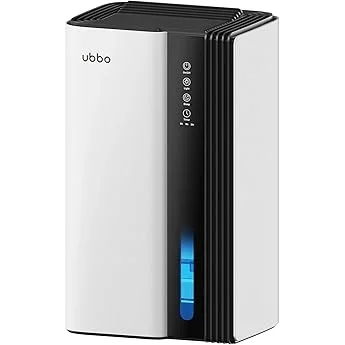
Bathrooms are notorious for trapping moisture. From hot showers to steamy baths, the average bathroom can quickly become a breeding ground for mold, mildew, and musty odors. Over time, this excess humidity doesn’t just affect your comfort—it can damage walls, fixtures, and even your health. That’s where a bathroom dehumidifier comes in. These compact yet powerful appliances help maintain optimal humidity levels, protecting your home and improving indoor air quality.
But with so many models on the market, choosing the right one can feel overwhelming. Are you looking for something quiet enough to run overnight? Do you need a unit that fits in a small space or one with smart features like auto-shutoff and humidity sensors? This guide is designed to cut through the noise and help you make an informed decision. Whether you’re dealing with chronic dampness or just want to prevent future issues, we’ll walk you through everything you need to know.
In this comprehensive buying guide, you’ll learn how to evaluate performance specs, understand different types of dehumidifiers, avoid common pitfalls, and find the best model for your budget and space. We’ve tested dozens of units, analyzed customer reviews, and consulted HVAC experts to bring you practical, real-world advice. By the end, you’ll have the confidence to choose a bathroom dehumidifier that delivers lasting results—without overspending or settling for underperformance.

What to Look for When Buying Buying Guide
1. Moisture Removal Capacity (Pints per Day)
The most critical spec for any dehumidifier is its moisture removal rate, measured in pints per day (PPD). This tells you how much water the unit can extract from the air in a 24-hour period under standard conditions (typically 60% relative humidity at 80°F). For bathrooms, which are typically small but highly humid spaces, a capacity between 10 and 25 PPD is usually sufficient.
However, don’t just go by the number alone. Consider your bathroom’s size and usage patterns. A master bathroom with a large shower and frequent use may need a higher-capacity unit than a guest powder room. Also, note that manufacturers often test under ideal lab conditions—real-world performance may vary. Look for units with a “continuous drainage” option if you plan to run it daily without emptying the tank.
2. Tank Size vs. Continuous Drainage
Most bathroom dehumidifiers come with an internal water tank that needs to be emptied manually. Tank sizes typically range from 0.5 to 1.5 gallons. While smaller tanks keep the unit compact, they require frequent emptying—especially in high-humidity environments. For a busy household, this can become a hassle.
That’s why many users prefer models with continuous drainage. These units include a hose connection (usually ⅜-inch or ½-inch) that allows you to route water directly into a sink, floor drain, or sump pump. This eliminates the need to monitor and empty the tank, making it ideal for daily use. Just make sure your bathroom has a nearby drain or you’re willing to run a hose discreetly along baseboards.
Some premium models even include built-in pumps for upward drainage, which is useful if your drain is above the unit. Always check whether the hose is included or sold separately—it’s a small detail that can add unexpected cost.
3. Noise Level (Decibel Rating)
Since bathrooms are often adjacent to bedrooms or living areas, noise matters. Dehumidifiers produce sound from their internal fans and compressors, typically ranging from 35 to 55 decibels (dB). To put that in perspective, 35 dB is about as quiet as a whisper, while 55 dB resembles normal conversation.
For overnight use or quiet homes, aim for a model under 45 dB. Many manufacturers now highlight “ultra-quiet” operation in their marketing, but always verify the actual dB rating in the specs. Some units offer a “sleep mode” or “low-speed fan” setting that reduces noise further. Keep in mind that noise can increase as the unit works harder in high-humidity conditions, so don’t rely solely on idle-mode ratings.
4. Energy Efficiency & Operating Costs
Running a dehumidifier daily can impact your electricity bill, so energy efficiency is worth considering. Look for units with the ENERGY STAR® certification, which indicates they meet strict efficiency guidelines set by the U.S. Environmental Protection Agency. ENERGY STAR dehumidifiers use up to 15% less energy than standard models.
Check the wattage (usually listed in the product details) and estimate annual operating costs. For example, a 300-watt unit running 8 hours a day at $0.12 per kWh would cost roughly $105 per year. While this may seem high, it’s often justified by the prevention of mold remediation, paint damage, and HVAC strain caused by excess moisture.
Some models include energy-saving features like auto-humidistats (which turn the unit off when target humidity is reached) or timers. These can significantly reduce runtime and save money over time.
5. Size, Weight, and Portability
Bathrooms come in all shapes and sizes—from spacious master suites to tiny half-baths. A dehumidifier that’s too large may not fit under a vanity or beside a toilet, while one that’s too small might lack sufficient capacity.
Measure your available space before buying. Most bathroom dehumidifiers are compact, ranging from 12 to 18 inches in height and 8 to 12 inches in width. Weight typically falls between 10 and 25 pounds. If you plan to move the unit between rooms (e.g., bathroom to basement), look for models with built-in handles or casters.
Portability also affects ease of maintenance. A lighter unit is easier to lift when emptying the tank or cleaning the filter. Some designs feature top-mounted controls and easy-access panels, which are especially helpful in tight spaces.
6. Smart Features & Automation
Modern dehumidifiers offer a range of smart features that enhance convenience and performance. The most useful include:
– Built-in humidistat: Measures room humidity and automatically adjusts operation to maintain your desired level (e.g., 45–50%).
– Auto-restart: Resumes operation after a power outage, ensuring continuous protection.
– Timer function: Lets you schedule run times (e.g., 2, 4, or 8 hours) to save energy.
– Filter indicator: Alerts you when the air filter needs cleaning.
– Wi-Fi connectivity: Allows remote control via smartphone apps (found in premium models).
While these features add cost, they can significantly improve usability. For example, a humidistat prevents over-drying, which can cause static electricity and discomfort. Auto-restart is invaluable during storms or outages. If you value hands-off operation, prioritize models with these automation tools.
7. Build Quality & Durability
Bathrooms are harsh environments—high humidity, temperature swings, and occasional splashes can degrade lesser units over time. Look for dehumidifiers with corrosion-resistant coils, sealed electronics, and sturdy plastic housings. Metal components should be powder-coated or stainless steel to resist rust.
Check user reviews for mentions of longevity. Units that last 5+ years with regular use are generally well-built. Avoid ultra-cheap models with flimsy casings or weak fan motors—they often fail within a year. Reputable brands like Frigidaire, hOmeLabs, and Eva-Dry invest in durable materials and rigorous testing.
Also consider the warranty. A longer warranty (2+ years) often reflects manufacturer confidence in build quality. Some brands even offer extended coverage for key components like compressors.
8. Brand Reputation & Customer Support
Not all dehumidifier brands are created equal. Established names like Frigidaire, GE, and Honeywell have decades of experience and reliable customer service. Newer entrants like hOmeLabs and AlorAir have gained popularity for offering high performance at competitive prices.
Research brand reputation by reading verified customer reviews on Amazon, Home Depot, or Consumer Reports. Pay attention to comments about reliability, noise, and post-purchase support. A brand that responds quickly to issues and honors warranties is worth paying a little extra for.
Avoid unknown brands with no service network or unclear return policies. If something goes wrong, you’ll want easy access to replacement parts, troubleshooting guides, or live support.
Different Types of Buying Guide
Common Buying Mistakes to Avoid
❌ Mistake: Buying Based Solely on Price
Why it’s bad: The cheapest dehumidifier often lacks essential features like a humidistat, continuous drainage, or durable construction. You may end up replacing it within a year, costing more in the long run.
What to do instead: Focus on value—not just upfront cost. A mid-range model with reliable performance and smart features will save money and frustration over time.
❌ Mistake: Ignoring Room Size and Humidity Level
Why it’s bad: A unit too small for your bathroom will run constantly, overheat, and fail prematurely. One too large may cycle on and off too frequently, reducing efficiency.
What to do instead: Match the dehumidifier’s capacity (PPD) to your bathroom’s square footage and typical humidity. Use online calculators or consult manufacturer sizing charts.
❌ Mistake: Overlooking Drainage Options
Why it’s bad: If you forget to empty the tank daily, the unit will shut off when full, leaving your bathroom vulnerable to moisture buildup.
What to do instead: Choose a model with continuous drainage if you can’t commit to daily maintenance. Even a simple gravity drain hose can make a huge difference.
❌ Mistake: Not Checking Noise Levels
Why it’s bad: A loud dehumidifier can disrupt sleep, conversations, or relaxation—especially in open-plan homes or apartments.
What to do instead: Look for decibel ratings under 45 dB for quiet operation. Read user reviews for real-world noise feedback.
❌ Mistake: Skipping the Warranty
Why it’s bad: Dehumidifiers contain complex components like compressors and fans that can fail. Without warranty coverage, repairs can be expensive.
What to do instead: Always check the warranty length and terms. Aim for at least 1–2 years of coverage, with clear instructions for claims.
❌ Mistake: Assuming All “Bathroom-Safe” Units Are Equal
Why it’s bad: Some dehumidifiers aren’t designed for high-moisture environments and may short-circuit or corrode quickly.
What to do instead: Verify that the unit is rated for bathroom or high-humidity use. Look for IP ratings or moisture-resistant seals.
❌ Mistake: Neglecting Filter Maintenance
Why it’s bad: A clogged filter reduces airflow, strains the motor, and increases energy use. It can also blow dust and mold spores back into the room.
What to do instead: Choose a model with a washable, reusable filter and clean it monthly. Some units include filter indicators to remind you.
Budget Guidelines: How Much Should You Spend?
Entry-Level ($30–$80): These are typically thermo-electric or mini desiccant units. Best for very small spaces (under 100 sq ft) or low humidity. Expect limited capacity (under 10 PPD), small tanks, and basic functionality. Great for occasional use but not suitable for daily moisture control.
Mid-Range ($80–$150): This is the sweet spot for most bathroom users. You’ll find reliable compressor or desiccant models with 15–25 PPD capacity, decent tank sizes (1+ gallons), and features like auto-humidistats and timers. Brands like hOmeLabs and Eva-Dry offer excellent value here.
Premium ($150–$250): Ideal for large bathrooms, high humidity, or frequent use. These units often include continuous drainage, Wi-Fi controls, energy-saving modes, and robust build quality. Look for ENERGY STAR certification and 2+ year warranties.
Luxury ($250+): Top-tier models with advanced automation, app connectivity, built-in pumps, and commercial-grade components. Best for whole-home integration or extreme conditions (e.g., humid climates, poorly ventilated spaces). Overkill for most residential bathrooms but worth considering if you want maximum performance and convenience.
Expert Tips for Getting the Best Deal
– Shop during off-seasons: Dehumidifiers are in highest demand during humid summer months. Buy in late fall or winter (October–February) for discounts of 15–30%.
– Compare retailers: Check Amazon, Home Depot, Lowe’s, and Walmart. Online retailers often have better prices and customer reviews, but in-store pickup can save shipping costs.
– Look for bundle deals: Some brands offer free hoses, filters, or extended warranties with purchase. These add-ons can be costly if bought separately.
– Read the fine print on returns: Ensure the retailer accepts returns within 30 days, especially if you’re unsure about fit or performance. Open-box items may have restocking fees.
– Test before committing: If possible, run the unit for a few days. Check noise, tank fill rate, and ease of use. Most reputable sellers allow returns if the product doesn’t meet expectations.
– Register your warranty: Do this immediately after purchase. Some brands require registration to activate coverage.
– Consider refurbished models: Certified refurbished units from manufacturers like Frigidaire often come with full warranties and sell for 20–40% less.
– Use cashback and coupons: Apps like Rakuten or Honey can offer 2–10% cashback on dehumidifier purchases. Sign up for retailer newsletters for exclusive promo codes.

Frequently Asked Questions
Q: Can I use a regular dehumidifier in my bathroom?
A: Yes, but only if it’s rated for high-humidity environments. Standard dehumidifiers may not have moisture-resistant seals or corrosion protection. Always check the product description for “bathroom use” or similar wording.
Q: How often should I run my bathroom dehumidifier?
A: For best results, run it daily—especially after showers. If your bathroom has a window or exhaust fan, use the dehumidifier in conjunction with ventilation for optimal moisture control.
Q: Will a dehumidifier prevent mold?
A: It significantly reduces the risk by maintaining humidity below 50%, the threshold where mold thrives. However, it won’t remove existing mold. Clean any visible growth first and address leaks or poor ventilation.
Q: Do I need a dehumidifier if I have an exhaust fan?
A: Exhaust fans help, but they’re often insufficient alone—especially in small or windowless bathrooms. A dehumidifier provides consistent, targeted moisture removal that fans can’t match.
Q: Can I leave my dehumidifier on all the time?
A: Yes, most modern units are designed for continuous operation. Just ensure it has a humidistat to prevent over-drying and check the tank or drain regularly.
Q: How do I clean my dehumidifier?
A: Unplug the unit, remove and rinse the water tank with mild soap, and wipe the exterior. Clean the air filter monthly with water (if washable) or replace it as recommended. Never use harsh chemicals near the coils.
Q: Are dehumidifiers safe to use around children and pets?
A: Yes, as long as they’re placed out of reach. Avoid models with exposed hot surfaces or sharp edges. Keep cords secured and never block airflow vents.
Q: What’s the ideal humidity level for a bathroom?
A: Aim for 30–50% relative humidity. Levels above 60% encourage mold and dust mites, while below 30% can cause dry skin and respiratory irritation.
Q: Can I use a dehumidifier in a cold bathroom?
A: Compressor models lose efficiency below 65°F. For colder spaces, choose a desiccant dehumidifier, which works well in temperatures as low as 40°F.
Q: How long do bathroom dehumidifiers last?
A: With proper maintenance, most last 5–7 years. High-end models with durable components may exceed 10 years.
Our Final Recommendations
Best for Budget-Conscious Buyers: Eva-Dry E-333 Renewable Mini Dehumidifier – At under $50, this compact desiccant unit is perfect for small powder rooms. It’s silent, requires no electricity (rechargeable via USB), and effectively controls light moisture. Ideal for occasional use or travel.
Best Overall Value: hOmeLabs 1,500 Sq. Ft Dehumidifier – Priced around $130, this compressor model removes up to 22 pints per day, includes a 1.8-gallon tank, continuous drainage, and a built-in humidistat. It’s quiet (45 dB), energy-efficient, and backed by a 2-year warranty.
Best Premium Option: Frigidaire FFAD7033R1 70-Pint Dehumidifier – Though larger than typical bathroom units, this ENERGY STAR-certified model offers exceptional performance for spacious master baths. Features include Wi-Fi control, auto-restart, and a washable filter. Priced around $220, it’s built to last.
Best for Beginners: Pro Breeze Electric Mini Dehumidifier – Simple, plug-and-play operation with a 16-ounce tank and quiet thermo-electric design. Great for first-time users or those with minimal humidity issues. Under $60.
Best for Advanced Users: AlorAir Sentinel HDi90 – A commercial-grade desiccant dehumidifier with app control, built-in pump, and extreme durability. Designed for professionals but suitable for tech-savvy homeowners. Priced around $300.
Conclusion: Making the Right Choice
Choosing the best bathroom dehumidifier isn’t just about picking the most powerful or cheapest model—it’s about finding the right balance of performance, convenience, and reliability for your specific needs. Consider your bathroom’s size, humidity level, and usage patterns. Prioritize features like continuous drainage, quiet operation, and smart controls if they align with your lifestyle.
Remember, a good dehumidifier is an investment in your home’s health and longevity. It prevents costly repairs, improves air quality, and creates a more comfortable living environment. Don’t rush the decision. Use this guide to compare options, read real user reviews, and test your top choices if possible.
Ultimately, the best dehumidifier is the one you’ll actually use consistently. Whether you’re battling chronic dampness or just want peace of mind after every shower, the right unit will work quietly in the background, keeping your bathroom fresh, dry, and mold-free for years to come. Take the time to choose wisely—your home (and your lungs) will thank you.