
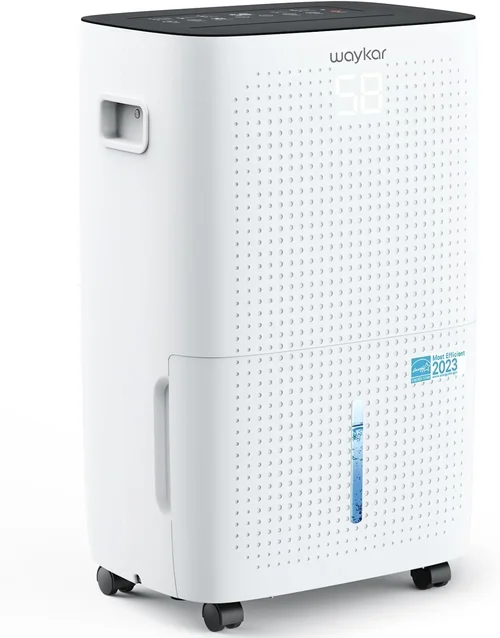
Living in Florida means embracing sunshine, beaches, and vibrant culture—but it also means dealing with relentless humidity. The Sunshine State consistently ranks among the most humid places in the U.S., with average relative humidity levels hovering between 70% and 90% throughout much of the year. This pervasive moisture isn’t just uncomfortable; it’s a serious threat to your home’s structural integrity, your family’s health, and your belongings. Mold, mildew, musty odors, warped wood, and dust mite proliferation are all direct consequences of unchecked indoor humidity. That’s why investing in a high-quality dehumidifier isn’t a luxury in Florida—it’s a necessity.
This comprehensive buying guide is designed specifically for Floridians who understand the unique challenges posed by their climate. Whether you’re a new homeowner in Tampa, a retiree in Naples, or a renter in Orlando, choosing the right dehumidifier can dramatically improve your indoor air quality, protect your property, and enhance your comfort. In this guide, we’ll walk you through everything you need to know—from understanding performance specs and energy efficiency to avoiding common pitfalls and finding the best value for your budget. We’ve tested, researched, and analyzed dozens of models to bring you expert-backed insights that go beyond marketing fluff.
The dehumidifier market has exploded in recent years, with options ranging from compact $50 units to industrial-grade systems costing over $1,000. With so many choices, it’s easy to feel overwhelmed or make a costly mistake. Some units claim to handle “up to 50 pints” but fail miserably in real-world Florida conditions. Others look sleek but lack durability or essential features like auto-humidistats or continuous drainage. Our goal is to cut through the noise and give you a clear, actionable roadmap to finding the best dehumidifier for your specific needs—whether you’re tackling a damp basement, a humid bedroom, or an entire single-family home.

What to Look for When Buying a Dehumidifier
1. Capacity & Pint Rating
The most critical specification when shopping for a dehumidifier is its capacity, measured in “pints per day” (PPD). This tells you how much moisture the unit can remove from the air in a 24-hour period under standard test conditions (typically 80°F and 60% relative humidity). However, Florida’s climate often exceeds these conditions—think 85°F with 80–90% humidity—so you’ll need a unit rated for higher capacity than you might expect.
For reference:
– A 30-pint unit is suitable for small spaces up to 500 sq. ft. (e.g., a bedroom or bathroom).
– A 50-pint unit works well for medium-sized areas like living rooms or basements up to 1,500 sq. ft.
– A 70-pint or higher model is ideal for large homes, crawl spaces, or open-concept layouts exceeding 2,000 sq. ft.
But don’t just rely on square footage alone. Consider your home’s construction, insulation, ventilation, and local microclimate. A poorly insulated Florida home with frequent door openings may require a larger-capacity unit than a tightly sealed one of the same size. Also, note that many manufacturers overstate their pint ratings under ideal lab conditions. Look for AHAM (Association of Home Appliance Manufacturers) certified ratings, which provide more realistic performance data.
2. Energy Efficiency & Operating Costs
Dehumidifiers run frequently in Florida—sometimes 12–24 hours a day during summer months—so energy consumption directly impacts your utility bill. Look for units with the ENERGY STAR® certification, which indicates they meet strict efficiency guidelines set by the U.S. Environmental Protection Agency. ENERGY STAR dehumidifiers use 15–30% less energy than standard models, saving you $100–$300 over the appliance’s lifetime.
Check the unit’s energy factor (EF), measured in liters of water removed per kilowatt-hour (L/kWh). Higher EF values mean better efficiency. For example, a model with an EF of 1.8 is more efficient than one with 1.2. Also, consider the wattage: a 50-pint ENERGY STAR model typically uses around 500–600 watts, while non-certified units may draw 700+ watts for similar output.
Operating cost varies by region, but in Florida—where electricity rates average about $0.13 per kWh—a 500-watt dehumidifier running 12 hours daily costs roughly $23 per month. Over a six-month humid season, that’s nearly $140. Choosing an efficient model can cut this by $20–$40 annually.
3. Humidity Control & Auto Features
Manual on/off switches are outdated. Modern dehumidifiers should offer precise humidity control via a built-in humidistat, allowing you to set your desired relative humidity level (ideally between 45% and 55% for comfort and mold prevention). Once the target is reached, the unit automatically shuts off, saving energy and preventing over-drying.
Look for models with digital displays, programmable timers, and “auto-restart” functionality (which resumes operation after a power outage). Some premium units even include Wi-Fi connectivity and smartphone apps, enabling remote monitoring and control—perfect for vacation homes or busy households.
Another essential feature is automatic defrost. In cooler areas like garages or unconditioned basements, refrigerant coils can ice up, reducing efficiency or shutting down the unit. Auto-defrost prevents this by briefly switching to heating mode to melt ice buildup.
4. Drainage Options & Maintenance
Emptying a water bucket every few days is tedious and impractical for continuous operation. Most dehumidifiers come with a gravity drain hose connection, allowing you to route water directly to a floor drain, sump pump, or outdoors. This is ideal for basements, laundry rooms, or utility closets.
For added convenience, some models include built-in condensate pumps that can push water vertically (up to 15 feet) and horizontally (up to 20 feet), giving you flexibility in placement. If you lack a nearby drain, consider a unit with a large-capacity bucket (typically 1–2 gallons) and an automatic shut-off when full.
Maintenance is straightforward but crucial. Washable air filters should be cleaned monthly to maintain airflow and efficiency. Some units have filter change indicators. Avoid models with non-removable or proprietary filters—they’re costly and inconvenient.
5. Noise Level & Placement Flexibility
Dehumidifiers aren’t silent. Compressor-based units typically produce 45–55 decibels (dB)—comparable to a quiet conversation or refrigerator hum. While this is acceptable in basements or garages, it can be disruptive in bedrooms or living areas.
Check manufacturer specs for noise ratings. Some brands offer “quiet mode” settings that reduce fan speed at the cost of slightly lower moisture removal. If noise is a concern, look for models with insulated compressor compartments or brushless DC motors, which run quieter than traditional AC motors.
Portability matters too. Wheels and handles make it easy to move the unit between rooms. Compact designs fit under sinks or in closets, while larger units may require dedicated floor space. Measure your intended location before buying—especially if placing it near walls or furniture, as most models need 6–12 inches of clearance for proper airflow.
6. Build Quality & Durability
Florida’s salty air, high humidity, and occasional storms demand rugged construction. Look for corrosion-resistant components like coated coils, stainless steel panels, or marine-grade finishes—especially if placing the unit in a garage, patio, or coastal home.
Internal components matter too. Scroll compressors are quieter and more durable than reciprocating ones. Sealed bearings in fan motors last longer than open designs. Avoid plastic-heavy units with flimsy casings; they’re prone to cracking and warping in hot, humid environments.
Brand reputation plays a role here. Established manufacturers like Frigidaire, GE, hOmeLabs, and AprilAire have proven track records in humid climates. Read long-term user reviews to assess reliability beyond the first year of use.
7. Warranty & Customer Support
A dehumidifier is a long-term investment. Standard warranties range from 1 to 5 years, with longer coverage often indicating confidence in product durability. Pay attention to what’s covered: compressor warranties are typically shorter than full-unit coverage.
Check if the manufacturer offers in-home service or requires you to ship the unit for repairs. In Florida, where downtime means rapid mold growth, quick support is essential. Brands with local service centers or partnerships with national repair networks (like Best Buy or Sears) offer faster resolution.
Also, verify return policies. Some retailers allow 30–90 days for returns, which gives you time to test performance in real-world conditions. Avoid sellers with restocking fees or short trial periods.
8. Smart Features & Integration
While not essential, smart features enhance convenience and control. Wi-Fi-enabled models let you monitor humidity levels, adjust settings, and receive alerts via smartphone apps. Integration with smart home systems (like Alexa or Google Home) allows voice commands or automation based on weather forecasts.
Some advanced units include air quality sensors that detect VOCs (volatile organic compounds) or particulate matter, triggering the dehumidifier or an air purifier when needed. Though more common in premium models, these features are becoming more accessible in mid-range units.
Different Types of Dehumidifiers

For most Florida homeowners, compressor-based dehumidifiers offer the best balance of performance, efficiency, and affordability. They excel in warm, humid environments and are available in capacities suitable for everything from apartments to large houses. Desiccant models are quieter and work in cooler temps but are less efficient in high-heat, high-humidity scenarios typical of Florida summers.
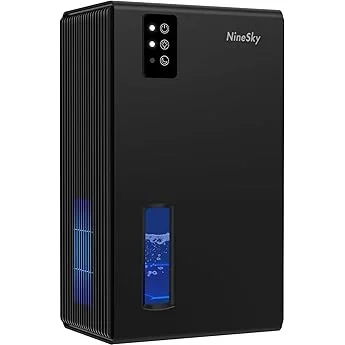
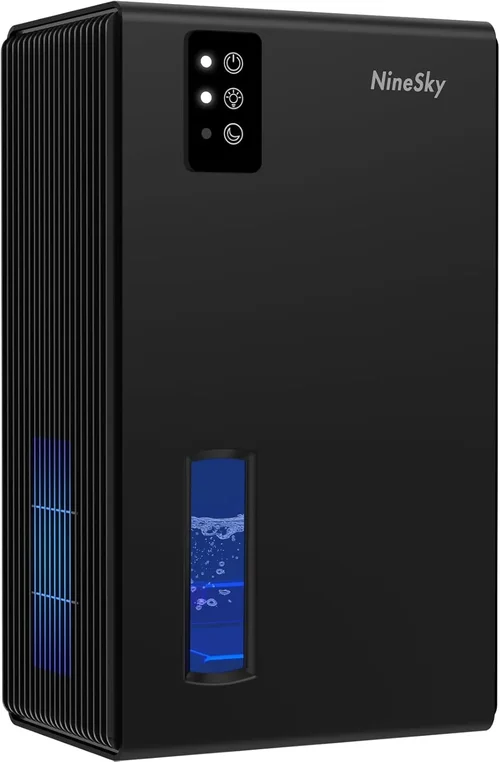
Whole-house systems are ideal for new builds or major renovations where integrating humidity control into the HVAC system makes sense. They’re expensive upfront but provide uniform air quality throughout the home. Mini units are great for spot treatment but lack the power for whole-room dehumidification.
Basement-specific models often include built-in pumps, heavy-duty casings, and enhanced drainage—critical for below-grade spaces prone to flooding or poor ventilation.
Common Buying Mistakes to Avoid
❌ Mistake: Buying Based Solely on Pint Rating
Why it’s bad: Manufacturers often inflate pint ratings using idealized test conditions that don’t reflect real-world Florida humidity. A “50-pint” unit may only remove 35–40 pints in your 85°F, 85% humidity living room.
What to do instead: Prioritize AHAM-certified ratings and look for independent reviews that test performance in high-humidity environments. When in doubt, size up.
❌ Mistake: Ignoring Drainage Needs
Why it’s bad: If you can’t install a drain hose, you’ll be emptying the bucket constantly—especially during rainy season. This leads to neglect, overflow, and potential water damage.
What to do instead: Assess your space before buying. If no drain is available, choose a model with a large bucket (1.5+ gallons) and auto-shutoff. Better yet, plan for a nearby floor drain or condensate pump.
❌ Mistake: Overlooking Energy Efficiency
Why it’s bad: A cheap, inefficient unit may save $50 upfront but cost $200+ more in electricity over two years—especially in Florida’s long humid season.
What to do instead: Always check for ENERGY STAR certification and compare energy factors. The extra $50–$100 for an efficient model pays for itself quickly.
❌ Mistake: Choosing the Wrong Size for the Space
Why it’s bad: An undersized unit runs constantly, wears out faster, and fails to control humidity. An oversized one cycles too frequently, wasting energy and reducing lifespan.
What to do instead: Calculate your needs using both square footage and humidity level (mild, moderate, severe). Use online calculators or consult HVAC professionals for large homes.
❌ Mistake: Skipping the Warranty Check
Why it’s bad: Dehumidifiers have mechanical components that can fail. Without adequate coverage, repair costs can exceed the unit’s value.
What to do instead: Choose brands offering at least a 2-year warranty, with compressor coverage for 5+ years. Register your product immediately after purchase.
❌ Mistake: Buying Without Testing Return Policy
Why it’s bad: Performance varies by home layout, insulation, and usage. What works in a showroom may fail in your humid Florida condo.
What to do instead: Buy from retailers with generous return windows (30–90 days) and no restocking fees. Test the unit during peak humidity for at least a week.
❌ Mistake: Neglecting Air Filter Maintenance
Why it’s bad: Clogged filters reduce airflow, strain the compressor, and increase energy use by up to 15%.
What to do instead: Clean or replace filters monthly during humid months. Set calendar reminders or choose models with filter indicators.
Budget Guidelines: How Much Should You Spend?
Entry-Level ($80–$200):
These are typically mini or compact compressor units (20–30 pints). They’re fine for small bathrooms, closets, or RVs but struggle in larger Florida homes. Expect basic controls, small buckets, and limited durability. Brands like Eva-Dry and Ivation offer budget options, but longevity is questionable.
Mid-Range ($200–$450):
This is the sweet spot for most Floridians. You’ll find 50–70 pint ENERGY STAR models from reputable brands (Frigidaire, hOmeLabs, GE) with digital humidistats, auto-defrost, continuous drainage, and decent warranties. These units handle average-sized homes effectively and offer the best balance of price and performance.
Premium ($450–$800):
Ideal for large homes, basements, or severe humidity issues. Expect advanced features like Wi-Fi connectivity, condensate pumps, corrosion-resistant coatings, and ultra-quiet operation. Brands like AprilAire and Santa Fe specialize in high-end residential dehumidifiers with superior build quality.
Luxury ($800+):
Whole-house systems or commercial-grade units designed for integration with HVAC. These provide centralized humidity control, professional installation, and multi-year warranties. Best for new construction, luxury homes, or allergy sufferers needing hospital-level air quality.
Expert Tips for Getting the Best Deal
– Buy in Spring: Retailers often discount dehumidifiers in March–May before peak summer demand. You’ll find better selection and prices than in July or August.
– Check Local Utilities: Some Florida electric companies (like FPL or Duke Energy) offer rebates for ENERGY STAR dehumidifiers—sometimes $30–$75 off.
– Compare Online vs. In-Store: Online retailers (Amazon, Home Depot, Lowe’s) often have lower prices and longer return windows than brick-and-mortar stores. But in-store allows you to inspect build quality.
– Look for Bundled Deals: Some HVAC contractors offer discounts when pairing a dehumidifier with AC maintenance or duct cleaning.
– Read Long-Term Reviews: Focus on reviews older than 6 months to assess reliability, not just initial performance.
– Consider Refurbished Models: Certified refurbished units from manufacturers (e.g., Frigidaire Renewed) come with warranties and cost 20–40% less.
– Negotiate with Local Dealers: Independent HVAC shops may price-match online retailers or throw in free installation.
– Avoid “As Seen on TV” Brands: Many infomercial dehumidifiers lack proper certifications, have poor support, and fail quickly in humid climates.

Frequently Asked Questions
Q: How much humidity should I maintain indoors in Florida?
A: Aim for 45–55% relative humidity. Levels above 60% encourage mold and dust mites; below 40% can cause dry skin and respiratory irritation. Use a hygrometer to monitor levels.
Q: Can I use a dehumidifier year-round in Florida?
A: Yes! While summer is peak season, Florida’s mild winters still see humidity spikes, especially during rainy periods. Running it periodically prevents musty odors and protects wood furniture.
Q: Will a dehumidifier lower my AC bill?
A: Indirectly, yes. By removing moisture, the air feels cooler, allowing you to raise your thermostat 2–4°F without sacrificing comfort—saving 10–20% on cooling costs.
Q: Do I need a dehumidifier if I have central air?
A: Absolutely. Standard AC systems remove some moisture but aren’t designed for deep dehumidification. In high-humidity areas, they often short-cycle, leaving air clammy.
Q: How often should I clean my dehumidifier?
A: Clean the air filter monthly during humid months. Wipe the water bucket weekly with vinegar to prevent mold. Deep-clean coils annually if accessible.
Q: Can a dehumidifier help with allergies?
A: Yes. By reducing humidity below 50%, you inhibit dust mites, mold spores, and mildew—common allergens in Florida homes.
Q: Is it safe to run a dehumidifier 24/7?
A: Yes, especially ENERGY STAR models designed for continuous operation. Just ensure proper drainage and regular maintenance.
Q: What’s the difference between a dehumidifier and an air purifier?
A: A dehumidifier removes moisture; an air purifier removes particles like pollen, smoke, and pet dander. They serve different purposes—but can be used together for optimal air quality.
Q: Should I get a dehumidifier with a pump?
A: If you lack a floor drain or need to move water uphill (e.g., from a basement to a sink), a built-in pump is worth the extra $50–$100.
Q: How long do dehumidifiers last?
A: With proper care, most last 5–10 years. Compressor failure is the most common issue—usually after 7+ years of heavy use.
Our Final Recommendations
Best for Budget-Conscious Buyers:
hOmeLabs 50 Pint Dehumidifier
At under $300, this ENERGY STAR model offers excellent performance, a large 1.8-gallon bucket, continuous drainage, and a 2-year warranty. It’s a reliable workhorse for medium-sized Florida homes.
Best Overall Value:
Frigidaire FFAD7033R1 70 Pint Dehumidifier
With AHAM-certified 70-pint capacity, auto-humidistat, washable filter, and robust build, this unit handles large spaces effortlessly. Priced around $400, it’s a favorite among Florida homeowners.
Best Premium Option:
AprilAire E130 Whole-House Dehumidifier
For those serious about indoor air quality, this $1,200+ system integrates with your HVAC to maintain 45–50% humidity throughout your entire home. Ideal for new builds or allergy sufferers.
Best for Beginners:
GE APER50LZ 50 Pint Dehumidifier
Simple controls, intuitive display, and reliable performance make this a great entry point. Includes auto-restart and a 1-year warranty.
Best for Advanced Users:
Santa Fe Ultra-Aire UA70X
A basement-specific powerhouse with a built-in pump, corrosion-resistant coating, and 70-pint capacity. Perfect for challenging below-grade environments.
Conclusion: Making the Right Choice
Choosing the best dehumidifier for Florida isn’t just about buying an appliance—it’s about protecting your health, your home, and your peace of mind. The right unit will slash humidity, eliminate musty smells, prevent mold growth, and even reduce your cooling costs. But the wrong one will waste money, frustrate you with constant maintenance, and fail when you need it most.
Remember: prioritize capacity based on your home’s size and humidity level, not marketing claims. Invest in energy efficiency—it pays dividends every month. Don’t overlook drainage, noise, and warranty details. And always test your purchase during real-world conditions.
Whether you’re battling swampy basements in Jacksonville or coastal condensation in Key West, there’s a dehumidifier perfectly suited to your needs. Use this guide as your compass, and you’ll breathe easier—literally—knowing you’ve made a smart, informed decision. Your Florida home deserves nothing less.