

Dehumidifiers have evolved from niche appliances into essential household tools, especially as climate patterns shift and indoor air quality becomes a growing concern for homeowners. Whether you’re battling persistent basement dampness, trying to prevent mold in a humid coastal home, or simply aiming to improve comfort during sticky summer months, choosing the right dehumidifier can make a dramatic difference in your living environment. With so many brands and models flooding the market in 2026—each boasting advanced features, sleek designs, and varying performance claims—it’s easy to feel overwhelmed. That’s exactly why this comprehensive buyer’s guide exists: to cut through the noise and help you make an informed, confident decision.
In this guide, you’ll learn not only which dehumidifier brands stand out in 2026 but also how to evaluate them based on your specific needs. We’ll walk you through critical factors like capacity, energy efficiency, noise levels, smart features, and long-term reliability. You’ll discover the differences between compact units for small spaces and heavy-duty commercial-grade machines capable of handling large basements or crawl spaces. We’ll also highlight common pitfalls to avoid, share expert shopping tips, and break down pricing tiers so you know exactly what you’re paying for—and whether it’s worth it. By the end, you’ll have a clear roadmap to find the best dehumidifier for your home, budget, and lifestyle.
The dehumidifier market in 2026 is more competitive than ever, with established giants like Frigidaire, GE, and Honeywell continuing to innovate alongside rising stars such as hOmeLabs, AprilAire, and Tosot. Newer entrants are leveraging IoT connectivity, eco-friendly refrigerants, and AI-driven humidity sensing to differentiate themselves. Meanwhile, consumer demand has shifted toward energy-efficient, quiet, and low-maintenance units that integrate seamlessly into modern smart homes. This guide will help you navigate these trends and identify brands that deliver real value—not just flashy marketing.
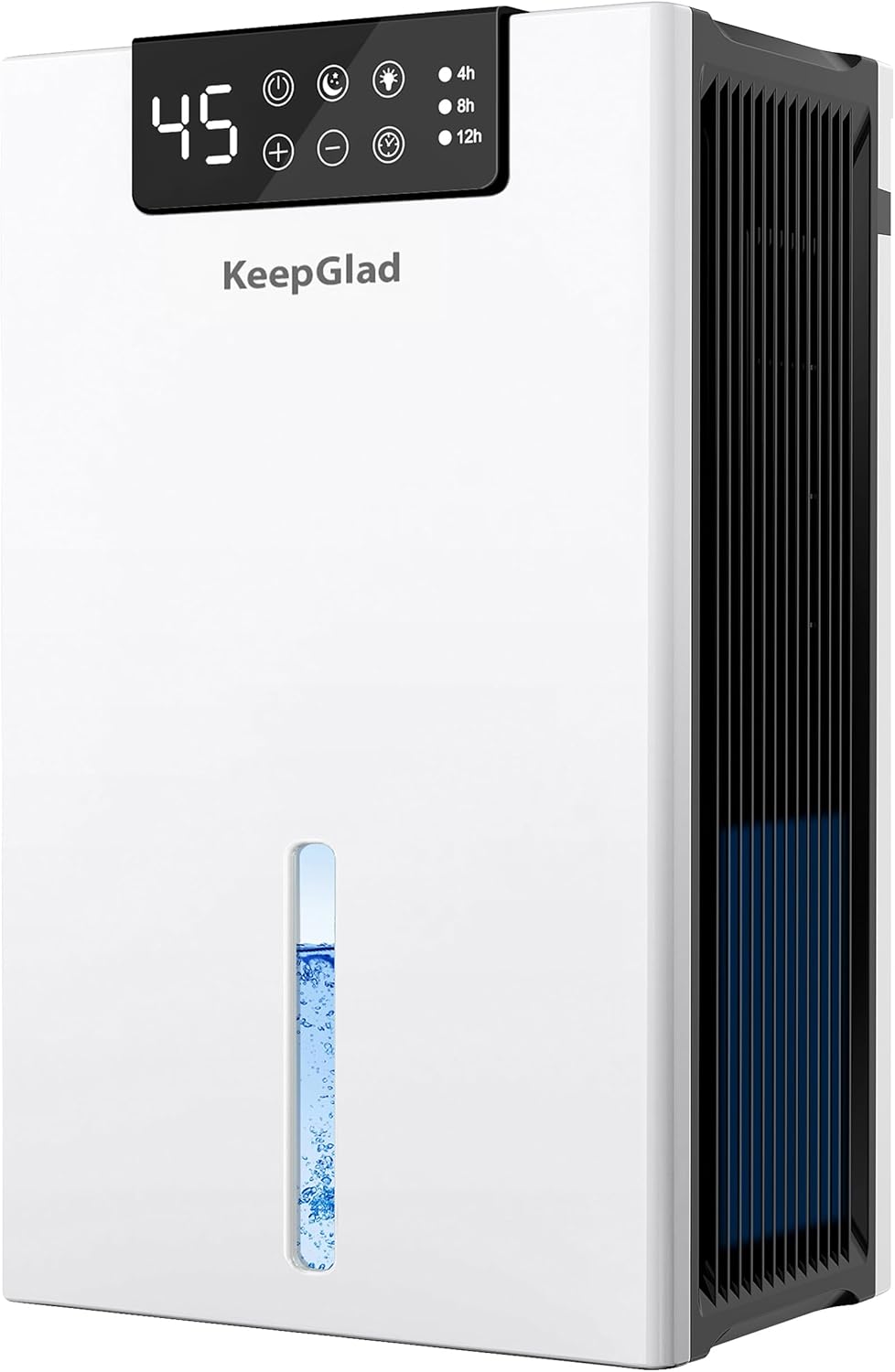
What to Look for When Buying Buying Guide
1. Budget & Price Range
Your budget is often the first filter when shopping for a dehumidifier, but it shouldn’t be the only one. Prices in 2026 range widely—from under $100 for basic 20-pint units to over $800 for high-capacity, smart-enabled commercial models. While it’s tempting to go for the cheapest option, remember that dehumidifiers are long-term investments in your home’s health and comfort. A low-cost unit may save you upfront but could cost more in energy bills, frequent repairs, or premature replacement.
Consider your usage scenario: Are you running the dehumidifier daily in a damp basement, or occasionally in a closet? For light use, a budget model might suffice. But for continuous operation in high-humidity environments, investing in a mid-range or premium unit pays off through better durability, lower operating costs, and fewer maintenance headaches. Always factor in the total cost of ownership—not just the sticker price.
2. Performance Specifications
Performance specs are where many buyers get tripped up. The most important metric is pints per day (PPD), which indicates how much moisture the unit can remove in 24 hours under standard conditions (typically 60% relative humidity at 80°F). For reference:
– 20–30 PPD: Ideal for small bathrooms, closets, or RVs
– 30–50 PPD: Suitable for average-sized basements or single rooms (up to 1,500 sq ft)
– 50–70+ PPD: Best for large basements, crawl spaces, or whole-house applications
But don’t stop at PPD. Also check the coverage area (in square feet), energy efficiency rating (look for ENERGY STAR certification), and operating temperature range. Some units lose effectiveness below 65°F, making them poor choices for unheated basements in winter. High-efficiency models use less electricity—often under 300 watts—which translates to lower utility bills over time.
3. Build Quality & Durability
A dehumidifier that breaks down after two years isn’t saving you money—even if it was cheap. Look for sturdy construction: metal casings (or high-grade plastic), sealed compressors, and corrosion-resistant coils. Brands that use copper or coated aluminum coils tend to last longer in humid environments. Check for reinforced handles, smooth-rolling casters, and well-sealed water tanks or drainage ports.
Durability also extends to internal components. Scroll compressors are quieter and more reliable than reciprocating ones. High-quality fans and sensors ensure consistent performance. Read user reviews for mentions of leaks, compressor failures, or control panel issues—these are red flags. A well-built unit should easily last 5–7 years with proper maintenance.
4. Features & Functionality
Modern dehumidifiers offer a suite of features that go beyond basic moisture removal. Here’s what to prioritize based on your needs:
– Auto-humidistat: Automatically adjusts fan speed to maintain your desired humidity level (e.g., 45–50%).
– Continuous drainage: Allows you to connect a hose so you never have to empty the tank—ideal for unattended operation.
– Defrost function: Prevents ice buildup on coils in cold environments (below 65°F).
– Smart controls: Wi-Fi connectivity lets you monitor and adjust settings via smartphone apps (e.g., Frigidaire SmartDehumidifier, hOmeLabs Smart Series).
– Timer and sleep mode: Schedule operation or reduce noise at night.
– Filter indicator: Reminds you when to clean or replace the air filter.
Avoid “feature bloat”—some models include unnecessary extras like built-in air purifiers or UV lights that add cost without proven benefits. Focus on features that solve your specific problems.
5. Brand Reputation
Not all brands are created equal. In 2026, the most trusted dehumidifier manufacturers combine decades of HVAC experience with responsive customer service and transparent warranties. Frigidaire, for example, has been a household name since the 1970s and consistently earns top marks for reliability. GE Appliances leverages its engineering heritage to deliver robust, user-friendly designs. Newer brands like hOmeLabs and Tosot have gained traction by offering premium features at competitive prices—but their long-term track records are still evolving.
Research brand reputation through third-party review sites (like Consumer Reports, Wirecutter, and Trustpilot), Reddit communities, and HVAC forums. Pay attention to how companies handle recalls, warranty claims, and technical support. A brand that stands behind its products is more likely to resolve issues quickly.
6. Warranty & Support
A strong warranty is a strong indicator of a manufacturer’s confidence in its product. Most reputable brands offer at least a 1-year limited warranty, but premium models often include 2–5 years of coverage—sometimes with extended compressor protection. AprilAire, for instance, provides a 5-year warranty on its whole-house dehumidifiers, reflecting their commercial-grade build.
Check what the warranty covers: Does it include parts, labor, and shipping? Are there exclusions for misuse or lack of maintenance? Also consider post-purchase support: Is there a toll-free helpline? Do they offer live chat or email assistance? Brands with dedicated customer service teams (like Honeywell and Danby) tend to resolve issues faster than those relying solely on third-party retailers.
7. Size & Portability
Even the most powerful dehumidifier is useless if you can’t move it where it’s needed. Consider weight, dimensions, and mobility features. Most portable units weigh between 30–60 pounds and come with recessed handles and multi-directional casters. Look for models with lift-out tanks (instead of front-loading) for easier emptying.
If you plan to move the unit between floors or rooms, opt for a lighter model with a compact footprint. For permanent installations (like in a basement utility room), size matters less—but ensure there’s adequate clearance for airflow (at least 6–12 inches from walls).
8. User Reviews & Ratings
Never rely solely on manufacturer specs. Real-world user feedback reveals nuances that lab tests miss—like actual noise levels, ease of setup, or how well a unit handles fluctuating humidity. Aggregate ratings from Amazon, Home Depot, and Best Buy can give you a quick sense of overall satisfaction, but dive deeper into individual reviews.
Look for patterns: Do multiple users report the same issue (e.g., “tank overflows even when half full”)? Are complaints about customer service widespread? Conversely, consistent praise for quiet operation or reliable auto-shutoff is a good sign. Use tools like “Most Recent” sorting to see how newer models perform compared to older versions.
Different Types of Buying Guide

Common Buying Mistakes to Avoid

❌ Mistake: Buying Based Solely on Pint Capacity
Why it’s bad: A 70-pint dehumidifier sounds impressive, but if your space only needs 30 pints, you’re overspending on power you don’t need—and possibly increasing noise and energy use.
What to do instead: Match capacity to your room size and humidity level. Use online calculators or consult HVAC guidelines. When in doubt, slightly oversize (e.g., go from 30 to 50 pints for a borderline case), but avoid extreme overkill.
❌ Mistake: Ignoring Energy Efficiency
Why it’s bad: Running an inefficient dehumidifier 24/7 can add $100+ to your annual electricity bill. Older or budget models may lack ENERGY STAR certification and use outdated compressors.
What to do instead: Look for the yellow EnergyGuide label and ENERGY STAR logo. Compare kWh per year estimates. Efficient models often pay for themselves in energy savings within 1–2 years.
❌ Mistake: Overlooking Drainage Options
Why it’s bad: If you forget to empty the tank daily, the unit shuts off—leaving your space damp and risking mold growth. Manual emptying is tedious and easy to neglect.
What to do instead: Choose a model with continuous drainage (garden hose compatible) or a large tank (2+ gallons). For basements, direct drainage to a floor drain or sump pump.
❌ Mistake: Choosing the Wrong Type for Your Climate
Why it’s bad: Refrigerant-based dehumidifiers struggle in cold environments (<65°F), while desiccant units are less efficient in hot, humid climates. Using the wrong type leads to poor performance.
What to do instead: In northern regions or unheated spaces, opt for a desiccant or cold-climate refrigerant model. In southern or coastal areas, standard refrigerant units work best.
❌ Mistake: Skipping the Warranty Check
Why it’s bad: Dehumidifiers have complex internal components. Without warranty coverage, a failed compressor could cost $150–$300 to replace—often more than the unit’s value.
What to do instead: Always verify warranty length and terms before buying. Register your product immediately after purchase to activate coverage.
❌ Mistake: Neglecting Air Filter Maintenance
Why it’s bad: Clogged filters reduce airflow, strain the compressor, and increase energy use. Many users don’t realize filters need monthly cleaning.
What to do instead: Choose models with washable, reusable filters and clear maintenance indicators. Set calendar reminders to clean filters every 4–6 weeks during peak use.
❌ Mistake: Buying Without Reading Recent Reviews
Why it’s bad: Manufacturers frequently update models—sometimes improving them, sometimes cutting corners. An older 5-star review may not reflect the current version.
What to do instead: Focus on reviews from the past 6–12 months. Check for firmware updates, design changes, or reported defects in newer batches.
Budget Guidelines: How Much Should You Spend?
Entry-Level ($80–$180): These compact units (typically 20–30 pints) are ideal for small spaces like bathrooms, laundry rooms, or RVs. Expect basic controls, smaller tanks, and higher noise levels (50–55 dB). Brands like Eva-Dry and Pro Breeze offer reliable options here, but avoid ultra-cheap no-name brands—they often lack safety certifications and break quickly.
Mid-Range ($180–$350): This is the sweet spot for most homeowners. You’ll find 30–50 pint models with auto-humidistats, continuous drainage, and ENERGY STAR ratings. Brands like hOmeLabs, Tosot, and Frigidaire dominate this tier with excellent balance of performance, features, and durability. These units handle average basements and living areas efficiently.
Premium ($350–$600): Designed for demanding environments, premium dehumidifiers offer 50–70+ pint capacity, smart connectivity, ultra-quiet operation (<45 dB), and robust builds. Look for models from GE, Honeywell, and AprilAire. Many include advanced defrost systems, dual-speed fans, and app-based monitoring—perfect for tech-savvy users or large homes. Luxury ($600+): Reserved for whole-house systems or commercial applications, luxury dehumidifiers integrate with HVAC ductwork and provide whole-home humidity control. AprilAire and Santa Fe offer top-tier models with 5-year warranties, professional installation support, and industrial-grade components. These are overkill for most households but essential for high-end builds or extreme climates.

Expert Tips for Getting the Best Deal
– Buy in Spring or Early Summer: Retailers often discount dehumidifiers in late winter or early spring to clear inventory before peak humidity season. You can save 15–25% compared to summer prices.
– Shop During Major Sales Events: Look for deals during Black Friday, Memorial Day, Amazon Prime Day, and back-to-school sales. Many brands offer bundle discounts (e.g., free shipping + extended warranty).
– Compare Online vs. In-Store: Online retailers (Amazon, Home Depot, Lowe’s) usually have better prices and wider selections. But in-store purchases let you inspect build quality and test noise levels—plus you avoid shipping delays.
– Check for Rebates: Some utility companies offer rebates for ENERGY STAR dehumidifiers—especially in humid states like Florida or Louisiana. Visit dsireusa.org to search for local incentives.
– Read the Fine Print on Returns: Most retailers allow 30-day returns, but some charge restocking fees (up to 15%) for opened appliances. Ensure the policy covers defective units without hassle.
– Test Before Committing: If possible, run the dehumidifier for 24–48 hours in your space. Monitor noise, tank fullness, and humidity drop. Many smart models let you track performance via app.
– Consider Refurbished or Open-Box: Certified refurbished units from reputable sellers (like Amazon Renewed or manufacturer outlets) often come with full warranties and cost 20–40% less.
– Register for Manufacturer Alerts: Sign up for newsletters from brands like Frigidaire or hOmeLabs. They often send exclusive promo codes or early access to sales.
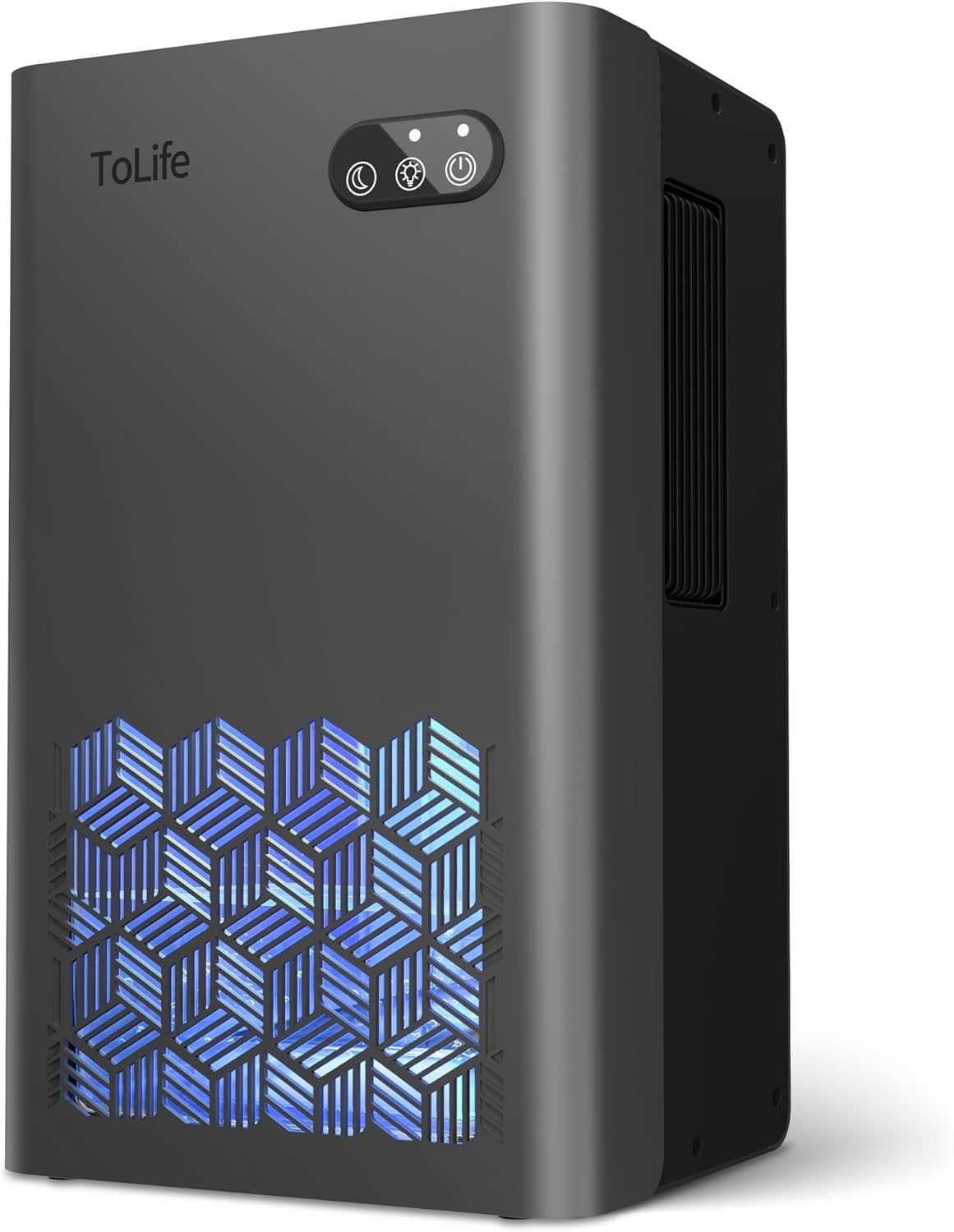
Frequently Asked Questions
Q: How do I know what size dehumidifier I need?
A: Start by measuring your space in square feet. Then assess humidity severity: mildly damp (30–50 pints), very damp (50–70 pints), or wet with standing water (70+ pints). Use online sizing guides or consult an HVAC professional for whole-house needs.
Q: Can I run a dehumidifier all the time?
A: Yes—if it has an auto-humidistat. Set your target humidity (ideally 45–50%) and let the unit cycle on/off as needed. Continuous operation without a humidistat wastes energy and over-dries the air.
Q: Do dehumidifiers use a lot of electricity?
A: It depends. ENERGY STAR models use about 15–30% less energy than standard units. A typical 50-pint dehumidifier uses 500–700 watts. Running it 12 hours/day may cost $15–$30/month, depending on local rates.
Q: Should I get a dehumidifier with a pump?
A: A built-in condensate pump lets you drain water upward (e.g., to a sink or window), which is useful if no floor drain is nearby. Pumps add $50–$100 to the price but greatly improve convenience.
Q: Are smart dehumidifiers worth it?
A: If you value remote monitoring, usage tracking, or voice control, yes. But if you just need basic humidity control, a non-smart model saves money and avoids app dependency.
Q: How often should I clean the filter?
A: Every 4–6 weeks during active use. Rinse with warm water and let dry completely before reinstalling. A dirty filter reduces efficiency by up to 20%.
Q: Can a dehumidifier help with allergies?
A: Absolutely. By reducing humidity below 50%, you inhibit mold, dust mites, and mildew—common allergens. Pair it with an air purifier for best results.
Q: What’s the difference between refrigerant and desiccant dehumidifiers?
A: Refrigerant units cool air to condense moisture—best for warm, humid climates. Desiccant units use moisture-absorbing materials—ideal for cold or dry environments. Refrigerant types are more common and energy-efficient in typical homes.
Q: Will a dehumidifier cool my room?
A: No. While it removes latent heat (moisture), the net effect is minimal cooling. It may feel more comfortable due to lower humidity, but don’t expect air conditioning-level results.
Q: How long do dehumidifiers last?
A: With proper maintenance, most last 5–7 years. High-end models with commercial components can exceed 10 years. Replace if compressor fails or efficiency drops significantly.
Our Final Recommendations
– Best for Budget-Conscious Buyers: hOmeLabs 30-Pint Dehumidifier – At under $200, it offers auto-humidistat, continuous drainage, and quiet operation (48 dB). Perfect for small to mid-sized rooms with reliable performance.
– Best Overall Value: Frigidaire FFAD7033R1 70-Pint – A perennial favorite, this ENERGY STAR-certified unit handles large basements effortlessly. Features include washable filter, electronic controls, and a 1.8-gallon tank. Priced around $350, it’s a workhorse with proven longevity.
– Best Premium Option: GE APER50LZ 50-Pint Smart Dehumidifier – Wi-Fi enabled with GE Appliances app, voice control (Alexa/Google), and precise humidity sensing. Quiet (47 dB) and efficient, it’s ideal for smart homes and tech enthusiasts.
– Best for Beginners: Tosot 50-Pint Energy Star Dehumidifier – Simple interface, clear tank window, and reliable performance. No frills, just consistent moisture removal—great for first-time buyers.
– Best for Advanced Users: AprilAire E130 Pro 130-Pint Whole-House Dehumidifier – For those needing whole-home control, this ducted system integrates with HVAC and maintains 30–60% humidity across entire homes. Professional installation recommended, but unmatched for large or high-end properties.
Conclusion: Making the Right Choice
Choosing the best dehumidifier in 2026 isn’t just about picking the biggest number or the shiniest features—it’s about aligning the appliance’s capabilities with your home’s unique needs, climate, and budget. We’ve covered everything from core performance specs and build quality to smart functionalities and long-term value. Remember: the right dehumidifier doesn’t just remove moisture; it improves air quality, protects your belongings, and enhances daily comfort.
Prioritize your must-haves—whether that’s whisper-quiet operation, app control, or rugged durability—and don’t be swayed by marketing hype. Use the comparison table, avoid the common pitfalls, and leverage our expert tips to shop smart. And when in doubt, lean toward reputable brands with strong warranties and positive user feedback.
Your home deserves a dehumidifier that works as hard as you do. Take the time to choose wisely, and you’ll enjoy drier, healthier, and more comfortable living spaces for years to come. Ready to breathe easier? Start your search with confidence—you’ve got this.