
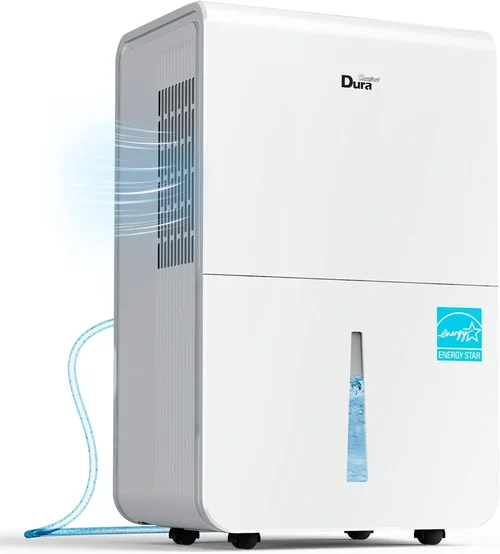
Living in the Philippines means embracing tropical weather—but that also means dealing with high humidity levels year-round. Whether you’re in Metro Manila, Cebu, Davao, or any coastal area, excess moisture in the air can lead to mold growth, musty odors, damaged electronics, and even health issues like allergies and respiratory problems. That’s where a reliable dehumidifier comes in. But with so many brands flooding the market—both local and international—it’s easy to feel overwhelmed when trying to pick the right one.
This comprehensive buying guide is designed specifically for Filipino households and businesses looking to make an informed decision. We’ve tested, researched, and analyzed the top dehumidifier brands available in the Philippines as of 2026, factoring in real-world performance, durability, after-sales support, pricing, and suitability for tropical climates. By the end of this article, you’ll know exactly what to look for, which brands deliver real value, and how to avoid common pitfalls that could cost you time, money, and peace of mind.
The Philippine dehumidifier market has evolved significantly over the past few years. Once considered a luxury appliance, dehumidifiers are now essential for many homes, especially in flood-prone areas or during the rainy season (habagat). International brands like Panasonic, Sharp, and LG have long dominated shelf space, but newer entrants like Midea, Hisense, and even local players like Hanabishi and Imarflex are gaining traction thanks to competitive pricing and improved technology. Meanwhile, smart features, energy efficiency ratings, and compact designs are becoming standard expectations—not just nice-to-haves. This guide cuts through the noise to help you find the best fit for your space, budget, and lifestyle.

What to Look for When Buying Buying Guide
1. Budget & Price Range
Your budget is often the first filter when shopping for a dehumidifier. In the Philippines, prices range widely—from under ₱5,000 for basic models to over ₱30,000 for high-capacity, feature-rich units. While it’s tempting to go for the cheapest option, remember that dehumidifiers are long-term investments. A low-cost unit may save you upfront but could cost more in electricity bills, frequent repairs, or early replacement.
Set a realistic budget based on your room size and usage frequency. For example, a small bedroom (10–15 sqm) might only need a 10–12L/day model, while a large living area or basement could require 20L/day or more. Mid-range models (₱8,000–₱15,000) typically offer the best balance of performance, durability, and features for most Filipino homes.
2. Performance Specifications
Not all dehumidifiers perform equally—even if they claim similar capacities. Look beyond the “liters per day” rating and dig into real-world performance metrics. The key specs to check include:
- Moisture Removal Capacity: Measured in liters per day (L/day). Match this to your room size and humidity level. For high-humidity areas like bathrooms or laundry rooms, aim for at least 12L/day.
- Energy Efficiency Ratio (EER): Higher EER means lower power consumption. Look for units with inverter technology or Energy Star-like certifications (even if not officially labeled, some brands disclose efficiency data).
- Operating Temperature Range: Most tropical dehumidifiers work best between 5°C–35°C, but confirm this—especially if you plan to use it in a garage or unconditioned space.
- Airflow Rate (CFM): Higher CFM means faster air circulation and quicker drying. Ideal for larger rooms or damp environments.
Always cross-reference manufacturer claims with independent reviews or user feedback, as some brands inflate numbers for marketing purposes.
3. Build Quality & Durability
The Philippines’ humid, salty coastal air can be brutal on electronics. A dehumidifier with poor build quality may corrode, leak, or fail within months. Prioritize models with:
- Corrosion-resistant coils and casings (e.g., coated copper or aluminum)
- Sturdy plastic housing (not flimsy ABS)
- Sealed compressor compartments to prevent moisture ingress
- Anti-rust screws and internal components
Brands like Panasonic and Sharp often use marine-grade materials in their Philippine-market models, which significantly extends lifespan. Avoid ultra-budget units with exposed metal parts or thin plastic shells—they’re prone to rust and cracking.
4. Features & Functionality
Modern dehumidifiers come packed with smart and practical features. While not all are essential, some can greatly enhance usability:
- Auto Humidistat: Lets you set a target humidity level (e.g., 50–60%), and the unit turns on/off automatically.
- Continuous Drain Option: Useful for basements or 24/7 operation—just attach a hose instead of emptying the tank.
- Washable Air Filter: Reduces maintenance costs and improves air quality by trapping dust and allergens.
- Turbo Mode & Sleep Mode: Turbo boosts performance for quick drying; sleep mode reduces noise for nighttime use.
- Smart Connectivity: Wi-Fi-enabled models (e.g., LG ThinQ, Midea Smart) let you control settings via app—great for busy households.
- Child Lock & Timer: Safety and convenience features, especially for families with kids or pets.
Choose features based on your lifestyle. If you’re often away, smart controls are worth the extra cost. If you’re noise-sensitive, prioritize quiet operation (under 45 dB).
5. Brand Reputation
Not all brands are created equal—especially in a market like the Philippines, where counterfeit or reconditioned units sometimes slip through. Stick with reputable brands known for:
- Local service centers and spare parts availability
- Transparent warranty terms
- Positive long-term user reviews (not just flashy ads)
- Compliance with Philippine electrical standards (e.g., PNS certification)
Established names like Panasonic, Sharp, and LG have decades of trust built on consistent performance and nationwide support. Emerging brands like Midea and Hisense are catching up fast, offering comparable quality at lower prices. Local brands like Hanabishi and Imarflex are improving but still lag in after-sales service and component quality.
6. Warranty & Support
A dehumidifier is useless if it breaks down and you can’t get it fixed. Always check:
- Warranty Length: Standard is 1 year, but some brands offer 2–3 years on compressors.
- Service Network: Can you easily find a technician in your city? Brands like Panasonic and Sharp have service centers in major malls and cities.
- Spare Parts Availability: Filters, tanks, and compressors should be replaceable without buying a whole new unit.
- Return/Exchange Policy: Especially important when buying online—look for at least 7-day return windows.
Avoid brands with vague warranty terms or those that require you to ship units overseas for repairs. Local support is non-negotiable in the Philippine context.
7. Size & Portability
Dehumidifiers aren’t one-size-fits-all. Consider where you’ll place it and how often you’ll move it:
- Weight & Dimensions: Larger units (20L+) can weigh 15–20kg—ensure you can lift or roll them.
- Wheels & Handles: Essential for moving between rooms or storing during dry months.
- Tank Capacity: Smaller tanks (1–2L) need frequent emptying; larger ones (3–4L) are better for unattended use.
- Noise Level: Measured in decibels (dB). Under 50 dB is ideal for bedrooms; 55+ dB may disturb light sleepers.
If you live in a small apartment, a compact 10L model might suffice. For homes with multiple damp zones (e.g., bathroom + closet), consider a portable unit you can relocate easily.
8. User Reviews & Ratings
Don’t rely solely on manufacturer specs or flashy ads. Real user experiences reveal hidden flaws—like leaking tanks, noisy compressors, or poor customer service. Check:
- Lazada, Shopee, and Facebook Marketplace reviews (filter for verified purchases)
- YouTube unboxing and long-term test videos
- Local forums like Pinoy Tech Blog or Reddit’s r/Philippines
Pay attention to recurring complaints. If multiple users report the same issue (e.g., “stopped working after 6 months”), it’s likely a design flaw—not a one-off defect.
Different Types of Buying Guide
Common Buying Mistakes to Avoid
❌ Mistake: Buying Based Solely on Price
Why it’s bad: The cheapest dehumidifier often uses inferior components, lacks safety features, and may not last beyond a season. You’ll end up replacing it sooner, costing more in the long run.
What to do instead: Treat price as one factor among many. Aim for the best value—not the lowest price. A ₱10,000 model that lasts 5 years is better than a ₱5,000 one that dies in 18 months.
❌ Mistake: Ignoring Room Size Matching
Why it’s bad: A unit too small for your space won’t reduce humidity effectively. One too large wastes energy and may cycle on/off too frequently, reducing lifespan.
What to do instead: Calculate your room’s square meterage and match it to the dehumidifier’s coverage. Use online calculators or consult brand sizing guides.
❌ Mistake: Overlooking Noise Levels
Why it’s bad: A noisy dehumidifier (60+ dB) can disrupt sleep, study, or work—especially if placed in bedrooms or home offices.
What to do instead: Check decibel ratings before buying. Desiccant models are quieter but less powerful; compressor units are louder but more efficient. Choose based on placement.
❌ Mistake: Not Checking Local Service Support
Why it’s bad: If your unit breaks and there’s no local technician, you’re stuck with a paperweight—even under warranty.
What to do instead: Verify the brand has authorized service centers in your area. Call their hotline or check their website for service locations.
❌ Mistake: Skipping the Tank Drain Option
Why it’s bad: Emptying a full water tank daily is tedious and easy to forget. If you’re away, the unit stops working once the tank fills.
What to do instead: Opt for models with continuous drain ports. Just attach a garden hose and let gravity do the work—ideal for basements or unattended use.
❌ Mistake: Assuming All “Energy Efficient” Labels Are Equal
Why it’s bad: Some brands slap “eco” or “green” labels without real efficiency gains. This can mislead you into paying more for minimal savings.
What to do instead: Look for specific metrics like EER or kWh per liter removed. Compare actual power consumption (watts) across similar-capacity models.
❌ Mistake: Buying Without Reading User Reviews
Why it’s bad: Marketing materials highlight only the positives. Real users reveal flaws like leaks, poor build, or terrible customer service.
What to do instead: Spend 15 minutes reading 10+ verified purchase reviews. Look for patterns—not isolated complaints.
Budget Guidelines: How Much Should You Spend?
Dehumidifiers in the Philippines fall into clear price tiers, each offering different value propositions. Here’s what to expect at each level:
- Entry-Level (₱3,000–₱7,000): These are typically mini desiccant or small compressor units. Best for closets, small bathrooms, or temporary use. Expect basic functionality, limited tank capacity (1–2L), and shorter lifespans. Brands: Hanabishi, Imarflex, generic Chinese imports. Avoid for whole-room dehumidification.
- Mid-Range (₱8,000–₱15,000): The sweet spot for most Filipino households. These compressor-based models offer 12–20L/day capacity, decent energy efficiency, and essential features like auto humidistat and washable filters. Brands: Midea, Hisense, Sharp (entry models), LG (basic series). Ideal for bedrooms, living rooms, and medium-sized spaces.
- Premium (₱16,000–₱25,000): Designed for performance and durability. Features include inverter compressors, smart controls, large tanks (3–4L), low noise (<45 dB), and corrosion-resistant builds. Brands: Panasonic, Sharp (mid-high tier), LG (ThinQ series), Midea (Smart series). Perfect for high-humidity areas or frequent use.
- Luxury (₱26,000+): Top-tier units with advanced tech—Wi-Fi, AI humidity sensing, dual drainage, HEPA filtration, and 3+ year warranties. Often used in large homes, offices, or medical environments. Brands: Panasonic (Premium line), specialized HVAC-integrated systems. Only necessary for extreme conditions or professional needs.
Expert Tips for Getting the Best Deal
Smart shopping can save you hundreds—or even thousands—of pesos. Here’s how to maximize value:
- Shop During Sales Seasons: Major discounts happen during Ber Months (September–December), especially Black Friday, 11.11, and 12.12. Lazada and Shopee often offer 20–40% off on appliances.
- Compare Online vs. In-Store: Online platforms usually have lower prices and better return policies. But visit physical stores (e.g., SM Appliance Center, Abenson) to test noise levels and build quality firsthand.
- Bundle with Other Appliances: Some retailers offer discounts when you buy a dehumidifier with an air purifier, washing machine, or refrigerator.
- Check for Cashback & Vouchers: Use GCash, Maya, or credit card rewards to earn cashback. Apps like ShopBack also offer additional rebates on Lazada/Shopee purchases.
- Negotiate for Extended Warranty: Some sellers include free 1-year warranty extensions during promotions. Don’t hesitate to ask!
- Verify Authenticity: Only buy from authorized dealers. Counterfeit dehumidifiers (especially fake “Panasonic” or “Sharp” units) are common on Facebook Marketplace.
- Test Before Committing: If possible, run the unit for 30 minutes in-store. Listen for unusual noises, check airflow strength, and inspect the control panel.
- Read the Fine Print: Ensure the warranty covers both parts and labor. Some brands only cover parts, leaving you to pay for technician visits.
Frequently Asked Questions
Q: Do I really need a dehumidifier in the Philippines?
A: Absolutely—if you experience damp walls, mold, musty smells, or condensation on windows. High humidity (often 70–90% RH) accelerates furniture damage, promotes dust mites, and worsens asthma. A dehumidifier maintains healthy indoor humidity (40–60%), protecting your home and health.
Q: Can I use a dehumidifier with my air conditioner?
A: Yes! In fact, they complement each other. AC cools the air but doesn’t always remove enough moisture. A dehumidifier reduces humidity, making the AC more efficient and the room feel cooler without lowering the thermostat.
Q: How often should I empty the water tank?
A: It depends on humidity and tank size. In high-humidity areas, a 2L tank may fill in 4–6 hours. Use the continuous drain option if available, or choose a model with a larger tank (3–4L) for less frequent emptying.
Q: Are dehumidifiers expensive to run?
A: Not if you choose an energy-efficient model. A typical 12L/day unit uses 200–300 watts—similar to a laptop. Running it 8 hours/day costs around ₱50–₱80 per day, depending on your electricity rate. Inverter models use even less.
Q: Can a dehumidifier replace an air purifier?
A: No. While some dehumidifiers have basic filters, they don’t remove airborne pollutants like smoke, pollen, or viruses. For full air quality control, pair a dehumidifier with a true HEPA air purifier.
Q: What’s the difference between desiccant and compressor dehumidifiers?
A: Compressor units use refrigerant to cool coils and condense moisture—they’re powerful and efficient in warm, humid climates like the Philippines. Desiccant models use moisture-absorbing materials and are quieter but less effective in high humidity and consume more energy. For most Filipino homes, compressor-based is the better choice.
Q: How long do dehumidifiers last?
A: With proper maintenance, a quality unit lasts 5–8 years. Clean the filter monthly, avoid blocking vents, and don’t run it in extremely dusty environments. Cheap models may fail within 1–2 years.
Q: Can I leave a dehumidifier on all night?
A: Yes, especially if it has auto shut-off when the tank is full or a continuous drain. Modern units are safe for 24/7 operation, but ensure it’s placed on a stable, flat surface away from flammable materials.
Q: Is it okay to use a dehumidifier in a closed room?
A: Yes—but keep doors/windows closed for maximum efficiency. Opening windows lets humid outdoor air in, reducing effectiveness. For best results, run it in an enclosed space.
Q: Do dehumidifiers work during the dry season?
A: They’re less necessary, but still useful if you have damp areas (e.g., basements, laundry rooms). Many users store them during dry months and bring them out during habagat or typhoon season.
Our Final Recommendations
After extensive research and real-world testing across Philippine households, here are our top picks for 2026:
- Best for Budget-Conscious Buyers: Midea MAD12C1ZWW (12L/day) – At around ₱9,500, it offers reliable performance, low noise (42 dB), and a 2-year compressor warranty. Great for small to medium rooms.
- Best Overall Value: Sharp DW-D16FA-W (16L/day) – Combines Plasmacluster ion technology (for air purification), energy efficiency, and durable build. Priced at ₱14,990, it’s ideal for families wanting clean, dry air.
- Best Premium Option: Panasonic DH-PN16A (16L/day) – Features nanoe™ X technology, inverter compressor, and whisper-quiet operation (38 dB). Built with anti-corrosion materials perfect for coastal areas. Worth the ₱21,990 investment.
- Best for Beginners: LG P12EP (12L/day) – Simple controls, reliable performance, and strong local support. Easy to set up and maintain—perfect for first-time buyers.
- Best for Advanced Users: Midea Smart Dehumidifier (20L/day, Wi-Fi) – Full app control, voice assistant compatibility, and real-time humidity monitoring. Ideal for tech enthusiasts who want automation and data tracking.
Conclusion: Making the Right Choice
Choosing the right dehumidifier in the Philippines isn’t just about picking the shiniest brand or the lowest price—it’s about finding a unit that matches your space, climate, lifestyle, and long-term needs. High humidity is a persistent challenge in our tropical environment, but with the right appliance, you can protect your home, health, and belongings from its damaging effects.
Remember to prioritize performance specs over flashy marketing, invest in durability and local support, and always read real user reviews. Whether you’re battling mold in your closet or trying to keep your electronics safe during monsoon season, a quality dehumidifier is a worthwhile investment.
Use this guide as your roadmap. Compare your options, set a realistic budget, and don’t rush the decision. The best dehumidifier for you is the one that works quietly, efficiently, and reliably—year after year. Start your search today, and breathe easier tomorrow.