

Dehumidifiers are one of those appliances you don’t truly appreciate until you’ve lived without one during a humid summer or in a damp basement. Whether you’re dealing with musty odors, mold growth, allergies, or simply trying to keep your home comfortable, a quality dehumidifier can make a world of difference. But with so many brands, models, and features flooding the market, choosing the right one can feel overwhelming. That’s where this guide comes in.
In this comprehensive buying guide, we’ll cut through the noise and help you make an informed decision. Drawing from expert insights, real-world user experiences—especially those shared across Reddit communities like r/HomeImprovement, r/Appliances, and r/BuyItForLife—we’ve analyzed hundreds of reviews, performance tests, and long-term reliability reports. Our goal is to give you a clear, honest, and practical roadmap to finding the best dehumidifier for your specific needs. You’ll learn how to evaluate key specs, avoid common pitfalls, understand what different price points deliver, and ultimately choose a unit that offers lasting value—not just a flashy name.
The dehumidifier market has evolved significantly over the past few years. What used to be a niche appliance for basements and crawl spaces is now a mainstream household essential, especially as climate change brings more extreme humidity and rainfall to regions unaccustomed to it. Brands have responded with smarter controls, quieter operation, better energy efficiency, and improved moisture removal rates. However, not all dehumidifiers are created equal. Some prioritize raw power, while others focus on quiet operation or smart home integration. This guide will help you navigate those trade-offs and find the perfect balance for your home, budget, and lifestyle.
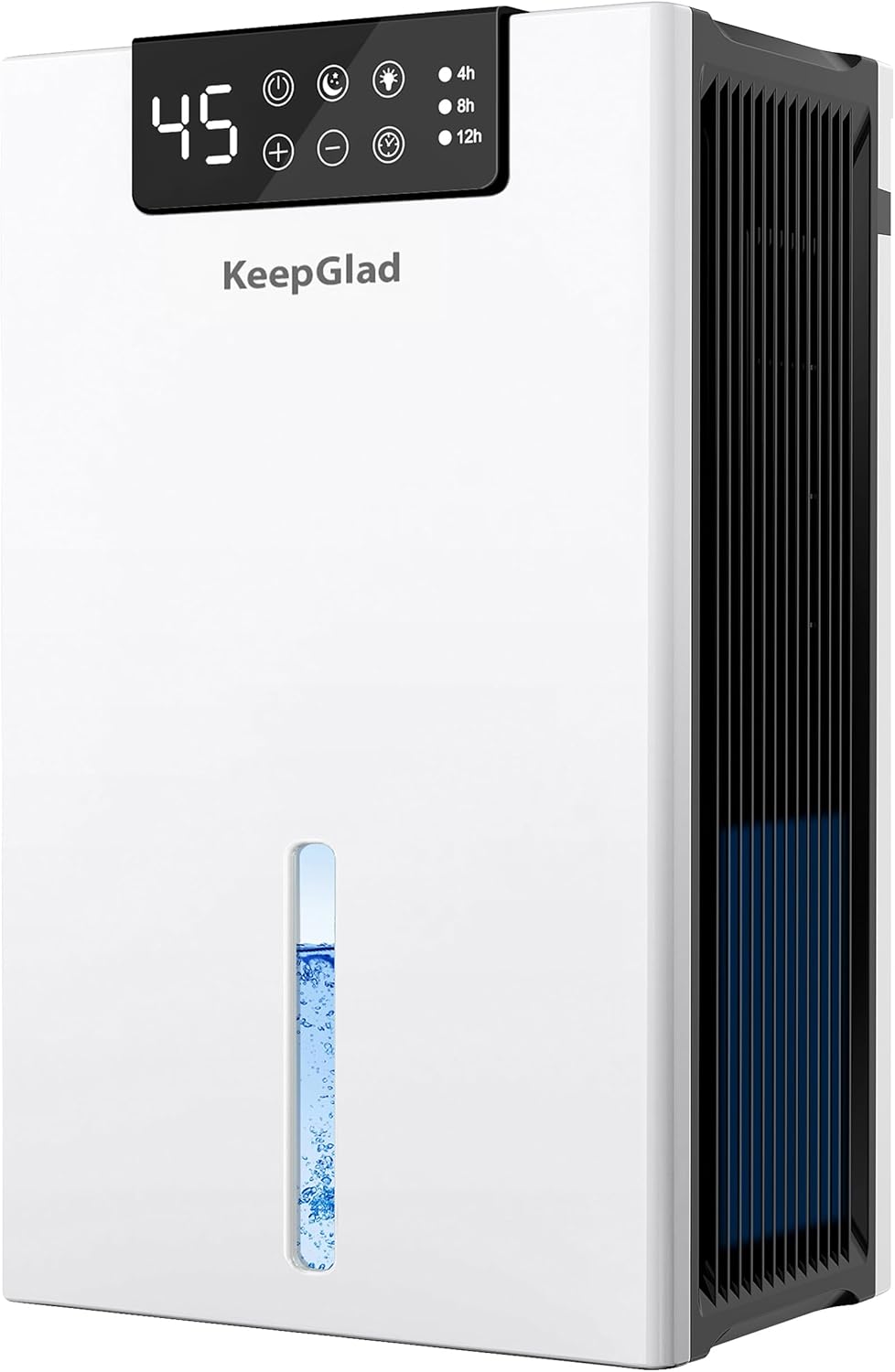
What to Look for When Buying a Dehumidifier
1. Budget & Price Range
Your budget is the first and most important filter when shopping for a dehumidifier. Prices can range from under $100 for small, portable units to over $800 for high-capacity, whole-home systems. But price doesn’t always equal performance—sometimes you’re paying for brand reputation, extra features, or build quality rather than actual moisture removal efficiency.
For most homeowners, spending between $200 and $400 will get you a reliable, mid-range dehumidifier capable of handling a standard basement or large living area. Entry-level models under $150 often lack durability, have smaller tanks, and may struggle in high-humidity environments. On the other hand, premium models above $500 typically offer advanced features like Wi-Fi connectivity, auto-defrost, and superior energy efficiency—but these may be overkill unless you have specific needs like a large crawl space, rental property, or severe moisture issues.
2. Performance Specifications
Performance is measured primarily by two specs: pint capacity and coverage area. Pint capacity refers to how much moisture the unit can remove in 24 hours under standard conditions (typically 60% humidity at 80°F). Coverage area tells you the maximum square footage the dehumidifier can effectively manage.
For example, a 30-pint dehumidifier is ideal for spaces up to 1,500 square feet, while a 50-pint model can handle up to 3,000 square feet. However, these numbers are based on ideal lab conditions. In real-world use—especially in basements with cooler temperatures or high ambient humidity—you may need a higher-capacity unit. Reddit users frequently report that manufacturers overstate coverage, so it’s wise to size up slightly if you’re in a particularly damp environment.
Another key performance metric is the energy factor (liters of water removed per kilowatt-hour). ENERGY STAR-certified models must meet strict efficiency standards, and many top performers remove over 1.5 liters per kWh. This not only reduces your electricity bill but also indicates better engineering and component quality.
3. Build Quality & Durability
A dehumidifier is a long-term investment, and build quality directly impacts how long it will last. Look for units with sturdy plastic housings, corrosion-resistant coils, and sealed compressors. Metal components, especially in the internal frame, are a good sign of durability. Avoid models with flimsy casters, weak handles, or thin plastic that feels brittle.
Reddit users often highlight longevity as a deciding factor. Brands like Frigidaire, hOmeLabs, and GE consistently receive praise for lasting 5–10 years with minimal issues. In contrast, some budget brands use lower-grade compressors and capacitors that fail within 2–3 years. One r/Appliances user shared that their $120 dehumidifier died after 18 months, while their neighbor’s $350 Frigidaire model is still going strong after seven years.
Also consider the type of refrigerant used. R-410A is common and environmentally safer than older R-22 models, but newer units are transitioning to R-32 for even better efficiency and lower global warming potential. While this won’t affect daily use, it’s a sign of forward-thinking design.
4. Features & Functionality
Modern dehumidifiers come packed with features that can greatly enhance convenience and efficiency. Here are the most valuable ones to look for:
- Auto-Defrost: Essential for cold environments (below 65°F). Prevents ice buildup on coils, which can halt operation.
- Continuous Drain Option: Allows you to connect a hose for unattended operation—ideal for basements or crawl spaces.
- Humidistat: Lets you set a target humidity level (e.g., 45%) and automatically turns the unit on/off to maintain it.
- Timer & Sleep Mode: Useful for energy savings and quieter nighttime operation.
- Washable Air Filter: Reduces maintenance costs and improves air quality by trapping dust and allergens.
- Wi-Fi & Smart Controls: Available on premium models, allowing remote monitoring and control via smartphone apps.
While features add convenience, they can also increase complexity and cost. If you don’t need smart controls or a built-in pump, you can save money by opting for a simpler model. However, auto-defrost and a humidistat are almost essential for reliable performance.
5. Brand Reputation
Not all brands are created equal. Some have decades of experience in HVAC and appliance manufacturing, while others are private-label brands sold under multiple names. Based on Reddit discussions, customer service forums, and long-term reliability data, the most trusted dehumidifier brands include:
- Frigidaire: Known for durability, strong performance, and excellent customer support. Often recommended for basements.
- hOmeLabs: Popular for quiet operation and sleek design. Frequently praised on Reddit for value and reliability.
- GE: Offers solid mid-range models with good energy efficiency and reliable compressors.
- Keystone: Budget-friendly with decent performance, though some users report shorter lifespans.
- Eva-Dry: Specializes in compact, desiccant-based units—great for small spaces but less powerful for large areas.
Avoid no-name brands or models with no customer service presence. If a company doesn’t offer a clear warranty or support contact, it’s a red flag. Reddit users often warn against “Amazon-only” brands that disappear after a few years, leaving buyers with no recourse for repairs or replacements.
6. Warranty & Support
A good warranty is a strong indicator of a manufacturer’s confidence in their product. Most reputable brands offer at least a one-year limited warranty, with some extending to two or three years. Frigidaire, for example, provides a two-year warranty on many models, and hOmeLabs offers a one-year warranty with responsive customer service.
Pay attention to what the warranty covers. Does it include the compressor, fan motor, and electronic controls? Or is it limited to parts only? Labor costs can add up quickly if repairs are needed. Some brands also offer extended warranty options, though these are often not worth the extra cost unless you plan to keep the unit for many years.
Customer support is equally important. Check online reviews for experiences with returns, replacements, and technical help. Reddit users frequently share stories of excellent service from Frigidaire and hOmeLabs, while others complain about long wait times or unhelpful reps from lesser-known brands.
7. Size & Portability
Dehumidifiers vary widely in size and weight. A 30-pint model might weigh 35–40 pounds, while a 70-pint unit can exceed 60 pounds. If you plan to move the unit between rooms or store it seasonally, look for models with sturdy wheels and a comfortable handle.
Tank size also affects portability. Smaller tanks (1–2 gallons) require frequent emptying, which can be a hassle. Larger tanks (3–4 gallons) reduce maintenance but add bulk. Many users prefer models with a front-loading tank that’s easy to remove and pour.
For tight spaces like closets or RVs, compact desiccant dehumidifiers (like those from Eva-Dry) are a good option. They’re lightweight, silent, and don’t use compressors, but they’re much less powerful and not suitable for large areas.
8. User Reviews & Ratings
Never rely solely on manufacturer specs. Real-world user feedback—especially from platforms like Reddit, Amazon, and Home Depot—provides invaluable insights into long-term performance, noise levels, and reliability.
On Reddit, users often share detailed experiences, including photos of mold prevention, comparisons between models, and tips for optimal placement. Look for recurring themes: if multiple users report the same issue (e.g., loud compressor, frequent cycling), it’s likely a design flaw. Conversely, consistent praise for quiet operation or ease of use is a strong endorsement.
Pay attention to verified purchase reviews and avoid reviews that seem overly promotional or vague. A review that says “This dehumidifier changed my life!” without details is less helpful than one that explains how it reduced basement humidity from 70% to 45% in two weeks.
Different Types of Dehumidifiers

Common Buying Mistakes to Avoid

❌ Mistake: Buying Based Solely on Pint Capacity
Why it’s bad: Pint ratings are measured under ideal lab conditions (80°F, 60% humidity). In real-world basements that are cooler or more humid, a 30-pint unit may perform like a 20-pint one. Overestimating capacity leads to inadequate moisture control.
What to do instead: Size up by 10–20 pints if your space is below 70°F or consistently above 70% humidity. Use online calculators or consult HVAC professionals for accurate sizing.
❌ Mistake: Ignoring Energy Efficiency
Why it’s bad: Dehumidifiers run for hours daily. A model that uses 10% more energy can cost $30–$50 more per year in electricity. Over 5 years, that’s $150–$250 in extra costs.
What to do instead: Look for ENERGY STAR certification and check the energy factor (L/kWh). Aim for models that remove at least 1.5 liters per kWh.
❌ Mistake: Overlooking Noise Levels
Why it’s bad: A loud dehumidifier can disrupt sleep, TV watching, or work. Some models exceed 55 decibels—equivalent to a conversation or dishwasher.
What to do instead: Check decibel ratings (dB) in product specs. Reddit users recommend hOmeLabs and Frigidaire for quiet operation (under 50 dB). Place the unit away from living areas if possible.
❌ Mistake: Skipping the Humidistat
Why it’s bad: Without a humidistat, the unit runs continuously or cycles inefficiently, wasting energy and potentially over-drying the air.
What to do instead: Always choose a model with a built-in humidistat. Set it to 45–50% for optimal comfort and mold prevention.
❌ Mistake: Not Planning for Drainage
Why it’s bad: Emptying a full tank every day is tedious and easy to forget. If the unit shuts off when full, moisture control stops.
What to do instead: Use the continuous drain hose option if your space has a floor drain or sump pump. Alternatively, choose a model with a built-in pump for upward drainage.
❌ Mistake: Buying the Cheapest Option
Why it’s bad: Budget models often use inferior components, leading to early failure, poor performance, and higher long-term costs.
What to do instead: Invest in a mid-range model from a reputable brand. The extra $100–$150 upfront can save you $300+ in replacements and repairs.
❌ Mistake: Ignoring Warranty and Support
Why it’s bad: If the compressor fails after 18 months and the warranty is void, you’re stuck with a costly repair or replacement.
What to do instead: Choose brands with at least a one-year warranty and responsive customer service. Read the fine print to understand coverage.
Budget Guidelines: How Much Should You Spend?
- Entry-Level ($80–$150): Basic 20–30 pint models from brands like Keystone or Ivation. Good for small bathrooms or seasonal use. Expect shorter lifespan, louder operation, and limited features. Best for occasional use or low humidity.
- Mid-Range ($200–$400): The sweet spot for most homeowners. Models from Frigidaire, hOmeLabs, and GE offer strong performance, quiet operation, auto-defrost, and humidistats. Ideal for basements, large rooms, and year-round use.
- Premium ($400–$600): High-capacity units (50–70 pints) with advanced features like Wi-Fi, built-in pumps, and superior energy efficiency. Great for large homes, rental properties, or severe moisture issues.
- Luxury ($600+): Whole-home systems or commercial-grade units. Designed for integration with HVAC or large-scale moisture control. Overkill for most residential needs unless you have a massive space or chronic flooding.

Expert Tips for Getting the Best Deal
- Buy in Spring: Dehumidifiers are in highest demand during summer. Prices drop in spring (March–May) as retailers prepare for the season. You’ll find better deals and wider selection.
- Check Retailer Return Policies: Some stores (like Costco and Home Depot) offer generous return windows—up to 90 days. This gives you time to test performance and return if unsatisfied.
- Look for Open-Box or Refurbished Units: Reputable retailers often sell returned or demo models at 20–40% off. These are typically inspected and come with full warranties.
- Use Price Tracking Tools: Websites like CamelCamelCamel (for Amazon) or Honey can alert you when prices drop. Set alerts for your desired model.
- Bundle with Other Purchases: Some retailers offer discounts when you buy multiple appliances. Pairing a dehumidifier with an air purifier or humidifier might save you $50–$100.
- Read the Manual Before Buying: Check online for the user manual. It will show noise levels, energy use, and maintenance requirements—details often missing from product pages.
- Test in Your Space: If possible, run the dehumidifier for a week and monitor humidity levels with a separate hygrometer. This ensures it’s actually solving your problem.
- Consider Long-Term Costs: A $50 filter replacement every 6 months adds up. Choose models with washable filters or affordable replacements.
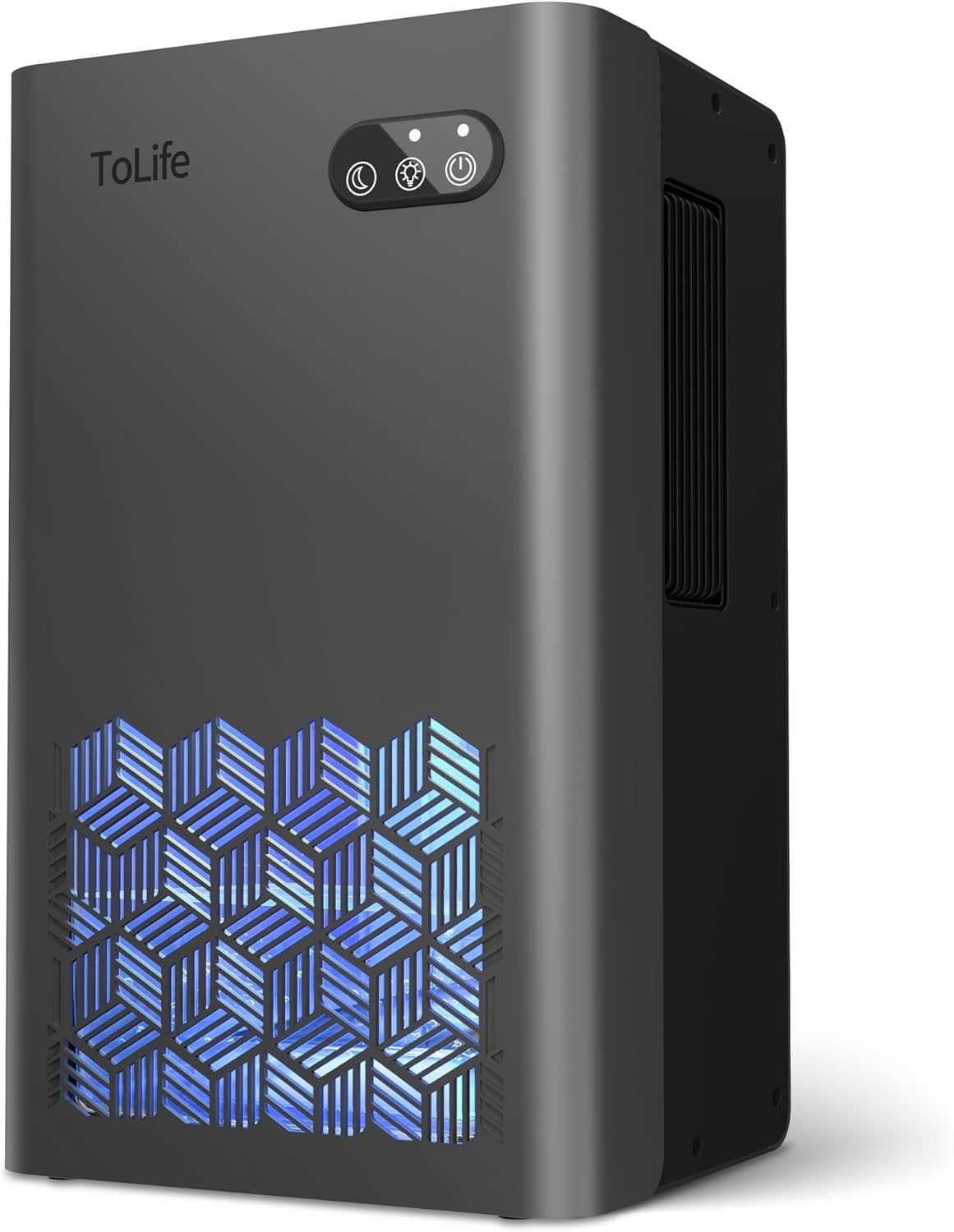
Frequently Asked Questions
Q: How do I know what size dehumidifier I need?
A: Start with your square footage and humidity level. Use this guide: 20–30 pints for 500–1,000 sq ft (moderate humidity), 30–50 pints for 1,000–2,000 sq ft (high humidity), and 50+ pints for larger or very damp spaces. Always size up if your basement is below 70°F.
Q: Can a dehumidifier help with allergies?
A: Yes. By reducing humidity below 50%, dehumidifiers inhibit mold, dust mites, and mildew—common allergens. Pair with an air purifier for best results.
Q: Should I run my dehumidifier all the time?
A: Not necessarily. Use the humidistat to maintain 45–50% humidity. The unit will cycle on and off automatically, saving energy and extending lifespan.
Q: Is it safe to leave a dehumidifier on overnight?
A: Yes, as long as it’s placed on a stable surface, away from flammable materials, and has auto-shutoff when the tank is full. Modern units are designed for continuous operation.
Q: How often should I clean the filter?
A: Every 2–4 weeks during heavy use. A clogged filter reduces efficiency and can cause the unit to overheat.
Q: Can I use a dehumidifier in winter?
A: Only if it has auto-defrost. Standard compressor units may freeze below 65°F. Desiccant models work well in cold temperatures.
Q: Do dehumidifiers use a lot of electricity?
A: It depends. A 50-pint ENERGY STAR model uses about 500–700 watts. Running 8 hours a day costs roughly $10–$15 per month, depending on local rates.
Q: What’s the difference between a dehumidifier and an air purifier?
A: A dehumidifier removes moisture; an air purifier removes particles like dust, pollen, and smoke. They serve different purposes but can complement each other.
Q: Can I install a dehumidifier myself?
A: Portable units are plug-and-play. Whole-home systems require professional HVAC installation.
Q: How long do dehumidifiers last?
A: With proper maintenance, most last 5–10 years. Regular filter cleaning and avoiding extreme temperatures can extend lifespan.
Our Final Recommendations
- Best for Budget-Conscious Buyers: Keystone KSTAD50B – A reliable 50-pint model under $200. Great for small basements. Lacks some features but offers solid performance for the price.
- Best Overall Value: hOmeLabs 50-Pint Dehumidifier – Quiet, efficient, and packed with features like auto-defrost and a washable filter. Consistently praised on Reddit for performance and durability.
- Best Premium Option: Frigidaire FFAD7033R1 – 70-pint capacity, ENERGY STAR certified, and backed by a 2-year warranty. Ideal for large spaces and long-term reliability.
- Best for Beginners: GE APER50LZ – Easy to use, intuitive controls, and excellent customer support. A great entry point for first-time buyers.
- Best for Advanced Users: AprilAire E080 – Whole-home system with smart controls and professional installation. Perfect for severe moisture or new construction.
Conclusion: Making the Right Choice
Choosing the right dehumidifier isn’t just about picking the most powerful or cheapest model—it’s about finding the one that fits your home, your lifestyle, and your long-term needs. By focusing on key factors like performance, build quality, energy efficiency, and real user feedback, you can avoid common pitfalls and invest in a unit that delivers lasting value.
Remember, the best dehumidifier is the one you’ll actually use—and one that works quietly and efficiently in the background to keep your home healthy and comfortable. Whether you’re battling basement mold, reducing allergy symptoms, or simply improving indoor air quality, the right choice will pay dividends for years to come.
Take your time, compare options, and don’t hesitate to consult Reddit communities or HVAC professionals if you’re unsure. With the insights from this guide, you’re now equipped to make a confident, informed decision. Your home—and your lungs—will thank you.