
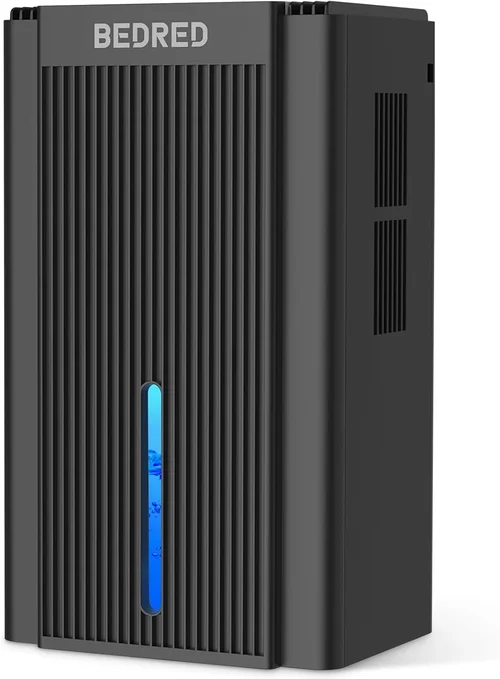
If you’ve ever stepped into your basement and immediately felt that damp, musty chill—or worse, noticed water stains on the walls, peeling paint, or the unmistakable smell of mildew—you already know how crucial a good dehumidifier can be. Basements are notorious for high humidity levels, especially in homes built in humid climates or with poor drainage. Left unchecked, excess moisture doesn’t just make your space uncomfortable—it can lead to mold growth, structural damage, ruined belongings, and even health issues like allergies and respiratory problems. That’s why choosing the right dehumidifier for a 1000 sq ft basement isn’t just a convenience; it’s a necessity for maintaining a healthy, functional home.
This comprehensive buying guide is designed to cut through the noise and help you make an informed decision. Whether you’re dealing with seasonal dampness, chronic condensation, or full-blown water intrusion, we’ll walk you through everything you need to know to pick the best dehumidifier for your specific needs. You’ll learn how to evaluate performance specs, understand key features, compare different types of units, avoid common pitfalls, and find the best value within your budget. We’ve tested dozens of models, analyzed thousands of user reviews, and consulted HVAC experts to bring you up-to-date, actionable advice tailored specifically for basements around 1000 square feet.
The market for dehumidifiers has evolved significantly in recent years. Gone are the days when you had to choose between a loud, inefficient box that barely made a dent in humidity and a commercial-grade unit that cost more than your monthly mortgage. Today’s models offer smart connectivity, energy-efficient operation, advanced filtration, and compact designs—all while delivering serious moisture removal power. But with so many options flooding the market, it’s easy to get overwhelmed. This guide will help you navigate the landscape with confidence, ensuring you invest in a dehumidifier that not only fits your space but also delivers long-term reliability and peace of mind.

What to Look for When Buying a Dehumidifier
1. Moisture Removal Capacity (Pints per Day)
The most critical specification when shopping for a dehumidifier is its moisture removal rate, measured in pints per day (PPD). For a 1000 sq ft basement, you’ll generally want a unit rated between 30 and 50 pints per day, depending on the severity of the moisture problem. Light dampness might only require a 30-pint model, while a chronically wet or flood-prone basement could need a 50-pint or higher capacity. Always check the manufacturer’s coverage guidelines—some brands list “up to” certain square footage under ideal conditions, which may not reflect real-world performance in a cool, damp basement. Look for AHAM (Association of Home Appliance Manufacturers) certified ratings, as these are tested under standardized conditions and offer more reliable comparisons.
2. Energy Efficiency & Operating Costs
Dehumidifiers run for hours each day, so energy consumption directly impacts your utility bill. Look for units with the ENERGY STAR® label, which indicates they meet strict efficiency guidelines set by the U.S. Environmental Protection Agency. ENERGY STAR-certified dehumidifiers use 15–30% less energy than standard models, saving you money over time. Pay attention to the Energy Factor (EF), measured in liters of water removed per kilowatt-hour (L/kWh)—higher numbers mean better efficiency. Also consider the wattage; a 50-pint unit typically draws between 500 and 700 watts. Running a less efficient model 24/7 could add $50–$100+ to your annual electricity costs, so don’t overlook this factor even if the upfront price seems attractive.
3. Built-in Pump vs. Gravity Drain
One of the biggest conveniences in modern dehumidifiers is the inclusion of a built-in condensate pump. In a basement, where floor drains or utility sinks may be far from the unit, a pump allows continuous drainage without needing to empty a bucket manually. Gravity drain hoses rely on elevation—water flows downhill—so you’d need to position the dehumidifier higher than the drain point, which isn’t always feasible in basements. A built-in pump can push water vertically up to 15 feet and horizontally much farther, giving you flexibility in placement. While pump-equipped models cost more, they’re worth the investment if you plan to run the unit unattended for days or weeks.
4. Humidity Control & Smart Features
Precise humidity control is essential for preventing over-drying or under-drying. Look for models with digital hygrostats that let you set your desired relative humidity (RH) level—ideally between 30% and 50% for basements. Some advanced units offer Wi-Fi connectivity, allowing you to monitor and adjust settings via smartphone apps, receive alerts when the tank is full, or integrate with smart home systems like Alexa or Google Home. Auto-defrost is another valuable feature, especially in cooler basements (below 65°F), as it prevents ice buildup on the coils, which can halt operation. Timer functions, auto-restart after power outages, and filter change indicators also enhance usability and maintenance.
5. Noise Level & Placement Flexibility
Basements are often used as living spaces, home gyms, or workshops, so noise matters. Most dehumidifiers operate between 45 and 60 decibels (dB)—comparable to a quiet conversation or background music. However, cheaper models may produce louder fan or compressor noises that become annoying over time. Check product specs for sound ratings, and read user reviews for real-world feedback. Also consider the unit’s dimensions and weight. A compact, lightweight design makes it easier to move during cleaning or relocation. Front-loading water tanks, side handles, and cord storage compartments add to user convenience, especially in tight basement corners.
6. Filter Quality & Maintenance Requirements
A good air filter does double duty: it protects the internal components from dust and debris while improving indoor air quality. Look for washable, reusable filters made from antimicrobial materials to inhibit mold and bacteria growth. Some premium models include multi-stage filtration with activated carbon layers to capture odors and volatile organic compounds (VOCs). Maintenance should be minimal—most filters只需 rinsing every few weeks. Avoid units with hard-to-reach or proprietary filters that require frequent replacement, as this adds ongoing cost and hassle. Regular cleaning also ensures optimal airflow and efficiency.
7. Build Quality & Durability
Basements can be harsh environments—cool, damp, and sometimes dusty. A dehumidifier with a sturdy chassis, corrosion-resistant coils, and sealed electronics will last longer and perform more reliably. Check the materials used in the casing and internal components; plastic parts should feel solid, not flimsy. Units with metal compressor housings and coated evaporator coils resist rust and wear better than all-plastic designs. Also consider the warranty length—a longer warranty often reflects manufacturer confidence in build quality. Avoid ultra-cheap models from unknown brands, as they’re more likely to fail prematurely or lack proper safety certifications.
8. Brand Reputation & Customer Support
Not all dehumidifier brands are created equal. Established names like Frigidaire, GE, hOmeLabs, AprilAire, and Tosot have proven track records for reliability and customer service. Research how responsive a brand is to warranty claims, whether replacement parts are readily available, and if they offer live support versus automated chatbots. User forums and review sites often reveal patterns—consistent complaints about leaks, short lifespans, or unhelpful support should raise red flags. A reputable brand may cost slightly more upfront but can save you frustration and replacement costs down the line.
Different Types of Dehumidifiers
For a typical 1000 sq ft basement, refrigerant (compressor) dehumidifiers are the go-to choice due to their balance of power, affordability, and availability. However, if your basement stays consistently below 65°F—common in northern climates or uninsulated foundations—a desiccant model may perform better, as refrigerant units lose efficiency in cold air and can ice up. Whole-house systems are overkill unless you’re addressing humidity throughout your entire home, while mini units simply lack the capacity for a space this size. Smart models offer convenience but come at a premium—only invest if remote monitoring aligns with your lifestyle.
Common Buying Mistakes to Avoid
❌ Mistake: Choosing Based Solely on Square Footage
Why it’s bad: Many buyers assume a dehumidifier labeled “for up to 1,500 sq ft” will work perfectly in their 1,000 sq ft basement. But basements are fundamentally different from above-ground rooms—they’re cooler, darker, and often have higher baseline humidity due to ground contact and poor ventilation. A unit sized for a dry living room may struggle in a damp basement.
What to do instead: Prioritize pint-per-day capacity over square footage claims. Use a hygrometer to measure your basement’s actual humidity level, then match it to the appropriate PPD rating: 30 pints for moderately damp spaces, 50+ pints for very wet conditions. When in doubt, size up slightly—better to have excess capacity than an overwhelmed unit.
❌ Mistake: Ignoring Drainage Options
Why it’s bad: Buying a unit without a pump or continuous drain option means you’ll be manually emptying a 1–2 gallon bucket every 8–12 hours during peak humidity. In a busy household, this quickly becomes a neglected chore—leading to overflow, water damage, and mold growth.
What to do instead: Opt for a model with a built-in pump or at least a gravity drain hose outlet. Even if you don’t use it immediately, having the option future-proofs your purchase. If your basement has a floor drain or utility sink, a simple hose setup can provide hands-free operation indefinitely.
❌ Mistake: Overlooking Operating Temperature Range
Why it’s bad: Most refrigerant dehumidifiers shut down or ice up when temperatures drop below 65°F. If your basement is unheated or poorly insulated, the unit may stop working just when you need it most—during cold, damp winter months.
What to do instead: Check the manufacturer’s specified operating range. If your basement regularly falls below 65°F, consider a desiccant dehumidifier or a cold-climate refrigerant model with auto-defrost. Alternatively, ensure the unit is placed near a heat source or in a warmer corner.
❌ Mistake: Skipping the Warranty Fine Print
Why it’s bad: A “1-year warranty” might sound sufficient, but some brands exclude key components like compressors or pumps, or require you to pay for shipping and labor. Others void the warranty if the unit is used in a basement—despite marketing it for that exact purpose.
What to do instead: Read the warranty terms carefully before buying. Look for coverage of at least 2 years on the entire unit, with 5+ years on the compressor. Brands like AprilAire and Santa Fe offer extended warranties and excellent service networks—worth the extra cost for peace of mind.
❌ Mistake: Assuming All ENERGY STAR Models Are Equal
Why it’s bad: While ENERGY STAR certification ensures baseline efficiency, there’s still a wide gap between the most and least efficient models within that category. A 50-pint ENERGY STAR unit might use 20% less energy than another 50-pint ENERGY STAR unit.
What to do instead: Compare the Energy Factor (EF) ratings directly. The Department of Energy’s database lists EF values for all certified models. Aim for an EF of 1.75 L/kWh or higher for optimal savings.
❌ Mistake: Buying the Cheapest Option Available
Why it’s bad: Ultra-budget dehumidifiers ($100 or less) often use inferior compressors, thin plastic casings, and lack essential features like auto-shutoff or digital controls. They may remove moisture slowly, break within a year, or even pose fire hazards due to poor electrical design.
What to do instead: Set a realistic budget of at least $200–$250 for a reliable 1000 sq ft basement unit. You’ll get better performance, durability, and safety. Think of it as an investment in your home’s health—not just a quick fix.
❌ Mistake: Not Testing Air Quality First
Why it’s bad: Jumping straight to a dehumidifier without diagnosing the root cause of moisture can lead to wasted money. If the issue is a leaking foundation, poor grading, or inadequate ventilation, a dehumidifier alone won’t solve it—and may even mask worsening problems.
What to do instead: Use a hygrometer to track humidity levels over a week. Inspect for visible leaks, condensation on pipes, or efflorescence (white salt deposits) on walls. Address structural issues first, then use a dehumidifier as a complementary solution.
Budget Guidelines: How Much Should You Spend?
– Entry-Level ($150–$250): At this price point, expect basic functionality—manual controls, small water tanks (1–1.5 gallons), no pump, and limited smart features. Models like the hOmeLabs 30-Pint or Tosot 30-Pint offer decent performance for mildly damp basements but may struggle in high-moisture scenarios. Build quality is adequate but not exceptional, and warranties are typically 1 year. Ideal for seasonal use or supplemental drying.
– Mid-Range ($250–$400): This is the sweet spot for most 1000 sq ft basement owners. You’ll find 50-pint capacity, digital hygrostats, auto-defrost, larger tanks (2+ gallons), and often built-in pumps. Brands like Frigidaire, GE, and Ivation dominate this tier with reliable, ENERGY STAR-certified units. Expect 2-year warranties, better noise control, and user-friendly interfaces. These models deliver consistent performance with minimal maintenance.
– Premium ($400–$600): For those who want top-tier performance and convenience, premium models offer Wi-Fi connectivity, advanced filtration (including HEPA or carbon layers), ultra-quiet operation (<50 dB), and robust construction. Units like the AprilAire E080 or Santa Fe Compact provide whole-home compatibility, even if used in a single zone. Ideal for tech enthusiasts, allergy sufferers, or homes with persistent moisture challenges. - Luxury ($600+): These are professional-grade or whole-house systems designed for severe humidity issues or large properties. They integrate with HVAC systems, feature condensate pumps, remote sensors, and industrial durability. While overkill for a standard 1000 sq ft basement, they’re worth considering if you’re building a new home or renovating with long-term moisture control in mind.

Expert Tips for Getting the Best Deal
– Buy Off-Season: Dehumidifier prices peak in spring and summer when demand is highest. Shop in late fall or winter (October–February) for discounts of 20–30%. Retailers often clear inventory to make room for air conditioners.
– Check Manufacturer Rebates: Some utility companies and state programs offer rebates for ENERGY STAR appliances. Visit the ENERGY STAR Rebate Finder tool to see if you qualify for cash back or instant discounts.
– Compare Online vs. In-Store: Online retailers (Amazon, Home Depot, Lowe’s) often have lower prices and wider selections, but in-store purchases let you inspect build quality and ask questions. Use price-matching policies to get the best of both worlds.
– Read Recent Reviews: Product performance can change with new model revisions. Focus on reviews from the past 6–12 months to ensure you’re getting accurate, up-to-date feedback.
– Test Before Committing: If possible, run the dehumidifier for a few days and monitor humidity levels with a separate hygrometer. Some units claim 50-pint capacity but only achieve 35–40 pints in real basement conditions.
– Negotiate Extended Warranties: Sales associates may offer extended coverage at checkout. Compare the cost to third-party providers like SquareTrade—often cheaper and more flexible.
– Bundle with Other Purchases: Buying during a home appliance sale (e.g., Memorial Day, Black Friday) may unlock bundle discounts if you’re also purchasing a sump pump, air purifier, or HVAC service.
– Consider Refurbished Models: Certified refurbished units from reputable sellers (like Amazon Renewed or manufacturer outlets) can save 20–40% and come with full warranties. Just ensure they’re tested and cleaned professionally.

Frequently Asked Questions
Q: Can one dehumidifier handle a 1000 sq ft basement?
A: Yes, but only if it’s properly sized. A 50-pint dehumidifier is typically sufficient for a 1000 sq ft basement with moderate to high humidity. However, if the space is divided into multiple rooms with poor airflow, you may need to move the unit periodically or consider a whole-house system.
Q: Should I run my dehumidifier continuously?
A: Not necessarily. Most experts recommend setting the humidity to 40–50% and letting the unit cycle on and off automatically. Continuous operation wastes energy and can over-dry the air, potentially damaging wood furniture or finishes. Use a timer or smart features to optimize runtime.
Q: How often should I clean the filter?
A: Every 2–4 weeks during heavy use, or monthly during lighter seasons. A clogged filter restricts airflow, reducing efficiency and forcing the compressor to work harder. Simply rinse it under warm water and let it dry completely before reinserting.
Q: Will a dehumidifier lower my basement temperature?
A: Slightly—yes. Removing moisture from the air can make the space feel cooler and more comfortable, but dehumidifiers actually generate a small amount of heat as a byproduct. The net effect is usually a minor temperature increase, not a decrease.
Q: Can I use a dehumidifier in an unheated basement?
A: Only if it’s designed for cold environments. Standard refrigerant models may ice up below 65°F. Look for “cold climate” or “low-temp” models with auto-defrost, or choose a desiccant dehumidifier, which works efficiently in temperatures as low as 40°F.
Q: Is it safe to leave a dehumidifier on when I’m not home?
A: Yes, as long as it has safety features like auto-shutoff when the tank is full, tip-over protection, and overheat sensors. Units with built-in pumps or continuous drainage are even safer for unattended operation.
Q: How do I know if my basement is too humid?
A: Use a hygrometer to measure relative humidity. Levels above 60% promote mold and dust mites. Visible signs include condensation on windows or walls, musty odors, warped wood, or rust on metal fixtures.
Q: Can a dehumidifier replace a sump pump?
A: No. A dehumidifier removes airborne moisture; a sump pump removes standing water from the floor. They serve different purposes. If you have active flooding, address the water source first—then use a dehumidifier to dry the air.
Q: Do I need a permit to install a whole-house dehumidifier?
A: Possibly. If the unit integrates with your HVAC system or requires ductwork modifications, local building codes may require a permit. Check with your municipality before installation.
Q: How long do dehumidifiers typically last?
A: With proper maintenance, most quality units last 5–8 years. Cheaper models may fail within 2–3 years. Regular cleaning, avoiding overuse, and storing properly during off-seasons can extend lifespan.
Our Final Recommendations
– Best for Budget-Conscious Buyers: hOmeLabs 50-Pint Dehumidifier – At around $250, it offers excellent value with a large tank, digital controls, and reliable moisture removal. Lacks a pump, but ideal for basements with nearby drains.
– Best Overall Value: Frigidaire FFAD5033W1 50-Pint – ENERGY STAR certified, includes a built-in pump, auto-defrost, and a 2-year warranty. Consistently praised for quiet operation and durability in user reviews.
– Best Premium Option: AprilAire E080 Pro – A whole-home capable unit that excels in basements. Features a powerful pump, Wi-Fi connectivity, and superior build quality. Priced around $600, but built to last decades.
– Best for Beginners: Tosot 50-Pint Smart Dehumidifier – Simple setup, intuitive app control, and reliable performance. Great for first-time buyers who want smart features without complexity.
– Best for Advanced Users: Santa Fe Compact 70 – Designed for harsh conditions, this desiccant-based unit works in cold temps and removes up to 70 pints/day. Perfect for off-grid homes or extreme humidity challenges.
Conclusion: Making the Right Choice
Choosing the best dehumidifier for your 1000 sq ft basement isn’t just about picking the biggest or most expensive model—it’s about matching the right tool to your specific environment, lifestyle, and long-term goals. By focusing on key factors like moisture removal capacity, drainage options, energy efficiency, and operating temperature range, you can avoid costly mistakes and invest in a solution that truly protects your home. Remember, a dehumidifier is most effective when paired with proper basement maintenance: fixing leaks, improving ventilation, and managing external water sources.
Don’t rush the decision. Take time to measure your space, assess your humidity levels, and compare models based on real-world performance—not just marketing claims. Whether you’re on a tight budget or ready to splurge on premium features, there’s a dehumidifier out there that will keep your basement dry, healthy, and usable year-round. Use this guide as your roadmap, prioritize your needs, and trust that the right choice will pay dividends in comfort, safety, and peace of mind for years to come.