
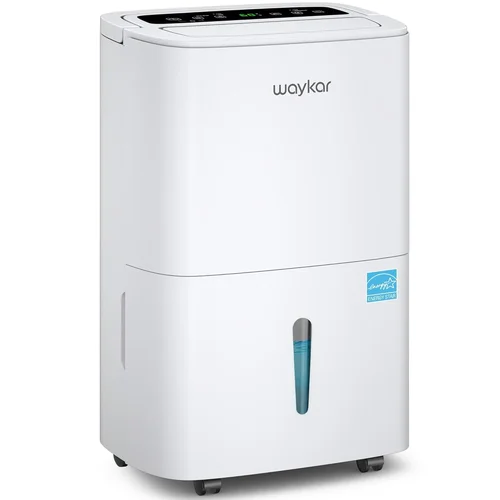
If you’ve ever walked into your basement and been greeted by that unmistakable musty smell, or noticed condensation on the walls, peeling paint, or even mold creeping into corners, you already know the problem: excess moisture. Basements are naturally prone to high humidity due to their below-grade location, poor ventilation, and proximity to groundwater. Left unchecked, this damp environment doesn’t just damage your belongings—it can compromise your home’s structural integrity and even affect your family’s health. That’s where a reliable dehumidifier comes in. For a 1200 sq ft basement, choosing the right unit isn’t just about convenience; it’s about creating a healthier, safer, and more comfortable living space.
This comprehensive buying guide is designed to cut through the noise and help you make an informed decision. Whether you’re dealing with seasonal dampness, chronic flooding risks, or simply want to protect your stored items and improve indoor air quality, we’ve got you covered. You’ll learn exactly what to look for in a dehumidifier, how to avoid common pitfalls, and which models offer the best value for your specific needs. We’ll break down technical specs in plain English, compare different types of units, and share expert tips to ensure you get the most bang for your buck. By the end of this guide, you’ll have a clear roadmap to selecting the ideal dehumidifier for your 1200 sq ft basement—no guesswork required.
The market for dehumidifiers has exploded in recent years, with dozens of brands offering everything from compact, budget-friendly units to industrial-grade systems packed with smart features. While this variety is great for consumers, it also makes choosing the right model more confusing than ever. Some units claim to cover large areas but fall short in real-world performance. Others boast advanced controls but lack durability. And many buyers end up overspending on features they don’t need—or worse, underspending and getting a unit that can’t handle the job. Our goal here is to demystify the process, giving you the knowledge and confidence to invest wisely in a dehumidifier that will serve your basement reliably for years to come.

What to Look for When Buying a Dehumidifier
1. Capacity (Pints per Day)
The most critical factor when selecting a dehumidifier for a 1200 sq ft basement is its moisture removal capacity, measured in pints per day (PPD). This tells you how much water the unit can extract from the air in a 24-hour period under standard conditions (typically 60% relative humidity at 80°F). For a basement of this size, you’ll generally need a unit rated between 50 and 70 pints per day. However, this number isn’t one-size-fits-all—your actual needs depend on how damp your space is.
If your basement is only slightly damp with occasional moisture, a 50-pint model may suffice. But if you’re dealing with standing water, frequent condensation, or visible mold, you’ll want to lean toward a 70-pint unit or even consider a commercial-grade option. Always check the manufacturer’s coverage guidelines—some brands overstate their capacity, so look for AHAM (Association of Home Appliance Manufacturers) certified ratings, which are tested under consistent conditions and more reliable.
2. Energy Efficiency & Operating Costs
Dehumidifiers run continuously in many basements, especially during humid months, so energy efficiency directly impacts your utility bill. Look for units with the ENERGY STAR label, which indicates they meet strict efficiency standards set by the U.S. Environmental Protection Agency. ENERGY STAR-certified dehumidifiers use about 15% less energy than standard models, which can save you $10–$20 per month depending on local electricity rates and usage.
Pay attention to the unit’s Energy Factor (EF), measured in liters of water removed per kilowatt-hour (L/kWh). A higher EF means better efficiency. For example, a model with an EF of 1.8 is more efficient than one with 1.5. Also consider the wattage—most residential dehumidifiers range from 500 to 750 watts. While lower wattage doesn’t always mean better efficiency (due to runtime differences), it’s a useful data point when comparing similar-capacity units.
3. Drainage Options
Emptying a full water bucket every day is tedious and impractical, especially in a basement you don’t visit frequently. That’s why drainage options are crucial. Most dehumidifiers offer two main choices: manual bucket removal or continuous gravity drainage via a hose.
For a 1200 sq ft basement, we strongly recommend a model with a built-in hose connection for continuous drainage. Simply attach a standard garden hose and route it to a floor drain, sump pump, or outside. This eliminates the need for constant monitoring and emptying. Some premium models even include an internal condensate pump, allowing you to drain water upward—ideal if your basement lacks a floor drain or if you need to send water to a higher elevation, like a utility sink.
💡 Pro Tip:
4. Humidity Control & Sensors
Precise humidity control is essential for maintaining a healthy basement environment. The ideal relative humidity level for most basements is between 30% and 50%. Too low, and you risk dry air and static electricity; too high, and mold and dust mites thrive.
Look for a dehumidifier with a built-in humidistat (humidity sensor) that allows you to set your desired humidity level. Once reached, the unit will cycle on and off automatically to maintain that level—saving energy and preventing over-drying. Some models feature digital displays with real-time humidity readings, while others use analog dials. Digital controls are more accurate and user-friendly, especially if you want to fine-tune settings.
Advanced units may also include auto-defrost functionality, which prevents ice buildup on the coils in cold environments (below 65°F). This is particularly useful in unheated basements during winter months, ensuring consistent performance year-round.
5. Noise Level
Basements are often used as laundry rooms, home gyms, or even living spaces, so noise matters. Dehumidifiers produce sound from their compressor and fan, typically ranging from 45 to 65 decibels (dB). To put that in perspective, 45 dB is similar to a quiet library, while 65 dB is like normal conversation.
If your basement doubles as a functional room, aim for a unit under 55 dB. Many manufacturers list noise levels in their specs, but real-world performance can vary. Check user reviews for feedback on noise, especially during nighttime operation. Some models feature “quiet mode” or variable fan speeds that reduce noise when full power isn’t needed.
6. Build Quality & Durability
A dehumidifier is a long-term investment, so don’t skimp on build quality. Look for sturdy construction with rust-resistant coatings, especially since basements are prone to moisture. The internal components—particularly the compressor and coils—should be designed for continuous operation.
Pay attention to the warranty: a longer warranty often reflects manufacturer confidence in durability. Most reputable brands offer at least a 1-year limited warranty, with some extending to 2 or even 5 years on key parts like the compressor. Avoid ultra-cheap models with flimsy plastic housings or no warranty—they’re more likely to fail prematurely.
7. Portability & Placement
Even in a basement, you may need to move your dehumidifier occasionally—for cleaning, repositioning, or seasonal storage. Look for units with integrated handles and smooth-rolling casters. A weight under 40 pounds is manageable for most adults, though larger 70-pint models can weigh 50+ pounds.
Consider placement flexibility. Some dehumidifiers are designed to sit flat on the floor, while others can be wall-mounted or placed on a shelf. Ensure there’s adequate airflow around the unit (at least 6–12 inches from walls) to prevent overheating and maintain efficiency.
8. Smart Features & Connectivity
Modern dehumidifiers increasingly come with smart capabilities. Wi-Fi connectivity allows you to monitor and control the unit via a smartphone app, set schedules, receive alerts when the bucket is full, or integrate with smart home systems like Alexa or Google Home.
While not essential, these features add convenience—especially if you’re away from home frequently. Some models even include air quality sensors that detect mold spores or VOCs (volatile organic compounds), providing extra peace of mind. Just remember: smart features often come at a premium, so evaluate whether they’re worth the added cost for your lifestyle.
Different Types of Dehumidifiers

For a typical 1200 sq ft basement, refrigerant (compressor) dehumidifiers are the go-to choice. They offer the best balance of performance, efficiency, and affordability. Desiccant models are worth considering if your basement stays below 60°F in winter, as they don’t rely on cold coils that can frost over. Whole-house systems are overkill unless you have severe, home-wide humidity problems. Mini units simply lack the capacity for a space this size, while commercial models are unnecessarily expensive and complex for residential use.
Common Buying Mistakes to Avoid
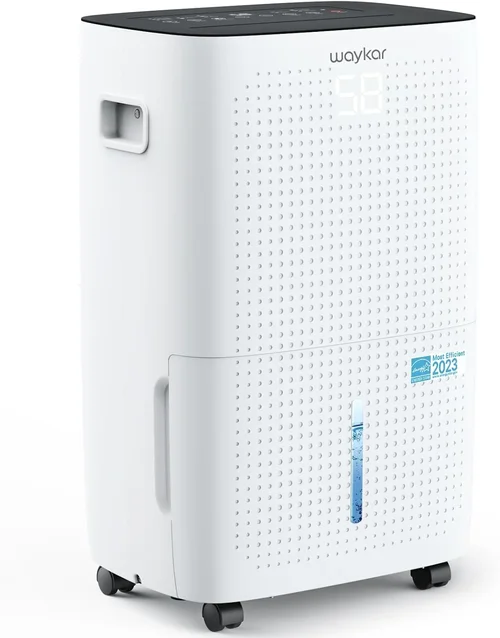
❌ Mistake: Choosing Based Solely on Square Footage
Why it’s bad: Many buyers assume that a dehumidifier rated for “up to 1,500 sq ft” will work perfectly in their 1,200 sq ft basement. But square footage alone doesn’t account for humidity levels, insulation, ventilation, or water intrusion. A lightly damp basement might need less capacity than a smaller but flood-prone space.
What to do instead: Prioritize pint-per-day capacity over square footage claims. Use online calculators from reputable brands (like Frigidaire or hOmeLabs) that factor in both size and moisture severity. When in doubt, size up—better to have excess capacity than an underpowered unit.
❌ Mistake: Ignoring Drainage Needs
Why it’s bad: Buying a unit with only a bucket means you’ll be emptying it daily—or risking overflow, water damage, and mold growth. In a basement you rarely visit, this is a recipe for disaster.
What to do instead: Always choose a model with a continuous drain option. Even if you don’t install it immediately, having the capability gives you flexibility. If your basement lacks a drain, consider a unit with an internal pump or invest in a small condensate pump.
❌ Mistake: Overlooking Energy Efficiency
Why it’s bad: A cheap dehumidifier might save you $50 upfront but cost you $100+ per year in electricity. Over five years, that’s a $500 penalty for short-term savings.
What to do instead: Calculate the total cost of ownership. Look for ENERGY STAR certification and compare annual operating costs listed in the product manual or on the manufacturer’s website. The extra $30–$50 for an efficient model pays for itself quickly.
❌ Mistake: Skipping the Humidistat
Why it’s bad: Without precise humidity control, your dehumidifier may run nonstop, wasting energy and overdrying the air—or shut off too early, allowing moisture to return.
What to do instead: Only consider models with a built-in humidistat. Avoid units that only have “high/medium/low” settings—they lack precision and can’t maintain optimal humidity levels.
❌ Mistake: Buying the Cheapest Option Available
Why it’s bad: Ultra-budget dehumidifiers often use low-quality compressors, thin plastic, and minimal insulation. They’re prone to breakdowns, noisy operation, and short lifespans—sometimes failing within a year.
What to do instead: Set a realistic budget ($200–$350 is a sweet spot for most 1200 sq ft basements) and prioritize reliability over rock-bottom price. Read user reviews focusing on longevity and customer service experiences.
❌ Mistake: Not Checking Warranty and Support
Why it’s bad: If your dehumidifier fails after 13 months and the warranty is only 12 months, you’re out of luck. Poor customer support can leave you stranded with a broken unit.
What to do instead: Choose brands with at least a 1-year full warranty and 2–5 years on the compressor. Research customer service reputation—brands like GE, Frigidaire, and hOmeLabs are known for responsive support.
❌ Mistake: Assuming All “Smart” Features Are Useful
Why it’s bad: Paying $100 extra for Wi-Fi connectivity you’ll never use is wasted money. Some apps are buggy or require constant updates.
What to do instead: Only buy smart features if you’ll actually use them. For most basement applications, basic humidity control and auto-drain are far more valuable than app notifications.
Budget Guidelines: How Much Should You Spend?
Dehumidifiers for a 1200 sq ft basement fall into clear price tiers, each offering different levels of performance, features, and longevity. Here’s what to expect at each level:
Entry-Level ($100–$200): These are basic 30–50 pint units, often lacking a humidistat, continuous drain, or energy-efficient operation. They may work for mildly damp spaces but struggle in high-moisture environments. Build quality is typically lower, and warranties are short (6–12 months). Best for temporary use or very light-duty needs.
Mid-Range ($200–$350): This is the sweet spot for most homeowners. You’ll find 50–70 pint models with ENERGY STAR certification, digital humidistats, continuous drain hoses, and auto-defrost. Brands like hOmeLabs, Frigidaire, and Tosot dominate this category with reliable performance and solid warranties (1–2 years). These units offer the best balance of price, features, and durability.
Premium ($350–$600): Designed for heavy-duty use, these models often include internal condensate pumps, advanced air filtration (HEPA or activated carbon), Wi-Fi connectivity, and commercial-grade components. Ideal for basements with chronic flooding, high humidity, or multi-purpose use (e.g., home gyms or workshops). Expect 2–5 year warranties and superior build quality.
Luxury ($600+): At this level, you’re entering whole-house or industrial territory. These systems integrate with HVAC, offer zone control, and can handle extreme moisture loads. Overkill for most residential basements unless you have severe structural issues or live in a flood-prone area. Often require professional installation.

Expert Tips for Getting the Best Deal
- Buy in Spring: Dehumidifier prices peak in summer when demand is highest. Shop in March or April for the best selection and discounts before the humid season hits.
- Check Retailer Return Policies: Some stores offer 30–90 day return windows. If the unit doesn’t perform as expected, you can swap it out without hassle.
- Look for Bundle Deals: Some retailers include free drain hoses, extended warranties, or air purifiers with purchase—especially during holiday sales.
- Compare Online vs. In-Store: Online retailers often have lower prices and better reviews, but in-store purchases let you inspect build quality and ask questions.
- Test Before Committing: Run the dehumidifier for a week and monitor humidity levels with a standalone hygrometer. If it can’t maintain 45–50%, consider a higher-capacity model.
- Negotiate on Floor Models: Stores often discount display units at the end of the season. These are typically in perfect working condition but lack original packaging.
- Sign Up for Alerts: Use price-tracking tools like Honey or CamelCamelCamel to monitor deals on specific models.
- Consider Refurbished Units: Certified refurbished dehumidifiers from reputable sellers (like Amazon Renewed or manufacturer outlets) can save 20–30% with full warranties.

Frequently Asked Questions
Q: Can one dehumidifier cover my entire 1200 sq ft basement?
A: Yes, but only if it’s properly sized and placed centrally. A 50–70 pint unit should suffice for most 1200 sq ft basements, assuming average insulation and moderate moisture. For open layouts or high humidity, position the unit where airflow is best—avoid corners or behind furniture.
Q: Should I run my dehumidifier year-round?
A: In most climates, yes—especially in basements. Humidity can spike even in winter due to temperature differentials. Use a model with auto-defrost to ensure it works efficiently in cold conditions.
Q: How often should I clean my dehumidifier?
A: Clean the air filter monthly and wash the water bucket every 1–2 weeks to prevent mold and bacteria growth. Wipe down coils annually with a soft brush or vacuum.
Q: Will a dehumidifier help with mold?
A: It can prevent new mold growth by reducing moisture, but it won’t remove existing mold. For active mold infestations, clean affected areas with a mold-killing solution and fix any water sources first.
Q: Can I use a dehumidifier in an unheated basement?
A: Yes, but choose a model with auto-defrost or a desiccant type. Standard refrigerant units may ice up below 65°F, reducing efficiency or shutting down.
Q: Is it safe to leave a dehumidifier on all the time?
A: Absolutely. Modern dehumidifiers are designed for continuous operation. Just ensure proper drainage and regular maintenance to avoid hazards.
Q: Do I need a permit to install a dehumidifier?
A: No. Portable dehumidifiers plug into standard outlets and require no installation. Whole-house systems may need HVAC professional involvement but rarely require permits.
Q: What’s the difference between pints per day and square footage ratings?
A: Pints per day measures actual moisture removal capacity under standardized conditions. Square footage is a rough estimate based on average humidity. Always prioritize PPD for accuracy.
Q: Can a dehumidifier replace an air conditioner?
A: No. Dehumidifiers remove moisture but don’t cool air. They may make a room feel more comfortable by reducing humidity, but they won’t lower temperature.
Q: How do I know if my basement is too humid?
A: Use a hygrometer to measure relative humidity. Readings above 60% indicate a problem. Visible signs include condensation, musty odors, warped wood, or peeling paint.
Our Final Recommendations
Best for Budget-Conscious Buyers: hOmeLabs 50 Pint Dehumidifier – At under $250, this ENERGY STAR-certified model offers excellent value with a digital humidistat, continuous drain, and quiet operation. Ideal for mildly to moderately damp basements.
Best Overall Value: Frigidaire FFAD7033R1 70 Pint Dehumidifier – A top performer in its class, this unit combines high capacity, efficient operation, and reliable build quality. Includes washable filter, auto-defrost, and a 1-year warranty. Perfect for larger or high-moisture basements.
Best Premium Option: Tosot 70 Pint Smart Dehumidifier with Pump – Packed with features like Wi-Fi control, internal condensate pump, and HEPA filtration, this model is ideal for tech-savvy users or those with serious moisture challenges. Priced around $450 but worth it for the automation and peace of mind.
Best for Beginners: GE APER50LZ 50 Pint Dehumidifier – Simple controls, reliable performance, and strong customer support make this a great entry point. Easy to set up and maintain, with clear indicators for filter cleaning and bucket full alerts.
Best for Advanced Users: AprilAire E080 Pro 80 Pint Whole-Home Dehumidifier – While overkill for some, this professionally installed system offers unmatched capacity and integration with HVAC. Best for homes with chronic humidity issues or those wanting a permanent, hands-off solution.
Conclusion: Making the Right Choice
Choosing the best dehumidifier for your 1200 sq ft basement doesn’t have to be overwhelming. By focusing on key factors like capacity, drainage, efficiency, and build quality—and avoiding common pitfalls like overspending on unnecessary features or undersizing your unit—you can find a solution that keeps your basement dry, healthy, and usable year-round. Remember, the goal isn’t just to remove moisture; it’s to create a space that protects your home, your belongings, and your family’s well-being.
Take the time to assess your specific needs: How damp is your basement? Do you have a drain nearby? Will you use smart features? Use the guidelines, comparisons, and recommendations in this guide to narrow your options and make a confident decision. And don’t forget to maintain your unit regularly—clean filters, check hoses, and monitor humidity levels to ensure long-term performance.
Investing in the right dehumidifier is one of the smartest home improvements you can make. It’s not just about comfort—it’s about prevention. Prevent mold, prevent damage, prevent health risks. With the knowledge you’ve gained here, you’re ready to choose wisely and enjoy a drier, fresher basement for years to come.