
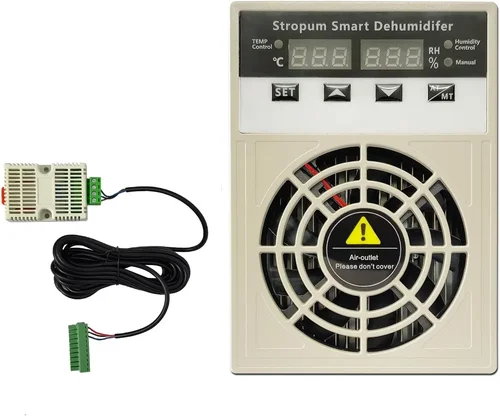
When it comes to indoor growing—especially in a controlled environment like a 2×4 grow tent—managing humidity isn’t just a nice-to-have; it’s essential. Whether you’re cultivating herbs, vegetables, or high-value plants, maintaining the right moisture level can mean the difference between a thriving harvest and a mold-ridden disaster. Too much humidity encourages fungal diseases like powdery mildew and root rot, while too little can stunt growth and stress your plants. That’s where a reliable dehumidifier comes in. But not all dehumidifiers are created equal—especially when you’re dealing with the compact, high-humidity environment of a small grow tent.
This comprehensive buying guide is designed to help you cut through the noise and make an informed decision. Whether you’re a first-time grower or a seasoned cultivator looking to upgrade your setup, we’ll walk you through everything you need to know about choosing the best dehumidifier for a 2×4 grow tent. You’ll learn how to evaluate performance specs, understand key features, avoid common pitfalls, and find a model that fits your budget and growing goals. With the right dehumidifier, you’ll protect your investment, improve plant health, and maximize yield—all while keeping your grow space running smoothly.
The market for dehumidifiers has exploded in recent years, with dozens of brands offering models tailored to everything from basements to bedrooms—and yes, even grow tents. But many of these units aren’t optimized for the unique demands of indoor horticulture. Some are too loud, others lack the precision control needed for delicate plant stages, and a surprising number simply don’t have the capacity to handle the moisture output from a small but active grow space. In this guide, we’ll focus specifically on dehumidifiers that perform well in confined environments like a 2×4 tent, where space is tight, airflow is critical, and consistency is king.
What to Look for When Buying Buying Guide
1. Moisture Removal Capacity (Pints per Day)
The most critical specification when choosing a dehumidifier for your 2×4 grow tent is its moisture removal capacity, typically measured in pints per day (PPD). This tells you how much water the unit can extract from the air in a 24-hour period under standard conditions (usually 80°F and 60% relative humidity). For a 2×4 grow tent, which typically houses 1–4 plants depending on strain and training method, you’ll generally need a unit that can remove between 10 and 25 pints per day.
Why this range? Smaller tents produce less moisture than larger grow rooms, but they also have less air volume to buffer humidity spikes. During flowering, plants can transpire heavily, especially under high-intensity lighting. A dehumidifier with too little capacity will struggle to keep up, leading to stagnant, damp air. On the other hand, one with excessive capacity may cycle on and off too frequently, wasting energy and potentially over-drying the environment. Look for models in the 15–25 PPD range for optimal balance. Some manufacturers offer “grow tent-specific” ratings—these are often more accurate than standard AHAM ratings, so prioritize those when available.
2. Humidity Control Precision
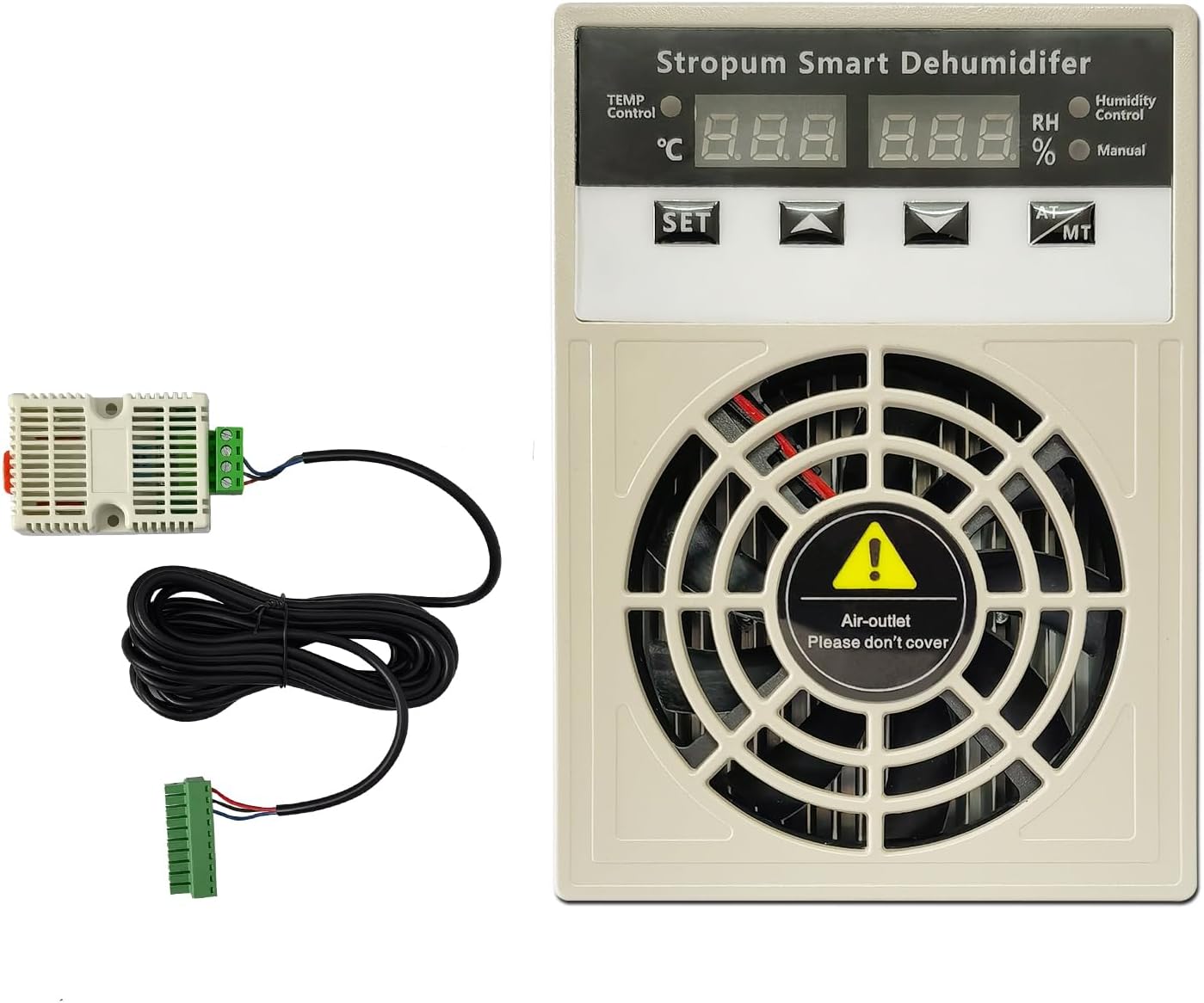
Precision matters more than raw power when it comes to humidity control. Plants thrive within narrow humidity ranges depending on their growth stage: seedlings prefer 65–70%, vegetative plants do well at 40–60%, and flowering plants need 40–50% to prevent mold. A dehumidifier with a built-in humidistat allows you to set a target humidity level, and the unit will automatically turn on or off to maintain it. Look for models with digital hygrometers and adjustable setpoints accurate to within ±3% RH.
Some advanced units even offer programmable timers or integration with smart controllers, allowing you to simulate natural humidity cycles or sync with your lighting schedule. Avoid units that only have manual on/off switches or coarse dial controls—these require constant monitoring and adjustment, which defeats the purpose of automation. For a 2×4 tent, where conditions can change rapidly, precise control is non-negotiable.
3. Size, Noise Level, and Portability
Space is at a premium in a 2×4 grow tent setup, so the physical dimensions of your dehumidifier matter. Most compact models designed for small spaces measure around 12–16 inches tall and 8–12 inches wide, making them easy to tuck into a corner or place beside the tent. However, don’t sacrifice performance for size—some ultra-compact units lack the internal components needed for consistent operation.
Noise is another often-overlooked factor. Grow tents are frequently located in living areas, bedrooms, or basements, and a loud dehumidifier can be disruptive. Look for units rated below 50 decibels (dB)—this is roughly the sound level of a quiet conversation. Compressor-based dehumidifiers tend to be louder than desiccant models, but they’re also more efficient in warm environments. If noise is a concern, consider placing the unit outside the tent with ducting to draw moist air in and expel dry air back in.
Portability features like carrying handles, cord storage, and lightweight construction (under 20 lbs) make it easier to move the unit for cleaning or repositioning. Some models even come with casters, though these are less common in compact designs.
4. Energy Efficiency and Operating Costs
Dehumidifiers run continuously during certain phases of growth, so energy consumption adds up quickly. Check the unit’s wattage and look for the Energy Star certification, which indicates it meets strict efficiency guidelines set by the U.S. Environmental Protection Agency. A typical 20-pint dehumidifier uses between 200 and 400 watts, but efficiency varies widely between models.
To estimate operating costs, multiply the wattage by the number of hours used per day, then by your local electricity rate (in kWh). For example, a 300-watt unit running 12 hours a day at $0.12/kWh costs about $13 per month. Over a full grow cycle (3–6 months), that’s $40–$80 just in electricity. More efficient models may cost more upfront but save money long-term. Also consider units with auto-defrost features if you live in a cooler climate—these prevent ice buildup on coils, which reduces efficiency and can damage the unit.
5. Build Quality and Durability
Indoor grow environments are harsh: high humidity, fluctuating temperatures, and exposure to organic matter like soil and plant debris can degrade lesser units quickly. Look for dehumidifiers with sturdy, rust-resistant casings—preferably made from reinforced plastic or coated metal. Internal components should be sealed to prevent moisture damage, and filters should be washable or easily replaceable.
Pay attention to the compressor type. Rotary compressors are quieter and more durable than reciprocating ones, making them ideal for continuous use. Desiccant dehumidifiers, while less common in this size range, use moisture-absorbing materials and have no moving parts, which can extend lifespan—but they’re typically less efficient in warm, humid conditions. Also check for certifications like ETL, UL, or CSA, which indicate the unit has been tested for safety and performance.
6. Ease of Maintenance and Filter Access
A dehumidifier that’s hard to clean won’t stay effective for long. Mold, dust, and mineral deposits can clog coils and filters, reducing efficiency and creating odors. Choose a model with a front-loading or top-access water tank (usually 1–2 gallons for small units) and a removable, washable air filter. Some units include filter indicators that alert you when cleaning is needed.
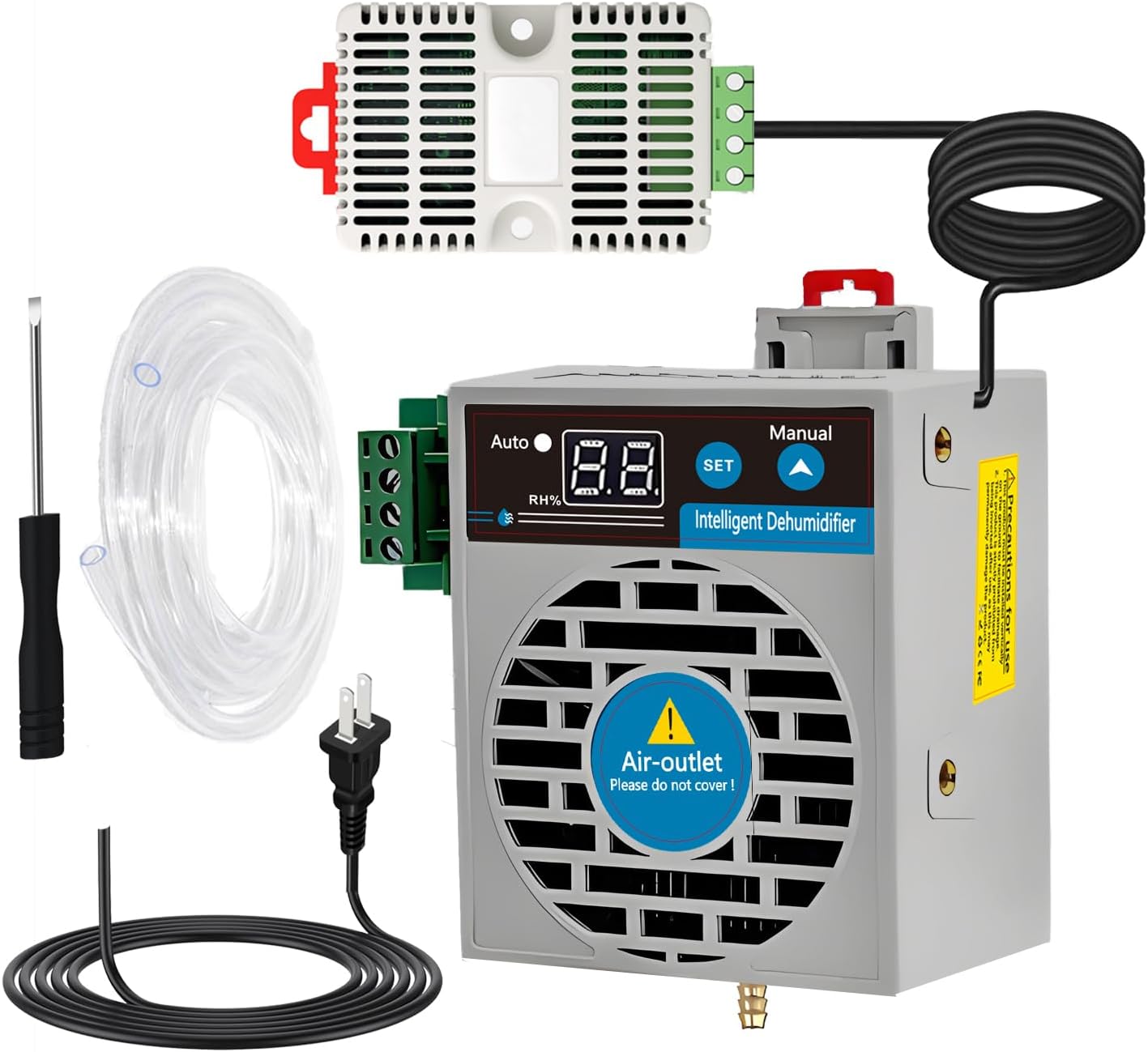
If you live in an area with hard water, consider a model with a built-in ionizer or anti-scale coating to reduce mineral buildup. Alternatively, use distilled water in the tank if you’re emptying it manually. For continuous drainage, look for a hose connection (usually ¼-inch barbed) that allows you to route water directly to a floor drain or external container. This eliminates the need to empty the tank daily—a major convenience during long grow cycles.
7. Additional Features and Smart Capabilities
Modern dehumidifiers offer a range of features that can simplify your grow operation. Auto-restart is essential—if the power goes out, the unit should resume its last settings when power returns. This prevents humidity spikes that could harm your plants. Defrost protection is another must-have in cooler environments, as ice buildup can damage coils and reduce efficiency.
Some models include LED displays, remote controls, or smartphone app connectivity. While not necessary for a small tent, these can be useful for monitoring conditions remotely or integrating with other smart grow devices like lights or fans. Look for units with multiple fan speeds—low speed for quiet operation during lights-out, high speed for rapid drying after watering. A “continuous drain” mode is also helpful if you’re using a hose for drainage.
8. Brand Reputation and Customer Support
Not all dehumidifier brands are equally reliable. Stick with manufacturers known for quality and customer service, such as Frigidaire, hOmeLabs, Eva-Dry, or Ivation. Read user reviews on Amazon, Reddit (r/microgrowery, r/GrowTents), and grow forums to see how units perform in real-world conditions. Pay attention to comments about longevity, noise, and customer support responsiveness.
A good warranty is a sign of confidence in the product. Most reputable brands offer at least a 1-year limited warranty, with some extending to 2 or even 5 years on key components like the compressor. Check what’s covered—labor, parts, shipping—and whether the warranty is valid only if purchased from authorized retailers. Avoid no-name brands with vague return policies or no customer service contact information.
Different Types of Buying Guide
Common Buying Mistakes to Avoid
❌ Mistake: Choosing Based Solely on Price
Why it’s bad: The cheapest dehumidifier often lacks the capacity, precision, or durability needed for consistent grow tent performance. A $50 unit may remove only 5–8 pints per day and have no humidity control, leading to constant manual adjustments and potential crop loss.
What to do instead: Focus on value, not just cost. A mid-range model ($150–$250) with good reviews, a reliable compressor, and digital controls will outperform and outlast multiple cheap units. Think of it as an investment in your harvest.
❌ Mistake: Ignoring the Humidistat
Why it’s bad: Without a built-in humidistat, you’re forced to guess humidity levels or rely on a separate hygrometer. This increases the risk of over- or under-dehumidifying, which can stress plants or encourage mold.
What to do instead: Always choose a model with an integrated humidistat and digital display. This allows you to set and forget your target humidity, freeing you to focus on other aspects of cultivation.
❌ Mistake: Overlooking Drainage Options
Why it’s bad: Emptying a water tank every day is tedious and easy to forget. If the tank overflows, it can damage flooring or create a slipping hazard.
What to do instead: Opt for a unit with a continuous drain hose connection. Route the hose to a nearby sink, bucket, or floor drain to eliminate daily maintenance.
❌ Mistake: Buying a Unit Too Large for the Space
Why it’s bad: A dehumidifier with excessive capacity (e.g., 50+ PPD) will cycle on and off frequently in a small tent, causing humidity swings and wasting energy. It may also be too loud or physically too big to fit.
What to do instead: Stick to 15–25 PPD for a 2×4 tent. This range provides ample moisture removal without overworking the unit or disrupting the environment.
❌ Mistake: Neglecting Noise Levels
Why it’s bad: A loud dehumidifier can disturb sleep, disrupt recordings, or draw unwanted attention—especially if your grow tent is in a shared living space.
What to do instead: Check decibel ratings and user reviews for noise feedback. Consider placing the unit outside the tent with ducting if noise is a major concern.
❌ Mistake: Skipping Warranty and Support Research
Why it’s bad: Dehumidifiers have mechanical parts that can fail. Without a solid warranty, a breakdown could leave you with a costly repair or replacement.
What to do instead: Choose brands with at least a 1-year warranty and responsive customer service. Register your product upon purchase to ensure coverage.
❌ Mistake: Not Testing Before Committing
Why it’s bad: Every grow setup is unique. A dehumidifier that works well in one tent may struggle in another due to lighting, ventilation, or plant density differences.
What to do instead: If possible, test the unit during the vegetative stage before flowering. Monitor humidity levels closely and adjust settings as needed. Most retailers offer 30-day return windows—use them wisely.
Budget Guidelines: How Much Should You Spend?
- Entry-Level ($50–$120): These are typically Peltier or mini desiccant units. They’re quiet and compact but lack power and precision. Best for very small tents (1×1 ft) or as supplemental units. Expect limited humidity control, small tanks, and shorter lifespans.
- Mid-Range ($120–$250): This is the sweet spot for most 2×4 tent growers. You’ll find compressor-based models with 15–25 PPD capacity, digital humidistats, auto-defrost, and continuous drain options. Brands like hOmeLabs and Ivation dominate this category with reliable performance and good warranties.
- Premium ($250–$400): These units offer advanced features like smart controls, app connectivity, multi-speed fans, and enhanced durability. Ideal for growers who want maximum automation and precision. Look for models with Energy Star ratings and extended warranties.
- Luxury ($400+): Top-tier dehumidifiers designed for professional or commercial use. They often include industrial-grade compressors, large-capacity tanks, and integration with environmental control systems. Overkill for a 2×4 tent unless you’re running multiple tents or extreme climates.

Expert Tips for Getting the Best Deal
- Buy During Off-Season: Dehumidifiers are in highest demand during summer and humid months. Shop in late fall or winter (October–February) for the best discounts and promotions.
- Check Retailer Return Policies: Look for stores with generous return windows (30+ days) and free return shipping. This gives you time to test the unit in your actual grow setup.
- Sign Up for Alerts: Use price tracking tools like Honey, CamelCamelCamel (for Amazon), or Slickdeals to monitor price drops on specific models.
- Consider Refurbished Models: Certified refurbished units from reputable brands often come with full warranties and can save you 20–30% off retail price.
- Bundle with Other Gear: Some retailers offer discounts when you buy a dehumidifier with a grow tent, fan, or hygrometer. Check for package deals.
- Read the Fine Print on Warranties: Ensure the warranty covers both parts and labor, and that it’s valid only if purchased new from an authorized seller.
- Test Before Flowering: Run the dehumidifier during the vegetative stage to ensure it maintains stable humidity. Adjust settings and placement as needed before the critical flowering phase.
- Use a Separate Hygrometer: Even if your dehumidifier has a built-in humidistat, use a calibrated digital hygrometer to verify accuracy. Humidistats can drift over time.

Frequently Asked Questions
Q: Can I use a regular room dehumidifier in a grow tent?
A: Yes, but only if it’s appropriately sized and has precise humidity control. Many room dehumidifiers are too large, too loud, or lack the features needed for grow tent use. Stick to compact models with 15–25 PPD capacity and a humidistat.
Q: How often should I empty the water tank?
A: It depends on humidity levels and tank size. In a 2×4 tent during flowering, a 1-gallon tank may need emptying daily. Use a continuous drain hose to avoid this hassle.
Q: Should the dehumidifier run inside or outside the tent?
A: Ideally, place it outside the tent and use ducting to draw moist air in and return dry air. This reduces heat and noise inside the tent. If space is limited, ensure the unit has adequate ventilation and isn’t blocking airflow.
Q: Will a dehumidifier cool my grow tent?
A: No—dehumidifiers actually generate a small amount of heat as a byproduct of operation. They remove moisture, not heat. Use a separate exhaust fan or air conditioner if cooling is needed.
Q: Can I use a dehumidifier with LED or HPS lights?
A: Yes. Dehumidifiers work independently of lighting types. However, HPS lights produce more heat and humidity, so you may need to run the dehumidifier more frequently during lights-on periods.
Q: How do I know if my dehumidifier is working properly?
A: Monitor humidity with a reliable hygrometer. If levels stay within your target range (±3%) without constant manual adjustment, the unit is performing well. Also check for consistent water collection in the tank or drain hose.
Q: Are desiccant dehumidifiers better for grow tents?
A: They’re quieter and work in cooler temps, but less efficient in warm, humid conditions typical of grow tents. Compressor-based units are generally better for this application.
Q: Can I run the dehumidifier 24/7?
A: Yes, especially during flowering. Most modern units are designed for continuous operation. Just ensure proper drainage and regular filter cleaning.
Q: What’s the ideal humidity for a 2×4 grow tent?
A: It varies by stage: 65–70% for seedlings, 50–60% in veg, and 40–50% in flower. Always drop humidity gradually during transition to flowering to avoid shocking plants.
Q: Do I need a dehumidifier if I have good ventilation?
A: Ventilation helps, but it’s not enough on its own. Plants release significant moisture through transpiration, especially under lights. A dehumidifier provides active, precise control that fans alone can’t match.
Our Final Recommendations
- Best for Budget-Conscious Buyers: Eva-Dry E-333 Mini Dehumidifier – At under $60, this Peltier unit is quiet, portable, and great for very small setups or as a backup. Limited to 8 PPD, so best for 1–2 plants in early growth stages.
- Best Overall Value: hOmeLabs 22-Pint Dehumidifier – Priced around $180, this compressor-based model offers excellent performance, a digital humidistat, auto-defrost, and continuous drain. Perfect for a 2×4 tent with 2–4 plants.
- Best Premium Option: Ivation 22-Pint Energy Star Dehumidifier – At $220–$250, it includes a sleek design, app connectivity, multi-speed fan, and top-tier build quality. Ideal for tech-savvy growers who want smart control.
- Best for Beginners: Frigidaire FFAD2233W1 – Reliable, easy to use, and widely available. Features a clear water level indicator, washable filter, and simple controls. Great for first-time growers.
- Best for Advanced Users: Pro Breeze 20-Pint Smart Dehumidifier – Offers Wi-Fi control, programmable schedules, and integration with smart home systems. Perfect for growers managing multiple environmental factors.
Conclusion: Making the Right Choice
Choosing the right dehumidifier for your 2×4 grow tent isn’t just about picking the most powerful or cheapest model—it’s about finding the right balance of capacity, precision, noise, and reliability for your specific setup. A well-chosen dehumidifier will protect your plants from mold, improve air quality, and give you peace of mind throughout the grow cycle. Remember to prioritize features like a digital humidistat, continuous drain option, and Energy Star efficiency. Avoid common pitfalls like oversizing, ignoring noise, or skipping the warranty.
Every grower’s needs are different. Whether you’re nurturing a single plant or managing a small-scale operation, invest in a dehumidifier that matches your environment and goals. Use this guide to compare options, read real user feedback, and make a decision based on facts—not marketing hype. With the right unit in place, you’ll create a stable, healthy environment where your plants can truly thrive.
Take the time to assess your tent’s humidity challenges, consider your budget, and don’t rush the purchase. A quality dehumidifier is a long-term investment in your success as a grower. Once you’ve made your choice, monitor performance closely, maintain the unit regularly, and enjoy the rewards of a controlled, mold-free harvest. Happy growing!