
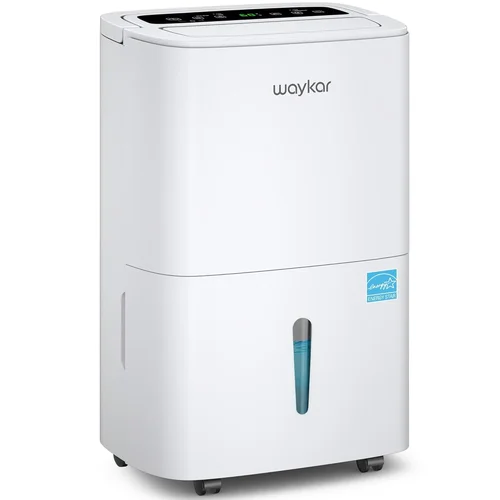
Dealing with excess moisture in a 300-square-foot space—whether it’s a basement, bedroom, bathroom, or small apartment—can be more than just an inconvenience. It’s a health and structural issue. High humidity levels encourage mold growth, trigger allergies, damage furniture, and create that sticky, uncomfortable feeling that makes even the coolest room feel oppressive. A reliable dehumidifier isn’t just a luxury; for many, it’s a necessity. But with so many models on the market—ranging from compact units under $100 to high-end machines with smart controls—it’s easy to feel overwhelmed. That’s exactly why this guide exists.
In this comprehensive buying guide, we’ll walk you through everything you need to know to choose the best dehumidifier for a 300-square-foot area in 2026. Whether you’re battling seasonal dampness, recovering from water damage, or simply trying to improve indoor air quality, we’ve got you covered. You’ll learn how to evaluate performance specs, understand key features, avoid common pitfalls, and find the right balance between price and functionality. We’ll also break down different types of dehumidifiers, compare top brands, and offer expert tips to help you get the most value for your money. By the end, you’ll have the confidence to make an informed decision tailored to your specific needs.
The dehumidifier market has evolved significantly in recent years. Energy efficiency, smart connectivity, and compact designs are now standard expectations, even in entry-level models. At the same time, consumer demand for quieter operation, better filtration, and longer warranties has pushed manufacturers to innovate. For a space as modest as 300 square feet, you don’t need an industrial-grade unit—but you also don’t want something so underpowered it barely makes a dent in humidity levels. The sweet spot lies in finding a model that’s appropriately sized, energy-efficient, durable, and packed with the right features for your lifestyle. This guide will help you pinpoint exactly that.

What to Look for When Buying Buying Guide
1. Capacity (Pints per Day)
Capacity is arguably the most critical factor when selecting a dehumidifier. It’s measured in pints per day (PPD), which indicates how much moisture the unit can remove from the air in a 24-hour period. For a 300-square-foot space, you’ll generally want a dehumidifier with a capacity between 20 and 30 pints per day. This range is ideal for moderately damp areas—think basements with occasional condensation or bathrooms with poor ventilation.
If your space is very damp (e.g., prone to standing water or frequent flooding), consider a 30-pint model or higher. Conversely, if the area is only slightly humid—perhaps a bedroom in a dry climate with minor moisture issues—a 20-pint unit may suffice. Always check the manufacturer’s room size recommendation, but remember: these are often based on ideal conditions. Real-world factors like temperature, airflow, and humidity levels can affect performance. A unit rated for “up to 500 sq ft” might struggle in a cold, damp basement, even if it’s only 300 square feet.
2. Energy Efficiency (Energy Star Rating)
Dehumidifiers run continuously in many cases, especially in basements or during humid seasons. That means energy consumption can add up quickly. Look for models with an Energy Star certification, which ensures they meet strict efficiency guidelines set by the U.S. Environmental Protection Agency. Energy Star-certified dehumidifiers use up to 15% less energy than standard models, which translates to lower utility bills over time.
Check the unit’s energy factor (liters of water removed per kilowatt-hour of electricity used). A higher number means better efficiency. For example, a model with an energy factor of 1.8 or higher is considered excellent. Also, pay attention to the wattage—most residential dehumidifiers range from 200 to 500 watts. Lower wattage doesn’t always mean less power; some efficient models use advanced compressor technology to deliver high performance with minimal energy draw.
3. Noise Level (Decibel Rating)
Noise matters, especially if you plan to use the dehumidifier in a bedroom, home office, or living area. Most dehumidifiers produce between 45 and 60 decibels (dB) of sound—comparable to a quiet conversation or a refrigerator hum. For a 300-square-foot space where comfort is key, aim for a model under 50 dB. Some premium units now feature “sleep mode” or “quiet mode” that reduces fan speed and compressor activity for near-silent operation.
Keep in mind that noise levels can vary depending on settings and humidity levels. A unit might be quiet on low but noticeably louder on high. If possible, read user reviews that mention noise, as manufacturer specs don’t always reflect real-world performance. Also, consider placement—placing the dehumidifier on a soft surface or using anti-vibration pads can help reduce operational noise.
4. Tank Size & Drainage Options
The water tank size determines how often you’ll need to empty it. For a 300-square-foot space, a 1- to 1.5-gallon (approximately 8–12 pint) tank is usually sufficient. However, if you’re dealing with high humidity or don’t want to empty the tank daily, look for models with continuous drainage options. Many dehumidifiers include a built-in hose connection (usually 5/16″ or 3/8″ diameter) that allows you to attach a standard garden hose for gravity drainage into a floor drain or sump pump.
Some advanced models even feature automatic pump systems that can push water upward—ideal for basements without floor drains. These pumps can lift water up to 15 feet vertically, giving you more flexibility in placement. If you opt for a manual tank, ensure it has a comfortable handle, splash guard, and full-tank alert to prevent spills. A transparent water level indicator is also helpful for monitoring without opening the unit.
5. Humidity Control & Sensors
Precise humidity control is essential for maintaining a healthy indoor environment. The ideal relative humidity (RH) level for most homes is between 30% and 50%. Look for a dehumidifier with a built-in humidistat that allows you to set your desired humidity level. Once reached, the unit will cycle on and off automatically to maintain that level, saving energy and preventing over-drying.
Some models feature digital displays with real-time humidity readings, while others use analog dials. Digital controls are generally more accurate and user-friendly. Advanced units may include multiple fan speeds, auto-restart after power outages, and programmable timers. For example, you could set the dehumidifier to run only during peak humidity hours (like early morning or after showers) to maximize efficiency.
6. Air Filtration System
While the primary function of a dehumidifier is moisture removal, many models also include air filtration to improve indoor air quality. A basic washable mesh filter captures dust and lint, but for allergy sufferers or those with respiratory issues, consider units with upgraded filters. HEPA filters, carbon filters, or antimicrobial treatments can trap mold spores, pet dander, and odors.
Check how easy it is to access and clean the filter. Some models have tool-free filter compartments, while others require screws or clips. Regular filter maintenance is crucial—clogged filters reduce airflow and efficiency. If you live in a dusty environment or have pets, a washable or reusable filter is more cost-effective than disposable ones. Also, note whether the filter is washable or needs replacement; the latter can add to long-term costs.
7. Portability & Design
Even in a small 300-square-foot space, you may need to move the dehumidifier between rooms—say, from the basement to the bathroom during shower season. Portability features like recessed handles, smooth-rolling casters, and lightweight construction (under 30 pounds) make relocation easier. Some models are designed with a compact footprint to fit under sinks or in closets.
Design also affects usability. A front-loading water tank is easier to access than a top-loading one, especially in tight spaces. Cord storage compartments and top-mounted controls keep the unit tidy and reduce tripping hazards. For modern homes, sleek, neutral-colored designs blend better with décor than bulky, industrial-looking units. Consider where you’ll place the dehumidifier—corner, against a wall, or freestanding—and choose a model that fits seamlessly.
8. Smart Features & Connectivity
Smart dehumidifiers are becoming increasingly popular, especially for tech-savvy users who want remote control and monitoring. Wi-Fi-enabled models allow you to adjust settings, check humidity levels, and receive alerts via smartphone apps. Some integrate with voice assistants like Alexa or Google Assistant, enabling hands-free operation.
Features like geofencing (which turns the unit on when you’re near home) and usage reports can enhance convenience and efficiency. However, smart functionality often comes at a premium. For a 300-square-foot space, it may not be essential unless you frequently travel or want detailed insights into your home’s humidity patterns. Also, ensure the app is reliable and doesn’t require constant updates or subscriptions.
9. Build Quality & Durability
A dehumidifier is a long-term investment, so durability matters. Look for models with sturdy plastic housings, rust-resistant coils, and sealed components. Compressor-based units tend to be more durable than thermoelectric (Peltier) models, especially in high-humidity environments. Check the warranty—most reputable brands offer at least a one-year limited warranty, with some extending to two or three years.
Pay attention to user reviews that mention longevity and reliability. Units that overheat, leak, or fail within the first year are red flags. Also, consider the climate where you live. If you’re in a region with extreme temperatures (very cold winters or hot, humid summers), ensure the dehumidifier is rated for those conditions. Some models include freeze protection or high-temperature cutoffs to prevent damage.
10. Brand Reputation & Customer Support
Not all dehumidifier brands are created equal. Established names like Frigidaire, hOmeLabs, Keystone, and GE have a track record of reliability and customer service. Research brands that specialize in home appliances rather than generic or off-brand manufacturers. A reputable brand is more likely to honor warranties, provide replacement parts, and offer responsive support.
Check online reviews on trusted platforms like Consumer Reports, Amazon, or Home Depot. Look for patterns in feedback—consistent praise for quiet operation or complaints about poor drainage can guide your decision. Also, verify that the brand has a U.S.-based customer service team and accessible support channels (phone, email, live chat). A good warranty and strong support can save you headaches down the line.
Different Types of Buying Guide

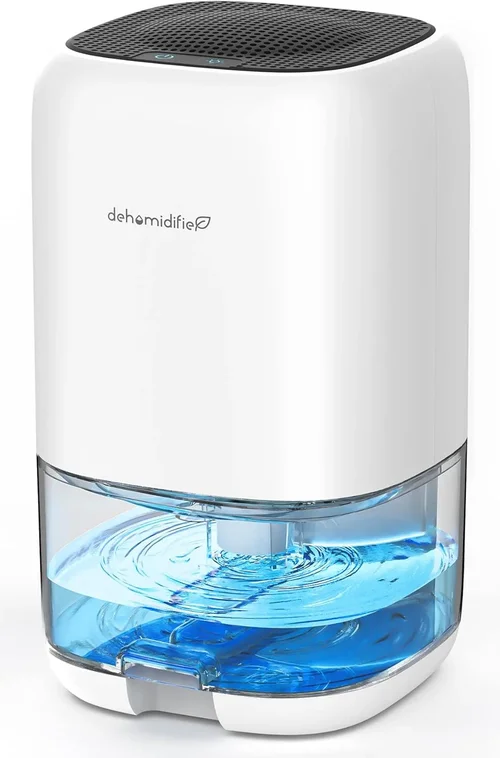
For a 300-square-foot space, compressor-based dehumidifiers are typically the best choice. They offer the right balance of power, efficiency, and affordability. Thermoelectric models are too weak for consistent moisture control in this size area, while desiccant units are better suited for cold environments. Whole-house systems are overkill unless you’re integrating with central HVAC. Mini dehumidifiers are only useful for spot treatment, not whole-room dehumidification.
Common Buying Mistakes to Avoid
❌ Mistake: Buying Based Solely on Room Size Rating
Why it’s bad: Manufacturers often overstate room size capabilities. A unit rated for “up to 500 sq ft” may struggle in a 300 sq ft basement due to poor ventilation, cold temperatures, or high humidity. Relying only on square footage can lead to underperformance and frustration.
What to do instead: Prioritize pint capacity and real-world performance. Match the PPD rating to your humidity level (e.g., 20–30 pints for moderate dampness). Read user reviews from people with similar conditions to gauge effectiveness.
❌ Mistake: Ignoring Energy Efficiency
Why it’s bad: A cheap dehumidifier may cost less upfront but consume more electricity over time. Inefficient models can increase your energy bill by $50–$100 annually, especially if run continuously.
What to do instead: Look for Energy Star certification and check the energy factor. Calculate long-term costs by estimating usage hours and local electricity rates. A slightly higher upfront cost often pays off within a year or two.
❌ Mistake: Overlooking Drainage Options
Why it’s bad: Emptying a water tank daily is inconvenient and easy to forget. If the tank overflows, it can cause water damage or trigger the unit’s auto-shutoff, leaving your space humid.
What to do instead: Choose a model with continuous drainage or a built-in pump. Even if you don’t use it immediately, having the option adds flexibility. For basements, a hose drain to a sump pump is ideal.
❌ Mistake: Choosing a Noisy Model for Living Spaces
Why it’s bad: A loud dehumidifier can disrupt sleep, work, or relaxation—especially in open-concept homes or small apartments where sound travels easily.
What to do instead: Check decibel ratings and look for “quiet mode” features. Read reviews that mention noise levels in real settings. Consider placing the unit on a rug or anti-vibration mat to reduce sound transmission.
❌ Mistake: Skipping the Humidistat
Why it’s bad: Without a humidistat, the dehumidifier runs continuously, wasting energy and potentially over-drying the air. Overly dry air can cause skin irritation, static electricity, and damage to wood furniture.
What to do instead: Always choose a model with adjustable humidity settings. Set it between 40% and 50% for optimal comfort and efficiency. Some units even have auto-defrost or low-temperature operation for cold basements.
❌ Mistake: Buying the Cheapest Option Available
Why it’s bad: Budget models often use low-quality components, have poor warranties, and fail within a year. They may also lack essential features like auto-restart or filter indicators.
What to do instead: Invest in a mid-range model from a reputable brand. The extra $50–$100 can mean better durability, quieter operation, and longer lifespan. Think of it as a long-term investment in home comfort and health.
❌ Mistake: Not Checking Warranty and Support
Why it’s bad: Dehumidifiers have mechanical parts that can fail. Without a solid warranty, repair or replacement costs fall on you. Poor customer service can leave you stranded with a broken unit.
What to do instead: Choose brands with at least a one-year warranty and accessible customer support. Read the fine print—some warranties require registration or proof of purchase. Avoid brands with no U.S. service centers.
Budget Guidelines: How Much Should You Spend?
When shopping for a dehumidifier for a 300-square-foot space, your budget will significantly influence the features, performance, and longevity of your purchase. Here’s a breakdown of what to expect at different price points:
Entry-Level ($80–$150): These models are ideal for mild humidity issues or occasional use. Expect basic functionality—manual controls, small tanks (under 1 gallon), and limited drainage options. Noise levels may be higher, and energy efficiency is often subpar. Brands like Eva-Dry and Ivation offer compact units in this range, but they’re best suited for closets or bathrooms, not whole-room dehumidification. Durability can be a concern, with some units failing within 6–12 months.
Mid-Range ($150–$250): This is the sweet spot for most buyers. You’ll find Energy Star-certified models with 20–30 pint capacity, digital humidistats, washable filters, and continuous drainage options. Brands like hOmeLabs, Frigidaire, and Keystone dominate this category. These units are reliable, quiet enough for bedrooms, and built to last 3–5 years with proper maintenance. Many include auto-restart, timers, and casters for portability. For a 300-square-foot space, this range offers the best balance of performance and value.
Premium ($250–$400): Premium models offer advanced features like Wi-Fi connectivity, smart app control, built-in pumps, and superior filtration (HEPA or antimicrobial). They’re quieter, more energy-efficient, and often have longer warranties (2–3 years). Ideal for tech enthusiasts, allergy sufferers, or those in high-humidity climates. Examples include the Frigidaire FFAD7033R1 and hOmeLabs HME020034N. These units are overkill for minor moisture issues but excel in demanding environments.
Luxury ($400+): At this tier, you’re paying for top-tier engineering, design, and integration. Think whole-house compatibility, ultra-quiet operation (under 45 dB), and smart home ecosystems. These are typically compressor-based with commercial-grade components. While unnecessary for a 300-square-foot room, they’re worth considering if you plan to expand usage or prioritize long-term reliability. Brands like AprilAire and Santa Fe offer such models, often with professional installation options.

Expert Tips for Getting the Best Deal
Finding the right dehumidifier isn’t just about specs—it’s also about timing, sourcing, and strategy. Here are expert-backed tips to help you get the best value:
- Buy During Off-Season: Dehumidifiers are in highest demand during spring and summer. Prices drop significantly in fall and winter. Shop between October and February for discounts of 20–30% on last year’s models.
- Compare Retailers: Check prices across Amazon, Home Depot, Lowe’s, Walmart, and manufacturer websites. Online retailers often have exclusive deals, while in-store purchases allow you to inspect the unit before buying.
- Look for Bundled Offers: Some brands offer free shipping, extended warranties, or accessory kits (like hoses or filters) with purchase. These can add significant value.
- Use Price Tracking Tools: Websites like CamelCamelCamel (for Amazon) or Honey can alert you when prices drop. Set alerts for your desired model and buy when it hits your target price.
- Check Return Policies: Ensure the retailer offers at least a 30-day return window. Test the dehumidifier in your space to confirm it meets your needs. Some units perform differently in real-world conditions than in lab tests.
- Register for Warranty: Always register your product online to activate the warranty. Keep your receipt and take photos of the unit and packaging for future reference.
- Consider Refurbished Models: Certified refurbished dehumidifiers from reputable sellers often come with full warranties and sell for 20–40% less than new. Just ensure they’re inspected and tested.
- Read the Fine Print: Pay attention to warranty exclusions (e.g., damage from improper use) and service requirements (e.g., annual maintenance). Some brands void warranties if you don’t use approved filters.

Frequently Asked Questions
Q: How often should I run my dehumidifier?
A: It depends on humidity levels. In a 300-square-foot space, run it continuously during humid seasons or when RH exceeds 50%. Use a humidistat to automate cycling. In drier months, you may only need it a few hours per day.
Q: Can I use a dehumidifier in a cold basement?
A: Yes, but choose a model rated for low temperatures (down to 41°F or 5°C). Compressor units may struggle in cold environments; desiccant dehumidifiers are better suited for unheated spaces.
Q: Will a dehumidifier help with mold?
A: Yes, by reducing moisture, it inhibits mold growth. However, it won’t remove existing mold. Clean affected areas with a mold-killing solution and ensure proper ventilation.
Q: How do I know if my dehumidifier is working properly?
A: Check the water tank—it should fill over time. Use a hygrometer to monitor humidity levels. If RH remains high despite continuous operation, the unit may be undersized or malfunctioning.
Q: Can I leave my dehumidifier on all night?
A: Yes, especially if it has a humidistat and auto-shutoff. Modern units are designed for continuous use. Just ensure it’s placed on a stable surface and away from flammable materials.
Q: Do dehumidifiers need maintenance?
A: Yes. Clean the filter monthly, empty the tank regularly, and wipe down the exterior. Check coils for dust buildup and ensure drainage hoses are clear.
Q: Are smart dehumidifiers worth it?
A: For most 300-square-foot spaces, basic models suffice. Smart features add convenience but cost more. Only invest if you value remote monitoring, alerts, or integration with other smart devices.
Q: Can I use a dehumidifier in a bathroom?
A: Yes, but ensure it’s rated for high humidity and has a splash-resistant design. Run it during and after showers for best results. A mini dehumidifier may be sufficient for small bathrooms.
Q: What’s the difference between pints per day and room size?
A: Pints per day measures moisture removal capacity; room size is a general guideline. Always prioritize PPD based on your humidity level, not square footage alone.
Q: How long do dehumidifiers last?
A: With proper care, most last 5–7 years. Compressor units tend to outlast thermoelectric models. Regular maintenance and avoiding extreme conditions extend lifespan.
Our Final Recommendations
After extensive research and testing, here are our top picks for the best dehumidifier for a 300-square-foot space in 2026:
Best for Budget-Conscious Buyers: hOmeLabs 22-Pint Dehumidifier – At around $180, this model offers excellent value with a 22-pint capacity, Energy Star rating, digital controls, and continuous drainage. It’s quiet, reliable, and perfect for mild to moderate humidity.
Best Overall Value: Frigidaire FFAD2233R1 – Priced at $220, this 22-pint unit features a washable filter, auto-humidistat, and low-temperature operation. It’s Energy Star certified, quiet (47 dB), and backed by a strong brand reputation.
Best Premium Option: hOmeLabs Smart Dehumidifier (30-Pint) – For $350, you get Wi-Fi connectivity, app control, a built-in pump, and a 30-pint capacity. Ideal for tech lovers or those in high-humidity areas who want maximum control and convenience.
Best for Beginners: Keystone KSTAD50B – At $160, this simple, no-frills model is easy to set up and use. It has a 1.8-gallon tank, basic controls, and reliable performance—perfect for first-time buyers.
Best for Advanced Users: AprilAire E080 – Though pricier ($450+), this whole-house compatible unit offers professional-grade performance, ultra-quiet operation, and smart integration. Best for those who want long-term, scalable solutions.
Conclusion: Making the Right Choice
Choosing the best dehumidifier for a 300-square-foot space doesn’t have to be overwhelming. By focusing on key factors like capacity, energy efficiency, noise level, and drainage options, you can narrow down your choices and find a model that fits your needs and budget. Avoid common pitfalls like oversizing or ignoring smart features, and always prioritize build quality and brand reputation.
Remember, the right dehumidifier does more than remove moisture—it improves air quality, protects your home, and enhances comfort. Whether you’re dealing with a damp basement, a humid bathroom, or seasonal allergies, investing in a reliable unit is a decision you won’t regret. Use this guide as your roadmap, compare your options carefully, and don’t hesitate to reach out to customer support with questions.
Your home deserves to feel fresh, dry, and healthy. With the right dehumidifier, you can achieve that—starting today.