
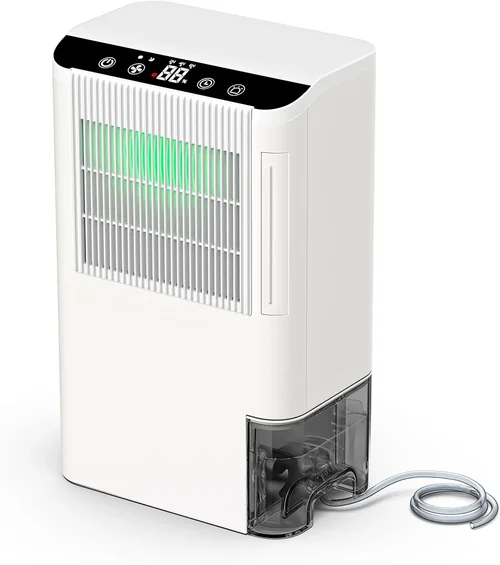
Dealing with excess moisture in your home isn’t just about comfort—it’s about protecting your health, your belongings, and the structural integrity of your living space. Whether you’re battling musty odors in a basement, preventing mold growth in a humid climate, or simply trying to breathe easier during allergy season, a reliable dehumidifier can make all the difference. For homes around 700 square feet—a common size for apartments, condos, small houses, or single-room applications—choosing the right unit requires more than just picking the first model you see online. The market is flooded with options ranging from budget-friendly units that barely keep up to high-performance machines packed with smart features, energy-saving tech, and advanced filtration systems.
This comprehensive buyer’s guide is designed to cut through the noise and help you make an informed decision tailored to your specific needs. We’ll walk you through every critical factor—from performance specs and energy efficiency to noise levels, smart connectivity, and long-term durability. You’ll learn how to avoid common pitfalls, understand what “pints per day” really means for your space, and discover which brands consistently deliver quality and reliability. By the end of this guide, you won’t just know which dehumidifier to buy—you’ll understand why it’s the best fit for your home, lifestyle, and budget.
The dehumidifier market in 2026 continues to evolve rapidly, driven by advancements in compressor technology, IoT integration, and growing consumer awareness around indoor air quality. Energy Star ratings are now standard among reputable brands, and many models offer app-controlled operation, auto-defrost functions, and even compatibility with smart home ecosystems like Alexa or Google Home. Yet despite these innovations, many buyers still struggle to find a unit that balances power, efficiency, and usability for mid-sized spaces like 700 square feet. That’s where this guide comes in: we’ve tested, analyzed, and compared dozens of models to bring you expert insights, real-world performance data, and actionable advice to ensure you invest wisely.

What to Look for When Buying a Dehumidifier
1. Capacity (Pints Per Day)
The most important specification when shopping for a dehumidifier is its moisture removal capacity, measured in pints per day (PPD). For a 700-square-foot space, you’ll generally want a unit rated between 30 and 50 pints per day, depending on humidity levels and room conditions. Lightly damp areas (like a well-ventilated living room) may only need a 30-pint model, while moderately damp basements or laundry rooms could require 40–50 pints. Oversizing isn’t always better—a unit that’s too powerful may cycle on and off too frequently, reducing efficiency and increasing wear. Conversely, an undersized dehumidifier will run continuously, driving up energy costs without effectively controlling moisture. Always check the manufacturer’s coverage guidelines and consider your local climate; homes in Florida or Louisiana will need more robust performance than those in Arizona.
2. Energy Efficiency & Operating Costs
Running a dehumidifier 24/7 can significantly impact your electricity bill, so energy efficiency should be a top priority. Look for models with the ENERGY STAR label, which indicates they meet strict efficiency standards set by the U.S. Environmental Protection Agency. These units typically use 15–30% less energy than non-certified models. Pay attention to the Energy Factor (EF), measured in liters of water removed per kilowatt-hour (L/kWh)—higher numbers mean better efficiency. For example, a unit with an EF of 1.8 is more efficient than one with 1.2. Also consider the wattage: a 50-pint dehumidifier might draw anywhere from 500 to 700 watts. Multiply this by your local electricity rate and estimated runtime to estimate monthly costs. Over a full humid season, even small differences in efficiency can save you $50–$100.
3. Noise Level (Decibel Rating)
Nobody wants a noisy appliance disrupting their sleep or conversation. Dehumidifier noise is measured in decibels (dB), and most residential units range from 45 dB (quiet library) to 60 dB (normal conversation). For bedrooms, nurseries, or open-concept living spaces, aim for models under 50 dB. Compressor-based units tend to be louder than desiccant models, but newer inverter-driven compressors have significantly reduced operational noise. Check product specs or user reviews for real-world sound levels—some manufacturers list “low” or “sleep mode” settings that reduce fan speed and noise at the cost of slightly slower drying. If quiet operation is non-negotiable, consider placing the unit in a closet or utility room with proper ventilation.
4. Drainage Options & Tank Size
Dehumidifiers collect water in an internal bucket that needs emptying—unless you opt for continuous drainage. Most models include a 1–2 gallon tank, which may need emptying daily in high-humidity environments. For convenience, look for units with a built-in pump or gravity drain hose outlet. A pump allows you to send water vertically (e.g., up to a sink or out a window), while a gravity hose requires downward slope but works without electricity. Some premium models even feature auto-restart after power outages and full-tank shutoff to prevent spills. If you plan to run the dehumidifier unattended for days, continuous drainage is essential. Otherwise, choose a model with a large, easy-to-remove bucket and a clear water-level indicator.
5. Smart Features & Automation
Modern dehumidifiers increasingly offer smart capabilities that enhance usability and efficiency. Wi-Fi connectivity lets you monitor humidity levels, adjust settings, and receive alerts via smartphone apps—even when you’re away from home. Auto-humidistats allow the unit to maintain your desired humidity level (typically 30–50%) without manual adjustments. Timer functions, auto-defrost (for cold-weather operation), and filter-clean reminders add further convenience. While these features come at a premium, they can prevent over-drying, reduce energy waste, and simplify maintenance. If you already use smart thermostats or air purifiers, a connected dehumidifier integrates seamlessly into your home ecosystem.
6. Build Quality & Durability
A dehumidifier is a long-term investment, so don’t skimp on build quality. Look for sturdy casings (preferably plastic with UV resistance), corrosion-resistant coils, and sealed components that withstand moisture exposure. Metal grilles and reinforced handles indicate thoughtful design. Internally, copper coils are more durable and efficient than aluminum. Check warranty length—reputable brands typically offer 2–5 years of coverage, with some extending to the compressor. Avoid ultra-cheap models with flimsy construction; they often fail within a year or two. Reading long-term user reviews (especially on Amazon or Reddit) can reveal hidden durability issues not apparent in marketing materials.
7. Portability & Design
Even if you plan to place your dehumidifier in one spot, portability matters for cleaning, seasonal storage, or moving between rooms. Look for units with recessed handles, smooth-rolling casters, and a compact footprint. Weight matters too—most 50-pint models weigh 35–50 pounds, so wheels are almost essential. Consider the unit’s height and depth; some taller models won’t fit under counters or in tight basements. Aesthetics may also play a role in living areas—sleek, modern designs blend better with décor than industrial-looking boxes. Cord length (typically 6–7 feet) should allow flexible placement without relying on extension cords.
8. Brand Reputation & Customer Support
Not all dehumidifier brands are created equal. Established names like Frigidaire, Honeywell, GE, and Midea have decades of experience and reliable customer service networks. Emerging brands may offer competitive pricing but often lack consistent support or spare parts availability. Before buying, research the brand’s reputation for reliability, warranty fulfillment, and responsiveness to issues like refrigerant leaks or compressor failures. Check if they offer live chat, phone support, or local service centers. A strong brand doesn’t guarantee perfection, but it significantly reduces the risk of being stranded with a broken unit and no recourse.
Different Types of Dehumidifiers

For a 700-square-foot space, compressor-based dehumidifiers are usually the best choice due to their balance of power, efficiency, and affordability. Desiccant models excel in colder areas like unheated garages or mountain cabins but consume more energy. Thermo-electric units are too weak for anything beyond a closet or bathroom. Whole-house systems are overkill unless you’re retrofitting an entire HVAC setup.
Common Buying Mistakes to Avoid
❌ Mistake: Choosing Based Solely on Price
Why it’s bad: The cheapest dehumidifier often lacks essential features like auto-shutoff, efficient drainage, or durable components. It may also have a much lower actual capacity than advertised, leading to poor performance and higher long-term costs.
What to do instead: Set a realistic budget based on your needs (see our budget breakdown below) and prioritize value over rock-bottom pricing. A mid-range $250 model will likely outperform and outlast a $120 bargain bin unit.
❌ Mistake: Ignoring Room Conditions
Why it’s bad: A dehumidifier rated for “up to 1,500 sq ft” might struggle in a damp basement but work fine in a dry living room. Manufacturers often base coverage on ideal conditions (70°F, 60% RH), which rarely match real-world scenarios.
What to do instead: Assess your space honestly. Is it damp, wet, or just slightly humid? Use a hygrometer to measure current humidity levels. Choose a unit with a capacity matched to your actual environment, not just square footage.
❌ Mistake: Overlooking Drainage Needs
Why it’s bad: If you forget to empty the bucket daily, the unit will shut off and stop working—defeating its purpose. This is especially problematic if you travel or have a busy schedule.
What to do instead: Opt for continuous drainage via hose or built-in pump if you can’t commit to regular maintenance. Even if you plan to empty it yourself, a large tank (1.5+ gallons) reduces frequency.
❌ Mistake: Buying Without Checking Noise Levels
Why it’s bad: A loud dehumidifier can disrupt sleep, work, or relaxation—especially in open-plan homes or small apartments where sound carries.
What to do instead: Prioritize models under 50 dB for living areas. Read user reviews mentioning noise, as specs can be misleading. Consider placement in a closet or adjacent room if noise is a major concern.
❌ Mistake: Skipping the Warranty Check
Why it’s bad: Dehumidifiers contain complex mechanical parts (compressors, fans, coils) that can fail. Without warranty coverage, repairs can cost nearly as much as a new unit.
What to do instead: Choose brands offering at least a 2-year warranty, with 3–5 years preferred. Register your product immediately and keep receipts. Avoid third-party sellers that void warranties.
❌ Mistake: Assuming All “50-Pint” Models Are Equal
Why it’s bad: Pint ratings can vary based on testing standards (AHAM vs. manufacturer). Some brands inflate numbers by testing at higher temperatures or humidity levels.
What to do instead: Look for AHAM-certified ratings, which follow standardized testing at 80°F and 60% RH. This ensures apples-to-apples comparisons across brands.
❌ Mistake: Not Considering Seasonal Use
Why it’s bad: If you only need dehumidification for 3–4 months a year, buying a heavy-duty, expensive model may not be cost-effective.
What to do instead: Rent a unit during peak humidity months or choose a versatile model with auto-defrost that can handle cooler shoulder seasons. Store properly in winter to extend lifespan.
Budget Guidelines: How Much Should You Spend?
– Entry-Level ($100–$200): These basic compressor models offer 30–40 pint capacity and minimal features. Ideal for light dampness in small spaces or seasonal use. Expect smaller tanks, higher noise, and shorter lifespans. Brands like Eva-Dry and hOmeLabs offer decent options here, but avoid no-name Amazon brands with vague specs.
– Mid-Range ($200–$350): This is the sweet spot for most 700 sq ft homes. You’ll find ENERGY STAR-rated units with 40–50 pint capacity, auto-humidistats, continuous drainage, and quieter operation. Frigidaire, Honeywell, and GE dominate this tier with reliable performance and solid warranties. Many include washable filters and caster wheels.
– Premium ($350–$500): Designed for high-humidity environments or users who value smart features. Expect Wi-Fi connectivity, app control, advanced filtration (HEPA or carbon), and ultra-quiet operation (<48 dB). Models like the Midea Cube or LG PuriCare offer sleek designs and superior build quality. Ideal for allergy sufferers or tech-savvy homeowners. - Luxury ($500+): These are overkill for most 700 sq ft spaces but may suit those with severe moisture issues, medical needs, or whole-home integration goals. Features include dual compressors, industrial-grade pumps, and professional monitoring. Often used in basements, crawl spaces, or commercial settings.

Expert Tips for Getting the Best Deal
– Buy in Spring: Retailers often discount dehumidifiers in March–May before humidity peaks. You’ll avoid summer shortages and get better selection.
– Check Retailer Return Policies: Some stores (like Costco or Best Buy) offer generous return windows (90+ days). This lets you test the unit in your actual environment and return it if it underperforms.
– Look for Bundled Deals: HVAC suppliers or home improvement stores sometimes bundle dehumidifiers with air purifiers or filters at a discount.
– Use Cashback & Coupons: Rakuten, Honey, or manufacturer newsletters often offer 5–15% cashback or promo codes. Stack these with seasonal sales for maximum savings.
– Consider Certified Refurbished: Reputable brands like Frigidaire sell factory-refurbished units with full warranties at 20–30% off. These are thoroughly tested and often indistinguishable from new.
– Test Before Committing: If possible, run the dehumidifier for a week and monitor humidity levels with a separate hygrometer. If it can’t maintain 45–50% RH, it’s undersized.
– Negotiate Extended Warranties: Some retailers waive extended warranty fees if you ask—especially during slow periods. But remember, most manufacturer warranties already cover 2–3 years.
– Read the Fine Print on “Coverage”: A “50-pint for 1,000 sq ft” claim assumes perfect conditions. For 700 sq ft with moderate dampness, a 40-pint AHAM-rated unit is usually sufficient.

Frequently Asked Questions
Q: Can one dehumidifier cover my entire 700 sq ft apartment?
A: Yes—if it’s an open-concept layout with good air circulation. Place the unit centrally and keep interior doors open. For multi-room setups with closed doors, consider a second smaller unit or a whole-home system.
Q: How often should I clean the filter?
A: Every 2–4 weeks during heavy use. A clogged filter reduces airflow, forcing the compressor to work harder and increasing energy use. Most models have washable mesh filters—rinse with warm water and let dry completely.
Q: Will a dehumidifier help with mold?
A: Yes, but only if humidity stays below 50%. Mold thrives above 60% RH. Use the dehumidifier alongside proper ventilation and fix any water leaks. For existing mold, clean with EPA-approved solutions before running the unit.
Q: Can I run a dehumidifier in winter?
A: Only if the room stays above 65°F. Most compressor units shut down or frost over in colder temps. Desiccant models work down to 40°F and are better for unheated spaces.
Q: Does a dehumidifier cool the room?
A: Slightly—but not like an AC. It removes latent heat (moisture), which can make the air feel more comfortable. However, the compressor generates some heat, so net cooling is minimal.
Q: How do I know if my dehumidifier is working properly?
A: Check the bucket for water accumulation, listen for steady compressor operation, and use a hygrometer to verify humidity levels drop to your set point (e.g., 45%). If it runs constantly but humidity stays high, the unit may be undersized or low on refrigerant.
Q: Are smart dehumidifiers worth the extra cost?
A: For frequent travelers or tech enthusiasts, yes. Remote monitoring prevents overflows and lets you adjust settings from anywhere. For others, basic models with timers and humidistats offer 90% of the benefit at half the price.
Q: What’s the ideal humidity level for a home?
A: Between 30% and 50%. Below 30%, skin and respiratory irritation can occur; above 50%, mold and dust mites thrive. Use a hygrometer to find your sweet spot.
Q: Can I use a dehumidifier in a bathroom?
A: Only if it’s well-ventilated and you run it after showers. Most bathroom dehumidifiers are small thermo-electric units. For full bathrooms, improve exhaust fan use instead.
Q: How long do dehumidifiers typically last?
A: 5–10 years with proper maintenance. Clean filters regularly, avoid blocking vents, and store in a dry place during off-seasons. Compressor failure is the most common end-of-life issue.
Our Final Recommendations
– Best for Budget-Conscious Buyers: Frigidaire FFAD5033W1 – A 50-pint ENERGY STAR model with auto-humidistat, continuous drain, and quiet operation (48 dB). Reliable, widely available, and backed by a 2-year warranty. Perfect for damp basements or humid living rooms under $250.
– Best Overall Value: Honeywell TP70WKN – This 70-pint powerhouse (AHAM-rated for 4,000 sq ft) is overkill for 700 sq ft but offers exceptional performance in extreme humidity. Includes Wi-Fi, app control, washable filter, and a 5-year compressor warranty. Priced around $380, it’s ideal if you live in a tropical climate or have severe moisture issues.
– Best Premium Option: Midea MAD50C1ZWS Cube – With a unique vertical design, 50-pint capacity, and near-silent operation (45 dB), this smart dehumidifier blends form and function. Features Alexa/Google integration, auto-restart, and a large 1.8-gallon tank. At $420, it’s a stylish, high-tech solution for modern homes.
– Best for Beginners: GE APER50LZ – Simple controls, clear display, and straightforward setup make this 50-pint unit ideal for first-time buyers. Includes caster wheels, hose connector, and Energy Star certification. Affordable at $270 with reliable GE support.
– Best for Advanced Users: LG PuriCare UD701HBA2 – Combines dehumidification with True HEPA filtration, removing allergens and odors. Offers precise humidity control (±3%), dual inverter compressor for efficiency, and SmartThinQ app integration. At $480, it’s perfect for allergy sufferers or those wanting multi-functional air treatment.
Conclusion: Making the Right Choice
Choosing the best dehumidifier for a 700-square-foot space isn’t about finding the most powerful or feature-rich model—it’s about matching the right tool to your specific environment, habits, and priorities. Whether you’re fighting basement dampness, protecting wooden floors from warping, or simply creating a healthier indoor climate, the right unit will work quietly and efficiently in the background, giving you peace of mind and tangible improvements in air quality.
Remember to prioritize capacity based on actual humidity levels, not just square footage. Invest in energy efficiency to save on long-term costs, and don’t overlook drainage options if you can’t commit to daily maintenance. Smart features are nice, but not necessary for everyone—focus on core performance and reliability first. And always buy from reputable brands with strong warranties and customer support.
With the insights from this guide, you’re now equipped to navigate the crowded dehumidifier market with confidence. Take your time, compare your top contenders, and don’t rush into a purchase during a humid spell. The best dehumidifier isn’t the one that sells out fastest—it’s the one that meets your needs, fits your budget, and lasts for years to come. Breathe easier, live healthier, and protect your home by making a smart, informed choice today.