

If you’ve ever stepped into a damp, musty basement and immediately felt that sticky, heavy air clinging to your skin, you know how frustrating—and potentially harmful—excess moisture can be. Large basements are especially prone to high humidity levels due to their below-grade location, poor ventilation, and frequent exposure to groundwater or condensation. Left unchecked, this moisture doesn’t just create an uncomfortable environment—it can lead to mold growth, structural damage, ruined belongings, and even health issues like allergies or respiratory problems. That’s why investing in a high-quality dehumidifier isn’t just a luxury; it’s a necessity for maintaining a healthy, functional basement space.
This comprehensive buying guide is designed to help you navigate the often-confusing world of dehumidifiers, specifically tailored for large basement applications. Whether you’re dealing with a 1,500-square-foot unfinished storage area or a 3,000-square-foot finished rec room, choosing the right unit requires more than just picking the biggest model on the shelf. You’ll learn how to evaluate performance specs, understand key features, avoid common pitfalls, and ultimately select a dehumidifier that delivers reliable, long-term moisture control without breaking the bank. We’ll also break down real-world budget considerations, compare different types of units, and share expert tips to ensure you get the best value for your investment.
The market for dehumidifiers has evolved significantly in recent years, with advancements in energy efficiency, smart connectivity, and build quality. However, not all models are created equal—especially when it comes to handling the unique challenges of large, open basement spaces. Many consumers end up with underpowered units that struggle to keep up, or overspend on oversized machines that cycle inefficiently. Our goal is to cut through the marketing noise and give you actionable, evidence-based advice so you can make a confident, informed decision. By the end of this guide, you’ll know exactly what to look for, what to avoid, and how to maximize both performance and savings.

What to Look for When Buying Buying Guide
1. Capacity (Pints per Day)
The most critical factor when selecting a dehumidifier for a large basement is its moisture removal capacity, measured in pints per day (PPD). This tells you how much water the unit can extract from the air in a 24-hour period under standard testing conditions (typically 60% relative humidity at 80°F). For large basements—generally defined as 1,500 square feet or more—you’ll need a high-capacity model capable of removing at least 50–70 pints per day. In extremely damp or flood-prone areas, you may even require units rated for 80+ PPD.
It’s tempting to go for the highest number you can find, but oversizing can lead to short cycling, where the unit turns on and off too frequently. This wastes energy, increases wear and tear, and may not allow the dehumidifier to run long enough to properly dry the air. Conversely, an undersized unit will run continuously, struggle to maintain target humidity levels, and may overheat or fail prematurely. Always match the PPD rating to your basement’s square footage and moisture level. As a rule of thumb: 50 PPD for moderately damp spaces up to 2,000 sq ft; 70 PPD for very damp areas up to 3,000 sq ft; and 90+ PPD for extremely wet or unfinished basements over 3,000 sq ft.
2. Energy Efficiency (Energy Factor & ENERGY STAR Rating)
Since dehumidifiers often run for 12–24 hours a day, especially in humid climates or during summer months, energy efficiency directly impacts your utility bills. Look for the Energy Factor (EF), which measures liters of water removed per kilowatt-hour of electricity used. Higher EF values mean better efficiency. The U.S. Department of Energy requires residential dehumidifiers to have a minimum EF of 1.20 L/kWh, but top-performing models exceed 2.0 L/kWh.
Even more important is the ENERGY STAR certification. ENERGY STAR-qualified dehumidifiers are independently tested and proven to use 15–30% less energy than standard models without sacrificing performance. For a large basement unit running daily, this can translate to hundreds of dollars in savings over the appliance’s lifetime. Additionally, some utility companies offer rebates for ENERGY STAR appliances, further reducing your upfront cost. Always check the yellow EnergyGuide label or product specifications for EF and certification status before purchasing.
3. Built-in Pump vs. Gravity Drain
Drainage is a make-or-break feature for basement dehumidifiers. Most units collect water in an internal bucket that must be manually emptied—a tedious chore if you’re not home regularly. For large basements, a continuous drainage option is almost essential. Gravity drain hoses work well if you have a floor drain or sump pit nearby, but they require the hose to slope downward, limiting placement flexibility.
A built-in condensate pump solves this problem by actively pumping water vertically (up to 15–20 feet) and horizontally (up to 100+ feet), allowing you to place the dehumidifier anywhere—even in the center of a room—and route the hose to a distant drain, window, or utility sink. This is especially valuable in finished basements where aesthetics matter or in homes without easy access to floor drains. While pump-equipped models cost $50–$150 more, the convenience and automation they provide are well worth it for most large-space applications. Some premium units even include dual drainage options (pump + gravity) for maximum flexibility.
4. Humidity Control & Smart Features
Precise humidity control is vital for preventing both over-drying (which wastes energy) and under-drying (which allows mold to thrive). Look for models with digital hygrometers and adjustable humidity settings, typically ranging from 30% to 80% relative humidity in 5% increments. The ideal basement humidity level is between 30% and 50%—low enough to inhibit mold and dust mites, but high enough to avoid static electricity or wood shrinkage.
Modern dehumidifiers increasingly offer smart features like Wi-Fi connectivity, app control, and integration with home automation systems (e.g., Alexa, Google Home). These allow you to monitor humidity levels remotely, receive alerts when the bucket is full, schedule operation times, or adjust settings from your phone. While not essential, smart capabilities add significant convenience, especially if you travel frequently or want to integrate your dehumidifier into a broader home climate management system. Just ensure the app is reliable and doesn’t require a monthly subscription for basic functions.
5. Build Quality & Durability
Basements are harsh environments—cool, damp, and often dusty. A flimsy plastic casing or thin internal components won’t last long under these conditions. Prioritize dehumidifiers with robust construction: metal cabinets (or thick, reinforced plastic), sealed compressor compartments, and corrosion-resistant coils. Look for models with powder-coated finishes or anti-rust treatments, especially if your basement is prone to flooding or high condensation.
Internally, check the quality of the evaporator and condenser coils. Copper coils are more durable and efficient than aluminum, though they’re typically found only in premium models. Also consider the fan motor—brushless DC motors are quieter, more efficient, and longer-lasting than traditional AC motors. Finally, inspect the air filter. A washable, reusable filter is ideal for basements, as it reduces ongoing costs and is easy to clean when clogged with dust or debris.
6. Noise Level (Decibel Rating)
Noise might seem like a minor concern, but in a large basement used for recreation, home offices, or sleeping areas, a loud dehumidifier can be a major nuisance. Noise levels are measured in decibels (dB), with most residential units ranging from 45 dB to 65 dB. For context, 45 dB is similar to a quiet library, while 65 dB resembles normal conversation.
For finished basements or multi-use spaces, aim for a unit under 55 dB. Many manufacturers list noise ratings in their specs, but real-world performance can vary. Look for models with “quiet mode” or “low-speed fan” settings, which reduce noise at the expense of slightly slower drying. Some high-end units use acoustic insulation or vibration-dampening mounts to minimize operational sound. If possible, read user reviews that specifically mention noise—this is often a better indicator than manufacturer claims.
7. Portability & Mobility Features
Even in a large basement, you may need to move the dehumidifier occasionally—for cleaning, repositioning near a drain, or seasonal storage. Heavy, bulky units (many exceed 50 pounds) can be difficult to maneuver without proper handles and wheels. Look for models with recessed carrying handles, sturdy casters (preferably locking), and a low center of gravity to prevent tipping.
Some units include cord wraps or integrated storage for hoses and accessories, which keeps your basement tidy and reduces tripping hazards. If your basement has multiple rooms or levels, consider a model with a long power cord (at least 6 feet) to avoid relying on extension cords, which can pose fire risks. Portability becomes even more important if you plan to use the dehumidifier in other areas of your home during drier seasons.
8. Warranty & Customer Support
A dehumidifier is a long-term investment, so protect it with a solid warranty. Most reputable brands offer 1–2 years of coverage, but premium models often include 3–5 years, sometimes with extended compressor warranties. Pay attention to what’s covered: labor, parts, and whether shipping is included. Avoid brands with “limited” warranties that exclude common failures like seals or motors.
Equally important is customer support. Check online reviews for responsiveness—can you easily reach a human? Are replacement parts readily available? Brands like Frigidaire, hOmeLabs, and AprilAire are known for reliable service, while lesser-known brands may leave you stranded. Also verify if the warranty is voided by using third-party filters or unauthorized repairs. A good warranty paired with responsive support gives you peace of mind and protects your investment for years to come.
Different Types of Buying Guide

Common Buying Mistakes to Avoid

❌ Mistake: Buying Based Solely on Square Footage
Why it’s bad: Square footage alone doesn’t determine dehumidifier needs. A 2,000-square-foot basement in Arizona (dry climate) requires far less capacity than a 1,200-square-foot basement in Florida (high humidity, frequent rain). Ignoring actual moisture levels leads to underpowered or oversized units.
What to do instead: Assess your basement’s dampness level—look for condensation, musty smells, or mold. Use a hygrometer to measure current humidity. Then match the PPD rating to both size and moisture severity, not just area.
❌ Mistake: Ignoring Drainage Options
Why it’s bad: Manual bucket emptying becomes impractical in large basements, especially if you’re away often. Overflowing buckets can cause water damage and trigger safety shut-offs, leaving your basement unprotected.
What to do instead: Invest in a model with a built-in pump or gravity drain capability. Even if you don’t need it immediately, having the option future-proofs your purchase and adds resale value.
❌ Mistake: Overlooking Energy Efficiency
Why it’s bad: A cheap, inefficient dehumidifier may save you $100 upfront but cost $200+ more in electricity over two years. High energy use also increases your carbon footprint.
What to do instead: Prioritize ENERGY STAR models with high Energy Factor ratings. Calculate long-term costs using the EnergyGuide label’s annual operating cost estimate.
❌ Mistake: Choosing the Loudest Model
Why it’s bad: Constant noise disrupts sleep, work, or relaxation in finished basements. Many buyers regret not checking decibel ratings until after installation.
What to do instead: Compare noise specs and read user reviews mentioning sound. Opt for units under 55 dB if the basement is used for living spaces.
❌ Mistake: Skipping the Warranty Check
Why it’s bad: Dehumidifiers contain complex mechanical parts prone to failure. Without coverage, repairs can cost nearly as much as a new unit.
What to do instead: Choose brands with at least a 2-year comprehensive warranty. Register your product immediately and keep receipts.
❌ Mistake: Buying the Cheapest Option Available
Why it’s bad: Budget models often use inferior components, lack essential features, and fail within 1–2 years. You end up spending more on replacements.
What to do instead: Aim for the mid-range tier ($300–$500), where you get the best balance of performance, durability, and value.
❌ Mistake: Not Testing Before Committing
Why it’s bad: Online specs don’t always reflect real-world performance. A unit might struggle in your specific basement conditions.
What to do instead: Buy from retailers with generous return policies (30+ days). Run the unit for a week and monitor humidity levels and noise.
Budget Guidelines: How Much Should You Spend?
Entry-Level ($150–$250): These models typically remove 30–50 pints per day and are best suited for small to mid-sized basements with mild dampness. Expect basic features: manual bucket, simple controls, and limited durability. Brands like Ivation and Tosot offer decent options here, but avoid ultra-cheap no-name brands. Ideal for seasonal use or as a temporary solution.
Mid-Range ($250–$450): This is the sweet spot for most large basement owners. Units in this range (50–70 PPD) offer reliable performance, ENERGY STAR certification, digital controls, and often include pump drainage. Brands like hOmeLabs, Frigidaire, and GE dominate this category. You’ll get solid build quality, efficient operation, and features that justify the price. Perfect for year-round use in moderately to very damp basements up to 3,000 sq ft.
Premium ($450–$700): Designed for severe moisture problems or large, open basements over 3,000 sq ft. These models (70–90+ PPD) feature heavy-duty construction, advanced humidity sensors, smart connectivity, and robust pumps. Expect quieter operation, longer warranties (3–5 years), and superior energy efficiency. AprilAire and Santa Fe are top contenders here. Ideal for flood-prone areas or finished basements where performance and aesthetics matter.
Luxury ($700+): Whole-house or commercial-grade dehumidifiers that integrate with HVAC systems or offer industrial-level capacity. These are overkill for most residential basements but may be justified for massive properties, crawl spaces, or rental units with chronic moisture issues. Prices can exceed $2,000, but they provide centralized, hands-off moisture management.
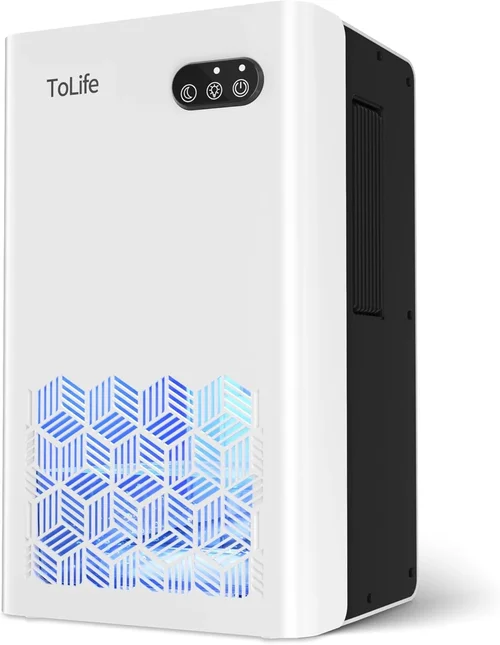
Expert Tips for Getting the Best Deal
1. Buy During Off-Season Sales: Dehumidifiers are in highest demand during summer. Shop in late fall or winter (October–February) when retailers discount inventory. You can save 20–30% on last year’s models.
2. Compare Online and In-Store Prices: Online retailers like Amazon, Home Depot, and Lowe’s often have lower prices and exclusive deals. However, check local appliance stores—they may price-match or include free delivery.
3. Look for Bundled Offers: Some brands offer free accessories (hoses, filters, hygrometers) with purchase. These can add $50–$100 in value.
4. Check for Utility Rebates: Many energy companies offer rebates of $30–$100 for ENERGY STAR dehumidifiers. Visit dsireusa.org to search programs by state.
5. Read Return Policies Carefully: Ensure the retailer allows returns within 30–60 days, especially for large items. Some charge restocking fees (10–15%), so confirm before buying.
6. Test Before Finalizing: Run the unit for at least 48 hours. Check if it maintains your target humidity, drains properly, and operates quietly. If not, return it promptly.
7. Consider Refurbished Models: Certified refurbished units from reputable sellers (e.g., manufacturer websites) often come with full warranties and cost 20–40% less.
8. Register for Warranty Immediately: Some brands require registration within 10–30 days to activate coverage. Keep your receipt and serial number handy.

Frequently Asked Questions
Q: How do I know if my basement needs a dehumidifier?
A: Signs include persistent musty odors, visible mold or mildew, condensation on walls or windows, peeling paint, warped wood, or a general feeling of dampness. Use a hygrometer to confirm—if humidity exceeds 60%, a dehumidifier is strongly recommended.
Q: Can one dehumidifier handle my entire basement?
A: Yes, if properly sized. A single high-capacity unit (70+ PPD) can effectively manage most large basements, especially if centrally located. For very large or segmented spaces, consider two smaller units or a whole-house system.
Q: Should I run the dehumidifier continuously?
A: Not necessarily. Most models have auto-humidistats that cycle on/off to maintain your set humidity level. Continuous operation is only needed during extreme dampness or flooding recovery.
Q: How often should I clean the filter?
A: Every 2–4 weeks during heavy use, or monthly otherwise. A clogged filter reduces airflow and efficiency. Most filters are washable—rinse with warm water and let dry completely.
Q: Will a dehumidifier help with mold?
A: Yes, by reducing humidity below 50%, it inhibits mold growth. However, existing mold must be cleaned professionally first. A dehumidifier prevents recurrence but doesn’t remove active infestations.
Q: Can I use a dehumidifier in winter?
A: Most refrigerant models shut off automatically below 41–45°F to prevent coil freezing. Desiccant models work in colder temps but are less efficient. If your basement stays above 50°F, winter use is fine.
Q: Do I need a permit to install a whole-house dehumidifier?
A: Usually not, but check local codes if modifying ductwork or electrical systems. Professional installation is recommended for integrated units.
Q: How long do dehumidifiers last?
A: With proper maintenance, most last 5–10 years. Compressor failure is the most common end-of-life issue. Regular cleaning and avoiding extreme conditions extend lifespan.
Q: Are smart dehumidifiers worth the extra cost?
A: If you value remote monitoring and automation, yes. For occasional users, basic models suffice. Ensure the app doesn’t require a subscription for core features.
Q: What’s the difference between pints per day and square footage ratings?
A: PPD measures actual moisture removal capacity; square footage is a rough guideline. Always prioritize PPD based on your basement’s dampness level, not just size.
Our Final Recommendations
Best for Budget-Conscious Buyers: hOmeLabs 50 Pint Dehumidifier – At around $250, it offers excellent value with ENERGY STAR efficiency, digital controls, and a washable filter. Great for moderately damp basements up to 2,000 sq ft.
Best Overall Value: Frigidaire FFAD7033R1 70 Pint – Priced near $400, this model combines high capacity, quiet operation (51 dB), and a built-in pump. Reliable, efficient, and backed by a strong brand reputation.
Best Premium Option: AprilAire E080 Pro 80 Pint – At $650+, it’s built like a tank with a 5-year warranty, ultra-quiet operation, and professional-grade components. Ideal for severe moisture or large, finished basements.
Best for Beginners: GE APER50LZ 50 Pint – Simple interface, reliable performance, and widely available support. Perfect for first-time buyers who want hassle-free operation.
Best for Advanced Users: Santa Fe Compact 70 – A whole-house capable unit with ducting options, precise humidity control, and exceptional durability. Best for tech-savvy homeowners managing complex moisture issues.
Conclusion: Making the Right Choice
Choosing the right dehumidifier for your large basement doesn’t have to be overwhelming. By focusing on capacity, efficiency, drainage, and build quality—and avoiding common pitfalls like oversizing or ignoring warranties—you can find a unit that delivers consistent, reliable performance for years. Remember, the cheapest option isn’t always the best value, and the most expensive model may be overkill for your needs. Prioritize your specific basement conditions: its size, moisture level, usage, and your lifestyle preferences.
Take the time to measure your space, assess humidity levels, and compare models using the criteria outlined in this guide. Don’t rush the decision—this is an investment in your home’s health, comfort, and longevity. Whether you’re protecting family heirlooms, creating a usable living space, or simply breathing easier, the right dehumidifier makes all the difference. Use our recommendations, expert tips, and budget guidelines to make a confident, informed choice. Your basement—and your peace of mind—will thank you.