

Living in a mobile home comes with unique challenges—especially when it comes to managing indoor humidity. Unlike traditional houses, mobile homes are often built with lightweight materials, have limited insulation, and can be more susceptible to moisture buildup due to temperature fluctuations, poor ventilation, and condensation. High humidity doesn’t just make your space feel clammy and uncomfortable—it can lead to mold growth, musty odors, warped wood, damaged furniture, and even health issues like allergies or respiratory problems. That’s why choosing the right dehumidifier isn’t just a luxury; it’s a necessity for maintaining a healthy, comfortable, and long-lasting living environment.
This comprehensive buying guide is designed specifically for mobile home owners who want to take control of their indoor air quality without overspending or buying the wrong product. Whether you’re dealing with damp mornings in a lakeside park, battling summer humidity in the South, or simply trying to protect your investment from moisture damage, we’ve got you covered. In this guide, you’ll learn exactly what to look for in a dehumidifier tailored to the unique needs of mobile homes—from size and capacity to energy efficiency, portability, and smart features. We’ll break down the key factors that matter most, compare different types of dehumidifiers, highlight common mistakes to avoid, and provide expert-backed recommendations based on real-world performance and user feedback.
The market for dehumidifiers has exploded in recent years, with dozens of brands offering everything from compact 30-pint units to industrial-grade machines. But not all dehumidifiers are created equal—especially when it comes to the specific demands of a mobile home. Some models are too large, too loud, or too power-hungry for smaller spaces, while others lack the durability or features needed for consistent performance in fluctuating conditions. Our goal is to cut through the noise and help you find the best dehumidifier for your mobile home—one that fits your space, your budget, and your lifestyle. By the end of this guide, you’ll have the knowledge and confidence to make an informed decision that keeps your home dry, fresh, and protected year-round.

What to Look for When Buying a Mobile Home Dehumidifier
1. Capacity & Moisture Removal Rate
One of the most critical factors when choosing a dehumidifier for your mobile home is its capacity—measured in pints per day (PPD). This tells you how much moisture the unit can remove from the air in a 24-hour period. For most mobile homes, which typically range from 400 to 1,200 square feet, a dehumidifier with a capacity of 30 to 50 pints per day is usually sufficient. Smaller units (20–30 PPD) may work for tiny homes or single rooms, while larger models (50+ PPD) are better suited for high-humidity environments or homes with poor ventilation.
However, don’t just go by square footage alone. Consider your local climate, how many people live in the home, and whether you have pets, indoor plants, or frequent cooking and showering—all of which add moisture to the air. A basement or crawlspace beneath your mobile home can also increase humidity levels. If you live in a humid region like Florida, Louisiana, or the Pacific Northwest, lean toward a higher-capacity model. Conversely, if you’re in a drier climate, a smaller unit may suffice.
Also, pay attention to the AHAM (Association of Home Appliance Manufacturers) rating, which standardizes testing conditions. A 30-pint dehumidifier under AHAM conditions (80°F and 60% relative humidity) may actually perform closer to 20–25 pints in real-world, cooler mobile home environments. So, it’s wise to choose a model with a slightly higher rated capacity than you think you need.
2. Size & Portability
Mobile homes have limited floor space, so size matters—not just in terms of physical footprint, but also weight and ease of movement. Look for a dehumidifier that fits comfortably in your desired location, whether that’s a closet, utility room, or under a sink. Many top models come with built-in handles and caster wheels, making them easy to roll from room to room or store when not in use.
Compact designs are ideal, but don’t sacrifice performance for size. Some ultra-small units may look convenient but lack the power or tank capacity needed for consistent operation. Aim for a balance: a unit that’s small enough to tuck away but robust enough to handle your home’s humidity load. Also consider the water tank size—larger tanks (1.5 to 2 gallons) mean less frequent emptying, which is especially helpful if you’re away from home often or have mobility limitations.
For added convenience, some dehumidifiers offer continuous drainage options via a hose connection. This allows you to run a hose from the unit to a floor drain or sump pump, eliminating the need to manually empty the tank. This is a game-changer for mobile homes with basements or those parked on sites with drainage access.
3. Energy Efficiency & Operating Costs
Since mobile homes often rely on limited electrical systems—especially if you’re boondocking or using a generator—energy efficiency is crucial. Look for dehumidifiers with the ENERGY STAR® certification, which indicates they meet strict efficiency guidelines set by the U.S. Environmental Protection Agency. ENERGY STAR models use up to 15% less energy than standard units, which can save you money on electricity bills and reduce strain on your power supply.
Check the wattage and amperage of the unit. Most residential dehumidifiers run between 300 and 700 watts. A 500-watt model running 8 hours a day would consume about 4 kWh daily. Multiply that by your local electricity rate to estimate monthly costs. In a mobile home, where every kilowatt counts, choosing an efficient model can make a big difference over time.
Some advanced models feature auto-defrost technology, which prevents ice buildup on the coils in cooler temperatures—common in mobile homes during winter months. This not only improves efficiency but also extends the unit’s lifespan. Additionally, look for models with adjustable humidity settings and auto-shutoff features that turn the unit off once the desired humidity level is reached, preventing unnecessary energy use.
4. Noise Level & Quiet Operation
Noise is a major concern in small spaces like mobile homes, where sound travels easily and there’s little room to escape a noisy appliance. Most dehumidifiers produce between 45 and 60 decibels (dB)—comparable to a quiet conversation or a refrigerator hum. However, some budget models can be louder, especially when the compressor kicks in.
For bedrooms, living rooms, or open-concept layouts, aim for a unit with a noise level below 50 dB. Many premium models now feature “quiet mode” or “sleep mode” settings that reduce fan speed and compressor cycling for near-silent operation. Check customer reviews for real-world noise feedback, as manufacturer specs can sometimes be optimistic.
Placement also affects perceived noise. Avoid placing the dehumidifier on hard surfaces like tile or metal, which can amplify vibrations. Instead, use a rubber mat or place it on a carpeted area to dampen sound. If noise is a top priority, consider models with brushless DC motors, which are inherently quieter and more efficient than traditional AC motors.
5. Build Quality & Durability
Mobile homes are subject to more vibration, temperature swings, and movement than traditional houses—especially if you travel frequently. That means your dehumidifier needs to be built to withstand these conditions. Look for units with sturdy casings, reinforced components, and high-quality internal parts like copper coils and sealed compressors.
Avoid flimsy plastic housings or units with loose panels, as these can rattle or break over time. Check for rust-resistant coatings, especially if you live in a coastal or humid area. The water tank should be easy to remove and clean, with a secure lid to prevent spills during transport.
Also consider the warranty. A longer warranty (3–5 years) often indicates the manufacturer stands behind the product’s durability. Some brands even offer extended warranties or replacement programs for mobile home users, recognizing the unique stresses these environments place on appliances.
6. Features & Smart Functionality
Modern dehumidifiers come with a range of features that can make your life easier. The most useful include:
- Humidistat: Allows you to set and maintain a specific humidity level (e.g., 45–50%). The unit will automatically turn on and off to maintain that level.
- Auto-Restart: Resumes operation after a power outage—important if you’re in an area with unreliable electricity.
- Timer Function: Lets you schedule when the unit turns on or off, helping you save energy and control usage.
- Filter Indicator: Alerts you when the air filter needs cleaning, ensuring optimal airflow and efficiency.
- Continuous Drain Option: As mentioned earlier, this eliminates the need to empty the tank manually.
Some high-end models now include Wi-Fi connectivity and smartphone apps, allowing you to monitor and control your dehumidifier remotely. While not essential, these smart features can be helpful if you’re away from your mobile home for extended periods or want to integrate the unit into a broader home automation system.
Also look for easy-to-clean filters—preferably washable ones—that trap dust, allergens, and mold spores. A clean filter improves air quality and prevents the unit from working harder than necessary.
7. Brand Reputation & Customer Support
Not all dehumidifier brands are created equal. Some have a long history of reliability and excellent customer service, while others are known for cutting corners or poor support. Stick with reputable brands like Frigidaire, hOmeLabs, GE, Tosot, or AprilAire, which have strong track records in the dehumidifier market.
Check online reviews on trusted platforms like Amazon, Consumer Reports, or Home Depot. Look for patterns in feedback—consistent complaints about leaks, noise, or short lifespans are red flags. Conversely, positive reviews about ease of use, quiet operation, and responsive customer service are good signs.
Customer support is especially important if you’re not tech-savvy or live in a remote area. Choose a brand that offers clear manuals, accessible support lines, and readily available replacement parts. Some companies even provide video tutorials or live chat assistance, which can be a lifesaver when troubleshooting.
8. Warranty & Return Policy
A solid warranty is a sign of confidence in a product’s quality. Most dehumidifiers come with a 1- to 2-year limited warranty, but premium models may offer 3 to 5 years of coverage. Pay attention to what’s covered—some warranties only cover parts, while others include labor and shipping.
Also check the return policy of the retailer. Many online stores offer 30-day return windows, allowing you to test the unit in your mobile home and return it if it doesn’t meet your needs. This is especially useful if you’re unsure about size, noise, or performance. Avoid retailers with restocking fees or short return periods.
If you’re buying from a third-party seller on platforms like Amazon, make sure the warranty is valid and the product is new—not refurbished or used. Counterfeit or gray-market units may not be covered by the manufacturer’s warranty.
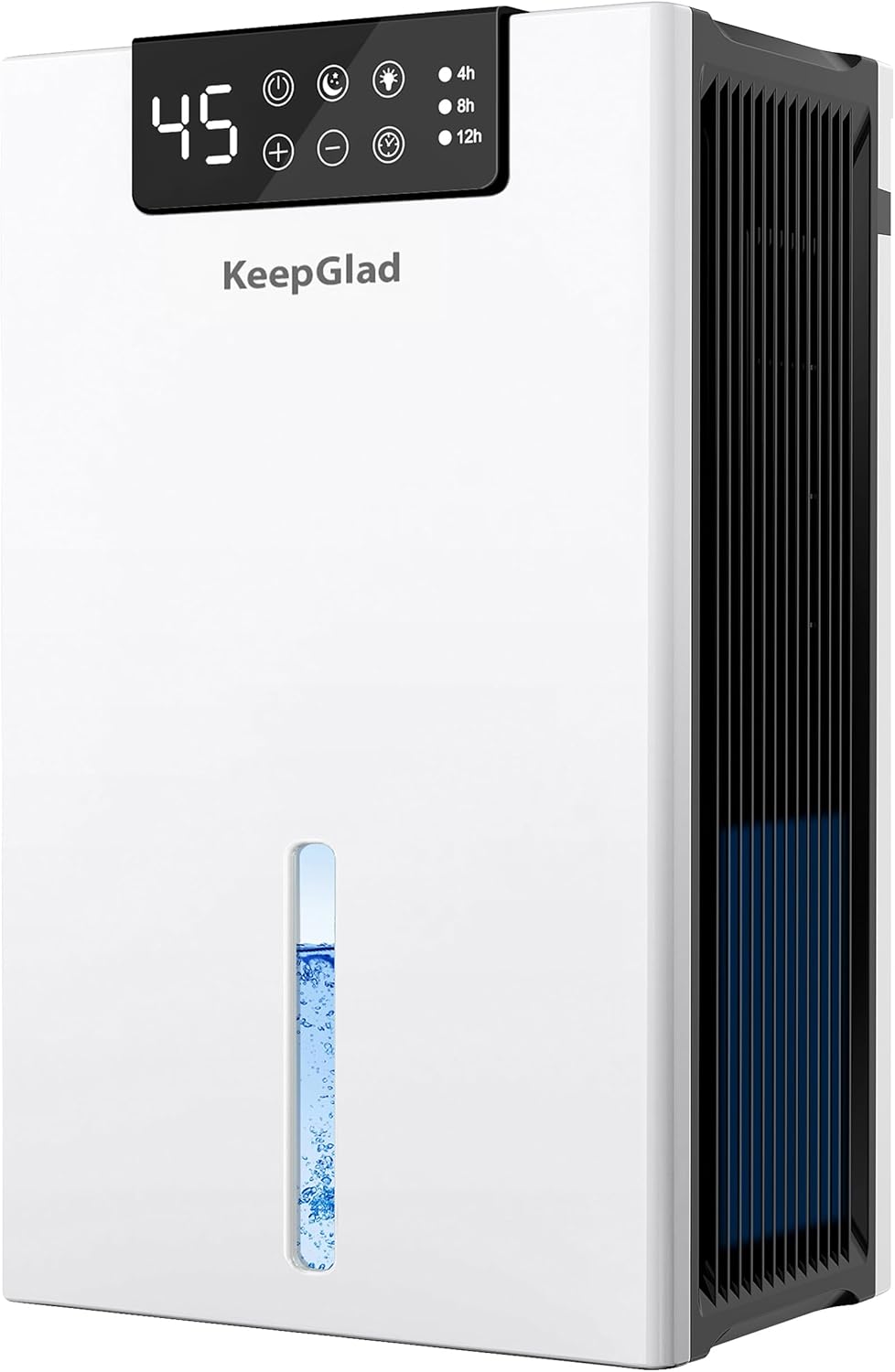
Different Types of Dehumidifiers for Mobile Homes
Common Buying Mistakes to Avoid

❌ Mistake: Buying a Dehumidifier That’s Too Small
Why it’s bad: A unit with insufficient capacity will run constantly, struggle to lower humidity, and wear out quickly. It may also fail to prevent mold and mildew, defeating the purpose of buying it in the first place.
What to do instead: Calculate your home’s square footage and consider your climate and lifestyle. When in doubt, go one size up. A 50-pint model is often a safer choice for a 1,000-square-foot mobile home in a humid area.
❌ Mistake: Ignoring Energy Efficiency
Why it’s bad: A power-hungry dehumidifier can spike your electricity bill and overload your electrical system, especially if you’re using a generator or solar power.
What to do instead: Look for ENERGY STAR certification and check the wattage. Choose models with auto-shutoff, timers, and adjustable settings to minimize energy use.
❌ Mistake: Overlooking Noise Levels
Why it’s bad: A loud dehumidifier can disrupt sleep, conversations, and relaxation—especially in a small, open mobile home.
What to do instead: Read user reviews and look for decibel ratings. Opt for models with quiet modes or brushless motors if noise is a concern.
❌ Mistake: Skipping the Drain Hose Option
Why it’s bad: Manually emptying a water tank every day is inconvenient and easy to forget. Overflowing tanks can cause water damage.
What to do instead: Choose a model with a continuous drain port and connect it to a hose leading to a drain or sump pump. This is especially useful if you travel often.
❌ Mistake: Buying Based on Price Alone
Why it’s bad: The cheapest dehumidifier may lack durability, features, or efficiency, leading to higher long-term costs and frequent replacements.
What to do instead: Consider total cost of ownership, including energy use, maintenance, and lifespan. A mid-range model with good reviews often offers the best value.
❌ Mistake: Not Checking the Warranty
Why it’s bad: A short or limited warranty leaves you unprotected if the unit fails prematurely—common in harsh mobile home environments.
What to do instead: Choose a brand with a solid warranty (at least 2 years) and clear terms. Register your product after purchase to activate coverage.
❌ Mistake: Placing the Unit in the Wrong Location
Why it’s bad: Poor placement—like in a corner or behind furniture—can block airflow, reduce efficiency, and cause the unit to overheat.
What to do instead: Place the dehumidifier in a central location with at least 6–12 inches of clearance on all sides. Avoid areas with high heat or direct sunlight.
Budget Guidelines: How Much Should You Spend?
- Entry-Level ($50–$150): These are typically mini or thermo-electric units best suited for small spaces like closets or bathrooms. They’re affordable and quiet but lack the power for whole-home dehumidification. Ideal for supplemental use or very dry climates.
- Mid-Range ($150–$300): This is the sweet spot for most mobile home owners. You’ll find reliable compressor-based models with 30–50 pint capacities, good energy efficiency, and useful features like humidistats and timers. Brands like hOmeLabs and Tosot offer excellent value here.
- Premium ($300–$500): These models offer advanced features like Wi-Fi connectivity, larger tanks, auto-defrost, and superior build quality. They’re ideal for high-humidity areas or users who want smart controls and minimal maintenance.
- Luxury ($500+): Whole-house or ducted dehumidifiers fall into this category. They’re overkill for most mobile homes but may be worth considering if you have a large setup with central HVAC and serious moisture issues.
Expert Tips for Getting the Best Deal
- Buy During Off-Season: Dehumidifiers are cheapest in fall and winter when demand is low. Stock up before spring and summer humidity hits.
- Shop Online for Better Selection: Retailers like Amazon, Home Depot, and Lowe’s often have exclusive models, detailed reviews, and competitive pricing.
- Look for Bundle Deals: Some brands offer discounts when you buy a dehumidifier with an air purifier or replacement filters.
- Check for Rebates: Utility companies sometimes offer rebates for ENERGY STAR appliances—especially in humid states.
- Read the Fine Print: Make sure the warranty covers mobile home use. Some exclude “non-traditional dwellings.”
- Test Before Committing: Use the return policy to test the unit in your home. Pay attention to noise, performance, and ease of use.
- Buy from Authorized Retailers: This ensures your warranty is valid and you’re getting a genuine product.
Frequently Asked Questions
Q: How often should I run my dehumidifier in a mobile home?
A: It depends on humidity levels, but most experts recommend running it 8–12 hours per day during humid months. Use a hygrometer to monitor indoor humidity and aim for 45–50%.
Q: Can I use a dehumidifier in winter?
A: Yes, but only if temperatures stay above 60°F. Below that, compressor units may ice up. Desiccant models work better in cold conditions.
Q: Do I need a dehumidifier if I have air conditioning?
A: Possibly. While AC removes some moisture, it may not be enough in very humid climates. A dehumidifier provides more precise control.
Q: How do I clean my dehumidifier?
A: Unplug the unit, remove and wash the water tank with soap and water, and clean the air filter monthly. Wipe the exterior with a damp cloth.
Q: Can a dehumidifier help with mold?
A: Yes—by reducing moisture, it prevents mold growth. However, existing mold should be cleaned by a professional.
Q: Is it safe to leave a dehumidifier on all night?
A: Yes, as long as it has auto-shutoff and is placed safely. Modern units are designed for continuous operation.
Q: What’s the ideal humidity level for a mobile home?
A: Between 40% and 50%. Higher levels promote mold; lower levels can dry out wood and cause discomfort.
Q: Can I use a dehumidifier in an RV?
A: Yes, but choose a compact, low-wattage model. Desiccant or thermo-electric units are often better for RVs due to power constraints.
Q: How long do dehumidifiers last?
A: With proper maintenance, most last 5–10 years. Compressor units tend to last longer than desiccant models.
Our Final Recommendations
- Best for Budget-Conscious Buyers: Tosot 30 Pint Dehumidifier – Reliable, energy-efficient, and priced under $200. Great for small to mid-sized mobile homes.
- Best Overall Value: hOmeLabs 50 Pint Dehumidifier – Excellent performance, quiet operation, and smart features. A top pick for most users.
- Best Premium Option: Frigidaire FFAD7033R1 – 70-pint capacity, Wi-Fi enabled, and built for heavy-duty use. Ideal for large or high-humidity homes.
- Best for Beginners: GE APER50LZ – Simple controls, auto-humidistat, and easy maintenance. Perfect for first-time buyers.
- Best for Advanced Users: AprilAire E080 – Whole-house ducted system with professional-grade performance. Best for tech-savvy owners with HVAC integration.
Conclusion: Making the Right Choice
Choosing the best dehumidifier for your mobile home doesn’t have to be overwhelming. By focusing on capacity, efficiency, noise, and features that match your lifestyle, you can find a unit that keeps your space dry, healthy, and comfortable. Remember, the right dehumidifier is an investment in your home’s longevity and your family’s well-being.
Don’t rush the decision. Take time to assess your needs, read reviews, and compare models. And when you do buy, choose a reputable brand with strong support and a solid warranty. With the right dehumidifier, you’ll enjoy fresher air, fewer odors, and peace of mind—no matter where the road takes you.
Ready to take control of your indoor climate? Start by measuring your space, checking your humidity levels, and picking a model from our recommended list. Your mobile home—and your lungs—will thank you.