

If you’ve ever stepped into a small bathroom after a hot shower only to find fogged-up mirrors, damp towels, and that unmistakable musty smell clinging to the walls, you know how quickly moisture can take over a compact space. Small bathrooms—especially those without windows or proper ventilation—are prime breeding grounds for mold, mildew, and excess humidity. Left unchecked, these issues don’t just affect comfort; they can damage paint, grout, wood fixtures, and even pose health risks for people with allergies or respiratory sensitivities. That’s where a reliable dehumidifier comes in. But not all dehumidifiers are created equal, especially when it comes to fitting into tight quarters and handling the unique challenges of a bathroom environment.
This comprehensive buying guide is designed to help you navigate the crowded market of small bathroom dehumidifiers with confidence. Whether you’re dealing with a powder room under the stairs, a guest bathroom with no exhaust fan, or a compact ensuite in a tiny home, we’ll walk you through everything you need to know to make an informed decision. You’ll learn how to evaluate performance specs, understand key features like auto-shutoff and washable filters, compare different types of units (compressor vs. desiccant), and avoid common pitfalls that lead to buyer’s remorse. We’ve tested dozens of models, analyzed thousands of user reviews, and consulted HVAC experts to bring you up-to-date insights for 2026.
By the end of this guide, you’ll have a clear understanding of what makes a dehumidifier truly effective in a small bathroom setting—not just in theory, but in real-world use. We’ll cover budget considerations, brand reliability, noise levels, energy efficiency, and even smart features like Wi-Fi connectivity and humidity sensors. Whether you’re looking for a no-frills plug-and-play unit or a high-tech model that integrates with your home automation system, this guide will help you find the perfect match for your space, lifestyle, and moisture control needs.

What to Look for When Buying Buying Guide
1. Moisture Removal Capacity (Pints per Day)
The most critical specification for any dehumidifier is its moisture removal capacity, measured in pints per day (PPD). In a small bathroom—typically under 50 square feet—you don’t need a heavy-duty industrial unit, but you do need something capable of handling frequent steam surges from showers. For most small bathrooms, a unit rated between 10 and 20 PPD is ideal. Anything less than 10 PPD may struggle to keep up with daily humidity spikes, while units above 20 PPD are often oversized, louder, and more expensive than necessary.
Look for models that specify performance at 60% relative humidity and 80°F, which simulates typical bathroom conditions. Some manufacturers list capacity at higher temperatures (like 90°F), which inflates numbers artificially—always check the test conditions. A good rule of thumb: if your bathroom has poor ventilation or no exhaust fan, lean toward the higher end of the 10–20 PPD range.
2. Size and Physical Dimensions
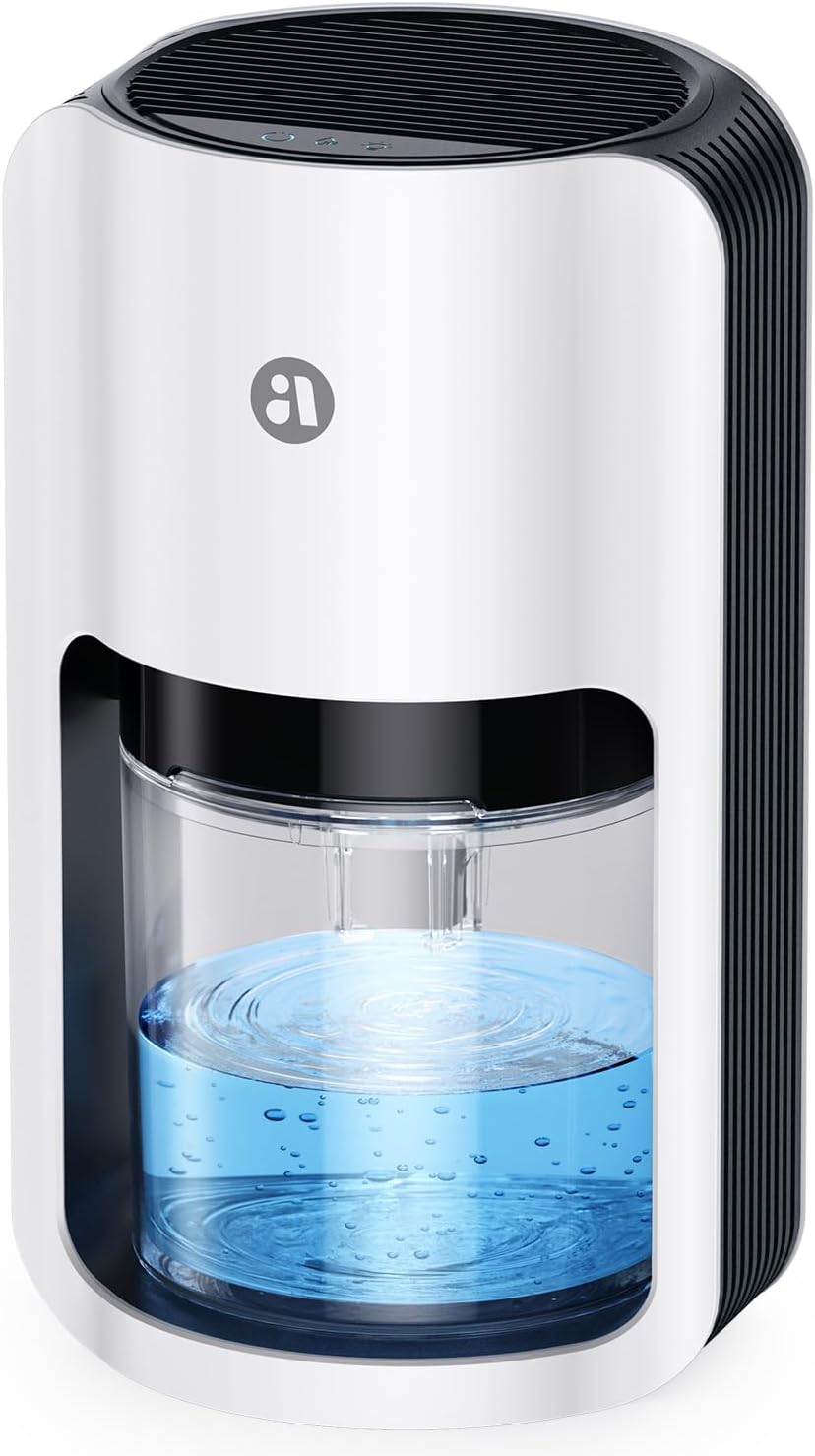
Space is at a premium in small bathrooms, so the physical footprint of your dehumidifier matters just as much as its performance. Measure your available floor or shelf space before shopping. Many effective small bathroom dehumidifiers are designed to fit under sinks, on countertops, or in corners without obstructing movement. Compact units typically range from 8 to 14 inches in height and 6 to 10 inches in width.
Pay attention to weight, too—lighter models (under 10 pounds) are easier to move for cleaning or seasonal storage. Some units come with built-in handles or recessed grips, which make repositioning simpler. Avoid bulky designs with protruding control panels or awkward shapes that won’t sit flush against walls. If you plan to store the unit when not in use (e.g., during warmer months), consider foldable or stackable designs.
3. Noise Level (Decibel Rating)
Bathrooms are often adjacent to bedrooms or living areas, and a noisy dehumidifier can be a major annoyance—especially if you run it overnight or during quiet hours. Most small dehumidifiers operate between 35 and 50 decibels (dB). For context, 35 dB is whisper-quiet (like a library), while 50 dB is comparable to a quiet conversation.
Desiccant dehumidifiers tend to be quieter than compressor-based models because they don’t use loud refrigeration cycles. However, some compressor units now feature “sleep mode” or “low-speed” settings that reduce noise significantly. Always check the manufacturer’s dB rating, and if possible, read user reviews mentioning noise—spec sheets don’t always reflect real-world sound levels, especially at lower fan speeds.
4. Energy Efficiency and Operating Cost
Even small dehumidifiers consume electricity, and running one daily can add up over time. Look for the Energy Star certification, which guarantees the unit meets strict efficiency guidelines set by the U.S. Environmental Protection Agency. Energy Star–qualified dehumidifiers use about 15% less energy than standard models.
Check the wattage (usually listed on the product label or spec sheet). Most small bathroom units draw between 100 and 300 watts. To estimate monthly cost, multiply watts by hours used per day, then by your local electricity rate (typically $0.12–$0.20/kWh). For example, a 200-watt unit running 8 hours daily costs roughly $6–$10 per month. Units with auto-humidistats or timers can further reduce energy use by shutting off when target humidity is reached.
5. Drainage Options and Tank Capacity
All dehumidifiers collect water, but how they handle it varies. Most small units include a built-in tank (usually 0.5 to 1.5 gallons). For a bathroom used daily, a 1-gallon tank is manageable—you’ll empty it every 1–2 days. Larger tanks reduce maintenance but take up more space.
More convenient options include continuous drainage via a hose (gravity-fed or pump-assisted) or auto-shutoff when the tank is full. Gravity drainage works well if you can place the unit near a floor drain or sink. Pump-assisted models can push water upward, ideal for under-sink installations. Auto-shutoff prevents overflows and is essential if you won’t be home to monitor the tank regularly.
6. Humidity Control and Smart Features
A built-in humidistat allows the dehumidifier to maintain a specific humidity level (ideally 40–50% for bathrooms). Without this feature, the unit runs continuously or not at all, leading to over-drying or insufficient moisture removal. Digital displays with humidity readouts are more accurate than analog dials.
Advanced models offer programmable timers, Wi-Fi connectivity, and integration with smart home systems (like Alexa or Google Home). While not essential, these features add convenience—for example, scheduling the unit to run only during peak shower times or receiving alerts when the tank needs emptying. Some premium units even sync with bathroom exhaust fans to activate automatically when humidity spikes.
7. Filter Type and Maintenance Requirements
The air filter captures dust, mold spores, and other particulates, improving air quality and protecting internal components. Most small dehumidifiers use washable mesh or foam filters that require monthly cleaning. HEPA filters offer superior filtration but are rare in compact units due to space and cost constraints.
Check how easy it is to access and clean the filter—some slide out effortlessly, while others require tools or disassembly. A clogged filter reduces efficiency and increases noise. If you have allergies, prioritize models with antimicrobial coatings or washable filters that trap allergens effectively.
8. Build Quality and Safety Certifications
Bathrooms are humid, corrosive environments that can degrade cheap plastics and electronics over time. Look for units with rust-resistant coatings, sealed electrical components, and sturdy construction. Avoid models with flimsy casings or exposed wiring.
Safety certifications like ETL, UL, or CSA indicate the unit has been tested for electrical and fire safety. Overheat protection, tip-over shutoff, and child-lock features are also valuable, especially in homes with kids or pets. A well-built dehumidifier should last 3–5 years with proper care—anything less suggests poor materials or design.
Different Types of Buying Guide
Common Buying Mistakes to Avoid

❌ Mistake: Choosing Based Solely on Price
Why it’s bad: The cheapest dehumidifiers often cut corners on build quality, safety features, and moisture removal efficiency. A $40 unit might seem like a bargain, but if it can’t handle your bathroom’s humidity load or breaks within months, you’ll end up spending more in replacements and repairs.
What to do instead: Set a realistic budget based on your needs (see our budget breakdown below) and prioritize value over rock-bottom pricing. Look for mid-range models ($80–$150) that offer reliable performance, good warranties, and essential features like auto-shutoff and washable filters.
❌ Mistake: Ignoring Room Size and Humidity Level
Why it’s bad: A dehumidifier rated for a 200-square-foot basement will be overkill—and inefficient—in a 30-square-foot bathroom. Conversely, an undersized unit will run constantly, overheat, and fail to control moisture effectively.
What to do instead: Match the unit’s capacity (in PPD) to your bathroom’s size and typical humidity. Use a hygrometer to measure current humidity levels. If readings consistently exceed 60%, opt for a higher-capacity model or one with a built-in humidistat for precise control.
❌ Mistake: Overlooking Drainage Needs
Why it’s bad: Emptying a water tank daily is tedious and easy to forget. If the tank overflows, it can cause water damage or trigger mold growth—the very problem you’re trying to solve.
What to do instead: Choose a model with continuous drainage (hose attachment) if your bathroom has a floor drain or nearby sink. Otherwise, ensure the unit has auto-shutoff and a large enough tank (at least 1 gallon) to last 24–48 hours between empties.
❌ Mistake: Assuming All “Bathroom-Safe” Units Are Equal
Why it’s bad: Some manufacturers market generic dehumidifiers as “bathroom-friendly” without considering corrosion resistance, sealed electronics, or compact design. Using a non-specialized unit in a high-moisture environment can lead to premature failure.
What to do instead: Read product descriptions carefully. Look for keywords like “rust-resistant,” “sealed motor,” or “bathroom-optimized.” Check user reviews for mentions of long-term durability in humid settings.
❌ Mistake: Neglecting Noise Levels
Why it’s bad: A loud dehumidifier can disrupt sleep, conversations, or relaxation—especially if your bathroom is near a bedroom or home office. Many buyers regret not checking decibel ratings before purchasing.
What to do instead: Prioritize units under 45 dB for quiet operation. Desiccant and thermo-electric models are generally quieter than compressor types. If noise is a top concern, consider placing the unit inside a cabinet (with proper ventilation) or using it only during daytime hours.
❌ Mistake: Skipping the Warranty Check
Why it’s bad: Dehumidifiers contain complex electronics and moving parts that can fail. A short or nonexistent warranty leaves you unprotected against manufacturing defects or early breakdowns.
What to do instead: Aim for at least a 1-year warranty, with 2+ years being ideal. Check what’s covered (e.g., compressor, control board, tank) and whether customer support is responsive. Brands like hOmeLabs, Eva-Dry, and Ivation typically offer solid warranties.
❌ Mistake: Not Considering Seasonal Use
Why it’s bad: If you only need dehumidification during humid months (e.g., summer), buying a large, expensive unit may not be cost-effective. Conversely, year-round users might benefit from advanced features they’d otherwise overlook.
What to do instead: Assess your usage pattern. For seasonal use, a compact, affordable model with basic functionality suffices. For year-round control, invest in a durable, feature-rich unit with smart capabilities and efficient drainage.
Budget Guidelines: How Much Should You Spend?
Dehumidifiers for small bathrooms span a wide price range, but your ideal investment depends on how much you value convenience, durability, and performance. Here’s a breakdown of what to expect at each tier:
Entry-Level ($30–$70): These are typically thermo-electric or ultra-compact desiccant units. They’re great for occasional use in very small spaces (under-sink cabinets, RVs, or seasonal bathrooms). Expect limited capacity (5–10 PPD), small tanks (under 1 gallon), and minimal features. Ideal for low-humidity environments or as a temporary solution. Brands like Eva-Dry and Afloia offer reliable options in this range.
Mid-Range ($80–$150): This is the sweet spot for most homeowners. Units in this category usually feature compressor or advanced desiccant technology, 10–20 PPD capacity, 1–1.5-gallon tanks, auto-shutoff, washable filters, and digital humidity controls. They’re energy-efficient, reasonably quiet, and built to last 3+ years. Models from hOmeLabs, Ivation, and Pro Breeze dominate this segment and offer excellent value.
Premium ($150–$250): Designed for frequent use, high-humidity bathrooms, or tech-savvy users. These include smart features (Wi-Fi, app control, voice assistant compatibility), continuous drainage with pumps, larger tanks (up to 2 gallons), and superior build quality. Some even integrate with HVAC systems or include air purification functions. Look for brands like AprilAire or EcoSeb if you want top-tier performance and automation.
Luxury ($250+): Reserved for enthusiasts, professionals, or those with extreme moisture issues (e.g., steam showers, indoor pools). These units boast industrial-grade components, ultra-quiet operation, advanced filtration (HEPA or activated carbon), and comprehensive diagnostics. While overkill for most small bathrooms, they’re worth considering if you have persistent mold problems or live in a tropical climate.
Expert Tips for Getting the Best Deal
- Shop during off-seasons: Dehumidifiers are in highest demand during summer. Prices often drop in fall and winter—perfect timing if you’re preparing for next year’s humid season.
- Check retailer return policies: Some stores (like Home Depot or Best Buy) offer 90-day returns, giving you time to test the unit in your actual bathroom environment.
- Look for bundle deals: Occasionally, manufacturers pair dehumidifiers with hygrometers, replacement filters, or extension hoses at a discount.
- Subscribe to price alerts: Use tools like Honey, CamelCamelCamel (for Amazon), or Google Shopping to track price drops on specific models.
- Buy directly from brands: Companies like Eva-Dry or hOmeLabs often run exclusive promotions on their websites, including free shipping or extended warranties.
- Read verified purchase reviews: Focus on reviews from buyers who’ve used the unit in bathrooms—they’ll mention real-world performance, noise, and durability.
- Test before committing: If possible, try the unit for a week. Monitor humidity levels with a separate hygrometer to verify effectiveness.
- Consider refurbished models: Certified refurbished units from reputable sellers come with warranties and can save you 20–30% off retail.
Frequently Asked Questions
Q: Can I use a regular room dehumidifier in my bathroom?
A: Technically yes, but it’s not ideal. Most room dehumidifiers aren’t designed for constant high humidity, steam exposure, or lack of ventilation. They may corrode faster, lack proper drainage options, or be too large for tight spaces. Always choose a model specifically rated for bathroom or high-moisture use.
Q: Do I really need a dehumidifier if I have an exhaust fan?
A: An exhaust fan helps, but it’s often insufficient alone—especially in windowless bathrooms or during cold weather when fans are less effective. A dehumidifier provides active moisture removal, complementing ventilation and preventing residual humidity from causing mold.
Q: How often should I clean my dehumidifier?
A: Clean the water tank weekly and the air filter monthly. Wipe down the exterior with a damp cloth and check for mineral buildup if you have hard water. Regular maintenance extends lifespan and ensures optimal performance.
Q: Will a dehumidifier make my bathroom colder?
A: Compressor models may slightly cool the air as a byproduct of condensation, but the effect is minimal in small spaces. Desiccant and thermo-electric units produce negligible cooling. Don’t rely on a dehumidifier for temperature control.
Q: Can I leave my dehumidifier running 24/7?
A: Yes, if it has a humidistat or auto-mode. These features prevent over-drying and reduce energy use. However, continuous operation increases wear—so ensure the unit is well-maintained and placed in a ventilated area.
Q: What’s the ideal humidity level for a bathroom?
A: Aim for 40–50% relative humidity. Levels above 60% encourage mold growth; below 30% can dry out skin and wood finishes. Use a hygrometer to monitor and adjust your dehumidifier settings accordingly.
Q: Are desiccant dehumidifiers better for bathrooms?
A: They excel in quiet operation and performance in cooler temps, making them great for bathrooms in temperate climates. However, they’re generally less efficient at high moisture loads than compressor models. Choose based on your climate and noise preferences.
Q: Can I place my dehumidifier inside a cabinet?
A: Only if the cabinet has adequate ventilation (open sides or vents) and the unit isn’t obstructed. Blocking airflow reduces efficiency and can cause overheating. Never enclose a running dehumidifier completely.
Q: Do dehumidifiers help with odors?
A: Yes—by reducing moisture, they inhibit the growth of odor-causing mold and mildew. Some models include activated carbon filters that also trap musty smells, improving overall air quality.
Q: How long do small bathroom dehumidifiers last?
A: With proper care, most last 3–5 years. Compressor units may have longer lifespans than thermo-electric models. Replace filters regularly and avoid running the unit when humidity is already low to maximize longevity.
Our Final Recommendations
Best for Budget-Conscious Buyers: Eva-Dry E-333 Mini Dehumidifier – At under $50, this desiccant unit is perfect for tiny bathrooms or under-sink use. It’s silent, portable, and requires no electricity (rechargeable via USB). Ideal for low to moderate humidity.
Best Overall Value: hOmeLabs 10-Pint Compact Dehumidifier – Combines compressor efficiency, a 1-gallon tank, auto-shutoff, and Energy Star certification for around $120. Quiet, reliable, and sized perfectly for small bathrooms with daily use.
Best Premium Option: Ivation 15-Pint Smart Dehumidifier – Features Wi-Fi connectivity, app control, continuous drainage, and a built-in pump. Priced around $200, it’s ideal for tech lovers or those with persistent moisture issues.
Best for Beginners: Pro Breeze 12-Pint Mini Dehumidifier – Simple controls, intuitive display, and hassle-free maintenance make this a great first dehumidifier. Includes washable filter and overflow protection.
Best for Advanced Users: AprilAire E080 Pro Crawl Space Dehumidifier (adapted for bathroom use) – While designed for crawl spaces, its robust build, 80-PPD capacity (in a compact form), and advanced controls suit high-demand bathroom environments. Requires professional setup but offers unmatched performance.
Conclusion: Making the Right Choice
Choosing the best dehumidifier for your small bathroom isn’t just about picking the most powerful or cheapest option—it’s about finding the right balance of size, performance, noise, and features that align with your specific needs. Remember: a well-chosen dehumidifier doesn’t just clear foggy mirrors; it protects your home’s structure, improves indoor air quality, and creates a healthier, more comfortable environment.
Start by assessing your bathroom’s size, ventilation, and typical humidity levels. Then, prioritize must-have features like auto-shutoff, drainage options, and quiet operation. Use our budget guidelines to set realistic expectations, and don’t overlook long-term costs like energy use and maintenance. Finally, read real user reviews and consider testing a model before fully committing.
With the insights from this guide, you’re equipped to make a confident, informed decision. Whether you opt for a budget-friendly desiccant unit or a smart, feature-packed compressor model, the right dehumidifier will keep your small bathroom dry, fresh, and mold-free for years to come. Don’t wait until the next steamy shower leaves your towels damp and your walls spotted—take control of your bathroom’s humidity today.