

If you’ve ever woken up to a musty smell in your bedroom, noticed condensation fogging up your bathroom mirror, or spotted mold creeping along the corners of your closet, you already know how disruptive excess moisture can be in a small room. Humidity isn’t just uncomfortable—it can damage furniture, warp wood floors, trigger allergies, and even compromise your home’s structural integrity over time. That’s where a dehumidifier comes in: a compact, often overlooked appliance that quietly works behind the scenes to maintain healthy indoor air quality and protect your space from dampness.
But with dozens of models flooding the market—each boasting different capacities, features, and price tags—it’s easy to feel overwhelmed. Do you really need a 50-pint unit for your 300-square-foot studio? Is Wi-Fi connectivity worth the extra cost? And how do you tell if a brand is reliable or just riding a marketing wave? This comprehensive buying guide cuts through the noise. Whether you’re dealing with seasonal humidity spikes, chronic dampness in a basement apartment, or simply want to improve air quality in your nursery or home office, we’ll walk you through everything you need to know to make a smart, confident purchase.
By the end of this guide, you’ll understand exactly what to look for in a dehumidifier for a small room—from core performance specs to hidden costs like energy use and maintenance. We’ll compare types, decode technical jargon, highlight common pitfalls, and offer expert-backed recommendations tailored to real-world needs. Our goal isn’t to sell you on the most expensive model, but to help you find the right one for your space, budget, and lifestyle. Let’s dive in.

What to Look for When Buying Buying Guide
1. Room Size & Moisture Level
The single most important factor when choosing a dehumidifier for a small room is matching the unit’s capacity to your space’s actual needs. Dehumidifiers are rated by how many pints of moisture they can remove in 24 hours—commonly ranging from 20 to 70 pints. However, this number alone isn’t enough. You also need to assess your room’s square footage and humidity level.
For a small room (typically under 500 sq. ft.), a 20–30 pint model is usually sufficient—especially if the space is moderately damp. But if you’re dealing with a chronically wet area like a basement bathroom, laundry nook, or coastal apartment with high ambient humidity, you may need a 30–50 pint unit even for a modest-sized room. Always check the manufacturer’s coverage guidelines, which often specify both square footage and moisture conditions (e.g., “moderate,” “wet,” or “very wet”). Ignoring this can lead to underperformance or unnecessary energy waste.
2. Energy Efficiency & Operating Costs
Dehumidifiers run continuously in many cases, especially in humid climates or during summer months. That means their energy consumption directly impacts your utility bill. Look for units with the ENERGY STAR® certification, which indicates they meet strict efficiency standards set by the U.S. Environmental Protection Agency. ENERGY STAR dehumidifiers use up to 15% less energy than standard models.
Check the unit’s wattage and estimated annual operating cost (often listed on the EnergyGuide label). A typical 30-pint ENERGY STAR model might consume around 300–400 watts and cost roughly $20–$40 per year to run, depending on local electricity rates and usage patterns. While premium efficient models may cost more upfront, they often pay for themselves within a few years through lower bills—especially if you plan to use the dehumidifier regularly.
3. Tank Capacity & Auto-Shutoff
Most portable dehumidifiers collect water in an internal bucket. For small rooms, a 1–2 gallon (approximately 8–16 pint) tank is usually adequate. However, consider how often you’re willing to empty it. If your room is very damp or you’re away frequently, a larger tank or continuous drainage option becomes essential.
Auto-shutoff is a non-negotiable safety feature: it turns off the unit when the tank is full, preventing overflow and potential water damage. Many mid-to-high-end models also include a full-tank indicator light or audible alert. For added convenience, look for models with a built-in hose connection for gravity drainage—this lets you route water directly into a floor drain or sump pump, eliminating manual emptying entirely.
4. Noise Level
In a small room—especially a bedroom, nursery, or home office—noise can be a dealbreaker. Dehumidifiers use compressors and fans, which generate sound. Most operate between 45 and 60 decibels (dB), comparable to a quiet conversation or moderate rainfall. However, some budget models can hit 60+ dB, which may disrupt sleep or concentration.
Check the manufacturer’s noise rating (listed in dB). For quiet operation, aim for units under 50 dB. Many premium models now feature “sleep mode” or “low-speed fan” settings that reduce noise at the expense of slightly slower moisture removal. If silence is critical, consider compressor-free desiccant dehumidifiers, which tend to be quieter but less efficient in warm, humid environments.
5. Smart Features & Controls
Modern dehumidifiers offer a range of smart functionalities that enhance usability. Basic digital controls allow you to set your desired humidity level (typically between 30% and 80%), while programmable timers let you schedule operation during off-peak hours. Some models include hygrometers that display real-time indoor humidity.
Wi-Fi connectivity is increasingly common in mid-to-high-tier units. With a companion app, you can monitor humidity levels remotely, receive tank-full alerts, adjust settings, or integrate with smart home systems like Alexa or Google Home. While not essential, these features add convenience—especially for travelers or those managing multiple properties. Just remember: smart features often come with a higher price tag and may require a stable Wi-Fi connection.
6. Build Quality & Durability
A dehumidifier is a long-term investment. Cheap plastic housings, flimsy handles, or poorly sealed components can lead to leaks, rattling, or premature failure. Look for units with sturdy construction, reinforced casters (for portability), and corrosion-resistant coils—particularly important in damp environments.
Internal components matter too. High-quality compressors and sealed refrigerant systems last longer and perform more reliably. Avoid models with vague warranty terms or no service network. Reputable brands often provide detailed service manuals and replacement parts, extending the unit’s lifespan beyond the initial warranty period.
7. Portability & Design
Even in a small room, you may want to move your dehumidifier between spaces—say, from the bedroom at night to the bathroom during the day. Wheels and a carrying handle make this much easier. Compact dimensions (ideally under 18” tall and 14” wide) help the unit fit under sinks, in closets, or beside furniture without obstructing walkways.
Aesthetics matter too, especially in living areas. Sleek, neutral-colored designs blend better with home decor than bulky, industrial-looking units. Some models even double as air purifiers with HEPA filters, adding dual functionality—though these often come at a premium.
8. Warranty & Customer Support
A solid warranty is a strong indicator of a manufacturer’s confidence in their product. Most reputable brands offer at least a 1-year limited warranty, with some extending to 2 or even 5 years on key components like the compressor. Read the fine print: some warranties exclude labor costs or require professional installation.
Equally important is customer support. Check online reviews for mentions of responsiveness, ease of claiming warranty service, and availability of replacement parts. Brands with U.S.-based support centers or 24/7 helplines tend to resolve issues faster. Avoid obscure brands with no verifiable service network—you don’t want to be stuck with a broken unit and no way to fix it.
Different Types of Buying Guide

Common Buying Mistakes to Avoid

❌ Mistake: Buying Based Solely on Pint Capacity
Why it’s bad: A higher pint rating doesn’t always mean better performance—especially in small rooms. Oversized units can short-cycle (turn on and off rapidly), reducing efficiency, increasing wear, and failing to properly dehumidify. They also cost more and consume more energy than necessary.
What to do instead: Match the unit to your room’s actual conditions. Use a hygrometer to measure current humidity levels, then consult manufacturer sizing charts that factor in both square footage and moisture severity.
❌ Mistake: Ignoring Energy Efficiency
Why it’s bad: A cheap dehumidifier with poor efficiency can cost you hundreds in electricity over its lifetime—far outweighing the initial savings. Non-ENERGY STAR models may also lack advanced controls that optimize performance.
What to do instead: Prioritize ENERGY STAR certification and check the annual operating cost. Calculate long-term expenses: (watts × hours used per day × days per year × electricity rate) ÷ 1,000.
❌ Mistake: Overlooking Drainage Options
Why it’s bad: Constantly emptying a small tank is tedious and easy to forget. If you’re away for days or managing a very damp space, a full tank can shut down the unit and allow humidity to rebound.
What to do instead: Choose a model with a continuous drain hose option—even if you don’t use it immediately. It adds flexibility and peace of mind.
❌ Mistake: Choosing the Loudest Model for a Bedroom
Why it’s bad: Noise above 55 dB can disrupt sleep, especially in quiet bedrooms. Many buyers only realize this after installation.
What to do instead: Check decibel ratings before buying. Read user reviews mentioning noise levels. Consider desiccant models for ultra-quiet operation.
❌ Mistake: Skipping the Warranty Check
Why it’s bad: Dehumidifiers contain complex mechanical parts. Without a solid warranty, a compressor failure could mean a total loss.
What to do instead: Opt for brands offering at least a 2-year warranty. Register your product immediately and keep receipts.
❌ Mistake: Assuming All “Small” Units Are Equal
Why it’s bad: Size refers to physical dimensions, not performance. A compact thermo-electric unit may look similar to a small compressor model but remove far less moisture.
What to do instead: Compare specs, not just外观. Focus on pint capacity, coverage area, and technology type.
❌ Mistake: Buying Without Reading Real User Reviews
Why it’s bad: Marketing claims often exaggerate performance. Real-world feedback reveals issues like leaks, faulty sensors, or poor customer service.
What to do instead: Scan verified purchase reviews on Amazon, Home Depot, or Consumer Reports. Look for patterns—not isolated complaints.
Budget Guidelines: How Much Should You Spend?
Entry-Level ($50–$120): These are typically thermo-electric or small compressor models ideal for closets, RVs, or very mild dampness. Expect basic analog controls, small tanks (under 1 gallon), and limited coverage (under 250 sq. ft.). Build quality may be questionable, and warranties are often short. Best for occasional use or temporary solutions.
Mid-Range ($120–$250): This is the sweet spot for most small-room buyers. You’ll find reliable compressor-based units with 20–30 pint capacity, digital controls, auto-restart after power outages, and decent energy efficiency. Many include continuous drainage and wheels. Brands like hOmeLabs, Frigidaire, and Tosot dominate this tier with strong track records.
Premium ($250–$400): Designed for serious moisture problems or tech-savvy users. Expect larger tanks (2+ gallons), Wi-Fi connectivity, precise humidity control (±2%), quiet operation (<50 dB), and robust build quality. Some models include air filtration, washable filters, and extended warranties. Ideal for chronic dampness, nurseries, or allergy sufferers. Luxury ($400+): Top-tier units with commercial-grade components, multi-stage filtration, advanced sensors, and sleek designs. Often used in high-end homes, art studios, or medical environments. While overkill for most small rooms, they offer unmatched reliability and smart integration. Only consider if you demand perfection or have unique requirements.
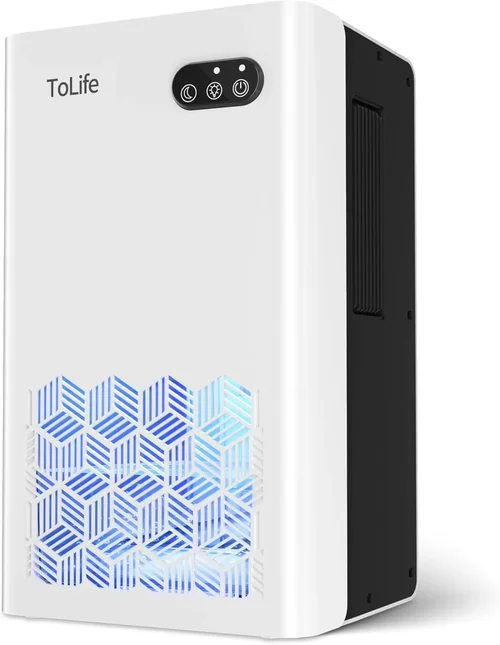
Expert Tips for Getting the Best Deal
1. Buy During Off-Peak Seasons: Retailers often discount dehumidifiers in late fall and winter (October–February) when demand drops. You can save 20–30% compared to summer prices.
2. Check Warehouse Clubs and Outlet Stores: Costco, Sam’s Club, and Home Depot’s online outlet frequently stock last-year’s models at steep discounts—often with full warranties.
3. Use Price Tracking Tools: Set alerts on CamelCamelCamel (for Amazon) or Honey to notify you when prices drop on specific models.
4. Consider Refurbished Units: Certified refurbished dehumidifiers from reputable sellers (like Amazon Renewed or manufacturer websites) come with warranties and rigorous testing—often at 30–50% off retail.
5. Bundle with Other Purchases: Some retailers offer discounts when you buy a dehumidifier with an air purifier, humidifier, or HVAC filter.
6. Read the Return Policy Carefully: Ensure you have at least 30 days to test the unit. Some stores charge restocking fees or won’t accept returns if the box is opened.
7. Test Before Committing: Run the dehumidifier for 48 hours in your actual room. Check noise, tank fill rate, and humidity reduction. If it’s not performing as expected, return it promptly.
8. Register for Manufacturer Promotions: Brands like AprilAire or Santa Fe occasionally offer rebates or extended warranties for new customers.

Frequently Asked Questions
Q: How do I know if my small room needs a dehumidifier?
A: Use a hygrometer (available for under $20) to measure indoor humidity. Ideal levels are between 30% and 50%. If readings consistently exceed 60%, you likely need a dehumidifier—especially if you notice condensation, musty odors, or mold growth.
Q: Can I use a dehumidifier in a closet?
A: Yes, but only with a thermo-electric or mini desiccant model designed for enclosed spaces. Full-sized compressor units need airflow and ventilation to function properly and may overheat in tight areas.
Q: Should I run my dehumidifier continuously?
A: Not necessarily. Most units have humidistats that maintain your set humidity level automatically. Running 8–12 hours per day is usually sufficient unless the room is extremely damp.
Q: Do dehumidifiers cool the room?
A: No. While they remove moisture, they actually emit a small amount of heat during operation. The perceived “cooling” effect comes from reduced humidity, which makes the air feel more comfortable.
Q: How often should I clean my dehumidifier?
A: Clean the water tank weekly with mild soap and water. Wash or replace the air filter every 2–4 weeks, depending on usage. Dirty filters reduce efficiency and can harbor mold.
Q: Can a dehumidifier help with allergies?
A: Absolutely. By reducing humidity below 50%, you inhibit the growth of dust mites, mold, and mildew—common allergens. Pair it with an air purifier for maximum relief.
Q: Is it safe to leave a dehumidifier on overnight?
A: Yes, as long as it has auto-shutoff, overheat protection, and is placed on a stable, level surface away from flammable materials. Modern units are designed for unattended operation.
Q: What’s the difference between a dehumidifier and an air purifier?
A: A dehumidifier removes moisture from the air; an air purifier removes particles like dust, pollen, and smoke. They serve different purposes but can complement each other.
Q: Will a dehumidifier increase my electricity bill significantly?
A: It depends on usage and efficiency. An ENERGY STAR 30-pint model running 8 hours/day might add $2–$4 per month to your bill—far less than the cost of repairing water damage or replacing moldy belongings.
Q: Can I install a dehumidifier myself?
A: Portable units require no installation—just plug and play. Whole-house systems should be installed by a licensed HVAC technician to ensure proper ductwork and drainage.
Our Final Recommendations
Best for Budget-Conscious Buyers: Tosot 30 Pint Dehumidifier – At around $150, it offers excellent performance for small rooms, ENERGY STAR efficiency, a 1.8-gallon tank, and quiet operation (48 dB). Ideal for apartments or seasonal use.
Best Overall Value: hOmeLabs 30 Pint Dehumidifier – Priced at $180–$200, it includes a built-in pump for upward drainage, Wi-Fi connectivity, and a sleek design. Perfect for tech-savvy users who want smart features without breaking the bank.
Best Premium Option: Frigidaire Gallery 50 Pint Smart Dehumidifier – Though slightly oversized for tiny rooms, its precision controls, ultra-quiet operation (47 dB), and robust build make it ideal for high-humidity small spaces like basement studios or coastal homes.
Best for Beginners: Eva-Dry Edv-1100 Electric Petite Dehumidifier – A plug-and-play thermo-electric unit under $60. Great for closets, RVs, or mild dampness. No setup, no noise, and virtually maintenance-free.
Best for Advanced Users: AprilAire E080 Pro 80 Pint Dehumidifier – While typically used in larger spaces, its compact floor model suits serious moisture challenges in small areas. Features professional-grade components, remote monitoring, and a 5-year warranty.
Conclusion: Making the Right Choice
Choosing the best dehumidifier for a small room isn’t about finding the biggest or most expensive model—it’s about alignment. Alignment between your room’s size, your humidity levels, your budget, and your lifestyle. A well-chosen dehumidifier doesn’t just remove moisture; it protects your health, preserves your belongings, and creates a more comfortable living environment.
As you weigh your options, remember the key principles: prioritize room-specific capacity over raw pint numbers, value energy efficiency for long-term savings, and never sacrifice essential features like auto-shutoff or drainage flexibility. Read real reviews, understand warranty terms, and test the unit in your actual space before finalizing your decision.
Ultimately, the right dehumidifier is the one you’ll actually use—quietly, reliably, and without constant hassle. Whether you’re battling basement dampness, protecting a nursery, or simply improving air quality in your studio apartment, investing in the proper unit pays dividends in comfort, safety, and peace of mind. So take your time, apply the insights from this guide, and breathe easier knowing you’ve made an informed choice. Your home—and your lungs—will thank you.