
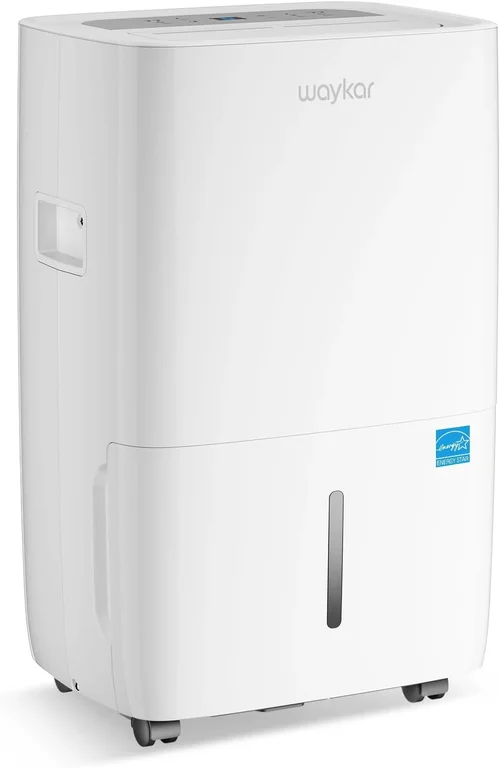
If you’ve ever stepped into a cold basement and immediately felt that damp, musty chill clinging to your clothes, you know how stubborn basement humidity can be. Even in winter, when outdoor air is dry, basements often remain damp due to poor ventilation, groundwater seepage, and temperature differentials. This persistent moisture doesn’t just make the space uncomfortable—it can lead to mold growth, wood rot, rust on tools, and even worsen indoor air quality throughout your home. That’s why choosing the right dehumidifier for a cold basement isn’t just a convenience; it’s a necessity for protecting your property and health.
In this comprehensive guide, we’ll walk you through everything you need to know to select the best dehumidifier specifically for cold basement environments in 2026. Whether your basement hovers around 50°F (10°C) in winter or rarely climbs above 60°F (15°C), standard dehumidifiers may struggle—or fail entirely. We’ll explain why temperature matters, what features truly make a difference in low-temperature performance, and how to avoid common pitfalls that leave buyers frustrated and out of pocket. You’ll learn how to evaluate capacity, energy efficiency, build quality, smart features, and more—all tailored to the unique challenges of cold, damp basements.
The market today offers a wide range of dehumidifiers, from compact 30-pint units to heavy-duty commercial-grade machines capable of handling 70+ pints per day. But not all are created equal—especially when it comes to cold-weather operation. Some models shut down below 65°F, while others use advanced refrigerant or compressor technologies designed to extract moisture efficiently even in near-freezing conditions. By the end of this guide, you’ll have a clear understanding of what to prioritize, how much to budget, and which models offer the best long-term value for your specific needs.

What to Look for When Buying Buying Guide
1. Low-Temperature Operation Capability
The single most critical factor when choosing a dehumidifier for a cold basement is its ability to function effectively in low temperatures. Most conventional dehumidifiers use standard refrigerant systems that rely on warm air to evaporate collected moisture. When ambient temperatures drop below 65°F (18°C), the coils inside these units begin to frost over, causing the machine to cycle off frequently or stop working altogether. This defeats the entire purpose—especially since basements are often coldest when humidity is highest due to condensation.
Look for models explicitly rated for operation down to 41°F (5°C) or lower. These typically use one of two technologies: cold-climate refrigerant formulas or dual-compressor systems. Some high-end units even feature automatic defrost cycles that melt ice buildup without interrupting moisture removal. Always check the manufacturer’s specified operating temperature range—don’t assume “basement use” means “cold basement compatible.” For example, the Frigidaire FFAD7033R1 operates down to 41°F, while many budget models cut out at 65°F.
2. Capacity (Pints per Day) and Room Size Matching
Dehumidifier capacity is measured in pints per day (PPD)—the amount of moisture the unit can remove in 24 hours under standard test conditions (80°F and 60% relative humidity). However, in cold basements, actual performance often falls short of these ratings because colder air holds less moisture. Therefore, it’s essential to match the unit’s capacity to both your basement’s square footage and its moisture level.
As a general rule:
- Up to 1,000 sq. ft.: 30–50 PPD
- 1,000–2,000 sq. ft.: 50–70 PPD
- Over 2,000 sq. ft. or extremely damp spaces: 70+ PPD
But remember: a 50-pint unit in a cold basement may perform like a 30-pint one. To compensate, consider sizing up by one tier. For instance, if your 1,200 sq. ft. basement is very damp, opt for a 70-pint model instead of a 50-pint. Also, assess your basement’s condition—frequent water intrusion, visible mold, or standing water calls for higher capacity and possibly professional-grade equipment.
3. Energy Efficiency and Operating Costs
Dehumidifiers run continuously in many basements, especially during humid seasons or in poorly insulated homes. This means energy consumption can significantly impact your utility bill over time. Look for units with the ENERGY STAR® certification, which indicates they meet strict efficiency guidelines set by the U.S. Environmental Protection Agency. ENERGY STAR models use up to 15% less energy than standard units.
Check the unit’s energy factor (liters of water removed per kilowatt-hour) or annual operating cost estimate. For example, a 50-pint ENERGY STAR dehumidifier might cost around $25–$35 per year to operate, while a non-certified model could double that. In cold basements, efficiency becomes even more important because the unit may need to run longer to achieve desired humidity levels. Some models also feature variable-speed compressors or humidity-sensing auto modes that adjust runtime based on real-time conditions, further reducing energy use.
4. Drainage Options and Continuous Operation
Emptying a water bucket every few days is tedious and impractical—especially in hard-to-reach basements. That’s why drainage options are crucial. Most dehumidifiers offer two primary drainage methods: manual bucket removal and continuous gravity drainage via a hose.
For cold basements, a built-in pump or gravity drain with a hose is highly recommended. Gravity drainage requires placing the unit near a floor drain or sump pit, allowing water to flow out continuously without intervention. Some premium models include internal condensate pumps that can push water vertically (up to 15 feet) and horizontally (up to 50 feet), giving you flexibility in placement. This is invaluable if your basement lacks a nearby drain. Ensure the hose connection is secure and rated for continuous use—cheap plastic fittings can crack in cold temperatures.
5. Humidity Control and Smart Features
Precise humidity control prevents over-drying (which wastes energy) and under-drying (which allows mold to thrive). Look for models with digital hygrostats that let you set your target relative humidity (RH)—ideally between 30% and 50% for basements. Basic units may only offer “high,” “medium,” and “low” settings, while advanced models provide 1% RH increments.
Smart features are increasingly common and highly beneficial:
- Auto-restart: Resumes operation after a power outage—critical for unattended basements.
- Timer functions: Schedule operation during off-peak hours or when you’re away.
- Wi-Fi connectivity: Monitor and adjust settings via smartphone apps (e.g., GE Appliances, Midea U).
- Filter alerts: Notify you when the air filter needs cleaning to maintain efficiency.
While not essential, these features enhance convenience and long-term performance, especially in spaces you don’t visit daily.
6. Build Quality, Noise Level, and Durability
Basements are often multipurpose spaces—used for laundry, storage, or even living areas. A noisy, flimsy dehumidifier can be disruptive and prone to breakdowns. Prioritize models with robust construction: metal casings, sealed bearings, and high-quality compressors. Avoid units with all-plastic housings, as they may warp or crack in cold, damp conditions.
Noise is measured in decibels (dB). For reference:
- Below 50 dB: Quiet, suitable for living spaces
- 50–55 dB: Moderate, acceptable for storage areas
- Above 55 dB: Noticeable, may be bothersome
Many cold-climate dehumidifiers run slightly louder due to enhanced compressors, but reputable brands like hOmeLabs and AprilAire keep noise under 52 dB. Also, check warranty length—3 years or more on the compressor indicates confidence in durability.
7. Ease of Maintenance and Filter Access
Regular maintenance ensures optimal performance and longevity. The most common task is cleaning the air filter, which captures dust and debris to protect internal components. Look for front-access filters that are easy to remove and wash—some are even reusable and dishwasher-safe.
Additionally, inspect how easy it is to access the water bucket or drain hose. Units with top-mounted controls and wide openings simplify routine checks. Some models include washable pre-filters or antimicrobial treatments to inhibit mold growth inside the unit—a smart feature for damp environments.
8. Brand Reputation and Customer Support
Not all dehumidifier brands are equal. Established manufacturers like Frigidaire, GE, hOmeLabs, and AprilAire have proven track records for reliability and customer service. Read verified buyer reviews focusing on cold-weather performance, longevity, and responsiveness of support teams.
Avoid obscure brands with no service network or unclear warranty terms. A good brand will offer clear documentation, accessible customer service, and readily available replacement parts. Check if the company provides troubleshooting guides or video tutorials—especially helpful if you’re installing the unit yourself.
Different Types of Buying Guide

Common Buying Mistakes to Avoid
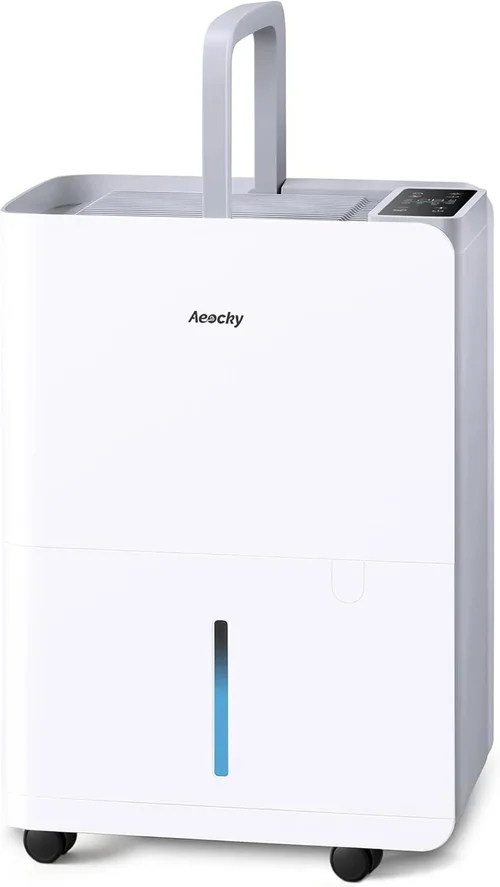
❌ Mistake: Buying a Standard Dehumidifier for a Cold Basement
Why it’s bad: Most off-the-shelf dehumidifiers are designed for temperatures above 65°F. In a cold basement, they’ll ice up, cycle constantly, or shut down entirely—leaving your space damp and wasting electricity.
What to do instead: Always verify the operating temperature range. Choose a model explicitly rated for 41°F or lower. Cold-climate or desiccant units are your best bet.
❌ Mistake: Undersizing the Unit
Why it’s bad: A dehumidifier that’s too small will run nonstop, overheat, and fail to lower humidity to safe levels. This accelerates wear and increases energy bills.
What to do instead: Calculate your basement’s square footage and moisture severity. When in doubt, size up—especially in cold environments where performance drops.
❌ Mistake: Ignoring Drainage Needs
Why it’s bad: Manual bucket emptying is impractical for daily use. Overflowing buckets can cause water damage and negate the dehumidifier’s benefits.
What to do instead: Invest in a model with continuous drainage (gravity or pump-assisted). Ensure your basement has a drain or sump pit, or choose a unit with an internal pump.
❌ Mistake: Overlooking Energy Efficiency
Why it’s bad: Inefficient units consume excess power, especially when running longer in cold conditions. This adds up over months of operation.
What to do instead: Prioritize ENERGY STAR-certified models. Check the energy factor and estimated annual cost before purchasing.
❌ Mistake: Choosing Based Solely on Price
Why it’s bad: Cheap dehumidifiers often use inferior components, lack cold-weather capability, and have short lifespans—costing more in repairs or replacements.
What to do instead: Balance upfront cost with long-term value. A $400 unit that lasts 8 years is better than a $200 one that fails in 2.
❌ Mistake: Neglecting Maintenance Requirements
Why it’s bad: Clogged filters and dirty coils reduce efficiency and can cause malfunctions. Many users don’t realize maintenance is needed until it’s too late.
What to do instead: Choose models with easy-access filters and clear maintenance instructions. Set calendar reminders to clean filters monthly.
❌ Mistake: Not Reading Real User Reviews
Why it’s bad: Marketing specs don’t always reflect real-world performance—especially in cold basements. Lab tests are conducted at 80°F, not 50°F.
What to do instead: Search for reviews mentioning “cold basement,” “winter use,” or specific temperature ranges. Look for patterns in feedback about reliability and performance.
Budget Guidelines: How Much Should You Spend?
Dehumidifiers for cold basements vary widely in price, but your budget should align with your basement’s size, humidity level, and how much you value convenience and longevity.
Entry-Level ($150–$250): These are typically standard refrigerant units with limited cold-weather capability. They may work in basements that stay above 60°F but will struggle or fail in colder conditions. Expect basic controls, smaller buckets, and shorter warranties (1 year). Best for small, mildly damp spaces or temporary use.
Mid-Range ($250–$450): This is the sweet spot for most homeowners. These models often feature cold-climate operation (down to 41°F), larger capacities (50–70 PPD), continuous drainage options, and better build quality. Many include digital hygrostats, auto-restart, and 2–3 year warranties. Ideal for average-sized basements with moderate to high humidity.
Premium ($450–$700): Designed for demanding environments, these units offer advanced features like internal condensate pumps, Wi-Fi connectivity, ultra-quiet operation (<50 dB), and robust metal construction. They’re built to last 7–10 years with minimal maintenance. Perfect for large, very damp basements or those used as living spaces.
Luxury ($700+): Whole-house dehumidifiers or commercial-grade systems fall into this category. They integrate with HVAC systems, handle 100+ PPD, and provide centralized humidity control for the entire home. While overkill for most basements, they’re ideal for high-end homes, historic properties, or allergy-sensitive households.

Expert Tips for Getting the Best Deal
- Buy in Late Winter or Early Spring: Retailers often discount dehumidifiers after the winter season to clear inventory. February to April offers the best deals before humidity spikes in summer.
- Shop Online for Better Selection and Reviews: Websites like Amazon, Home Depot, and Lowe’s provide detailed specs, customer photos, and verified reviews—especially helpful for assessing cold-weather performance.
- Check for Rebates and Tax Credits: Some utility companies offer rebates for ENERGY STAR appliances. In certain regions, energy-efficient home upgrades may qualify for tax incentives.
- Compare Total Cost of Ownership: Factor in energy use, warranty length, and expected lifespan—not just the sticker price. A slightly more expensive unit can save hundreds over its lifetime.
- Read the Fine Print on Warranties: Ensure the compressor—the most expensive component—is covered for at least 3 years. Some brands void warranties if used below specified temperatures.
- Test Before Committing (If Possible): If buying in-store, ask to see the unit powered on. Listen for excessive noise and check control responsiveness. For online purchases, choose retailers with generous return policies (30+ days).
- Consider Bundled Purchases: Some retailers offer discounts when buying a dehumidifier with air purifiers, sump pumps, or insulation kits—common basement upgrades.
- Join Manufacturer Mailing Lists: Brands like hOmeLabs and Frigidaire often send exclusive promo codes to subscribers, especially during seasonal sales.
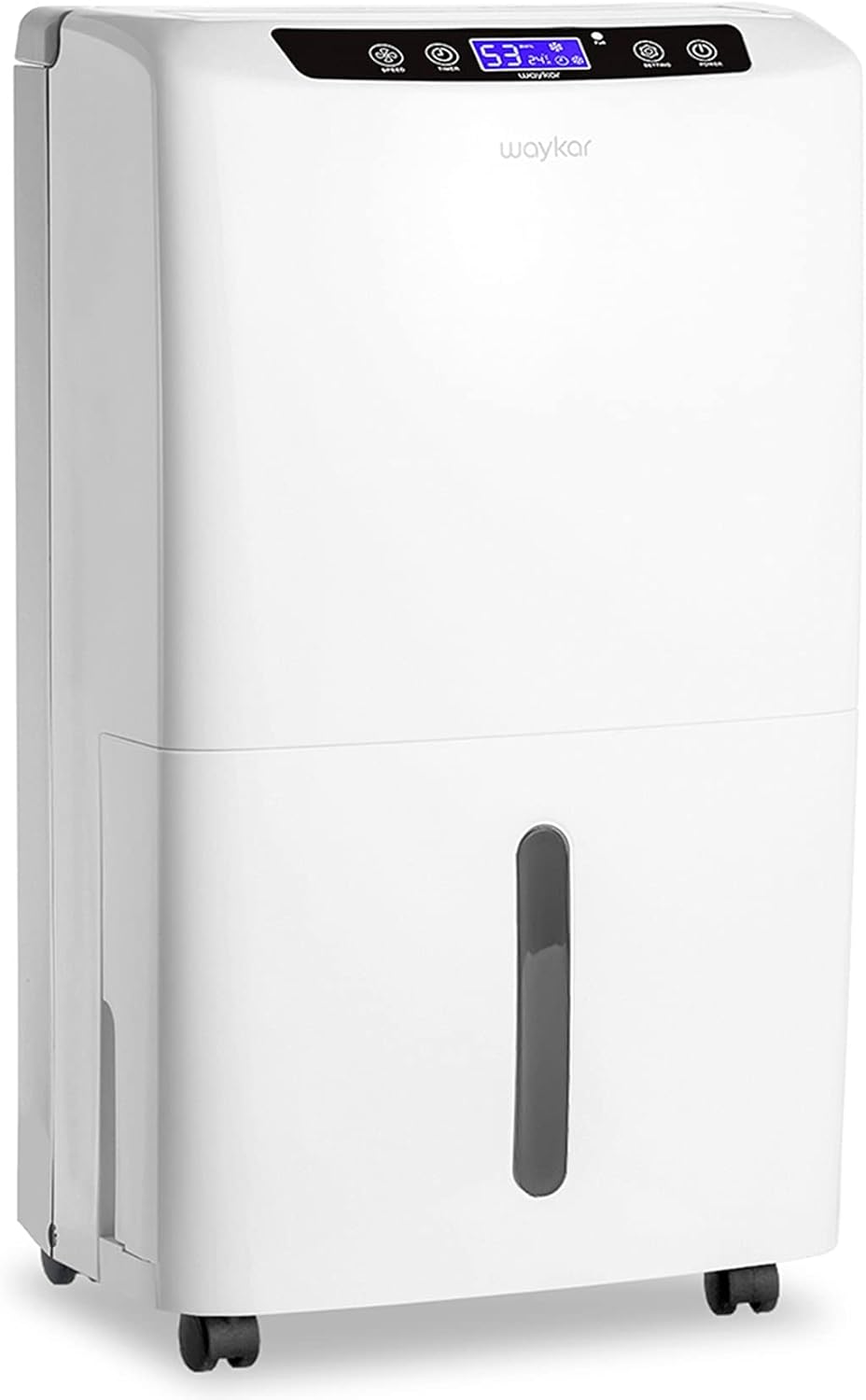
Frequently Asked Questions
Q: Can a regular dehumidifier work in a cold basement?
A: Most standard dehumidifiers are not designed for temperatures below 65°F. In cold basements, their coils freeze, causing frequent shutdowns or complete failure. Always choose a model rated for 41°F or lower.
Q: What humidity level should I maintain in my basement?
A: Aim for 30% to 50% relative humidity. Levels above 60% promote mold and mildew growth, while below 30% can dry out wood and cause discomfort.
Q: Do I need a dehumidifier if my basement isn’t visibly damp?
A: Yes. Hidden moisture can still cause structural damage and affect indoor air quality. Use a hygrometer to measure humidity—if it’s consistently above 50%, a dehumidifier is warranted.
Q: How often should I clean the filter?
A: Clean the air filter every 4–6 weeks during heavy use, or monthly if the basement is very dusty. A clogged filter reduces airflow and efficiency.
Q: Can I use a dehumidifier in an unheated basement?
A: Only if it’s specifically rated for low-temperature operation. Desiccant dehumidifiers are best for unheated spaces, as they don’t rely on refrigerant coils that can freeze.
Q: Will a dehumidifier increase my heating bill?
A: Dehumidifiers generate a small amount of heat as a byproduct, but this is negligible. Their primary effect is reducing moisture, which can make the space feel more comfortable—potentially allowing you to lower the thermostat slightly.
Q: How long do cold-climate dehumidifiers last?
A: With proper maintenance, quality units last 7–10 years. Look for models with 3+ year compressor warranties as an indicator of durability.
Q: Should I run the dehumidifier year-round?
A: In most climates, yes—especially in basements. Humidity can remain high even in winter due to condensation. Set it to maintain 40–50% RH continuously.
Q: Can I install a dehumidifier myself?
A: Most portable units are plug-and-play. For whole-house systems or those requiring ducting, professional installation is recommended.
Q: What’s the difference between refrigerant and desiccant dehumidifiers?
A: Refrigerant models cool air to condense moisture—best for moderate temps. Desiccant units use moisture-absorbing materials and work better in very cold or dry conditions, though they consume more energy.
Our Final Recommendations
Best for Budget-Conscious Buyers: hOmeLabs HME020034N – A 50-pint cold-climate model operating down to 41°F, with continuous drainage and a washable filter. Priced under $300, it offers excellent value for mid-sized basements.
Best Overall Value: Frigidaire FFAD7033R1 – This 70-pint ENERGY STAR-certified unit handles large, damp basements with ease. It features a digital display, auto-defrost, and operates efficiently in temperatures as low as 41°F. Reliable, quiet, and backed by a strong brand.
Best Premium Option: AprilAire E080 – A whole-home dehumidifier designed for integration with HVAC systems. It removes up to 80 pints per day, works in temperatures down to 39°F, and includes a built-in pump. Ideal for large homes or severe moisture issues.
Best for Beginners: GE APER50LZ – User-friendly controls, clear humidity readings, and straightforward maintenance make this 50-pint model perfect for first-time buyers. Includes a 12-foot drain hose and operates down to 41°F.
Best for Advanced Users: Midea U Inverter Window Dehumidifier (for basement windows) – While not a traditional basement unit, its inverter technology and ultra-quiet operation (<42 dB) make it a unique option for finished basements with window access. Offers app control and precise humidity management.
Conclusion: Making the Right Choice
Choosing the best dehumidifier for a cold basement isn’t just about picking the biggest or most expensive model—it’s about matching the right technology to your environment. Temperature tolerance, capacity, drainage, and energy efficiency are the pillars of a successful purchase. Avoid the temptation to cut corners on cold-weather capability; a unit that can’t handle the chill will leave you with a damp, musty basement and a wasted investment.
Take the time to assess your basement’s unique conditions: its size, typical temperature, moisture sources, and how you use the space. Use this guide’s checklist to narrow down options, read real user experiences, and prioritize long-term reliability over short-term savings. Remember, a quality dehumidifier doesn’t just improve comfort—it protects your home’s structure, preserves stored belongings, and contributes to healthier indoor air.
Whether you’re battling seasonal dampness or year-round humidity, the right dehumidifier will make your basement a safer, more usable part of your home. Start by identifying your must-have features, set a realistic budget, and invest in a model that’s built to perform when the mercury drops. Your future self—and your basement—will thank you.