
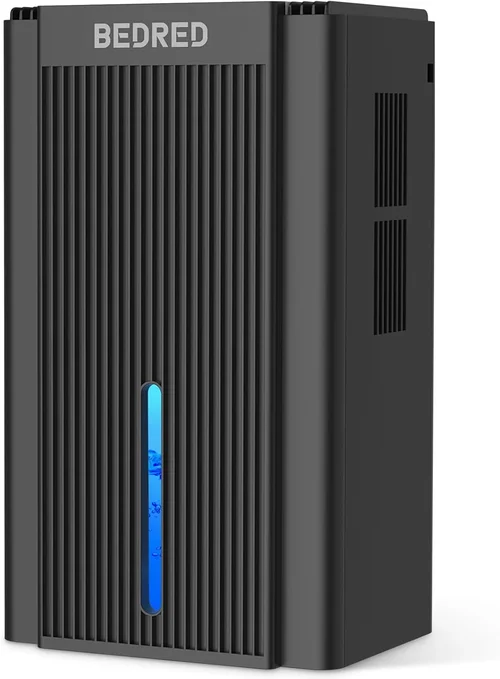
If you’ve ever opened your garage door in the dead of winter only to find a fine layer of frost on your tools, condensation dripping from the ceiling, or that unmistakable musty smell creeping in—you’re not alone. Cold garages are notorious breeding grounds for excess moisture, and without proper control, that damp environment can wreak havoc on everything from stored vehicles and seasonal gear to structural integrity and air quality. Whether you’re a weekend warrior tinkering with projects, a car enthusiast protecting a classic ride, or simply someone trying to keep holiday decorations dry, investing in the right dehumidifier is no longer a luxury—it’s a necessity.
This comprehensive buying guide is designed to cut through the noise and help you make a smart, informed decision when choosing the best dehumidifier for your cold garage. We’ll walk you through every critical factor—from performance specs and cold-weather operation to build quality, energy efficiency, and long-term reliability. You’ll learn how to avoid common pitfalls, understand what features actually matter (and which are just marketing fluff), and discover which models deliver real value across different budgets. By the end of this guide, you’ll have the confidence to select a unit that not only handles your garage’s unique challenges but also stands the test of time.
The market for dehumidifiers has exploded in recent years, with dozens of brands offering units ranging from basic $100 models to high-end systems costing over $800. However, not all dehumidifiers are created equal—especially when it comes to cold environments. Many standard units shut down or lose efficiency below 65°F (18°C), leaving your garage vulnerable during the coldest months. That’s why understanding the nuances of cold-climate operation, refrigerant types, defrost mechanisms, and insulation compatibility is essential. This guide will equip you with expert-level knowledge so you can navigate the options like a pro and find the perfect match for your space.

What to Look for When Buying Buying Guide
1. Cold-Weather Performance & Operating Temperature Range
Not all dehumidifiers can handle cold garages—and this is arguably the most important factor to consider. Most conventional refrigerant-based units are designed to operate efficiently between 65°F and 80°F (18°C–27°C). Once temperatures drop below that threshold, their coils freeze up, efficiency plummets, and many simply stop working altogether. For garages that dip into the 30s, 40s, or even lower, you need a unit specifically engineered for low-temperature operation.
Look for models labeled as “cold-climate,” “low-temp,” or “garage-rated” dehumidifiers. These typically use enhanced refrigerants (like R-410A or newer eco-friendly blends) and feature automatic defrost cycles that melt ice buildup without shutting down the entire system. Some advanced units can operate effectively down to 38°F (3°C) or even lower. Always check the manufacturer’s specified operating range—don’t assume it’ll work just because it’s sold online.
2. Moisture Removal Capacity (Pints per Day)
Dehumidifier capacity is measured in pints of moisture removed per day—a key metric that determines whether a unit can keep up with your garage’s humidity load. Garages vary widely in size and moisture exposure: a small 1-car garage may only need 20–30 pints/day, while a large 3-car workshop with poor ventilation could require 70+ pints/day.
To estimate your needs, consider both square footage and environmental factors. A general rule of thumb is:
- Small garage (≤ 400 sq ft): 20–35 pints/day
- Medium garage (400–800 sq ft): 35–50 pints/day
- Large garage (> 800 sq ft): 50–70+ pints/day
However, if your garage has concrete floors (which wick moisture), poor insulation, frequent door openings, or is located in a humid climate, lean toward the higher end—or even oversize slightly. Undersized units will run constantly, wear out faster, and fail to maintain comfortable humidity levels.
3. Energy Efficiency & Operating Costs
Dehumidifiers can be energy hogs, especially if they run 24/7 during winter months. Running an inefficient unit in a cold garage not only increases your electricity bill but also generates excess heat—which can paradoxically raise humidity if not managed properly.
Look for units with the ENERGY STAR® certification, which indicates they meet strict efficiency guidelines set by the U.S. Environmental Protection Agency. These models use advanced compressors and smart controls to remove more moisture per kilowatt-hour. Also, check the “Energy Factor” (liters of water removed per kilowatt-hour)—higher is better. A good cold-climate dehumidifier should have an Energy Factor of at least 1.5 L/kWh.
Additionally, consider units with variable-speed compressors or adaptive humidity sensors that adjust output based on real-time conditions. This prevents unnecessary cycling and reduces energy waste.
4. Build Quality & Durability
Garages are tough environments—exposed to dust, temperature swings, vibrations from vehicles, and occasional impacts. A flimsy plastic housing or thin-gauge metal won’t hold up over time. Invest in a dehumidifier built with commercial-grade components: reinforced casings, corrosion-resistant coils, sealed electrical compartments, and heavy-duty casters (if portable).
Pay attention to the compressor type. Rotary compressors are quieter and more durable than reciprocating ones, making them ideal for continuous operation in unattended spaces like garages. Also, check for powder-coated finishes or rust inhibitors—especially if your garage has high humidity year-round.
Finally, inspect the water tank or drainage system. A well-designed unit should have a sturdy, leak-proof bucket with a secure lid, or better yet, a continuous drainage option via hose hookup. This eliminates the need for daily emptying—a major convenience in cold weather when you’d rather not trek outside repeatedly.
5. Features & Functionality
Modern dehumidifiers come packed with features, but not all are useful in a garage setting. Focus on functionality that enhances performance, convenience, and automation:
- Auto Defrost: Essential for cold operation—prevents coil freezing and ensures consistent performance.
- Humidistat: Allows you to set a target relative humidity (RH) level (ideally 30–50% for garages). The unit will cycle on/off to maintain it.
- Continuous Drainage: Lets you connect a garden hose for hands-free operation—perfect for unattended garages.
- Timer & Delay Start: Schedule operation during off-peak hours or after snowmelt to save energy.
- Air Filtration: Built-in washable filters trap dust, pollen, and mold spores—improving air quality in your workspace.
- Quiet Operation: Look for units under 50 dB if noise is a concern (e.g., attached garage near living spaces).
Avoid “smart” features like Wi-Fi connectivity unless you truly need remote monitoring—they add cost and complexity without much benefit in most garage scenarios.
6. Size, Portability & Installation
Dehumidifiers come in various footprints—from compact under-20-pound units to industrial-sized machines weighing 70+ pounds. Consider your garage layout: do you need mobility to move it between zones? Or will it stay in one spot year-round?
Portable models with large wheels and handles are great for multi-use garages or seasonal storage areas. Fixed installations (like wall-mounted or ceiling-hung units) save floor space but require professional setup. Most homeowners opt for freestanding portable units with casters.
Also, check clearance requirements. Many dehumidifiers need 6–12 inches of space around vents for proper airflow. Measure your intended location before buying—especially if placing it near walls, shelves, or vehicles.
7. Brand Reputation & Reliability
Not all brands are equal when it comes to cold-weather dehumidifiers. Stick with manufacturers known for durability and innovation in moisture control: Frigidaire, hOmeLabs, AprilAire, Santa Fe, and Dri-Eaz are top contenders. Avoid generic or no-name brands sold exclusively on Amazon or eBay—they often cut corners on components and lack reliable customer support.
Research brand history: How long have they been making dehumidifiers? Do they specialize in commercial/residential moisture solutions? Brands with a focus on basement, crawl space, or industrial dehumidification tend to build more robust garage units.
8. Warranty & Customer Support
A dehumidifier is a long-term investment—so protect it with a solid warranty. Look for at least a 2-year comprehensive warranty, with 5+ years on the compressor (the heart of the system). Some premium brands offer lifetime technical support or extended service plans.
Before purchasing, test the responsiveness of customer service. Send an email or call their support line with a technical question. If they’re slow to respond or unhelpful, that’s a red flag. Also, check if replacement parts (filters, hoses, sensors) are readily available—you don’t want to scrap a $500 unit because a $15 part is discontinued.
Different Types of Buying Guide

Common Buying Mistakes to Avoid
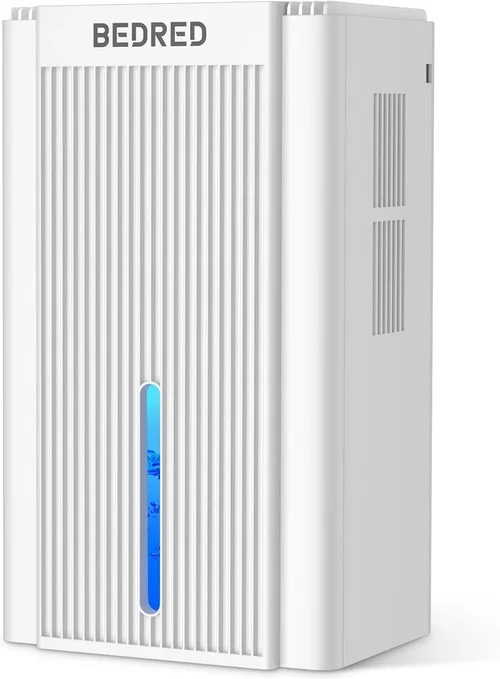
❌ Mistake: Buying a Standard Home Dehumidifier for a Cold Garage
Why it’s bad: Most residential dehumidifiers aren’t designed for temperatures below 65°F. In a cold garage, they’ll freeze up, shut down, or operate so inefficiently that they barely make a dent in humidity—wasting money and leaving your belongings at risk.
What to do instead: Always verify the operating temperature range. Choose a model explicitly rated for cold climates (ideally down to 38°F or lower) with auto-defrost functionality.
❌ Mistake: Ignoring Drainage Options
Why it’s bad: Emptying a water bucket every day in freezing weather is inconvenient and easy to forget. If the tank overflows, it can cause water damage or create a slipping hazard.
What to do instead: Opt for a unit with continuous drainage via hose hookup. Even if you don’t use it immediately, having the option future-proofs your purchase.
❌ Mistake: Overlooking Energy Efficiency
Why it’s bad: A power-hungry dehumidifier running 24/7 can add $30–$60+ to your monthly electric bill—especially in winter when usage is highest.
What to do instead: Prioritize ENERGY STAR® certified models with high Energy Factors. Use a smart plug or timer to limit operation during peak rate hours.
❌ Mistake: Choosing Based Solely on Price
Why it’s bad: The cheapest unit often uses inferior components, lacks cold-weather features, and fails within a year or two—costing more in replacements than a mid-range model would have.
What to do instead: Balance upfront cost with long-term value. Spend a little more for durability, warranty, and performance—it pays off over time.
❌ Mistake: Not Considering Garage Size and Layout
Why it’s bad: A 20-pint unit in a 1,000 sq ft garage will struggle to keep up, while a 70-pint unit in a 300 sq ft space may cycle too frequently, reducing lifespan.
What to do instead: Calculate your garage’s square footage and assess moisture sources (concrete floors, poor ventilation, etc.). Size your dehumidifier accordingly—and consider placement near the moisture source.
❌ Mistake: Skipping the Humidistat
Why it’s bad: Without a humidistat, the unit runs continuously or not at all—leading to wasted energy or inadequate drying.
What to do instead: Always choose a model with an adjustable humidistat. Set it to 40–45% RH for optimal protection without over-drying.
❌ Mistake: Neglecting Maintenance Requirements
Why it’s bad: Clogged filters, frozen coils, or dirty tanks reduce efficiency and can cause mold growth inside the unit itself.
What to do instead: Choose a model with easy-access washable filters and simple cleaning procedures. Commit to monthly maintenance—even in winter.
Budget Guidelines: How Much Should You Spend?
Dehumidifiers for cold garages span a wide price spectrum. Here’s what you can expect at each tier:
Entry-Level ($100–$250): These are basic refrigerant units, often lacking cold-weather operation or auto-defrost. They may work in mildly cool garages (above 55°F) but are unreliable in true winter conditions. Best for small, well-insulated spaces or seasonal use. Expect shorter lifespans and higher energy bills.
Mid-Range ($250–$500): This is the sweet spot for most homeowners. Units in this range typically include cold-climate operation (down to 40–45°F), auto-defrost, continuous drainage, and decent energy efficiency. Brands like hOmeLabs and Frigidaire offer reliable models here. Ideal for 1–2 car garages with moderate humidity.
Premium ($500–$900): Designed for demanding environments, these units feature rotary compressors, advanced defrost systems, high-capacity tanks or drainage, and robust build quality. Many can operate down to 38°F and include smart sensors, timers, and washable filters. Perfect for large, uninsulated, or high-moisture garages.
Luxury ($900+): Reserved for commercial-grade or whole-house systems, these offer extreme durability, 24/7 operation, ducting options, and professional installation support. Brands like AprilAire and Santa Fe dominate this space. Only necessary for workshops, auto restoration bays, or extremely large detached garages.

Expert Tips for Getting the Best Deal
- Buy in Late Summer or Early Fall: Retailers often discount dehumidifiers before winter stock arrives. August–October is prime time for deals, especially on last year’s models.
- Check Manufacturer Rebates: Some brands (like AprilAire) offer seasonal rebates or bundle deals with air purifiers or thermostats.
- Shop Refurbished or Open-Box: Certified refurbished units from reputable sellers (e.g., Amazon Renewed, manufacturer outlets) can save 20–40% with full warranties.
- Compare Total Cost of Ownership: Factor in energy use, filter replacements, and expected lifespan—not just the sticker price.
- Read Real User Reviews: Look beyond star ratings. Search for comments like “works in cold garage” or “defrost function” to find authentic experiences.
- Test Return Policies: Ensure the retailer offers at least 30 days to return—especially important if you’re unsure about cold performance.
- Consider Local Climate: If you live in a mild-winter area, you might get away with a cheaper unit. But in snowy regions, invest in proven cold-weather tech.
- Install Strategically: Place the dehumidifier away from walls, near the center of the garage, and close to moisture sources (like concrete floors or water heaters) for maximum effectiveness.
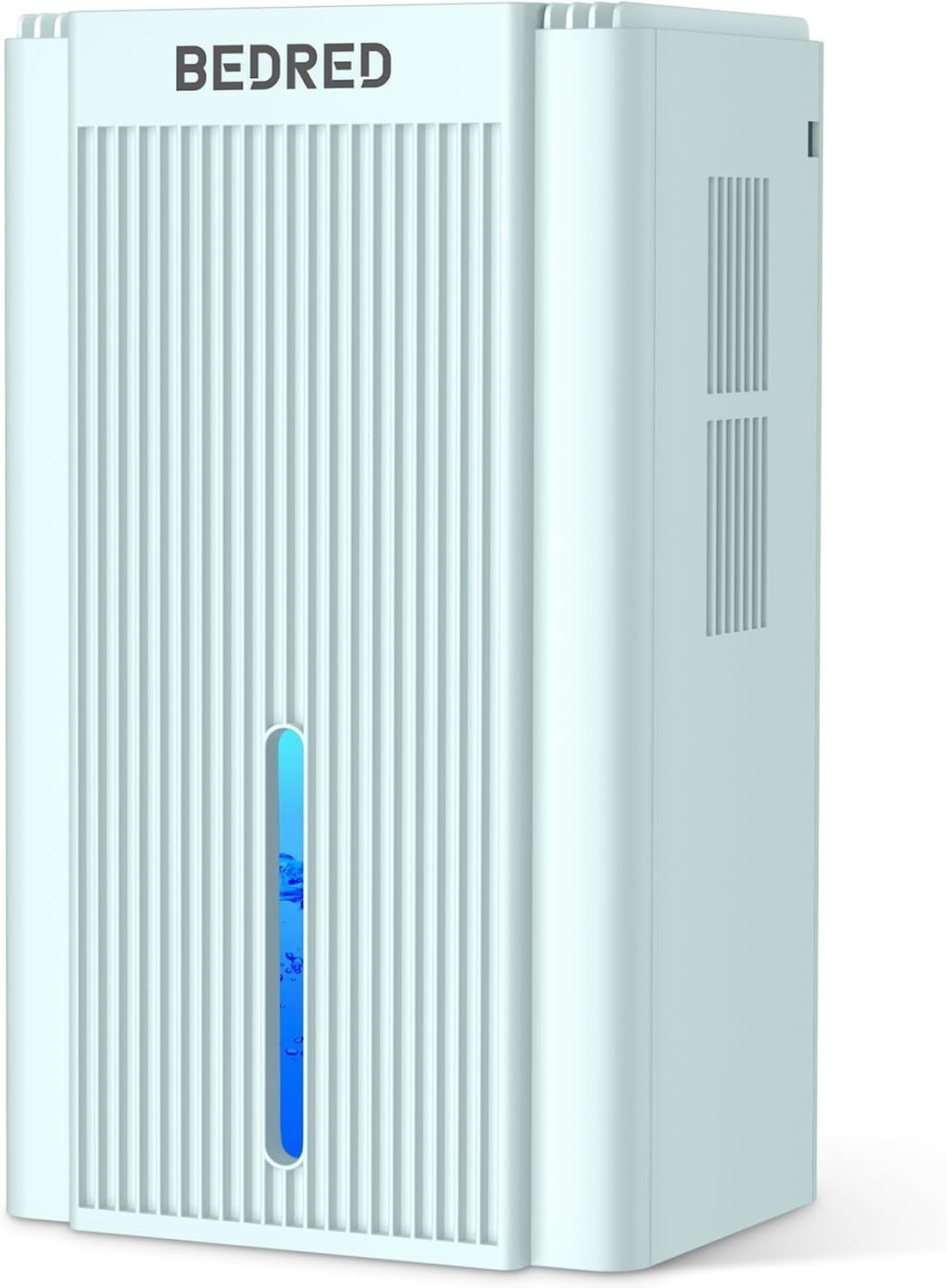
Frequently Asked Questions
Q: Can a regular dehumidifier work in a cold garage?
A: Generally, no. Most standard dehumidifiers shut down or lose efficiency below 65°F due to coil freezing. You need a cold-climate model with auto-defrost to operate reliably in winter conditions.
Q: How low can cold-weather dehumidifiers go?
A: High-quality models can operate effectively down to 38°F (3°C). Some desiccant units work even in freezing temps (down to 20°F/-7°C), though they’re less common for garage use.
Q: Should I run my dehumidifier 24/7 in winter?
A: It depends on humidity levels. Use a humidistat to maintain 30–50% RH. In very cold, dry climates, you may only need it a few hours a day. In humid regions, continuous operation may be necessary.
Q: Will a dehumidifier heat up my garage?
A: Yes, slightly—all dehumidifiers emit heat as a byproduct. However, this is usually minimal and can actually help prevent freezing in extreme cold, as long as ventilation allows moisture to escape.
Q: Can I use a whole-house dehumidifier for my garage?
A: Only if your garage is connected to your home’s HVAC system via ducts. Otherwise, a standalone unit is more practical and cost-effective.
Q: How often should I clean my dehumidifier?
A: Clean the filter monthly and inspect coils and tank quarterly. In dusty garages, you may need to clean more frequently to maintain efficiency.
Q: Is a larger capacity always better?
A: Not necessarily. Oversized units cycle on/off too frequently, reducing lifespan and efficiency. Match capacity to your garage size and moisture load for optimal performance.
Q: Do I need a dehumidifier if my garage is insulated?
A: Insulation helps, but it doesn’t eliminate moisture from concrete floors, snowmelt, or humid air infiltration. Most insulated garages still benefit from dehumidification—especially in winter.
Q: Can I use a basement dehumidifier in my garage?
A: Many basement units are cold-climate rated and work well in garages. Just ensure it has drainage options and durability for garage conditions (dust, vibration, etc.).
Q: What’s the difference between refrigerant and desiccant dehumidifiers?
A: Refrigerant units use cooling coils to condense moisture—great for moderate temps but struggle in cold. Desiccant units use moisture-absorbing materials and work better in freezing conditions but are less efficient at high humidity.
Our Final Recommendations
Best for Budget-Conscious Buyers: hOmeLabs 4,500 Sq. Ft Dehumidifier (30 Pint) – At under $300, this model offers cold-weather operation down to 41°F, auto-defrost, continuous drainage, and solid build quality. Ideal for small to mid-sized garages.
Best Overall Value: Frigidaire FFAD7033R1 70-Pint Dehumidifier – ENERGY STAR® certified, operates down to 41°F, includes a washable filter and programmable humidistat. Reliable, efficient, and widely praised by users.
Best Premium Option: AprilAire E080 Pro 80-Pint Dehumidifier – Built for harsh environments, this unit works down to 38°F, features a corrosion-resistant coil, and comes with a 5-year warranty. Perfect for large, uninsulated garages.
Best for Beginners: Eva-Dry EDV-1200 Electric Petite Dehumidifier – Affordable, quiet, and easy to use. While not for large spaces, it’s great for tool cabinets or small storage areas in cold garages.
Best for Advanced Users: Santa Fe Compact 70 Crawl Space Dehumidifier – Industrial-grade construction, ductable design, and operation down to 38°F. Ideal for serious workshops or professional garages needing precise humidity control.
Conclusion: Making the Right Choice
Choosing the best dehumidifier for your cold garage isn’t just about picking the biggest or most expensive model—it’s about matching the right technology to your specific environment, needs, and budget. From understanding cold-weather operation and moisture removal capacity to prioritizing durability, efficiency, and smart features, every decision you make should serve the ultimate goal: protecting your space, your belongings, and your investment.
Remember, a dehumidifier is only as good as its ability to perform when you need it most—during the cold, damp months when humidity silently threatens your tools, vehicles, and structure. Don’t settle for a unit that looks good on paper but fails in practice. Use the insights from this guide to evaluate options critically, avoid common traps, and select a model that delivers consistent, reliable performance year after year.
Take action today. Assess your garage’s size, climate, and moisture challenges. Set a realistic budget. And choose a dehumidifier that’s built to handle the cold—not just survive it. Your future self (and your perfectly preserved classic car) will thank you.