

Crawl spaces are often the most overlooked yet critical areas of a home when it comes to indoor air quality and structural integrity. These tight, dark, and poorly ventilated zones are prime breeding grounds for excess moisture, mold, mildew, and wood-destroying pests. Left unchecked, high humidity levels in crawl spaces can lead to musty odors, warped floor joists, compromised insulation, and even respiratory health issues for occupants. That’s where a high-quality dehumidifier for crawl spaces comes in—not just as a convenience, but as a necessary investment in your home’s long-term health.
In recent years, the market for crawl space dehumidifiers has expanded significantly, offering homeowners a wide range of options from compact portable units to powerful, permanently installed systems. However, not all dehumidifiers are created equal—especially when it comes to the unique challenges posed by crawl spaces. Unlike basements or living areas, crawl spaces are typically uninsulated, subject to extreme temperature swings, and often lack easy access for maintenance. Choosing the wrong unit can result in wasted money, inefficient performance, or even system failure due to freezing coils or clogged filters. This comprehensive buying guide is designed to cut through the noise and help you make an informed, confident decision based on your specific needs, budget, and crawl space conditions.
Whether you’re dealing with a damp, musty crawl space after heavy rains or simply want to prevent future moisture problems, this guide will walk you through everything you need to know. You’ll learn how to evaluate performance metrics like pint capacity and energy efficiency, understand the differences between various types of dehumidifiers, avoid common purchasing pitfalls, and identify the best models for different scenarios. We’ll also provide expert tips on installation, maintenance, and maximizing lifespan. By the end, you’ll have a clear roadmap to selecting the ideal dehumidifier that delivers reliable, long-term protection for your home.

What to Look for When Buying Buying Guide
1. Pint Capacity and Moisture Removal Rate
The most fundamental specification to consider when choosing a crawl space dehumidifier is its pint capacity—the amount of moisture it can remove from the air in a 24-hour period under standard conditions (typically 80°F and 60% relative humidity). For crawl spaces, which are often damp and poorly ventilated, you’ll generally need a unit rated between 50 and 100 pints per day. Smaller, drier crawl spaces (under 1,000 square feet) may get by with a 50-pint model, while larger or consistently wet spaces (especially in humid climates like the Southeast U.S.) may require 70-pint or higher capacity units.
It’s important to note that manufacturers’ pint ratings are often based on ideal lab conditions, which don’t reflect real-world crawl space environments. In colder or more humid settings, actual performance can drop significantly. Look for units that specify performance at lower temperatures (down to 41°F or 5°C), as many standard dehumidifiers shut down or become inefficient when ambient temperatures dip below 65°F—common in crawl spaces during winter months. Always cross-reference the manufacturer’s “low-temp performance” data and consider sizing up if your crawl space experiences seasonal temperature fluctuations.
2. Energy Efficiency and Operating Costs
Since crawl space dehumidifiers often run continuously or for extended periods, energy efficiency directly impacts long-term operating costs. The key metric here is the Energy Factor (EF), measured in liters of water removed per kilowatt-hour (L/kWh). Higher EF values indicate greater efficiency. For example, a unit with an EF of 2.0 removes 2 liters of moisture for every kWh of electricity used, while a less efficient model with an EF of 1.2 removes significantly less.
Look for ENERGY STAR-certified models, which must meet strict efficiency guidelines set by the U.S. Environmental Protection Agency. These units typically use advanced compressor technology, improved heat exchangers, and smart sensors to reduce energy consumption by 15–30% compared to standard models. Over a year, this can translate to hundreds of dollars in savings, especially in larger homes or regions with high electricity rates. Additionally, consider units with built-in humidistats and auto-defrost features, which help optimize runtime and prevent ice buildup on coils during cold weather—further improving efficiency and reliability.
3. Build Quality and Durability
Crawl spaces are harsh environments: dusty, humid, and often subject to temperature extremes. A dehumidifier placed in such conditions must be built to withstand these challenges without frequent breakdowns. Prioritize models constructed with corrosion-resistant materials like galvanized steel or powder-coated aluminum, especially in the chassis and internal components. Avoid plastic-heavy designs, which may warp or degrade over time.
Pay close attention to the quality of the compressor—the heart of any dehumidifier. Rotary compressors are generally more durable and quieter than piston types, making them ideal for long-term, unattended operation. Also, check the thickness and design of the evaporator and condenser coils; thicker copper or aluminum coils with enhanced surface area improve heat exchange and resist freezing. Units with sealed electronics and protective coatings on circuit boards offer added defense against moisture and dust ingress. Finally, look for models with robust fan motors rated for continuous duty (often labeled “24/7 operation”), as these are less likely to fail under constant use.
4. Features and Functionality
Modern crawl space dehumidifiers come equipped with a range of features that enhance convenience, performance, and automation. One of the most important is an integrated humidistat, which allows the unit to monitor and maintain a target humidity level (typically set between 50–60% RH for crawl spaces). This prevents over-drying and reduces unnecessary runtime, saving energy and extending component life.
Auto-defrost is another critical feature, especially in colder climates. It detects when ice forms on the coils and temporarily switches the unit to heating mode to melt the frost, ensuring uninterrupted operation even in sub-60°F conditions. Look for models with programmable timers, remote monitoring capabilities (via Wi-Fi or smartphone apps), and fault diagnostics that alert you to issues like clogged filters or full drain pans.
Drainage options are also essential. Most crawl space dehumidifiers offer continuous drainage via a built-in condensate pump or gravity-fed hose connection. A built-in pump allows the unit to push water vertically (up to 15 feet) and horizontally (up to 100 feet), making it ideal for spaces where floor drains aren’t accessible. Gravity drainage requires a slight downward slope but is simpler and less prone to mechanical failure. Choose based on your crawl space layout and access to drainage points.
5. Brand Reputation and Reliability
Not all dehumidifier brands are created equal, especially when it comes to specialized applications like crawl spaces. Established brands such as AprilAire, Santa Fe, Dri-Eaz, and AlorAir have built strong reputations for engineering durable, high-performance units designed specifically for challenging environments. These companies often invest heavily in R&D, field testing, and customer support, resulting in products that consistently outperform generic or consumer-grade models.
When evaluating brands, look beyond marketing claims and examine real-world user feedback, third-party testing results, and industry certifications. Brands that offer extensive documentation—such as installation guides, performance curves, and compatibility charts—demonstrate transparency and expertise. Additionally, consider whether the manufacturer provides application-specific support, such as crawl space sizing calculators or technical consultation. A reputable brand not only delivers a reliable product but also stands behind it with responsive customer service and accessible replacement parts.
6. Warranty and Support
A dehumidifier is a long-term investment, so warranty coverage is a strong indicator of a manufacturer’s confidence in their product. For crawl space units, look for warranties of at least 3–5 years on major components (compressor, coils, and control board), with some premium models offering up to 10 years of coverage. Avoid brands that offer only 1-year warranties or exclude critical parts like the compressor.
Equally important is the quality of customer support. Can you easily reach a technician by phone or email? Are troubleshooting resources available online? Do they offer expedited replacement parts or loaner units during repairs? Brands with dedicated crawl space divisions or certified installer networks often provide superior support. Also, check whether the warranty requires professional installation—some manufacturers void coverage if the unit is self-installed, so clarify terms before purchasing.
7. Size and Portability
While many crawl space dehumidifiers are designed for permanent installation, size and portability still matter—especially during setup and occasional maintenance. Compact units (under 50 lbs) are easier to maneuver through narrow access hatches and tight crawl spaces. However, don’t sacrifice performance for size; some of the most effective models are larger due to robust internal components.
Consider the unit’s footprint and mounting options. Wall-mounted or ceiling-hung models save floor space and reduce the risk of water damage if flooding occurs. Some units come with integrated handles or wheels for easier transport. If you anticipate moving the dehumidifier between multiple properties or crawl spaces, prioritize lightweight, portable designs with quick-connect hoses and tool-free access panels.
8. User Reviews and Real-World Performance
Spec sheets and marketing materials provide useful data, but nothing beats real-world feedback from homeowners and professionals who’ve used the unit in actual crawl space conditions. Read verified purchase reviews on retailer sites, forums like Reddit’s r/HomeImprovement, and contractor review platforms. Pay attention to recurring themes: Does the unit handle cold weather well? Is the drain pump reliable? How loud is it during operation?
Look for reviews that include photos or videos of the installation, especially in similar crawl space environments (e.g., dirt floors, encapsulated vs. unencapsulated). Be cautious of overly positive or generic reviews that lack detail—they may be incentivized or fake. Instead, focus on balanced assessments that discuss both strengths and limitations. If multiple users report similar issues (e.g., frequent filter clogs or short compressor life), it’s a red flag worth investigating further.
Different Types of Buying Guide
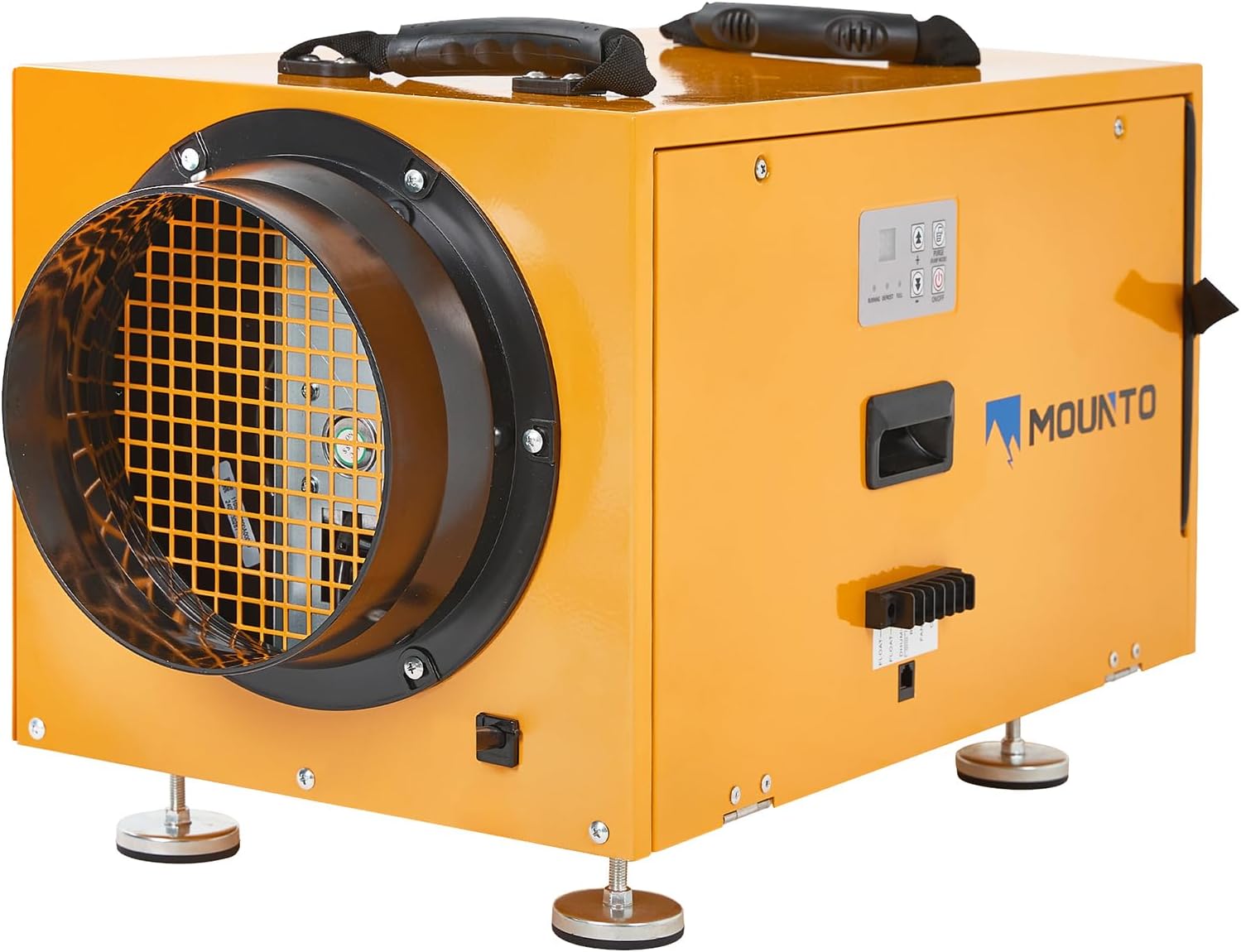
Common Buying Mistakes to Avoid
❌ Mistake: Choosing a Standard Basement Dehumidifier for a Crawl Space
Why it’s bad: Most consumer-grade dehumidifiers marketed for basements are not designed for the unique conditions of crawl spaces—particularly low temperatures and high dust levels. They often lack auto-defrost, have weak condensate pumps, and use materials that corrode quickly in damp, unventilated environments. Using such a unit can lead to frequent shutdowns, ice buildup, and premature failure.
What to do instead: Invest in a dehumidifier specifically engineered for crawl spaces. These models feature cold-weather operation, corrosion-resistant construction, and robust drainage systems. Look for units labeled “crawl space compatible” or “low-temperature rated.”
❌ Mistake: Ignoring Drainage Requirements
Why it’s bad: Crawl spaces rarely have floor drains, and relying on manual emptying is impractical for continuous operation. Without proper drainage, the unit will shut off when the internal tank fills, leaving your space vulnerable to moisture buildup.
What to do instead: Choose a model with a built-in condensate pump or ensure you can route a gravity drain hose to a suitable discharge point (e.g., sump pit, exterior wall). Verify pump lift height and hose compatibility before purchasing.
❌ Mistake: Overlooking Installation and Access Challenges
Why it’s bad: Crawl spaces often have limited access, low clearance, and uneven terrain. Installing a large or awkwardly shaped unit can be difficult, and poor placement may block airflow or make maintenance nearly impossible.
What to do instead: Measure your crawl space access hatch and interior dimensions before buying. Opt for compact, wall-mountable models if floor space is tight. Consider hiring a professional installer if access is severely limited.
❌ Mistake: Buying Based Solely on Price
Why it’s bad: The cheapest dehumidifier may save money upfront but cost more in the long run due to higher energy bills, frequent repairs, or short lifespan. Low-cost units often use inferior components and lack essential features like auto-defrost or humidistats.
What to do instead: Focus on total cost of ownership, including energy efficiency, durability, and warranty. A mid-range model with strong reviews and solid construction often provides better value than a budget option.
❌ Mistake: Neglecting Maintenance Needs
Why it’s bad: Crawl space dehumidifiers operate in dirty, dusty environments that quickly clog filters and coils. Skipping regular maintenance reduces efficiency, increases wear, and can lead to mold growth inside the unit itself.
What to do instead: Choose a model with easy-access filters and washable components. Set calendar reminders for monthly filter cleaning and annual professional servicing. Some units include filter replacement indicators—use them.
❌ Mistake: Assuming All ENERGY STAR Units Are Equal
Why it’s bad: While ENERGY STAR certification ensures baseline efficiency, there’s still significant variation among certified models. Some prioritize low energy use at the expense of moisture removal capacity, making them unsuitable for humid crawl spaces.
What to do instead: Compare Energy Factor (EF) ratings within the ENERGY STAR category. Aim for EF values above 1.8 L/kWh for optimal balance of efficiency and performance.
❌ Mistake: Failing to Encapsulate the Crawl Space First
Why it’s bad: A dehumidifier works best in a controlled environment. If your crawl space has exposed dirt floors, open vents, or missing insulation, moisture will continuously enter, overwhelming even the most powerful unit.
What to do instead: Before installing a dehumidifier, encapsulate the crawl space with a vapor barrier (6-mil polyethylene sheeting), seal vents, and insulate walls if needed. This reduces the dehumidifier’s workload and improves overall effectiveness.
Budget Guidelines: How Much Should You Spend?
Entry-Level ($200 – $500): This tier includes basic portable dehumidifiers and some low-end crawl space models. Expect limited pint capacity (30–50 pints), minimal features (manual controls, basic drainage), and shorter lifespans. These are best suited for very small, dry crawl spaces or temporary use. Brands like hOmeLabs and Ivation offer decent options here, but avoid ultra-cheap models with plastic-heavy builds.
Mid-Range ($500 – $1,200): This is the sweet spot for most homeowners. Units in this range typically offer 50–70 pint capacity, auto-defrost, built-in pumps, and corrosion-resistant construction. Brands like AlorAir, BaseAire, and Dri-Eaz dominate this category with reliable, feature-rich models. You’ll get strong performance, good energy efficiency, and 3–5 year warranties. Ideal for average-sized crawl spaces in moderate climates.
Premium ($1,200 – $2,500): Designed for demanding applications, these dehumidifiers boast 70–100+ pint capacity, advanced controls (Wi-Fi, remote monitoring), dual compressors, and industrial-grade components. Models from AprilAire, Santa Fe, and Therma-Stor excel here. They’re perfect for large crawl spaces, extreme humidity, or cold climates. Expect 5–10 year warranties and professional installation support.
Luxury ($2,500+): Reserved for commercial-grade or whole-house integrated systems, these units offer maximum performance, smart home integration, and custom configurations. They’re overkill for most residential needs but justified in flood-prone areas, historic homes, or new builds with complex HVAC requirements. Installation often requires certified contractors.

Expert Tips for Getting the Best Deal
- Buy during off-season: Dehumidifiers are in highest demand during spring and summer. Shop in late fall or winter (October–February) for discounts, clearance sales, and bundled deals.
- Compare retailers: Check prices across Home Depot, Lowe’s, Amazon, and specialty HVAC suppliers. Some online retailers offer free shipping, extended returns, or price matching.
- Look for rebates: Many utility companies offer rebates for ENERGY STAR dehumidifiers—especially in humid regions. Visit dsireusa.org to search for local incentives.
- Consider refurbished or open-box: Reputable sellers like AprilAire Certified Refurbished or Amazon Renewed offer tested, warrantied units at 20–40% off retail.
- Read the fine print on warranties: Some brands require registration within 30 days or proof of professional installation. Keep all documentation.
- Test before committing: If possible, rent a unit for a week to assess performance in your specific crawl space. This helps avoid buyer’s remorse.
- Bundle with encapsulation: Some contractors offer package deals when you combine dehumidifier installation with vapor barrier installation—saving time and money.
- Negotiate with installers: If hiring a pro, ask for itemized quotes and compare multiple bids. Mention competitor pricing to leverage better terms.

Frequently Asked Questions
Q: Can I use a regular dehumidifier in my crawl space?
A: Technically yes, but it’s not recommended. Standard dehumidifiers aren’t built for the cold, dusty, and humid conditions typical of crawl spaces. They may freeze up, corrode quickly, or lack proper drainage. Always choose a model specifically designed for crawl space use.
Q: How do I know what size dehumidifier I need?
A: Start by measuring your crawl space square footage. Then consider factors like climate, soil type, ventilation, and whether the space is encapsulated. As a rule of thumb: 50 pints for up to 1,000 sq ft, 70 pints for 1,000–2,000 sq ft, and 100+ pints for larger or very wet spaces. Use online sizing calculators from brands like AprilAire for precise recommendations.
Q: Should I encapsulate my crawl space before installing a dehumidifier?
A: Absolutely. Encapsulation (lining the floor and walls with a vapor barrier) dramatically reduces moisture infiltration, making the dehumidifier more effective and efficient. It’s a best practice recommended by the EPA and most building scientists.
Q: How often should I clean the filter?
A: Clean the air filter every 4–6 weeks during peak usage seasons. In dusty crawl spaces, you may need to do it monthly. A clogged filter restricts airflow, reduces efficiency, and can cause the unit to overheat.
Q: Can a dehumidifier run all the time?
A: Yes—most crawl space dehumidifiers are designed for continuous operation. With a humidistat, they’ll cycle on and off automatically to maintain your set humidity level, minimizing wear and saving energy.
Q: What humidity level should I set for my crawl space?
A: Aim for 50–60% relative humidity. This range prevents mold growth and wood rot while avoiding over-drying, which can cause structural shrinkage or cracking.
Q: Do I need a condensate pump?
A: If you can’t route a gravity drain hose downhill to a discharge point, yes. A built-in pump allows vertical and horizontal drainage, which is essential in flat or elevated crawl spaces.
Q: How long do crawl space dehumidifiers last?
A: With proper maintenance, most quality units last 7–10 years. Commercial-grade models can exceed 15 years. Regular filter cleaning, annual servicing, and avoiding physical damage significantly extend lifespan.
Q: Are Wi-Fi-enabled dehumidifiers worth it?
A: If you want remote monitoring, alerts, or integration with smart home systems, yes. However, they cost more and require a stable Wi-Fi signal in the crawl space. For most users, a basic humidistat suffices.
Q: Can I install the dehumidifier myself?
A: Many units are DIY-friendly, especially if you have basic tools and electrical knowledge. However, if the installation involves wiring, ducting, or structural modifications, hire a licensed contractor—especially to maintain warranty coverage.
Our Final Recommendations
Best for Budget-Conscious Buyers: AlorAir Sentinel HDi – At around $600, this 70-pint unit offers excellent cold-weather performance, auto-defrost, and a built-in pump. It’s a standout value with a 5-year warranty and strong user reviews.
Best Overall Value: BaseAire Wave 2 – Priced near $900, this 85-pint dehumidifier combines high capacity, energy efficiency (EF of 2.1), and smart features like app control. Ideal for medium to large crawl spaces in humid climates.
Best Premium Option: AprilAire E080 – A top-tier 80-pint whole-home dehumidifier ($1,800+) with seamless HVAC integration, ultra-quiet operation, and a 10-year warranty. Perfect for new builds or major renovations.
Best for Beginners: Dri-Eaz F500 – Simple to install and operate, this 50-pint unit ($550) includes a clear water tank, easy-access filter, and reliable performance. Great for first-time users with small crawl spaces.
Best for Advanced Users: Santa Fe Compact 70 – A high-efficiency desiccant dehumidifier ($2,200) that excels in cold conditions. Features advanced controls, low energy use, and exceptional durability—ideal for tech-savvy homeowners in northern climates.
Conclusion: Making the Right Choice
Selecting the best dehumidifier for your crawl space isn’t just about picking the most powerful or cheapest model—it’s about matching the right technology to your home’s unique environment, your budget, and your long-term goals. From understanding pint capacity and energy efficiency to avoiding common pitfalls like poor drainage or inadequate encapsulation, every decision impacts the system’s effectiveness and lifespan.
Remember, a crawl space dehumidifier is more than an appliance; it’s a guardian of your home’s structural health and indoor air quality. By investing in a quality unit from a reputable brand, maintaining it properly, and pairing it with proper encapsulation, you’ll protect your property from moisture-related damage for years to come. Take the time to assess your needs, compare options, and consult professionals when necessary. Your future self—and your home—will thank you.
Ready to take the next step? Use this guide as your checklist, prioritize features that matter most to your situation, and don’t hesitate to reach out to manufacturers or local HVAC experts for personalized advice. The right dehumidifier is out there—and with the knowledge you’ve gained, you’re now equipped to find it.