
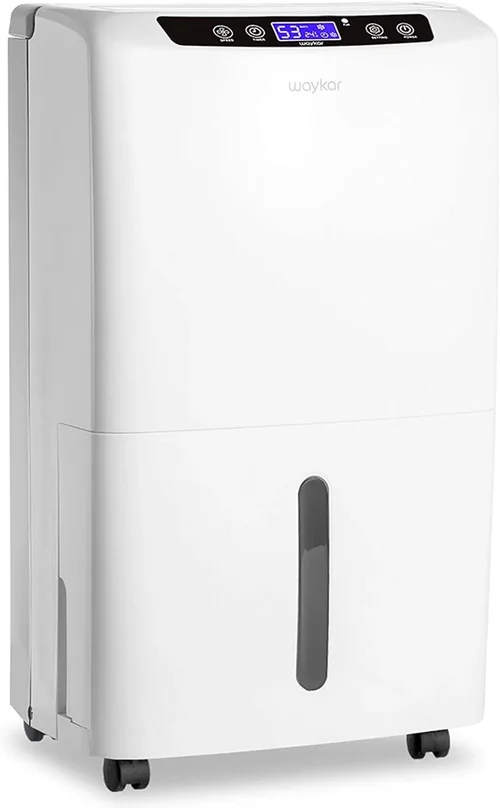
Living in Florida means embracing sunshine, beaches, and tropical breezes—but it also means battling relentless humidity, especially in enclosed spaces like garages. If you’ve ever opened your garage door to find tools rusted, paint bubbling, or that unmistakable musty smell clinging to stored items, you know how damaging high moisture levels can be. Garages in Florida are particularly vulnerable: they’re often poorly insulated, exposed to temperature swings, and used for everything from parking cars to storing seasonal gear, chemicals, and sentimental keepsakes. Without proper moisture control, mold, mildew, and corrosion can silently destroy your belongings—and even compromise the structural integrity of your home over time.
That’s where a high-quality dehumidifier comes in. But not all dehumidifiers are created equal, especially when it comes to the unique challenges of a Florida garage. Standard household units may struggle with the size, temperature fluctuations, and extreme humidity levels typical of garages in the Sunshine State. This guide is designed to cut through the noise and help you make an informed decision. Whether you’re protecting classic cars, preserving tools, or simply creating a more comfortable workspace, we’ll walk you through everything you need to know—from performance specs and build quality to budget considerations and expert tips—so you can choose the best dehumidifier for your Florida garage with confidence.
The market is flooded with options, ranging from compact 30-pint units to industrial-grade 70-pint beasts, each claiming to be the ultimate solution. But what works for a basement in Minnesota won’t cut it in a 600-square-foot garage in Miami during hurricane season. In this comprehensive buying guide, we’ll dive deep into the key factors that matter most for Florida garage environments, compare different types of dehumidifiers, highlight common pitfalls to avoid, and provide real-world recommendations based on performance, durability, and value. By the end, you’ll have a clear roadmap to finding a unit that not only handles Florida’s humidity but also fits your space, budget, and lifestyle.
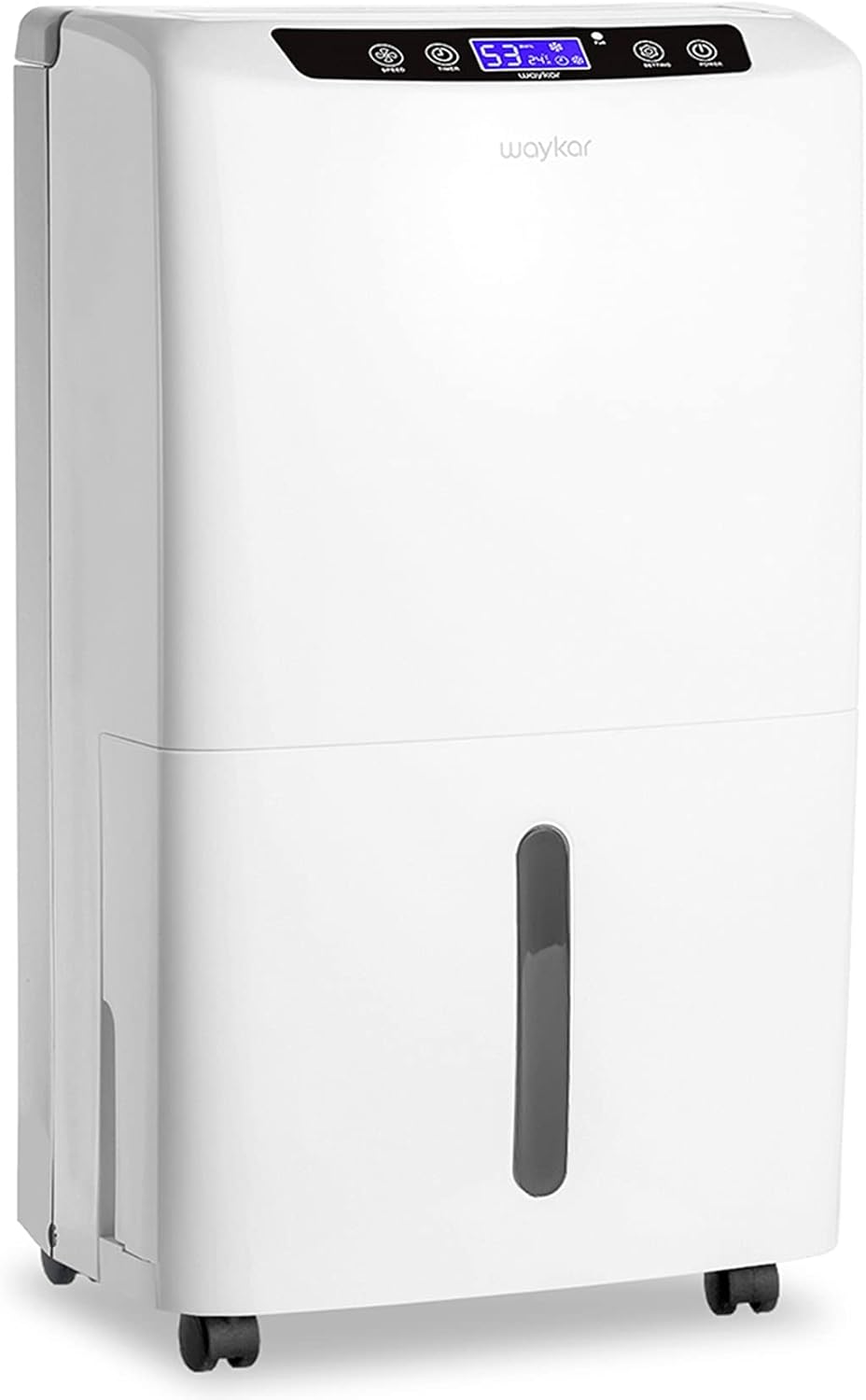
What to Look for When Buying Buying Guide
1. Capacity & Pint Rating
One of the most critical factors when selecting a dehumidifier for your Florida garage is its capacity, measured in pints per day (PPD). This number tells you how much moisture the unit can remove from the air in a 24-hour period under standard conditions (typically 80°F and 60% relative humidity). For garages, especially those in humid climates like Florida, you’ll want a unit with a higher pint rating—generally between 50 and 70 PPD for spaces up to 1,000 square feet.
Why does this matter? Florida’s average relative humidity hovers around 74%, and garages often experience even higher levels due to poor ventilation and temperature shifts. A 30-pint unit might work for a small, well-insulated closet, but it will struggle to keep up in a typical two-car garage during the summer months. Look for models rated for “high humidity” or “extreme conditions.” Also, consider the actual square footage of your garage—measure it if you’re unsure. A 400-square-foot single-car garage may get by with a 50-pint unit, while a 900-square-foot three-car garage with concrete floors and minimal insulation will likely need a 70-pint or larger model.
2. Operating Temperature Range
Garages in Florida aren’t climate-controlled. Temperatures can swing from the low 50s°F in winter to over 90°F in summer, especially if the space is attached to the house or receives direct sunlight. Many standard dehumidifiers are designed to operate efficiently only between 65°F and 80°F. Below that range, their coils can freeze, causing the unit to shut down or cycle inefficiently. Above 80°F, performance may drop due to reduced condensation efficiency.
For Florida garages, you need a dehumidifier with a wide operating temperature range—ideally from 41°F to 95°F or higher. Look for models with “low-temperature operation” or “auto-defrost” features. These units use advanced refrigeration systems or desiccant technology to continue removing moisture even when it’s cool. This is especially important if your garage is used year-round or if you store temperature-sensitive items like electronics or musical instruments.
Additionally, some high-end models include built-in heaters or adaptive fan speeds that help maintain optimal internal conditions. While these features may increase the price, they ensure consistent performance regardless of seasonal changes—a must-have for Florida’s unpredictable weather patterns.
3. Drainage Options & Continuous Operation
One of the biggest frustrations with dehumidifiers is emptying the water tank. Most units come with a built-in bucket that holds 1 to 2 gallons of water. In a humid Florida garage, a 50-pint unit can fill that bucket multiple times per day, requiring constant attention. For continuous, hassle-free operation, you need flexible drainage options.
The best dehumidifiers offer multiple drainage methods: gravity drain, pump drain, or even both. A gravity drain hose (usually 5/8″ or 3/4″ diameter) allows you to route water directly to a floor drain, sink, or outside. This is ideal for garages with existing drainage or those near a utility sink. However, if your drain is elevated or far from the unit, a built-in condensate pump is essential. Pump-equipped models can push water vertically (up to 15 feet) and horizontally (up to 100 feet), giving you placement flexibility.
Look for models with automatic shut-off when the tank is full, but prioritize units with continuous drain capability. Some premium models even include hose connection kits or quick-connect fittings for easy setup. Avoid units that only offer manual drainage unless you’re okay with daily maintenance—especially during peak humidity months.
4. Build Quality & Durability
Garages are harsh environments. Dust, temperature swings, and occasional exposure to chemicals or automotive fluids can take a toll on appliances. A dehumidifier that works great in a living room may fail prematurely in a garage due to poor construction or inadequate protection.
When evaluating build quality, focus on the materials used in the casing, internal components, and seals. Look for units with metal housings (or high-impact plastic) rather than flimsy ABS plastic. Check for reinforced corners, sealed electrical compartments, and rust-resistant coatings—especially on coils and fans. Units designed for basements or crawl spaces often have better durability than standard home models.
Also, consider the fan motor and compressor. Brushless DC motors are quieter and more efficient, while rotary compressors are generally more durable than piston types. Sealed bearings and thermal overload protection add longevity. If you plan to run the dehumidifier 24/7, invest in a model built for continuous duty. Some manufacturers even offer “garage-grade” or “commercial-use” designs with enhanced protection against dust and moisture ingress.
5. Energy Efficiency & Operating Costs
Running a dehumidifier in a garage 24/7 can significantly impact your electricity bill—especially in Florida, where energy costs are already high. Energy efficiency isn’t just about being eco-friendly; it’s about long-term savings. Look for units with the ENERGY STAR® certification, which indicates they meet strict efficiency guidelines set by the U.S. Environmental Protection Agency.
Efficiency is measured in liters per kilowatt-hour (L/kWh) or pints per kilowatt-hour (PPD/kWh). A higher number means the unit removes more moisture per unit of electricity. For example, a 50-pint unit that uses 500 watts is less efficient than one that uses 400 watts for the same output. Check the product specifications for the Energy Factor (EF) or annual energy consumption (kWh/year).
Also, consider features that reduce energy use: auto-humidistat (turns off when target humidity is reached), timer functions, and eco-mode settings. Some models use inverter technology, which adjusts compressor speed based on demand—similar to how a variable-speed air conditioner works. While these units cost more upfront, they can save you hundreds in electricity over their lifespan.
For garages, where the dehumidifier may run constantly, even a small efficiency gain adds up. A 10% improvement in efficiency on a 700-watt unit running 12 hours a day could save you over $50 per year in Florida’s average electricity rates.
6. Noise Level & Placement Flexibility
Noise might not seem like a big deal in a garage, but if you use the space as a workshop, gym, or home office, a loud dehumidifier can be disruptive. Most dehumidifiers produce between 45 and 65 decibels (dB)—comparable to a quiet conversation or a running refrigerator. However, some models are significantly louder, especially when the compressor kicks in.
Look for units with noise ratings below 55 dB for quieter operation. Features like insulated compressor compartments, variable-speed fans, and vibration-dampening mounts help reduce sound. If noise is a concern, consider placing the unit in a corner or behind a storage cabinet to muffle the sound.
Placement flexibility also matters. Can the unit sit on the floor, be wall-mounted, or placed on a shelf? Does it have handles or wheels for easy movement? A compact, lightweight design with integrated casters makes it easier to reposition or store during off-seasons. Some models even come with wall-mounting kits or under-shelf brackets, saving floor space.
Also, check the air intake and exhaust directions. Units with front or top exhaust allow for tighter placement against walls, while side-exhaust models need more clearance. For garages with limited space, every inch counts.
7. Smart Features & Automation
Modern dehumidifiers offer a range of smart features that make maintenance easier and performance more precise. While not essential, these can be game-changers for busy homeowners or those who want hands-off operation.
Key smart features include:
- Built-in humidistat: Measures and displays current humidity levels, allowing you to set a target (e.g., 50%) and let the unit maintain it automatically.
- Wi-Fi connectivity: Lets you monitor and control the dehumidifier via a smartphone app. You can check humidity levels, adjust settings, or receive alerts when the tank is full—even when you’re away from home.
- Auto-restart: Resumes operation after a power outage, ensuring continuous protection.
- Filter indicator: Alerts you when the air filter needs cleaning, improving efficiency and air quality.
- Timer and scheduling: Allows you to run the unit during off-peak hours or only when needed.
For Florida garages, a built-in humidistat is almost mandatory—humidity levels fluctuate daily, and manual adjustments are impractical. Wi-Fi models are especially useful if you travel frequently or want to monitor conditions remotely. However, be aware that smart features often come at a premium, and not all apps are reliable. Read user reviews to ensure the app is stable and responsive.
8. Brand Reputation & Customer Support
With so many brands on the market—from household names like Frigidaire and Honeywell to niche players like AprilAire and Santa Fe—it’s important to choose a manufacturer with a proven track record. A reputable brand is more likely to offer reliable products, comprehensive warranties, and responsive customer service.
Research brands that specialize in dehumidifiers or have a strong presence in the HVAC and home comfort space. Look for companies with a history of innovation, positive user feedback, and transparent policies. Avoid no-name brands sold exclusively through third-party marketplaces, as they may lack proper support or use substandard components.
Customer support matters, especially if something goes wrong. Check if the company offers phone, email, or live chat support. Do they have a local service network? Are replacement parts readily available? A 5-year warranty is a good sign, but read the fine print—some cover only the compressor, while others include labor and parts.
Also, consider the availability of user manuals, troubleshooting guides, and video tutorials. A brand that invests in customer education demonstrates confidence in its products. For Florida-specific issues—like salt air corrosion or frequent power outages—brands with regional experience may offer better-suited solutions.
Different Types of Buying Guide

Common Buying Mistakes to Avoid
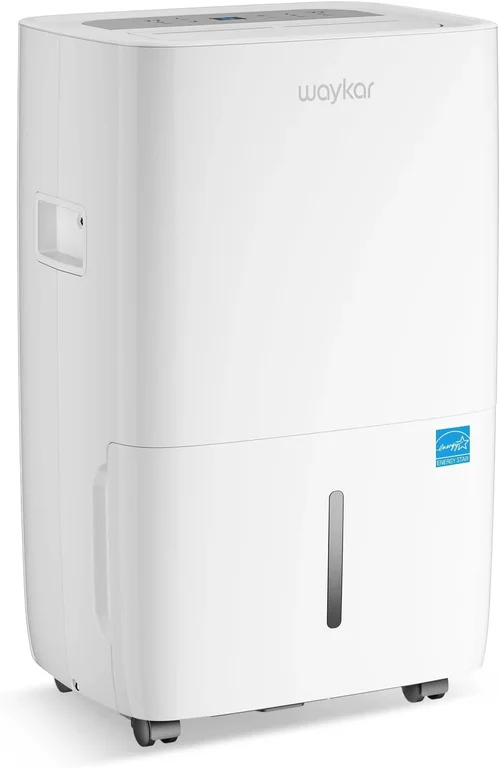
❌ Mistake: Choosing Based on Price Alone
Why it’s bad: A cheap dehumidifier may save you money upfront, but it often lacks the capacity, durability, and efficiency needed for a Florida garage. Low-cost models may use inferior compressors, thin plastic housings, and basic controls that fail under constant use. You could end up replacing the unit every year or two, costing more in the long run.
What to do instead: Treat your dehumidifier as a long-term investment. Focus on value—balancing price with performance, features, and expected lifespan. A mid-range unit with a 5-year warranty and high efficiency will outperform and outlast a budget model, saving you money on energy and replacements.
❌ Mistake: Ignoring the Garage’s Unique Environment
Why it’s bad: Garages aren’t living rooms. They’re exposed to dust, temperature swings, and occasional chemical spills. Using a standard home dehumidifier in a garage can lead to premature failure, reduced efficiency, or even safety hazards.
What to do instead: Choose a unit specifically designed for harsh environments. Look for garage-rated models with metal casings, sealed components, and wide operating temperature ranges. If your garage stores cars or boats, consider a unit resistant to oil and fuel vapors.
❌ Mistake: Overlooking Drainage Needs
Why it’s bad: In a humid Florida garage, a dehumidifier can collect 1–2 gallons of water per day. If you rely solely on the internal tank, you’ll be emptying it constantly—especially during summer storms or after heavy rain.
What to do instead: Prioritize units with continuous drainage options. Install a gravity drain hose to a floor drain or use a condensate pump for elevated or distant drainage. This ensures uninterrupted operation and prevents overflow damage.
❌ Mistake: Buying the Wrong Size
Why it’s bad: An undersized unit will run nonstop without ever reaching your target humidity, wasting energy and wearing out quickly. An oversized unit may cycle too frequently, reducing efficiency and increasing wear.
What to do instead: Calculate your garage’s square footage and assess humidity levels. Use a hygrometer to measure current conditions. Choose a unit with a pint rating that matches your space and climate—err on the side of higher capacity for Florida’s extreme humidity.
❌ Mistake: Neglecting Maintenance
Why it’s bad: A dirty filter or clogged coils reduce airflow and efficiency, causing the unit to work harder and consume more energy. Over time, this can lead to compressor failure or mold growth inside the machine.
What to do instead: Clean the air filter monthly and inspect coils and drains quarterly. Follow the manufacturer’s maintenance schedule. Some models have washable filters; others require replacement. Regular upkeep extends the life of your dehumidifier and ensures optimal performance.
❌ Mistake: Skipping the Warranty Check
Why it’s bad: Dehumidifiers have complex components like compressors and circuit boards that can fail. A short or limited warranty leaves you vulnerable to costly repairs, especially if the unit fails after the first year.
What to do instead: Choose a model with at least a 2-year full warranty and 5-year coverage on the compressor. Read the terms carefully—some exclude labor, shipping, or damage from improper use. Register your product promptly to activate coverage.
Budget Guidelines: How Much Should You Spend?
- Entry-Level ($150 – $250): These are basic 30–50 pint units suitable for small garages or seasonal use. They often lack continuous drainage, have limited temperature ranges, and may not be built for 24/7 operation. Best for occasional use or as a temporary solution.
- Mid-Range ($250 – $450): The sweet spot for most Florida garage owners. These 50–70 pint models offer good capacity, ENERGY STAR efficiency, built-in humidistats, and continuous drain options. Many include auto-defrost, timers, and durable construction. Ideal for year-round use in spaces up to 1,000 sq ft.
- Premium ($450 – $800): High-performance units with advanced features like Wi-Fi connectivity, inverter compressors, and commercial-grade components. These are built for large garages, workshops, or areas with extreme humidity. Excellent for protecting valuable items like cars, tools, or electronics.
- Luxury ($800+): Whole-house or industrial dehumidifiers designed for permanent installation. These handle massive moisture loads, integrate with HVAC systems, and offer remote monitoring. Best for attached garages, boat storage, or professional workshops.

Expert Tips for Getting the Best Deal
- Buy in Spring: Retailers often discount dehumidifiers in late winter or early spring before humidity peaks. Look for sales around March or April.
- Check Retailer Return Policies: Choose stores with generous return windows (30–90 days) in case the unit doesn’t perform as expected.
- Compare Online and In-Store Prices: Online retailers like Amazon, Home Depot, and Lowe’s often offer better deals, but check for shipping costs and return fees.
- Look for Bundled Deals: Some brands offer free hoses, filters, or installation kits with purchase.
- Read User Reviews: Focus on reviews from users in humid climates or those using the unit in garages. Look for comments on noise, drainage, and long-term reliability.
- Test Before Committing: If possible, run the unit for a week and monitor humidity levels with a hygrometer. Adjust settings as needed.
- Consider Energy Rebates: Some Florida utilities offer rebates for ENERGY STAR appliances. Check with your provider before buying.

Frequently Asked Questions
Q: How often should I run my garage dehumidifier?
A: For best results, run it continuously during humid months (typically April through October in Florida). Use a humidistat to maintain 45–55% relative humidity. In cooler months, you can reduce usage or run it intermittently.
Q: Can I use a basement dehumidifier in my garage?
A: It depends. Basement units are often built for cooler, stable environments. If your garage stays above 65°F and is well-ventilated, it may work. However, for temperature swings and dust exposure, a garage-specific model is safer and more durable.
Q: Will a dehumidifier prevent mold in my garage?
A: Yes, if used correctly. Keeping humidity below 60% inhibits mold and mildew growth. Combine the dehumidifier with good ventilation, leak repairs, and regular cleaning for maximum protection.
Q: How do I know if my dehumidifier is working properly?
A: Use a hygrometer to check humidity levels. If the unit runs but humidity stays high, check for leaks, dirty filters, or undersized capacity. Listen for unusual noises or frequent cycling, which may indicate a problem.
Q: Can I leave my dehumidifier on all the time?
A: Yes, most modern units are designed for continuous operation. Just ensure proper drainage and regular maintenance. Auto-shutoff and overflow protection add safety.
Q: What’s the ideal humidity level for a garage?
A: Aim for 45–55% relative humidity. This range protects stored items without overworking the unit. Avoid going below 40%, as overly dry air can damage wood or electronics.
Q: Do I need a permit to install a whole-house dehumidifier?
A: It depends on your local building codes. Ducted systems may require HVAC permits, especially if connected to your home’s ventilation. Consult a licensed contractor for guidance.
Our Final Recommendations
- Best for Budget-Conscious Buyers: Frigidaire FFAD7033R1 – A reliable 70-pint unit with continuous drain, auto-defrost, and ENERGY STAR rating. Great value under $350.
- Best Overall Value: hOmeLabs 70 Pint Dehumidifier – Excellent performance, built-in pump, Wi-Fi app, and durable construction. Ideal for most Florida garages.
- Best Premium Option: AprilAire E130 – Whole-house capable, 130-pint capacity, and professional-grade build. Perfect for large or attached garages.
- Best for Beginners: Keepsafe 50 Pint Dehumidifier – Simple controls, quiet operation, and easy setup. Great for first-time users.
- Best for Advanced Users: Santa Fe Compact 70 – High-efficiency desiccant model with ultra-quiet operation and low-temperature performance. Ideal for workshops or cold garages.
Conclusion: Making the Right Choice
Choosing the best dehumidifier for your Florida garage isn’t just about picking the biggest or most expensive model—it’s about matching the right features to your specific needs. From capacity and drainage to energy efficiency and smart controls, every factor plays a role in protecting your space from the damaging effects of humidity. By understanding your garage’s size, usage, and environmental challenges, you can make a confident, informed decision that delivers long-term value.
Remember, the goal isn’t just to remove moisture—it’s to create a healthier, safer, and more functional space. Whether you’re preserving a classic car, storing tools, or simply enjoying a dry workspace, the right dehumidifier will pay dividends in peace of mind and protection. Use this guide as your roadmap, prioritize quality and performance, and don’t hesitate to invest in a unit that’s built to last. Your garage—and everything in it—will thank you.