
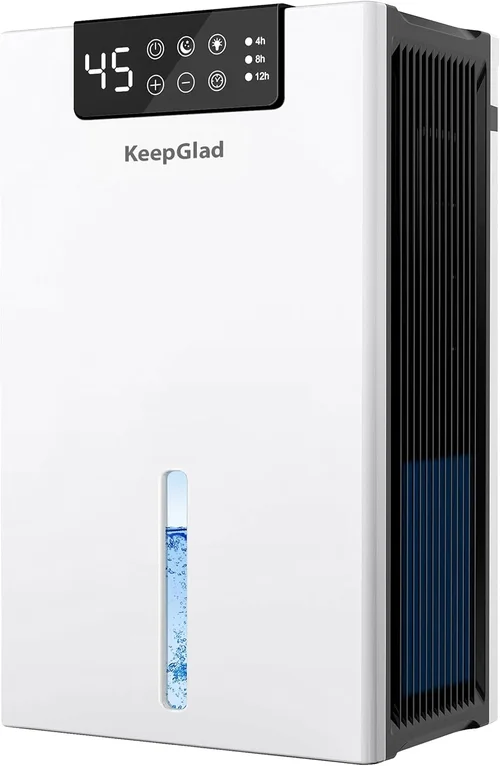
Living in Florida means embracing sunshine, beaches, and warm weather—but it also means battling relentless humidity. Whether you’re in Miami, Tampa, Orlando, or the Panhandle, indoor humidity levels often soar above 60%, creating the perfect breeding ground for mold, mildew, dust mites, and musty odors. Over time, this excess moisture can damage furniture, warp hardwood floors, ruin electronics, and even trigger respiratory issues like asthma or allergies. That’s why investing in a high-quality dehumidifier isn’t just a luxury—it’s a necessity for maintaining a healthy, comfortable, and structurally sound home.
This comprehensive buying guide is designed specifically for Florida homeowners who want to make an informed decision when purchasing a dehumidifier. We’ve analyzed dozens of models, consulted HVAC experts, and reviewed real-world user experiences to bring you the most up-to-date, practical advice for 2026. You’ll learn how to evaluate performance specs, understand different types of dehumidifiers, avoid common pitfalls, and choose a unit that fits your budget, space, and lifestyle. Whether you’re dealing with a damp basement, a humid bedroom, or an entire single-family home, this guide will help you find the best solution to keep your indoor air fresh, dry, and breathable.
The dehumidifier market has evolved significantly in recent years, with advancements in energy efficiency, smart controls, and compact designs. However, not all units are created equal—especially when it comes to handling Florida’s extreme humidity. Some models struggle in high-heat environments, while others lack the capacity or durability needed for long-term use. Our goal is to cut through the marketing noise and give you actionable insights so you can confidently select a dehumidifier that delivers consistent performance, lasts for years, and actually improves your quality of life.
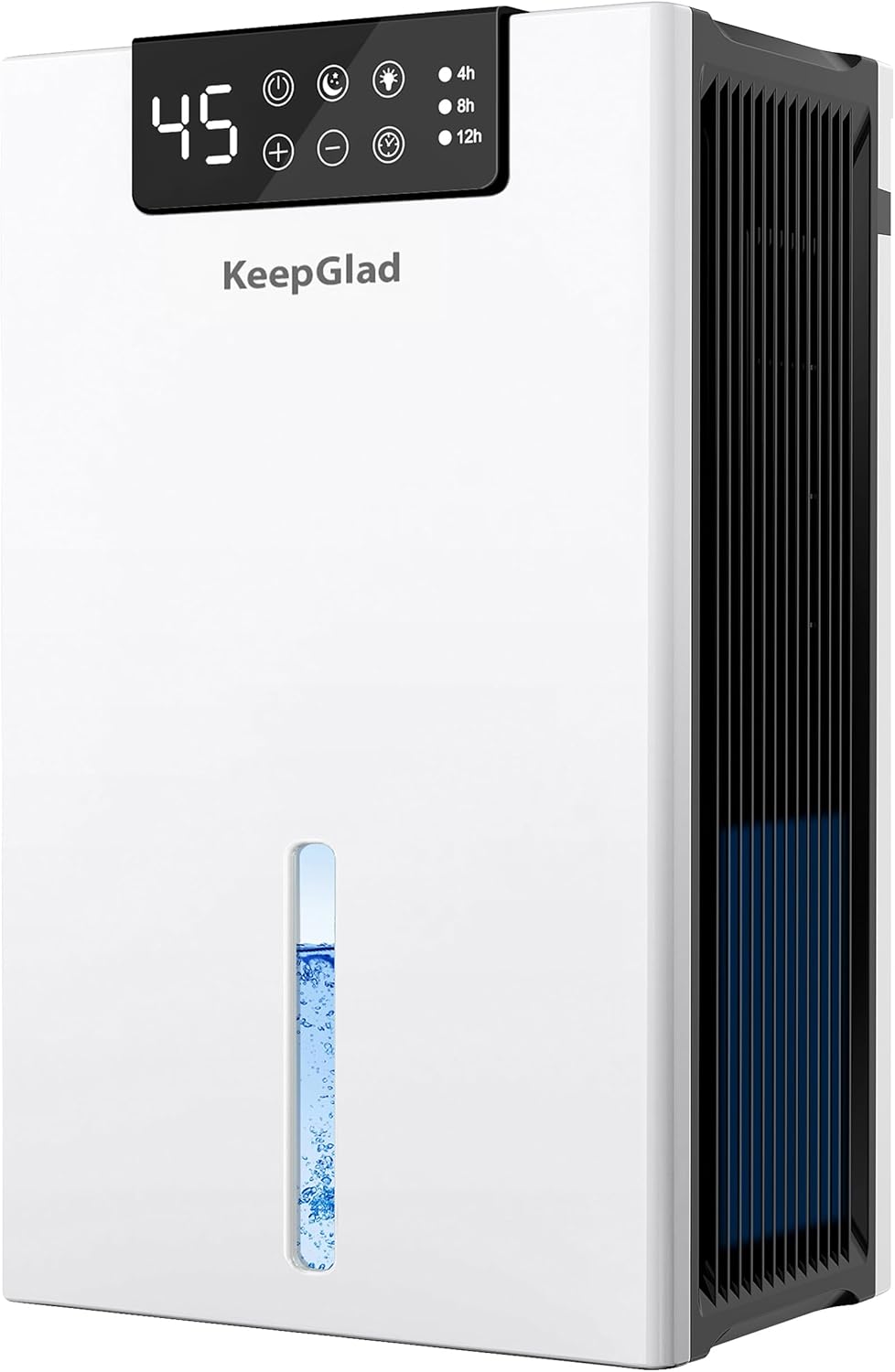
What to Look for When Buying Buying Guide
1. Capacity (Pints per Day)
Capacity is arguably the most critical factor when choosing a dehumidifier for a Florida home. Measured in pints per day (PPD), this number tells you how much moisture the unit can remove from the air in a 24-hour period under standard test conditions (80°F and 60% relative humidity). For Florida’s climate—where humidity often exceeds 70% and temperatures regularly climb above 85°F—you’ll need a unit with higher-than-average capacity.
As a general rule:
- Small rooms (up to 500 sq ft): 20–30 PPD
- Medium spaces (500–1,500 sq ft): 30–50 PPD
- Large areas or whole-house units (1,500+ sq ft): 50–70+ PPD
Keep in mind that manufacturers often rate capacity under ideal lab conditions. In real-world Florida environments—hotter and more humid—actual performance may be 10–20% lower. That’s why many experts recommend “oversizing” slightly. If your space falls between two sizes, go with the larger one. Also, consider whether you’re using the dehumidifier in a basement, crawl space, laundry room, or main living area, as each has different airflow and insulation characteristics.
2. Energy Efficiency (Energy Star Rating & EER)
Since dehumidifiers run frequently in Florida—sometimes 12–24 hours a day during summer—energy efficiency directly impacts your utility bill. Look for models with the Energy Star certification, which ensures they meet strict efficiency guidelines set by the U.S. Environmental Protection Agency. Energy Star dehumidifiers use 15–30% less energy than standard models, saving you $100–$300 over the unit’s lifetime.
Another key metric is the Energy Factor (EF), measured in liters of water removed per kilowatt-hour (L/kWh). Higher EF values mean better efficiency. For example:
- EF of 1.0 = average efficiency
- EF of 1.5+ = highly efficient
Some premium models also feature variable-speed compressors or inverter technology, which adjust power output based on humidity levels instead of cycling on/off constantly. This not only saves energy but also reduces wear and tear on the system, extending its lifespan.
3. Operating Temperature Range
Not all dehumidifiers perform well in hot, humid climates like Florida’s. Most residential units are designed to operate efficiently between 65°F and 90°F. However, in garages, attics, or poorly insulated rooms, temperatures can exceed 95°F during summer months. If your dehumidifier can’t handle high heat, it may shut down prematurely or fail to remove moisture effectively.
Check the manufacturer’s specifications for the operating temperature range. For Florida homes, aim for a unit that works reliably up to at least 95°F. Some commercial-grade or whole-house dehumidifiers are built for extreme conditions and can operate at 100°F+, making them ideal for challenging environments. Avoid ultra-compact or “basement-only” models if you plan to use the unit in a sunroom, garage, or upstairs bedroom during peak summer.
4. Drainage Options & Continuous Operation
In Florida, a dehumidifier’s water tank will fill up quickly—sometimes multiple times per day. Constantly emptying a heavy bucket is inconvenient and can lead to overflow if you’re away from home. That’s why drainage options are crucial.
Look for models with:
- Built-in pump: Allows you to drain water vertically (e.g., from a basement to a sink or outside) without lifting. Essential for below-grade installations.
- Hose connection: A threaded port for attaching a standard garden hose for gravity drainage. Make sure the hose slopes downward to prevent backflow.
- Auto-restart & overflow protection: Ensures the unit resumes operation after a power outage and shuts off if the tank is full.
For whole-house or high-capacity units, a condensate pump with a float switch is highly recommended. It automatically pumps water out when the reservoir reaches a certain level, enabling truly hands-free operation—perfect for busy households or vacation homes.
5. Noise Level (Decibel Rating)
Dehumidifiers aren’t silent appliances. The compressor, fan, and refrigerant circulation generate noise, which can be disruptive in bedrooms, home offices, or open-concept living spaces. Noise is measured in decibels (dB), with lower numbers indicating quieter operation.
Here’s a quick reference:
- 35–45 dB: Very quiet (like a whisper or library)
- 45–55 dB: Moderate (similar to a refrigerator)
- 55+ dB: Noticeable (comparable to a conversation)
For bedrooms or nurseries, aim for a unit under 50 dB. Many modern dehumidifiers now feature “quiet mode” or “sleep mode” that reduces fan speed at night. However, this may slightly decrease dehumidification performance. If noise is a top concern, consider placing the unit in a utility room or closet with proper ventilation and using ducting to direct airflow.
6. Smart Features & Connectivity
Smart technology has transformed home appliances, and dehumidifiers are no exception. In 2026, many top models offer Wi-Fi connectivity, allowing you to monitor and control humidity levels remotely via smartphone apps. This is especially useful in Florida, where you might want to pre-dry your home before returning from vacation or adjust settings during sudden rainstorms.
Key smart features to look for include:
- App control: Adjust settings, view humidity trends, receive alerts
- Voice assistant compatibility: Works with Alexa, Google Assistant, or Siri
- Humidity scheduling: Set target humidity levels for different times of day
- Filter change reminders: Notifies you when maintenance is due
- Integration with smart thermostats: Syncs with HVAC systems for optimal indoor air quality
While these features add convenience, they also increase cost. If you’re on a tight budget, prioritize core performance over smart capabilities. However, if you already have a smart home ecosystem, a connected dehumidifier can enhance overall efficiency and peace of mind.
7. Build Quality & Durability
Florida’s salty air, high humidity, and frequent storms demand a dehumidifier built to last. Cheap plastic housings, thin coils, and flimsy components may save money upfront but often fail within 1–2 years. Invest in a unit with:
- Corrosion-resistant coatings: Especially important for coastal homes near the ocean
- Heavy-duty metal or reinforced polymer casing: Provides structural integrity and protects internal parts
- Sealed compressor and refrigerant lines: Prevents leaks and extends lifespan
- Washable or reusable filters: Reduces long-term maintenance costs
Brands like AprilAire, Santa Fe, and Friedrich are known for rugged construction and commercial-grade reliability. Read user reviews to see how units hold up after 2–3 years of daily use in humid climates. Avoid no-name brands sold exclusively on discount marketplaces—they often lack proper certifications and customer support.
8. Warranty & Customer Support
A dehumidifier is a long-term investment, so warranty coverage matters. Most reputable brands offer:
- 1–2 years on parts and labor
- 5–10 years on the compressor (for premium models)
Check what’s covered: Does the warranty include refrigerant leaks? Fan motor failure? Control board issues? Also, verify if service is available in your area. Some companies only honor warranties through authorized dealers, which can be scarce in rural Florida counties.
Customer support responsiveness is equally important. Look for brands with U.S.-based support teams, online troubleshooting guides, and readily available replacement parts. Avoid companies that require you to ship units back to overseas facilities for repairs—this can take weeks and leave you without dehumidification during peak humidity season.
Different Types of Buying Guide

Common Buying Mistakes to Avoid
❌ Mistake: Buying Based Solely on Price
Why it’s bad: The cheapest dehumidifier often costs more in the long run due to higher energy bills, frequent repairs, and short lifespan. In Florida’s harsh climate, a $100 unit may fail within a year, leaving you with mold damage and repeat purchases.
What to do instead: Focus on total cost of ownership—including energy use, maintenance, and expected lifespan. A $300 Energy Star model that lasts 8 years is a better value than a $150 unit that needs replacing every 2 years.
❌ Mistake: Ignoring Room Size and Humidity Level
Why it’s bad: A dehumidifier too small for your space will run constantly, overheat, and fail to reduce humidity. Conversely, an oversized unit may cycle on/off too frequently, wasting energy and reducing efficiency.
What to do instead: Measure your square footage and assess moisture sources (e.g., poor ventilation, water intrusion). Use a hygrometer to check current humidity levels. Choose a unit rated for at least 10–20% more capacity than your room size suggests.
❌ Mistake: Overlooking Drainage Needs
Why it’s bad: In high-humidity areas like Florida, tanks fill fast. Without proper drainage, you’ll be emptying buckets multiple times daily—or worse, coming home to a flooded floor.
What to do instead: Opt for models with built-in pumps or hose connections. If installing in a basement, ensure there’s a nearby floor drain or sump pit. Consider a condensate pump for fully automated operation.
❌ Mistake: Choosing a Unit That Can’t Handle High Heat
Why it’s bad: Many dehumidifiers shut down above 90°F. In Florida summers, garages, attics, and sunrooms can exceed this limit, rendering the unit useless when you need it most.
What to do instead: Verify the operating temperature range before buying. For hot spaces, select a commercial-grade or whole-house model designed for extreme conditions.
❌ Mistake: Skipping Maintenance
Why it’s bad: Dirty filters, clogged coils, and neglected drainage lines reduce efficiency, increase energy use, and can cause mold growth inside the unit itself.
What to do instead: Clean the air filter monthly, inspect coils quarterly, and flush the water tank regularly. Follow the manufacturer’s maintenance schedule to maximize performance and longevity.
❌ Mistake: Assuming All “Energy Star” Units Are Equal
Why it’s bad: While Energy Star certification ensures baseline efficiency, there’s still a wide range within that category. Some models are significantly more efficient than others.
What to do instead: Compare Energy Factor (EF) ratings. Look for units with EF of 1.5 or higher for optimal savings in high-use scenarios.
❌ Mistake: Not Checking Local Service Availability
Why it’s bad: If your dehumidifier breaks down during hurricane season, you don’t want to wait weeks for repairs—especially if the brand has no local technicians.
What to do instead: Research service networks before purchasing. Stick with established brands that offer in-home repair or have authorized dealers in your area.
Budget Guidelines: How Much Should You Spend?
- Entry-Level ($100–$250): Basic portable units with 20–30 PPD capacity. Suitable for small bathrooms, closets, or seasonal use. Often lack pumps, smart features, or robust build quality. Expect shorter lifespans (3–5 years) and higher noise levels.
- Mid-Range ($250–$500): The sweet spot for most Florida homeowners. These models offer 30–50 PPD, Energy Star ratings, hose drainage, and quieter operation. Ideal for bedrooms, living rooms, or medium-sized basements. Brands like Frigidaire, hOmeLabs, and Keystone dominate this tier.
- Premium ($500–$1,200): High-capacity units (50–70+ PPD) with advanced features: built-in pumps, Wi-Fi connectivity, corrosion-resistant coatings, and extended warranties. Perfect for large homes, whole-house applications, or coastal properties. Look for AprilAire, Santa Fe, or Friedrich models.
- Luxury ($1,200+): Whole-house dehumidifiers integrated with HVAC systems. These professionally installed units provide consistent humidity control throughout the entire home, often with zoning capabilities and smart home integration. Best for new builds, luxury homes, or severe moisture problems.

Expert Tips for Getting the Best Deal
- Buy in Spring (March–May): Retailers often discount dehumidifiers before summer demand peaks. You’ll find better prices and wider selection than in July or August.
- Shop During Holiday Sales: Memorial Day, Fourth of July, and Black Friday offer significant discounts—sometimes 20–30% off premium models.
- Compare Online vs. In-Store: Online retailers (Amazon, Home Depot, Lowe’s) often have lower prices and detailed reviews. However, in-store purchases let you inspect build quality and ask questions.
- Check for Rebates: Some Florida utilities offer rebates for Energy Star dehumidifiers. Visit your provider’s website or call customer service to inquire.
- Read Recent Reviews: Focus on reviews from the past 12 months—technology changes fast, and older feedback may not reflect current performance.
- Test Before Committing: If possible, run the unit for 24–48 hours in your space. Monitor noise, humidity reduction, and ease of use.
- Negotiate Extended Warranties: Some retailers offer free extended coverage with purchase—especially during promotions. It never hurts to ask!
- Consider Refurbished Models: Certified refurbished units from reputable sellers (e.g., manufacturer outlets) can save 20–40% and often come with full warranties.

Frequently Asked Questions
Q: What humidity level should I maintain in my Florida home?
A: The ideal indoor relative humidity range is 30–50%. In Florida, aim for the lower end (35–45%) during summer to prevent mold growth. Use a hygrometer to monitor levels regularly.
Q: Can I use a dehumidifier with my air conditioner?
A: Absolutely! In fact, they work best together. Your AC cools the air, while the dehumidifier removes excess moisture. This combo improves comfort, reduces AC runtime, and lowers energy bills.
Q: How often should I clean my dehumidifier?
A: Clean the air filter every 2–4 weeks during heavy use. Wipe down the water tank monthly with a mild bleach solution to prevent mold. Inspect coils and drainage lines quarterly.
Q: Will a dehumidifier help with allergies?
A: Yes! By reducing humidity below 50%, you inhibit dust mites, mold spores, and mildew—common allergens. Many users report fewer allergy symptoms within weeks of consistent use.
Q: Can I leave my dehumidifier on all the time?
A: Most modern units are designed for continuous operation. Just ensure proper drainage and ventilation. Set a target humidity (e.g., 45%) and let the auto-humidistat do the work.
Q: Are dehumidifiers safe to use around children and pets?
A: Yes, as long as they’re placed out of reach and have safety features like tip-over protection and child locks. Avoid models with exposed hot surfaces or sharp edges.
Q: How long do dehumidifiers typically last?
A: With proper maintenance, quality units last 7–10 years. Cheaper models may fail in 3–5 years, especially in high-humidity environments like Florida.
Q: Do I need a permit to install a whole-house dehumidifier?
A: Usually not, but check with your local building department. If ductwork modifications are involved, a licensed HVAC contractor may be required.
Q: Can a dehumidifier prevent wood floors from warping?
A: Yes! Consistent humidity control prevents wood from absorbing excess moisture and expanding. This is especially important for hardwood, laminate, and engineered flooring in Florida homes.
Q: What’s the difference between a dehumidifier and an air purifier?
A: A dehumidifier removes moisture from the air; an air purifier removes particles like dust, pollen, and smoke. They serve different purposes—but using both creates optimal indoor air quality.
Our Final Recommendations
- Best for Budget-Conscious Buyers: hOmeLabs 4,500 Sq. Ft Dehumidifier (50 PPD) – Excellent value at under $300, Energy Star rated, includes hose drain and washable filter. Ideal for medium Florida homes.
- Best Overall Value: Frigidaire FFAD7033R1 70 Pint Dehumidifier – High capacity, quiet operation (51 dB), built-in pump option, and reliable performance in hot climates. A top seller for good reason.
- Best Premium Option: AprilAire E080 Pro 80-Pint Whole-House Dehumidifier – Professional-grade, integrates with HVAC, handles extreme humidity, and comes with a 5-year warranty. Perfect for large or luxury homes.
- Best for Beginners: Keystone 50 Pint Dehumidifier with Electronic Controls – Simple interface, auto-defrost, and affordable price. Great for first-time buyers who want reliability without complexity.
- Best for Advanced Users: Santa Fe Compact 70 Dehumidifier – Ultra-efficient (EF of 2.1), ductable design, and rugged construction. Favored by contractors and homeowners with severe moisture issues.
Conclusion: Making the Right Choice
Choosing the best dehumidifier for your Florida home isn’t just about picking the biggest or most expensive model—it’s about matching the right technology to your specific needs, space, and lifestyle. From understanding capacity requirements and energy efficiency to avoiding common pitfalls and leveraging smart features, this guide has equipped you with the knowledge to make a confident, informed decision.
Remember: in a climate as humid as Florida’s, a dehumidifier is more than a convenience—it’s a critical component of your home’s health and comfort system. Prioritize durability, proper drainage, and performance in high heat. Don’t sacrifice quality for a lower price tag, and always consider long-term savings through energy efficiency and warranty protection.
Take the time to assess your home’s unique challenges—whether it’s a damp basement, a musty bedroom, or an entire house struggling with moisture. Use the recommendations and tips in this guide to narrow your options, compare models, and ultimately select a dehumidifier that will keep your indoor air fresh, your belongings protected, and your family breathing easier for years to come.
Your home deserves the best defense against Florida’s relentless humidity. Make the investment today—and enjoy a drier, healthier, and more comfortable living space tomorrow.