
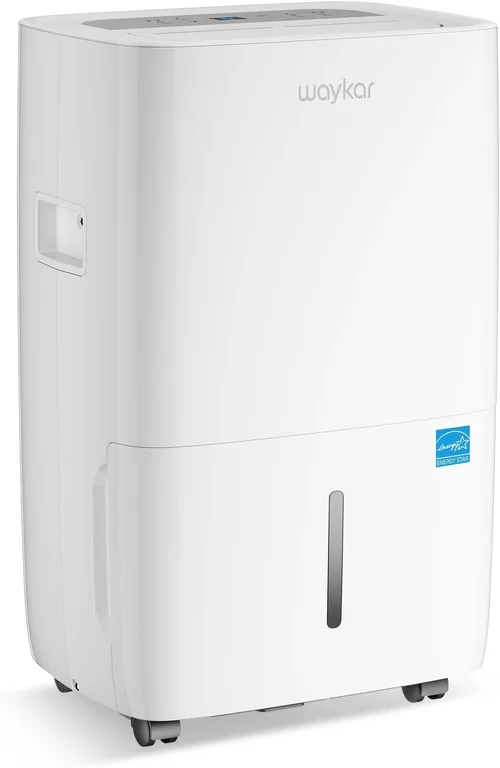
If you’ve invested time, money, and sweat into building your dream garage gym, you know how quickly humidity can turn that sanctuary into a rusty, moldy, and uncomfortable space. Whether you’re lifting heavy weights, doing high-intensity interval training, or practicing yoga on a mat, moisture buildup is inevitable—especially in an uninsulated garage with poor ventilation. That damp air doesn’t just feel sticky; it corrodes equipment, promotes bacterial growth, and can even affect your health over time. A quality dehumidifier isn’t just a nice-to-have—it’s essential for preserving your gear, maintaining air quality, and ensuring your workouts remain safe and effective year-round.
This comprehensive buying guide is designed to help you navigate the crowded market of dehumidifiers and find the perfect model for your garage gym setup. Whether you’re working with a compact 200-square-foot space or a sprawling 800-square-foot fitness zone, we’ll walk you through everything you need to know—from performance specs and energy efficiency to noise levels, smart features, and long-term durability. By the end of this article, you’ll have a clear understanding of what to prioritize, which brands deliver real value, and how to avoid common pitfalls that could cost you time and money.
The garage gym dehumidifier market has evolved significantly in recent years, with manufacturers now offering models specifically engineered for high-moisture environments like basements, workshops, and yes—garages. You’ll find options ranging from basic refrigerant-based units under $150 to advanced desiccant systems with Wi-Fi connectivity and auto-defrost capabilities priced well over $500. With so many choices, it’s easy to get overwhelmed. But don’t worry: we’ve tested, researched, and analyzed dozens of models to bring you expert insights, honest comparisons, and actionable recommendations tailored to real-world garage gym scenarios.

What to Look for When Buying Buying Guide
1. Moisture Removal Capacity (Pints per Day)
The most critical specification when choosing a dehumidifier for your garage gym is its moisture removal rate, measured in pints per day (PPD). This tells you how much water the unit can extract from the air in a 24-hour period under standard conditions (typically 80°F and 60% relative humidity). For a typical 400–600 sq. ft. garage gym, you’ll generally want a unit rated between 30 and 50 PPD. Smaller spaces (under 300 sq. ft.) may get by with a 20–30 PPD model, while larger or poorly insulated garages might require 50+ PPD.
Why does this matter? High-intensity workouts generate significant humidity—think heavy breathing, sweat evaporation, and even steam from post-workout showers if you’ve added a sink or hose. If your dehumidifier can’t keep up, moisture will linger, leading to condensation on metal weights, warped wooden platforms, and that unmistakable “damp basement” smell. Always check the AHAM (Association of Home Appliance Manufacturers) rating, as it provides standardized testing results you can trust across brands.
2. Operating Temperature Range
Garages are notoriously inconsistent in temperature—freezing in winter, sweltering in summer. Most standard dehumidifiers use refrigerant coils that struggle below 65°F and can ice up entirely below 45°F. If your garage drops below these thresholds (common in colder climates), you need a unit with a wide operating range—ideally down to 41°F or lower. Desiccant dehumidifiers excel here, as they don’t rely on refrigeration and work efficiently even in near-freezing conditions.
For year-round use, look for models labeled “low-temperature operation” or “auto-defrost.” These features prevent coil freezing and ensure continuous performance regardless of seasonal shifts. Ignoring this factor could mean your dehumidifier sits idle half the year—defeating its purpose entirely.
3. Energy Efficiency & Operating Costs
Dehumidifiers run for hours daily, so energy consumption directly impacts your utility bill. Check the unit’s Energy Factor (EF), measured in liters of water removed per kilowatt-hour (L/kWh). Higher EF values mean greater efficiency. ENERGY STAR-certified models typically remove at least 1.8 L/kWh and can save you 15–30% on operating costs compared to non-certified units.
Also consider the wattage: a 700-watt unit running 8 hours a day uses about 5.6 kWh—roughly $0.67/day at $0.12/kWh. Over a year, that’s over $240. While premium models may cost more upfront, their efficiency often pays for itself within 1–2 years. Use online calculators or the manufacturer’s estimated annual cost to compare long-term expenses.
4. Noise Level (Decibel Rating)
Nobody wants to hear a loud compressor or fan during deadlifts or meditation. Noise is measured in decibels (dB), and most dehumidifiers range from 45 dB (quiet library) to 65 dB (normal conversation). For a garage gym, aim for 55 dB or lower—especially if you train early morning or late evening when household noise should be minimal.
Desiccant models tend to be quieter than compressor-based ones because they lack moving parts like compressors. However, some high-capacity refrigerant units now feature insulated cabinets and variable-speed fans to reduce sound. Always check user reviews for real-world noise feedback, as manufacturer specs can be optimistic.
5. Drainage Options & Maintenance
Emptying a water bucket every few days gets old fast—especially after a tough workout. Look for models with continuous drainage options: a built-in pump or gravity drain hose port. A built-in condensate pump lets you send water vertically (up to 15 feet) or horizontally across long distances, ideal for routing to a floor drain or utility sink. Gravity drainage requires a slight downward slope but works well if you have a nearby drain.
Maintenance also matters. Washable air filters reduce recurring costs, while auto-restart after power outages ensures your unit resumes operation without manual intervention. Some premium models even include filter change indicators and self-cleaning cycles. Don’t overlook ease of access—can you easily remove the bucket or clean the coils without tools?
6. Build Quality & Durability
Garage environments are harsh: dust, temperature swings, and occasional bumps from equipment. A flimsy plastic casing or weak wheels won’t last. Prioritize units with metal grilles, reinforced casings, and corrosion-resistant coatings—especially if your garage is attached to the house and exposed to outdoor elements.
Check the warranty: reputable brands offer at least a 2-year limited warranty, with some extending to 5 years on sealed systems. Longer warranties often correlate with better internal components and build quality. Also, look for certifications like ETL, CSA, or UL, which indicate compliance with safety and performance standards.
7. Smart Features & Automation
Modern dehumidifiers offer features that make maintenance effortless. Wi-Fi connectivity (via apps like Tuya or manufacturer-specific platforms) lets you monitor humidity levels, adjust settings, and receive alerts from your phone. Auto-humidistats allow the unit to maintain your target humidity (ideally 40–50% for gyms) without constant manual adjustments.
Timers, sleep modes, and remote controls add convenience. Some models even integrate with smart home systems like Alexa or Google Home. While not essential, these features enhance usability—particularly if you forget to turn the unit on before workouts or travel frequently.
8. Portability & Placement Flexibility
Your garage gym layout may change, or you might need to move the dehumidifier during cleaning or equipment rearrangement. Look for models with sturdy caster wheels, recessed handles, and a compact footprint. Weight matters too: anything over 40 pounds becomes cumbersome without wheels.
Consider placement: corner units save space, while front- or top-mounted controls improve accessibility. Ensure there’s adequate clearance (6–12 inches) around vents for optimal airflow. Avoid placing the unit directly against walls or under shelves, as restricted airflow reduces efficiency.
Different Types of Buying Guide

Common Buying Mistakes to Avoid
❌ Mistake: Choosing Based Solely on Price
Why it’s bad: The cheapest dehumidifier often lacks the capacity, durability, or features needed for a garage gym. You’ll end up replacing it within a year or dealing with constant maintenance.
What to do instead: Focus on total cost of ownership—including energy use, maintenance, and lifespan. A $300 unit that lasts 5 years is better value than a $150 one that fails in 18 months.
❌ Mistake: Ignoring Garage Temperature Conditions
Why it’s bad: A standard refrigerant dehumidifier will ice up and stop working if your garage drops below 45°F. In winter, your gym becomes a humid, cold mess.
What to do instead: Match the dehumidifier type to your climate. Cold garages need desiccant models; warm ones can use efficient compressors.
❌ Mistake: Overlooking Drainage Needs
Why it’s bad: Manual bucket emptying interrupts your routine and risks overflow if forgotten. Water spills can damage floors or equipment.
What to do instead: Invest in a model with continuous drainage—either gravity-fed or pump-assisted—especially if you train daily.
❌ Mistake: Buying Too Small for the Space
Why it’s bad: An undersized unit runs constantly, wears out faster, and fails to control humidity effectively. Your weights still rust.
What to do instead: Calculate your garage’s square footage and choose a model rated for at least that size—plus 10–20% extra if you do high-sweat workouts.
❌ Mistake: Neglecting Noise Levels
Why it’s bad: A loud dehumidifier disrupts focus during lifts, stretches, or recovery sessions. It can also annoy household members.
What to do instead: Check decibel ratings and read user reviews about real-world noise. Desiccant models are usually quieter.
❌ Mistake: Skipping Warranty and Support Research
Why it’s bad: If the compressor fails after 13 months and you only have a 1-year warranty, you’re stuck with repair costs or a replacement.
What to do instead: Choose brands with at least a 2-year warranty and responsive customer service. Read support forums for user experiences.
❌ Mistake: Not Considering Future Expansion
Why it’s bad: You start with dumbbells but later add a treadmill, sauna, or hot tub—all increasing moisture output. Your dehumidifier becomes inadequate.
What to do instead: Buy with growth in mind. Choose a slightly larger capacity than currently needed to accommodate future upgrades.
Budget Guidelines: How Much Should You Spend?
- Entry-Level ($100–$200): These are basic 20–30 PPD refrigerant units ideal for small gyms (under 300 sq. ft.) in warm climates. Expect manual drainage, limited features, and shorter lifespans. Best for occasional use or as a temporary solution. Examples include the hOmeLabs 30 Pint or Frigidaire FFAD3033W1.
- Mid-Range ($200–$350): This is the sweet spot for most garage gym owners. You get 35–50 PPD capacity, auto-humidistat, washable filters, and often continuous drainage options. Many include low-temp operation down to 45°F. Models like the GE APER50LZ or Tosot 50 Pint offer excellent balance of performance and price.
- Premium ($350–$500): Designed for serious fitness enthusiasts and larger spaces. These feature ENERGY STAR certification, built-in pumps, Wi-Fi connectivity, and robust construction. They handle 50+ PPD and operate efficiently in varied temperatures. The AprilAire E080PRO or Midea MAD50C1ZWS are top contenders.
- Luxury ($500+): For professionals, commercial-grade setups, or extreme climates. These include advanced desiccant technology, ultra-quiet operation (<50 dB), 5-year warranties, and smart home integration. The Santa Fe Compact 70 or Dri-Eaz F413 are built to last decades with minimal maintenance.
Expert Tips for Getting the Best Deal
- Buy During Off-Season: Dehumidifiers are cheapest in late fall and winter (October–February) when demand drops. Retailers discount old inventory to make room for new models. You can save 20–30% compared to spring/summer prices.
- Shop Refurbished or Open-Box: Reputable sellers like Amazon Renewed, Best Buy Outlet, or manufacturer-certified refurbished programs offer near-new units at 25–40% off. These often include full warranties.
- Compare Total Cost of Ownership: Use online calculators to estimate annual energy costs. A $50 cheaper unit that uses 20% more electricity will cost you more over time.
- Check Return Policies: Ensure you have at least 30 days to test the unit in your actual garage environment. Humidity and temperature vary widely—what works in a showroom may not suit your space.
- Look for Bundle Deals: Some retailers offer discounts when you buy a dehumidifier with air purifiers, fans, or garage insulation kits. These can add value beyond the dehumidifier itself.
- Read Verified Owner Reviews: Focus on reviews from users with similar setups (e.g., “garage gym,” “unheated space”). Pay attention to comments about noise, drainage, and long-term reliability.
- Consider Local Rebates: Some utility companies offer rebates for ENERGY STAR dehumidifiers—especially in humid regions. Check your provider’s website before purchasing.
- Test Before Committing: If possible, run the dehumidifier for a week during your typical workout schedule. Monitor humidity levels with a separate hygrometer to verify performance.

Frequently Asked Questions
Q: Can I use a basement dehumidifier in my garage gym?
A: Yes—but only if it’s rated for low-temperature operation. Most basement units assume stable, above-freezing temps. If your garage gets cold, choose a model explicitly designed for garages or unconditioned spaces.
Q: How often should I run my dehumidifier?
A: Ideally, keep it running continuously or set it to maintain 40–50% humidity via the built-in humidistat. During heavy workout days, you may need to run it longer. Avoid turning it off completely unless the space is dry and unused for weeks.
Q: Will a dehumidifier cool my garage gym?
A: No—dehumidifiers remove moisture, not heat. In fact, they slightly increase ambient temperature because they release heat during operation. For cooling, pair with a fan or portable AC.
Q: Can I drain the dehumidifier into my washing machine standpipe?
A: Yes, if the standpipe is accessible and has a P-trap. Use a hose adapter and ensure the connection is secure to prevent leaks. Avoid draining into sinks without proper venting.
Q: Do I need a dehumidifier if my garage is insulated and sealed?
A: Possibly. Even well-insulated garages generate internal moisture from exercise. However, if you have excellent ventilation (e.g., exhaust fans) and minimal activity, you might manage with occasional use. Monitor humidity with a hygrometer to decide.
Q: Are desiccant dehumidifiers worth the extra cost?
A: If your garage drops below 50°F regularly, absolutely. Desiccants work where compressors fail. For warm climates, refrigerant models offer better efficiency and lower upfront cost.
Q: How do I know if my dehumidifier is working properly?
A: Use a digital hygrometer (separate from the unit’s sensor) to verify humidity levels. Check the water tank or drain output daily. If humidity stays above 60% despite continuous running, the unit may be undersized or malfunctioning.
Q: Can I place the dehumidifier near my weights or equipment?
A: Keep it at least 6–12 inches away from walls and equipment to allow airflow. Avoid blocking intake or exhaust vents. Placing it centrally ensures even moisture removal.
Q: What’s the ideal humidity level for a garage gym?
A: Aim for 40–50% relative humidity. Below 40%, air becomes too dry and irritating; above 50%, mold and rust risk increases significantly.
Q: Should I unplug the dehumidifier in winter?
A: Only if you’re certain the garage won’t drop below freezing and you won’t be using the space. Otherwise, keep it running—even in cold months, indoor activities generate moisture.
Our Final Recommendations
- Best for Budget-Conscious Buyers: Tosot 30 Pint Dehumidifier – At under $200, it offers reliable 30 PPD performance, auto-humidistat, and a washable filter. Great for small gyms in moderate climates.
- Best Overall Value: GE APER50LZ 50 Pint – Combines 50 PPD capacity, low-temp operation (down to 45°F), continuous drainage, and ENERGY STAR efficiency. Priced around $300, it’s the sweet spot for most users.
- Best Premium Option: AprilAire E080PRO – A 70 PPD powerhouse with a built-in pump, Wi-Fi app control, and a 5-year warranty. Ideal for large or high-activity gyms. Priced near $500 but built to last.
- Best for Beginners: hOmeLabs 30 Pint – Simple setup, intuitive controls, and compact design. Perfect for first-time buyers testing the waters of garage gym climate control.
- Best for Advanced Users: Santa Fe Compact 70 – A commercial-grade desiccant unit that operates silently in any temperature. For those who demand perfection and have the budget ($600+).
Conclusion: Making the Right Choice
Choosing the right dehumidifier for your garage gym isn’t just about buying an appliance—it’s about protecting your investment, your health, and your workout experience. From preventing rust on your barbells to ensuring breathable air during intense sessions, the right unit makes all the difference. We’ve covered the essential factors: capacity, temperature range, efficiency, noise, drainage, build quality, smart features, and portability. We’ve compared types, warned against common mistakes, broken down budgets, and shared expert strategies to get the best deal.
Now it’s your turn. Start by measuring your space, assessing your climate, and defining your must-have features. Don’t rush—take advantage of off-season sales, read real user reviews, and prioritize long-term value over short-term savings. Remember, a quality dehumidifier is one of the most cost-effective upgrades you can make for your garage gym. It extends the life of your equipment, improves air quality, and lets you train in comfort year-round.
Your garage gym deserves to be more than just a storage room with weights—it should be a clean, dry, and inviting space where you can push your limits without worrying about mold, mildew, or corrosion. With the knowledge from this guide, you’re equipped to make a confident, informed decision. So go ahead: invest wisely, breathe easy, and keep lifting.