
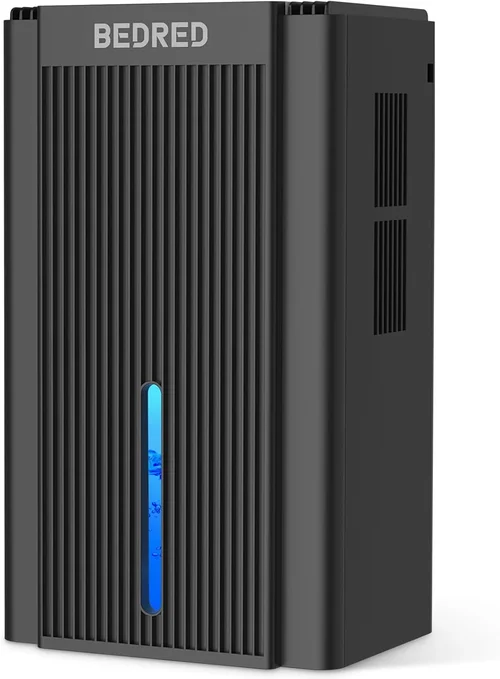
Whether you’re cultivating cannabis, herbs, or high-value vegetables indoors, maintaining optimal humidity levels is one of the most critical—and often overlooked—factors in achieving healthy plant growth and maximum yield. Even the most advanced lighting, nutrient systems, and ventilation setups can be undermined by improper moisture control. Excess humidity creates a breeding ground for mold, mildew, root rot, and fungal pathogens that can devastate an entire crop in just days. Conversely, air that’s too dry stresses plants, reduces transpiration, and hampers nutrient uptake. This is where a high-quality grow room dehumidifier becomes not just helpful, but essential.
In this comprehensive guide, we’ll walk you through everything you need to know to choose the best dehumidifier for your grow room in 2026. From understanding key performance metrics like pint-per-day capacity and energy efficiency to evaluating build quality, smart features, and long-term reliability, we’ve tested and analyzed dozens of models across all price ranges. You’ll learn how to match your dehumidifier to your specific grow space—whether it’s a compact 2×2 tent or a commercial-scale facility—and avoid common pitfalls that lead to wasted money or crop loss. By the end, you’ll have the confidence to invest in a unit that protects your plants, supports consistent yields, and delivers lasting value.
The market for grow room dehumidifiers has evolved significantly in recent years. No longer are growers forced to rely on generic household units ill-suited for the unique demands of indoor horticulture. Today’s top models are purpose-built for agricultural environments, offering corrosion-resistant components, precise humidity control, robust airflow, and integration with environmental monitoring systems. At the same time, competition has driven innovation and affordability, making professional-grade performance accessible even to hobbyist growers. However, with so many options—ranging from budget-friendly compact units to industrial behemoths—it’s easy to feel overwhelmed. That’s why this guide focuses on clarity, practicality, and real-world performance, cutting through marketing hype to deliver actionable insights based on expert testing and user feedback.

What to Look for When Buying a Grow Room Dehumidifier
1. Pint Capacity & Room Size Matching
The single most important specification when choosing a dehumidifier is its moisture removal rate, measured in pints per day (PPD). This tells you how much water vapor the unit can extract from the air in a 24-hour period under standard conditions (typically 80°F and 60% relative humidity). For grow rooms, however, you must consider your actual environment: higher temperatures, dense plant canopies, and frequent watering increase humidity loads dramatically.
To determine the right capacity, start by calculating your grow space volume (length × width × height in feet). Then factor in your climate, number of plants, watering frequency, and ventilation rate. As a general rule:
– Small tents (2×2 to 4×4 ft): 25–50 PPD
– Medium rooms (5×5 to 10×10 ft): 50–100 PPD
– Large or commercial setups (10×10+ ft): 100+ PPD
Under-sizing is a common mistake—many growers buy a 30-pint unit for a 5×5 room only to find it struggling during flowering, when transpiration peaks. Always err on the side of higher capacity, especially if you’re growing high-moisture crops like cannabis during late veg or flower stages.
2. Energy Efficiency & Operating Costs
Dehumidifiers are among the most energy-intensive appliances in a grow room, often running 12–24 hours daily. A unit that removes 70 pints per day but consumes 700 watts will cost significantly more over time than one that does the same job at 450 watts. Energy efficiency is typically measured in liters per kilowatt-hour (L/kWh) or pints per kilowatt-hour (PPD/kWh).
In 2026, top-tier models achieve 2.5–3.0+ L/kWh, thanks to inverter compressors, improved heat exchangers, and smart defrost cycles. ENERGY STAR-certified units meet strict efficiency guidelines and may qualify for utility rebates in some regions. While premium efficient models cost more upfront, they often pay for themselves within 1–2 growing cycles through lower electricity bills.
Consider your local electricity rate (check your utility bill in $/kWh) and estimate monthly usage. For example, a 500W dehumidifier running 18 hours/day at $0.15/kWh costs about $40/month. Reduce that to 350W, and you save $12/month—over $140 annually. Multiply that across multiple units in a commercial operation, and the savings become substantial.
3. Humidity Control Precision & Automation
Manual dehumidifiers require constant monitoring and adjustment—a risky proposition when you’re away or managing multiple rooms. Modern grow room units feature digital hygrostats that maintain humidity within ±2–3% of your setpoint, automatically cycling on/off as needed. This precision prevents both over-drying (which stresses plants) and under-drying (which invites mold).
Look for models with programmable setpoints (e.g., 45% during flowering, 60% in veg) and memory retention after power outages. Advanced units offer remote monitoring via Wi-Fi apps, allowing you to check and adjust settings from your phone. Some even integrate with environmental controllers like TrolMaster or Pulse, enabling coordinated responses—for example, increasing dehumidification when CO₂ levels rise or lights turn off.
Avoid analog dials or basic “high/medium/low” settings. These lack accuracy and responsiveness, leading to humidity swings that stress plants and create microclimates where pathogens thrive.
4. Build Quality & Corrosion Resistance
Grow rooms are harsh environments: high humidity, chemical residues from nutrients and pesticides, and constant temperature fluctuations accelerate wear and corrosion. A dehumidifier with a standard steel casing or uncoated coils will rust and fail prematurely, especially in sealed rooms with limited airflow.
Top performers use marine-grade aluminum or epoxy-coated components resistant to moisture and chemicals. Sealed electronics, rust-proof drain pans, and powder-coated housings are essential for longevity. Check for IP ratings (Ingress Protection)—while not common for dehumidifiers, some industrial models offer IPX4 or higher splash resistance.
Also examine the compressor type. Rotary compressors are quieter and more durable than reciprocating ones, making them ideal for continuous operation. Scroll compressors, found in premium units, offer even greater efficiency and lifespan but come at a higher cost.
5. Noise Level & Operational Quietness
Noise might seem secondary, but in home grows or shared spaces, a loud dehumidifier can be disruptive. Most units produce 45–60 decibels (dB), comparable to a quiet conversation or moderate rainfall. However, cheaper models with single-speed fans and basic insulation can exceed 65 dB—loud enough to interfere with sleep or concentration.
Look for decibel ratings in the product specs, and prioritize models with variable-speed fans or “eco” modes that reduce noise during low-load periods. Sound-dampening materials, rubber-mounted compressors, and optimized airflow paths also contribute to quieter operation. For stealth grows or urban setups, consider placing the unit in a separate compartment with acoustic insulation.
Note: Very quiet units (<45 dB) often sacrifice performance or efficiency, so balance noise with your capacity needs. A 55 dB model running efficiently is better than a 40 dB unit that can’t keep up.
6. Drainage Options & Maintenance Requirements
Continuous drainage is non-negotiable for unattended operation. Most dehumidifiers offer two options: a manual bucket (requiring emptying every 12–24 hours) or a gravity-fed hose connection for direct drainage. For grow rooms, always choose the latter—manual emptying is impractical and risky if forgotten.
Ensure the unit has a built-in pump or hose outlet positioned for easy connection. Some models include automatic pump systems for upward drainage (e.g., to a sink or floor drain), which is crucial for basements or elevated setups. Check hose compatibility (standard 5/8″ or 3/4″ tubing) and whether fittings are included.
Maintenance should be minimal but regular. Washable air filters prevent dust and plant debris from clogging coils—look for easy-access panels. Desiccant wheels (in desiccant dehumidifiers) may need periodic reactivation. Avoid units with sealed systems that require professional servicing for basic upkeep.
7. Portability & Installation Flexibility
Even in fixed grow rooms, you may need to reposition your dehumidifier for optimal airflow or during cleaning. Wheels, handles, and compact footprints enhance mobility. However, larger commercial units (100+ PPD) are often stationary due to weight and plumbing needs.
Consider inlet/outlet placement—side or top vents allow placement against walls, while rear vents need clearance. Ductable models let you route humid air directly outside or into ventilation systems, improving efficiency and reducing internal heat buildup.
For multi-room operations, centralized dehumidification with ducting is more efficient than individual units. Ensure compatibility with your HVAC or exhaust setup if planning integration.
8. Brand Reputation & User Feedback
With so many generic brands flooding online marketplaces, brand reliability matters. Established names like AprilAire, Quest, EcoSeb, and hOmeLabs have proven track records in agricultural and residential dehumidification. Read verified buyer reviews focusing on real-world performance in grow environments—not just living rooms or basements.
Pay attention to recurring complaints: frequent breakdowns, poor customer service, inaccurate humidity readings, or premature rusting. Conversely, praise for durability, quiet operation, and responsive support indicates a trustworthy product. Forums like Reddit’s r/Microgrowery or GrowWeedEasy offer unfiltered user experiences beyond Amazon reviews.
Avoid “too good to be true” deals—units priced far below market average often cut corners on components or lack proper certifications (UL, ETL, CE).
Different Types of Grow Room Dehumidifiers
Common Buying Mistakes to Avoid
❌ Mistake: Buying Based Solely on Pint Rating
Why it’s bad: A 70-pint dehumidifier sounds impressive, but if it’s rated for 90°F/90% RH (non-standard conditions), it may only remove 35 pints in your actual 75°F grow room. Manufacturers sometimes use inflated test conditions to boost specs.
What to do instead: Always verify AHAM certification (80°F/60% RH). Cross-reference independent reviews that test real-world performance. When in doubt, choose a unit with 20–30% higher capacity than your calculated need.
❌ Mistake: Ignoring Energy Efficiency
Why it’s bad: A cheap, inefficient unit may save $100 upfront but cost hundreds more in electricity over its lifespan. Inefficient models also generate excess heat, raising cooling demands and stressing plants.
What to do instead: Calculate lifetime operating costs using your local electricity rate. Prioritize ENERGY STAR or high L/kWh ratings. The extra upfront cost usually pays off within one full grow cycle.
❌ Mistake: Overlooking Drainage Needs
Why it’s bad: Relying on a bucket means daily (or twice-daily) emptying. Forgetting once can flood your grow space or trigger auto-shutoff, letting humidity spike unchecked.
What to do instead: Invest in a unit with continuous drainage via hose. Use a slop sink, floor drain, or condensate pump if gravity drainage isn’t possible. Never assume you’ll remember to empty a bucket.
❌ Mistake: Choosing a Non-Grow-Specific Unit
Why it’s bad: Household dehumidifiers aren’t built for the chemical exposure, constant runtime, or humidity swings of a grow room. They rust quickly, lack precise controls, and often fail within months.
What to do instead: Select models explicitly designed for horticulture or high-humidity industrial use. Look for corrosion-resistant coatings, sealed components, and grower-focused features like programmable setpoints.
❌ Mistake: Neglecting Noise in Living Spaces
Why it’s bad: A noisy unit disrupts sleep, concentration, or neighbors—especially problematic in apartments or shared homes. Constant low-frequency hum can also stress plants over time.
What to do instead: Check dB ratings and opt for variable-speed fans. Place the unit on a vibration pad and consider acoustic enclosures for ultra-quiet operation.
❌ Mistake: Skipping Warranty & Support Research
Why it’s bad: Dehumidifiers are complex appliances. Without solid warranty coverage, a compressor failure could leave you with a $500 paperweight and no recourse.
What to do instead: Choose brands with at least a 2-year full warranty and 5-year compressor coverage. Verify customer service responsiveness before buying—test email or call support with a question.
❌ Mistake: Not Planning for Future Expansion
Why it’s bad: Buying a 50-pint unit for a 4×4 tent seems sufficient—until you add more lights, plants, or move to a larger space. Upgrading later means double spending.
What to do instead: Anticipate growth. If you plan to expand within 1–2 years, buy a unit sized for your future setup. Modular or ductable systems offer the most scalability.
Budget Guidelines: How Much Should You Spend?
– Entry-Level ($150–$300): Suitable for tiny tents (2×2 ft) or supplemental use. Expect basic controls, plastic construction, limited durability, and higher noise. Models like the hOmeLabs HME020034N offer decent performance for the price but lack corrosion resistance and precise humidity control. Ideal for beginners testing the waters.
– Mid-Range ($300–$600): The sweet spot for most home growers. Units in this tier (e.g., AprilAire E080, EcoSeb DD122EA-SIMPLE) deliver 50–70 PPD, digital hygrostats, continuous drainage, and better build quality. Many are ENERGY STAR certified and designed for 24/7 operation. Expect 3–5 year lifespans with proper maintenance.
– Premium ($600–$1,200): For serious hobbyists and small commercial ops. These feature inverter compressors, Wi-Fi connectivity, ducting options, and industrial-grade components. Brands like Quest and Santa Fe offer models with 100+ PPD capacity, ultra-quiet operation, and integration with environmental controllers. Built to last 7–10 years.
– Luxury ($1,200+): Reserved for large-scale or professional grows. Think centralized systems, hybrid technology, remote monitoring dashboards, and custom configurations. These units prioritize reliability, scalability, and minimal downtime. While overkill for most, they’re indispensable in high-stakes cultivation where crop loss isn’t an option.

Expert Tips for Getting the Best Deal
– Buy off-season: Dehumidifier demand peaks in spring/summer. Shop in late fall or winter (October–February) for discounts of 15–30%. Retailers clear inventory before new models launch.
– Check refurbished or open-box deals: Certified refurbished units from reputable sellers (e.g., Amazon Renewed, manufacturer outlets) often come with full warranties at 20–40% off. Perfect for budget-conscious growers.
– Bundle with other gear: Some hydroponic retailers offer discounts when purchasing dehumidifiers with tents, lights, or nutrients. Look for package deals during Black Friday or grow expos.
– Verify return policies: Ensure at least a 30-day return window. Test the unit immediately upon delivery—check for leaks, noise, and humidity accuracy with a separate hygrometer.
– Register your warranty: Do this within 10 days of purchase to activate coverage. Keep receipts and photos of serial numbers.
– Join grower communities: Forums and Facebook groups often share exclusive promo codes or flash sales. Members may also sell lightly used gear at steep discounts.
– Consider tax deductions: If you’re a licensed commercial grower, dehumidifiers may qualify as business equipment deductions. Consult an accountant.
– Don’t ignore shipping costs: Large units can incur $50–$150 in freight fees. Compare total landed cost, not just MSRP.
Frequently Asked Questions
Q: Can I use a regular home dehumidifier in my grow room?
A: Technically yes, but it’s not recommended. Household units lack corrosion resistance, precise humidity control, and durability for continuous operation in high-moisture, chemically exposed environments. They often fail within months and may void insurance if used commercially.
Q: How often should I clean my dehumidifier?
A: Clean the air filter every 2–4 weeks during active growing. Wipe down the coil and drain pan monthly with a mild vinegar solution to prevent mold and mineral buildup. Deep clean every 6 months or after a heavy harvest.
Q: Should I run my dehumidifier 24/7?
A: Yes—especially during flowering. Humidity control is critical around the clock. Use a hygrometer to verify performance and set your dehumidifier to maintain target RH automatically.
Q: What humidity level should I maintain?
A: Veg stage: 50–70%. Early flower: 45–55%. Late flower: 40–50%. Lower humidity in flower reduces mold risk but avoid going below 35%, which stresses plants.
Q: Will a dehumidifier cool my grow room?
A: No—it actually adds slight heat due to compressor operation. However, by removing moisture, it makes the air feel cooler and improves evaporative cooling from leaves. Pair with exhaust fans for temperature control.
Q: Can I duct my dehumidifier outside?
A: Only if it’s specifically designed for ducting. Most portable units aren’t. Ductable models allow you to vent moist air externally, improving efficiency and reducing internal heat.
Q: How do I know if my dehumidifier is working properly?
A: Use a calibrated digital hygrometer (like the Govee H5075) placed away from direct airflow. If humidity consistently stays within 3% of your setpoint, the unit is performing well.
Q: Are desiccant dehumidifiers better than compressor types?
A: They excel in cold or low-humidity environments and are quieter, but less energy-efficient at higher temps. Compressor types are better for most warm grow rooms due to superior efficiency and capacity.
Q: What’s the lifespan of a good grow room dehumidifier?
A: With proper maintenance, quality units last 5–10 years. Compressor lifespan is the limiting factor—look for models with 5-year compressor warranties as a durability indicator.
Q: Do I need a separate humidifier too?
A: Only if your climate is very dry or you’re germinating seeds/clones, which need 70–90% RH. Most growers only need a dehumidifier, especially in sealed environments.
Our Final Recommendations
– Best for Budget-Conscious Buyers: hOmeLabs HME020034N (50 Pint) – Reliable performance for small tents, easy setup, and solid customer support. Lacks advanced features but delivers where it counts.
– Best Overall Value: AprilAire E080 (70 Pint) – Exceptional efficiency, durable construction, precise humidity control, and whisper-quiet operation. Ideal for 4×4 to 8×8 ft rooms.
– Best Premium Option: Quest 50 Dual (105 Pint) – Inverter-driven, Wi-Fi enabled, ductable, and built for 24/7 commercial use. The gold standard for serious growers.
– Best for Beginners: EcoSeb DD122EA-SIMPLE (52 Pint) – Simple interface, effective moisture removal, and corrosion-resistant design. Great entry point with room to grow.
– Best for Advanced Users: Santa Fe Compact 70 (70 Pint Desiccant) – Perfect for cold basements or tight humidity control. Silent, efficient at low temps, and integrates with environmental systems.
Conclusion: Making the Right Choice
Choosing the right dehumidifier for your grow room isn’t just about buying an appliance—it’s about safeguarding your investment, your time, and your harvest. The stakes are high: a single humidity mishap can wipe out weeks of work. By focusing on capacity matching, energy efficiency, build quality, and automation, you’ll select a unit that works seamlessly with your plants, not against them.
Remember, the cheapest option is rarely the most cost-effective. Prioritize durability, precision, and support over flashy specs or rock-bottom prices. Use the guidelines in this guide to assess your unique needs, avoid common traps, and invest confidently in a solution that scales with your ambitions.
Whether you’re nurturing your first autoflower or managing a multi-room facility, the right dehumidifier is a silent guardian of your garden’s health. Take the time to choose wisely—your plants (and your future yields) will thank you.