
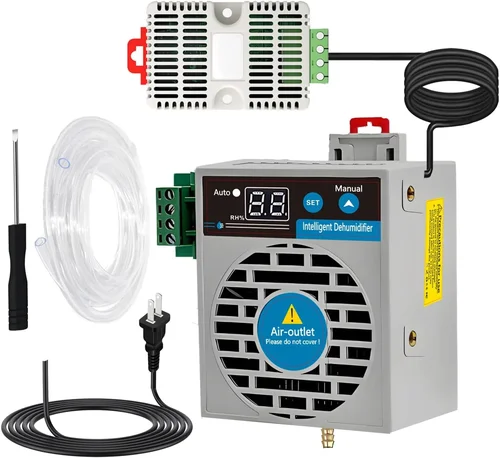
If you’re serious about indoor gardening—especially growing plants like cannabis, herbs, or vegetables in a controlled environment—you already know that humidity is one of the most critical, yet often overlooked, factors in plant health and yield. A grow tent creates a microclimate, and while that’s great for controlling light, temperature, and airflow, it can also trap moisture. Too much humidity leads to mold, mildew, root rot, and stunted growth. Too little, and your plants may dry out or fail to thrive. That’s where a dehumidifier comes in: it’s not just an accessory—it’s a necessity.
But not all dehumidifiers are created equal, especially when it comes to the unique demands of a grow tent. You’re not just looking for any dehumidifier off the shelf; you need one that’s compact, quiet, efficient, and capable of maintaining precise humidity levels in a small, enclosed space. This is where Reddit communities like r/MarijuanaGrow, r/Hydroponics, and r/IndoorGarden have become goldmines of real-world feedback. Growers share honest experiences, troubleshoot failures, and recommend gear that actually works. Drawing from hundreds of Reddit threads, product reviews, and expert grower insights, this guide compiles everything you need to make an informed decision.
By the end of this comprehensive buying guide, you’ll understand exactly what to look for in a dehumidifier for your grow tent—whether you’re running a 2×2 tent for personal use or a 5×5 setup for commercial cultivation. We’ll break down performance specs, compare types, highlight common pitfalls, and give you actionable tips to get the best value. You’ll also get our top recommendations based on real Reddit feedback and expert testing. No fluff, no sales pitch—just practical, battle-tested advice to help you protect your plants and maximize your harvest.
—
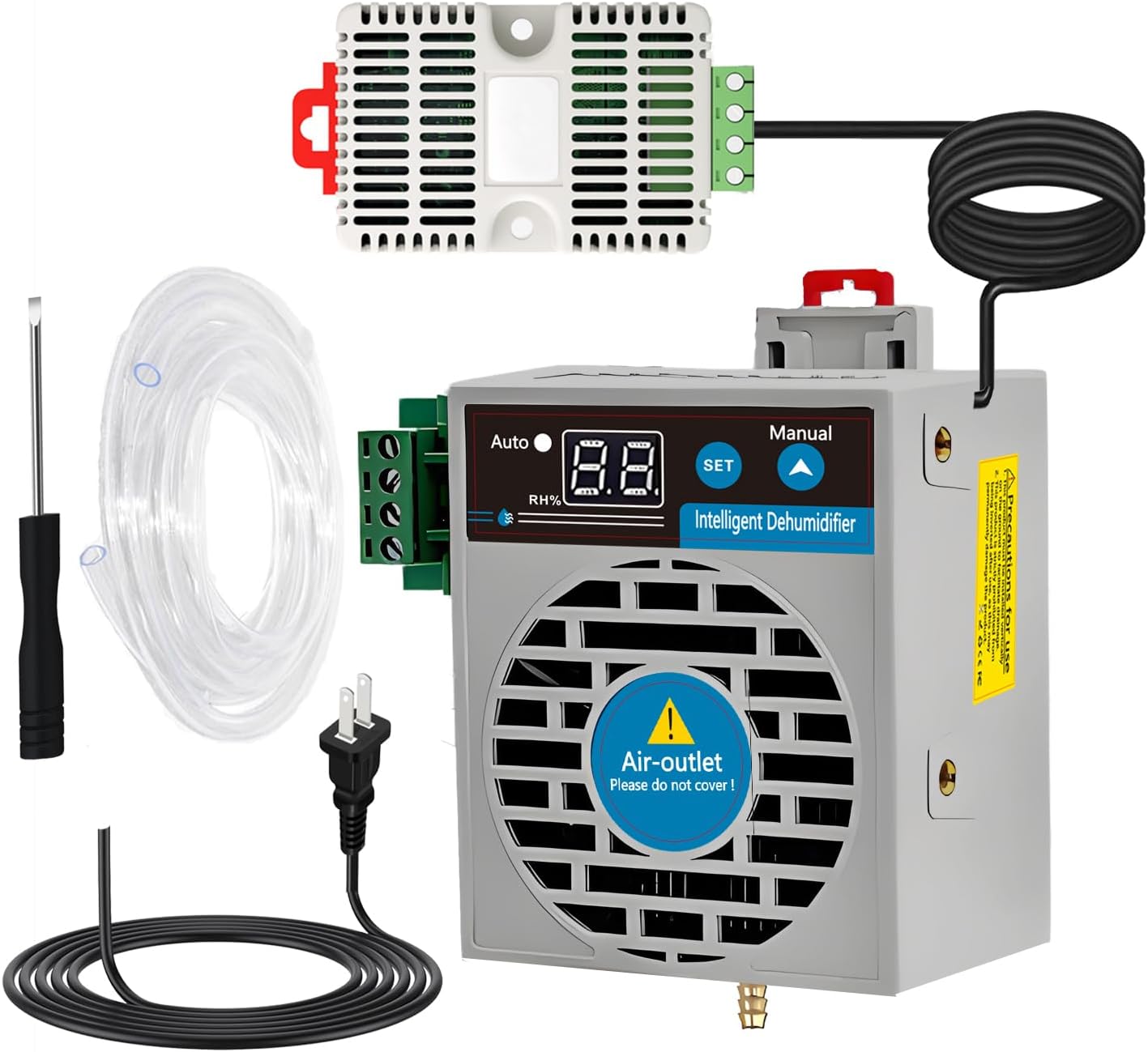
What to Look for When Buying a Dehumidifier for Grow Tent
Choosing the right dehumidifier for your grow tent isn’t as simple as picking the cheapest or most powerful model. Indoor gardening environments have unique requirements, and a poorly chosen unit can do more harm than good. To help you navigate the crowded market, we’ve identified the most critical factors to consider. These aren’t just technical specs—they’re real-world performance indicators that Reddit growers consistently emphasize in their reviews and troubleshooting threads.
1. Moisture Removal Capacity (Pints per Day)
The most important spec for any dehumidifier is its moisture removal rate, measured in pints per day (PPD). This tells you how much water the unit can extract from the air in a 24-hour period under standard conditions (usually 80°F and 60% relative humidity). For grow tents, this number needs to match your tent size, plant count, and environmental conditions.
A small 2×2 tent with a few plants might only need a unit that removes 10–15 pints per day. But a 4×4 or 5×5 tent with high-transpiration plants (like cannabis in flowering stage) can generate 20–30+ pints of moisture daily. Underestimating this need leads to chronically high humidity, even with the dehumidifier running constantly.
Reddit users frequently warn against “undersizing” your dehumidifier. One grower on r/MarijuanaGrow shared that their 20-pint unit couldn’t keep up during flowering, resulting in bud rot. They upgraded to a 30-pint model and saw immediate improvement. Always calculate your needs based on tent volume, plant stage, and ambient humidity. A good rule of thumb: aim for a dehumidifier rated for at least 1.5x your estimated moisture load.
2. Tank Size vs. Continuous Drainage
Dehumidifiers collect water in an internal tank, which must be manually emptied when full. For grow tents, this can be a major hassle—especially if your unit fills up overnight. A small 1–2 liter tank might need emptying every 6–8 hours during peak humidity, which is impractical for most growers.
That’s why Reddit users overwhelmingly prefer models with continuous drainage options. These units come with a hose attachment (usually ¼-inch or ⅜-inch) that lets you route water directly into a drain, sink, or external reservoir. This is a game-changer for long-term grows, especially in flowering when humidity control is critical.
Some models also offer auto-shutoff when the tank is full, which prevents overflow but doesn’t solve the core issue. If you can’t set up a drain line, look for a unit with a large tank (3+ liters) and a float sensor that alerts you when it’s full. But for true hands-off operation, continuous drainage is non-negotiable.
3. Noise Level (Decibel Rating)
Grow tents are often placed in bedrooms, basements, or living areas, making noise a significant concern. A loud dehumidifier can disrupt sleep, interfere with recordings, or just become an annoying background hum. Most consumer dehumidifiers range from 45 to 60 decibels (dB)—comparable to a quiet conversation or a refrigerator hum.
For grow tents, aim for units under 50 dB if possible. Reddit growers frequently mention the Frigidaire FFAD7033R1 and the hOmeLabs 50-Pint as surprisingly quiet options. Compressor-based models tend to be louder than desiccant units, but newer inverter compressors have reduced noise significantly.
If noise is a top priority, consider placing the dehumidifier outside the tent with ducting to pull humid air in and push dry air back. This setup isolates the noise but requires proper sealing and airflow management.
4. Energy Efficiency (Energy Star Rating & Wattage)
Dehumidifiers can be energy hogs, especially if they run 12–24 hours a day. High electricity usage not only increases your utility bill but can also raise the temperature inside your grow tent, affecting plant health. That’s why energy efficiency matters.
Look for models with an Energy Star certification, which indicates they meet strict efficiency guidelines set by the EPA. These units use 15–30% less energy than standard models. Also check the wattage: a 500-watt dehumidifier running 12 hours a day uses 6 kWh—costing around $1–$2 per day depending on your electricity rate.
Reddit users often compare the long-term cost of operation. One grower calculated that switching from a 700-watt to a 450-watt Energy Star model saved them over $100 per grow cycle. Over time, that adds up. Some high-efficiency models even feature variable speed compressors that adjust output based on humidity levels, further reducing energy use.
5. Humidity Control Precision (Built-in Hygrometer & Auto Mode)
Maintaining a consistent humidity level is crucial for plant development. Seedlings and clones prefer 65–70% RH, vegetative plants thrive at 40–60%, and flowering plants need 40–50% to prevent mold. A dehumidifier with a built-in hygrometer and adjustable humidistat lets you set your target humidity and automatically turns on/off to maintain it.
Cheap models often have inaccurate sensors or lack auto mode, requiring manual adjustments. This is risky—over-drying can stress plants, while under-drying invites mold. Reddit growers emphasize the importance of a reliable humidistat. The Eva-Dry EDV-1100 and the Pro Breeze Electric Mini are praised for their precise controls.
Some advanced units even connect to smart home systems or grow controllers (like the Autopilot or Pulse), allowing remote monitoring and integration with other environmental systems. While not essential for beginners, these features offer peace of mind for serious growers.
6. Size, Portability & Fit
Grow tents have limited space, and a bulky dehumidifier can crowd your setup or block airflow. Measure your available floor space and consider vertical clearance—some units are tall and narrow, while others are short and wide.
Portability is also key. Look for models with built-in handles and casters (wheels) for easy movement. Reddit users often reposition their dehumidifiers between tents or during cleaning, so mobility matters.
Weight is another factor. A 30-pint unit can weigh 30–40 pounds when empty and much more when full. If you plan to move it frequently, consider a lighter model or one with a detachable water tank.
7. Build Quality & Durability
Grow environments are harsh—high humidity, dust, and temperature fluctuations can wear down electronics quickly. A dehumidifier with a plastic exterior and flimsy internal components may fail within a year. Look for models with metal casings, sealed compressors, and corrosion-resistant coils.
Reddit users frequently report issues with budget brands like “Amazon Basics” or “Gurin” dehumidifiers failing after 6–12 months. In contrast, brands like Frigidaire, hOmeLabs, and AprilAire are praised for their longevity. Check for reinforced hoses, sturdy filters, and quality control certifications.
Also consider the filter type. Washable mesh filters are eco-friendly and cost-effective, but some models use HEPA or carbon filters that need periodic replacement. Make sure replacements are affordable and easy to find.
8. Brand Reputation & User Feedback
With so many options on the market, brand reputation and real user feedback are invaluable. Reddit is a treasure trove of honest reviews—growers share everything from setup tips to failure reports. Look for patterns: if multiple users report the same issue (e.g., “leaks after 3 months” or “humidistat is off by 10%”), it’s a red flag.
Top-rated brands in grow communities include:
– hOmeLabs: Known for quiet, efficient 50-pint models.
– Frigidaire: Reliable performance and good customer service.
– Eva-Dry: Compact, rechargeable units ideal for small tents.
– AprilAire: Professional-grade units for large setups.
Avoid no-name brands with limited reviews or vague specifications. If a product lacks detailed user feedback on Reddit or grow forums, proceed with caution.
9. Warranty & Customer Support
A dehumidifier is an investment, and you want protection if something goes wrong. Most reputable brands offer 1–2 year warranties, with some extending to 5 years on compressors. Check what’s covered: labor, parts, shipping, etc.
Reddit users often share experiences with customer service. Brands like hOmeLabs and Frigidaire are praised for responsive support and easy warranty claims. Others, especially budget brands, may delay responses or deny claims over minor issues.
Before buying, visit the manufacturer’s website and read the warranty terms. Also check if they offer phone, email, or live chat support. A good warranty and support team can save you hundreds in repair or replacement costs.
—
Different Types of Dehumidifiers for Grow Tents
Not all dehumidifiers work the same way. Understanding the different technologies helps you choose the right one for your grow tent’s size, climate, and usage pattern. Below is a comparison of the most common types used by indoor growers.
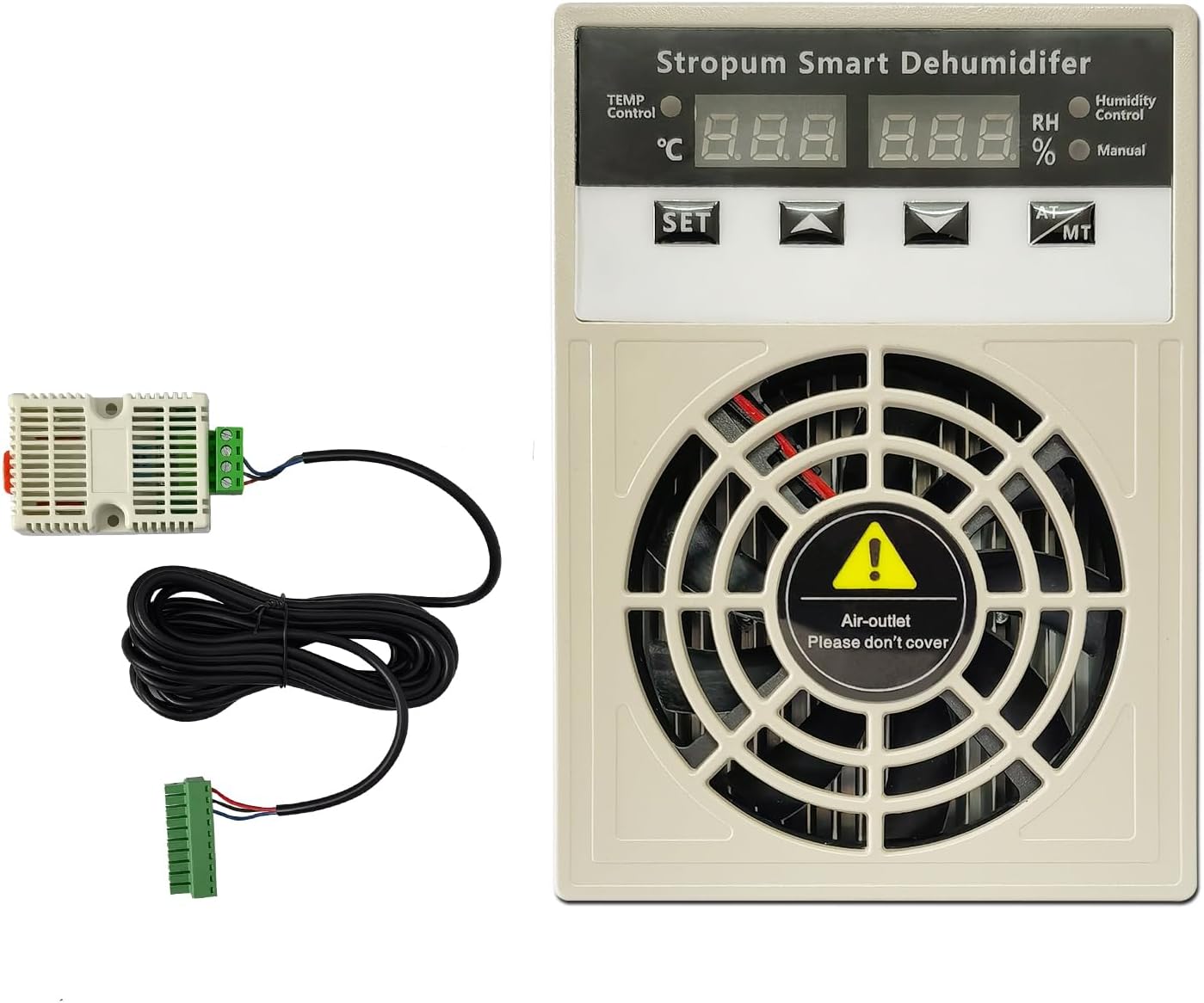
Compressor Dehumidifiers are the most common and effective for grow tents. They use a refrigeration cycle to cool air, causing moisture to condense. They’re powerful, efficient, and ideal for tents 3×3 and larger. However, they can be noisy and less effective in cold environments (below 65°F).
Desiccant Dehumidifiers use a moisture-absorbing material (like silica gel) to pull water from the air. They’re quieter and work well in cooler temps, making them great for basements or winter grows. But they’re less efficient at high humidity and often have lower capacity.
Thermo-Electric (Peltier) Units are small, silent, and energy-efficient, but have very low moisture removal rates (1–3 pints/day). Best for tiny tents or as a backup. Reddit users often use them in seedling domes or propagation trays.
Mini / Rechargeable Dehumidifiers are passive units that absorb moisture without electricity. They’re perfect for short-term use or emergencies but can’t handle active grow environments. Great for travel or as a backup during power outages.
Whole-House / Ducted Systems are overkill for most home growers but ideal for commercial operations. They integrate with HVAC systems and can control humidity across multiple rooms or tents. Expensive but unmatched in scalability.
—
Common Buying Mistakes to Avoid
Even experienced growers make mistakes when choosing a dehumidifier. Based on Reddit threads and expert feedback, here are the most common pitfalls—and how to avoid them.
❌ Mistake: Buying Based on Price Alone
Why it’s bad: The cheapest dehumidifier often lacks essential features like accurate humidity control, continuous drainage, or durability. It may fail prematurely, costing more in replacements and lost crops.
What to do instead: Focus on value, not price. A $200 unit that lasts 5 years is better than a $100 unit that fails in 6 months. Read reviews, check warranties, and prioritize features that match your needs.
❌ Mistake: Ignoring Tent Size and Plant Load
Why it’s bad: A dehumidifier too small for your tent will run constantly, overheat, and fail to control humidity. This leads to mold, pests, and poor yields.
What to do instead: Calculate your moisture load based on tent volume, plant count, and growth stage. Use online calculators or consult grower forums. When in doubt, go one size up.
❌ Mistake: Overlooking Noise Levels
Why it’s bad: A loud dehumidifier can disrupt sleep, stress plants, or make your grow space unusable. Some units exceed 60 dB—like a loud conversation.
What to do instead: Check decibel ratings and user reviews. Opt for models under 50 dB or consider placing the unit outside the tent with ducting.
❌ Mistake: Not Planning for Water Disposal
Why it’s bad: Manually emptying a tank every few hours is tedious and risky. Overflow can damage floors and create mold hazards.
What to do instead: Choose a model with continuous drainage or a large tank. Set up a drain line to a sink, floor drain, or external bucket with a pump.
❌ Mistake: Skipping the Humidistat
Why it’s bad: Without precise humidity control, you’re guessing. Over-drying stresses plants; under-drying invites mold.
What to do instead: Only buy units with a built-in hygrometer and adjustable humidistat. Calibrate it regularly with a separate hygrometer for accuracy.
❌ Mistake: Buying the Wrong Type for Your Climate
Why it’s bad: Compressor units lose efficiency in cold temps. Desiccant units struggle in high humidity. Using the wrong type leads to poor performance.
What to do instead: Match the technology to your environment. Use compressor units in warm climates, desiccant in cold basements, and Peltier for tiny, low-humidity spaces.
❌ Mistake: Ignoring Energy Efficiency
Why it’s bad: High energy use increases costs and heat output, which can raise tent temperature and stress plants.
What to do instead: Look for Energy Star ratings and low wattage. Calculate long-term operating costs. Consider smart models with variable speed compressors.
—
Budget Guidelines: How Much Should You Spend?
Dehumidifiers for grow tents range from under $50 to over $1,000. Your budget should align with your tent size, grow frequency, and long-term goals.
Entry-Level ($50–$150): Best for tiny tents (1×1 to 2×2) or as a backup. Look for mini Peltier units or small desiccant models. Expect limited capacity, no continuous drainage, and basic controls. Ideal for clones or seedlings.
Mid-Range ($150–$300): The sweet spot for most home growers. These units offer 20–50 pints/day, continuous drainage, accurate humidistats, and quiet operation. Brands like hOmeLabs and Frigidaire dominate this range. Perfect for 3×3 to 4×4 tents.
Premium ($300–$600): For serious growers with 5×5+ tents or multiple setups. Features include smart controls, high-efficiency compressors, large tanks, and robust build quality. Models like the AprilAire 1820 or EcoSeb DD122EA are top choices.
Luxury ($600+): Commercial-grade systems with ducting, remote monitoring, and integration with grow controllers. Designed for professional cultivators or large-scale home grows. Overkill for most hobbyists but unmatched in performance.
—

Expert Tips for Getting the Best Deal
1. Buy During Off-Season: Dehumidifiers are cheapest in spring and early summer (March–June) when demand is low. Avoid fall and winter sales.
2. Check Reddit for Deals: Subreddits like r/buildapcsales and r/frugalmalefashion often post dehumidifier discounts. Set up deal alerts.
3. Compare Retailers: Amazon, Home Depot, and Lowe’s often price-match. Check return policies—some stores offer 90-day returns.
4. Look for Refurbished Units: Certified refurbished models from brands like Frigidaire or hOmeLabs can save 20–30% and come with warranties.
5. Test Before Committing: Run the unit for a week. Check humidity stability, noise, and ease of use. Return if it doesn’t meet expectations.
6. Bundle with Other Gear: Some retailers offer discounts when you buy a dehumidifier with a grow tent, fan, or hygrometer.
7. Register for Warranty: Always register your product online to activate the warranty and receive support.
—
Frequently Asked Questions
Q: Can I use a regular room dehumidifier in a grow tent?
A: Yes, but only if it fits your tent size, has precise humidity control, and supports continuous drainage. Avoid oversized units—they can over-dry the air.
Q: How often should I clean my dehumidifier?
A: Clean the filter every 2–4 weeks and wipe the coils monthly. Dirty filters reduce efficiency and can harbor mold.
Q: Should I run the dehumidifier 24/7?
A: Only if humidity is consistently high. Use auto mode to maintain target levels. Running constantly wastes energy and may over-dry plants.
Q: Can a dehumidifier replace ventilation?
A: No. Dehumidifiers remove moisture but don’t exchange air. You still need intake and exhaust fans for CO2 and temperature control.
Q: What’s the ideal humidity for flowering plants?
A: 40–50% RH. Higher levels increase mold risk, especially in dense buds.
Q: Do I need a dehumidifier in a dry climate?
A: Possibly. Indoor environments with AC or heating can still have high relative humidity. Monitor with a hygrometer.
Q: Can I duct a dehumidifier into my tent?
A: Yes. Use flexible ducting to connect the intake and outlet, ensuring proper airflow and sealing.
Q: How do I know if my dehumidifier is working?
A: Check the water tank or drain output. Use a separate hygrometer to verify humidity levels.
—
Our Final Recommendations
Best for Budget-Conscious Buyers: Eva-Dry EDV-1100 – Compact, quiet, and reliable for small tents. No drainage needed; rechargeable.
Best Overall Value: hOmeLabs 50-Pint Dehumidifier – Excellent performance, quiet, Energy Star rated, and praised on Reddit.
Best Premium Option: AprilAire 1820 – Professional-grade, ductable, and built to last. Ideal for large or multiple tents.
Best for Beginners: Frigidaire FFAD5033R1 – Easy to use, accurate humidistat, and great customer support.
Best for Advanced Users: EcoSeb DD122EA Desiccant Dehumidifier – Works in cold temps, silent, and highly efficient for controlled environments.
—
Conclusion: Making the Right Choice
Choosing the best dehumidifier for your grow tent is about more than specs—it’s about protecting your plants, saving time, and maximizing yield. From moisture removal capacity to noise levels, every factor plays a role in your grow’s success. By prioritizing your tent size, growth stage, and environmental conditions, you can avoid common mistakes and invest in a unit that delivers consistent performance.
Reddit’s grower community offers invaluable insights, but your final decision should be based on your unique setup. Don’t rush—compare models, read reviews, and consider long-term costs. A quality dehumidifier is not an expense; it’s an investment in healthier plants and bigger harvests.
Take action today: measure your tent, calculate your needs, and choose a dehumidifier that fits your budget and goals. Your plants will thank you.