
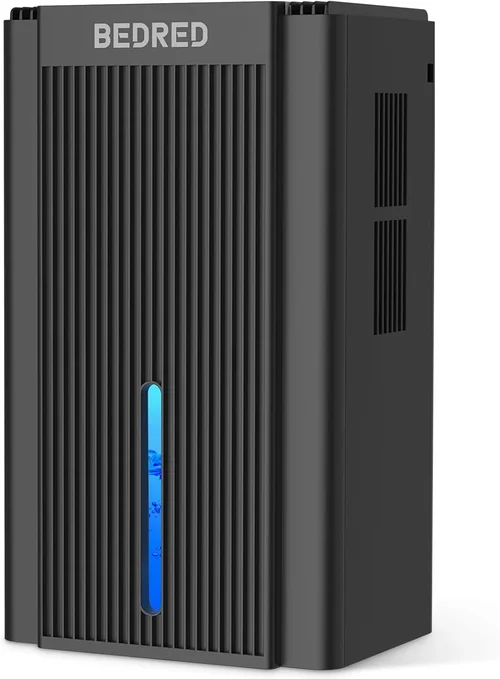
Growing cannabis indoors is both an art and a science—one where environmental control can make or break your harvest. Among the most critical factors in a successful grow operation is humidity management. Too much moisture in the air creates the perfect breeding ground for mold, mildew, and bud rot—devastating threats that can destroy weeks of careful cultivation in just a few days. Conversely, air that’s too dry can stress plants, stunt growth, and reduce resin production. This is where a high-quality dehumidifier becomes not just helpful, but essential.
That’s why choosing the right dehumidifier for growing weed isn’t just about convenience—it’s about protecting your investment, ensuring plant health, and maximizing yield and potency. With so many models on the market ranging from basic household units to industrial-grade systems, it’s easy to feel overwhelmed. Some are too weak for a full grow tent, others are overkill for a small closet setup, and many lack the precision or durability needed for long-term cannabis cultivation. This comprehensive buying guide cuts through the noise to help you make an informed decision based on your specific needs, space, and budget.
In this guide, you’ll learn everything you need to know to select the best dehumidifier for your cannabis grow. We’ll break down the key performance specs that matter most—like pint capacity, energy efficiency, and humidity control accuracy—and explain how they apply directly to indoor growing environments. You’ll discover the differences between refrigerant (compressor) and desiccant dehumidifiers, understand why build quality and noise levels are crucial in stealth grows, and get expert-backed tips on avoiding common pitfalls. Whether you’re running a 2×2 tent in your basement or managing a multi-light commercial operation, this guide will equip you with the knowledge to choose a dehumidifier that supports healthy, resilient plants from seedling to harvest.

What to Look for When Buying Buying Guide
1. Pint Capacity & Room Size Compatibility
The pint capacity of a dehumidifier refers to how many pints of moisture it can remove from the air in a 24-hour period under standard testing conditions (typically 80°F and 60% relative humidity). For cannabis growers, this number isn’t just a spec—it’s a lifeline. During flowering, mature plants can transpire several gallons of water per day, especially under high-intensity lighting. If your dehumidifier can’t keep up, humidity spikes become inevitable.
To match capacity to your space, start by calculating your grow area’s square footage and volume. A general rule of thumb: for a 4×4 grow tent (16 sq ft), a 30–50-pint unit is usually sufficient during veg, but you’ll likely need 50–70 pints during heavy flowering. Larger setups—like a 5×5 or room-based grow—may require 70+ pint models or even multiple units. Always size up slightly; it’s better to have excess capacity than to run your unit at 100% continuously, which reduces lifespan and increases wear.
2. Humidity Control Precision & Auto Settings
Cannabis plants thrive within specific humidity ranges depending on their growth stage: 60–70% during seedling/clone phase, 40–60% in vegetative growth, and 40–50% (or lower) during flowering to prevent mold. A dehumidifier with precise humidity control—ideally with a built-in hygrometer and adjustable setpoints—is non-negotiable.
Look for models offering digital humidity displays and the ability to set exact target levels (e.g., 45% RH). Units with auto-restart after power outages and continuous drainage options add reliability, especially if you’re away from your grow for extended periods. Avoid basic “on/off” models without feedback loops—they tend to overshoot or undershoot, creating unstable conditions that stress plants.
3. Energy Efficiency & Operating Costs
Dehumidifiers are among the most energy-intensive pieces of equipment in a grow room, second only to lights. Running a large unit 24/7 can significantly impact your electricity bill—especially in commercial or large-scale operations. Energy efficiency is measured in liters per kilowatt-hour (L/kWh) or pints per kWh. The higher the number, the more moisture removed per unit of electricity.
ENERGY STAR-certified models are a smart starting point, but don’t stop there. Check the wattage rating and estimate monthly usage: a 500-watt unit running 12 hours/day uses ~180 kWh/month. At $0.15/kWh, that’s $27/month—and that’s before factoring in seasonal humidity changes. Inefficient units not only cost more but also generate excess heat, which can raise ambient temperatures and require additional cooling.
4. Build Quality, Durability & Corrosion Resistance
Grow rooms are harsh environments: high humidity, fluctuating temperatures, and exposure to organic compounds from soil and plant matter can degrade inferior materials quickly. A dehumidifier built with cheap plastic or non-coated components will corrode, leak, or fail prematurely.
Prioritize models with rust-resistant coils, sealed compressors, and sturdy casings—often found in commercial or “grow-specific” units. Look for powder-coated metal housings over thin plastic. Internal components like fan motors and circuit boards should be protected from moisture ingress. Units designed for crawl spaces or basements often offer better durability than standard home dehumidifiers, even if they’re not marketed as “for grows.”
5. Noise Level & Stealth Operation
If you’re growing in a residential setting—especially in apartments, basements, or shared living spaces—noise matters. Compressor-based dehumidifiers can produce 50–65 decibels (dB), comparable to a quiet conversation or moderate rainfall. While not deafening, this constant hum can be noticeable in quiet environments and may raise suspicion.
Desiccant dehumidifiers tend to be quieter (often under 50 dB) but are less efficient for large spaces. Some premium models feature “night mode” or variable fan speeds to reduce noise during low-humidity periods. For stealth grows, consider placing the unit in a separate enclosure with sound-dampening material or routing hoses to vent moisture outside the grow space while keeping the noisy components isolated.
6. Drainage Options & Maintenance Requirements
Manual emptying of a water bucket every day is tedious and risky—if you forget, the unit shuts off and humidity spikes. Opt for models with continuous gravity drainage (via hose) or built-in condensate pumps. Gravity drainage requires a slight downward slope to a floor drain or sump, while pump-assisted units can push water vertically up to 15 feet, offering greater placement flexibility.
Also consider filter accessibility and cleaning frequency. Washable air filters prevent dust and plant debris from clogging coils, but they must be cleaned regularly. Some units include filter change indicators. Avoid models with hard-to-reach internal components—maintenance should be straightforward, not a disassembly project.
7. Brand Reputation & Grower Community Feedback
Not all dehumidifier brands are created equal when it comes to cannabis cultivation. Some manufacturers understand the unique demands of grow rooms; others treat them like any other damp basement. Research brands with strong reputations among growers—Frigidaire, hOmeLabs, Ivation, and AlorAir are frequently recommended in forums like GrowWeedEasy, Reddit’s r/MarijuanaGrow, and ILGM communities.
Look beyond marketing claims. Read real user reviews focusing on performance in high-moisture scenarios, longevity, and customer service responsiveness. A brand that offers responsive technical support and honors warranties without hassle is worth paying a premium for—especially when your crop depends on it.
8. Warranty & Customer Support
A dehumidifier is a long-term investment. A solid warranty—typically 1–2 years for residential units, up to 5 years for commercial-grade models—reflects manufacturer confidence in durability. Pay attention to what’s covered: compressor failure, leaks, electrical issues, and labor costs.
Equally important is customer support quality. Can you easily reach a technician? Are replacement parts readily available? Some brands offer extended warranties or service plans specifically for growers. Avoid obscure brands with no U.S.-based support—if something breaks mid-flowering, you don’t want to wait weeks for a repair.
Different Types of Buying Guide

Common Buying Mistakes to Avoid
❌ Mistake: Buying Based Solely on Pint Rating
Why it’s bad: Pint ratings are tested under ideal lab conditions—not real-world grow rooms with hot lights, frequent watering, and dense plant canopies. A “50-pint” unit may only deliver 30–35 pints in practice, leading to chronic high humidity.
What to do instead: Use pint capacity as a starting point, but factor in your actual moisture load. Add 20–30% to the manufacturer’s rating when sizing for a grow. Consult grower forums for real performance data.
❌ Mistake: Ignoring Continuous Drainage Needs
Why it’s bad: Manual bucket emptying is unreliable. If you’re away for a weekend and the bucket fills, your dehumidifier stops working—and your plants are at risk of mold within hours.
What to do instead: Always choose a model with a continuous drain hose option. Even if you don’t use it immediately, having the capability adds peace of mind and scalability.
❌ Mistake: Overlooking Noise in Residential Settings
Why it’s bad: A loud dehumidifier can draw attention in apartments or shared homes, increasing the risk of discovery. It can also disrupt sleep if placed near bedrooms.
What to do instead: Check decibel ratings and consider sound-dampening enclosures or remote ducting. Desiccant models or units with “quiet mode” are better for stealth.
❌ Mistake: Choosing the Cheapest Option Available
Why it’s bad: Budget dehumidifiers often use flimsy materials, lack precise controls, and fail within a year. Replacing a failed unit mid-grow is costly and stressful.
What to do instead: Invest in a mid-range or premium model with proven reliability. Think of it as crop insurance—the cost of one ruined harvest far exceeds the price difference.
❌ Mistake: Not Matching Dehumidifier to Growth Stage
Why it’s bad: Using a weak unit during flowering—when humidity demands peak—is a recipe for disaster. Conversely, oversized units can over-dry plants in early veg.
What to do instead: Plan for your highest moisture load (usually late flowering). Consider a modular approach: use a smaller unit for clones/veg, then add a larger one for flower.
❌ Mistake: Neglecting Airflow and Placement
Why it’s bad: A dehumidifier works best when air circulates freely around it. Placing it in a corner or blocking vents reduces efficiency and creates dead zones with stagnant, humid air.
What to do instead: Position the unit centrally with 6–12 inches of clearance on all sides. Use oscillating fans to distribute dehumidified air evenly throughout the canopy.
❌ Mistake: Assuming All ENERGY STAR Models Are Grow-Ready
Why it’s bad: ENERGY STAR certification focuses on home basement efficiency, not high-moisture agricultural environments. Some efficient units lack the robustness or capacity needed for grows.
What to do instead: Cross-reference ENERGY STAR listings with grower reviews. Prioritize models known to perform well under continuous, heavy-duty use.
Budget Guidelines: How Much Should You Spend?
Entry-Level ($100 – $250): These are basic compressor or mini desiccant units suitable only for very small grows (1–2 plants in a 2×2 tent) or supplemental use. Expect limited capacity (15–30 pints), manual drainage, and minimal humidity control. Ideal for beginners testing the waters, but not recommended for serious cultivation.
Mid-Range ($250 – $500): This is the sweet spot for most home growers. Models in this range offer 30–70 pint capacities, digital hygrometers, continuous drainage, and decent build quality. Brands like hOmeLabs, Ivation, and Frigidaire dominate here. You’ll get reliable performance for 4×4 tents and small rooms with room to grow.
Premium ($500 – $1,000): For advanced growers and larger operations, premium units deliver 70+ pint capacity, commercial-grade components, ultra-precise humidity control (±2% RH), and advanced features like remote monitoring or app connectivity. These are built to run 24/7 without failure and often include corrosion-resistant coatings and quiet operation modes.
Luxury ($1,000+): Reserved for professional cultivators or serious enthusiasts, luxury dehumidifiers are essentially mini HVAC systems. They offer ducting capabilities, condensate pumps, multi-stage filtration, and integration with environmental controllers. While overkill for most home grows, they provide unmatched reliability and automation for high-stakes operations.

Expert Tips for Getting the Best Deal
– Buy off-season: Dehumidifier prices drop significantly in winter and early spring (January–March) when demand is low. Stock up before the summer humidity surge.
– Check refurbished or open-box deals: Reputable retailers like Amazon Renewed or Home Depot offer certified refurbished units at 20–40% off with full warranties.
– Bundle with other grow gear: Some hydroponic stores offer discounts when purchasing dehumidifiers alongside tents, lights, or nutrients.
– Read the fine print on warranties: Ensure the warranty covers commercial or “non-residential” use if you’re growing more than a few plants—some void coverage for agricultural applications.
– Test before committing: If possible, run the unit for 48 hours in your grow space and monitor humidity stability with a separate hygrometer. Return if it can’t maintain setpoints.
– Consider total cost of ownership: Factor in electricity usage over 6–12 months. A $100 cheaper unit that uses 20% more power could cost you $50+ extra in energy annually.
– Join grower communities: Forums often share exclusive discount codes or alert members to flash sales on trusted brands.
– Don’t forget installation costs: If you need to run drain lines or electrical circuits, budget for professional help—especially in older homes.
Frequently Asked Questions
Q: Can I use a regular home dehumidifier for growing weed?
A: Yes—but with caveats. Many home dehumidifiers work fine for small grows, but they may lack the durability, precision, or capacity needed for larger or professional setups. Prioritize models with continuous drainage, accurate hygrometers, and robust construction. Avoid ultra-cheap units with plastic internals.
Q: How many pints do I need for a 4×4 grow tent?
A: During vegetative growth, a 30–50 pint unit is usually sufficient. However, during flowering—especially with 4–6 mature plants under 600W+ lighting—you’ll likely need 50–70 pints. Always monitor with a hygrometer and adjust as needed.
Q: Should I run my dehumidifier 24/7?
A: Ideally, yes—especially during flowering. Most models are designed for continuous operation. Use a humidistat to automate cycling based on actual humidity levels, which saves energy and reduces wear.
Q: Will a dehumidifier cool my grow room?
A: No—in fact, most compressor dehumidifiers emit heat as a byproduct. This can raise ambient temperatures by 2–5°F. Account for this when planning your cooling strategy, especially in sealed tents.
Q: Can I duct a dehumidifier into my grow tent?
A: Yes, many models support ducting via inlet/outlet ports. This allows you to place the noisy unit outside the tent while pulling humid air in and exhausting dry air back. Ensure proper sealing to avoid leaks.
Q: What’s the ideal humidity for flowering cannabis?
A: Start at 50–60% RH early in flower, then gradually reduce to 40–45% by week 6–7. In the final 1–2 weeks, some growers drop to 35–40% to enhance trichome production—but go slowly to avoid stressing plants.
Q: How often should I clean my dehumidifier?
A: Clean the air filter every 2–4 weeks and wipe down the water bucket (if used) weekly. Deep-clean coils and internal components every 3–6 months, especially in dusty or high-pollen environments.
Q: Are desiccant dehumidifiers better for stealth grows?
A: They’re quieter and work well in cold spaces, but they’re less efficient for large moisture loads. Best for small, low-light grows or as supplements to compressor units.
Q: Can I use a dehumidifier with a humidifier together?
A: Yes—this is called “humidity balancing” and is common in precision grows. Use a controller that manages both devices to maintain exact RH levels, especially during clone or seedling stages.
Q: What happens if my dehumidifier fails during flowering?
A: Act fast. Increase ventilation, run fans directly on buds, and remove excess foliage to improve airflow. If humidity stays above 60% for more than 24–48 hours, inspect for mold daily. Have a backup plan—like a portable unit or emergency drainage setup.
Our Final Recommendations
Best for Budget-Conscious Buyers: hOmeLabs 30 Pint Dehumidifier – Reliable performance for small tents, includes continuous drain, and priced under $200. Great entry point for beginners.
Best Overall Value: Ivation 50 Pint Energy Star Dehumidifier – Excellent balance of capacity, efficiency, and features like auto-defrost and washable filter. Handles 4×4 tents with ease.
Best Premium Option: AlorAir Sentinel HD55 – Commercial-grade build, 55-pint capacity, corrosion-resistant, and whisper-quiet. Perfect for serious growers who demand reliability.
Best for Beginners: Frigidaire FFAD5033W1 – User-friendly interface, accurate humidity control, and strong brand support. Easy to set up and maintain.
Best for Advanced Users: Dri-Eaz F413 Revolution – Industrial power (70+ pints), ductable, pump-assisted drainage, and built for 24/7 operation. Ideal for large rooms or commercial setups.
Conclusion: Making the Right Choice
Choosing the best dehumidifier for growing weed isn’t just about buying a appliance—it’s about safeguarding your plants, optimizing your environment, and ensuring a successful harvest. From pint capacity and humidity precision to noise levels and drainage options, every detail matters in the delicate ecosystem of an indoor grow. By understanding your specific needs—whether you’re nurturing two plants in a closet or managing a multi-light operation—you can select a unit that delivers consistent, reliable performance without breaking the bank.
Remember, the cheapest option isn’t always the most cost-effective in the long run. Invest in quality, prioritize features that match your grow style, and don’t overlook real-world feedback from fellow cultivators. With the right dehumidifier, you’ll create a stable, mold-free environment where your cannabis can thrive from seed to smoke.
Now that you’re equipped with expert knowledge, take action. Assess your space, define your budget, and choose a dehumidifier that supports your vision—not just today, but for many grows to come. Your plants (and your future self) will thank you.