
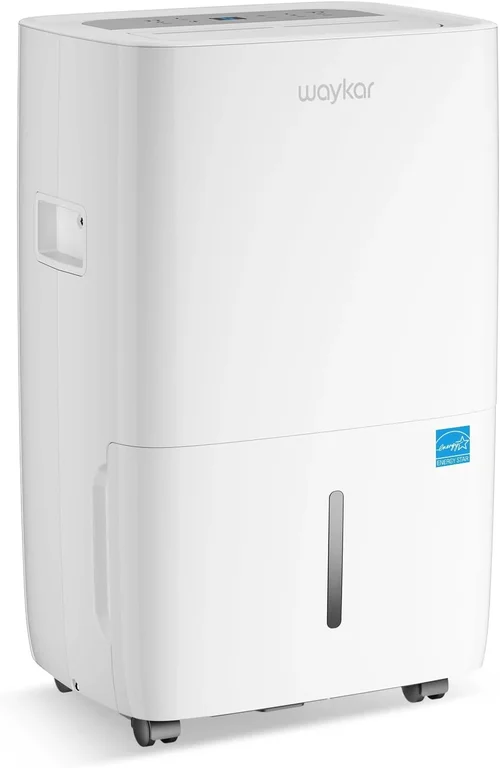
If you’ve ever walked into your basement and been greeted by that unmistakable musty smell—like damp socks and forgotten cardboard boxes—you already know the problem. High humidity in large basements isn’t just unpleasant; it’s a silent destroyer. Over time, excess moisture can warp wood, corrode metal, promote mold growth, and even compromise your home’s structural integrity. Worse yet, it creates an ideal environment for allergens like dust mites and mold spores, which can trigger respiratory issues and allergies. That’s why investing in a high-quality dehumidifier isn’t a luxury—it’s a necessity for maintaining a healthy, comfortable, and durable living space.
But not all dehumidifiers are created equal, especially when it comes to large basements. A small, underpowered unit might work fine for a cramped closet or a tiny bathroom, but it will struggle—or fail outright—in a sprawling, unfinished basement that spans 1,500 square feet or more. The market today is flooded with options ranging from basic models under $100 to smart, industrial-grade units costing over $500. With so many choices, it’s easy to feel overwhelmed. That’s exactly why this guide exists: to cut through the noise, clarify the key factors that matter most, and help you make a confident, informed decision.
In the following sections, we’ll walk you through everything you need to know before buying a dehumidifier for a large basement. You’ll learn how to evaluate performance specs like pint capacity and energy efficiency, understand the importance of build quality and smart features, and avoid common pitfalls that lead to buyer’s remorse. We’ll also break down different types of dehumidifiers, compare price tiers, and share expert tips to help you get the best value. Whether you’re dealing with chronic dampness, seasonal humidity spikes, or just want peace of mind knowing your basement is protected, this guide will equip you with the knowledge to choose the right unit—and use it effectively for years to come.

What to Look for When Buying Buying Guide
1. Pint Capacity and Coverage Area
When shopping for a dehumidifier for a large basement, the first thing to consider is its pint capacity—the amount of moisture it can remove from the air in 24 hours. This number is usually measured in pints per day (PPD) and directly correlates with the size of the space it can effectively treat. For basements over 1,500 square feet, you’ll typically need a unit rated for at least 50–70 pints per day. However, don’t just rely on square footage alone. Factors like insulation quality, ventilation, water intrusion (e.g., from leaks or flooding), and local climate all influence how much moisture is present.
For example, a basement in humid Florida with poor drainage may require a 70-pint unit even if it’s only 1,200 square feet, while a well-sealed basement in dry Arizona might get by with a 50-pint model at 2,000 square feet. Always check the manufacturer’s recommended coverage area, but also look for real-world reviews that mention performance in similar conditions. Some brands overstate their capacity, so cross-referencing user feedback is essential. Additionally, if your basement has standing water or frequent damp patches, consider a unit with a built-in pump or continuous drainage option—this allows the dehumidifier to run unattended for days without needing manual emptying.
2. Energy Efficiency and Operating Costs
Dehumidifiers, especially large-capacity models, can consume a significant amount of electricity. Running one 24/7 in a big basement might add $20–$50 or more to your monthly utility bill, depending on local rates and the unit’s efficiency. That’s why Energy Star certification matters. Units with this label meet strict guidelines set by the U.S. Environmental Protection Agency and typically use 15–30% less energy than standard models. Look for the Energy Guide label, which shows estimated annual operating costs.
Beyond certification, pay attention to the unit’s wattage and amperage. A 70-pint dehumidifier might draw anywhere from 500 to 800 watts. Lower wattage generally means lower operating costs, but balance this with performance—don’t sacrifice effectiveness just to save a few cents per day. Also, consider units with variable speed compressors or smart humidity sensors that adjust output based on actual conditions. These features prevent the dehumidifier from running unnecessarily when humidity levels are already low, further reducing energy use.
3. Drainage Options and Maintenance Requirements
Emptying a water bucket every few hours is not only annoying—it’s impractical for a large basement where you might not check the unit daily. Most mid- to high-end dehumidifiers come with a gravity drain hose connection, allowing you to route water directly into a floor drain, sump pump, or utility sink. This is a game-changer for convenience and reliability. If your basement has a floor drain, this should be your go-to setup.
For basements without easy drainage access, look for models with built-in condensate pumps. These pumps can push water upward (often up to 15 feet) and horizontally (up to 50 feet), giving you flexibility in placement. Some premium units even include auto-restart functions that resume operation after a power outage, ensuring continuous protection. Maintenance-wise, check how easy it is to clean the air filter—most should be removable and washable. A clogged filter reduces efficiency and can cause the unit to overheat. Also, inspect the coil design: units with protective coatings resist corrosion better in damp environments, extending lifespan.
4. Noise Level and Placement Flexibility
Basements are often used as home gyms, workshops, or even living spaces, so noise matters. Dehumidifiers produce sound from their compressors and fans, typically ranging from 45 to 65 decibels (dB). To put that in perspective, 45 dB is like a quiet library, while 65 dB resembles normal conversation. If you plan to spend time near the unit, aim for models under 55 dB. Many manufacturers list noise levels in product specs, but real-world performance can vary—check user reviews for feedback on actual sound output.
Placement is another consideration. Large dehumidifiers can weigh 30–50 pounds and take up considerable floor space. Look for models with recessed handles, smooth-rolling casters, or even built-in carrying grips. Some units are designed to fit under workbenches or in corners, maximizing utility without obstructing movement. Also, consider airflow: ensure there’s at least 6–12 inches of clearance around the unit for proper ventilation. Blocking airflow forces the dehumidifier to work harder, reducing efficiency and potentially causing overheating.
5. Smart Features and Automation
Modern dehumidifiers are increasingly equipped with smart technology that enhances usability and efficiency. Features like programmable timers, humidity level presets (e.g., 40%, 50%, 60%), and digital displays make it easy to maintain optimal conditions without constant monitoring. Some models offer Wi-Fi connectivity, allowing you to control settings via smartphone apps, receive alerts when the bucket is full, or integrate with smart home systems like Alexa or Google Home.
While these features add convenience, they’re not essential for everyone. If you prefer simplicity, a basic mechanical humidistat and manual controls may suffice. However, for large basements where consistent humidity control is critical, automation can prevent mold growth during vacations or power outages. Just be aware that smart features often come at a premium—expect to pay $50–$150 more for Wi-Fi-enabled models. Also, ensure the app is reliable and doesn’t require constant updates or subscriptions.
6. Build Quality and Durability
A dehumidifier for a large basement is a long-term investment, so durability matters. Look for units with robust construction: thick plastic housings, reinforced seams, and metal components in high-stress areas (like compressor mounts). Avoid flimsy designs that feel lightweight or creak when moved. Internal components should also be well-protected—especially the evaporator and condenser coils, which are prone to corrosion in humid environments.
Check if the unit has anti-corrosion coatings or rust-resistant finishes, particularly if your basement is prone to moisture or flooding. Some premium models use epoxy-coated coils or stainless steel panels for added protection. Additionally, examine the warranty: a longer coverage period (3–5 years) often indicates confidence in build quality. Brands like Frigidaire, Honeywell, and AprilAire are known for reliable, long-lasting units, while lesser-known brands may cut corners on materials to reduce costs.
7. Brand Reputation and Customer Support
Not all dehumidifier brands are equal when it comes to reliability and service. Established names like GE, Danby, LG, and Santa Fe have decades of experience and strong customer support networks. They often provide detailed user manuals, accessible replacement parts, and responsive technical assistance. In contrast, budget brands or off-label imports may offer tempting prices but lack reliable service channels.
Before buying, research the brand’s reputation on trusted review sites like Consumer Reports, Wirecutter, or Amazon. Pay attention to comments about longevity, repair frequency, and how quickly customer service resolves issues. Also, check if the company offers extended warranties or service plans. A reputable brand might cost more upfront but can save you hundreds in repairs or replacements down the line.
8. Warranty and Return Policy
A solid warranty is a strong indicator of a manufacturer’s confidence in their product. For large dehumidifiers, look for at least a 1-year limited warranty, with 2–3 years being ideal. Some premium models offer 5-year coverage on the compressor, which is the most critical—and expensive—component. Read the fine print: many warranties exclude damage from improper installation, lack of maintenance, or commercial use.
Also, review the return policy of the retailer. Most reputable sellers (like Home Depot, Lowe’s, or Amazon) allow returns within 30–90 days, but some charge restocking fees or require original packaging. If you’re unsure about fit or performance, buy from a store with a generous return window. This gives you time to test the unit in your basement and ensure it meets your needs before committing.
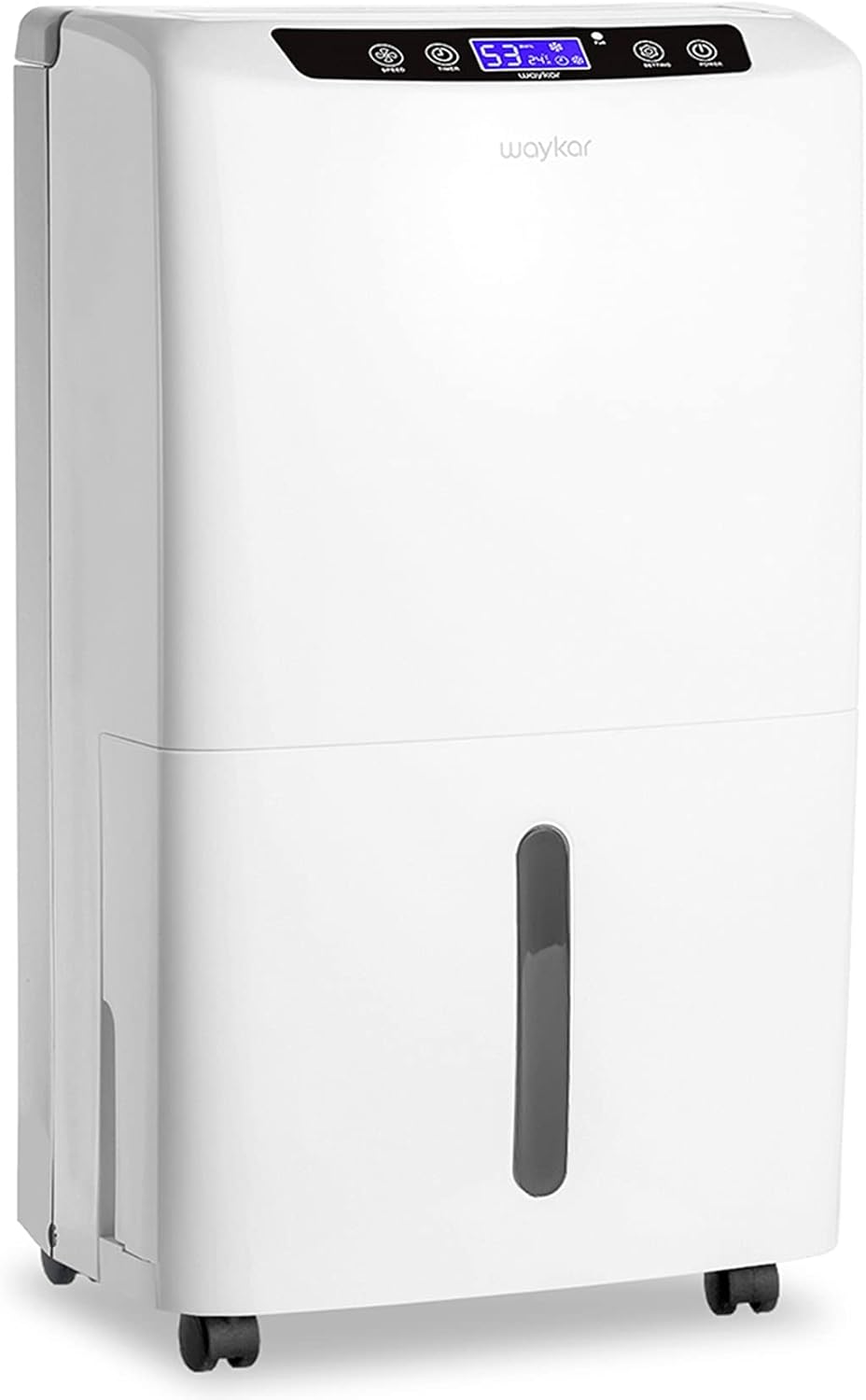
Different Types of Buying Guide
Common Buying Mistakes to Avoid
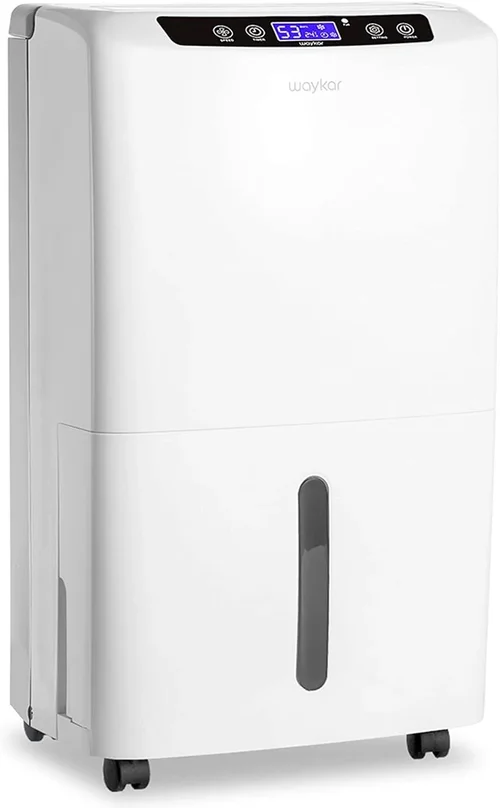
❌ Mistake: Choosing Based Solely on Price
Why it’s bad: The cheapest dehumidifier often lacks the capacity, durability, or features needed for a large basement. A $120 unit might claim to handle 2,000 square feet, but in reality, it struggles to keep up, runs constantly, and burns out within a year. This leads to higher long-term costs due to replacement, increased energy bills, and potential mold damage.
What to do instead: Focus on value, not just upfront cost. Invest in a mid-range or premium model with proven performance, Energy Star certification, and a solid warranty. Think of it as protecting your home’s foundation—skimping here can cost far more down the line.
❌ Mistake: Ignoring Drainage Needs
Why it’s bad: If your dehumidifier fills its bucket every 6–8 hours and you’re not home to empty it, the unit will shut off, humidity will rise, and mold can begin to grow. This defeats the entire purpose of having a dehumidifier.
What to do instead: Always plan for continuous drainage. Use a gravity hose to a floor drain or install a condensate pump if needed. Choose a model with an auto-shutoff feature and full-bucket alert to prevent overflow.
❌ Mistake: Overlooking Noise Levels
Why it’s bad: A loud dehumidifier can disrupt activities in adjacent rooms or make your basement unusable as a living space. Constant humming or rattling can become a source of frustration.
What to do instead: Check decibel ratings and read user reviews about noise. Opt for units with quiet-operation modes or place the dehumidifier in a corner away from high-traffic areas.
❌ Mistake: Buying Without Measuring Humidity
Why it’s bad: Guessing humidity levels leads to under- or over-purchasing. Too little capacity won’t solve the problem; too much wastes energy and money.
What to do instead: Use a hygrometer (often built into smart dehumidifiers) to measure basement humidity. Ideal levels are 30–50%. Adjust your target based on readings and seasonal changes.
❌ Mistake: Neglecting Maintenance
Why it’s bad: A dirty filter or clogged coils reduce efficiency, increase energy use, and can cause the unit to overheat or fail prematurely.
What to do instead: Clean the air filter monthly and inspect coils annually. Follow the manufacturer’s maintenance schedule to extend lifespan and maintain performance.
❌ Mistake: Assuming All Brands Are Equal
Why it’s bad: Lesser-known brands may use inferior components, lack customer support, or disappear after a year, leaving you stranded with a broken unit.
What to do instead: Stick with reputable brands that offer strong warranties and accessible service. Research before buying—your basement deserves reliability.
❌ Mistake: Not Considering Seasonal Use
Why it’s bad: Humidity levels fluctuate with the seasons. A unit that works perfectly in summer may be overkill—or underperform—in winter.
What to do instead: Choose a dehumidifier with adjustable settings or a model designed for year-round use. Desiccant units are better for cold basements in winter.
Budget Guidelines: How Much Should You Spend?
Entry-Level ($100–$200): These units are best for small spaces or occasional use. They typically have 30–50 pint capacity, basic controls, and limited drainage options. While affordable, they often lack durability, smart features, and energy efficiency. Suitable for mild humidity issues or temporary solutions, but not recommended for large, chronically damp basements.
Mid-Range ($200–$400): This is the sweet spot for most homeowners. Models in this range offer 50–70 pint capacity, Energy Star ratings, continuous drainage, and reliable build quality. Brands like Frigidaire, Honeywell, and GE dominate this tier. You’ll get solid performance, decent warranties, and features like digital displays and timers—ideal for large basements with moderate to high humidity.
Premium ($400–$700): Designed for demanding environments, these dehumidifiers boast 70+ pint capacity, advanced humidity sensors, Wi-Fi connectivity, and robust construction. They often include condensate pumps, anti-corrosion coatings, and quiet operation. Perfect for large, unfinished basements, flood-prone areas, or users who want minimal maintenance and maximum automation.
Luxury ($700+): At this level, you’re looking at whole-house systems, industrial-grade units, or smart dehumidifiers with app integration, voice control, and energy monitoring. These are overkill for most residential basements but may be justified for large homes, rental properties, or commercial use. Expect professional installation, extended warranties, and top-tier performance.
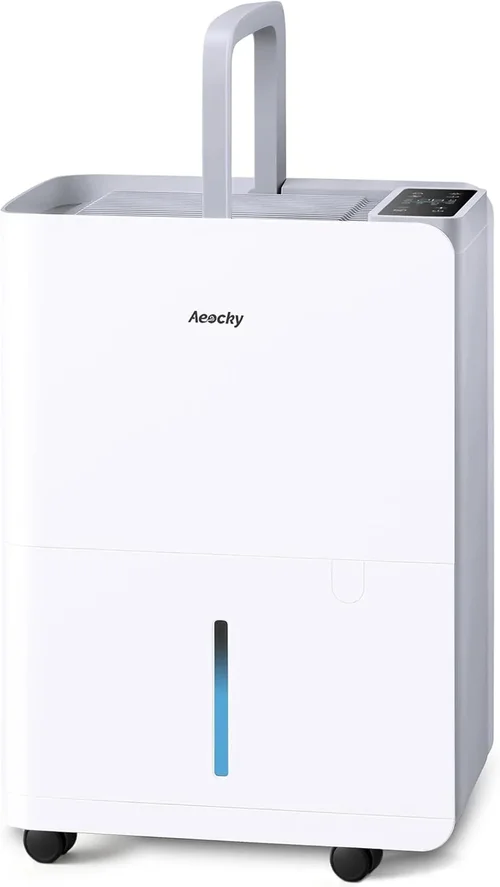
Expert Tips for Getting the Best Deal
– Buy in Spring or Fall: Retailers often discount dehumidifiers during seasonal transitions. Spring sales prepare for summer humidity, while fall promotions clear out inventory before winter. Avoid summer peak demand when prices are highest.
– Shop Online for Better Selection: Websites like Amazon, Home Depot, and Lowe’s offer wider inventories, detailed specs, and user reviews. You can compare models side-by-side and often find exclusive online deals.
– Check for Rebates and Incentives: Some utility companies offer rebates for Energy Star appliances. Visit your provider’s website or check DSIRE (Database of State Incentives for Renewables & Efficiency) for local programs.
– Read the Fine Print on Warranties: Ensure the warranty covers both parts and labor, and understand what voids it (e.g., improper installation). Consider purchasing an extended warranty if the manufacturer offers one.
– Test Before Committing: If possible, buy from a retailer with a generous return policy. Run the unit for a week and monitor humidity levels, noise, and drainage. If it’s not performing as expected, return it.
– Bundle with Other Purchases: Some stores offer discounts when you buy multiple items (e.g., dehumidifier + air purifier). This can save 10–15% on your total.
– Look for Refurbished or Open-Box Deals: Certified refurbished units from reputable sellers often come with warranties and can cost 20–30% less than new models.
– Negotiate with Local HVAC Dealers: For whole-house systems, local installers may offer competitive pricing or package deals. Get multiple quotes to compare.

Frequently Asked Questions
Q: How do I know if my basement needs a dehumidifier?
A: Signs include musty odors, condensation on walls or windows, peeling paint, warped wood, or visible mold. Use a hygrometer to measure humidity—if it’s consistently above 60%, a dehumidifier is strongly recommended.
Q: Can I use a dehumidifier in winter?
A: Yes, but compressor models become less efficient below 60°F. For cold basements, choose a desiccant dehumidifier, which works well in low temperatures and is quieter.
Q: How often should I clean my dehumidifier?
A: Clean the air filter every 2–4 weeks during heavy use. Wipe down the exterior and check the water bucket for mold or residue monthly. Deep-clean coils annually.
Q: Should I run my dehumidifier continuously?
A: Not necessarily. Use a humidistat to set your desired humidity level (ideally 40–50%). The unit will cycle on and off as needed, saving energy and reducing wear.
Q: Can a dehumidifier help with allergies?
A: Absolutely. By reducing moisture, it inhibits mold, dust mites, and mildew—common allergens. Pair it with an air purifier for maximum relief.
Q: What’s the difference between a 50-pint and 70-pint dehumidifier?
A: A 70-pint model removes 40% more moisture per day. For large or very damp basements, the higher capacity ensures faster drying and better humidity control.
Q: Do I need a permit to install a whole-house dehumidifier?
A: Typically no, but check local building codes. If ductwork modification is involved, a licensed HVAC technician should handle the installation.
Q: Can I place my dehumidifier near a wall?
A: Leave at least 6–12 inches of clearance on all sides for proper airflow. Blocking vents reduces efficiency and can cause overheating.
Q: How long do dehumidifiers last?
A: With proper maintenance, most units last 5–10 years. Compressor lifespan is the limiting factor—premium models with better components tend to last longer.
Q: Is it safe to leave a dehumidifier on when I’m away?
A: Yes, as long as it has auto-shutoff, overflow protection, and continuous drainage. Smart models with alerts add an extra layer of safety.
Our Final Recommendations
Best for Budget-Conscious Buyers: Frigidaire FFAD7033R1 – A reliable 70-pint Energy Star unit with continuous drainage, digital controls, and a 2-year warranty. Priced around $350, it offers excellent value without sacrificing performance.
Best Overall Value: Honeywell TP70WKN – This 70-pint smart dehumidifier features Wi-Fi connectivity, a built-in pump, and quiet operation. At $450, it balances advanced features with durability and efficiency.
Best Premium Option: AprilAire E130 – A whole-house dehumidifier designed for large homes. It integrates with HVAC systems, removes up to 130 pints per day, and comes with a 5-year warranty. Ideal for serious moisture control.
Best for Beginners: GE APER70LW – Simple controls, clear display, and easy setup make this 70-pint model perfect for first-time buyers. Includes a washable filter and auto-defrost for cold basements.
Best for Advanced Users: Santa Fe Ultra70 – A high-performance, energy-efficient unit with a condensate pump, remote monitoring, and rugged construction. Built for demanding environments and long-term reliability.
Conclusion: Making the Right Choice
Choosing the right dehumidifier for your large basement is about more than just removing moisture—it’s about protecting your home, your health, and your peace of mind. By focusing on key factors like capacity, efficiency, drainage, and build quality, you can avoid common pitfalls and select a unit that performs reliably for years. Remember, the cheapest option isn’t always the best, and features like smart controls or continuous drainage can make a world of difference in daily use.
Take the time to assess your basement’s unique needs: measure humidity, evaluate drainage options, and consider how you’ll use the space. Whether you opt for a mid-range workhorse or a premium smart system, prioritize durability and performance over flashy extras. And don’t forget maintenance—keeping your dehumidifier clean and well-cared for ensures it continues to protect your home effectively.
Ultimately, the right dehumidifier is the one that fits your space, your budget, and your lifestyle. Use this guide as your roadmap, compare your options carefully, and invest wisely. Your basement—and your entire home—will thank you.