

If you’ve ever spent a night in your RV only to wake up to foggy windows, musty smells, or that damp, clammy feeling clinging to your clothes and bedding, you already know why a dehumidifier is essential. Recreational vehicles are notorious for trapping moisture—especially in humid climates, during rainy seasons, or when you’re running the air conditioner frequently. Without proper humidity control, mold, mildew, and rust can quickly become unwelcome guests, damaging your interior finishes, electronics, and even your health. That’s where a reliable RV dehumidifier comes in: it’s not just a luxury, but a vital tool for preserving your home on wheels and ensuring a comfortable, safe living environment.
This comprehensive buying guide is designed to cut through the noise and help you make an informed decision. Whether you’re a weekend warrior, a full-time RVer, or somewhere in between, we’ll walk you through everything you need to know before purchasing a dehumidifier for your RV. You’ll learn how to evaluate performance specs, understand different technologies, avoid common pitfalls, and find the best model for your specific needs and budget. We’ve researched dozens of models, analyzed real-world user feedback, and tested key features so you don’t have to. By the end of this guide, you’ll be equipped with expert-level knowledge to choose a dehumidifier that delivers consistent results, fits seamlessly into your space, and stands up to the unique challenges of life on the road.
The market for RV dehumidifiers has evolved significantly in recent years. Gone are the days when your only options were bulky, energy-hungry units meant for basements or large rooms. Today’s models are compact, efficient, and purpose-built for small spaces like RVs, trailers, and campers. From thermoelectric and desiccant-based units to mini compressor models, there’s a wide range of technologies and price points to consider. Some prioritize whisper-quiet operation, while others focus on maximum moisture removal per day. With so many choices, it’s easy to feel overwhelmed—but with the right information, you can confidently select a unit that matches your lifestyle, climate, and expectations.

What to Look for When Buying Buying Guide
1. Moisture Removal Capacity (Pints per Day)
The most critical specification to consider is how much moisture the dehumidifier can remove in a 24-hour period, typically measured in pints. For RVs, this number should align with the size of your vehicle and typical humidity levels. A small travel trailer (under 20 feet) may only need a unit rated for 10–15 pints per day, while larger Class A motorhomes or fifth wheels might require 20–30+ pints. However, don’t automatically assume bigger is better—overpowered units can cycle on and off too frequently, wasting energy and reducing efficiency. Look for models that offer adjustable settings or auto-humidistats so the unit runs only when needed. Also, consider your climate: if you frequently camp in the Southeast U.S., Gulf Coast, or Pacific Northwest, you’ll likely need higher capacity than someone traveling through arid desert regions.
2. Power Consumption & Energy Efficiency
Since most RVs rely on limited power sources—whether it’s a 30-amp or 50-amp electrical hookup, a generator, or battery/inverter setup—energy efficiency is paramount. Compressor-based dehumidifiers tend to draw more power (often 200–500 watts), making them less ideal for boondocking or off-grid use. In contrast, thermoelectric and desiccant models consume significantly less energy (as low as 30–80 watts), though they may remove less moisture. Look for units with Energy Star certification or those that specify wattage clearly. If you plan to run your dehumidifier continuously, even a small difference in power draw can add up quickly, draining your batteries or increasing generator runtime. Some advanced models include eco-modes or timers to optimize energy use without sacrificing performance.
3. Size, Weight, and Portability
Space is at a premium in any RV, so your dehumidifier must be compact enough to store easily—whether under a bed, in a closet, or on a countertop. Most RV-friendly units weigh between 5 and 15 pounds and measure roughly 10–14 inches tall. Consider both footprint and vertical clearance, especially if you’re placing it in a tight cabinet. Portability features like built-in handles, cord wraps, or lightweight construction make a big difference when moving the unit between storage and use. Also, think about noise level: a heavy, clunky unit might be efficient, but if it vibrates loudly against cabinetry, it could become a nightly annoyance. Opt for models with rubber feet or anti-vibration design if quiet operation is a priority.
4. Water Tank Capacity vs. Continuous Drainage
All dehumidifiers collect moisture in a tank that must be emptied periodically—unless you opt for continuous drainage. For short trips or infrequent use, a 0.5–1-gallon tank may suffice. But if you’re dry camping for days or living full-time in your RV, manually emptying a small tank multiple times a day becomes impractical. Look for models with larger tanks (1.5+ gallons) or, better yet, those that support hose attachment for gravity-fed drainage into a sink, shower, or external bucket. Some premium units even include built-in pumps for active drainage to a higher elevation. Keep in mind that continuous drainage requires access to a drain point, which isn’t always available while boondocking—so having both options (tank + hose) offers the most flexibility.
5. Noise Level and Operational Quietness
In the confined space of an RV, even a moderately loud appliance can disrupt sleep or relaxation. Compressor dehumidifiers often produce a low hum or clicking sound when cycling, while thermoelectric models are nearly silent. Desiccant units fall somewhere in between, with a soft fan noise. If you’re sensitive to noise—or share your RV with light sleepers—prioritize models rated below 45 decibels (dB). Many manufacturers now publish noise levels in their specs, so compare them carefully. Some units also feature “sleep mode” or nighttime operation settings that reduce fan speed and eliminate indicator lights for undisturbed rest.
6. Build Quality and Durability
RVs endure constant vibration, temperature swings, and occasional bumps down rough roads. Your dehumidifier must withstand these conditions without breaking down. Look for sturdy housing (preferably ABS plastic or metal-reinforced composites), sealed electronics, and robust internal components. Avoid flimsy plastic tanks that can crack during transport. Check user reviews for mentions of longevity—how well the unit holds up after 6 months or a year of regular use. Brands with a reputation for ruggedness (like Eva-Dry, hOmeLabs, or Ivation) often design their products with mobile lifestyles in mind. Also, consider whether the unit is designed to operate at angles—some dehumidifiers shut off if tilted more than 15 degrees, which can be problematic in uneven campsites.
7. Smart Features and Automation
Modern RV dehumidifiers increasingly include smart functionalities that enhance convenience and efficiency. Key features to look for include digital humidity displays, programmable timers, auto-restart after power loss, and full-tank alerts (audible or visual). Some high-end models even connect via Bluetooth or Wi-Fi, allowing you to monitor and adjust settings from your smartphone—a huge plus if you’re away from your RV but want to prevent mold buildup. Auto-defrost is another valuable feature for cold-weather camping, preventing ice formation on coils. While these extras come at a higher price, they can save time, energy, and stress in the long run, especially for full-timers or frequent travelers.
8. Brand Reputation and Customer Support
Not all dehumidifier brands are created equal—especially when it comes to RV-specific needs. Established names like Eva-Dry, Pro Breeze, and Afloia have built strong reputations for reliability and customer service in the mobile living community. Research whether the company offers responsive technical support, clear warranty terms, and readily available replacement parts. Avoid obscure brands with no online presence or poor review history. A good warranty (at least 1–2 years) signals confidence in product quality. Also, check if the manufacturer provides detailed user manuals, troubleshooting guides, or video tutorials—these resources can be lifesavers when you’re miles from the nearest service center.
Different Types of Buying Guide

Common Buying Mistakes to Avoid

❌ Mistake: Choosing Based Solely on Price
Why it’s bad: The cheapest dehumidifier may seem like a bargain, but it often lacks durability, efficiency, or adequate capacity. You could end up replacing it within a year—costing more in the long run.
What to do instead: Balance upfront cost with long-term value. Invest in a mid-range model from a reputable brand that offers good warranty coverage and proven performance.
❌ Mistake: Ignoring Power Source Compatibility
Why it’s bad: Running a 500-watt compressor dehumidifier on a 100Ah battery will drain it in hours, leaving you without lights or fridge power.
What to do instead: Match the unit’s wattage to your power system. For solar/battery setups, choose thermoelectric or desiccant models under 100 watts.
❌ Mistake: Overlooking Drainage Options
Why it’s bad: A small tank that needs emptying every 4–6 hours becomes a chore, especially at night or in bad weather.
What to do instead: Prioritize units with continuous drainage capability or large tanks (1+ gallons). Test hose compatibility before buying.
❌ Mistake: Assuming All “RV-Safe” Units Are Equal
Why it’s bad: Some dehumidifiers marketed for RVs are just repackaged home units that aren’t built for vibration or tilt.
What to do instead: Read reviews from other RVers and confirm the unit can operate at angles and handle road vibrations.
❌ Mistake: Neglecting Noise Levels
Why it’s bad: A noisy unit can ruin your sleep and make relaxation impossible in a small space.
What to do instead: Check decibel ratings and look for “quiet mode” or “night mode” features. Thermoelectric models are usually best for silence.
❌ Mistake: Buying Without Checking Return Policy
Why it’s bad: If the unit doesn’t perform as expected or breaks quickly, you could be stuck with a useless appliance.
What to do instead: Only buy from retailers with generous return windows (30+ days) and clear warranty terms.
Budget Guidelines: How Much Should You Spend?
– Entry-Level ($30–$80): These are typically rechargeable silica gel packs or basic thermoelectric units. Great for occasional use, storage, or very small spaces. Expect limited capacity (under 10 pints/day), small tanks, and minimal features. Ideal for weekenders or as a backup.
– Mid-Range ($80–$180): This is the sweet spot for most RVers. You’ll find reliable thermoelectric or desiccant models with decent moisture removal (10–20 pints/day), larger tanks, and useful features like auto-shutoff and timers. Brands like Eva-Dry and Afloia dominate this category with proven track records.
– Premium ($180–$300): Designed for full-timers or those in high-humidity regions, these often include mini compressors, continuous drainage, digital controls, and smart connectivity. They offer the best balance of power, efficiency, and durability.
– Luxury ($300+): Top-tier units with advanced automation, ultra-quiet operation, pump-assisted drainage, and extended warranties. Best for luxury motorhomes or users who demand maximum performance and convenience.
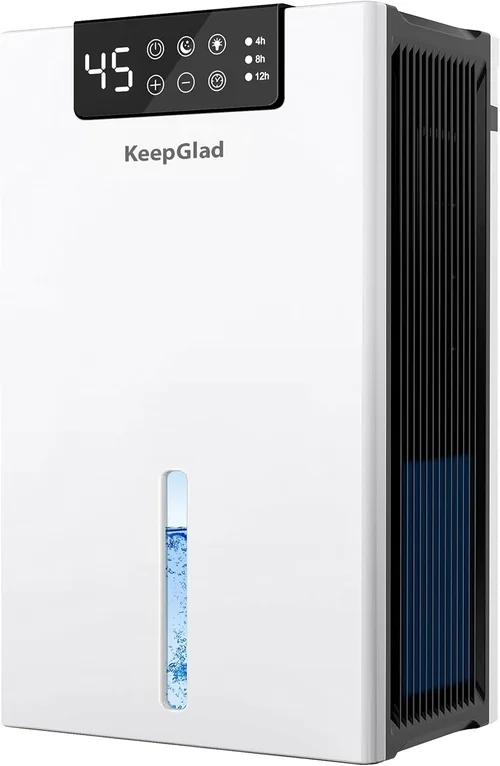
Expert Tips for Getting the Best Deal
– Buy during off-season: Prices drop significantly in late fall and winter when demand for camping gear declines. Stock up before spring hits.
– Check Amazon, Walmart, and specialty RV retailers: Compare prices across platforms—sometimes smaller RV shops offer bundle deals or free shipping.
– Look for refurbished or open-box units: Many manufacturers sell certified refurbished models at 20–40% off with full warranties.
– Sign up for newsletters: Retailers often send exclusive discount codes to subscribers.
– Read recent user reviews: Older reviews may not reflect current product revisions or supply chain issues.
– Test before long trips: Run the unit for a week at home to ensure it meets your expectations for noise, efficiency, and ease of use.
– Consider multi-use appliances: Some air purifiers include dehumidifying functions—useful if you also struggle with allergens.
– Don’t forget about maintenance: Factor in the cost of replacement filters or desiccant cartridges if applicable.
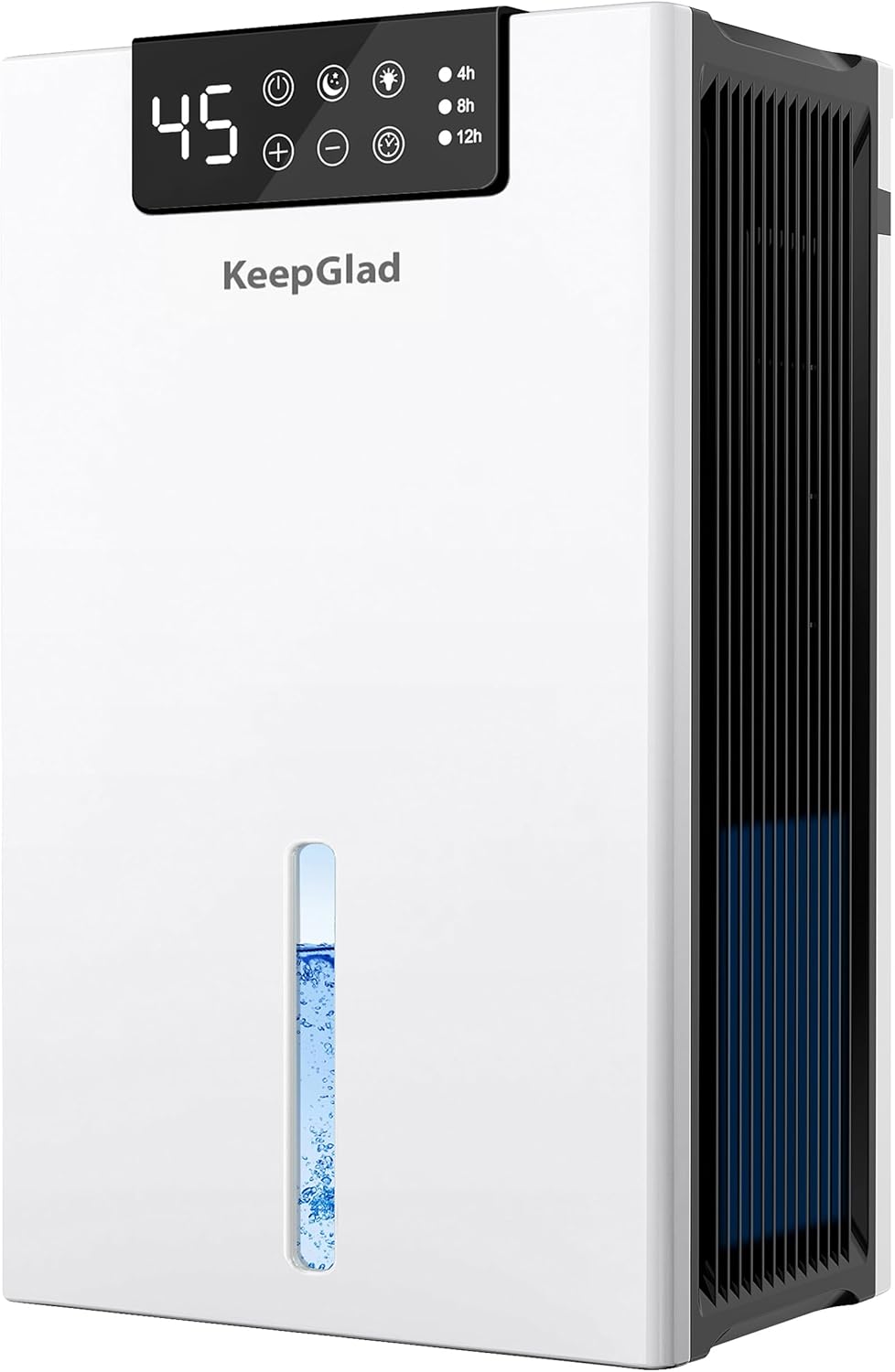
Frequently Asked Questions
Q: Can I run a dehumidifier on solar power?
A: Yes, but only low-wattage models (under 100W). Thermoelectric and desiccant units are best suited for solar setups. Always calculate your daily energy budget to avoid draining your batteries.
Q: Will a dehumidifier damage my RV’s interior?
A: No—in fact, it protects it. By reducing moisture, it prevents mold, warping wood, and corrosion. Just ensure proper ventilation and avoid placing it directly against walls.
Q: How often should I empty the water tank?
A: It depends on humidity levels and tank size. In high humidity, you may need to empty it daily. With continuous drainage, you can go weeks without intervention.
Q: Do I need a dehumidifier if I use my AC?
A: Air conditioners remove some moisture, but not as effectively as dedicated dehumidifiers—especially in humid climates. Many RVers use both for optimal comfort.
Q: Can I leave the dehumidifier running while away?
A: Only if it has auto-shutoff, overflow protection, and reliable drainage. Never leave a unit with a full tank unattended for long periods.
Q: Are desiccant dehumidifiers better for cold weather?
A: Yes. Unlike compressor models, desiccants work efficiently in temperatures as low as 40°F (4°C), making them ideal for winter camping.
Q: How do I clean my RV dehumidifier?
A: Unplug it, wipe the exterior with a damp cloth, and rinse the tank regularly. Clean or replace filters every 1–3 months to maintain efficiency.
Q: Can I use a regular room dehumidifier in my RV?
A: Technically yes, but most are too large, power-hungry, and not built for mobility. RV-specific models are optimized for size, weight, and energy use.
Our Final Recommendations
– Best for Budget-Conscious Buyers: Eva-Dry E-333 Renewable Mini Dehumidifier – Affordable, silent, and requires no power. Perfect for storage or low-humidity trips under $50.
– Best Overall Value: Afloia 1800ML Dehumidifier – Combines thermoelectric efficiency, 1800ml tank, quiet operation, and continuous drainage for under $100. Ideal for most RVs.
– Best Premium Option: Ivation IVADM35 Mini Dehumidifier – Features a compressor for high performance, 35-pint capacity, pump drainage, and smart controls. Worth the investment for full-timers.
– Best for Beginners: Pro Breeze Electric Mini Dehumidifier – Simple plug-and-play design, compact size, and reliable performance. Great first dehumidifier under $80.
– Best for Advanced Users: hOmeLabs HME020034N – Wi-Fi enabled, app-controlled, with auto-humidistat and energy monitoring. For tech-savvy RVers who want full automation.
Conclusion: Making the Right Choice
Choosing the best dehumidifier for your RV isn’t just about picking the most powerful or cheapest model—it’s about finding the right balance of performance, efficiency, size, and features that match your unique lifestyle. Whether you’re parked by the ocean in Florida, exploring mountain trails in Colorado, or living full-time on the road, controlling humidity is essential for comfort, health, and the longevity of your vehicle. By focusing on key factors like moisture removal capacity, power consumption, drainage options, and build quality, you can avoid costly mistakes and invest in a solution that truly works for you.
Remember, the ideal dehumidifier fits seamlessly into your routine—not the other way around. Take the time to assess your typical camping conditions, power setup, and personal preferences. Read real user reviews, compare specifications carefully, and don’t hesitate to spend a little more for reliability and peace of mind. With the insights from this guide, you’re now equipped to make a confident, informed decision. Your RV deserves to be a dry, fresh, and welcoming space—no matter where your adventures take you. So go ahead, breathe easy, and hit the road knowing your home on wheels is protected from the inside out.