

Basements are notorious for excess moisture. Whether it’s the damp chill that clings to your clothes, the musty smell that lingers in the air, or the visible mold creeping along the walls, uncontrolled humidity can turn your basement from a functional space into a problem zone. This isn’t just about comfort; it’s about health and home integrity. High humidity levels can trigger allergies, damage stored belongings, and even compromise the structural soundness of your foundation over time. That’s why investing in a reliable dehumidifier isn’t a luxury—it’s a necessity for any homeowner serious about maintaining a healthy, dry, and usable basement.
This comprehensive buying guide is designed to cut through the noise and help you make an informed decision. With dozens of models flooding the market, each boasting different capacities, features, and price points, choosing the right dehumidifier can feel overwhelming. Our goal is to equip you with expert-level knowledge so you can confidently select a unit that matches your specific needs, space, and budget. We’ll walk you through every critical factor—from performance specs and build quality to smart features and long-term reliability—so you don’t end up with an underpowered machine or an overpriced gadget that fails within a year.
The dehumidifier market has evolved significantly in recent years. Today’s models are smarter, more energy-efficient, and better suited to the unique challenges of basement environments than ever before. From compact units ideal for small storage areas to heavy-duty commercial-grade machines capable of handling large, unfinished spaces, there’s a solution for nearly every scenario. In this guide, we’ll explore the top contenders, compare different types, highlight common pitfalls, and provide actionable advice to ensure you get the best value for your investment. Whether you’re dealing with seasonal dampness or year-round humidity, this guide will help you reclaim your basement.
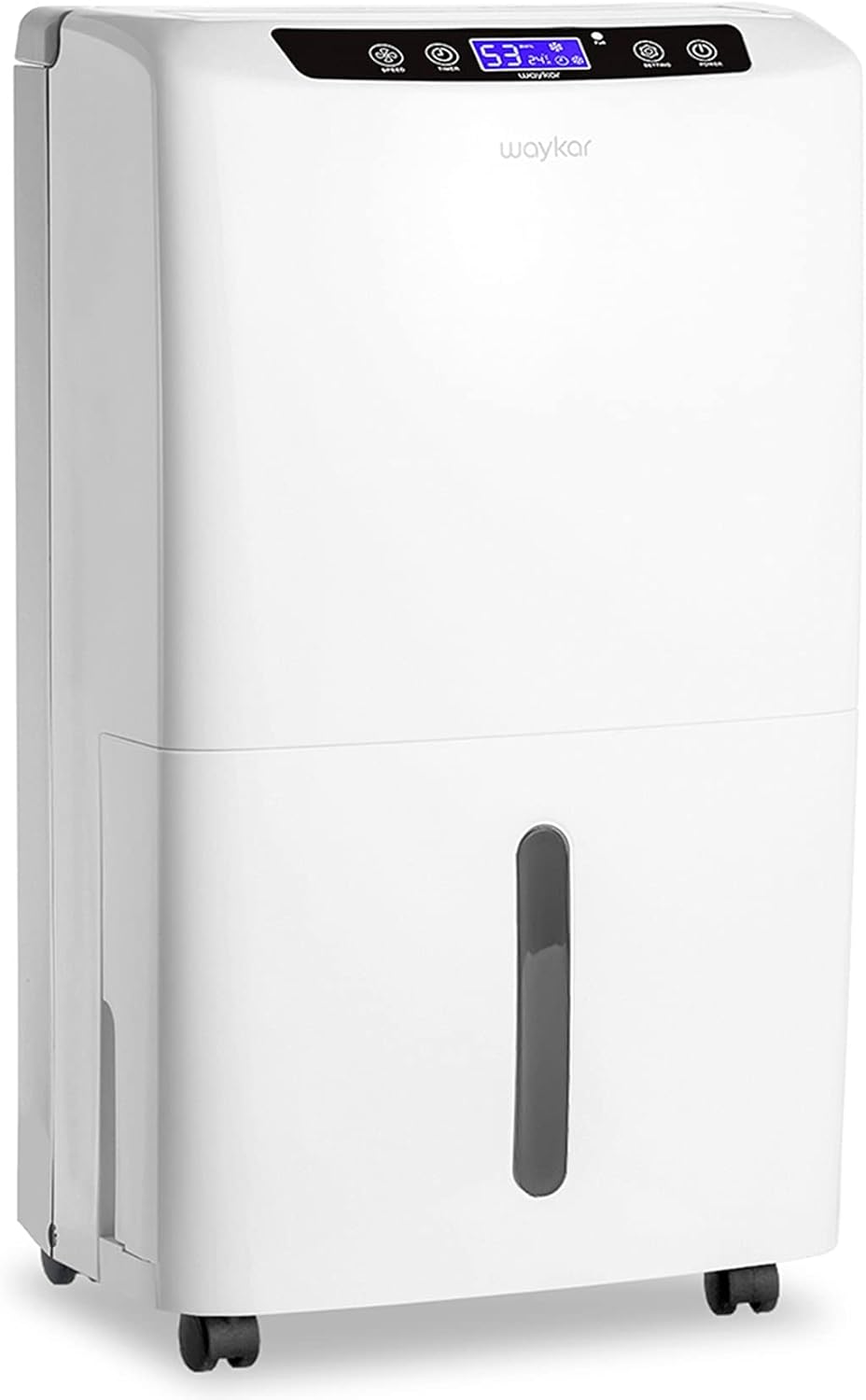
What to Look for When Buying Buying Guide
1. Capacity & Moisture Removal Rate
The most critical specification when selecting a basement dehumidifier is its capacity, measured in pints per day (PPD). This tells you how much moisture the unit can extract from the air in a 24-hour period under standard testing conditions (typically 80°F and 60% relative humidity). For basements, which often experience higher humidity levels due to poor ventilation and ground moisture, you’ll generally need a unit rated between 50 and 70 PPD. Smaller basements (under 1,000 sq. ft.) may get by with a 50-pint model, while larger or particularly damp spaces may require 70 pints or more.
It’s important not to confuse advertised capacity with real-world performance. Many manufacturers list “maximum” or “boost” capacities that only apply under ideal lab conditions. Always look for the AHAM-certified rating, which provides a standardized benchmark. Additionally, consider the humidity level in your basement. If it frequently exceeds 70% RH, opt for a higher-capacity unit or one with adjustable humidity controls to prevent overworking the compressor.
2. Energy Efficiency & Operating Costs
Dehumidifiers run for extended periods, especially in humid climates or during rainy seasons, so energy efficiency directly impacts your utility bills. Look for models with the ENERGY STAR certification, which indicates they meet strict efficiency guidelines set by the U.S. Environmental Protection Agency. ENERGY STAR-certified dehumidifiers use 15–30% less energy than standard models, saving you money over time.
Check the unit’s Energy Factor (EF), measured in liters of water removed per kilowatt-hour (L/kWh). A higher EF means better efficiency. For example, a model with an EF of 1.8 is more efficient than one with 1.3. Also, consider units with variable-speed compressors or auto-defrost features, which reduce energy consumption in colder basement environments. While upfront cost matters, don’t overlook long-term operating expenses—a slightly pricier but highly efficient model can pay for itself in energy savings within a few years.
3. Drainage Options & Maintenance
One of the biggest hassles with dehumidifiers is emptying the water tank. Most units come with a built-in bucket that needs manual emptying every 12–24 hours, depending on humidity levels. For basements, where access may be limited or inconvenient, this can become a chore. That’s why drainage options are crucial.
Look for models with continuous drainage capability via a built-in pump or gravity-fed hose outlet. A built-in condensate pump allows you to send water vertically (up to 15 feet) and horizontally (up to 20 feet), making it ideal for basements with floor drains or sump pits. Gravity drainage requires a downward slope but is simpler and doesn’t rely on electricity. Some premium models even feature auto-restart after power outages and full-tank alerts to prevent overflow. Regular maintenance—like cleaning the air filter and coil—is also essential to maintain performance and prevent mold growth inside the unit.
4. Humidity Control & Smart Features
Precise humidity control is key to maintaining a healthy basement environment. Ideal indoor humidity levels range from 30% to 50%. Too low, and you risk dry air and static; too high, and mold thrives. Look for dehumidifiers with digital hygrometers and adjustable humidity settings (often in 5% increments). Auto-humidistats allow the unit to cycle on and off automatically to maintain your desired level, saving energy and reducing wear.
Modern units increasingly offer smart features like Wi-Fi connectivity, mobile app control, and integration with home automation systems (e.g., Alexa or Google Home). These allow you to monitor humidity levels remotely, receive alerts, and adjust settings from your phone. While not essential, smart capabilities add convenience, especially if you’re away from home frequently. Some models also include timers, sleep modes, and fan-only operation for added flexibility.
5. Build Quality & Durability
Basements are harsh environments—cool, damp, and often dusty. A dehumidifier must be built to withstand these conditions. Look for units with sturdy, rust-resistant casings (powder-coated steel or high-impact plastic), sealed components, and corrosion-resistant coils. Cheaper models may use thin plastic that cracks or warps over time, leading to leaks or mechanical failure.
Pay attention to the compressor type. Rotary compressors are quieter and more durable than piston-style ones, making them better suited for continuous basement operation. Also, check the quality of internal wiring and seals—poor construction can lead to refrigerant leaks or electrical issues. Reading user reviews about long-term reliability can reveal hidden flaws not apparent in product descriptions.
6. Noise Level & Placement Flexibility
While basements are often used for storage or utilities, many homeowners convert them into living spaces—home gyms, offices, or family rooms. In such cases, noise becomes a significant factor. Dehumidifiers produce sound from fans and compressors, typically ranging from 45 to 65 decibels (dB). For context, 50 dB is similar to a quiet conversation, while 65 dB resembles normal office noise.
If your basement doubles as a living area, aim for a unit under 55 dB. Look for models with “quiet mode” or variable fan speeds that reduce noise during low-humidity periods. Placement also matters—units with front or top air discharge allow for flexible positioning against walls or in corners. Avoid placing the dehumidifier directly on concrete floors without insulation pads, as vibration can increase noise and wear.
7. Warranty & Customer Support
A dehumidifier is a long-term investment, so warranty coverage matters. Most reputable brands offer at least a one-year limited warranty, but premium models often include extended coverage—up to three years on parts and labor, and sometimes five years on the compressor. A longer warranty usually reflects confidence in the product’s durability.
Research the brand’s customer service reputation. Are they responsive? Do they offer easy replacement parts? Check forums and review sites for complaints about denied claims or slow repairs. Brands like Frigidaire, hOmeLabs, and AprilAire are known for strong support networks. Avoid no-name brands with vague warranty terms or no U.S.-based service centers.
8. Size, Weight & Portability
Even though basements are typically spacious, dehumidifiers can be bulky. Consider the unit’s dimensions and weight, especially if you plan to move it between floors or store it seasonally. Most residential models weigh between 30 and 50 pounds. Look for integrated handles and caster wheels for easier mobility.
Compact designs are great for tight spaces, but don’t sacrifice capacity for size. Some units are designed to fit under stairs or in closets. If portability is a priority, choose a model with a balanced design—light enough to lift but stable when operating. Avoid overly tall or narrow units that may tip over.
Different Types of Buying Guide

Common Buying Mistakes to Avoid

❌ Mistake: Buying Based Solely on Price
Why it’s bad: The cheapest dehumidifier often lacks essential features like auto-humidistat, continuous drainage, or durable construction. It may also have a lower actual capacity than advertised, leading to poor performance and higher energy bills.
What to do instead: Focus on value, not just cost. Compare features, efficiency ratings, and warranty terms. A mid-range model with solid reviews and ENERGY STAR certification often delivers better long-term results than a budget unit that fails within a year.
❌ Mistake: Ignoring Basement Temperature
Why it’s bad: Most refrigerant dehumidifiers lose efficiency below 60°F and may ice up in cold basements. Using the wrong type can result in constant defrost cycles, reduced moisture removal, and premature failure.
What to do instead: If your basement stays cool year-round (common in northern climates), choose a desiccant dehumidifier or a cold-climate refrigerant model with auto-defrost. Check the operating temperature range before buying.
❌ Mistake: Overlooking Drainage Needs
Why it’s bad: Manually emptying a full tank every day is tedious and easy to forget. Overflow can cause water damage, especially in unfinished basements.
What to do instead: Invest in a unit with a built-in pump or gravity drain hose. Even if you don’t need it immediately, having the option adds flexibility. Ensure the hose outlet is compatible with standard garden hoses.
❌ Mistake: Choosing the Wrong Capacity
Why it’s bad: An undersized unit will run constantly, wear out quickly, and fail to control humidity. An oversized unit may short-cycle, reducing efficiency and failing to remove enough moisture.
What to do instead: Use a sizing chart based on square footage and humidity level. When in doubt, go one size up. A 70-pint unit is rarely too much for a typical basement.
❌ Mistake: Skipping User Reviews
Why it’s bad: Marketing materials highlight strengths but omit real-world flaws like noisy operation, flimsy handles, or poor customer service.
What to do instead: Read verified purchase reviews on Amazon, Home Depot, or specialty forums. Look for patterns—multiple complaints about the same issue are red flags.
❌ Mistake: Neglecting Maintenance
Why it’s bad: A dirty filter or clogged coil reduces airflow and efficiency. Over time, this can lead to mold growth inside the unit, which spreads spores into your basement.
What to do instead: Clean the filter monthly and inspect coils quarterly. Use a soft brush or vacuum. Replace filters as recommended. Store the unit properly during off-seasons.
❌ Mistake: Assuming All Brands Are Equal
Why it’s bad: Lesser-known brands may use cheaper components, lack proper certifications, or offer no U.S. support. You could be stuck with a broken unit and no recourse.
What to do instead: Stick with reputable manufacturers like Frigidaire, hOmeLabs, AprilAire, or Santa Fe. These brands have proven track records and reliable service networks.
Budget Guidelines: How Much Should You Spend?
- Entry-Level ($150–$250): These models are basic but functional. Expect 30–50 pint capacity, manual drainage, and limited controls. Best for small, mildly damp basements or seasonal use. Brands like Ivation and Tosot offer decent options in this range, though build quality may be lower.
- Mid-Range ($250–$450): This is the sweet spot for most homeowners. Units typically offer 50–70 pint capacity, digital controls, auto-humidistat, and continuous drainage options. ENERGY STAR models are common here. Expect better noise levels, warranties, and durability. hOmeLabs and Frigidaire dominate this category.
- Premium ($450–$800): Designed for larger or high-humidity basements. Features include built-in pumps, Wi-Fi connectivity, advanced filtration, and commercial-grade components. These units are built to last 7–10 years with proper maintenance. AprilAire and Santa Fe are top contenders.
- Luxury ($800+): Whole-house or industrial-grade systems. Ideal for large homes, flood-prone areas, or professional use. These integrate with HVAC systems, offer remote monitoring, and provide exceptional airflow and moisture control. Expect professional installation and higher operating costs, but unmatched performance.
Expert Tips for Getting the Best Deal
- Buy Off-Season: Dehumidifiers are in highest demand during summer. Purchase in late fall or winter when retailers discount inventory. You’ll save 15–30% and avoid shipping delays.
- Compare Retailers: Check Amazon, Home Depot, Lowe’s, and specialty HVAC sites. Online retailers often have better prices and customer reviews, but in-store purchases allow you to inspect build quality.
- Look for Bundled Offers: Some brands offer free shipping, extended warranties, or accessory kits (e.g., drain hoses, filters) with purchase. These add real value.
- Check Return Policies: Ensure the retailer allows returns within 30–60 days. Test the unit immediately to verify performance and noise levels.
- Verify Certifications: Only buy models with AHAM verification and ENERGY STAR labels. These ensure accurate capacity ratings and efficiency claims.
- Consider Refurbished Models: Certified refurbished units from reputable sellers (e.g., Amazon Renewed) can save you 20–40% and often include full warranties.
- Read the Fine Print on Warranties: Some warranties require registration within 30 days or proof of purchase. Keep all documentation.
- Test Before Committing: Run the dehumidifier for 24–48 hours. Check if it maintains your target humidity, drains properly, and operates quietly. If not, return it.

Frequently Asked Questions
Q: How do I know if my basement needs a dehumidifier?
A: Signs include musty odors, visible mold or mildew, condensation on walls or windows, peeling paint, warped wood, or a general feeling of dampness. Use a hygrometer to measure humidity—if it consistently reads above 50%, a dehumidifier is recommended.
Q: Can I use a regular room dehumidifier in my basement?
A: Yes, but ensure it’s rated for basement use. Look for features like cold-weather operation, durable construction, and drainage options. Avoid ultra-compact models designed only for closets or RVs.
Q: Should I run my dehumidifier all the time?
A: Not necessarily. Most units have auto-humidistats that cycle on and off to maintain your set humidity level. Running continuously is only needed during extreme dampness or flooding.
Q: How often should I clean my dehumidifier?
A: Clean the air filter every 2–4 weeks during heavy use. Wipe down the water tank weekly to prevent mold. Inspect and clean the coil every 3–6 months.
Q: Will a dehumidifier help with mold?
A: Yes, by reducing moisture, it prevents new mold growth. However, existing mold must be cleaned professionally. A dehumidifier is a preventive tool, not a cure.
Q: Can I install a dehumidifier myself?
A: Most portable units are plug-and-play. Whole-house systems require professional installation, especially if ductwork or electrical upgrades are needed.
Q: What’s the difference between a dehumidifier and an air purifier?
A: A dehumidifier removes moisture; an air purifier removes particles like dust, pollen, and smoke. Some units combine both functions, but they serve different purposes.
Q: How long do dehumidifiers last?
A: With proper maintenance, most last 5–10 years. Compressor lifespan depends on usage, climate, and build quality. Premium models often outlast budget ones by several years.
Q: Do dehumidifiers use a lot of electricity?
A: It depends on size and efficiency. A 70-pint ENERGY STAR model uses about 700–800 watts. Running 12 hours a day may cost $15–$25 per month, depending on local rates.
Q: Can I place my dehumidifier on concrete?
A: Yes, but use rubber pads or a wooden board to reduce vibration and noise. Ensure the unit has adequate airflow—keep it at least 6–12 inches from walls.
Our Final Recommendations
- Best for Budget-Conscious Buyers: hOmeLabs 50 Pint Dehumidifier – Reliable performance, digital controls, and continuous drainage at an affordable price. Great for small to medium basements.
- Best Overall Value: Frigidaire FFAD7033R1 70 Pint – ENERGY STAR certified, quiet operation, and excellent moisture removal. A top performer in the mid-range category.
- Best Premium Option: AprilAire E080 Pro 80 Pint – Built-in pump, whole-home compatibility, and industrial-grade durability. Ideal for large or high-humidity basements.
- Best for Beginners: Tosot 50 Pint Smart Dehumidifier – Easy setup, app control, and clear indicators. Perfect for first-time users who want simplicity and smart features.
- Best for Advanced Users: Santa Fe Advance 90 – High-capacity, cold-climate capable, and designed for 24/7 operation. Best for professionals or extreme environments.
Conclusion: Making the Right Choice
Choosing the best dehumidifier for your basement doesn’t have to be overwhelming. By focusing on key factors like capacity, efficiency, drainage, and build quality, you can narrow down your options and find a unit that delivers reliable performance year after year. Remember, the goal isn’t just to remove moisture—it’s to create a healthier, more comfortable, and usable space beneath your home.
Prioritize your specific needs: Do you have a cold basement? Need remote control? Worried about energy bills? Let these questions guide your decision. And don’t forget to factor in long-term costs—maintenance, electricity, and potential repairs. A slightly higher upfront investment in a quality unit often pays off in durability and peace of mind.
Finally, take action. Measure your space, check your humidity levels, and compare models using the guidelines in this guide. Whether you’re battling seasonal dampness or chronic flooding, the right dehumidifier can transform your basement from a problem area into a valuable extension of your home. Start today—your future self will thank you.