

If you’ve ever walked into a basement that smells like old socks, noticed peeling paint on your walls, or woken up with a stuffy nose and itchy eyes, you’ve likely encountered the silent but persistent problem of excess indoor humidity. While many homeowners focus on heating and cooling, humidity control is just as critical for comfort, health, and the longevity of your home. High moisture levels don’t just feel uncomfortable—they create the perfect breeding ground for mold, mildew, dust mites, and even structural damage over time. That’s where a high-quality dehumidifier comes in. But with hundreds of models flooding the market, each boasting different features, capacities, and price points, choosing the right one can feel overwhelming.
This comprehensive buying guide is designed to cut through the noise and help you make a confident, informed decision. Whether you’re dealing with a damp crawl space, a musty laundry room, or an entire home plagued by humidity, we’ll walk you through everything you need to know. You’ll learn how to evaluate performance specs, understand key features, compare different types of dehumidifiers, avoid common pitfalls, and find the best model for your specific needs and budget. By the end of this guide, you won’t just know which dehumidifier to buy—you’ll understand why it’s the right choice for your home.
The dehumidifier market has evolved significantly in recent years. Energy-efficient compressors, smart controls, improved filtration systems, and sleeker designs have made modern units far more effective and user-friendly than their predecessors. Yet, despite these advancements, many buyers still end up with underpowered units, confusing controls, or models that break down within a year. Our goal is to equip you with expert-level knowledge so you can navigate this landscape with confidence. We’ve analyzed top-rated models, consulted industry standards, and reviewed real-world user feedback to deliver a guide that’s both practical and authoritative. Let’s dive in.
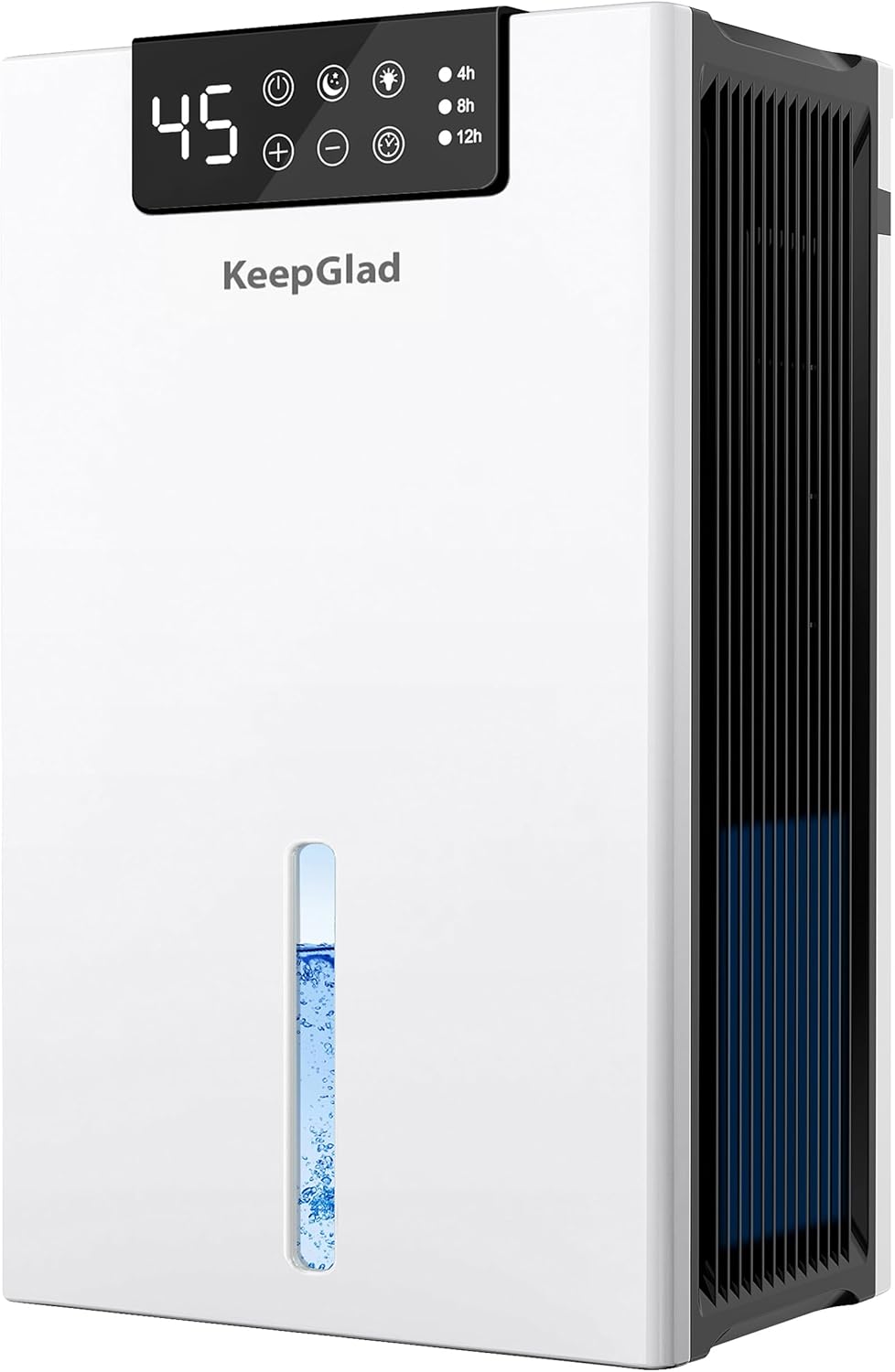
What to Look for When Buying Buying Guide
1. Capacity (Pints per Day)
Capacity is arguably the most important factor when selecting a dehumidifier. It refers to how much moisture the unit can remove from the air in a 24-hour period, measured in pints. Choosing the wrong capacity is one of the most common mistakes buyers make—either underestimating their needs and ending up with an undersized unit, or overspending on a model that’s too powerful for the space.
To determine the right capacity, start by assessing the size of the area you want to dehumidify. Most manufacturers provide coverage guidelines based on square footage and humidity level. For example:
- 30–50 pints/day: Ideal for small spaces (up to 1,500 sq ft) with moderate dampness, such as a bedroom, closet, or small basement.
- 50–70 pints/day: Best for medium to large areas (1,500–3,000 sq ft) with high humidity, like a finished basement, garage, or large living room.
- 70+ pints/day: Designed for very large or extremely damp spaces, such as commercial basements, crawl spaces, or flood-prone areas.
But square footage isn’t the only consideration. The severity of the moisture problem matters just as much. A 1,200 sq ft basement with a chronic leak will need a higher-capacity unit than a dry 2,000 sq ft home with occasional humidity. Look for models that specify both coverage area and humidity level (e.g., “50 pints for a 2,000 sq ft space with high humidity”). If you’re unsure, it’s better to lean toward a slightly larger capacity—especially if you live in a humid climate or have poor ventilation.
2. Energy Efficiency & Operating Costs
Dehumidifiers run continuously in many homes, especially during humid seasons, which means they can significantly impact your electricity bill. Energy efficiency isn’t just about saving money—it’s also about reducing your environmental footprint. Look for models with the ENERGY STAR® certification, which indicates they meet strict efficiency guidelines set by the U.S. Environmental Protection Agency.
ENERGY STAR-certified dehumidifiers use up to 15% less energy than standard models, which can translate to hundreds of dollars in savings over the unit’s lifetime. But efficiency isn’t just about certification. Pay attention to the Energy Factor (EF), measured in liters of water removed per kilowatt-hour (L/kWh). A higher EF means more moisture removed per unit of electricity. For example, a unit with an EF of 1.8 is more efficient than one with 1.5.
Also consider the unit’s wattage and estimated annual operating cost, which many manufacturers now provide. A 50-pint model might use between 500–700 watts and cost $50–$100 per year to run, depending on local electricity rates and usage patterns. If you plan to run the dehumidifier 24/7 during summer, even a small difference in efficiency can add up quickly.
3. Humidity Control & Sensors
A dehumidifier’s primary job is to maintain a healthy indoor humidity level—typically between 30% and 50%. Without precise control, you risk over-drying the air (which can cause dry skin and respiratory irritation) or under-dehumidifying (leaving the space damp and uncomfortable). That’s why advanced humidity control features are essential.
Look for models with built-in humidistats that allow you to set your desired humidity level (e.g., 45%) and automatically turn the unit on or off to maintain it. Some units also feature digital displays that show real-time humidity readings, so you can monitor conditions at a glance. More advanced models include auto-defrost (to prevent ice buildup in cold environments), auto-restart (to resume operation after a power outage), and continuous drainage options.
For even greater convenience, consider smart dehumidifiers with Wi-Fi connectivity. These allow you to monitor and control humidity levels remotely via a smartphone app, receive alerts when the tank is full, or integrate with smart home systems like Alexa or Google Assistant. While not essential, these features can be a game-changer for busy households or vacation homes.
4. Tank Size & Drainage Options
Dehumidifiers collect moisture in an internal tank, which must be emptied regularly—unless you opt for a model with continuous drainage. Tank size ranges from 1 to 2 gallons, and larger tanks mean less frequent emptying. For example, a 1.5-gallon tank may need emptying every 8–12 hours in a humid environment, while a 2-gallon tank could last 12–16 hours.
If you don’t want to deal with manual emptying, look for models with a built-in pump or gravity drain hose connection. A built-in pump allows the unit to push water vertically (up to 15 feet) and horizontally (up to 20 feet), making it ideal for basements or areas without floor drains. Gravity drainage is simpler but requires the unit to be positioned above a drain or sump pump.
Some high-end models also include auto-shutoff when the tank is full, preventing overflow and water damage. This is especially important if you plan to run the dehumidifier unattended for long periods.
5. Noise Level
Dehumidifiers use fans and compressors, which can generate noise—especially in quiet environments like bedrooms or home offices. Noise level is measured in decibels (dB), and most residential units range from 45 dB to 60 dB. For reference, 45 dB is about the sound of a quiet library, while 60 dB is similar to normal conversation.
If you’re placing the dehumidifier in a living space, aim for a model under 50 dB. Look for units with “quiet mode” or “low-speed fan” settings, which reduce noise at the expense of slightly lower moisture removal. Some manufacturers also use insulated cabinets or vibration-dampening technology to minimize sound.
Keep in mind that noise can vary depending on the unit’s location. Placing it on a hard surface or near a wall can amplify sound, so consider using a rubber mat or positioning it away from reflective surfaces.
6. Portability & Design
Even the most powerful dehumidifier is useless if it’s too heavy or awkward to move. Portability matters, especially if you plan to use the unit in multiple rooms or store it during off-seasons. Look for models with built-in handles, caster wheels, or compact designs that make them easy to transport.
Weight typically ranges from 30 to 70 pounds, with larger-capacity units being heavier. If you have mobility concerns, consider a lighter model or one with a top handle and smooth-rolling wheels. Also, check the unit’s dimensions to ensure it fits through doorways and in your intended storage space.
Design isn’t just about aesthetics—it also affects functionality. Some units have top-mounted controls and displays for easy access, while others have side or front panels that can be obstructed when placed against a wall. A sleek, modern design may blend better with your home decor, but prioritize usability over looks.
7. Filtration & Air Quality Features
Many dehumidifiers double as air purifiers by including filters that capture dust, allergens, and mold spores. While they don’t replace a dedicated air purifier, these filters can improve indoor air quality, especially in damp environments where mold and mildew thrive.
Look for models with washable or replaceable filters. Washable filters are more eco-friendly and cost-effective, but they require regular cleaning (every 2–4 weeks). Replaceable filters, often HEPA or activated carbon, offer superior filtration but come with ongoing costs.
Some advanced models include UV-C lights or ionizers to kill bacteria and neutralize odors. While these features can be beneficial, they’re not essential and may increase the price. Focus on the core dehumidification performance first, then consider air quality extras if needed.
8. Brand Reputation & Customer Support
Not all dehumidifiers are created equal, and brand reputation can be a strong indicator of reliability and performance. Established brands like Frigidaire, Honeywell, GE, and AprilAire have decades of experience and rigorous quality control. They also tend to offer better customer support, longer warranties, and easier access to replacement parts.
Before buying, research the brand’s track record. Check reviews on trusted sites like Consumer Reports, Wirecutter, or Amazon, and pay attention to common complaints—especially about durability, noise, or customer service. A brand with a history of recalls or poor support should raise red flags.
Also consider the availability of local service centers. If your unit breaks down, you’ll want to get it repaired quickly without shipping it across the country. Brands with nationwide service networks offer peace of mind, especially for premium models.
Different Types of Buying Guide

Common Buying Mistakes to Avoid

❌ Mistake: Buying Based Solely on Price
Why it’s bad: The cheapest dehumidifier often comes with poor build quality, low efficiency, and limited features. You may end up replacing it within a year, costing more in the long run.
What to do instead: Focus on value, not just price. Look for models with strong reviews, good warranties, and features that match your needs. A mid-range unit with solid performance is usually a better investment than a bargain model.
❌ Mistake: Ignoring the Humidity Level
Why it’s bad: A unit rated for “moderate” humidity won’t handle a flooded basement or a coastal home with 80% humidity. Underpowered units run constantly, wear out faster, and fail to solve the problem.
What to do instead: Assess your space honestly. Use a hygrometer to measure current humidity levels. If it’s above 60%, choose a high-capacity model with strong moisture removal.
❌ Mistake: Overlooking Drainage Needs
Why it’s bad: If you don’t plan for drainage, you’ll be emptying the tank multiple times a day—especially in humid climates. This becomes a chore and increases the risk of overflow.
What to do instead: Opt for a model with continuous drainage (hose or pump) if you can’t empty the tank daily. Even a simple gravity drain hose can save hours of maintenance.
❌ Mistake: Choosing the Wrong Size
Why it’s bad: A too-small unit won’t keep up, while a too-large one cycles on and off frequently, reducing efficiency and lifespan.
What to do instead: Use the manufacturer’s sizing guide based on both square footage and humidity level. When in doubt, go one size up.
❌ Mistake: Skipping the Warranty
Why it’s bad: Dehumidifiers have motors, compressors, and electronics that can fail. A short or nonexistent warranty leaves you vulnerable to costly repairs.
What to do instead: Choose a model with at least a 1-year warranty, and consider extended coverage for premium units. Check what’s covered—some warranties exclude labor or filters.
❌ Mistake: Ignoring Noise Levels
Why it’s bad: A noisy unit can disrupt sleep, work, or relaxation—especially if placed in a bedroom or home office.
What to do instead: Check the decibel rating and look for “quiet mode” options. Read user reviews for real-world noise feedback.
❌ Mistake: Not Researching the Brand
Why it’s bad: Lesser-known brands may cut corners on materials, testing, or customer support. You could end up with a lemon and no way to fix it.
What to do instead: Stick with reputable brands with proven track records. Check warranty terms, service networks, and online reviews before buying.
Budget Guidelines: How Much Should You Spend?
- Entry-Level ($100–$250): These models are ideal for small spaces or occasional use. Expect basic features, smaller tanks, and lower efficiency. Best for closets, RVs, or mild humidity issues. Look for Frigidaire FFAD5033W1 or hOmeLabs HME020034N.
- Mid-Range ($250–$500): The sweet spot for most homeowners. These units offer strong performance, larger tanks, better humidity control, and energy efficiency. Great for basements, garages, and medium-sized homes. Top picks include Honeywell TP70WKN and GE APER50LZ.
- Premium ($500–$900): For serious humidity problems or tech enthusiasts. These models feature smart controls, built-in pumps, advanced filtration, and superior build quality. Ideal for large homes, flood recovery, or allergy sufferers. Consider AprilAire E080 or AlorAir Sentinel HDi.
- Luxury ($900+): Whole-house systems and commercial-grade units. Designed for HVAC integration, they offer centralized control, ultra-quiet operation, and industrial durability. Best for large estates, historic homes, or professional use. Examples: Santa Fe Compact 70 and Ultra-Aire UA70H.
Expert Tips for Getting the Best Deal
- Buy in Spring: Dehumidifiers are in highest demand during summer, so prices peak. Shop in spring (March–May) for the best selection and discounts.
- Check Retailer Return Policies: Choose stores with generous return windows (30–90 days) in case the unit doesn’t perform as expected.
- Look for Bundled Deals: Some retailers offer free shipping, extended warranties, or bundled accessories (like hoses or filters) with purchase.
- Use Price Tracking Tools: Set alerts on Amazon, Google Shopping, or CamelCamelCamel to catch price drops.
- Consider Refurbished Models: Certified refurbished units from reputable brands often come with warranties and significant savings.
- Test Before Committing: If possible, run the dehumidifier for a few days to ensure it meets your needs. Check noise, drainage, and humidity control.
- Read the Fine Print: Warranties may exclude certain parts or require professional installation. Understand what’s covered before buying.

Frequently Asked Questions
Q: How do I know if I need a dehumidifier?
A: Signs include musty odors, condensation on windows, peeling wallpaper, mold growth, or allergy symptoms like sneezing and itchy eyes. Use a hygrometer to check if humidity is above 50%.
Q: Can a dehumidifier help with allergies?
A: Yes. By reducing moisture, it inhibits mold, dust mites, and mildew—common allergens. Pair it with an air purifier for best results.
Q: Should I run my dehumidifier all the time?
A: Not necessarily. Use a humidistat to maintain 30–50% humidity. In humid climates, it may run frequently; in dry areas, only during peak seasons.
Q: Can I use a dehumidifier in winter?
A: Most refrigerant models struggle below 65°F. Desiccant dehumidifiers work better in cold temperatures, making them ideal for garages or crawl spaces.
Q: How often should I clean the filter?
A: Every 2–4 weeks during heavy use. A dirty filter reduces efficiency and can cause the unit to overheat.
Q: Will a dehumidifier lower my energy bills?
A: Indirectly, yes. Lower humidity makes air feel cooler, so you may use your AC less. However, the dehumidifier itself consumes electricity.
Q: Can I install a dehumidifier myself?
A: Portable units are plug-and-play. Whole-house systems may require HVAC professional installation, especially if ductwork is involved.
Q: What’s the difference between a dehumidifier and an air conditioner?
A: ACs cool and dehumidify, but they’re inefficient at moisture removal alone. Dehumidifiers focus solely on reducing humidity, making them better for damp, non-cooling spaces.
Q: How long do dehumidifiers last?
A: With proper maintenance, most last 5–10 years. Regular cleaning, avoiding overuse, and following the manual can extend lifespan.
Q: Are smart dehumidifiers worth it?
A: If you value remote monitoring, alerts, and automation, yes. For basic use, a standard model with a humidistat may suffice.
Our Final Recommendations
- Best for Budget-Conscious Buyers: hOmeLabs HME020034N – Affordable, reliable, and effective for small to medium spaces. Great value under $200.
- Best Overall Value: Honeywell TP70WKN – Excellent performance, energy-efficient, and packed with features. Ideal for most homes.
- Best Premium Option: AprilAire E080 – Whole-house capability, ultra-quiet, and built to last. Perfect for large homes or serious humidity issues.
- Best for Beginners: Frigidaire FFAD5033W1 – Simple controls, reliable performance, and easy maintenance. Great first dehumidifier.
- Best for Advanced Users: AlorAir Sentinel HDi – Smart controls, built-in pump, and industrial-grade durability. For tech-savvy homeowners with complex needs.
Conclusion: Making the Right Choice
Choosing the right dehumidifier isn’t just about picking the most powerful or cheapest model—it’s about finding the perfect balance of capacity, efficiency, features, and reliability for your specific situation. Whether you’re battling a damp basement, protecting your home from mold, or simply improving indoor comfort, the right dehumidifier can make a world of difference.
Remember to assess your space honestly, prioritize your needs, and don’t overlook long-term costs like energy use and maintenance. Use the guidelines in this guide to compare models, avoid common pitfalls, and make a confident decision. And when in doubt, lean toward quality over price—your home, your health, and your peace of mind are worth the investment.
Now that you’re armed with expert knowledge, it’s time to take action. Measure your space, check your humidity levels, and start shopping with confidence. A drier, healthier, more comfortable home is just one dehumidifier away.