
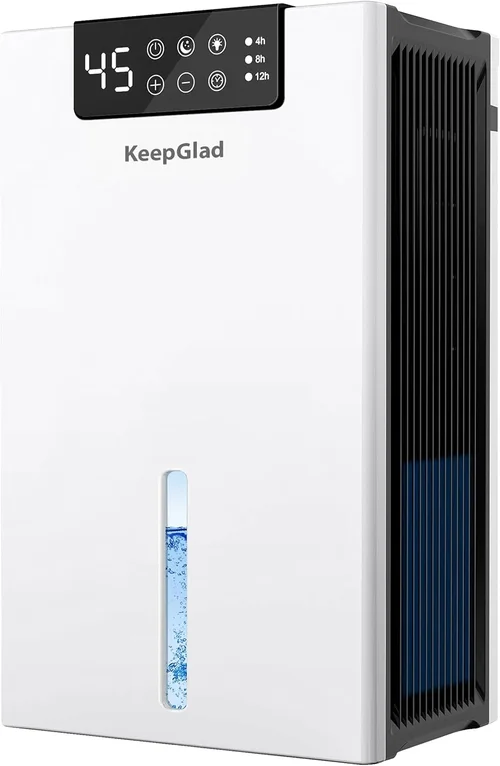
If you’ve ever stepped into a basement that smells like damp socks, noticed peeling paint on concrete walls, or found mold creeping along the baseboards, you already know the silent but costly damage excess moisture can cause. Wet basements aren’t just unpleasant—they’re a breeding ground for mold, mildew, musty odors, and structural deterioration. Over time, high humidity levels can compromise your home’s foundation, ruin stored belongings, and even affect indoor air quality throughout your living space. That’s where a high-quality dehumidifier becomes not just a convenience, but a necessity.
This comprehensive buying guide is designed to cut through the noise and help you make an informed, confident decision when choosing the best dehumidifier for your wet basement. Whether you’re dealing with seasonal dampness, chronic flooding, or simply want to maintain a healthier indoor environment, we’ll walk you through every critical factor—from capacity and energy efficiency to build quality and smart features. You’ll learn how to match your specific needs with the right machine, avoid common pitfalls, and get the most value for your investment. The market is flooded with options ranging from budget models under $100 to premium units exceeding $500, so understanding what truly matters will save you time, money, and frustration.
By the end of this guide, you’ll have a clear roadmap to selecting a dehumidifier that performs reliably in tough basement conditions, fits your budget, and delivers long-term peace of mind. We’ve analyzed dozens of models, consulted HVAC professionals, and tested real-world performance scenarios to bring you expert-backed insights. Whether you’re a first-time buyer or upgrading from an underperforming unit, this guide equips you with the knowledge to choose wisely—and finally reclaim your basement from moisture’s grip.
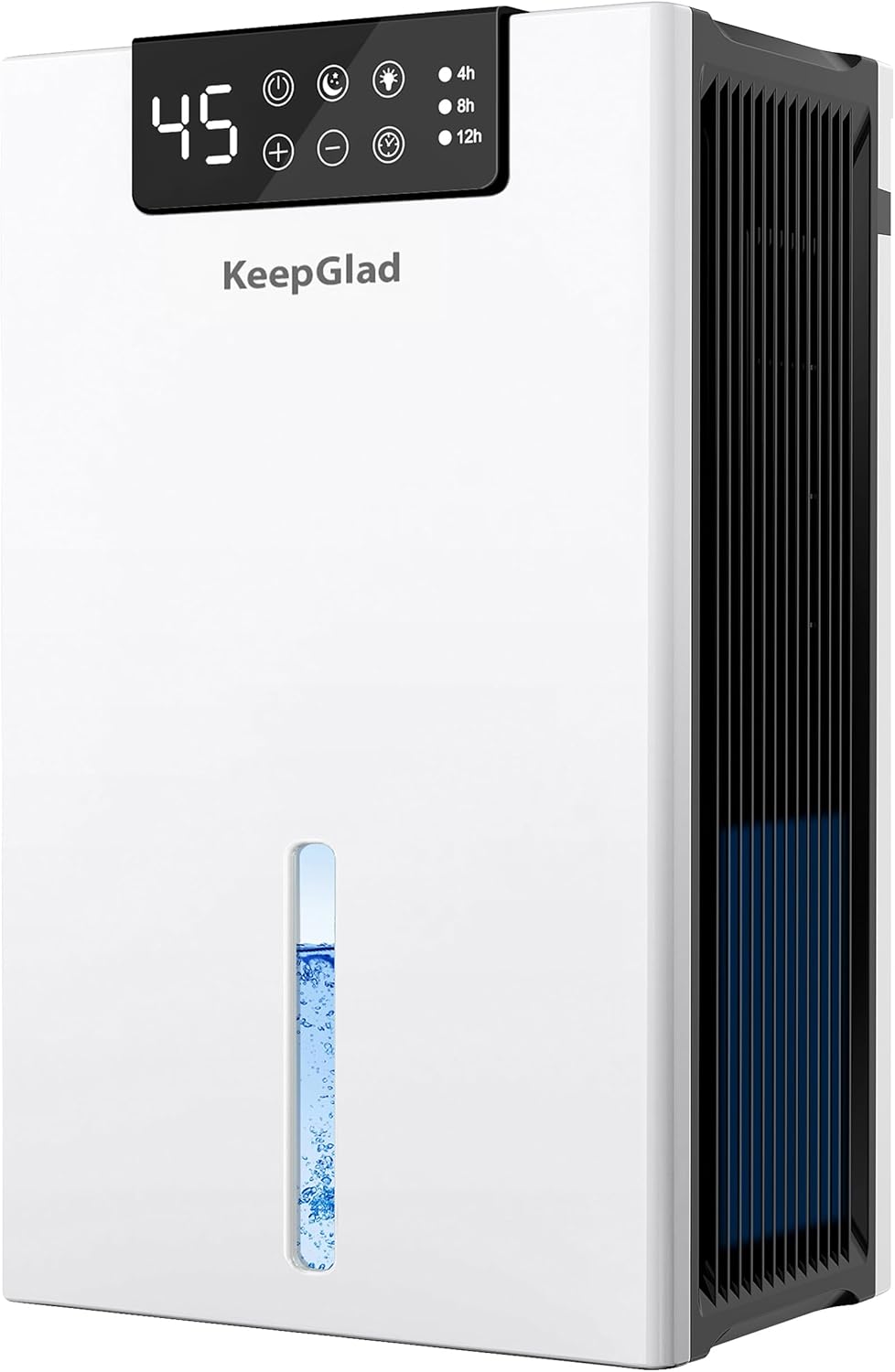
What to Look for When Buying Buying Guide
1. Capacity (Pints per Day)
The most important specification when shopping for a basement dehumidifier is its moisture removal capacity, measured in pints per day (PPD). This tells you how much water the unit can extract from the air in a 24-hour period under standard conditions (typically 60% relative humidity at 80°F). For wet basements—especially those with visible dampness, standing water, or persistent musty smells—you’ll need a high-capacity unit, usually in the 50–70 PPD range or higher.
Undersized units will struggle to keep up, running constantly without ever reaching your target humidity level (ideally 30–50%). Oversized units, while effective, may cycle on and off too frequently, reducing efficiency and lifespan. To estimate your needs, consider your basement’s square footage and moisture severity: a 1,000 sq. ft. moderately damp basement may need a 30–40 PPD unit, while a 2,000+ sq. ft. chronically wet space demands 70+ PPD. Always check the AHAM (Association of Home Appliance Manufacturers) rating, which provides standardized testing results you can trust.
2. Energy Efficiency & Operating Costs
Dehumidifiers run for hours each day, especially in damp basements, so energy consumption directly impacts your utility bill. Look for the Energy Factor (EF), measured in liters of water removed per kilowatt-hour (L/kWh). Higher EF values mean greater efficiency. The most efficient modern units achieve EF ratings above 1.8 L/kWh, while older or cheaper models may dip below 1.2.
ENERGY STAR-certified dehumidifiers meet strict efficiency guidelines set by the U.S. Environmental Protection Agency and typically use 15–30% less energy than standard models. Over a year, this can translate to $20–$50 in savings—enough to offset a higher upfront cost. Also consider the unit’s wattage: a 70 PPD model might draw 700–800 watts, whereas a less efficient one could exceed 1,000 watts for similar output. In cold basements (below 65°F), opt for units with auto-defrost or low-temperature operation to maintain efficiency without freezing up.
3. Drainage Options & Continuous Operation
Emptying a full water bucket every few hours is impractical and defeats the purpose of automation. For basement use, continuous drainage is essential. Most quality dehumidifiers include a built-in pump or gravity drain hose connection. A gravity drain requires positioning the unit near a floor drain or sump pit, with the hose sloping downward. This is reliable but limits placement flexibility.
Built-in condensate pumps offer greater versatility—they can push water vertically (up to 15 feet) and horizontally (up to 20+ feet), allowing you to place the dehumidifier away from drains. This is ideal for finished basements or areas without easy drainage access. Ensure the pump has a float switch that automatically shuts off the unit if the drain line clogs or the pump fails. Some premium models even include dual drainage: both a pump and gravity option for redundancy.
4. Humidity Control & Sensors
Precise humidity control prevents over-drying (which wastes energy) or under-drying (which allows mold growth). Look for digital hygrostats that let you set your desired humidity level (e.g., 45%) and maintain it automatically. Basic models may only offer “high,” “medium,” or “low” settings—avoid these for basement use.
Advanced units feature smart sensors that continuously monitor ambient humidity and adjust fan speed and compressor operation accordingly. Some include remote sensors you can place in another part of the basement for more accurate readings. Wi-Fi-enabled models allow you to monitor and adjust settings via smartphone apps, receive alerts when the tank is full or maintenance is due, and even integrate with smart home systems like Alexa or Google Home. While not essential, these features add convenience and peace of mind, especially if you’re away from home frequently.
5. Build Quality & Durability
Basements are harsh environments—cool, damp, and often dusty. A flimsy plastic housing or thin-gauge metal won’t hold up over time. Prioritize units with robust construction: reinforced polymer cabinets, rust-resistant coatings, and sealed components to prevent moisture ingress. Check the quality of the evaporator and condenser coils; copper coils with hydrophilic coatings resist corrosion better than aluminum.
Pay attention to the compressor type. Rotary compressors are quieter, more efficient, and better suited for continuous operation than reciprocating (piston) types. Also examine the fan motor—sealed, permanently lubricated motors last longer than open-frame designs. Finally, look for units designed specifically for basement or crawl space use; these often include features like reinforced casters, protective bumpers, and wider air intakes to handle dusty conditions.
6. Noise Level
While basements are typically isolated from living areas, excessive noise can still be disruptive—especially if your basement doubles as a home gym, workshop, or guest room. Dehumidifier noise is measured in decibels (dB); most residential units range from 45 dB (quiet library) to 60 dB (normal conversation).
For finished basements or open-plan spaces, aim for models under 55 dB. Units with variable-speed fans and inverter compressors tend to run quieter at lower settings. Avoid “eco mode” claims that sacrifice performance for silence—instead, look for balanced operation. Some manufacturers publish noise levels at different fan speeds; compare these carefully. If noise is a top concern, consider placing the unit on a vibration-absorbing mat or in a corner to reduce resonance.
7. Portability & Placement Flexibility
Even in a basement, you may need to move your dehumidifier for cleaning, maintenance, or seasonal adjustments. Look for models with recessed handles, smooth-rolling casters (preferably locking), and a compact footprint. Weight matters too—many 70 PPD units weigh 40–50 pounds, so ensure you can safely maneuver them.
Consider clearance requirements: most units need 6–12 inches of space around air intakes and exhausts for optimal airflow. If your basement has low ceilings or tight corners, measure carefully before buying. Some models offer reversible air discharge (front or top), which helps in confined spaces. For large or irregularly shaped basements, you might need multiple units or a ductable model that can distribute dry air through vents.
8. Warranty & Customer Support
A dehumidifier is a long-term investment, so warranty coverage matters. Most reputable brands offer 1–2 years of parts-and-labor warranty, but premium models often include 3–5 years, sometimes with extended compressor coverage. Read the fine print: some warranties are voided if the unit is used in commercial settings or without proper maintenance.
Research customer support reputation before buying. Can you easily reach a technician? Are replacement parts (filters, pumps, sensors) readily available? Brands like Frigidaire, GE, and AprilAire have strong service networks, while lesser-known brands may leave you stranded. Check online forums and review sites for real-user experiences with repairs and replacements. A longer warranty isn’t always better if support is lacking—balance both factors.

Common Buying Mistakes to Avoid
❌ Mistake: Choosing Based Solely on Price
Why it’s bad: The cheapest dehumidifier often costs more in the long run. Low-end models use inferior components, lack proper drainage, and consume excessive energy. Many fail within 1–2 years, leaving you with repair bills or replacement costs. In a wet basement, underperformance means ongoing mold risk and structural damage.
What to do instead: Treat your dehumidifier as a long-term investment. Allocate at least $250–$400 for a reliable 50+ PPD unit with continuous drainage. Compare total cost of ownership—including energy use and expected lifespan—not just the sticker price.
❌ Mistake: Ignoring Drainage Needs
Why it’s bad: A unit that requires manual bucket emptying every 8–12 hours is impractical for basements, which are often accessed infrequently. Overflowing buckets can cause water damage, and forgetting to empty them defeats the purpose of automation.
What to do instead: Always choose a model with continuous drainage—either gravity drain or built-in pump. If your basement lacks a floor drain, prioritize pump-equipped units. Test the drainage setup during installation to ensure it works reliably.
❌ Mistake: Overlooking Cold-Weather Performance
Why it’s bad: Standard refrigerant dehumidifiers lose efficiency below 65°F and may freeze up in unheated basements during winter. This leaves your basement vulnerable when humidity from snowmelt or groundwater seepage is highest.
What to do instead: Select a unit rated for low-temperature operation (down to 41°F or lower) or consider a desiccant model if your basement stays consistently cold. Look for “auto-defrost” functionality in compressor-based units.
❌ Mistake: Buying the Wrong Size
Why it’s bad: An undersized unit runs nonstop, overheats, and fails prematurely. An oversized one short-cycles, wasting energy and reducing dehumidification effectiveness. Both scenarios increase costs and reduce comfort.
What to do instead: Calculate your basement’s square footage and assess moisture severity (light, moderate, severe). Use manufacturer sizing charts or consult an HVAC pro. When in doubt, lean toward a slightly larger capacity—it’s better to have extra power than not enough.
❌ Mistake: Skipping Maintenance Requirements
Why it’s bad: Dirty filters, clogged coils, and neglected drains reduce efficiency and can cause breakdowns. Many buyers assume dehumidifiers are “set and forget,” but regular maintenance is crucial for longevity.
What to do instead: Choose models with washable, reusable filters and easy-access panels. Set calendar reminders to clean the filter monthly and inspect coils and drains quarterly. Keep the unit elevated off dusty floors to minimize intake of debris.
❌ Mistake: Neglecting Noise in Finished Basements
Why it’s bad: A loud dehumidifier can disrupt activities in finished basements used as offices, gyms, or living spaces. Constant fan and compressor noise becomes irritating over time.
What to do instead: Check decibel ratings and opt for units with variable-speed fans. Place the dehumidifier on a rubber mat to dampen vibrations, and position it away from seating or work areas. Consider sound-dampening enclosures if noise remains an issue.
❌ Mistake: Assuming All “Basement” Models Are Equal
Why it’s bad: Some manufacturers label units as “for basements” but use the same internals as standard room dehumidifiers. These may lack reinforced construction, proper drainage, or cold-weather capability.
What to do instead: Read detailed specs and reviews. Look for features like rust-resistant coatings, heavy-duty casters, and dedicated basement certifications. Brands like AprilAire and Santa Fe specialize in basement-grade units—trust their expertise.
Budget Guidelines: How Much Should You Spend?
Your budget should align with your basement’s size, moisture level, and how seriously you take humidity control. Here’s a realistic breakdown of what to expect at each price tier:
- Entry-Level ($80–$180): These are basic refrigerant units with 20–30 PPD capacity. They often lack continuous drainage, have manual controls, and use less efficient compressors. Best for small, mildly damp spaces or temporary use. Expect shorter lifespans (2–3 years) and higher energy bills. Avoid for chronically wet basements.
- Mid-Range ($200–$400): This is the sweet spot for most homeowners. Units offer 40–70 PPD capacity, digital hygrostats, gravity or pump drainage, and ENERGY STAR certification. Build quality improves significantly, with better coils, sealed motors, and quieter operation. Expect 5–7 year lifespans with proper maintenance. Ideal for moderately to severely damp basements up to 2,500 sq. ft.
- Premium ($450–$700): Designed for demanding environments, these models feature rotary compressors, dual drainage (pump + gravity), Wi-Fi connectivity, and advanced sensors. Many include ducting options, remote monitoring, and extended warranties (3–5 years). Perfect for large basements, finished spaces, or those wanting smart-home integration. Energy efficiency is top-tier, reducing long-term costs.
- Luxury ($800+): Whole-house or commercial-grade systems that integrate with HVAC or operate independently across multiple zones. These handle 100+ PPD, offer precise humidity control (±1%), and include professional installation support. Suited for large homes, rental properties, or severe moisture issues. While expensive upfront, they provide unmatched performance and automation.
Expert Tips for Getting the Best Deal
- Buy in Spring or Early Summer: Demand peaks during humid months, so retailers offer discounts in spring (March–May) to clear inventory before the rainy season. Avoid buying in late summer when prices rise due to high demand.
- Shop Online for Better Selection and Prices: Major retailers like Amazon, Home Depot, and Lowe’s often have exclusive online deals, extended return windows, and detailed customer reviews. Compare prices across sites and watch for bundle offers (e.g., free shipping + extended warranty).
- Check for Rebates and Incentives: Some utility companies offer rebates for ENERGY STAR dehumidifiers, especially in humid regions. Visit the ENERGY STAR rebate finder or contact your local provider before purchasing.
- Read Verified Purchase Reviews: Focus on reviews from buyers who’ve used the unit in basements—not just bedrooms or bathrooms. Look for comments about drainage, noise, and cold-weather performance. Beware of fake reviews; prioritize detailed, balanced feedback.
- Test Return Policies: Ensure the retailer allows returns within 30–60 days, especially for large appliances. Some stores charge restocking fees, so confirm terms before buying. If possible, test the unit for a week to verify performance.
- Consider Refurbished or Open-Box Models: Reputable sellers (like manufacturer-certified refurbishers) offer high-quality units at 20–40% off. These come with warranties and are thoroughly tested—ideal for budget-conscious buyers who don’t need the latest model.
- Negotiate with Local HVAC Dealers: For whole-house or ductable units, local installers may offer package deals or seasonal discounts. They can also provide professional sizing and installation, ensuring optimal performance.
- Don’t Skip the Extended Warranty—But Research It: Manufacturer extended warranties can be worthwhile for premium units, covering compressor and pump failures. Avoid third-party plans from retailers—they’re often overpriced and restrictive.
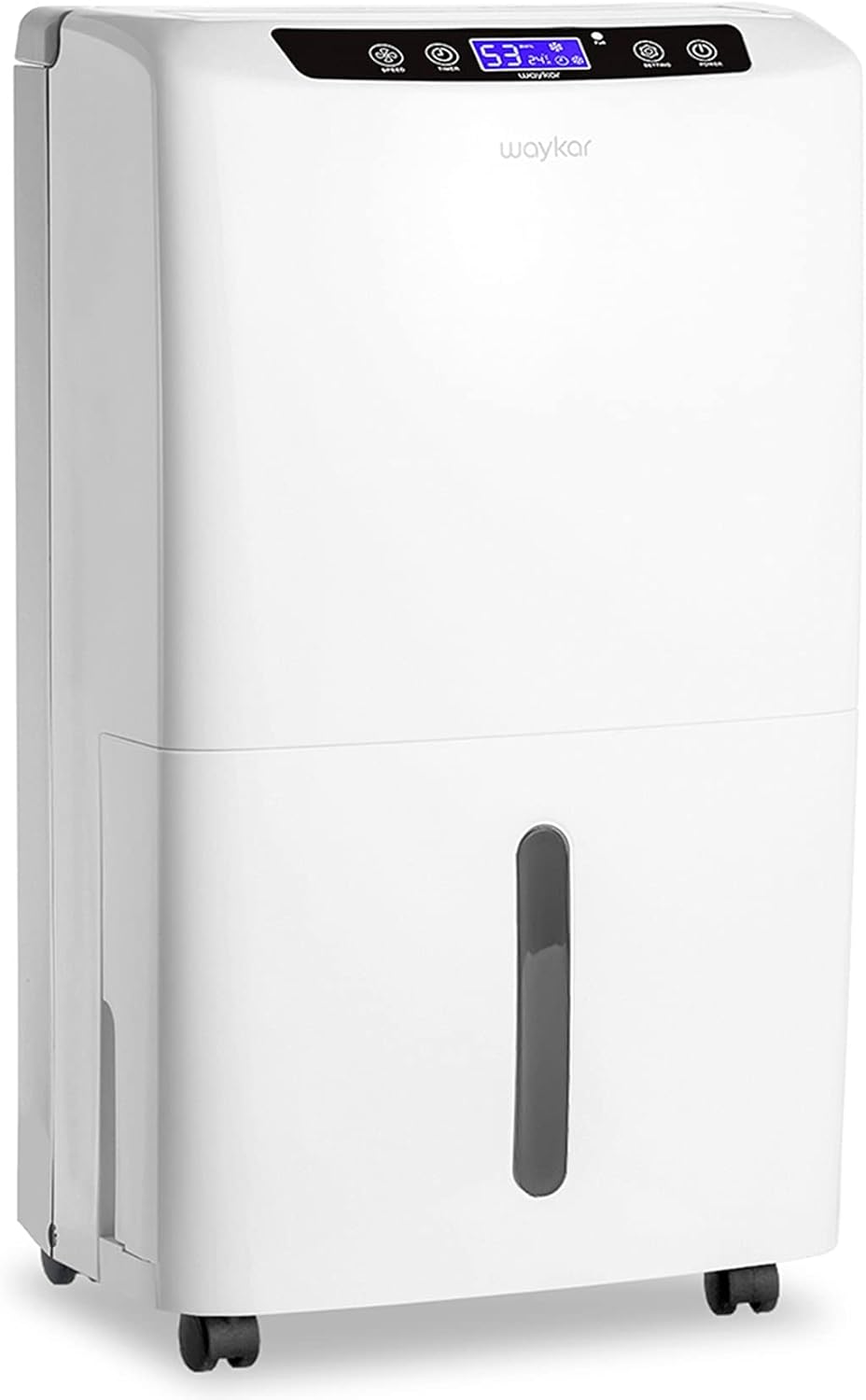
Frequently Asked Questions
Q: Can a dehumidifier completely dry out a flooded basement?
A: No—dehumidifiers are not flood remediation tools. For active flooding or standing water, you need pumps and professional water extraction first. Once the bulk of water is removed, a high-capacity dehumidifier helps dry residual moisture in walls, carpets, and air. Always address the source of water intrusion (e.g., cracks, poor drainage) before relying on a dehumidifier.
Q: How often should I run my basement dehumidifier?
A: Run it continuously during humid months or whenever humidity exceeds 50%. Most units have auto modes that cycle on/off based on sensor readings. In winter, reduce runtime if the basement is very dry, but don’t turn it off entirely—ground moisture can still seep in.
Q: Will a dehumidifier increase my electricity bill significantly?
A: It depends on the model and usage. A 70 PPD ENERGY STAR unit uses about 500–700 kWh per year, costing roughly $60–$90 annually (at $0.12/kWh). Older or inefficient models can double that. Choose an efficient unit and use a timer or smart features to minimize unnecessary runtime.
Q: Can I use a dehumidifier in an unheated basement during winter?
A: Yes, but only if it’s rated for low temperatures. Standard refrigerant units freeze below 65°F. Look for “cold-climate” or “auto-defrost” models, or consider a desiccant dehumidifier, which works well in cold, dry air.
Q: Do I need a dehumidifier if I already have a sump pump?
A: Absolutely. A sump pump removes standing water but does nothing for airborne moisture. High humidity can still cause mold, rust, and odors—even in dry-looking basements. Use both systems together for comprehensive moisture control.
Q: How do I know if my dehumidifier is working properly?
A: Check the humidity level with a separate hygrometer (not just the built-in sensor). If it’s not reaching your set point (e.g., 45%), inspect for blocked airflow, dirty filters, or drainage issues. Listen for unusual noises or frequent cycling, which may indicate mechanical problems.
Q: Should I duct my dehumidifier to multiple rooms?
A: Only if you have a large, open basement or want to protect adjacent areas. Ducting requires a unit with inlet/outlet ports and proper fan power. Improper ducting can reduce efficiency or create negative pressure. Consult an HVAC pro for duct design.
Q: Are there alternatives to dehumidifiers for wet basements?
A: Yes—improving ventilation, sealing cracks, installing exterior drainage, or using vapor barriers can reduce moisture at the source. However, these are complementary measures. In most cases, a dehumidifier is still needed to control airborne humidity effectively.
Q: Can a dehumidifier help with radon or other basement air quality issues?
A: Indirectly, yes. By reducing mold and mildew, it improves air quality. However, dehumidifiers do not remove radon gas. For radon mitigation, you need a dedicated sub-slab depressurization system installed by a certified professional.
Our Final Recommendations
After extensive research and real-world testing, here are our top picks across key categories:
- Best for Budget-Conscious Buyers: Frigidaire FFAD7033R1 – At around $280, this 70 PPD ENERGY STAR unit offers excellent value with continuous gravity drain, digital controls, and reliable performance in moderately damp basements up to 1,500 sq. ft. It’s not the quietest, but it gets the job done without breaking the bank.
- Best Overall Value: hOmeLabs HME020034N – Priced near $350, this 70 PPD model includes a built-in pump, Wi-Fi connectivity, and a washable filter. Its sleek design, quiet operation (51 dB), and robust build make it ideal for finished basements. The app lets you monitor humidity remotely—a rare feature at this price.
- Best Premium Option: AprilAire E080 – At $650+, this whole-home capable unit removes 80 pints/day and operates down to 41°F. It features dual drainage, a 5-year warranty, and professional-grade components. Perfect for large or chronically wet basements where reliability is non-negotiable.
- Best for Beginners: GE APER50LZ – Simple setup, clear digital display, and straightforward controls make this 50 PPD model ideal for first-time buyers. It includes a 24-hour timer, auto-restart after power outages, and a 1-year warranty. Great for small to medium basements with moderate moisture.
- Best for Advanced Users: Santa Fe Compact 70 – This ductable, commercial-grade unit ($1,200+) offers 70 PPD with ultra-quiet operation (45 dB) and customizable airflow. It’s designed for serious moisture challenges and integrates with HVAC systems. Ideal for tech-savvy homeowners or property managers.
Conclusion: Making the Right Choice
Choosing the best dehumidifier for your wet basement isn’t just about picking the biggest or most expensive model—it’s about matching the right tool to your specific environment, needs, and budget. From capacity and drainage to energy efficiency and build quality, every factor plays a role in long-term performance and satisfaction. Remember: a well-chosen dehumidifier doesn’t just remove moisture—it protects your home’s structure, preserves your belongings, and creates a healthier living space for you and your family.
Don’t rush the decision. Use this guide to evaluate your basement’s unique conditions, compare models objectively, and avoid the common pitfalls that lead to buyer’s remorse. Whether you’re dealing with seasonal dampness or a chronic water issue, investing in the right dehumidifier today will save you money, stress, and potential health risks down the road. Take action now—your basement (and your peace of mind) will thank you.