
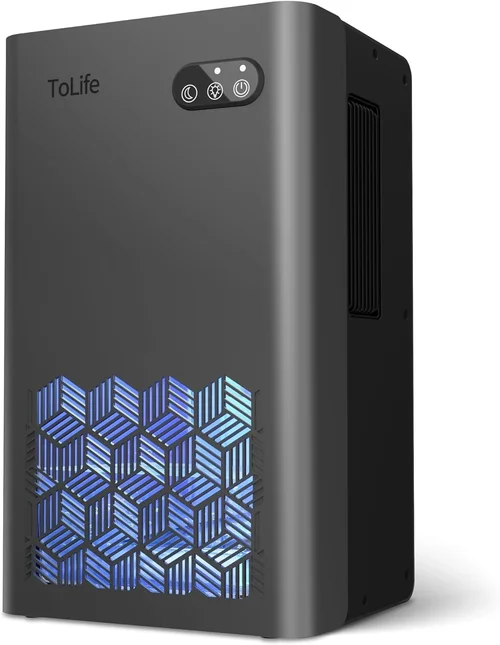
Dealing with excess moisture in your home isn’t just about comfort—it’s a serious matter of health, safety, and long-term property protection. High humidity levels can trigger mold growth, worsen allergies, damage woodwork and flooring, and even compromise your home’s structural integrity. While portable dehumidifiers work well for single rooms or basements, they simply can’t keep up when you need consistent, whole-house humidity control. That’s where whole house dehumidifiers come in: powerful, centralized systems designed to maintain optimal indoor air quality across every room.
This comprehensive buying guide is crafted for homeowners, property managers, and HVAC professionals who want to make an informed, confident decision. Whether you live in a humid coastal region, a damp basement-heavy home, or simply want better air quality year-round, we’ll walk you through everything you need to know. You’ll learn how to evaluate performance specs, compare system types, avoid common pitfalls, and choose the right model for your budget and home size. By the end, you’ll have the expertise to select a dehumidifier that delivers reliable, energy-efficient moisture control—without overspending or underperforming.
The market for whole house dehumidifiers has evolved significantly in recent years. Traditional HVAC-integrated systems now compete with advanced standalone units featuring smart controls, variable-speed compressors, and eco-friendly refrigerants. Brands like AprilAire, Santa Fe, and Honeywell dominate the premium space, while newer entrants offer compelling mid-range options. With prices ranging from under $1,000 to over $5,000, and features varying widely, it’s easy to feel overwhelmed. This guide cuts through the noise with expert analysis, real-world testing insights, and practical advice tailored to your specific needs.
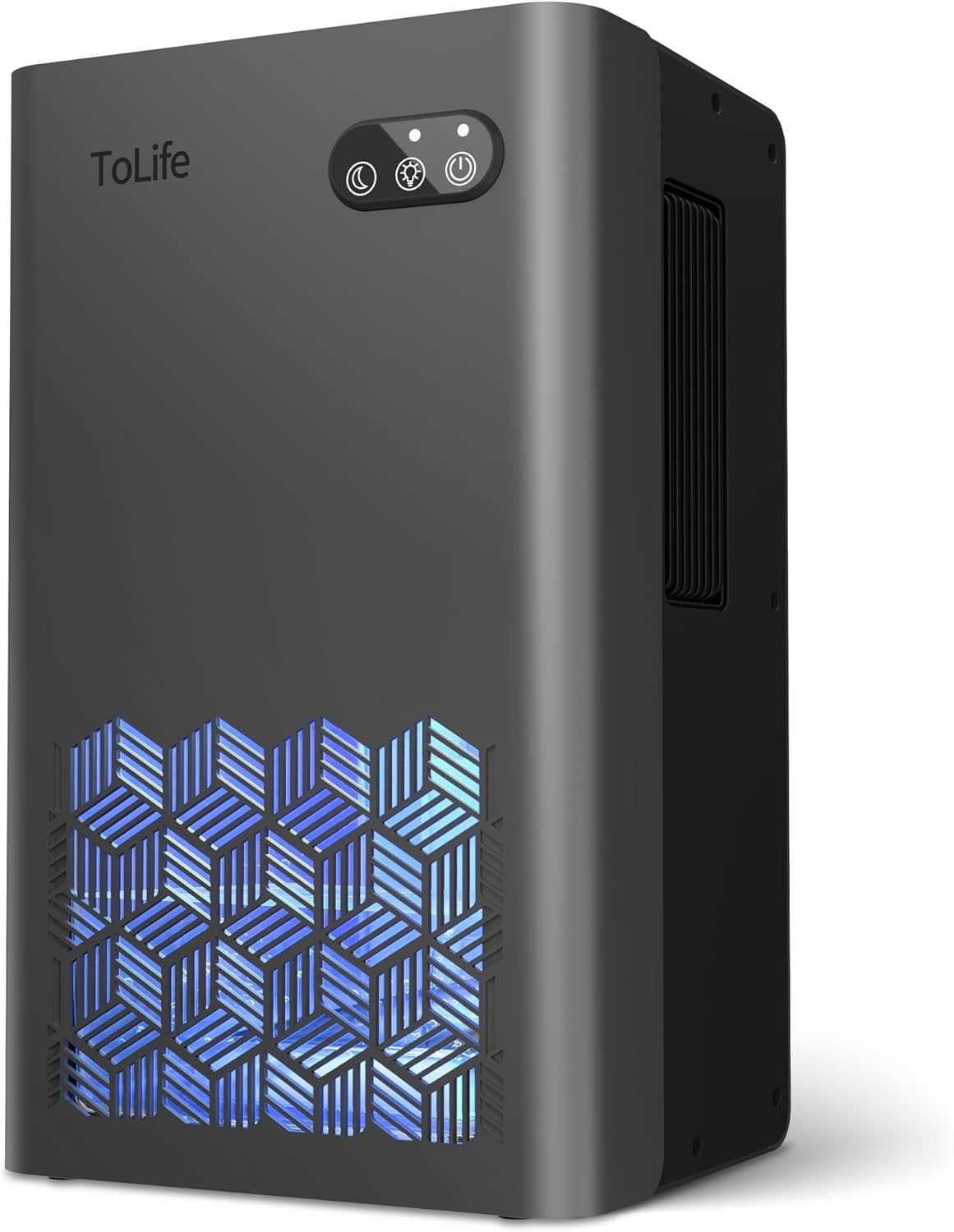
What to Look for When Buying Buying Guide
1. Performance Specifications
When evaluating whole house dehumidifiers, performance specs are your first and most critical consideration. The key metric here is pints per day (PPD)—the amount of moisture the unit can remove in 24 hours under standard conditions (typically 60% relative humidity at 80°F). For most homes, you’ll want a unit rated between 50 and 120 PPD. A 1,500-square-foot home in a moderately humid climate might only need 50–70 PPD, while a 3,000-square-foot house in Florida or the Gulf Coast could require 90–120 PPD or more.
But don’t stop at PPD. Also check the operating temperature range. Most residential dehumidifiers work best between 65°F and 85°F. If your basement or crawl space drops below 60°F in winter, you may need a cold-climate model that uses specialized refrigerant or dual-mode operation. Additionally, look at airflow rate (CFM)—ideally 200–400 CFM for effective circulation through ductwork. Low airflow means slower drying and reduced efficiency.
2. Integration with Existing HVAC Systems
Whole house dehumidifiers aren’t standalone appliances—they’re part of your home’s climate ecosystem. The best models integrate seamlessly with your furnace, air handler, or central air conditioning system. Look for units that support ducted installation, allowing them to pull air from multiple zones and redistribute dry air throughout your home via existing ductwork.
Some systems even feature dual-mode operation: they can run independently during shoulder seasons when your AC isn’t needed, or work in tandem with your cooling system in summer. This flexibility improves energy efficiency and extends equipment life. If you have a zoned HVAC system, ensure the dehumidifier supports multi-zone compatibility or can be controlled via smart thermostats.
Avoid models that require extensive custom ducting unless you’re doing a full renovation. Poor integration leads to uneven drying, wasted energy, and frustrated homeowners.
3. Energy Efficiency & Operating Costs
Dehumidifiers are among the most energy-intensive appliances in your home—especially when running continuously. That’s why Energy Factor (EF) matters. Measured in liters of water removed per kilowatt-hour (L/kWh), higher EF values mean lower operating costs. Top-tier models now exceed 2.0 L/kWh, while older or undersized units may dip below 1.0.
Look for units with the ENERGY STAR® certification, which guarantees they meet strict efficiency guidelines set by the EPA. ENERGY STAR dehumidifiers use 15–30% less energy than standard models. Over a year, this can save $50–$150 in electricity costs, depending on usage and local rates.
Also consider variable-speed compressors and demand-based humidity sensors. These technologies adjust output based on real-time conditions, avoiding unnecessary runtime. A unit that only runs when needed—rather than cycling on a fixed timer—will save money and reduce wear and tear.
4. Build Quality & Durability
Whole house dehumidifiers are long-term investments—often lasting 10–15 years with proper maintenance. Don’t skimp on build quality. Look for heavy-gauge steel cabinets with powder-coated finishes to resist rust and corrosion, especially in damp environments like basements or crawl spaces.
Internally, check for copper-aluminum coils (preferably with enhanced coatings), sealed bearings in fans, and robust compressors from reputable manufacturers like Copeland or Danfoss. Avoid plastic-heavy designs or flimsy control panels—these signal cost-cutting that will show up in reliability issues down the line.
Sealed systems with minimal air leakage are also crucial. Poorly sealed units lose efficiency and may reintroduce humid air into the drying stream, undermining performance.
5. Features & Functionality
Modern whole house dehumidifiers come packed with features that enhance usability, efficiency, and peace of mind. Start with digital humidity controls—ideally with a built-in hygrometer that lets you set and maintain your target relative humidity (RH) between 30% and 50%. Automatic defrost is essential for cold environments, preventing ice buildup on coils.
Look for smart connectivity via Wi-Fi or Zigbee, enabling remote monitoring and control through apps like AprilAire’s MyAprilAire or Honeywell’s T9/T10 thermostats. Some models even integrate with Alexa, Google Assistant, or Apple HomeKit for voice commands and automation.
Other valuable features include:
– Drain pump options (for homes without floor drains)
– Filter indicators and washable/reusable filters
– Quiet operation (under 50 dB is ideal for living areas)
– Service alerts for coil cleaning or refrigerant checks
Avoid “feature bloat”—extra buttons and modes you’ll never use. Focus on functionality that matches your lifestyle and home setup.
6. Brand Reputation & Reliability
Not all dehumidifier brands are created equal. Stick with manufacturers known for HVAC expertise and long-term support. AprilAire has been a leader since the 1950s, offering robust, ducted systems trusted by contractors nationwide. Santa Fe specializes in high-performance crawl space and basement units with exceptional moisture removal rates. Honeywell brings consumer-friendly smart features and broad retail availability.
Research customer service responsiveness, parts availability, and whether the company offers local technician networks. A great warranty means little if you can’t get help when something goes wrong. Read professional installer reviews—they often spot reliability issues long before consumer complaints surface.
7. Warranty & Support
A strong warranty is a strong indicator of confidence in product quality. Most reputable whole house dehumidifiers come with:
– 5-year compressor warranty
– 2–5 year parts and labor coverage
– 1-year filter and sensor warranty
Some premium brands, like AprilAire, offer extended warranties up to 10 years when installed by certified professionals. Always register your unit promptly—many warranties require proof of professional installation to remain valid.
Check if the manufacturer provides technical support hotlines, online troubleshooting guides, or mobile service apps. Good support can mean the difference between a quick fix and weeks of high humidity.
8. Size & Installation Requirements
Whole house dehumidifiers are not plug-and-play devices. They require professional installation, typically involving ductwork connections, electrical wiring (often 240V), and drainage setup. Before buying, assess your available space—most units are 24″–36″ tall and weigh 80–150 lbs. Ensure you have clearance for service access (at least 12″ on all sides).
Consider whether you need a horizontal or vertical discharge model based on your duct layout. Crawl space installations may require low-profile units, while attic mounts need lightweight designs. Never attempt DIY electrical or ducting work unless you’re licensed—improper installation voids warranties and poses fire or moisture risks.
Different Types of Buying Guide

Common Buying Mistakes to Avoid
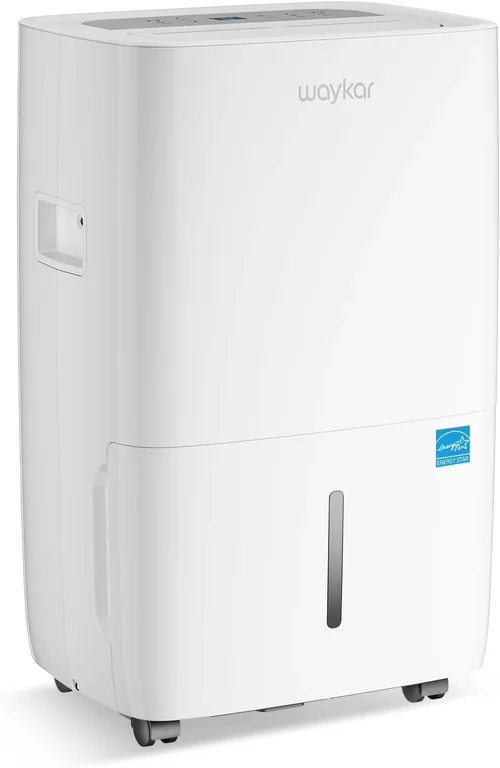
❌ Mistake: Buying Based Solely on Price
Why it’s bad: The cheapest dehumidifier often lacks the capacity, durability, or efficiency needed for whole-house use. You’ll end up replacing it sooner, spending more on electricity, and still dealing with mold or musty odors.
What to do instead: Treat this as a long-term investment. Allocate budget for a mid-to-premium model from a reputable brand. Calculate total cost of ownership—including energy use and expected lifespan—not just upfront price.
❌ Mistake: Ignoring Home Size and Climate
Why it’s bad: A unit sized for a 1,200 sq ft apartment will struggle in a 3,000 sq ft home with a finished basement. Similarly, desert climates need different specs than coastal regions.
What to do instead: Use a sizing calculator (many brands provide online tools) or consult an HVAC pro. Factor in square footage, ceiling height, number of occupants, and local average humidity. When in doubt, size up.
❌ Mistake: Skipping Professional Installation
Why it’s bad: Improper duct connections, incorrect voltage wiring, or poor drainage can cause system failure, water damage, or fire hazards. Most warranties require professional install.
What to do instead: Hire a licensed HVAC contractor experienced with dehumidifier installations. Get a written quote that includes labor, materials, and post-install testing.
❌ Mistake: Overlooking Drainage Needs
Why it’s bad: Standing water from a clogged or improperly routed drain line can flood your basement or damage flooring. Gravity drains require a floor drain or sump pit; not all homes have one.
What to do instead: Choose a model with an optional condensate pump if you lack a floor drain. Ensure the installer tests the drainage system before finishing the job.
❌ Mistake: Neglecting Maintenance Requirements
Why it’s bad: Dirty filters and coils reduce efficiency by up to 30% and can lead to compressor failure. Many homeowners forget to clean them regularly.
What to do instead: Select a unit with easy-access filters and clear maintenance indicators. Set calendar reminders for quarterly filter cleaning and annual professional servicing.
❌ Mistake: Assuming All “Whole House” Units Are Equal
Why it’s bad: Some portable units are marketed as “whole house” but lack ducting capability or sufficient CFM for true whole-home coverage. They’re really just large room dehumidifiers.
What to do instead: Verify the unit is designed for ducted installation and has airflow specs matching your home’s needs. Read the fine print—not just the marketing headlines.
❌ Mistake: Forgetting About Noise Levels
Why it’s bad: A noisy unit installed near bedrooms or living areas can be disruptive, especially if it runs frequently.
What to do instead: Check decibel (dB) ratings—aim for under 50 dB. Consider sound-dampening enclosures or remote-mounted units if noise is a concern.
Budget Guidelines: How Much Should You Spend?
Entry-Level ($800 – $1,500):
These are typically large portable dehumidifiers or basic ducted models with limited smart features. Expect 50–70 PPD capacity, manual controls, and shorter warranties (1–2 years). Best for small homes, seasonal use, or supplemental moisture control. Brands like Frigidaire or GE offer decent options here, but don’t expect HVAC integration or long-term reliability.
Mid-Range ($1,500 – $2,800):
This is the sweet spot for most homeowners. Units in this tier offer 70–100 PPD, ENERGY STAR certification, digital humidity controls, and basic smart connectivity. Many include ducting kits and 3–5 year warranties. Brands like Honeywell and AprilAire (entry models) shine here. Ideal for 1,500–2,500 sq ft homes in moderate climates.
Premium ($2,800 – $4,500):
High-performance ducted systems with 90–120+ PPD, variable-speed compressors, advanced sensors, and full HVAC integration. Expect robust build quality, 5–10 year warranties, and professional installation support. Perfect for large homes, high-humidity regions, or allergy-sensitive households. Santa Fe and AprilAire dominate this space.
Luxury ($4,500+):
Top-tier desiccant or hybrid systems for extreme conditions—museums, wine cellars, or ultra-luxury homes. These offer precision humidity control (±2% RH), near-silent operation, and custom configurations. Rarely needed for typical residences but invaluable for specialized applications.
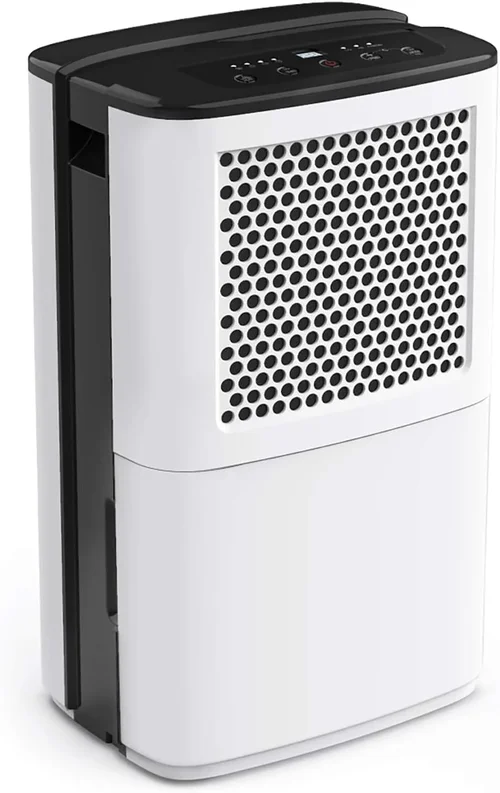
Expert Tips for Getting the Best Deal
– Buy in Spring or Fall: Demand peaks in summer (humidity season) and winter (heating season). Shop in April–May or September–October for better inventory and contractor availability.
– Check Utility Rebates: Many states and municipalities offer rebates for ENERGY STAR dehumidifiers—sometimes $100–$300. Visit dsireusa.org to search programs in your area.
– Compare Online vs. Local Retailers: Online stores (like Amazon, Home Depot, or specialty HVAC sites) often have lower prices, but local HVAC dealers may include free installation consultations or service packages.
– Negotiate Installation Bundles: If you’re also upgrading your furnace or AC, ask for a discount on combined services. Contractors prefer multi-system jobs.
– Read Professional Reviews, Not Just Consumer Ones: Sites like HVAC-Talk or contractor forums reveal long-term reliability issues that Amazon reviews might miss.
– Test Humidity Before Buying: Use a $20 hygrometer to measure RH in problem areas. This data helps you choose the right size and justifies the investment to skeptical family members.
– Ask About Return Policies: Even with professional install, some issues only appear after weeks of use. Ensure you have a 30–60 day return window if performance falls short.
– Consider Leasing or Financing: High-end units can be financed through HVAC companies with 0% APR offers, spreading cost over 12–24 months.

Frequently Asked Questions
Q: Can a whole house dehumidifier replace my air conditioner?
A: No. While both remove moisture, ACs cool air by absorbing heat, whereas dehumidifiers reheat dried air (slightly warming it). Use them together for optimal comfort—AC for cooling, dehumidifier for humidity control during mild weather.
Q: How often should I clean the filter?
A: Every 3 months minimum, or monthly during high-use seasons. A clogged filter restricts airflow, reducing efficiency and straining the compressor.
Q: Will a dehumidifier lower my energy bills?
A: Indirectly, yes. By maintaining 40–50% RH, your AC doesn’t have to work as hard to feel cool (moist air feels hotter). However, the dehumidifier itself uses electricity—so net savings depend on climate and usage patterns.
Q: Can I install a whole house dehumidifier myself?
A: Only if you’re a licensed HVAC technician. Electrical, ducting, and refrigerant handling require certification. DIY attempts void warranties and risk safety hazards.
Q: How do I know if my home needs a whole house dehumidifier?
A: Signs include persistent musty odors, condensation on windows, peeling paint, warped wood, or visible mold. If portable units run constantly and humidity stays above 60%, it’s time to upgrade.
Q: Are desiccant dehumidifiers better than refrigerant ones?
A: Desiccants excel in very dry or cold environments (below 60°F) and can achieve lower humidity levels. But they’re less energy-efficient in typical homes. Refrigerant models are better for most residential applications.
Q: Do I need a separate humidistat?
A: Most modern units include built-in hygrometers. However, for greater accuracy, install a dedicated wall-mounted humidistat (like the AprilAire Model 8600) in a central location.
Q: How long do whole house dehumidifiers last?
A: With proper maintenance, 10–15 years is typical. Compressors are the most common failure point—choose models with reputable compressor brands and solid warranties.
Q: Can I use a whole house dehumidifier in winter?
A: Only if it has auto-defrost or is rated for cold operation. Most refrigerant units shut down below 60°F. Crawl space models are often designed for year-round use.
Q: Will it help with allergies?
A: Absolutely. By keeping RH below 50%, you inhibit dust mites, mold, and mildew—major allergen triggers. Many allergy sufferers report significant improvement within weeks.
Our Final Recommendations
Best for Budget-Conscious Buyers:
Honeywell TP70WKN – At around $1,200, this 70-pint ducted unit offers solid performance, ENERGY STAR rating, and Wi-Fi connectivity. Great for 1,500–2,000 sq ft homes without breaking the bank.
Best Overall Value:
AprilAire E070 – Priced near $2,200, this 70-pint powerhouse integrates seamlessly with HVAC systems, includes a 5-year warranty, and delivers consistent humidity control. Ideal for most suburban homes.
Best Premium Option:
Santa Fe Compact 70 – For $3,200+, this basement/crawl space specialist removes up to 70 pints daily even in cold temps. Its rugged build and ultra-quiet operation make it perfect for high-moisture zones.
Best for Beginners:
Frigidaire FHWW100WC1 – A user-friendly 100-pint portable with built-in pump and easy controls. No ducting required—just plug in and go. Great for renters or those testing whole-house needs.
Best for Advanced Users:
AprilAire Model 1820 Pro – A 120-pint ducted system with smart zoning, remote sensors, and professional-grade diagnostics. Designed for large homes and tech-savvy homeowners who want full control.
Conclusion: Making the Right Choice
Choosing the right whole house dehumidifier isn’t just about picking the biggest or most expensive model—it’s about matching the right technology to your home’s unique needs, climate, and budget. We’ve covered the critical factors: performance specs, HVAC integration, energy efficiency, build quality, and smart features. We’ve compared system types, warned against common mistakes, and provided realistic budget guidance. You now have the tools to evaluate options confidently and avoid costly regrets.
Remember, the goal isn’t just to remove moisture—it’s to create a healthier, more comfortable living environment that protects your investment and your well-being. Prioritize your specific pain points: Is it basement dampness? Allergy relief? Preventing structural damage? Let those needs guide your decision.
When you’re ready, consult a qualified HVAC professional to assess your home and recommend the ideal solution. And don’t rush—take time to compare quotes, read installer reviews, and verify warranty terms. The right dehumidifier will serve you reliably for over a decade, paying dividends in comfort, health, and peace of mind.
Invest wisely, maintain diligently, and enjoy the lasting benefits of truly dry, balanced indoor air.