
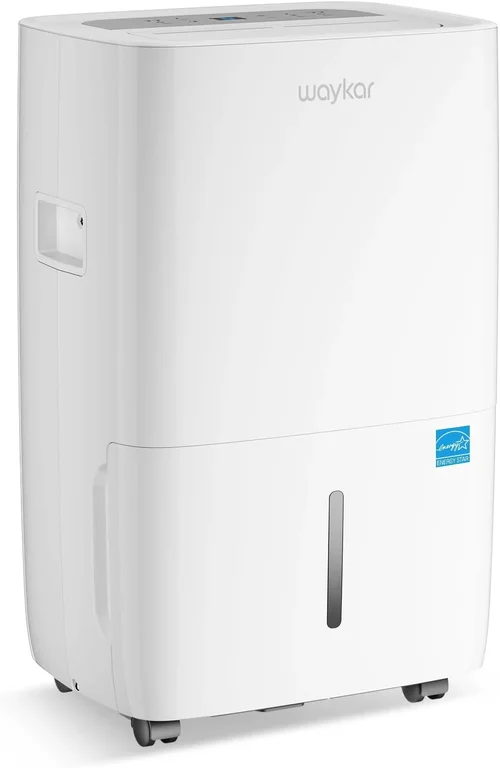
If you’ve ever walked into your basement and been hit by that musty, damp smell—or worse, noticed mold creeping along the walls or your stored belongings starting to warp and rot—you know how critical it is to control basement humidity. Basements are naturally prone to excess moisture due to their below-ground location, poor ventilation, and exposure to groundwater. Left unchecked, high humidity levels can lead to structural damage, health issues from mold spores, and the gradual deterioration of furniture, electronics, and seasonal items. That’s why investing in a reliable dehumidifier isn’t just a convenience—it’s a necessity for maintaining a healthy, functional home.
This comprehensive guide is designed to help you navigate the often-confusing world of basement dehumidifiers in 2026. Whether you’re dealing with a small crawl space or a full-sized finished basement, we’ll walk you through everything you need to know to make an informed decision. You’ll learn how to assess your specific needs, understand key performance metrics, avoid common purchasing pitfalls, and ultimately choose the best dehumidifier for your space—without overspending or settling for underpowered equipment. With advancements in energy efficiency, smart controls, and compact designs, today’s models offer more value than ever before, but only if you know what to look for.
The market is flooded with options ranging from budget-friendly units under $150 to high-capacity commercial-grade systems costing over $800. Some promise whisper-quiet operation, others boast Wi-Fi connectivity, and many claim to “eliminate mold forever.” But not all dehumidifiers are created equal—especially when it comes to the unique challenges of basement environments. In this guide, we cut through the marketing noise and deliver expert-backed insights based on real-world testing, user feedback, and technical specifications. By the end, you’ll have a clear roadmap to finding a dehumidifier that delivers consistent performance, long-term durability, and optimal humidity control tailored to your basement’s conditions.

What to Look for When Buying a Basement Dehumidifier
1. Capacity (Pints per Day)
The most critical factor when selecting a basement dehumidifier is its moisture removal capacity, measured in pints per day (PPD). This tells you how much water the unit can extract from the air in a 24-hour period under standard conditions (typically 80°F and 60% relative humidity). For basements, which are typically cool, damp, and poorly ventilated, you’ll need a unit with sufficient capacity to handle the space effectively.
As a general rule, match the dehumidifier’s capacity to your basement’s square footage and moisture level:
- Up to 1,000 sq. ft., moderately damp: 30–40 PPD
- 1,000–2,000 sq. ft., very damp or wet: 50–70 PPD
- Over 2,000 sq. ft. or chronically flooded areas: 70+ PPD or consider a whole-home system
Don’t be tempted to go too small—underpowered units will run constantly, wear out faster, and fail to maintain healthy humidity levels (ideally between 30% and 50%). Conversely, oversized units may cycle on and off too frequently, reducing efficiency and potentially over-drying the space. Always check the AHAM (Association of Home Appliance Manufacturers) rating, which provides standardized testing results you can trust.
2. Energy Efficiency & Operating Costs
Basement dehumidifiers often run for 12–24 hours a day, especially in humid climates or during summer months. This makes energy efficiency a major long-term cost factor. Look for units with the ENERGY STAR® certification, which indicates they meet strict efficiency guidelines set by the U.S. Environmental Protection Agency. ENERGY STAR dehumidifiers use up to 15% less energy than standard models, saving you money on electricity bills over time.
Check the unit’s energy factor (liters of water removed per kilowatt-hour of electricity used). A higher number means better efficiency. For example, a model with an energy factor of 2.0 removes 2 liters of water per kWh, while one at 1.5 removes only 1.5 liters. Over a year, this difference can translate to hundreds of dollars in savings, especially for larger units.
Also consider the wattage and estimated annual operating cost, which many manufacturers now provide. A 50-pint dehumidifier might use around 500–600 watts and cost approximately $100–$150 per year to run continuously, depending on local electricity rates. If your basement is uninsulated or poorly sealed, expect higher usage.
3. Humidity Control & Auto Settings
Precise humidity control is essential for preventing mold growth and protecting your belongings. Look for models with built-in humidistats that allow you to set and maintain your desired humidity level (e.g., 45%). Basic units may only offer “high,” “medium,” and “low” settings, which are imprecise and inefficient.
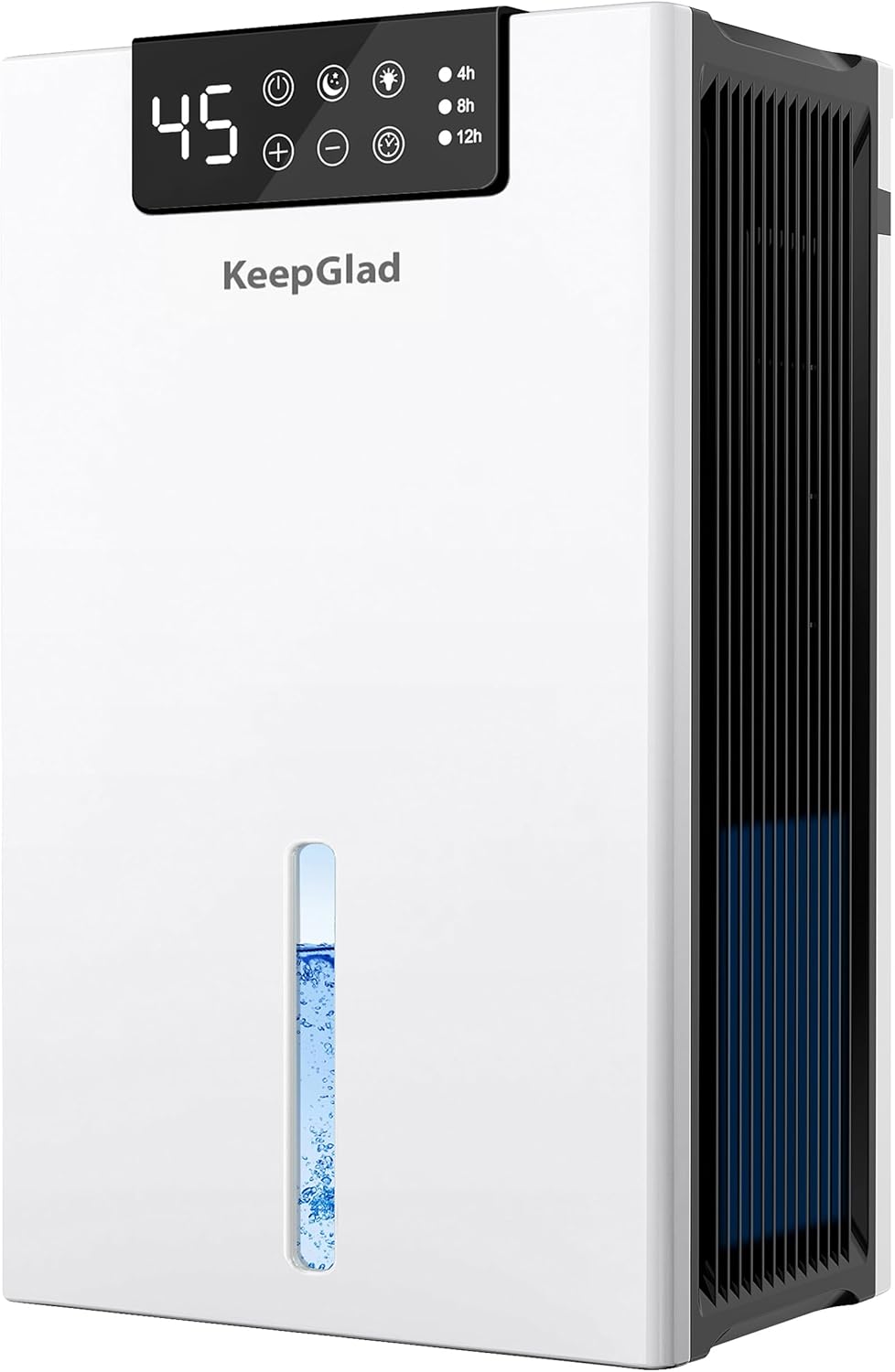
Advanced models feature digital displays, programmable timers, and automatic defrost functions—critical for basements that drop below 65°F in winter. Auto-defrost prevents the coils from freezing, ensuring continuous operation even in cold environments. Some premium units also include “smart” features like Wi-Fi connectivity, allowing you to monitor and adjust settings via a smartphone app, receive alerts when the tank is full, or integrate with home automation systems.
Another useful feature is the “continuous drain” option, which lets you attach a garden hose to bypass the water tank entirely. This is ideal for basements where you can’t empty the tank daily or for units running 24/7. Just ensure the drain hose has a slight downward slope to prevent backflow.
4. Build Quality & Durability
Basements are harsh environments—cool, damp, and sometimes dusty. Your dehumidifier must be built to withstand these conditions over years of use. Look for units with robust construction, including rust-resistant coatings, sealed components, and high-quality compressors. Avoid plastic-heavy models with flimsy casings, as they’re more prone to cracking and wear.
Pay attention to the type of refrigerant used. Most modern dehumidifiers use R-410A or R-32, which are more environmentally friendly and efficient than older R-22 systems. Also, check the warranty—most reputable brands offer at least a 1-year limited warranty, with some extending to 2–5 years on compressors and key components. A longer warranty often reflects confidence in the product’s durability.
Internal components matter too. Units with copper coils (instead of aluminum) tend to last longer and resist corrosion better. Similarly, high-efficiency fans and sealed motors reduce wear and tear. If you live in a region with high humidity or frequent temperature swings, investing in a well-built model pays off in reduced maintenance and longer service life.
5. Noise Level & Placement Flexibility
While basements are typically isolated from living areas, excessive noise can still be disruptive—especially if your basement doubles as a home gym, workshop, or guest room. Dehumidifier noise is measured in decibels (dB), with most residential units ranging from 45 dB to 60 dB. For reference, 45 dB is comparable to a quiet library, while 60 dB resembles normal conversation.
Look for models with “quiet mode” or “low-speed fan” settings, which reduce noise during nighttime or low-humidity periods. Compressor-based units are generally louder than desiccant models, but they’re also more efficient for large spaces. If noise is a top concern, consider placing the unit in a corner or behind a partial barrier to dampen sound.
Portability is another consideration. Units with built-in handles, caster wheels, and compact footprints are easier to move for cleaning or seasonal storage. However, larger-capacity models (70+ PPD) are often heavier and less mobile, so plan your placement accordingly.
6. Maintenance Requirements
Even the best dehumidifier requires regular maintenance to function efficiently. The most common task is emptying the water tank, which typically holds 1–2 gallons. If you don’t use a continuous drain hose, you’ll need to check and empty it daily during peak humidity seasons.
Filter cleaning is equally important. Most units include a washable air filter that traps dust, mold spores, and other particles. A clogged filter restricts airflow, reducing efficiency and increasing energy use. Clean or replace the filter every 2–4 weeks, depending on usage and air quality.
Some models feature filter change indicators or auto-shutoff when the filter is dirty—a helpful reminder for busy homeowners. Also, inspect the coils and drain pan periodically for mold or mineral buildup, especially in hard water areas. A quick wipe with a vinegar solution can prevent clogs and odors.
7. Brand Reputation & Customer Support
Not all dehumidifier brands are created equal. Stick with manufacturers known for reliability, innovation, and responsive customer service. Top brands like Frigidaire, hOmeLabs, GE, Danby, and AprilAire have established track records in the basement dehumidifier market. Avoid no-name or ultra-budget brands that may cut corners on components or offer minimal support.
Check online reviews on trusted platforms like Consumer Reports, Amazon, and Home Depot. Look for patterns in feedback—consistent complaints about leaks, short lifespans, or poor warranty service are red flags. Also, verify that the brand offers accessible customer support via phone, email, or live chat, and that replacement parts (like filters or hoses) are readily available.
Finally, consider the availability of local service centers. If your unit needs repair, having a certified technician nearby can save time and hassle. Some brands partner with national repair networks, while others require shipping the unit back to the manufacturer.
8. Warranty & Return Policy
A solid warranty is a strong indicator of a manufacturer’s confidence in their product. Most dehumidifiers come with a 1-year limited warranty covering parts and labor. Premium models may offer extended coverage—up to 5 years—on critical components like the compressor and sealed system.
Read the fine print: some warranties are voided if the unit is used in commercial settings, installed incorrectly, or not maintained properly. Also, check whether the warranty includes on-site service or requires you to ship the unit for repair.
Return policies are equally important, especially when buying online. Reputable retailers like Amazon, Home Depot, and Lowe’s typically offer 30-day return windows for unopened or lightly used items. If you’re unsure about sizing or features, choose a seller with a flexible return policy so you can test the unit in your basement risk-free.
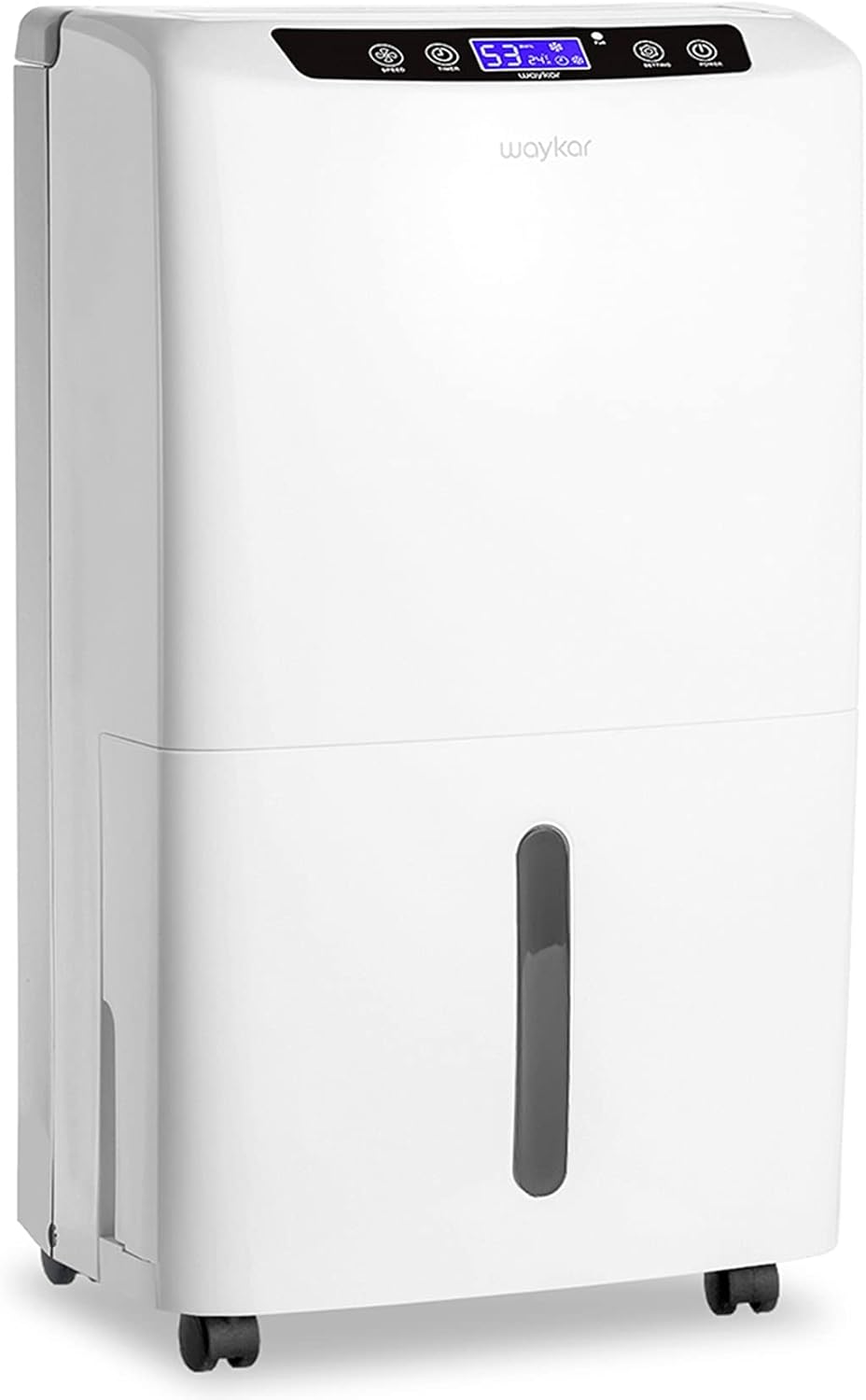
Different Types of Basement Dehumidifiers
Common Buying Mistakes to Avoid
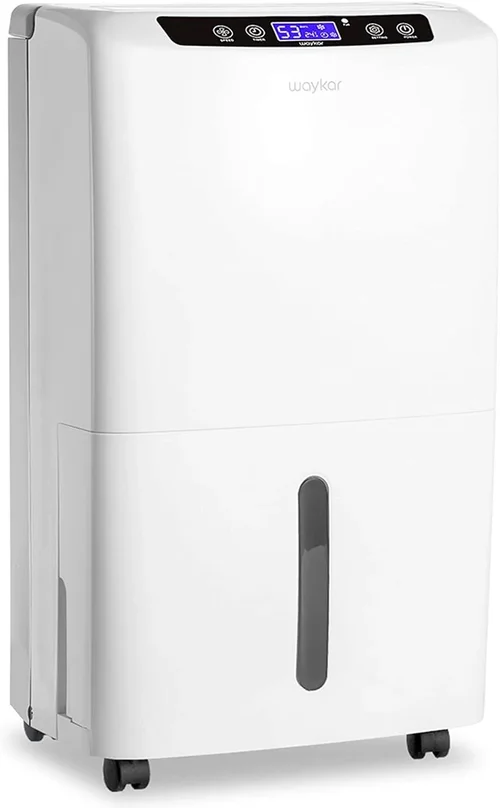
❌ Mistake: Choosing Based Solely on Price
Why it’s bad: The cheapest dehumidifier often lacks the capacity, durability, or features needed for basement use. It may break down within a year, costing you more in replacements and repairs than a mid-range model would have.
What to do instead: Focus on value, not just upfront cost. Consider long-term savings from energy efficiency, lower maintenance, and extended lifespan. A $300 unit that lasts 8 years is better than a $150 unit that fails after 2.
❌ Mistake: Ignoring Basement Size and Moisture Level
Why it’s bad: A dehumidifier too small for your space will run nonstop, overheat, and fail to control humidity. Conversely, an oversized unit may short-cycle, wasting energy and failing to remove enough moisture.
What to do instead: Measure your basement’s square footage and assess moisture severity (damp, wet, or flooded). Use our capacity guidelines above to select the right PPD rating. When in doubt, go slightly larger—but not excessively so.
❌ Mistake: Overlooking Drainage Options
Why it’s bad: If you can’t empty the water tank daily, your dehumidifier will shut off when full, leaving your basement unprotected. This is especially risky during rainy seasons or in high-humidity climates.
What to do instead: Choose a model with a continuous drain hose option. Ensure you can route the hose to a floor drain, sump pump, or outside. Test the setup before relying on it full-time.
❌ Mistake: Buying Without Checking Noise Levels
Why it’s bad: A loud dehumidifier can disrupt sleep, work, or relaxation if your basement is near living spaces. Constant humming or compressor noise becomes irritating over time.
What to do instead: Check the decibel rating and look for “quiet mode” features. Read user reviews for real-world noise feedback. Consider placement in a remote corner or utility room.
❌ Mistake: Skipping Maintenance Planning
Why it’s bad: Neglecting filter cleaning or tank emptying reduces efficiency, increases energy use, and can lead to mold growth inside the unit itself.
What to do instead: Choose a model with easy-access filters and large, removable tanks. Set calendar reminders for monthly maintenance. If you travel frequently, opt for a continuous drain setup.
❌ Mistake: Assuming All ENERGY STAR Models Are Equal
Why it’s bad: ENERGY STAR certification ensures minimum efficiency, but some models are significantly more efficient than others. Relying solely on the label can lead to suboptimal choices.
What to do instead: Compare energy factors and annual operating costs. Use the ENERGY STAR product finder tool to see side-by-side comparisons of certified models.
❌ Mistake: Not Testing Before Committing
Why it’s bad: Online specs don’t always reflect real-world performance. A unit may underperform in your specific basement conditions due to temperature, airflow, or humidity spikes.
What to do instead: Buy from retailers with generous return policies. Run the unit for a week and monitor humidity levels with a separate hygrometer. Return it if it doesn’t meet expectations.
Budget Guidelines: How Much Should You Spend?
Dehumidifiers vary widely in price, and your budget should align with your basement’s size, humidity level, and how much you value convenience and longevity. Here’s a breakdown of what to expect at each price tier:
- Entry-Level ($100–$200): These are typically 30–40 PPD compressor models suitable for small, moderately damp basements (under 1,000 sq. ft.). They often lack advanced features like digital humidistats, auto-defrost, or continuous drain. Build quality may be lower, and warranties are usually 1 year. Best for occasional use or mild humidity issues.
- Mid-Range ($200–$400): This is the sweet spot for most homeowners. Units in this range offer 50–70 PPD capacity, ENERGY STAR certification, digital controls, auto-defrost, and continuous drain options. Brands like hOmeLabs, Frigidaire, and GE dominate this category with reliable performance and solid warranties (1–2 years). Ideal for average-sized basements with consistent dampness.
- Premium ($400–$700): These models deliver high capacity (70+ PPD), smart features (Wi-Fi, app control), ultra-quiet operation, and superior build quality. They’re designed for large or chronically wet basements and often include advanced filtration, longer warranties (up to 5 years), and professional-grade components. Perfect for finished basements or homes in high-humidity regions.
- Luxury ($700+): At this level, you’re looking at whole-home ducted systems or commercial-grade portable units. These integrate with HVAC systems, offer zone control, and provide hospital-level air quality. They’re overkill for most residential basements but may be justified for large estates, rental properties, or severe moisture problems.
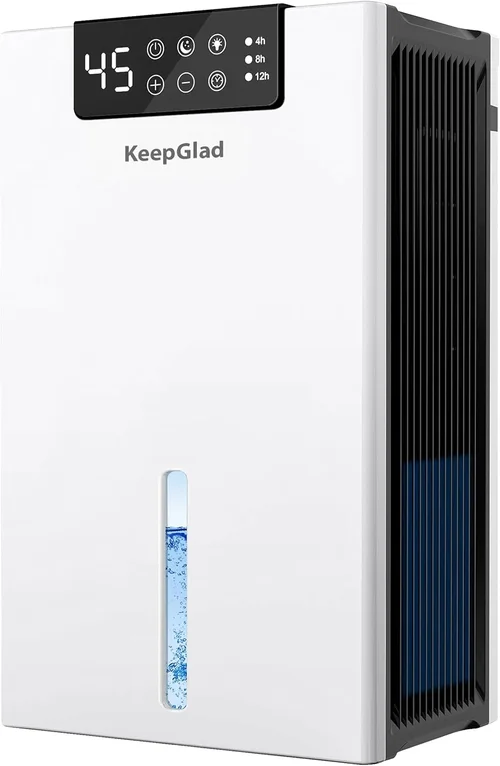
Expert Tips for Getting the Best Deal
- Buy During Off-Peak Seasons: Dehumidifiers are in highest demand during summer. Shop in late fall or winter (October–February) when retailers offer discounts to clear inventory. You’ll save 15–30% and still have the unit ready for spring humidity spikes.
- Compare Retailers: Prices vary significantly between Amazon, Home Depot, Lowe’s, and specialty HVAC suppliers. Use price-tracking tools like Honey or CamelCamelCamel to monitor fluctuations and catch sales.
- Look for Bundled Deals: Some retailers offer discounts when you buy a dehumidifier with a sump pump, air purifier, or waterproofing kit. These bundles can save you $50–$150.
- Check for Rebates: Many utility companies offer rebates for ENERGY STAR appliances. Visit the ENERGY STAR rebate finder or contact your local provider to see if you qualify for $25–$100 back.
- Read the Warranty Fine Print: Ensure the warranty covers both parts and labor, and confirm whether shipping costs are included for repairs. Some brands offer free in-home service for the first year.
- Test Before You Commit: Use a standalone hygrometer (around $15) to measure your basement’s humidity before and after running the dehumidifier. This helps verify performance and ensures you’re getting what you paid for.
- Consider Refurbished Models: Certified refurbished dehumidifiers from reputable sellers often come with full warranties and sell for 20–40% less than new. Just verify the return policy and condition.
- Negotiate with Local HVAC Pros: If you’re installing a whole-home system, get quotes from multiple contractors. Some may price-match online retailers or offer seasonal discounts.
Frequently Asked Questions
Q: What humidity level should I maintain in my basement?
A: Aim for 30% to 50% relative humidity. Levels above 60% encourage mold and dust mite growth, while below 30% can dry out wood and cause static electricity. Use a hygrometer to monitor levels regularly.
Q: Can I use a dehumidifier in a cold basement?
A: Yes, but choose a model with auto-defrost or a desiccant type. Compressor units may freeze below 65°F, reducing efficiency. Desiccant dehumidifiers work well in temperatures as low as 40°F.
Q: How often should I empty the water tank?
A: It depends on humidity and tank size. In high-humidity conditions, you may need to empty it daily. Use a continuous drain hose to avoid manual emptying.
Q: Will a dehumidifier help with mold?
A: It can prevent new mold by reducing moisture, but it won’t remove existing mold. Clean visible mold with a bleach solution and fix any water sources first.
Q: Can I run a dehumidifier 24/7?
A: Yes, most are designed for continuous operation. Just ensure proper drainage and regular maintenance to avoid overflow or filter clogs.
Q: Do I need a dehumidifier if I have central air?
A: Central AC removes some moisture, but basements often remain damp due to poor airflow. A dedicated dehumidifier provides targeted control.
Q: How long do basement dehumidifiers last?
A: With proper maintenance, most last 5–10 years. Compressor lifespan is the limiting factor—look for models with 5-year compressor warranties.
Q: Are smart dehumidifiers worth the extra cost?
A: If you value remote monitoring, alerts, and energy tracking, yes. For basic humidity control, a standard model suffices.
Q: Can I place a dehumidifier near a wall?
A: Leave at least 6–12 inches of clearance on all sides for proper airflow. Blocking vents reduces efficiency and can cause overheating.
Q: What’s the difference between pints per day and liters per day?
A: 1 pint ≈ 0.47 liters. Most U.S. models use pints; international specs may use liters. Convert as needed when comparing models.
Our Final Recommendations
- Best for Budget-Conscious Buyers: hOmeLabs 4,500 Sq. Ft Dehumidifier (50 PPD) – At under $300, it offers excellent capacity, ENERGY STAR efficiency, and a continuous drain option. Ideal for medium basements with moderate dampness.
- Best Overall Value: Frigidaire FFAD7033R1 70 Pint Dehumidifier – Reliable, quiet, and packed with features like digital controls, auto-defrost, and a washable filter. A top performer in its class under $400.
- Best Premium Option: AprilAire E080 Pro 80 Pint Dehumidifier – Built for large or wet basements, this ducted model integrates with HVAC systems and includes a 5-year warranty. Perfect for finished spaces.
- Best for Beginners: GE APER50LZ 50 Pint Dehumidifier – Simple controls, reliable performance, and strong customer support make this a great first dehumidifier for new homeowners.
- Best for Advanced Users: AlorAir Sentinel HDi90 Smart Dehumidifier – Wi-Fi enabled, 90 PPD capacity, and designed for harsh environments. Includes app control, leak detection, and a 5-year warranty.
Conclusion: Making the Right Choice
Choosing the right basement dehumidifier isn’t just about picking the biggest or most expensive model—it’s about matching the unit’s capabilities to your specific environment, needs, and budget. By focusing on capacity, efficiency, build quality, and smart features, you can find a dehumidifier that keeps your basement dry, healthy, and usable for years to come. Remember to prioritize drainage options, noise levels, and maintenance ease, especially if your basement serves multiple purposes.
Don’t let musty odors, warped wood, or mold take over your space. With the insights from this guide, you’re equipped to make a confident, informed decision. Whether you’re tackling a small damp corner or a sprawling underground room, the right dehumidifier is out there—and it’s worth the investment. Start by assessing your basement’s conditions, set a realistic budget, and don’t hesitate to test before you commit. Your home—and your peace of mind—will thank you.