
When it comes to maintaining your vehicle’s interior health, most drivers focus on cleanliness, upholstery protection, or air fresheners—but few consider the silent threat lurking in the cabin: excess moisture. Over time, humidity buildup inside a car can lead to musty odors, foggy windows, mold growth on seats and carpets, and even corrosion of internal electronics. Whether you live in a rainy coastal region, park your car outdoors during winter, or simply notice condensation forming overnight, a car dehumidifier is a smart, often overlooked investment that pays dividends in comfort, safety, and long-term vehicle preservation.
This comprehensive buying guide is designed to cut through the noise and help you make an informed decision when selecting the best dehumidifier for your car in 2026. We’ll walk you through everything from how these devices work and what features truly matter, to real-world performance comparisons and budget-friendly options that don’t compromise on quality. Whether you’re a weekend driver, a daily commuter, or someone who stores their vehicle for extended periods, understanding your options will ensure you choose a solution that fits your lifestyle, climate, and expectations.
The market for automotive dehumidifiers has evolved significantly in recent years. Gone are the days when silica gel packs were the only option—today’s models range from compact electric units with smart sensors to rechargeable desiccant-based systems and even solar-powered variants. With so many choices available, it’s easy to feel overwhelmed. But by focusing on key performance metrics, build quality, and user needs, you can find a reliable device that keeps your car dry, odor-free, and protected year-round. Let’s dive into what matters most when shopping for a car dehumidifier.

What to Look for When Buying Buying Guide
1. Moisture Removal Capacity
The single most important factor when choosing a car dehumidifier is its moisture removal capacity—essentially, how much water it can extract from the air over a given period. This is typically measured in milliliters per day (mL/day) or grams per 24 hours. For most standard sedans or compact SUVs, a unit capable of removing 200–500 mL/day is sufficient under normal conditions. However, if you live in a high-humidity environment (like Florida, the Pacific Northwest, or Southeast Asia), or if your car frequently accumulates moisture from wet gear, snow, or rain, you may need a higher-capacity model.
Look for products that specify their extraction rate under standardized testing conditions (e.g., 86°F and 80% relative humidity). Be cautious of vague claims like “removes moisture effectively” without quantifiable data. A dehumidifier with too little capacity will struggle to keep up, leaving your car damp and prone to mold. Conversely, an oversized unit may be unnecessarily expensive or bulky for your needs. Always match the capacity to your vehicle size and typical humidity exposure.
2. Power Source & Energy Efficiency
Car dehumidifiers come in three main power configurations: plug-in (12V cigarette lighter), battery-operated, and passive (non-electric, like silica gel). Each has distinct advantages and limitations.
Plug-in models draw power from your car’s 12V outlet and are ideal for continuous use while the vehicle is parked. They tend to offer the strongest performance but require access to a power source—meaning you’ll need to leave the adapter plugged in, which may drain your car battery if the engine isn’t running. Some advanced units include low-voltage protection to prevent this, so look for that feature if you plan to use it overnight or during long storage periods.
Battery-operated dehumidifiers are portable and convenient for short-term use or vehicles without accessible outlets, but they typically have lower capacity and shorter run times. Rechargeable lithium-ion models are improving, but still lag behind plug-in units in sustained performance.
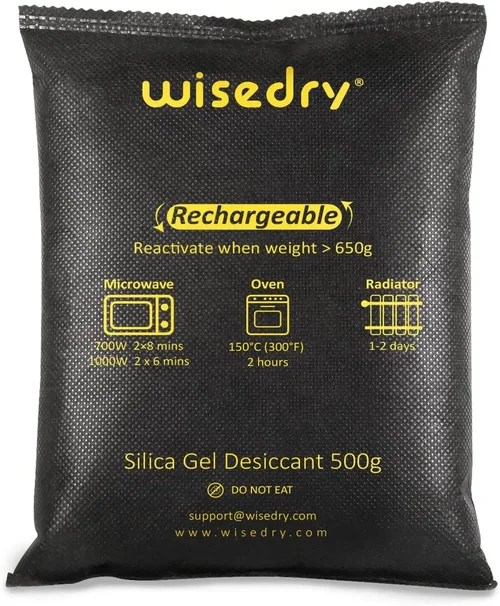
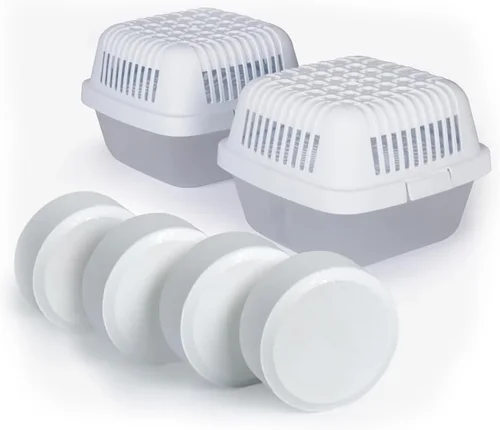
Passive dehumidifiers (like silica gel canisters or clay-based absorbers) don’t require electricity at all. They’re silent, eco-friendly, and perfect for seasonal storage or low-humidity environments. However, they must be “recharged” regularly by drying them in an oven or microwave, and their effectiveness diminishes over time unless maintained properly.
Energy efficiency matters most for electric models. Look for units with auto-shutoff, humidity sensors, or sleep modes that reduce power consumption when optimal dryness is reached. This not only saves battery life but also extends the device’s operational lifespan.
3. Size, Portability & Placement Flexibility
Unlike home dehumidifiers, car models must be compact enough to fit discreetly in tight spaces—under seats, in footwells, glove compartments, or trunk corners. A bulky unit that blocks foot traffic or interferes with pedals is impractical, no matter how powerful it is.
Measure your intended placement area before purchasing. Most effective car dehumidifiers are no larger than a shoebox, with dimensions around 6–8 inches in length and 4–5 inches in height. Weight should ideally be under 2 pounds for easy handling.
Portability also includes ease of movement between vehicles. If you own multiple cars or share driving duties, a lightweight, cordless option might be preferable. Some models come with built-in handles or non-slip bases to prevent sliding during transit.
Consider airflow design as well. Units with multi-directional vents or 360-degree intake allow placement in any orientation without blocking airflow. Avoid models that require specific positioning (e.g., upright only), as this limits where you can install them.
4. Build Quality & Durability
Your car dehumidifier will face harsh conditions: temperature swings from -10°F in winter to 140°F in summer, vibrations from driving, dust, and occasional spills. Cheap plastic housings can crack, seals can degrade, and internal components can fail prematurely under such stress.
Look for housings made from high-impact ABS or polycarbonate plastics, which resist cracking and yellowing. Sealed electronics are essential—especially for electric models—to prevent moisture ingress that could cause short circuits. Check for IP ratings (Ingress Protection); while full waterproofing isn’t necessary, an IPX4 rating (splash-resistant) adds peace of mind.
Internal components matter too. Desiccant-based units should use high-purity silica gel or advanced moisture-absorbing materials like MOFs (metal-organic frameworks), which offer superior absorption and reusability. Compressor-based electric models should feature corrosion-resistant coils and quiet, durable fans.
User testimonials often reveal durability issues not mentioned in product specs. Pay attention to reviews mentioning longevity, especially after 6–12 months of use. A dehumidifier that works great for a month but fails after three is worse than no dehumidifier at all.
5. Smart Features & Automation
Modern car dehumidifiers are increasingly incorporating smart technology to enhance usability and efficiency. These features aren’t just gimmicks—they can significantly improve performance and convenience.
Humidity sensors are perhaps the most valuable addition. They allow the unit to monitor cabin humidity in real time and activate only when needed, conserving energy and preventing over-drying. Some models display current humidity levels via LED indicators or digital screens.
Auto shut-off is another critical feature. It prevents the unit from running dry (which can damage pumps or heaters) and stops operation once the desired humidity level is achieved. Timer functions let you set run durations (e.g., 2, 4, or 8 hours), useful for overnight use without constant monitoring.
Wi-Fi or Bluetooth connectivity is emerging in premium models, enabling remote control via smartphone apps. You can check humidity status, adjust settings, or receive alerts when the water tank is full—even from inside your home. While not essential, these features add significant value for tech-savvy users or those managing fleet vehicles.
Noise level matters too, especially for overnight use. Look for units rated below 40 decibels—quieter than a whisper. Brushless motors and vibration-dampening designs contribute to silent operation.
6. Maintenance Requirements
No dehumidifier is truly “set it and forget it.” All require some level of maintenance, but the frequency and complexity vary widely.
Electric models with water tanks need regular emptying—typically every 1–3 days, depending on humidity and capacity. Tanks should be easy to remove, clean, and reinsert without spilling. Wide openings and dishwasher-safe materials simplify cleaning.
Desiccant-based units require periodic recharging. Silica gel canisters usually need drying every 2–4 weeks in a 250°F oven for 2–3 hours. Some newer models include indicator beads that change color when saturated, making maintenance intuitive.
Filter-equipped units (common in compressor-based models) need filter cleaning or replacement every 1–6 months. Washable filters are preferable to disposable ones for cost and environmental reasons.
Consider how much effort you’re willing to invest. If you travel frequently or have a busy schedule, opt for low-maintenance options like large-capacity tanks or self-regenerating desiccants. For occasional use, simpler systems may suffice.
7. Brand Reputation & Customer Support
With the rise of Amazon-only brands and generic imports, it’s more important than ever to choose a reputable manufacturer. Established brands like Eva-Dry, Dry-Packs, and ProBreeze have years of experience in moisture control and consistently deliver reliable products.
Check for third-party certifications such as CE, RoHS, or UL listing, which indicate compliance with safety and environmental standards. Be wary of uncertified devices, especially those sold at unusually low prices—they may use substandard components or lack proper insulation.
Customer support is equally vital. What happens if your unit stops working after two months? Look for brands that offer responsive email or phone support, clear troubleshooting guides, and hassle-free return processes. Read recent reviews to see how companies handle warranty claims or defective units.
Community reputation matters too. Forums like Reddit’s r/cars or automotive enthusiast groups often discuss real-world experiences with specific models. A product with glowing marketing copy but mixed user feedback should raise red flags.
8. Warranty & Return Policy
A solid warranty reflects a manufacturer’s confidence in their product. Most reputable car dehumidifiers come with a 1–2 year limited warranty covering defects in materials and workmanship. Premium brands may offer up to 3 years.
Pay attention to what’s covered: Does the warranty include the desiccant material, electrical components, or just the housing? Is accidental damage included? Can you get a replacement or only a repair?
Return policies are just as important. Ideally, you should have at least 30 days to test the unit in your actual vehicle. Some retailers (like Amazon) offer extended return windows during holiday seasons, which can be useful if you’re buying ahead of winter.
Avoid sellers with restocking fees or short return periods. If a company makes it difficult to return a product, they may be hiding quality issues.
Different Types of Buying Guide

Common Buying Mistakes to Avoid
❌ Mistake: Choosing Based Solely on Price
Why it’s bad: The cheapest dehumidifier often lacks essential features like auto shut-off, humidity sensors, or durable construction. You may end up replacing it within months, costing more in the long run.
What to do instead: Focus on value—not just upfront cost. A mid-range unit with a 2-year warranty and proven performance will save money and frustration over time.
❌ Mistake: Ignoring Vehicle Size and Usage Patterns
Why it’s bad: A dehumidifier sized for a compact car will be overwhelmed in a large SUV or van, leading to ineffective drying and mold growth.
What to do instead: Match the unit’s capacity to your vehicle’s interior volume. For larger vehicles, consider dual units or higher-output models.
❌ Mistake: Overlooking Maintenance Needs
Why it’s bad: Neglecting to empty tanks or recharge desiccants renders the device useless and can even create new moisture sources (e.g., stagnant water).
What to do instead: Choose a system aligned with your maintenance tolerance. If you dislike chores, go for large-capacity electric models or self-indicating desiccants.
❌ Mistake: Assuming All “Car-Safe” Labels Are Equal
Why it’s bad: Some products marketed as “car dehumidifiers” are actually repurposed home units that overheat or draw too much current, risking battery drain or fire.
What to do instead: Verify that the product is specifically designed for automotive use, with 12V compatibility and low-power circuitry.
❌ Mistake: Buying Without Testing Placement
Why it’s bad: A unit that doesn’t fit under your seat or blocks the glove box is impractical, no matter how well it performs.
What to do instead: Measure your intended spot and check product dimensions. Look for flexible placement options like flat bases or magnetic mounts.
❌ Mistake: Disregarding Climate Conditions
Why it’s bad: A desiccant-based unit may work fine in Arizona but fail completely in Seattle’s damp winters.
What to do instead: Assess your local humidity levels and seasonal weather patterns. In high-rainfall areas, prioritize electric or hybrid models with active moisture removal.
❌ Mistake: Skipping User Reviews
Why it’s bad: Marketing claims often exaggerate performance. Real users reveal flaws like noisy operation, short lifespans, or poor customer service.
What to do instead: Read recent, verified purchase reviews across multiple platforms. Look for consistent feedback about reliability and ease of use.
Budget Guidelines: How Much Should You Spend?
– Entry-Level ($15–$30): This tier includes basic silica gel canisters and small clay-based absorbers. They’re affordable and effective for light moisture issues or seasonal storage in dry climates. Expect limited capacity (50–150 mL/day equivalent) and frequent recharging. Ideal for occasional use or as a supplemental solution.
– Mid-Range ($30–$70): The sweet spot for most drivers. Includes rechargeable Peltier dehumidifiers, mid-capacity desiccant units with indicators, and basic electric models with auto shut-off. These offer a balance of performance, convenience, and durability. Perfect for daily commuters in moderate climates.
– Premium ($70–$120): For enthusiasts and those in high-humidity regions. Features include compressor-based systems, smart humidity sensors, Wi-Fi connectivity, and large water tanks (500+ mL). These units deliver consistent, high-volume moisture removal with minimal user intervention. Great for SUVs, convertibles, or vehicles stored outdoors.
– Luxury ($120+): Top-tier models with advanced materials (e.g., MOF desiccants), solar integration, multi-zone control, and extended warranties. Often used in classic car preservation, RVs, or commercial fleets. While overkill for most, they offer unparalleled reliability and automation for serious collectors or professionals.

Expert Tips for Getting the Best Deal
– Buy Before Peak Season: Prices for dehumidifiers often rise in late fall and winter due to demand. Purchase in late summer or early fall to catch end-of-season discounts.
– Check Automotive Retailers: Stores like AutoZone, O’Reilly, or Advance Auto Parts sometimes offer exclusive bundles or in-store coupons not available online.
– Watch for Refurbished Units: Certified refurbished models from reputable brands can save 20–40% off retail while offering the same warranty as new units.
– Bundle with Accessories: Some sellers include free car air fresheners, cleaning cloths, or extra desiccant packs—look for these value-adds.
– Use Price Tracking Tools: Browser extensions like Honey or CamelCamelCamel alert you when prices drop on Amazon or other sites.
– Test Return Policies: Before committing, ensure you can return the product if it doesn’t fit or perform as expected. Avoid sellers with restocking fees.
– Consider Multi-Packs: If you have multiple vehicles, buying two mid-range units may be cheaper per piece than individual purchases.
– Read the Fine Print on Warranties: Some warranties are voided if the unit is used in extreme temperatures or without proper maintenance—know the terms upfront.

Frequently Asked Questions
Q: Can a car dehumidifier drain my battery?
A: It depends on the type. Plug-in electric models can drain your battery if left connected for days without the engine running. However, most modern units include low-voltage protection that cuts power when battery levels drop below a safe threshold (usually 11.6V). Desiccant and solar models pose no risk.
Q: How often should I empty the water tank?
A: This varies by model and humidity levels. In high-moisture conditions, you may need to empty it daily. In drier climates, every 2–3 days is typical. Units with full-tank indicators or auto shut-off simplify this process.
Q: Will a dehumidifier remove existing mold or mildew?
A: No—it prevents new growth by reducing moisture, but it won’t eliminate existing mold. For active infestations, clean affected areas with a automotive-safe mold remover first, then use a dehumidifier to prevent recurrence.
Q: Are car dehumidifiers safe to leave overnight?
A: Yes, provided they have safety features like auto shut-off, overheat protection, and low-voltage cutoffs. Always follow the manufacturer’s guidelines and avoid covering the unit with fabrics or mats.
Q: Do I need a dehumidifier if I park in a garage?
A: Possibly. Garages can be damp, especially if they’re unheated or share walls with laundry rooms. If you notice condensation or musty smells, a dehumidifier is still beneficial.
Q: Can I use a home dehumidifier in my car?
A: Not recommended. Home units are designed for 120V AC power and draw too much current for a car’s electrical system. They can also overheat in enclosed spaces and lack automotive safety certifications.
Q: How long do desiccant dehumidifiers last?
A: High-quality silica gel can last 2–5 years with proper recharging. Over time, the gel loses absorption efficiency, so replace it if you notice reduced performance or no color change in indicator beads.
Q: Do dehumidifiers work in cold weather?
A: Electric compressor models lose efficiency below 65°F and may not work at all in freezing temperatures. Desiccant and Peltier units perform better in cold climates, though extraction rates slow slightly.
Q: Can I use essential oils with my dehumidifier?
A: Generally no. Adding oils to water tanks or desiccants can damage internal components, create odors, or void warranties. Use a separate car air freshener instead.
Q: Is a larger water tank always better?
A: Not necessarily. While a larger tank reduces emptying frequency, it also increases size and weight. For most cars, a 300–500 mL tank strikes the best balance between capacity and portability.
Our Final Recommendations
– Best for Budget-Conscious Buyers: Dry-Packs 400g Silica Gel Canister – At under $20, this reusable desiccant offers excellent value for light moisture control. Includes a color-changing indicator and oven-rechargeable design. Perfect for seasonal storage or low-humidity areas.
– Best Overall Value: Eva-Dry E-500 Renewable Wireless Dehumidifier – Combines high-capacity silica gel with a sleek, compact design. No cords, no noise, and lasts up to 6 weeks per charge. Ideal for daily drivers seeking hassle-free moisture management.
– Best Premium Option: ProBreeze PB-CAR-200 Mini Car Dehumidifier – A compressor-based unit with 500 mL/day capacity, humidity sensor, and auto shut-off. Quiet, efficient, and built to handle high-humidity environments. Includes a 2-year warranty and low-voltage protection.
– Best for Beginners: Homedics Compact Car Dehumidifier – Simple plug-and-play operation with a 300 mL tank and LED full-tank indicator. Affordable, reliable, and easy to maintain—great for first-time users.
– Best for Advanced Users: Eva-Dry EDV-4000 Smart Car Dehumidifier – Features Wi-Fi connectivity, app control, real-time humidity monitoring, and a 1-liter tank. Designed for tech-savvy owners who want full automation and remote oversight.
Conclusion: Making the Right Choice
Choosing the right car dehumidifier isn’t just about eliminating foggy windows or musty smells—it’s about protecting your investment, enhancing comfort, and ensuring a healthier driving environment. By focusing on moisture removal capacity, power source, build quality, and your specific usage patterns, you can find a solution that delivers lasting results without breaking the bank.
Remember, the “best” dehumidifier is the one that fits your lifestyle, climate, and vehicle. Don’t be swayed by flashy features or ultra-low prices alone. Instead, prioritize reliability, ease of maintenance, and real-world performance. Whether you opt for a simple silica gel pack or a smart electric unit, taking action now will save you from costly repairs, unpleasant odors, and potential health risks down the road.
Start by assessing your needs: How humid is your area? How often do you drive? Where will you place the unit? Once you have clarity, use this guide to compare options confidently. And when you find the right match, you’ll wonder how you ever drove without it. Your car—and your lungs—will thank you.