
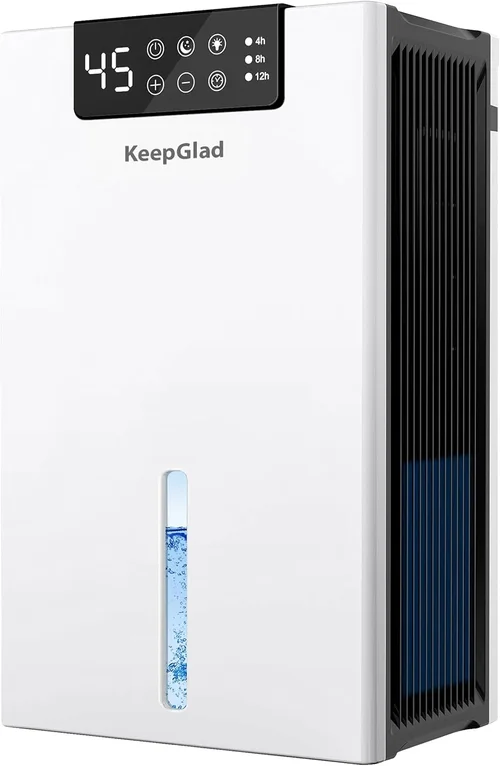
Choosing the right dehumidifier for your bedroom isn’t just about comfort—it’s about health, sleep quality, and long-term home preservation. Excess moisture in the air can lead to mold growth, dust mite proliferation, musty odors, and even respiratory issues like allergies or asthma flare-ups. For many people, especially those living in humid climates or older homes with poor ventilation, a bedroom dehumidifier is an essential appliance. Yet, with so many models on the market—ranging from compact, whisper-quiet units to high-capacity industrial-grade machines—it’s easy to feel overwhelmed. That’s where this guide comes in.
In this comprehensive buying guide, we’ll walk you through everything you need to know to select the best dehumidifier for your bedroom in 2026. Whether you’re dealing with chronic dampness, seasonal humidity spikes, or simply want to improve indoor air quality, we’ll break down the key factors that matter most: performance specs, noise levels, energy efficiency, smart features, and more. We’ll also compare different types of dehumidifiers, highlight common purchasing mistakes, offer budget-friendly recommendations, and share expert tips to help you get the best value for your money. By the end, you’ll have the confidence to choose a model that fits your space, lifestyle, and sleep needs—without overspending or compromising on performance.
The dehumidifier market has evolved significantly in recent years. Advances in compressor technology, smart home integration, and eco-friendly refrigerants have made modern units quieter, more efficient, and easier to use than ever before. At the same time, consumer demand for healthier indoor environments has driven innovation in air filtration, auto-humidistats, and even app-controlled operation. Today’s bedroom dehumidifiers aren’t just functional—they’re designed to blend seamlessly into your living space while working silently in the background. From ultra-compact 20-pint units perfect for small bedrooms to larger 50-pint models ideal for master suites or basements with bedroom conversions, there’s a solution for nearly every scenario. This guide will help you navigate that landscape with clarity and precision.
What to Look for When Buying a Bedroom Dehumidifier
1. Room Size & Capacity (Pints per Day)
The most critical factor when choosing a bedroom dehumidifier is matching the unit’s capacity to your room size. Dehumidifiers are rated by how many pints of moisture they can remove from the air in 24 hours—commonly ranging from 20 to 70+ pints. For a standard bedroom (100–300 sq. ft.), a 20–30 pint model is usually sufficient. Larger bedrooms (300–500 sq. ft.) may require a 30–50 pint unit, especially if the space is prone to dampness or shares walls with bathrooms or laundry areas.
However, don’t just rely on square footage alone. Consider the humidity level in your home. If you live in a coastal region, near a lake, or in a basement bedroom, you’ll likely need a higher-capacity unit even for a modestly sized room. Manufacturers often provide sizing charts based on both room size and humidity conditions (e.g., “moderately damp,” “very wet”). Always err on the side of slightly higher capacity—it ensures faster moisture removal and reduces strain on the compressor.
2. Noise Level (Decibel Rating)
Since your bedroom is a place for rest and relaxation, noise is a top concern. Most modern dehumidifiers operate between 35–50 decibels (dB)—comparable to a quiet library or soft conversation. However, some budget models or older units can exceed 55 dB, which may disrupt light sleepers. Look for models explicitly labeled as “quiet” or “whisper-quiet,” and check third-party reviews for real-world noise assessments.
Compressor-based dehumidifiers tend to be louder than thermoelectric (Peltier) models, but they’re also far more effective in typical bedroom conditions. If ultra-low noise is non-negotiable, consider a thermoelectric unit—but only for very small spaces (under 150 sq. ft.) and mild humidity. For most users, a well-insulated compressor model with a low-speed fan setting offers the best balance of performance and quiet operation.
3. Energy Efficiency & Operating Costs
Dehumidifiers can consume significant electricity, especially if run continuously. Look for units with an Energy Star certification, which indicates they meet strict efficiency guidelines set by the U.S. Environmental Protection Agency. Energy Star models use up to 15% less energy than standard units, translating to lower utility bills over time.
Check the unit’s wattage and estimated annual operating cost (often listed in the product specs). A typical 30-pint dehumidifier uses around 300–400 watts and may cost $30–$60 per year to run, depending on local electricity rates and usage frequency. Some premium models feature variable-speed compressors or adaptive defrost cycles that further reduce energy consumption during low-humidity periods.
4. Humidity Control & Auto Features
Precise humidity control is essential for maintaining a healthy bedroom environment. The ideal indoor relative humidity (RH) range is 30–50%. Too low, and you risk dry skin and irritated sinuses; too high, and mold and dust mites thrive. Look for a built-in humidistat that allows you to set your desired RH level. Once reached, the unit should automatically cycle on and off to maintain that level—this is known as “auto mode” or “continuous operation with humidistat.”
Additional smart features include auto-restart (resumes operation after a power outage), auto-defrost (prevents ice buildup in cold temperatures), and full-tank alerts with auto-shutoff. Some high-end models even connect to Wi-Fi and integrate with smart home systems like Alexa or Google Home, allowing you to monitor and adjust settings remotely via an app.
5. Tank Size & Drainage Options
All dehumidifiers collect water in an internal tank, which must be emptied periodically—unless you opt for continuous drainage. Tank capacity typically ranges from 0.5 to 1.5 gallons. For a bedroom, a 1-gallon tank is usually adequate, requiring emptying every 12–24 hours under normal conditions. Larger tanks reduce maintenance frequency but add bulk.
If you prefer hands-free operation, choose a model with a built-in hose connection for continuous gravity drainage. Simply attach a garden hose and route it to a floor drain, sink, or condensate pump. This is especially useful for overnight use or if you’re away frequently. Note: not all units include a drain hose—you may need to purchase one separately.
6. Build Quality, Design & Portability
A bedroom dehumidifier should be durable, easy to move, and aesthetically unobtrusive. Look for sturdy construction with reinforced handles, smooth-rolling casters, and a compact footprint that fits under a nightstand or in a closet. Many modern units feature sleek, neutral designs that blend with bedroom decor.
Weight matters too—especially if you plan to move the unit between rooms. Most bedroom-sized dehumidifiers weigh 25–45 lbs. Full-sized wheels and ergonomic handles make relocation easier. Avoid flimsy plastic housings or poorly sealed components, as these can lead to leaks or premature failure.
7. Air Filtration & Additional Features
Many dehumidifiers include basic air filters to capture dust, pollen, and pet dander as moisture is removed. While not a replacement for a dedicated air purifier, this dual function can improve overall air quality. Look for washable or replaceable filters—HEPA or activated carbon filters offer superior filtration but may increase cost and maintenance.
Other useful features include a timer (for scheduled operation), child lock (to prevent accidental changes), and LED display with intuitive controls. Some models even include a laundry mode, which boosts fan speed to speed up drying clothes indoors—a handy bonus for small bedrooms used as multifunctional spaces.
8. Brand Reputation & Customer Support
Stick with reputable brands known for reliability and customer service. Top manufacturers like Frigidaire, hOmeLabs, GE, Tosot, and Eva-Dry have strong track records in the dehumidifier market. Read verified customer reviews on retail sites like Amazon, Home Depot, or Best Buy to gauge real-world performance and durability.
Pay attention to warranty length and coverage. A standard warranty is 1–2 years, but some premium brands offer 3–5 years, especially on compressors. Check if the company provides responsive technical support, easy return policies, and accessible replacement parts. Avoid obscure brands with no online presence or limited service networks.
Different Types of Bedroom Dehumidifiers

Common Buying Mistakes to Avoid
❌ Mistake: Choosing Based Solely on Price
Why it’s bad: The cheapest dehumidifier often lacks essential features like a humidistat, auto-shutoff, or efficient compressor. It may also be louder, less durable, and consume more energy over time, costing you more in the long run.
What to do instead: Focus on total value—not just upfront cost. Consider energy efficiency, warranty, noise level, and feature set. A mid-range model with Energy Star certification often pays for itself within a year through lower electricity bills and better performance.
❌ Mistake: Ignoring Noise Levels
Why it’s bad: A noisy dehumidifier can disrupt sleep, especially if placed near the bed. High-decibel operation may cause restlessness, reduced sleep quality, and even long-term sleep deprivation.
What to do instead: Prioritize units with verified low noise ratings (under 45 dB). Read user reviews mentioning “quiet,” “silent,” or “sleep-friendly.” Test the unit in-store if possible, or choose brands known for quiet operation like hOmeLabs or Tosot.
❌ Mistake: Overlooking Drainage Options
Why it’s bad: If you forget to empty the tank nightly, the unit will shut off when full—leaving your room humid again. This defeats the purpose and can lead to mold growth.
What to do instead: Opt for a model with continuous drainage capability or a large tank (1+ gallons). If using a hose drain, ensure you have access to a nearby drain or invest in a condensate pump for upward routing.
❌ Mistake: Buying Too Small (or Too Large)
Why it’s bad: An undersized unit will run constantly, overheat, and wear out quickly. An oversized one may cycle too frequently, wasting energy and failing to properly dehumidify due to short run times.
What to do instead: Use manufacturer sizing guides based on both room size and humidity level. When in doubt, go one size up—but avoid extreme overcapacity unless you have a very large or extremely damp space.
❌ Mistake: Neglecting Air Filtration
Why it’s bad: Without a filter, your dehumidifier may recirculate dust, mold spores, and allergens, worsening indoor air quality—especially problematic for allergy or asthma sufferers.
What to do instead: Choose a model with at least a washable mesh filter. For sensitive individuals, look for units with HEPA or activated carbon filters that trap finer particles and odors.
❌ Mistake: Skipping the Warranty Check
Why it’s bad: Dehumidifiers contain complex mechanical parts (compressors, fans, sensors) that can fail. Without a solid warranty, repair costs can exceed the unit’s value.
What to do instead: Always verify warranty terms before purchasing. Aim for at least a 2-year warranty, with compressor coverage included. Register your product promptly to activate protection.
❌ Mistake: Assuming All “Quiet” Models Are Equal
Why it’s bad: Some brands market “quiet” operation based on ideal lab conditions, not real-world bedroom use. Fan hum, compressor clicks, or vibration can still be disruptive.
What to do instead: Rely on detailed user reviews that describe nighttime performance. Look for mentions of “no disturbance during sleep” or “barely noticeable.” Consider placing the unit on a soft mat to reduce vibration noise.
Budget Guidelines: How Much Should You Spend?
Entry-Level ($50–$150):
These are typically thermoelectric or mini compressor units best suited for very small spaces (under 200 sq. ft.) with mild humidity. Expect basic functionality—manual controls, small tanks, no humidistat, and limited durability. Ideal for occasional use or closets, but not recommended for primary bedroom humidity control. Brands like Eva-Dry and Ivation offer decent options in this range.
Mid-Range ($150–$300):
This is the sweet spot for most bedroom buyers. You’ll find reliable 20–50 pint compressor models with Energy Star ratings, built-in humidistats, auto-shutoff, and quieter operation. Units from hOmeLabs, Tosot, and Frigidaire dominate this category, offering excellent balance between price, performance, and features. Many include washable filters and continuous drainage options.
Premium ($300–$500):
Designed for larger bedrooms, high-humidity environments, or users who prioritize smart features. Expect Wi-Fi connectivity, app control, advanced air filtration (HEPA/carbon), ultra-low noise (<40 dB), and robust build quality. Brands like GE, AprilAire, and Midea offer top-tier models here. These units often have longer warranties and superior energy efficiency.
Luxury ($500+):
Reserved for whole-home systems, basement bedrooms, or commercial-grade applications. These dehumidifiers offer industrial-strength moisture removal (70+ pints), professional installation options, and integration with HVAC systems. While overkill for a standard bedroom, they may be justified in extreme cases—such as historic homes, flood-prone areas, or medical needs requiring strict humidity control.
Expert Tips for Getting the Best Deal
1. Buy During Off-Peak Seasons: Dehumidifier demand peaks in spring and summer. Shop in late fall or winter (October–February) for deeper discounts, clearance sales, and bundle deals. Retailers often discount older models to make room for new inventory.
2. Compare Prices Across Retailers: Check Amazon, Home Depot, Lowe’s, Best Buy, and manufacturer websites. Use price-tracking tools like Honey or CamelCamelCamel to monitor fluctuations and set alerts for your desired model.
3. Look for Rebates and Incentives: Some utility companies offer rebates for Energy Star-certified dehumidifiers—especially in humid states like Florida, Louisiana, or Georgia. Check your local provider’s website before purchasing.
4. Prioritize Return Policies: Choose retailers with generous return windows (30–90 days) and free return shipping. This allows you to test the unit in your actual bedroom environment and return it if noise, performance, or size isn’t right.
5. Test Before Committing (If Possible): Visit a local appliance store to see the unit in person. Listen to the noise level, check the control layout, and assess build quality. Even if you buy online later, hands-on inspection builds confidence.
6. Consider Refurbished or Open-Box Models: Certified refurbished units from reputable sellers (e.g., Amazon Renewed, manufacturer outlets) often come with full warranties and significant savings—sometimes 20–40% off retail.
7. Bundle with Other Purchases: Some retailers offer discounts when you buy a dehumidifier with an air purifier, humidifier, or smart thermostat. This can be a smart way to upgrade your bedroom climate system affordably.
8. Read the Fine Print on “Smart” Features: Not all Wi-Fi dehumidifiers are created equal. Some require subscriptions for full app functionality or cloud storage. Verify whether core features (like remote control) work without ongoing fees.

Frequently Asked Questions
Q: Can I run a dehumidifier all night?
A: Yes—most modern bedroom dehumidifiers are designed for continuous, safe overnight operation. Look for models with auto-shutoff, tip-over protection, and low-heat operation. Ensure the room is well-ventilated and the unit isn’t blocked by furniture.
Q: Will a dehumidifier cool my bedroom?
A: Not significantly. While dehumidifiers remove moisture (which can make the air feel cooler), they actually generate a small amount of heat during operation. The net effect is usually neutral or slightly warmer. For cooling, pair with a fan or AC.
Q: How often should I clean my dehumidifier?
A: Clean the water tank weekly with mild soap and water to prevent mold and bacteria buildup. Wash or replace the air filter every 2–4 weeks, depending on usage and air quality. Wipe the exterior and vents monthly.
Q: Can I use a dehumidifier in winter?
A: Yes, but compressor models may struggle below 65°F (18°C) due to frost buildup. Desiccant dehumidifiers work better in cold temperatures. If your bedroom is unheated, choose a cold-climate model or use it only during milder months.
Q: Is a larger tank always better?
A: Not necessarily. A larger tank reduces emptying frequency but adds bulk and cost. For most bedrooms, a 1-gallon tank is sufficient. If you prefer minimal maintenance, opt for continuous drainage instead.
Q: Do I need a dehumidifier if I have central AC?
A: Possibly. While AC removes some moisture, it may not maintain optimal humidity levels—especially in humid climates or during shoulder seasons when AC runs intermittently. A dedicated dehumidifier offers more precise control.
Q: Can a dehumidifier help with allergies?
A: Absolutely. By reducing humidity below 50%, dehumidifiers inhibit dust mites and mold growth—two major allergens. Pair with a HEPA air purifier for maximum relief.
Q: What’s the difference between pints per day and actual performance?
A: Pints per day (PPD) is measured under standardized lab conditions (80°F, 60% RH). Real-world performance varies based on temperature, humidity, and room size. Always choose a unit rated for your specific conditions.
Q: Should I leave my bedroom door open or closed when using a dehumidifier?
A: Keep the door closed for maximum efficiency. This contains the humid air within the room, allowing the dehumidifier to work faster and more effectively. Open doors allow moisture from other areas to enter, reducing performance.
Q: How do I know if my bedroom is too humid?
A: Use a hygrometer (often built into dehumidifiers or sold separately for $10–$20). Readings above 50% RH indicate excess moisture. Visible signs include condensation on windows, musty smells, peeling paint, or mold spots.
Our Final Recommendations
Best for Budget-Conscious Buyers: hOmeLabs 30 Pint Dehumidifier
At under $200, this Energy Star-certified model offers excellent value with a built-in humidistat, auto-restart, quiet operation (48 dB), and a 0.8-gallon tank. Perfect for small to medium bedrooms with moderate humidity.
Best Overall Value: Tosot 50 Pint Smart Dehumidifier
Priced around $280, this Wi-Fi-enabled unit combines strong performance (50 pints/day), app control, HEPA filtration, and whisper-quiet operation (42 dB). Ideal for larger bedrooms or high-humidity environments.
Best Premium Option: GE 50 Pint Smart Dehumidifier with Alexa
With advanced sensors, voice control, and a sleek design, this $350+ model delivers top-tier performance and smart home integration. Includes continuous drainage and a 3-year warranty.
Best for Beginners: Frigidaire 22 Pint Compact Dehumidifier
Simple controls, lightweight design, and reliable performance make this $160 unit perfect for first-time buyers. Features auto-humidistat and a washable filter—no frills, just solid functionality.
Best for Advanced Users: AprilAire E070 Pro 70 Pint Dehumidifier
Though pricier ($500+), this professional-grade unit is ideal for basement bedrooms or extreme humidity. Offers whole-home capability, remote monitoring, and unmatched durability—built to last decades.
Conclusion: Making the Right Choice
Selecting the best dehumidifier for your bedroom is about more than just removing moisture—it’s about creating a healthier, more comfortable sleep environment. By focusing on key factors like room size, noise level, energy efficiency, and smart features, you can find a unit that meets your specific needs without overspending. Avoid common pitfalls like ignoring drainage options or prioritizing price over performance, and always consider long-term operating costs and warranty coverage.
Remember, the ideal bedroom dehumidifier works silently in the background, maintains optimal humidity levels, and requires minimal maintenance. Whether you’re battling seasonal dampness, managing allergies, or simply striving for better indoor air quality, the right model can make a noticeable difference in your daily comfort and well-being.
Take the time to assess your space, read real user reviews, and compare features across trusted brands. With the insights from this guide, you’re now equipped to make an informed, confident decision. Invest wisely—your sleep, health, and home will thank you.