
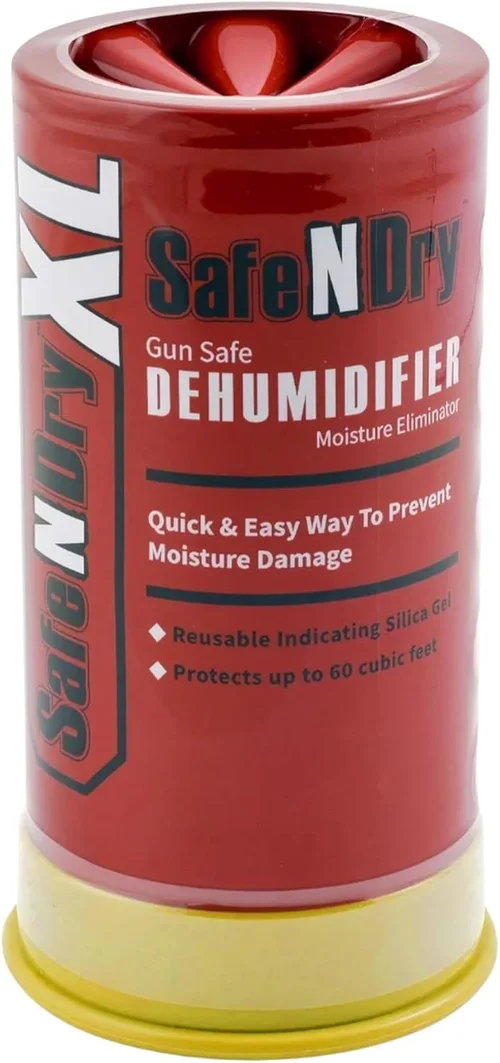
If you’re a firearms owner, you already know that protecting your investment goes far beyond just locking it away. A gun safe is essential—but it’s only half the battle. The real enemy? Moisture. Even in the most secure safes, humidity can silently creep in, leading to rust, corrosion, wood warping, and damage to optics and electronics. Over time, this invisible threat can degrade the value, functionality, and safety of your firearms. That’s where a high-quality gun safe dehumidifier becomes not just a nice-to-have, but a necessity.
This comprehensive buying guide is designed to help you make an informed, confident decision when selecting the best dehumidifier for your gun safe. Whether you’re a seasoned collector with a vault full of vintage rifles or a first-time buyer storing a single handgun, understanding how to control moisture inside your safe is critical. We’ll walk you through the key factors to consider, compare different types of dehumidifiers, highlight common pitfalls, and offer expert-backed recommendations tailored to various budgets and needs. By the end of this guide, you’ll have all the knowledge you need to protect your firearms from the damaging effects of excess humidity—ensuring they remain in peak condition for years to come.
The market for gun safe dehumidifiers has evolved significantly in recent years. Gone are the days when a simple desiccant pouch or a basic rod heater was the only option. Today, you’ll find advanced silica gel units with rechargeable indicators, thermoelectric dehumidifiers with digital controls, and even smart models that connect to Wi-Fi for remote monitoring. With so many choices available, it’s easy to feel overwhelmed. But don’t worry—we’ve done the research for you. This guide cuts through the noise, focusing on performance, reliability, and real-world usability. Whether you’re looking for something affordable, ultra-quiet, or capable of handling a large safe, we’ve got you covered.
What to Look for When Buying Buying Guide
1. Moisture Removal Capacity
The primary function of any gun safe dehumidifier is to remove excess moisture from the air inside your safe. But not all units are created equal. Moisture removal capacity is typically measured in terms of how much water (in milliliters or ounces) the unit can extract over a 24-hour period under standard conditions. For most residential gun safes—ranging from compact pistol boxes to full-sized rifle cabinets—a dehumidifier that removes between 100ml and 300ml per day is usually sufficient. However, if your safe is located in a particularly humid environment (like a basement in Florida or a garage in the Pacific Northwest), you may need a more powerful unit.
It’s also important to consider the safe’s internal volume. A larger safe with poor ventilation will require a stronger dehumidifier. Look for models that specify coverage area or cubic footage. Some manufacturers provide charts indicating how many cubic feet their unit can effectively protect. For example, a 500-cubic-foot safe might need a dual-cartridge silica gel system or a thermoelectric model with dual fans. Always err on the side of slightly more capacity—underpowered units will struggle to maintain optimal humidity levels, especially during seasonal humidity spikes.
2. Type of Dehumidification Technology
There are three main types of dehumidifiers used in gun safes: desiccant (silica gel), thermoelectric (Peltier), and refrigerant-based. Each has its own advantages and trade-offs.
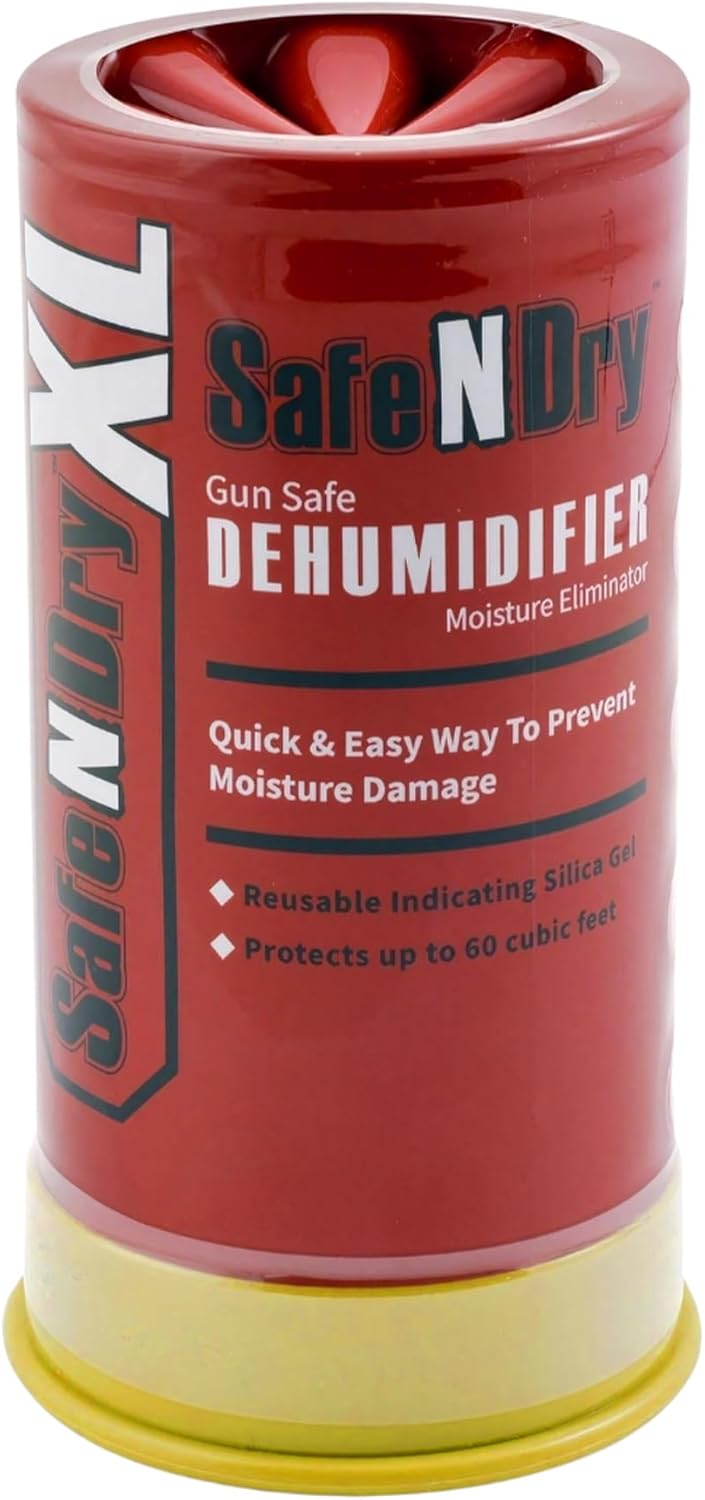
Desiccant dehumidifiers use moisture-absorbing materials like silica gel beads to pull water vapor from the air. These are often rechargeable—once saturated, you can dry them in an oven or microwave to restore their effectiveness. They’re silent, energy-efficient, and ideal for small to medium safes. However, they require periodic recharging and may not be sufficient for high-humidity environments.
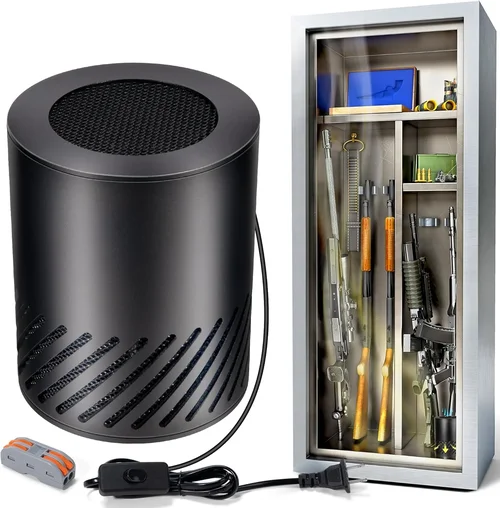
Thermoelectric dehumidifiers use the Peltier effect to cool a surface below the dew point, causing moisture to condense and collect in a reservoir. These units are quiet, compact, and don’t require refills, making them popular for gun safes. They’re effective in moderate humidity but can struggle in extreme conditions or very large safes.
Refrigerant dehumidifiers work like mini air conditioners, using a compressor to cool coils and extract moisture. These are the most powerful but also the largest, noisiest, and most expensive. They’re typically overkill for standard gun safes but may be necessary for commercial or industrial applications.
For most gun owners, a thermoelectric or high-capacity desiccant unit offers the best balance of performance, convenience, and cost.
3. Power Source & Energy Efficiency
Gun safe dehumidifiers can be powered in several ways: AC wall adapters, USB cables, battery-operated, or even solar (in rare cases). The choice depends on your safe’s setup and accessibility to power outlets.
AC-powered models are the most common and reliable, especially for thermoelectric units that require consistent electricity. However, if your safe is in a remote location like a detached garage or cabin, you may prefer a USB-powered or battery-operated option. Rechargeable desiccant units are completely cordless, which is a major advantage for portability and safety—no wires inside the safe mean less clutter and reduced fire risk.
Energy efficiency is another key consideration. Look for units with low wattage (under 20W) and automatic shutoff features. Some thermoelectric models cycle on and off based on humidity levels, which helps conserve energy. Avoid units that run continuously unless absolutely necessary—this can lead to unnecessary power consumption and increased heat output, which may affect temperature-sensitive items in your safe.
4. Size & Compatibility with Your Safe
Not all dehumidifiers fit every safe. Before purchasing, measure the interior dimensions of your safe and consider where you’ll place the unit. Some models are designed to hang on the back wall, while others sit on the floor or mount to the ceiling. Compact pistol safes may only accommodate small desiccant canisters, whereas large walk-in safes can handle multiple units or larger thermoelectric systems.
Also consider clearance. If your safe has shelves, racks, or door-mounted storage, ensure the dehumidifier won’t interfere. Some thermoelectric models have external water tanks that need to be emptied periodically—make sure there’s enough space for access. For safes with limited interior space, look for low-profile or flat designs that can slide under shelves or behind firearms.
Compatibility also extends to mounting options. Many units come with adhesive pads, Velcro strips, or mounting brackets. Choose a secure method that won’t damage your safe’s interior lining or finish.
5. Noise Level & Discretion
While most gun safe dehumidifiers are relatively quiet, some can produce a noticeable hum—especially thermoelectric models with fans. If your safe is located in a bedroom, home office, or living area, noise can be a concern. Desiccant units are completely silent, making them ideal for noise-sensitive environments.
Thermoelectric dehumidifiers vary in noise output. Look for models rated under 30 decibels (dB) for near-silent operation. Some manufacturers specify “whisper-quiet” or “silent mode” in their descriptions. If possible, read user reviews to gauge real-world noise levels. A unit that sounds like a faint refrigerator may be acceptable in a garage but disruptive in a bedroom.
Discretion is also important. You don’t want a bright LED display or blinking lights drawing attention to your safe. Opt for models with minimal visual indicators or those that can be turned off. Some premium units offer OLED screens that dim after a few seconds or only activate when touched.
6. Maintenance Requirements
All dehumidifiers require some level of maintenance, but the frequency and complexity vary widely. Desiccant units need to be recharged regularly—typically every 2–6 weeks depending on humidity levels. This involves removing the cartridge and drying it in an oven (usually at 250°F for 2–3 hours) or using a dedicated recharging station. While simple, it’s a recurring task that some users find inconvenient.
Thermoelectric models require emptying the water reservoir, which may need to be done weekly or monthly. Some units have auto-shutoff when the tank is full, preventing overflow. Look for models with large, easy-to-remove tanks and clear fill indicators. A few high-end models feature continuous drainage via a hose, eliminating the need for manual emptying—ideal for safes in hard-to-reach locations.
Battery-operated desiccant units often have rechargeable batteries that last 1–2 years before needing replacement. Check whether the battery is user-replaceable or requires professional service.
Choose a unit that matches your willingness to perform maintenance. If you prefer “set it and forget it,” a thermoelectric model with a large tank or drainage option may be better than a desiccant that needs weekly recharging.
7. Build Quality & Durability
A gun safe dehumidifier is a long-term investment, so durability matters. Look for units made from high-quality plastics, corrosion-resistant metals, and robust internal components. Avoid flimsy casings or poorly sealed joints that could lead to leaks or malfunctions.
Check the warranty period—most reputable brands offer 1–3 years of coverage. A longer warranty often indicates confidence in the product’s longevity. Also consider the operating temperature range. If your safe is in an unheated garage or attic, ensure the dehumidifier can function in extreme cold or heat. Some thermoelectric units lose efficiency below 50°F, while desiccants perform well in a wider range.
Waterproofing is another factor. While the unit itself shouldn’t leak, accidental spills or condensation buildup could damage electronics. Look for models with sealed compartments and moisture-resistant circuitry.
8. Smart Features & Connectivity
Modern dehumidifiers are increasingly incorporating smart technology. Features like Wi-Fi connectivity, mobile app control, and humidity alerts are becoming more common—even in gun safe models. These allow you to monitor conditions remotely, receive notifications when the tank is full or humidity levels rise, and adjust settings from your phone.
While not essential, smart features add convenience and peace of mind, especially if you’re away from home frequently. Some models integrate with smart home systems like Alexa or Google Home, enabling voice commands or automation (e.g., “Turn on dehumidifier when humidity exceeds 50%”).
However, smart features often come at a premium. If you’re on a tight budget or prefer simplicity, a basic analog unit may be more practical. Also, consider data privacy—some apps require accounts and collect usage data. Read the fine print before connecting to the cloud.
Different Types of Buying Guide

Common Buying Mistakes to Avoid
❌ Mistake: Choosing Based Solely on Price
Why it’s bad: The cheapest dehumidifier may save you $20 upfront, but it could cost you hundreds in damaged firearms down the line. Low-cost units often use inferior materials, lack accurate humidity sensors, or have weak moisture removal capabilities. In high-humidity areas, a budget model may never achieve the target humidity level, leaving your guns vulnerable to rust.
What to do instead: Treat your dehumidifier as a long-term investment. Spend a little more for a reputable brand with proven performance. Look for models with clear specifications, positive user reviews, and solid warranties. A $100 unit that lasts 5 years is better than a $30 one that fails in 6 months.
❌ Mistake: Ignoring Safe Size and Environment
Why it’s bad: A dehumidifier designed for a small pistol box will be overwhelmed in a 10-gun rifle safe. Similarly, a unit rated for indoor use may fail in a damp basement or unheated garage. Using an undersized or incompatible dehumidifier leads to ineffective moisture control and potential damage.
What to do instead: Calculate your safe’s internal volume (length × width × height in feet). Check the dehumidifier’s coverage rating. If your safe is in a high-humidity area (above 60% RH), choose a unit with higher capacity or consider dual units. For extreme environments, consult manufacturer guidelines or opt for a hybrid system.
❌ Mistake: Overlooking Maintenance Needs
Why it’s bad: Many buyers assume dehumidifiers are “set and forget.” But desiccant units need regular recharging, and thermoelectric models require tank emptying. Neglecting maintenance renders the unit useless and can lead to overflow or mold growth inside the safe.
What to do instead: Be honest about your willingness to perform upkeep. If you travel often or have a busy schedule, choose a low-maintenance option like a thermoelectric model with a large tank or continuous drainage. Set calendar reminders for recharging or emptying.
❌ Mistake: Buying Without Checking Power Access
Why it’s bad: Thermoelectric dehumidifiers need a power source. If your safe is in a remote location without outlets, you’ll need an extension cord or battery-powered unit. Running cords through safe doors can compromise security and create fire hazards if not done properly.
What to do instead: Assess your safe’s location before buying. For hardwired setups, consider hiring an electrician to install a dedicated outlet. For cordless operation, choose a rechargeable desiccant or USB-powered model. Some safes have built-in power ports—check compatibility.
❌ Mistake: Assuming All Desiccants Are Equal
Why it’s bad: Not all silica gel is created equal. Cheap desiccant packs may use low-grade beads that lose effectiveness quickly or contain cobalt chloride—a toxic substance that can off-gas in enclosed spaces. Some don’t include humidity indicators, making it hard to know when to recharge.
What to do instead: Choose desiccant units with color-changing indicators (blue to pink = needs recharging) and non-toxic, food-safe silica gel. Look for brands that specify “rechargeable” and provide clear instructions. Avoid generic “moisture absorbers” sold in bulk—they’re not designed for long-term use.
❌ Mistake: Ignoring Noise in Living Spaces
Why it’s bad: A dehumidifier that hums all night can disrupt sleep or concentration, especially if your safe is in a bedroom or office. Continuous noise may also draw unwanted attention.
What to do instead: Prioritize silent operation for indoor safes. Desiccant units are ideal. For thermoelectric models, check decibel ratings and user feedback. Some brands offer “night mode” or fanless designs. Test the unit in a quiet room before finalizing your purchase.
❌ Mistake: Not Reading User Reviews
Why it’s bad: Marketing claims don’t always reflect real-world performance. A dehumidifier might look great on paper but fail in practice due to poor build quality, inaccurate sensors, or compatibility issues.
What to do instead: Read verified customer reviews on multiple platforms (Amazon, manufacturer sites, forums). Look for patterns—repeated complaints about leaks, short lifespan, or false humidity readings are red flags. Pay attention to reviews from users with similar safe sizes and environments.
Budget Guidelines: How Much Should You Spend?
- Entry-Level ($20 – $50): Ideal for small pistol safes or low-humidity areas. Expect basic desiccant canisters or simple thermoelectric units with limited capacity. These are great for beginners or occasional use but may require frequent maintenance. Brands like Eva-Dry and Dry-Packs offer reliable options in this range.
- Mid-Range ($50 – $120): The sweet spot for most gun owners. These units offer better build quality, larger moisture removal capacity, and features like auto-shutoff, larger tanks, or rechargeable batteries. Thermoelectric models from brands like Hornady, Stack-On, and GoldenRod dominate this category. They’re suitable for medium to large safes and provide consistent performance with minimal upkeep.
- Premium ($120 – $250): For enthusiasts and serious collectors. These include advanced thermoelectric units with dual fans, smart controls, Wi-Fi connectivity, and continuous drainage. Some feature OLED displays, programmable timers, and compatibility with smart home systems. Brands like Eva-Dry, Safe Guard, and Lockdown offer top-tier models in this range.
- Luxury ($250+): Top-tier solutions for large walk-in safes, commercial use, or extreme environments. These may include refrigerant-based systems, hybrid desiccant-heater combos, or custom-installed dehumidification units. They offer maximum moisture removal, minimal maintenance, and professional-grade reliability. Often used by law enforcement, museums, or high-net-worth collectors.
Expert Tips for Getting the Best Deal
- Buy During Off-Seasons: Humidity spikes in summer, so dehumidifiers often go on sale in fall and winter. Look for discounts around Black Friday, Cyber Monday, or post-holiday clearance events. Many retailers discount older models when new versions launch.
- Shop at Specialty Retailers: While big-box stores carry basic models, specialty gun shops and online retailers like Brownells, MidwayUSA, and OpticsPlanet often have better selection, expert advice, and exclusive bundles (e.g., dehumidifier + hygrometer).
- Check Manufacturer Rebates: Some brands offer mail-in rebates or instant discounts during promotional periods. Sign up for newsletters to get alerts.
- Consider Refurbished Units: Reputable sellers sometimes offer certified refurbished dehumidifiers at 20–40% off. These are tested, cleaned, and come with warranties—great for budget-conscious buyers.
- Bundle with Other Safe Accessories: Buying a dehumidifier with a hygrometer, gun socks, or LED lighting may qualify for a package discount. Some retailers offer free shipping on orders over $100.
- Read Return Policies: Ensure the seller accepts returns within 30 days. Test the unit upon arrival—check for leaks, noise, and proper function. If it doesn’t meet expectations, return it promptly.
- Test Before Committing: If possible, borrow or rent a unit to test in your safe. Monitor humidity levels with a digital hygrometer for a week. This helps you determine if the dehumidifier is effective before making a long-term investment.
- Warranty Matters: A longer warranty (2–3 years) often indicates higher quality. Register your product online to activate coverage. Keep receipts and documentation in case of defects.

Frequently Asked Questions
Q: How often should I recharge a desiccant dehumidifier?
A: It depends on humidity levels and safe size. In moderate conditions, most desiccant units need recharging every 2–6 weeks. Look for color-changing indicators—when the beads turn from blue to pink, it’s time to recharge. In high-humidity areas, you may need to recharge weekly.
Q: Can I leave a dehumidifier on all the time?
A: Yes, most thermoelectric and refrigerant models are designed for continuous operation. Desiccant units don’t use power, so they can stay in the safe indefinitely. Just ensure proper maintenance to avoid overflow or malfunction.
Q: What humidity level should I maintain in my gun safe?
A: Aim for 45–55% relative humidity (RH). This range prevents rust and corrosion without overdrying wood stocks or leather accessories. Use a calibrated digital hygrometer to monitor levels regularly.
Q: Will a dehumidifier damage my firearms?
A: No—when used correctly, dehumidifiers protect your firearms. However, avoid placing units directly against guns or using excessive heat (some heater rods can reach 140°F). Keep a few inches of clearance and use a hygrometer to verify safe conditions.
Q: Can I use a regular room dehumidifier in my gun safe?
A: Not recommended. Room dehumidifiers are too large, consume too much power, and may over-dry the environment. They’re also not designed for enclosed spaces. Use a unit specifically made for gun safes.
Q: Do I need a dehumidifier if my safe is in a dry climate?
A: Even in dry areas, seasonal changes or indoor humidity (from showers, cooking, etc.) can affect your safe. A small desiccant unit provides insurance against unexpected moisture spikes.
Q: How do I know if my dehumidifier is working?
A: Use a digital hygrometer to track humidity levels over time. If the reading stays stable in the 45–55% range, the unit is effective. For thermoelectric models, check the water tank—if it’s collecting water, it’s functioning.
Q: Can I use multiple dehumidifiers in one safe?
A: Yes, especially in large or high-humidity safes. Place units in opposite corners or on different shelves for even coverage. Avoid overcrowding—ensure proper airflow around each unit.
Q: Are rechargeable desiccants safe to use?
A: Yes, as long as they’re labeled non-toxic and food-safe. Avoid units with cobalt chloride, which can release harmful fumes. Look for silica gel with color indicators and follow recharging instructions carefully.
Q: What’s the difference between a dehumidifier and a heater rod?
A: A dehumidifier removes moisture from the air. A heater rod warms the safe to prevent condensation but doesn’t remove water vapor. In cold climates, a combination of both may be needed—use a dehumidifier for moisture control and a low-wattage heater rod to prevent frost.
Our Final Recommendations
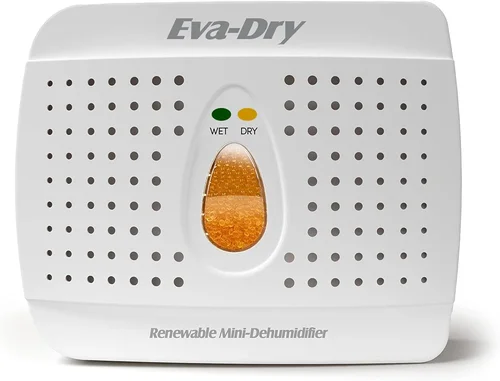
- Best for Budget-Conscious Buyers: Eva-Dry E-333 Mini Dehumidifier – At under $30, this rechargeable desiccant unit is silent, portable, and effective for small safes. The color-changing indicator makes maintenance easy, and it’s safe for long-term use.
- Best Overall Value: Hornady Rechargeable Gun Safe Dehumidifier – Priced around $60, this thermoelectric model offers reliable performance, a 16-ounce tank, and auto-shutoff. It’s quiet, energy-efficient, and ideal for medium to large safes.
- Best Premium Option: Safe Guard Smart Dehumidifier with Wi-Fi – At $180, this top-tier unit features app control, remote alerts, and continuous drainage. Perfect for tech-savvy users who want real-time monitoring and peace of mind.
- Best for Beginners: Dry-Packs 400g Silica Gel Canister – Simple, affordable, and effective. No power needed, easy to recharge, and great for first-time users or small safes.
- Best for Advanced Users: Lockdown GoldenRod Dehumidifier with Hygrometer – This hybrid system combines a heater rod with a digital hygrometer for precise control. Ideal for cold climates and large safes requiring both heating and dehumidification.
Conclusion: Making the Right Choice
Protecting your firearms from moisture isn’t optional—it’s essential. A quality gun safe dehumidifier is one of the most important investments you can make to preserve the value, functionality, and safety of your collection. Throughout this guide, we’ve covered the critical factors to consider: moisture removal capacity, technology type, power source, size compatibility, noise, maintenance, build quality, and smart features. We’ve compared different categories, highlighted common mistakes, provided budget guidelines, and shared expert tips to help you get the best deal.
Remember, the right dehumidifier depends on your specific needs. A small pistol safe in Arizona won’t require the same solution as a walk-in vault in coastal Georgia. Take the time to assess your safe’s size, location, and environment. Read reviews, compare specifications, and don’t hesitate to invest a little more for reliability and longevity.
Your firearms deserve the best protection. By choosing a dehumidifier that matches your lifestyle and safe setup, you’re not just preventing rust—you’re ensuring that your guns remain ready, reliable, and ready to perform whenever you need them. Don’t wait until it’s too late. Act now, and give your collection the care it deserves.